
Introduction
In today’s global supply chain, relying solely on trust isn’t enough — that’s where Quality Audits come into play. They serve as a vital tool in supplier risk management, helping businesses spot issues like poor legal standing of supplier's operation before they snowball into costly crises. With the rise of unverified suppliers, conducting thorough quality audits can save you from financial risks and potential scams, ensuring you’re not caught off guard by hidden pitfalls.
As companies expand their sourcing networks, the need for vigilant supplier evaluation has never been more urgent. A single disorganized factory can cause production and shipping delays that ripple through your entire supply chain. Conducting regular quality audits based on ISO9001 standards allows you to evaluate factory organization effectively, catching quality issues due to limited factory QC checks early on and preventing delays before they impact your bottom line.
Quality Audits aren’t just about compliance—they’re about safeguarding your business from unseen threats lurking in the shadows of global trade. By identifying weaknesses like poor legal standing of suppliers or signs of financial instability, these audits empower purchasers to make smarter decisions. Ultimately, investing in quality audits is a strategic move that turns risk into opportunity and keeps your supply chain resilient and reliable.
Detecting Legal and Compliance Risks

Navigating the legal landscape of suppliers can feel like walking a tightrope—one misstep and you’re facing costly fines or a damaged reputation. Conducting thorough quality audits helps uncover poor legal standing of supplier's operation before it spirals into a crisis, saving your business from unexpected liabilities. By scrutinizing compliance documents and operational practices, you can identify legal gaps early, ensuring your supply chain remains compliant and resilient.
A quality audit is an invaluable tool for assessing legal risk because it provides a clear picture of whether suppliers like Samsung are adhering to industry standards and regulations. These audits help purchasers evaluate factory organization with a quality audit based on ISO9001 standards, revealing any gaps that could lead to regulatory issues down the line. Spotting poor legal compliance early through regular audits prevents small issues from snowballing into significant legal headaches, especially when dealing with unverified suppliers whose operations might hide financial risks and potential scams.
In today’s fast-paced supply chain environment, production and shipping delays due to disorganization are common pitfalls that can be mitigated through diligent quality audits. When evaluating factory organization with a quality audit based on ISO9001 standards, you get insight into how well the supplier manages its processes—reducing delays caused by disorganization. Regularly conducting these audits not only helps spot inefficiencies but also ensures that your supplier maintains proper legal compliance, which is crucial for avoiding disruptions or costly rework caused by overlooked legal issues.
Uncovering Financial and Scam Risks
Navigating the supplier landscape without proper due diligence can be like sailing blindfolded—risky and full of surprises. Quality audits are your best compass when it comes to evaluating the financial health of suppliers such as Alibaba, helping you spot red flags before they turn into costly disasters. By scrutinizing a supplier’s financial stability and operational transparency, you can avoid falling prey to potential scams with unverified suppliers who might be hiding poor legal standing of their operation or worse, outright fraud.
Unverified suppliers often come with a laundry list of warning signs—sudden price drops, vague company credentials, or inconsistent communication—all clues that point towards possible financial risks and potential scams. Conducting thorough quality audits allows purchasers to assess factory organization based on ISO9001 standards, revealing disorganization that could lead to production and shipping delays. These delays aren’t just an inconvenience; they can severely impact your supply chain’s reliability if not caught early through diligent quality audits.
Poor legal standing of supplier's operation is another sneaky issue that can escape casual inspection but becomes glaringly obvious during a comprehensive quality audit. A good audit helps purchasers assess legal risk by verifying compliance with local regulations and reviewing contractual obligations—saving you from future legal headaches. Remember, quality issues due to limited factory QC checks often mask deeper financial troubles or scam risks; regular audits act as a safety net ensuring your supplier’s integrity remains intact.
Improving Production and Shipping Efficiency
Streamlining production and shipping processes is crucial for maintaining a competitive edge, and this is where quality audits come into play. By conducting thorough evaluations, companies can identify disorganization causing delays that often stem from poor factory management or miscommunication. A well-executed quality audit based on ISO9001 standards reveals these inefficiencies early, preventing minor hiccups from turning into costly production setbacks.
When evaluating factory organization with a quality audit based on ISO9001 standards, purchasers gain insight into operational workflows and management practices. This process helps spot issues like inadequate documentation or inconsistent procedures that contribute to production and shipping delays. Addressing these issues through targeted improvements ensures smoother operations, reducing the risk of delays caused by disorganization or poor factory QC checks.
Poor legal standing of supplier's operation can sometimes hide behind apparent smoothness but often surfaces as production delays or quality issues. A comprehensive quality audit helps purchasers assess legal risk by verifying compliance with industry standards and regulations, which in turn minimizes potential scams with unverified suppliers. Regular audits not only catch these risks early but also ensure that quality issues due to limited factory QC checks are addressed before they escalate, safeguarding supply chain reliability.
[Image description=factory floor with organized stations, inspectors reviewing processes, checklist for ISO9001 standards, clear workflow signs, minimal clutter], [Image name=ProductionShippingEfficiencyAudit], [Alt tag=Quality Audits improve production and shipping efficiency by identifying disorganization]
Ensuring Quality Control and Product Consistency
Maintaining consistent product quality is a challenge many companies face, especially when factory QC checks are limited or superficial. Quality Audits serve as a vital tool to uncover hidden issues that might not be evident during routine inspections. By thoroughly evaluating factory organization with a quality audit based on ISO9001 standards, purchasers can identify gaps that lead to poor legal standing of supplier's operation, potential financial risks, and even scams from unverified suppliers.
When factories lack robust QC checks, quality issues tend to slip through the cracks, leading to defective products and customer dissatisfaction. A comprehensive quality audit helps assess whether the supplier’s operations meet international standards, reducing the risk of poor legal standing of supplier’s operation and safeguarding your brand reputation. Regular audits also help spot production and shipping delays due to disorganization early on—saving both time and money while ensuring product consistency.
Implementing regular quality audits isn’t just about catching problems; it’s about fostering continuous improvement. These audits enable purchasers to evaluate factory organization with a focus on ISO9001 standards, which promotes better process control and reduces the likelihood of costly errors or scams with unverified suppliers. Over time, this proactive approach minimizes risks related to poor legal standing of supplier's operation, financial instability, or supply chain disruptions caused by disorganization—making your supply chain resilient and reliable.
Leveraging China Inspection Pro for Better Risk Management
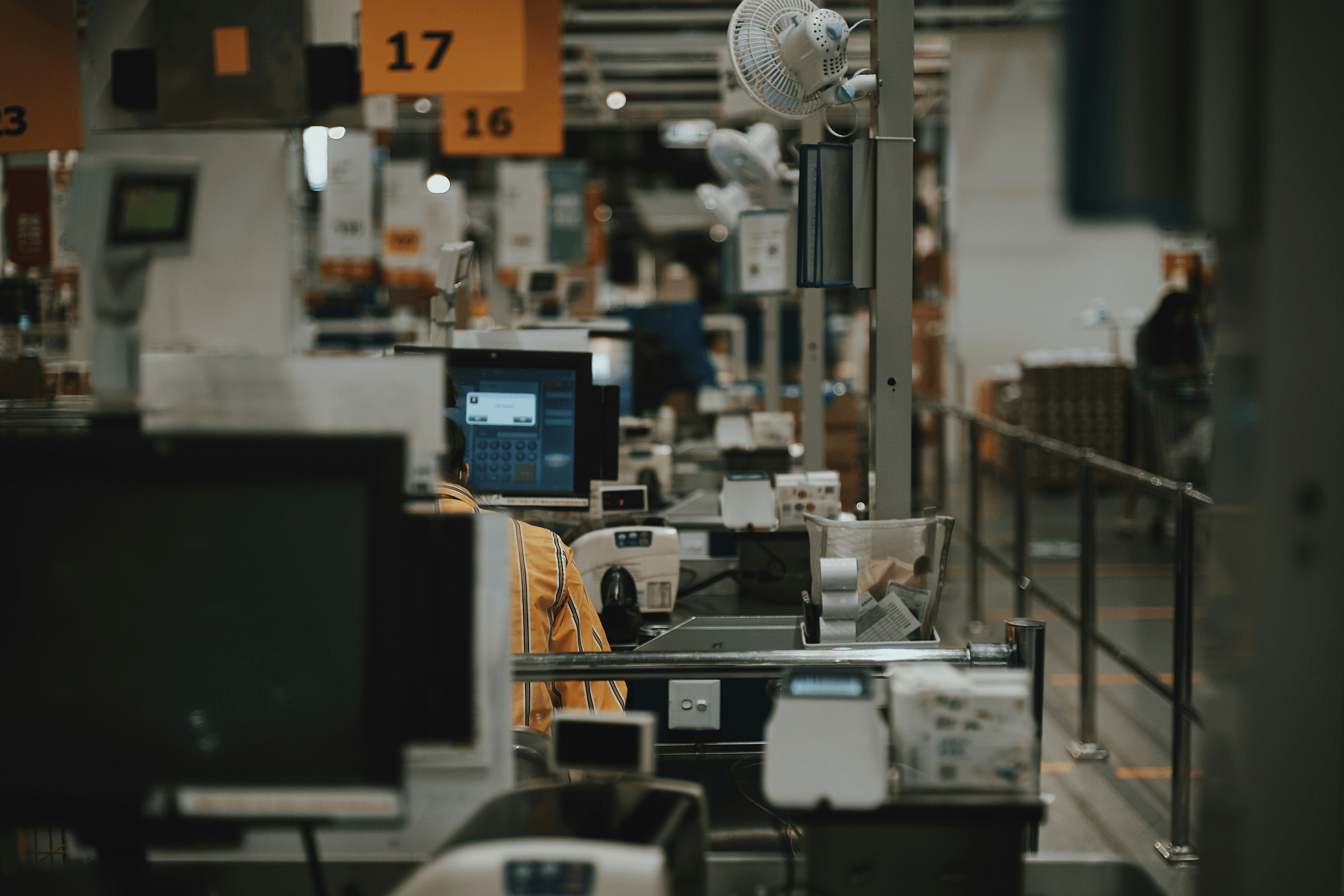
In today’s complex supply chain landscape, leveraging a platform like China Inspection Pro is essential for conducting thorough Quality Audits. It streamlines the process of identifying issues such as poor legal standing of supplier's operation and helps purchasers avoid costly surprises down the line. With its comprehensive tools, China Inspection Pro empowers businesses to evaluate factory organization with a quality audit based on ISO9001 standards, ensuring production and shipping delays due to disorganization are minimized.
How China Inspection Pro Supports Effective Quality Audits
China Inspection Pro provides an integrated approach to conducting effective quality audits by offering real-time data collection and detailed reporting tools. This platform enables purchasers to assess legal risks associated with suppliers, including the poor legal standing of supplier's operation, which can lead to compliance issues or even shutdowns. By facilitating in-depth evaluations of factory organization with a quality audit based on ISO9001 standards, it helps uncover underlying causes of quality issues due to limited factory QC checks and prevents these problems from escalating into major product failures.
Advanced Methodologies for Supplier Evaluation
The platform employs advanced methodologies that go beyond traditional checklists, incorporating data analytics and risk scoring systems tailored to specific industry needs. These methodologies allow buyers to evaluate financial risks and potential scams with unverified suppliers effectively, reducing exposure to fraud or unreliable partners. Additionally, China Inspection Pro’s approach emphasizes continuous monitoring—helping businesses spot early signs of disorganization or lapses in quality control—so they can act swiftly before production and shipping delays become costly setbacks.
Turning Audit Findings into Strategic Decisions
Turning audit findings into strategic decisions is where China Inspection Pro truly shines; it transforms raw data into actionable insights that shape procurement strategies. By analyzing issues such as poor legal standing of supplier's operation or recurring quality issues due to limited factory QC checks, companies can decide whether to continue collaboration or seek alternative partners. This proactive use of audit results ensures long-term supply chain resilience by addressing root causes like disorganization affecting production timelines while fostering ongoing improvements aligned with ISO9001 standards.
Conclusion
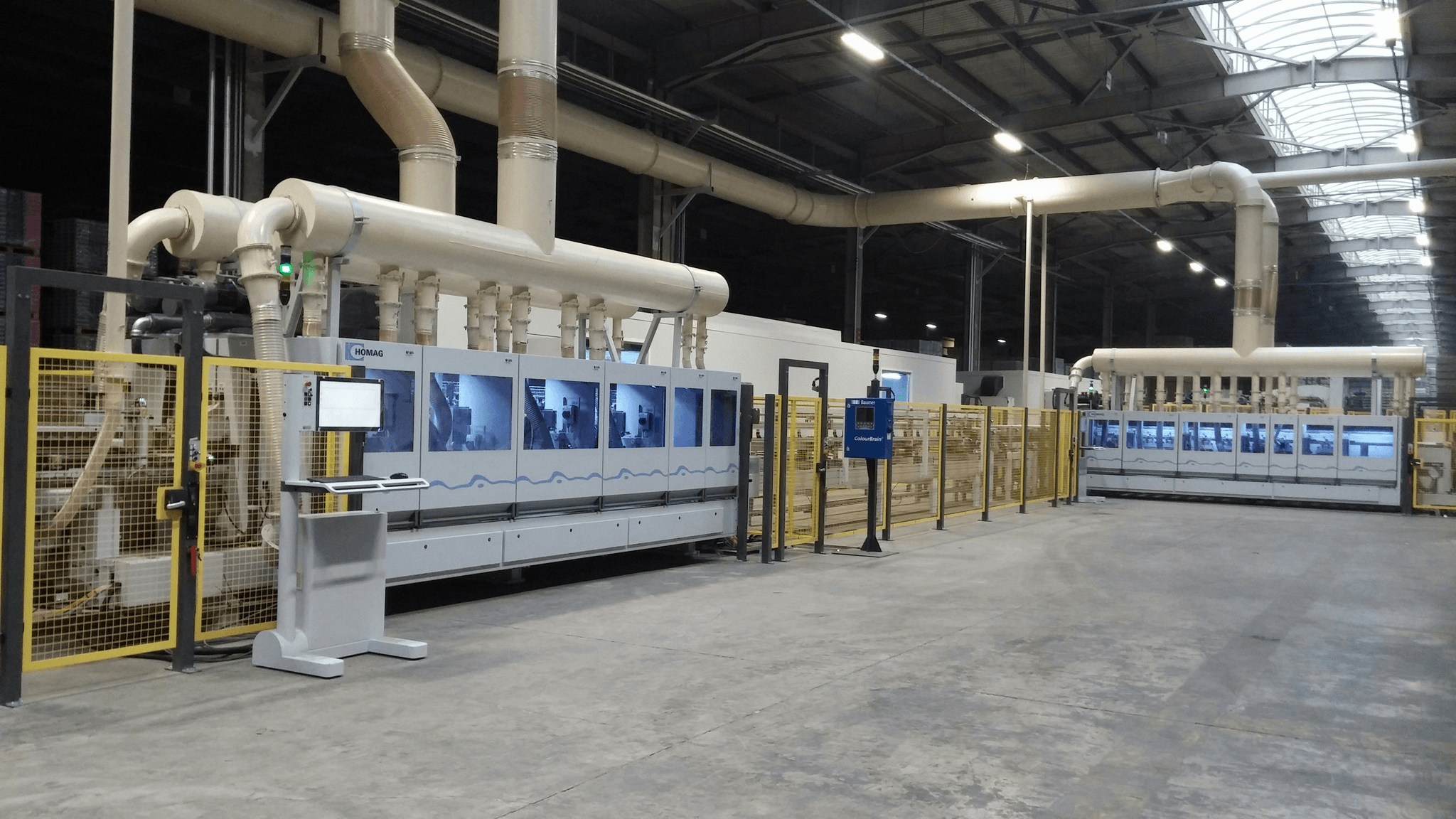
Building resilient supply chains requires more than just luck; it demands rigorous and consistent Quality Audits that uncover hidden risks and streamline operations. Regular assessments help identify poor legal standing of supplier's operation early on, preventing costly legal crises down the line. When you invest in comprehensive quality audits, you're not just checking boxes—you’re fortifying your supply chain against unforeseen disruptions and compliance issues.
Building Resilient Supply Chains with Quality Audits
Implementing frequent Quality Audits allows businesses to spot poor legal standing of supplier's operation before it spirals into a major problem. These audits provide critical insights into how a quality audit helps purchasers assess legal risk by revealing compliance gaps or illegal practices that could jeopardize your reputation. When suppliers are evaluated thoroughly, especially through ISO9001 standards, organizations can evaluate factory organization effectively, reducing production and shipping delays caused by disorganization or subpar management.
The Long-Term Benefits of Regular Supplier Assessments
Consistent supplier assessments yield long-term benefits like minimized quality issues due to limited factory QC checks or unverified suppliers hiding potential scams. Regularly conducting quality audits enables companies to spot financial risks early—avoiding costly scams from unverified suppliers—and ensures ongoing product consistency. Over time, these evaluations foster trust and transparency, making your supply chain more resilient against disruptions caused by poor legal standing of supplier's operation or operational inefficiencies.
Why Investing in Quality Audits Enhances Business Reliability
Investing in quality audits is akin to buying peace of mind—knowing that your suppliers maintain high standards reduces the risk of production delays and product failures rooted in disorganization or inadequate QC checks. A thorough audit helps purchasers assess legal risk comprehensively and spot financial risks associated with unreliable partners, especially when dealing with unverified suppliers prone to scams. Ultimately, prioritizing regular quality audits boosts business reliability by ensuring consistent product delivery, compliance adherence, and operational excellence.