
Introduction
In today’s competitive furniture market, Furniture Quality isn’t just a nice-to-have; it’s the foundation of your brand’s reputation. Customers are more discerning than ever, expecting durability, style, and comfort all wrapped into one perfect piece. TALK WITH YOUR TEAM regularly to set clear standards and ensure everyone is aligned on what quality truly means for your products.
High furniture quality directly impacts customer satisfaction, which in turn influences your business growth. When you DETERMINE QUALITY BASED ON YOUR CUSTOMER’S PREFERENCE AND PERSPECTIVE, you create pieces that resonate with their needs and desires. Communicating the cost of quality effectively helps manage expectations and emphasizes your commitment to excellence from the first touchpoint.
Elevating your furniture quality through continuous improvement is essential for standing out in a crowded marketplace. By DETAIL YOUR PROCESS DISCIPLINE and implementing strategies to COMPLETELY SOLVE QUALITY ISSUES, you build trust and loyalty among your clients. Remember, a brand that consistently improves its furniture quality not only retains customers but also turns them into passionate advocates for your business.
Set Clear Quality Expectations

Establishing clear expectations around Furniture Quality is the foundation of a successful manufacturing process. TALK WITH YOUR TEAM regularly to define what quality truly means for your products, ensuring everyone is aligned and understands the standards needed to meet customer demands. Remember, without detailed communication, even the best intentions can lead to inconsistent furniture that falls short of customer expectations.
Determining quality based on your customer’s preference and perspective is crucial; after all, they are the ultimate judge of your furniture's success. Dive into customer feedback and market trends to understand what features or finishes resonate most with your audience. This approach helps you set realistic benchmarks for Furniture Quality that truly satisfy your target market, making it easier to COMPLETELY SOLVE QUALITY ISSUES before they escalate.
Communicating the cost of quality effectively is often overlooked but essential—when everyone understands how investments in high standards save money long-term, your team will prioritize maintaining those standards. Be transparent about how cutting corners can lead to costly rework or returns, emphasizing that investing in quality pays off in customer loyalty and brand reputation. By doing so, you reinforce that DETAIL YOUR PROCESS DISCIPLINE and consistently uphold Furniture Quality at every stage.
Develop a Robust Manufacturing Process

Creating a solid manufacturing process is the backbone of ensuring consistent Furniture Quality. When you detail your process discipline, you set clear standards that everyone on your team can follow, reducing variability and boosting overall quality. TALK WITH YOUR TEAM regularly to refine these processes, because collaborative input helps identify potential issues before they become costly mistakes.
Implementing quality control checkpoints throughout production is essential to catch issues early and prevent defective furniture from reaching customers. These checkpoints serve as critical decision points where Furniture Quality can be assessed against your standards, ensuring that every piece meets customer expectations. Remember, COMMUNICATE THE COST OF QUALITY at each stage—so everyone understands that shortcuts now lead to higher costs later.
Using data-driven decisions to monitor progress transforms your manufacturing process into a well-oiled machine. Collecting real-time data allows you to identify trends and address problems before they escalate, maintaining high Furniture Quality consistently. When you COMPLETELY SOLVE QUALITY ISSUES through root cause analysis and follow-up, you reinforce a culture of continuous improvement that benefits your brand long-term.
Leverage Expert Inspection Services

Partnering with professional inspection services is a game-changer when it comes to maintaining and elevating your furniture quality. Engaging experts like China Inspection Pro can help you thoroughly evaluate your products, ensuring they meet your strict standards. This step is essential to DETERMINE QUALITY BASED ON YOUR CUSTOMER’S PREFERENCE AND PERSPECTIVE, as well as to COMPLETELY SOLVE QUALITY ISSUES before they reach your customers.
Regular quality audits are the backbone of a robust furniture manufacturing process. These inspections help identify deficiencies early, so you can address them proactively instead of reacting after the damage is done. TALK WITH YOUR TEAM about these findings, emphasizing the importance of DETAIL YOUR PROCESS DISCIPLINE to uphold consistent furniture quality across all batches.
Turning inspection findings into actionable recommendations is where many companies stumble—don't be one of them. Use these insights to refine your process discipline and communicate the cost of quality effectively throughout your organization. When you COMPLETELY SOLVE QUALITY ISSUES, you'll build trust with customers by delivering furniture that exceeds expectations and stands the test of time.
Address and Solve Quality Issues Completely
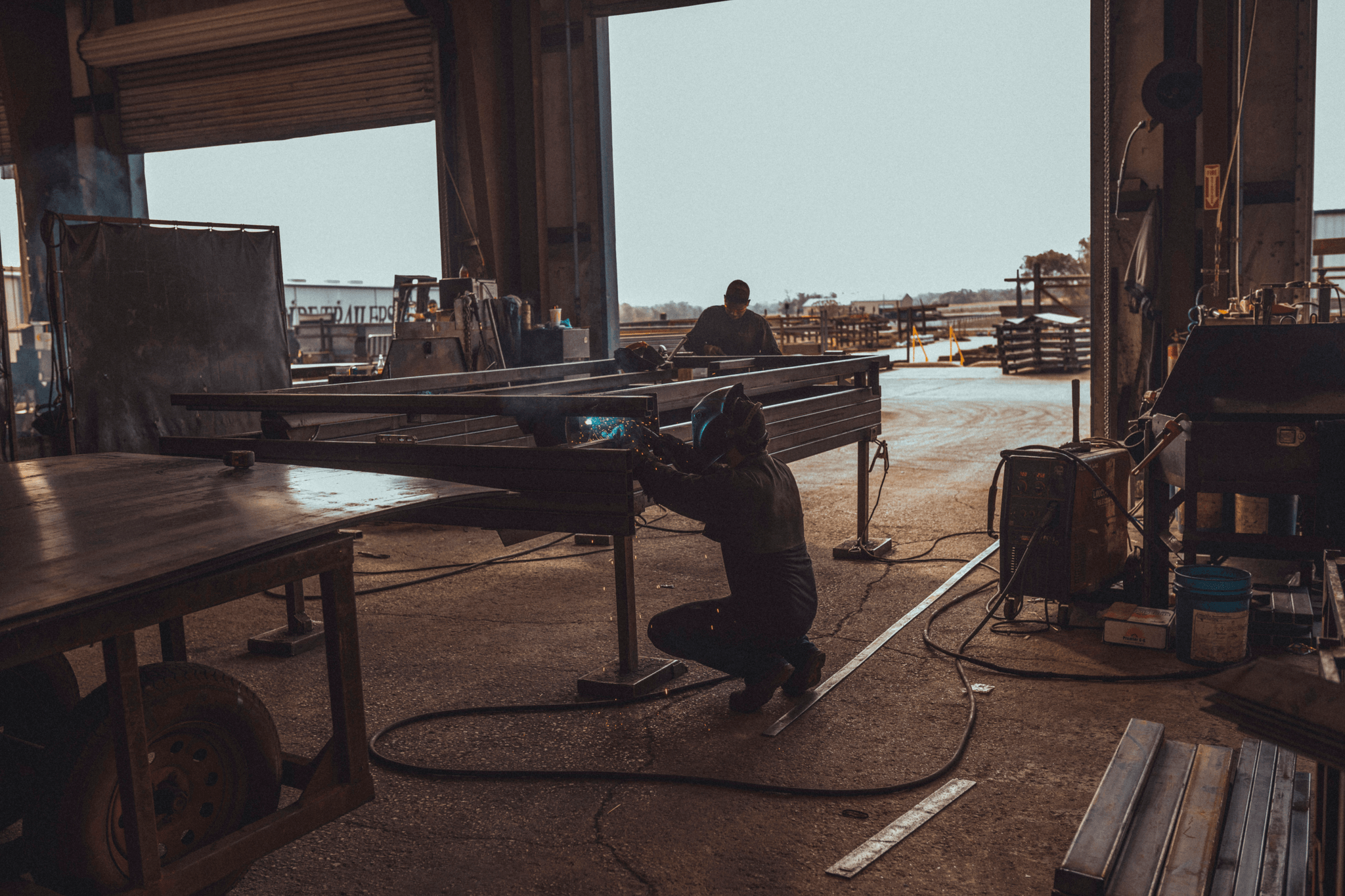
When it comes to maintaining top-notch Furniture Quality, the key is to address issues thoroughly and decisively. TALK WITH YOUR TEAM early on when problems arise—don’t let them fester or become excuses for poor quality. By DETERMINE QUALITY BASED ON YOUR CUSTOMER’S PREFERENCE AND PERSPECTIVE, you ensure that solutions truly meet expectations, not just internal standards. Remember, COMMUNICATE THE COST OF QUALITY clearly so everyone understands that shortcuts now can lead to costly rework later.
To COMPLETELY SOLVE QUALITY ISSUES, you need a detailed approach—think of it as DETAIL YOUR PROCESS DISCIPLINE for every step of production. When a defect pops up, don’t just patch it; dig deep into the root cause with thorough analysis. This prevents recurring problems and helps maintain consistent Furniture Quality across batches, saving time and resources in the long run.
Engaging cross-functional teams is essential in this process because solving Furniture Quality issues isn’t a one-person job. Bring together folks from design, manufacturing, and quality control to brainstorm solutions—diverse perspectives often reveal overlooked causes or innovative fixes. Once corrective actions are implemented, FOLLOW UP TO ENSURE CORRECTIVE ACTIONS ARE EFFECTIVE; otherwise, you risk repeating mistakes that could damage your brand’s reputation.
By taking these steps seriously and fully committing to solving quality issues at their root, your furniture will stand out for its durability and craftsmanship. Remember: addressing problems completely not only improves Furniture Quality but also builds customer trust and loyalty over time.
Foster a Culture of Continuous Improvement

Building a culture that champions furniture quality isn’t a one-and-done effort; it requires ongoing commitment and open communication. TALK WITH YOUR TEAM regularly to gather insights, share successes, and identify areas for improvement. When everyone understands the importance of furniture quality, it becomes embedded in daily routines, making continuous improvement second nature.
Encouraging feedback from both customers and employees creates a dynamic environment where issues are caught early and opportunities for better furniture quality are seized. By actively listening to customer perspectives and employee suggestions, you can DETERMINE QUALITY BASED ON YOUR CUSTOMER’S PREFERENCE AND PERSPECTIVE more accurately. This approach ensures your furniture meets real needs, boosting satisfaction and loyalty.
Investing in staff training focused on quality is essential to sustain high standards. Well-trained teams who understand how to detail your process discipline for consistency will be better equipped to COMPLETELY SOLVE QUALITY ISSUES when they arise. Remember, communicating the cost of quality helps everyone see why investing in training yields long-term benefits—less rework, happier customers, and stronger brand reputation.
Regularly review and adjust processes for better outcomes keeps the momentum alive. Use data-driven insights to refine your manufacturing process and reinforce your commitment to furniture quality at every step. When you keep an eye on progress and adapt accordingly, you foster an environment where continuous improvement becomes part of your company’s DNA.
Conclusion
Elevating your furniture quality isn’t just about making pretty pieces; it’s about creating a lasting impression that keeps customers coming back. TALK WITH YOUR TEAM regularly to reinforce the importance of furniture quality and ensure everyone understands the standards you aim for. Remember, when you DETERMINE QUALITY BASED ON YOUR CUSTOMER’S PREFERENCE AND PERSPECTIVE, you’re more likely to meet or exceed expectations, turning satisfied clients into loyal advocates.
Communicating the cost of quality is vital—be transparent about what goes into maintaining high standards and how it benefits your customers in the long run. Completely solving quality issues requires a proactive approach; don’t just patch problems—use root cause analysis to address them thoroughly and prevent recurrence. DETAIL YOUR PROCESS DISCIPLINE at every step so your team knows exactly what to do, ensuring consistency in delivering top-notch furniture quality.
By integrating these strategies, you turn continuous improvement into your competitive advantage. When you consistently focus on improving furniture quality through clear communication and process discipline, your brand becomes synonymous with excellence. Embrace this mindset, and watch your business thrive as customers recognize your unwavering commitment to quality.