
Introduction
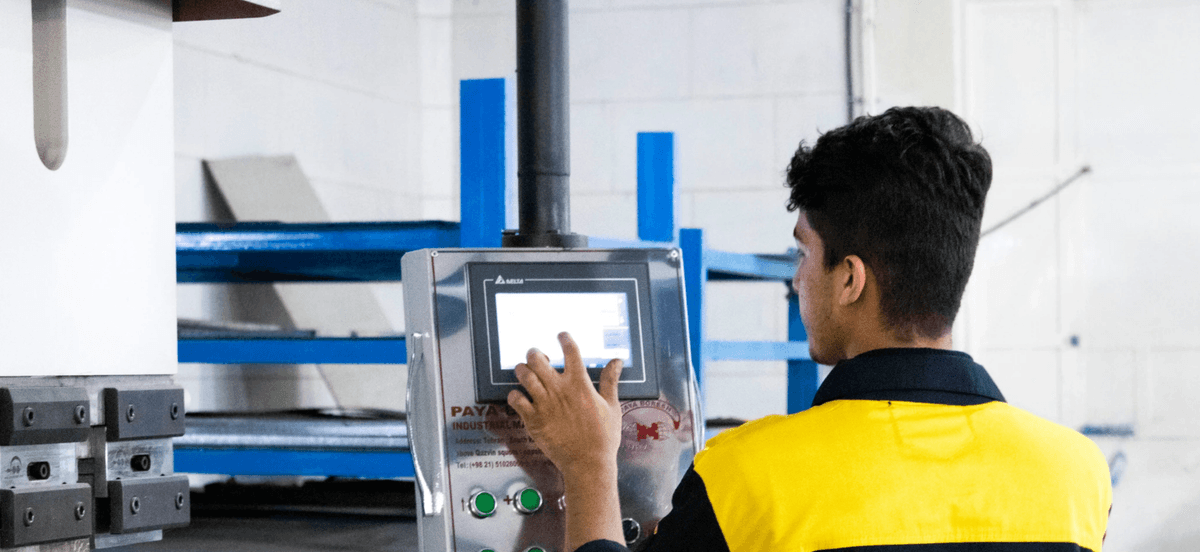
In today’s competitive manufacturing landscape, ensuring your products maintain their material integrity isn't just a good idea—it's a necessity. Destructive Testing plays a pivotal role in revealing the true mechanical properties of materials, helping businesses prevent failures before they happen. Whether it's through Tension Tests, Bend Tests, or Impact Tests, understanding how materials behave under stress safeguards your reputation and bottom line.
Why Material Integrity Matters for Your Business
Material integrity is the backbone of durable, reliable products that meet customer expectations and industry standards. When you perform Destructive Testing, you gain critical insights into the mechanical properties of your materials, such as strength and flexibility. These tests—like Bend Tests and Impact Tests—are essential tools to identify weaknesses early on and avoid costly recalls or safety issues down the line.
How Destructive Testing Ensures Safety and Reliability
Destructive Testing methods such as Tension Tests reveal how materials respond to forces that could cause failure in real-world applications. Impact Tests help detect hidden flaws that might compromise safety during sudden shocks or impacts. By thoroughly evaluating these mechanical properties through destructive methods, manufacturers can guarantee their products are safe, reliable, and compliant with industry regulations.
The Role of China Inspection Pro in Quality Assurance
Partnering with China Inspection Pro elevates your testing accuracy by leveraging advanced methodologies for Destructive Testing like Tension, Bend, and Impact Tests. Our experts provide actionable insights into your material's mechanical properties to support better decision-making processes. With our comprehensive quality assurance services, you can confidently ensure your products meet industry standards while maintaining optimal material integrity.
Understanding Destructive Testing
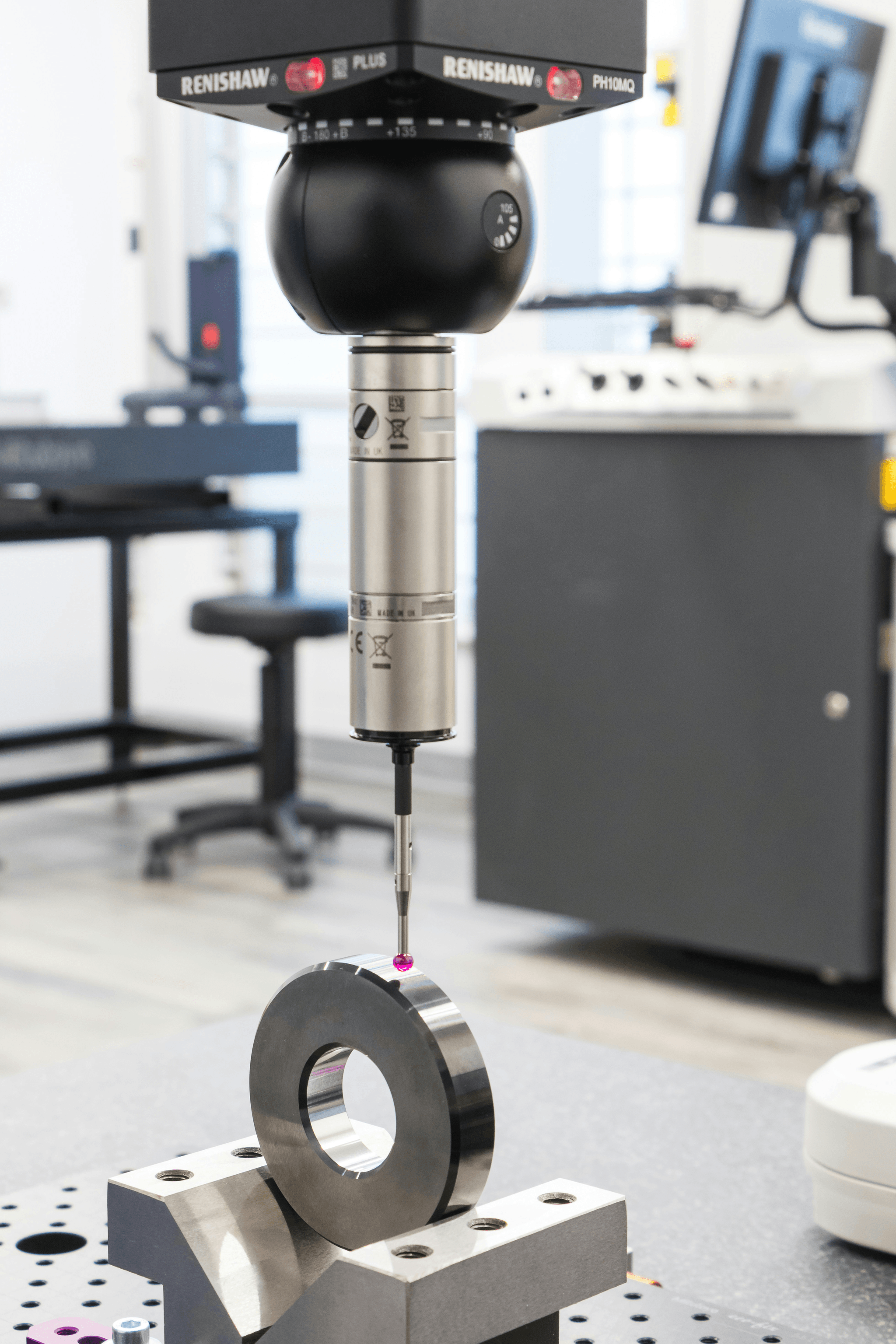
Destructive Testing is the ultimate test of a material’s resilience—pushing it to its limits to reveal its true mechanical properties. This approach helps manufacturers identify weak points and ensure products can withstand real-world stresses, making it a cornerstone of quality assurance. By intentionally damaging samples through various methods, companies gain invaluable insights into how materials perform under extreme conditions.
The Basics of Mechanical Properties Evaluation
At its core, mechanical properties evaluation involves assessing how materials respond to different forces, such as tension, bending, or impact. Destructive Testing techniques like the Tension Test and Bend Test are designed to measure these responses accurately. Knowing these properties helps determine whether a material is suitable for specific applications and ensures safety standards are met.
Common Types of Destructive Testing Methods
There’s a smorgasbord of destructive testing methods available—each tailored for specific insights into material behavior. Impact Tests evaluate toughness by measuring resistance to sudden shocks, while Bend Tests assess flexibility and flexural strength. These tests are vital because they uncover hidden flaws that could lead to failure in critical industries like aerospace or automotive manufacturing.
How a Tension Test Provides Critical Data
The Tension Test is arguably the most straightforward yet powerful destructive testing method—it pulls on a sample until it breaks, revealing key data about tensile strength and ductility. This test provides precise information about how much stress a material can endure before failure, which is crucial for safety-critical components. Incorporating tension tests into your quality checks ensures your products meet industry standards while avoiding costly surprises down the line.
Benefits of Impact Testing for Material Durability
Impact testing stands out as a crucial component of destructive testing, offering valuable insights into how materials behave under sudden forces. By simulating real-world impacts, this method helps identify hidden flaws that might not be evident through traditional inspection techniques. Understanding these flaws allows manufacturers to enhance the mechanical properties of their products, ensuring they can withstand unexpected shocks and stresses.
Detecting Hidden Flaws with Impact Tests
Impact tests are like a metal detective, uncovering flaws lurking beneath the surface that could compromise material integrity. These hidden weaknesses often escape detection during tension or bend tests but reveal themselves when subjected to sudden force. Incorporating impact testing into your destructive testing regimen provides a clearer picture of the material's true durability and resilience, helping prevent costly failures down the line.
Improving Material Resistance through Destructive Testing
By subjecting materials to impact tests, engineers gain critical data on how different substances respond to shock loads, which directly influences their mechanical properties. This destructive testing process enables precise adjustments in material composition or processing methods to boost resistance against impacts and fractures. Ultimately, impact testing empowers manufacturers to develop tougher, more reliable products tailored for demanding environments.
Real-World Applications in Aerospace and Automotive Sectors
The importance of impact testing extends far beyond the lab—it's vital in sectors where safety is paramount, like aerospace and automotive industries. For example, impact tests help ensure aircraft components can endure turbulent conditions or crash scenarios without catastrophic failure. Similarly, automotive manufacturers rely on impact test results to improve vehicle crashworthiness by assessing how materials behave under collision forces—making impact testing an indispensable tool for advancing mechanical properties and safety standards.
Significance of Bend Tests in Quality Control
Bend tests are a cornerstone of destructive testing that help manufacturers understand a material's mechanical properties, especially its flexural strength. By applying controlled force until the material bends or fractures, engineers can evaluate how well it withstands real-world stresses. This process provides critical insights that go beyond simple tensile or impact tests, making bend tests indispensable for comprehensive quality control.
Assessing Flexural Strength Effectively
Bend tests offer an efficient way to measure a material’s ability to resist deformation under load, directly reflecting its flexural strength. This aspect of mechanical properties is vital for applications where materials will experience bending forces in service. Incorporating destructive testing like bend tests ensures that only materials with the right strength qualities move forward in production, reducing costly failures later on.
Preventing Material Failures Before They Happen
By simulating the stresses materials encounter during use, bend tests serve as early warning systems for potential failures. Detecting weaknesses through destructive testing helps prevent catastrophic breakdowns and costly recalls down the line. When combined with impact and tension tests, bend testing creates a robust safety net that safeguards product durability and consumer safety.
How Bend Tests Inform Material Selection
Choosing the right material is crucial for product longevity and performance; bend tests provide valuable data to inform this decision-making process. Insights gained from destructive testing highlight which materials possess optimal mechanical properties for specific applications, such as automotive parts or aerospace components. This strategic approach ensures that each material selected has been thoroughly vetted through rigorous testing methods like impact and tension tests, ultimately leading to smarter choices and better product
Why Impact, Tension, and Bend Tests Matter
Implementing Impact, Tension, and Bend Tests is crucial for understanding the true mechanical properties of materials. These destructive testing methods reveal how materials respond under stress, helping manufacturers identify weaknesses before products reach consumers. By thoroughly evaluating mechanical properties through these tests, companies can prevent failures that might lead to costly recalls or safety hazards.
Enhancing Product Safety and Compliance
Impact, Tension Test, and Bend Test are essential tools for ensuring your products meet industry safety standards and regulations. These destructive testing methods simulate real-world forces to assess whether materials can withstand operational stresses without catastrophic failure. Incorporating these tests into quality control processes guarantees that your products adhere to safety protocols and regulatory compliance requirements.
Reducing Costs with Early Defect Detection
Early detection of material flaws through destructive testing significantly cuts down on expensive post-production fixes. The Tension Test provides critical data on tensile strength and elongation, while Bend Tests identify flexural weaknesses that could cause breakage later on. Impact Testing uncovers hidden flaws by simulating sudden shocks or impacts; catching these issues early minimizes waste and prevents costly field failures.
Supporting Innovations in Mechanical Properties Testing
Advancements in destructive testing techniques continue to push the boundaries of understanding mechanical properties. Modern Impact Tests, combined with precise Tension and Bend Tests, enable engineers to innovate with new materials confidently—knowing their behavior under stress is well-understood. This ongoing evolution supports the development of stronger, more durable products that meet increasing industry demands for reliability.
How China Inspection Pro Elevates Testing Accuracy
When it comes to Destructive Testing, precision is everything. China Inspection Pro employs cutting-edge methodologies and state-of-the-art equipment to ensure every tension test, bend test, and impact test delivers reliable data on your material's mechanical properties. By integrating advanced techniques, they minimize errors and provide a clear picture of your materials’ true strength, durability, and performance.
Leveraging Advanced Methodologies and Equipment
China Inspection Pro stays ahead of the curve by utilizing the latest in destructive testing technology. Their equipment is calibrated regularly to accurately assess mechanical properties through rigorous tension tests, bend tests, and impact tests. This commitment to technological excellence ensures that each destructive testing process captures critical data on material flaws or weaknesses that might otherwise go unnoticed.
Providing Actionable Insights for Better Decision-Making
Data from destructive testing isn’t just numbers; it’s a roadmap for smarter decisions. China Inspection Pro analyzes results from tension tests, bend tests, and impact tests to identify hidden flaws or potential failure points in your materials. These actionable insights help manufacturers optimize their processes, select better materials, and prevent costly failures down the line—saving time and money while boosting safety.
Ensuring Your Products Meet Industry Standards
Meeting industry standards is non-negotiable in today’s competitive market—and destructive testing plays a pivotal role here. China Inspection Pro meticulously evaluates mechanical properties through comprehensive impact tests, bend tests, and tension tests to verify compliance with global regulations. Their expertise guarantees that your products not only pass quality assurance but also stand up confidently in demanding environment
Conclusion
In the world of manufacturing, understanding and implementing Destructive Testing is no longer optional—it's a strategic move that ensures your products meet the highest standards of safety and quality. By leveraging tests like Tension Tests, Bend Tests, and Impact Tests, companies can accurately evaluate mechanical properties and identify potential flaws before they reach the customer. This proactive approach not only safeguards your reputation but also streamlines production costs by catching defects early in the process.
Partnering with seasoned experts who specialize in Destructive Testing provides invaluable insights into material behavior under stress. When you work with professionals skilled in conducting precise Tension Tests or Impact Tests, you gain reliable data that guides better material selection and design improvements. These collaborations help prevent costly failures, enhance product durability, and reinforce your commitment to quality assurance—making your brand stand out in competitive markets.
Unlocking competitive advantages begins with consistent, reliable quality inspection through advanced Destructive Testing methods. Whether it's assessing flexural strength via Bend Tests or evaluating impact resistance critical for safety standards, thorough testing translates into superior products that meet industry regulations. Embracing these testing strategies positions your business as a leader committed to excellence—giving you an edge over competitors who overlook the importance of mechanical properties evaluation.