
Introduction
In the world of manufacturing and production, the role of a quality inspector is pivotal. So, what is a quality inspector? Simply put, they are professionals tasked with ensuring that products meet specific standards of quality and safety before they reach consumers. Their meticulous attention to detail can mean the difference between a product that delights customers and one that disappoints.
Understanding the Role of a Quality Inspector
Quality inspectors are responsible for evaluating products at various stages of production to ensure compliance with industry standards and regulations. They employ various techniques, tools, and methodologies to assess everything from raw materials to finished goods. Understanding their role is crucial for anyone considering hiring a quality control inspector; these individuals play an essential part in maintaining brand reputation and customer satisfaction.
Why Quality Control Matters in Industry
Quality control is not just a box-ticking exercise; it’s integral to operational success across industries. By implementing robust quality control measures, companies can significantly reduce waste, minimize recalls, and enhance customer trust—ultimately impacting their bottom line positively. Thus, knowing the requirements for hiring a quality control inspector becomes vital for businesses aiming to uphold high standards consistently.
Key Skills for Successful Quality Inspectors
Successful quality inspectors possess a unique blend of skills that enable them to perform their duties effectively. Attention to detail tops the list, as even minor oversights can lead to significant issues down the line. Coupled with strong analytical skills and effective communication abilities, these traits are essential when determining what makes an exceptional candidate in this field; understanding these skills will help employers identify those who can truly elevate their quality assurance processes.
Attention to Detail
Attention to detail is the cornerstone of a quality inspector's role. In industries where precision is paramount, even the smallest oversight can lead to significant consequences, from safety hazards to financial losses. Understanding what is a quality inspector involves recognizing that their meticulous nature directly impacts product integrity and customer satisfaction.
The Importance of Precision in Inspections
Precision in inspections cannot be overstated; it ensures that products meet established standards and specifications. A quality inspector's keen eye for detail helps identify defects or inconsistencies that could compromise safety or performance. When hiring a quality control inspector, companies prioritize candidates who demonstrate a proven ability to maintain high levels of accuracy in their work.
Techniques for Enhancing Detail Orientation
There are several techniques that aspiring quality inspectors can employ to enhance their detail orientation. One effective method is developing checklists tailored to specific inspection tasks, which helps ensure no critical steps are overlooked during assessments. Additionally, practicing mindfulness can sharpen focus, allowing inspectors to spot discrepancies more readily—an essential skill when considering the requirements for hiring a quality control inspector.
Real-World Examples of Attention to Detail in Action
Real-world examples highlight how attention to detail can make or break an operation. For instance, in the automotive industry, a minor flaw in brake components could lead to catastrophic failures; therefore, meticulous inspections are crucial. Similarly, pharmaceutical companies rely on quality inspectors who adhere strictly to regulations and standards—demonstrating once again why understanding what is a quality inspector goes beyond mere job description; it's about safeguarding lives through careful scrutiny.
Strong Analytical Skills

In the realm of quality control, strong analytical skills are indispensable for any quality inspector. These skills enable professionals to sift through data, identify trends, and draw actionable conclusions that can significantly impact product quality. Understanding what is a quality inspector involves recognizing their ability to leverage data for continuous improvement in manufacturing processes and service delivery.
Analyzing Data for Quality Assurance
Data analysis is at the heart of effective quality assurance practices. A quality inspector must be adept at interpreting various forms of data, whether it’s statistical process control charts or inspection results from a production line. By analyzing this information, inspectors can pinpoint areas needing improvement and ensure compliance with industry standards—ultimately ensuring that the final products meet customer expectations.
To effectively analyze data, inspectors often utilize software tools that streamline data collection and reporting processes. This technological support enhances their ability to detect anomalies and trends over time, allowing them to forecast potential issues before they escalate into larger problems. In hiring a quality control inspector, organizations should prioritize candidates who demonstrate proficiency in these analytical techniques.
Problem-Solving Techniques for Quality Inspectors
Once a problem has been identified through analysis, the next step is implementing effective problem-solving techniques. A skilled quality inspector employs methods such as root cause analysis or the 5 Whys technique to unravel complex issues systematically. These approaches not only help in diagnosing problems but also facilitate the development of sustainable solutions that enhance overall product integrity.
Additionally, collaboration with cross-functional teams can lead to innovative solutions that might not have been apparent initially. By fostering an environment where ideas can flow freely among team members—engineers, production staff, and management—quality inspectors can contribute significantly to continuous improvement initiatives within an organization. When considering requirements for hiring a quality control inspector, it’s essential to look for individuals who excel in both analytical thinking and collaborative problem-solving.
Bridging the Gap Between Analysis and Action
Analyzing data without translating those insights into action is like having a map but never taking a journey; it’s crucial for inspectors to bridge this gap effectively. Quality inspectors must communicate their findings clearly so that stakeholders understand the implications of the data presented. This requires not only analytical skills but also an understanding of how best to convey complex information succinctly.
Moreover, implementing changes based on analysis often necessitates coordination across various departments within an organization—making effective communication even more critical in this context. By ensuring everyone is on board with proposed changes stemming from their analyses, quality inspectors play a pivotal role in driving improvements throughout the manufacturing process or service delivery chain. Therefore, when evaluating candidates for hiring a quality control inspector position, seek those who demonstrate both analytical prowess and strong communication abilities.
Effective Communication Abilities
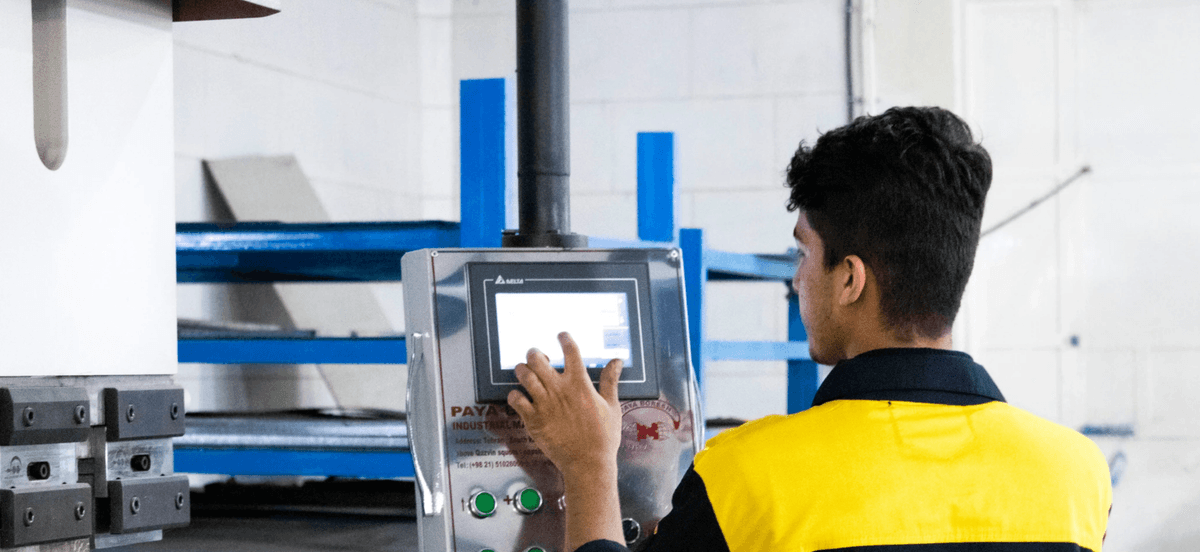
Effective communication is the backbone of a quality inspector's role. A quality inspector must not only identify issues but also convey findings in a manner that is easily understood by various stakeholders, from production teams to management. This ensures that everyone involved can take appropriate action based on the inspection results.
Communicating Findings Clearly and Concisely
When discussing what is a quality inspector, one must highlight their ability to communicate findings clearly and concisely. Quality inspectors need to distill complex data into straightforward reports that emphasize key points without overwhelming the reader with jargon. By presenting information in an accessible manner, they foster understanding and prompt timely responses to any quality concerns.
Moreover, clarity in communication helps prevent misunderstandings that could lead to costly errors or delays in production. It’s essential for inspectors to use visual aids like charts or graphs when necessary, as these tools can enhance comprehension of data trends or anomalies. Ultimately, effective communication transforms raw inspection data into actionable insights for teams across the organization.
Strategies for Reporting Quality Issues
To effectively address quality issues, a quality inspector should utilize structured reporting strategies tailored to their audience's needs. One of the fundamental requirements for hiring a quality control inspector includes their proficiency in creating concise reports that highlight defects while providing context about potential impacts on production timelines and costs. Adopting standardized templates can streamline this process and ensure consistency across reports.
Additionally, inspectors should prioritize urgency when reporting critical issues, ensuring that key stakeholders are informed promptly so corrective actions can be taken swiftly. Using specific examples from past inspections helps illustrate points more vividly, making it easier for teams to grasp the severity of situations at hand. By implementing these strategies, inspectors not only fulfill their roles but also contribute significantly to continuous improvement efforts within their organizations.
Collaborating with Teams for Quality Improvements
Collaboration is vital in achieving long-term quality improvements; therefore, effective communication abilities are crucial for a successful quality inspector. Engaging with various departments fosters an environment where feedback flows freely and ideas are exchanged openly—this collaboration can lead to innovative solutions addressing recurring issues identified during inspections. Understanding what is a quality inspector involves recognizing their role as facilitators who bridge gaps between different functional areas.
Quality inspectors should actively participate in team meetings and discussions focused on enhancing product standards or processes—this involvement positions them as key contributors rather than mere observers of compliance checks. Furthermore, establishing rapport with team members encourages them to voice concerns or suggestions regarding product quality proactively; such transparency ultimately leads to better outcomes across the board. As organizations strive for excellence, fostering teamwork through effective communication becomes increasingly essential.
Technical Proficiency

In the world of quality control, technical proficiency is non-negotiable. A quality inspector must be well-versed in the tools and technologies that facilitate accurate inspections. This section will explore the necessary tools for quality control inspectors, delve into industry standards and regulations, and highlight the importance of continuous learning and skill development.
Necessary Tools for Quality Control Inspectors
What is a quality inspector without their toolkit? Essential tools range from basic instruments like calipers and micrometers to advanced technology such as digital inspection devices and software applications for data analysis. These tools enable inspectors to perform precise measurements, assess product integrity, and ensure compliance with industry standards.
Moreover, familiarity with automated inspection systems can significantly enhance an inspector's efficiency. For example, using optical measurement systems can speed up inspections while maintaining accuracy—an essential trait for any successful quality control inspector. Ultimately, possessing the right mix of tools not only streamlines processes but also empowers inspectors to uphold product quality consistently.
Understanding Industry Standards and Regulations
Navigating the labyrinth of industry standards is a critical component of what it means to be a quality inspector. Regulations vary by industry but generally include guidelines set by organizations such as ISO (International Organization for Standardization) or ASTM (American Society for Testing and Materials). Understanding these standards ensures that products meet safety requirements and performance expectations.
For hiring a quality control inspector, knowledge of relevant regulations is often a key requirement; employers look for candidates who can demonstrate expertise in compliance matters. Furthermore, staying updated on changes in regulations helps inspectors proactively address potential issues before they escalate into costly problems. After all, an informed inspector is an effective one!
Continuous Learning and Skill Development
In the fast-paced world of manufacturing and production, continuous learning is vital for any quality control inspector aiming to stay ahead of the curve. The landscape changes rapidly due to technological advancements; therefore, ongoing education helps inspectors refine their skills while adapting to new methodologies or equipment. Whether it’s attending workshops or pursuing certifications related to what is a quality inspector role, commitment to learning pays off.
Additionally, many companies encourage professional development through training programs focused on enhancing analytical skills or familiarizing employees with cutting-edge inspection technologies. This investment not only boosts individual capabilities but also contributes positively to overall team performance in achieving high-quality outcomes. In essence, embracing lifelong learning ensures that a quality control inspector remains relevant in an ever-evolving industry landscape.
Integrity and Ethics

In the realm of quality inspection, integrity and ethics are not just buzzwords; they are foundational principles that guide every decision a quality inspector makes. Upholding these standards is crucial to ensuring that products meet both regulatory requirements and consumer expectations. When individuals ask, what is a quality inspector? the answer often lies in their unwavering commitment to these ethical standards.
Upholding Standards in Quality Inspection
Upholding standards in quality inspection means adhering to established protocols, guidelines, and best practices that ensure products are safe and effective. Quality inspectors must be vigilant in their assessments, consistently applying industry standards to every item they evaluate. The requirements for hiring a quality control inspector often include a strong understanding of these standards, as well as the ability to apply them with precision.
A quality inspector's role extends beyond mere compliance; it involves fostering an environment where excellence is prioritized. When inspectors uphold these high standards, they contribute significantly to maintaining the integrity of the industry as a whole. Ultimately, this commitment helps build a culture of accountability and trust among manufacturers, consumers, and regulators alike.
The Role of Ethics in Reporting Results
Ethics play an essential role when it comes to reporting results in quality control inspections. Inspectors must navigate complex situations where honesty can sometimes conflict with business interests or pressures from management. Understanding what is a quality inspector includes recognizing that ethical reporting means providing accurate data without embellishment or omission.
When inspectors report findings truthfully—whether positive or negative—they help maintain transparency within their organizations. This transparency ensures that any issues are addressed promptly rather than swept under the rug for convenience's sake. Furthermore, ethical reporting cultivates trust between inspectors and stakeholders who rely on their expertise for informed decision-making.
Building Trust as a Quality Control Inspector
Building trust as a quality control inspector hinges on consistent integrity and ethical behavior over time. Inspectors who demonstrate reliability in their assessments foster confidence among colleagues and clients alike—essentially becoming invaluable assets within their organizations. Requirements for hiring a quality control inspector often emphasize previous experience demonstrating this level of trustworthiness.
Trust also facilitates open communication about potential challenges or defects found during inspections—a critical component for continuous improvement initiatives within organizations. By being transparent about findings while maintaining professionalism, inspectors can encourage collaboration across teams to enhance product quality further. In essence, building trust not only solidifies an inspector’s reputation but also strengthens the overall fabric of the organization’s commitment to excellence.
Conclusion
In wrapping up our exploration of the role of a quality inspector, it's evident that these professionals are the backbone of quality assurance in various industries. A quality inspector must possess a unique blend of skills, including attention to detail, strong analytical capabilities, effective communication, technical proficiency, and unwavering integrity. Understanding what is a quality inspector goes beyond just knowing their job title; it involves recognizing the critical traits that contribute to maintaining high standards in production and service delivery.
Recap of Quality Inspector Traits
To summarize, the essential traits of a successful quality inspector include meticulous attention to detail that ensures precision in inspections. Strong analytical skills empower them to interpret data effectively and identify potential issues before they escalate. Additionally, effective communication abilities allow inspectors to articulate findings clearly while collaborating with teams for continuous improvement—showcasing why understanding what is a quality inspector is crucial for any organization aiming for excellence.
Final Thoughts on Hiring Quality Inspectors
When considering the requirements for hiring a quality control inspector, organizations should prioritize candidates who not only meet educational qualifications but also demonstrate relevant experience and soft skills. The right hire can significantly impact product quality and customer satisfaction levels—making it imperative to invest time in finding individuals who embody the necessary traits discussed earlier. Ultimately, hiring qualified inspectors who understand what is a quality inspector will lead companies toward sustainable success.
The Future of Quality Control in Industry
Looking ahead, the future of quality control in industry promises exciting advancements driven by technology and evolving standards. Automation and artificial intelligence are set to enhance the efficiency of inspections while maintaining rigorous standards—making it essential for inspectors to adapt continually through ongoing learning opportunities. As industries embrace these changes, understanding what is a quality inspector will remain vital for ensuring that products meet consumer expectations without compromising on integrity or ethics.