
Introduction

In today’s fast-paced industrial landscape, selecting the right Vibration Monitoring System is crucial for maintaining operational excellence. An effective system not only detects faults early but also integrates seamlessly with your existing Inspection and Test Plan, ensuring that maintenance schedules are proactive rather than reactive. When it comes to quality control, choosing a reliable Vibration Monitoring System can make all the difference in preventing costly downtime and safeguarding safety standards.
Ensuring quality with industry-leading manufacturers is a smart move to guarantee your vibration monitoring efforts are both accurate and dependable. Top-tier manufacturers bring advanced technology, rigorous testing, and proven track records to the table, helping you build a robust Quality Control Plan that stands up to scrutiny. Incorporating Third Party Inspection into your process further enhances system integrity by providing an unbiased review of your vibration data and overall setup.
Vibration Monitoring Systems play a pivotal role in supporting Inspection and Test Plans by providing real-time data that helps verify equipment health at every stage. Pre-Inspection Meetings with manufacturers or third-party inspectors set the stage for success, aligning expectations and clarifying inspection protocols for optimal results. Ultimately, integrating a well-chosen vibration monitoring solution into your inspection strategy ensures continuous improvement and long-term reliability of your assets.
Top Approved Vibration Monitoring System Manufacturers
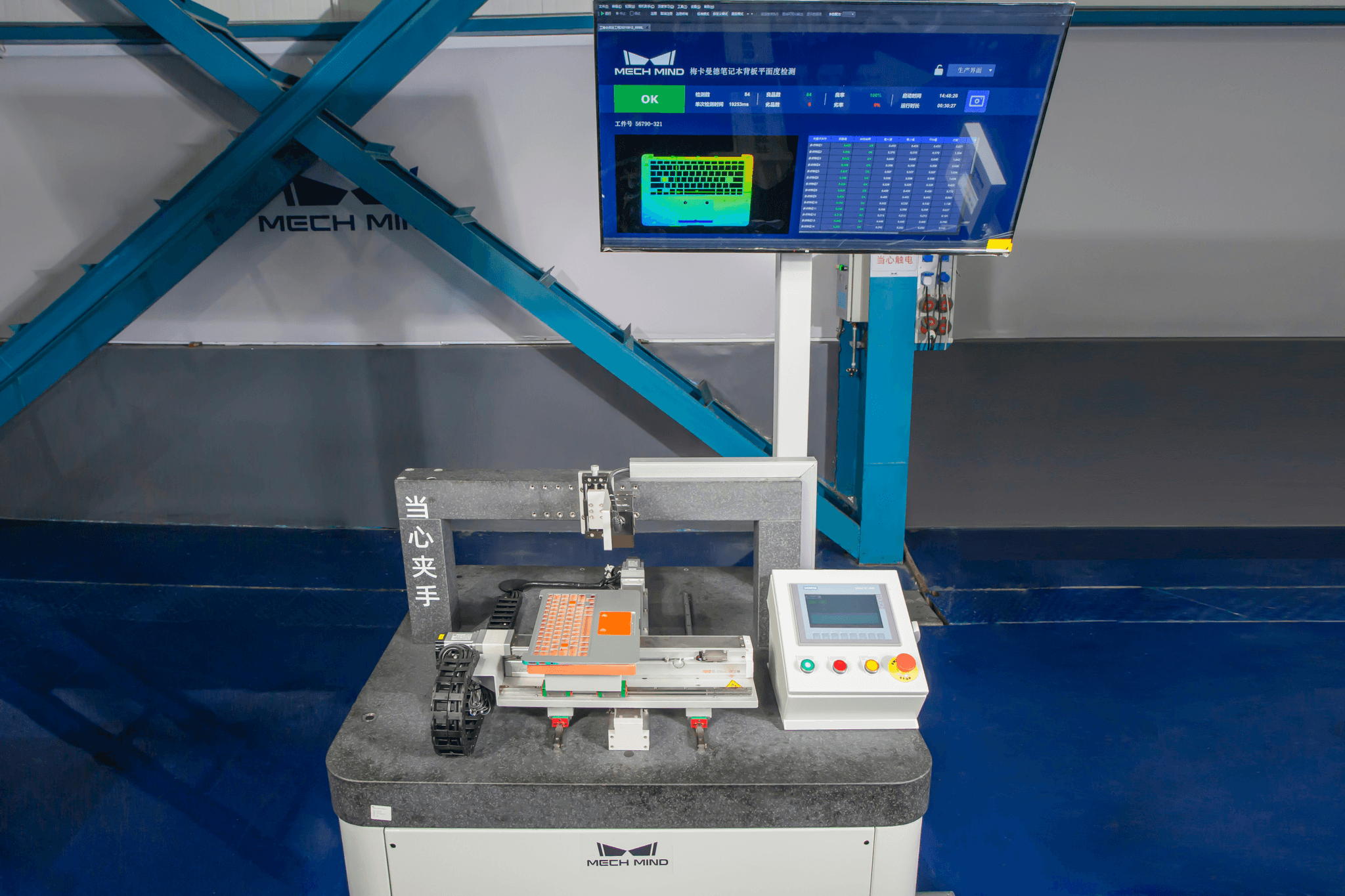
Selecting the right manufacturer for your vibration monitoring system is crucial to ensure seamless integration with your existing inspection and test plan. The best manufacturers offer solutions that not only meet industry standards but also support quality control plans through reliable data and easy deployment. A well-chosen vibration monitoring system from a reputable provider can help you stay ahead of potential faults, reducing downtime and enhancing safety.
SKF for Precision Vibration Monitoring Solutions
SKF has built a solid reputation for delivering precision vibration monitoring solutions that fit perfectly within any inspection and test plan. Their systems are designed to provide accurate data, which is vital for maintaining quality control plans across various industries. Incorporating SKF's vibration monitoring systems into your third-party inspection process ensures reliable results, especially during pre-inspection meetings where detailed analysis is essential.
Emerson for Reliable Vibration Monitoring Technologies
Emerson offers dependable vibration monitoring technologies that seamlessly integrate with existing inspection and test plans, making them ideal for quality control initiatives. Their systems are engineered to deliver consistent data accuracy, which enhances third-party inspections by providing trustworthy insights into machinery health. When paired with a comprehensive quality control plan, Emerson’s solutions help prevent unexpected failures before they escalate.
Rockwell Automation for Smart Vibration Monitoring Systems
Rockwell Automation specializes in smart vibration monitoring systems that bring automation into the inspection process, streamlining how inspections align with your test plan. These advanced systems support real-time data collection and analysis, making third-party inspections more efficient and thorough. During pre-inspection meetings, Rockwell’s solutions facilitate better communication of system status, ensuring everyone is on the same page regarding machinery health.
China Inspection Pro for Expert Inspection and Test Plan Support
China Inspection Pro stands out as an expert in supporting inspection and test plans through tailored vibration monitoring solutions designed specifically for diverse industrial needs. Their approach emphasizes integrating these systems into overall quality control plans while offering valuable insights during third-party inspections. Pre-inspection meetings with China Inspection Pro often reveal opportunities to optimize both system performance and compliance strategies.
Fluke Reliability for Accurate Vibration Analysis
Fluke Reliability provides highly accurate vibration analysis tools that bolster any inspection and test plan by ensuring precise fault detection early in the process. Their systems are praised during third-party inspections because they simplify complex data into actionable insights aligned with your quality control plan objectives. Incorporating Fluke’s vibration monitoring system guarantees that every pre-inspection meeting delivers clear understanding of machinery condition—saving time and money in the long run.
Key Features to Consider in Vibration Monitoring Systems
Choosing the right Vibration Monitoring System isn't just about fancy gadgets; it’s about ensuring seamless integration with your existing inspection and test plans. A system that aligns with your Quality Control Plan can streamline maintenance schedules and fault detection processes. When evaluating different options, prioritize solutions that easily connect with your Inspection and Test Plan, reducing manual data entry and minimizing errors—saving time and boosting reliability.
Data accuracy and reliability are the backbone of an effective vibration monitoring strategy. A top-tier Vibration Monitoring System must deliver precise readings consistently, especially when integrated into your broader Quality Control Plan. Incorporating third party inspection insights can further validate data integrity, making sure you're not acting on faulty information. Remember, accurate vibration data supports timely maintenance decisions, preventing costly downtime.
Ease of deployment and ongoing maintenance play a crucial role in maximizing your investment in a vibration monitoring solution. Systems that are straightforward to install can reduce setup time, which is vital during pre-inspection meetings where rapid deployment is often necessary. Additionally, systems designed for simple upkeep help maintain optimal performance over time—especially when third party inspection ensures ongoing quality standards are met without hassle.
How Quality Inspection and Third Party Inspection Enhance Vibration Monitoring
Implementing a robust Vibration Monitoring System is essential for maintaining equipment health and operational efficiency. However, even the most advanced system can fall short without proper oversight through Inspection and Test Plans. Incorporating third party inspection ensures that these plans are executed flawlessly, providing an unbiased assessment of the system’s integrity and performance.
Third Party Inspection plays a critical role in verifying that the Vibration Monitoring System meets industry standards and manufacturer specifications. By independently examining the installation, calibration, and functionality of the system, third party inspectors help identify potential issues early on. This process not only safeguards the system’s accuracy but also bolsters confidence in its ability to support your overall inspection and test plan.
Pre-Inspection Meetings serve as a strategic step to align expectations between stakeholders, manufacturers, and inspectors before deploying a Vibration Monitoring System. These meetings facilitate detailed discussions about inspection procedures, calibration protocols, and quality control plans. Incorporating insights gained from these meetings into your inspection and test plan can significantly improve outcomes by clarifying responsibilities and streamlining communication.
Enhancing your quality control plan with expert insights from third party inspections ensures continuous improvement in vibration monitoring practices. Regular evaluations by independent inspectors provide valuable feedback on system performance, helping refine maintenance schedules or calibration routines within your inspection and test plan. This proactive approach minimizes downtime while maximizing the reliability of your vibration monitoring efforts.
Benefits of Using Approved Vibration Monitoring Systems
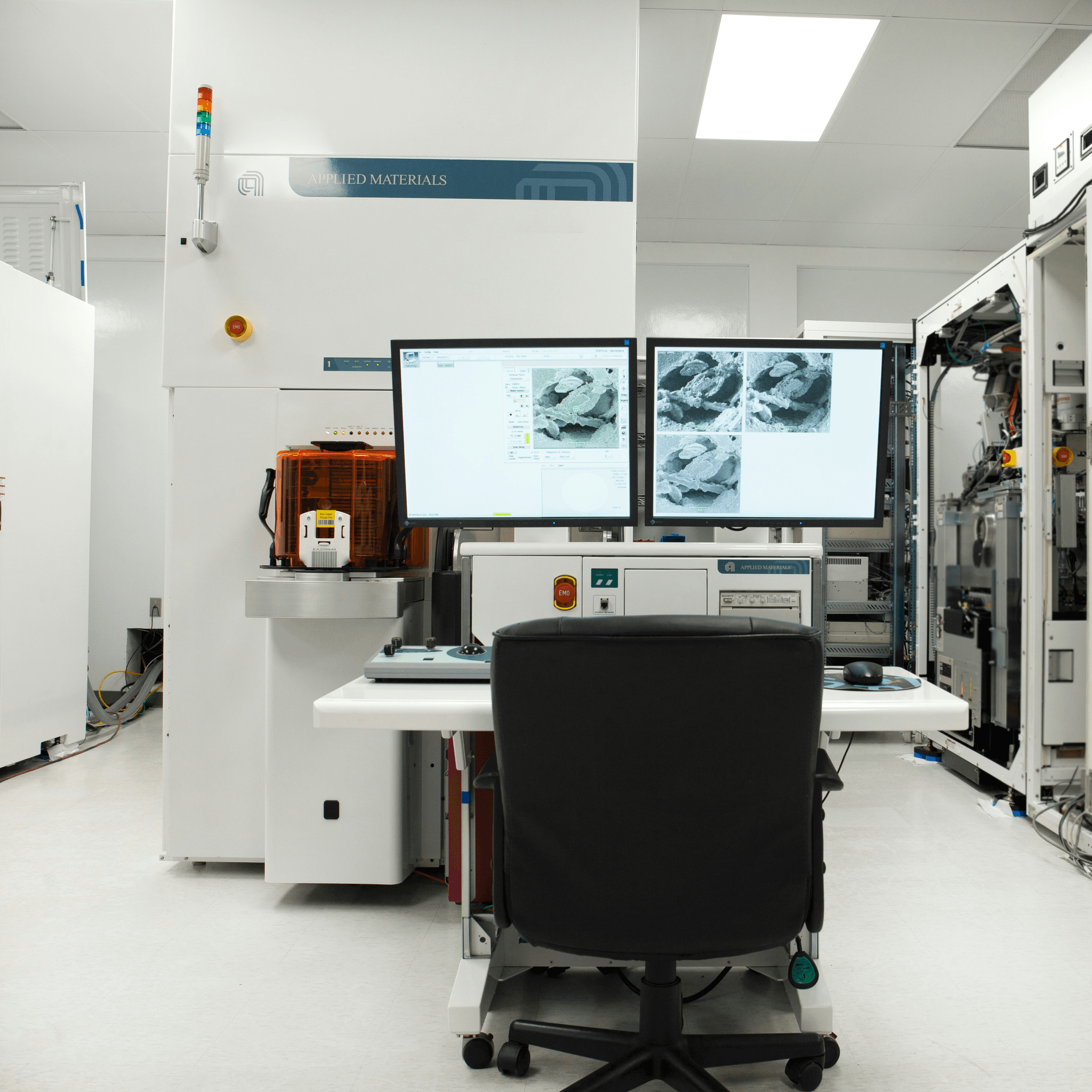
Implementing an approved Vibration Monitoring System can significantly enhance your maintenance and inspection strategies. By integrating these systems into your Inspection and Test Plan, you gain real-time insights that help identify potential issues before they escalate. This proactive approach ensures that your Quality Control Plan stays on track, reducing unexpected failures and costly downtime.
Early Fault Detection and Reduced Downtime
A top-tier Vibration Monitoring System acts as an early warning system, alerting you to anomalies that could indicate equipment failure. When aligned with a comprehensive Inspection and Test Plan, these systems enable maintenance teams to pinpoint problems swiftly, minimizing operational interruptions. Incorporating Third Party Inspection can further validate the system's accuracy, ensuring reliable fault detection and keeping downtime at bay.
Enhanced Safety and Compliance
Safety is paramount in any industrial setting, and a well-chosen Vibration Monitoring System supports this goal by providing precise data for safety assessments. When integrated into your Quality Control Plan, the system helps maintain compliance with industry standards, preventing violations that could lead to penalties or accidents. Conducting Pre-Inspection Meetings with third-party inspectors ensures everyone understands the system's capabilities, bolstering safety protocols across operations.
Cost Savings Through Preventative Maintenance
Preventative maintenance powered by an approved Vibration Monitoring System can save thousands by catching issues early—before they turn into expensive repairs or shutdowns. By aligning monitoring data with your Inspection and Test Plan, you create a seamless flow of information for timely interventions. Engaging Third Party Inspection services adds an extra layer of confidence, confirming that maintenance actions are based on accurate diagnostics rather than guesswork.
Selecting the Right Manufacturer for Your Needs

Choosing the perfect manufacturer for your vibration monitoring system can feel like finding a needle in a haystack, but it’s worth the effort. A reliable vendor not only supplies top-tier equipment but also understands how to align their solutions with your Inspection and Test Plan, ensuring seamless integration into your existing Quality Control Plan. When evaluating manufacturers, consider their reputation for supporting third party inspections and facilitating pre-inspection meetings — these are often the unsung heroes in maintaining system integrity and operational excellence.
Evaluating Industry Reputation and Customer Support
A manufacturer's industry reputation speaks volumes about their commitment to quality and reliability of their vibration monitoring system. Companies with a solid track record tend to provide better support during third party inspections, making sure your vibration data aligns perfectly with your inspection standards. Don’t forget, stellar customer support means they’re ready to assist during pre-inspection meetings or troubleshooting, helping you stay ahead of potential issues before they escalate.
Compatibility with Existing Inspection and Test Plans
Your existing Inspection and Test Plan is the blueprint guiding every maintenance task, so choosing a manufacturer whose vibration monitoring system seamlessly integrates is crucial. Compatibility ensures that data collected from the vibration monitoring system can be easily incorporated into your quality control plan without extra fuss or costly modifications. It also simplifies third party inspections by providing clear, reliable data that aligns with established testing procedures.
Value-Added Services and Technical Assistance
Great manufacturers go beyond just selling a vibration monitoring system; they offer value-added services like on-site technical assistance, training sessions, and custom solutions tailored to your inspection needs. During third party inspections or pre-inspection meetings, having access to expert insights can make all the difference in demonstrating compliance with your quality control plan. These added services help ensure that your vibration monitoring system remains accurate over time while supporting ongoing inspection efforts.
Conclusion
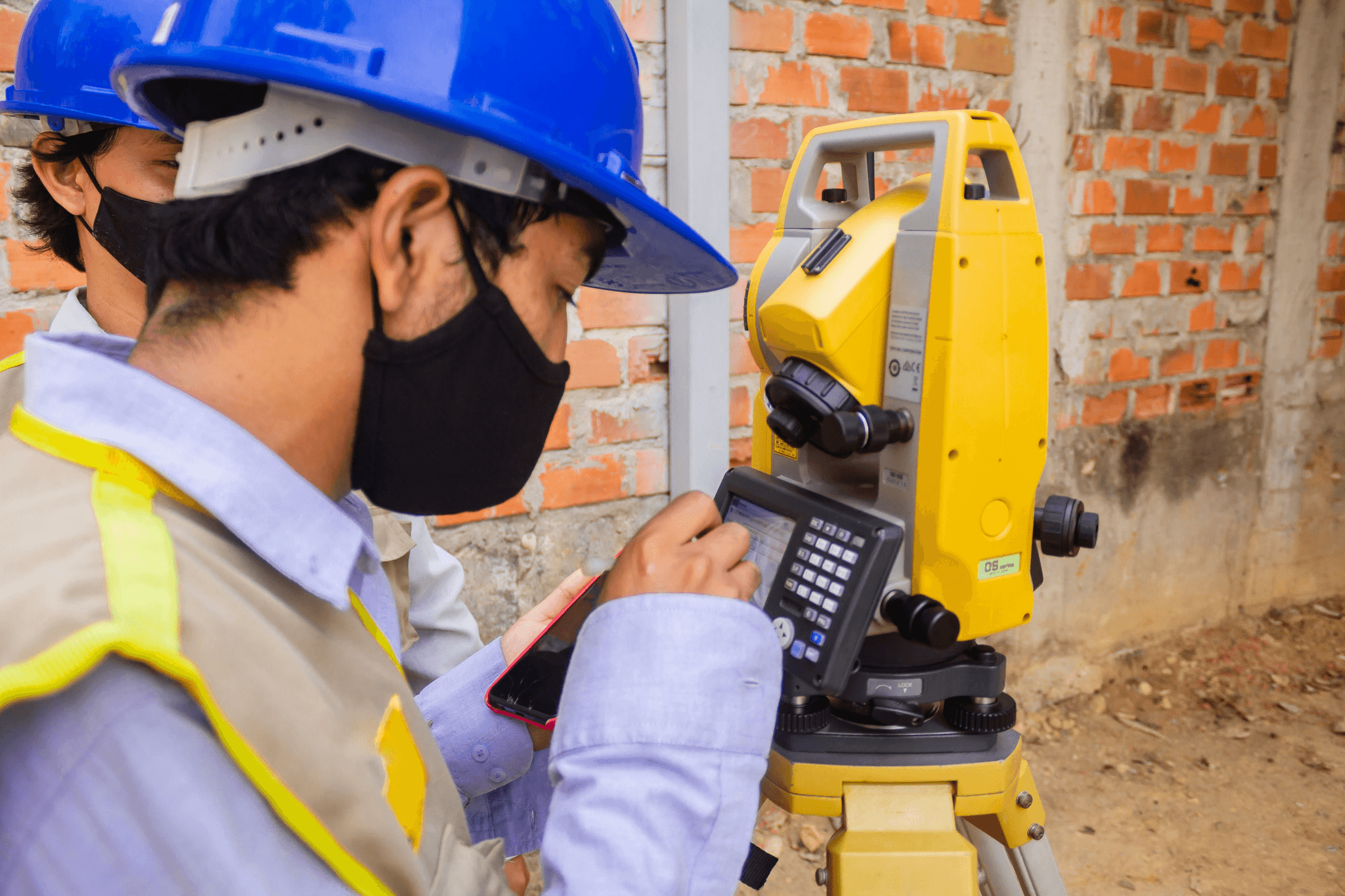
In the quest for operational excellence, integrating an approved Vibration Monitoring System into your inspection and test plan is a game-changer. These systems not only provide real-time insights but also bolster your overall quality control plan by catching potential issues early. When you partner with reputable manufacturers, you're investing in reliability and peace of mind, ensuring that your vibration monitoring efforts align seamlessly with industry standards and safety regulations.
Achieving Excellence with Approved Vibration Monitoring Systems
Achieving top-tier performance starts with selecting an approved Vibration Monitoring System that fits neatly within your inspection and test plan framework. Such systems are designed to deliver accurate data, making them indispensable for effective quality control plans. By leveraging reliable vibration monitoring technology, organizations can detect faults before they escalate, reducing downtime and optimizing maintenance schedules—ultimately leading to operational excellence.
Emphasizing the Importance of Expert Third Party Inspection
Third Party Inspection plays a crucial role in validating the integrity of your vibration monitoring system within the broader inspection and test plan. An independent review ensures that the system meets industry standards and functions as intended, adding an extra layer of confidence to your quality control plan. Incorporating third-party insights during pre-inspection meetings can streamline processes, clarify expectations, and prevent costly oversights down the line.
Partnering with Reputable Manufacturers to Ensure Quality and Reliability
Choosing reputable manufacturers for your vibration monitoring needs is essential for long-term success. These companies bring expertise that enhances the effectiveness of your inspection and test plan while offering value-added services like technical assistance to optimize system deployment. A strong partnership ensures that every aspect—from initial setup to ongoing maintenance—aligns with your quality control plan’s objectives, delivering dependable results every time.