
Introduction

Unlocking the secrets behind every product is no small feat, but that’s exactly what Chemical Testing Analysis helps us achieve. Whether it’s a new pharmaceutical drug or a food ingredient, understanding the chemical makeup is essential for safety and quality assurance. By leveraging techniques like Qualitative Analyses and Quantitative Analysis, companies can uncover what’s really inside their products—down to the tiniest trace of a contaminant or residual substance.
Chemical Testing Analysis isn’t just about curiosity; it’s a game-changer in today’s competitive market. From Proximate Analysis that breaks down basic nutritional components to Partial Analysis targeting specific ingredients, these methods ensure products meet strict standards. Incorporating Trace Constituent Analysis allows industries to detect minute residues that could impact health or compliance, making every test a crucial step toward excellence.
Ensuring safety, quality, and compliance is at the heart of every successful product launch. With reliable Chemical Testing Analysis, brands can confidently navigate regulatory landscapes while protecting consumers from hidden risks. Partnering with skilled labs that excel in Qualitative Analyses and Quantitative Analysis guarantees your products not only meet but exceed industry standards—because when it comes to safety, there’s no room for compromise.
What Is Chemical Testing Analysis

Chemical Testing Analysis is the scientific process of examining products to determine their chemical makeup, ensuring they meet safety and quality standards. It involves a series of precise tests designed to identify and measure various chemical components within a sample. Whether for pharmaceuticals, food, or industrial products, this analysis helps manufacturers confirm that their products are safe for consumers and compliant with regulations.
Defining Chemical Testing Analysis
At its core, Chemical Testing Analysis is the systematic investigation of a product’s chemical constituents through different analytical techniques. It encompasses both qualitative analyses—identifying what chemicals are present—and quantitative analysis—measuring how much of each chemical exists. This dual approach ensures comprehensive understanding and control over product composition, which is vital for safety and efficacy.
Types of Analyses in the Industry
The industry employs several types of analyses to suit different needs, including proximate analysis, partial analysis, and trace constituent analysis. Proximate analysis offers a broad overview by breaking down a product into key components like moisture, ash, fat, protein, and fiber—helpful in food testing or feed evaluation. Partial analysis focuses on specific ingredients or contaminants within a product—for example, checking for residual solvents or additives—while trace constituent analysis detects minute residues such as heavy metals or pesticides that could pose health risks.
Role in Product Development and Safety
Chemical Testing Analysis plays an indispensable role throughout product development—from initial formulation to final quality checks—by providing critical data on both qualitative and quantitative aspects. Qualitative analyses reveal the presence of potentially harmful substances or active ingredients essential for efficacy; meanwhile, quantitative analysis ensures consistent potency across batches. Trace constituent analysis particularly safeguards consumer health by detecting tiny but dangerous residues like heavy metals or pesticides that may otherwise go unnoticed.
The Significance of Qualitative Analyses
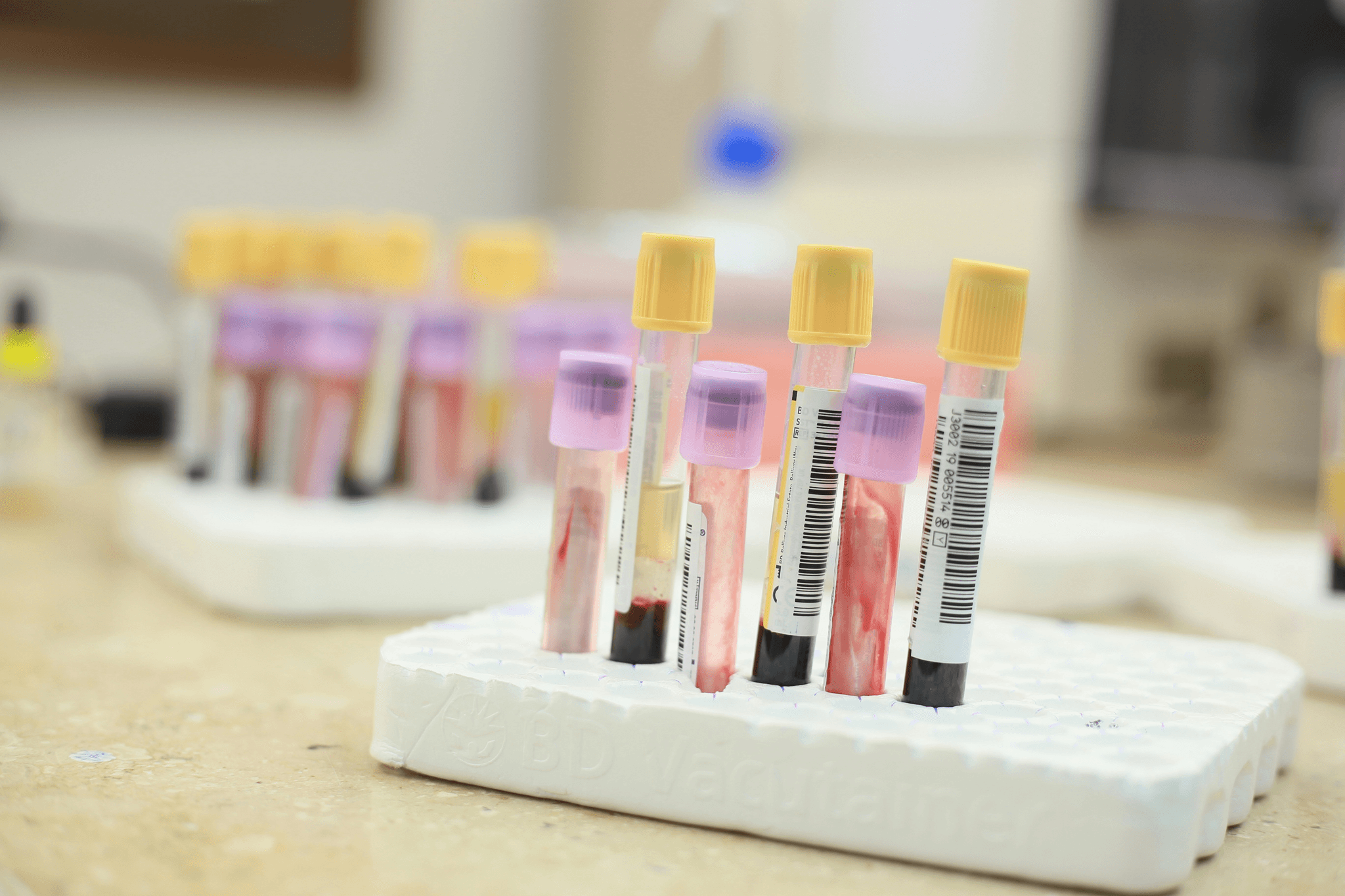
Understanding the precise chemical makeup of a product is fundamental in ensuring safety and compliance. Chemical Testing Analysis employs qualitative analyses to identify what chemicals are present, providing a clear picture of the ingredient profile. Without this step, manufacturers risk overlooking harmful substances or mislabeling ingredients, which can lead to costly recalls or legal issues.
Identifying the Exact Chemical Composition
Qualitative analyses play a crucial role in pinpointing every component within a product, from active pharmaceuticals to food additives. By leveraging Chemical Testing Analysis, labs can detect and confirm the presence of specific chemicals, ensuring that what’s listed on the label matches reality. This process often involves sophisticated techniques like chromatography and spectroscopy to accurately determine the chemical composition.
Why Knowing What Is in Your Product Matters
Knowing what chemicals are present isn’t just about transparency; it’s about safety and quality assurance. Chemical Testing Analysis helps companies identify potential allergens, contaminants, or toxic residues that could harm consumers or compromise regulatory compliance. When businesses understand their product’s exact chemical makeup through qualitative analyses, they can make informed decisions about formulation adjustments or safety measures.
Real-World Examples from Pharmaceutical and Food Sectors
In pharmaceuticals, qualitative analyses ensure that medications contain only approved active ingredients without undisclosed fillers or impurities—crucial for patient safety and efficacy. Similarly, food manufacturers rely on Chemical Testing Analysis to verify ingredient authenticity and detect unwanted substances like pesticides or heavy metals—an essential step for consumer trust and regulatory approval. Both sectors demonstrate how qualitative analyses underpin product integrity by revealing what’s truly inside each item.
The Power of Quantitative Analysis

Quantitative analysis in chemical testing analysis is like having a detailed map of your product’s chemical landscape. It measures exactly how much of each compound is present, providing a precise snapshot that helps manufacturers understand their formulations better. This type of analysis is essential for verifying ingredient concentrations, ensuring products meet strict standards, and maintaining consistency across batches.
Measuring How Much of Each Compound Is Present
When it comes to chemical testing analysis, quantitative analysis shines by quantifying the exact amount of each chemical component in a product. Whether it’s determining sugar levels in food or active ingredients in pharmaceuticals, this process involves meticulous measurement techniques that leave no room for guesswork. These measurements are crucial for compliance with regulatory standards and for confirming that formulations match their intended specifications.
Impact on Quality Control and Consistency
The role of quantitative analysis extends into quality control, where it helps identify deviations from desired ingredient levels through regular testing. By implementing chemical testing analysis focused on quantitative data, companies can detect inconsistencies early and correct them before products reach consumers. This approach not only safeguards brand reputation but also ensures product safety by relying on accurate measurements rather than qualitative assumptions or partial analyses.
Case Study: Beverage Industry and Quantitative Testing
In the beverage industry, quantitative testing plays a pivotal role in maintaining flavor profile consistency and safety standards. For example, trace constituent analysis can detect minute residues like preservatives or contaminants that might otherwise go unnoticed with only qualitative analyses. Partial analyses might be used to check specific ingredients such as caffeine or sugar content, but comprehensive quantitative analysis ensures the beverage meets regulatory limits while delivering the same taste every time—proof that rigorous chemical testing analysis is vital for industry success.
Exploring Proximate and Partial Analyses

Chemical Testing Analysis isn't just about identifying what’s in a product; it also involves understanding the overall composition and specific ingredient checks through proximate and partial analyses. These methods are essential tools that help industries ensure their products meet safety standards, quality expectations, and regulatory requirements. By leveraging qualitative analyses alongside quantitative analysis, companies can get a comprehensive picture of their products’ chemical makeup, which is vital for maintaining consistency and safety.
What Is Proximate Analysis and Its Uses
Proximate analysis is a broad-spectrum chemical testing analysis technique that measures the main constituents of a sample—such as moisture, ash, protein, fat, fiber, and carbohydrates. This type of analysis provides a quick snapshot of the product’s overall chemical profile, making it invaluable for industries like food processing or pharmaceuticals where nutritional content or raw material quality matters. Incorporating proximate analysis into your chemical testing arsenal allows you to verify whether your product aligns with industry standards or label claims by using qualitative analyses alongside quantitative analysis to confirm component levels.
Partial Analysis for Specific Ingredient Checks
Partial analysis focuses on examining particular ingredients or components within a complex mixture—think of it as zooming in with a microscope on specific elements rather than scanning the entire landscape. This targeted approach is crucial when verifying the presence or concentration of trace constituents such as contaminants or additives that could impact safety or compliance. For example, trace constituent analysis might detect minute heavy metal residues in herbal supplements or residual solvents in pharmaceutical formulations—highlighting how partial analysis complements broader qualitative analyses to safeguard consumer health.
How These Analyses Assist in Industry Applications
Both proximate and partial analyses serve as powerful tools within the realm of chemical testing analysis because they provide detailed insights into product composition at different levels—whether it's an overall profile or specific ingredients like trace constituents. These methods enable manufacturers to perform rigorous quality control checks using qualitative analyses combined with quantitative data to ensure consistency across batches. In industries such as food production or cosmetics, employing both proximate and partial analyses helps meet regulatory compliance while reinforcing consumer trust by demonstrating thorough testing practices rooted in reliable chemical testing analysis techniques.
Trace Constituent Analysis and Its Importance
Trace Constituent Analysis plays a pivotal role in the realm of Chemical Testing Analysis by pinpointing even the tiniest chemical residues that might otherwise go unnoticed. This type of analysis is crucial because minute traces of substances can have significant implications for safety, quality, and regulatory compliance. Employing qualitative analyses allows laboratories to detect these trace constituents accurately, ensuring products meet stringent standards without overlooking hidden contaminants.
In industries such as pharmaceuticals and food production, understanding the presence of trace elements through Trace Constituent Analysis helps maintain product integrity. This process often involves quantitative analysis to measure exactly how much of a particular residue remains, which is vital for assessing risk levels and safety margins. Combining qualitative analyses with quantitative analysis offers a comprehensive picture—highlighting both what’s present and in what amount—making it indispensable for thorough chemical testing analysis protocols.
Proximate and partial analyses complement trace constituent investigations by providing targeted insights into specific components or overall composition. For example, proximate analysis might determine moisture or fat content while partial analysis zeroes in on particular additives or contaminants. When used alongside trace constituent testing, these methods help industries ensure their products are safe from environmental hazards and comply with health regulations. Ultimately, rigorous chemical testing analysis—including trace constituent detection—serves as a safeguard against unseen risks that could compromise consumer safety or brand reputation.
Why Choosing the Right Lab Matters
Selecting the right laboratory for chemical testing analysis can make all the difference in ensuring your product meets safety, quality, and regulatory standards. A reputable lab doesn’t just run tests; it provides comprehensive qualitative analyses, quantitative analysis, and trace constituent analysis to give you a full picture of your product’s composition. With precise proximate and partial analyses, you can confidently identify potential issues before they reach consumers—saving time, money, and reputation.
The Role of China Inspection Pro
China Inspection Pro plays a pivotal role in delivering top-tier chemical testing analysis services tailored to various industries. Their expertise in qualitative analyses helps identify exactly what chemicals are present in raw materials or finished products, while their quantitative analysis pinpoints how much of each compound exists. Moreover, their proficiency in trace constituent analysis ensures even minute residues or contaminants are detected with high accuracy—crucial for meeting international safety standards.
How Quality Inspection Ensures Product Excellence
Quality inspection through rigorous chemical testing analysis guarantees that every product adheres to strict industry regulations and consumer expectations. By employing advanced proximate and partial analyses, labs can verify ingredient proportions and detect adulterants early on—preventing costly recalls or legal issues down the line. Ultimately, consistent use of proper qualitative analyses combined with quantitative data elevates product excellence by maintaining uniformity and safety across batches.
Benefits of Professional, Rigorous Testing
Investing in professional, rigorous testing with a focus on trace constituent analysis ensures your products are safe from harmful contaminants while complying with global standards. Such thorough chemical testing analysis provides valuable insights into ingredient integrity through detailed qualitative analyses and precise quantitative measurements. This comprehensive approach not only enhances brand credibility but also fosters trust among consumers who rely on your commitment to quality assurance via partial or proximate analyses.
Conclusion
In the world of product development and quality assurance, reliable Chemical Testing Analysis stands as the cornerstone for ensuring safety and consumer trust. Whether it's qualitative analyses that identify exactly what chemicals are present or quantitative analysis that measures how much of each compound exists, thorough testing provides peace of mind. By leveraging these analyses, companies can confidently meet safety standards and avoid costly recalls or regulatory penalties.
The impact of chemical testing on regulatory compliance cannot be overstated. Proper application of techniques like proximate analysis and partial analysis helps businesses adhere to strict industry standards, preventing legal issues down the line. Trace constituent analysis further ensures that even minute residues or contaminants are detected early, safeguarding both consumers and the environment. This comprehensive approach makes all the difference in maintaining a reputable brand image.
Partnering with seasoned laboratories specializing in chemical testing analysis elevates quality standards significantly. Expert labs utilize advanced methods to accurately perform qualitative analyses, quantify ingredients precisely, and conduct trace constituent analysis with sensitivity. Choosing such partners means your products undergo rigorous scrutiny—ultimately leading to safer products, happier customers, and a competitive edge in your market.