
Introduction
Injection molding is a widely used manufacturing process, but it comes with its fair share of challenges. Understanding Injection Molding Defects is crucial for any manufacturer aiming to produce high-quality parts consistently. These defects not only affect the aesthetic appeal of products but can also compromise their functionality and durability.
Understanding Injection Molding Defects
Injection Molding Defects can manifest in various forms, such as flow lines, burn marks, and warping. Each defect has its unique causes and solutions, making it imperative for manufacturers to understand them thoroughly. By identifying these issues early on, companies can implement strategies to minimize their occurrence and enhance product quality.
Common Types of Injection Molding Issues
Among the most prevalent Injection Molding Issues are flow lines, burn marks, vacuum voids or air pockets, sink marks, and weld lines. Flow lines often appear as streaks on the surface of molded parts due to inconsistent material flow during injection. Burn marks result from overheating materials or trapped air; meanwhile, warping occurs when parts cool unevenly after being molded.
Importance of Preventing Defects
Preventing Injection Molding Defects is essential for maintaining production efficiency and ensuring customer satisfaction. Each defect not only leads to increased waste but may also necessitate costly rework or replacement of defective products. By prioritizing defect prevention strategies—such as proper design considerations and quality control measures—manufacturers can save time and resources while enhancing their reputation in the market.
Flow Lines: Causes and Solutions

Flow lines are a common type of injection molding defect that can significantly affect the aesthetic and functional quality of molded parts. These lines appear as streaks or patterns on the surface, often caused by variations in material flow during the injection process. Understanding how to identify and address flow lines is crucial for manufacturers aiming to produce high-quality components.
Identifying Flow Line Patterns
Recognizing flow line patterns is the first step in tackling this injection molding defect effectively. Typically, flow lines manifest as visible streaks that follow the direction of material flow, often more pronounced in areas with complex geometries or thick sections. By carefully inspecting molded parts under good lighting conditions, operators can detect these patterns early and implement corrective measures before large batches are produced.
Adjusting Processing Parameters
One effective way to combat flow lines is by adjusting processing parameters during the injection molding cycle. Factors such as injection speed, temperature, and pressure play critical roles in how smoothly material flows into molds. For instance, increasing the injection speed can help minimize jetting—a condition where molten plastic flows erratically—thus reducing the chances of creating unsightly flow lines.
Material Selection to Reduce Flow Lines
The choice of material also has a significant impact on mitigating flow lines in injection molding processes. Different polymers exhibit varying flow characteristics; selecting materials with better fluidity can help reduce instances of this defect. Additionally, additives like slip agents or processing aids can enhance material performance during injection, further decreasing the likelihood of both flow lines and other defects such as burn marks or sink marks.
Burn Marks: What They Are
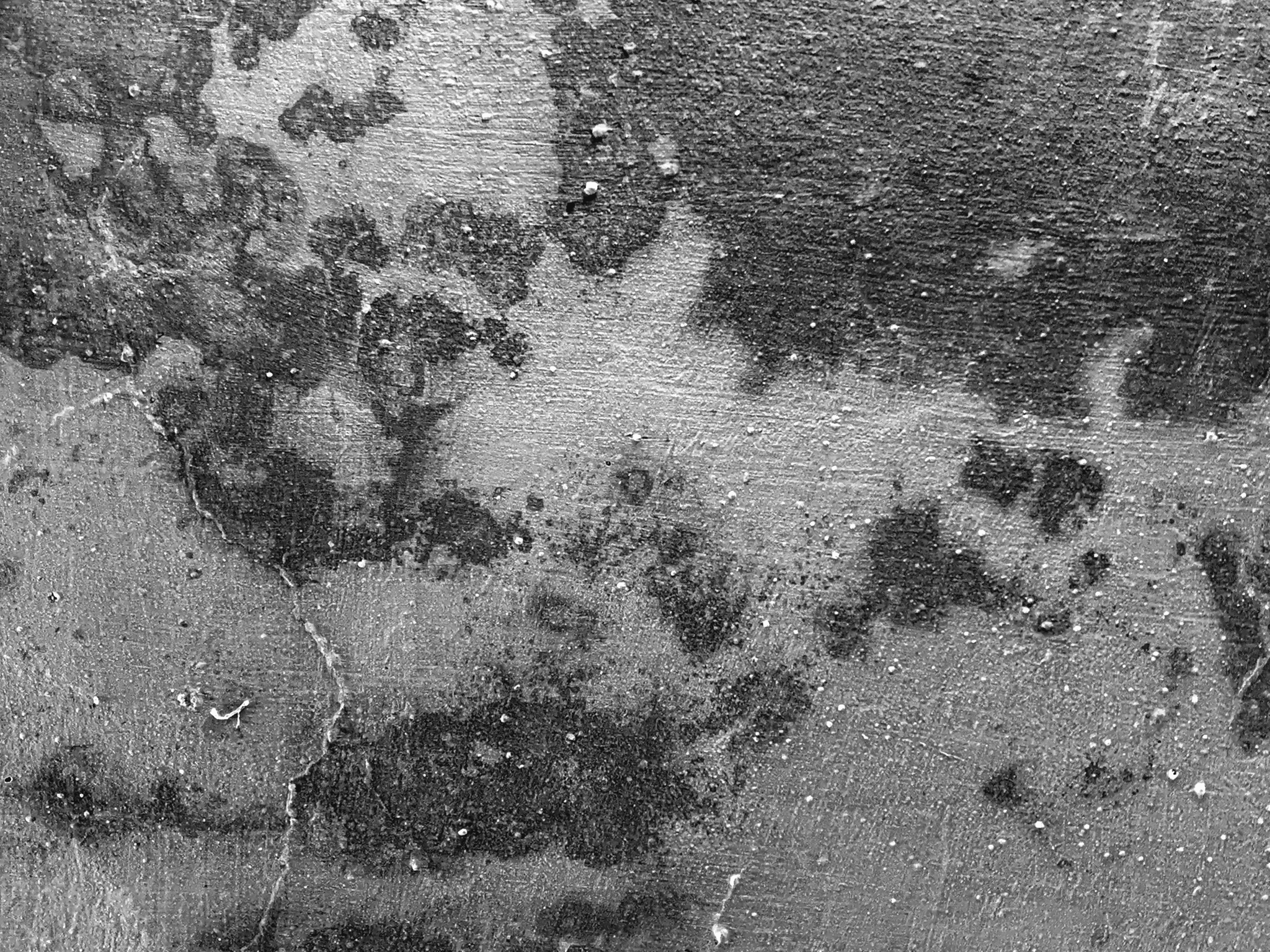
Burn marks are a common type of injection molding defect that can mar the aesthetic and functional qualities of molded parts. These unsightly blemishes not only detract from the visual appeal but may also indicate deeper issues within the molding process. Understanding burn marks is crucial for manufacturers aiming to deliver high-quality products without defects.
Recognizing Signs of Burn Marks
Burn marks typically appear as dark, discolored patches on the surface of molded parts, often resembling a scorch mark. These defects can manifest in various shapes and sizes, depending on the severity and location within the mold cavity. Identifying burn marks early is essential, as they may indicate problems like excessive heat or trapped air, which can lead to other injection molding defects such as flow lines or warping.
Root Causes of Burn Marks
The root causes of burn marks often stem from several key factors in the injection molding process. One major contributor is excessive material temperature during injection, which can lead to overheating and subsequent burning of the plastic. Additionally, insufficient venting can trap air pockets or vacuum voids in the mold, causing localized overheating that results in burn marks—making it vital to address these issues proactively.
Techniques for Prevention
Preventing burn marks requires a multifaceted approach focused on both processing parameters and design considerations. First and foremost, adjusting injection speed and temperature can help minimize heat buildup during production—this reduces the risk of jetting that leads to burns on molded surfaces. Furthermore, ensuring proper venting in molds alleviates trapped air issues that contribute to vacuums and potential burn spots; this way, manufacturers can significantly reduce occurrences of this pesky defect while enhancing overall quality.
Warping: The Shape-Shifting Challenge
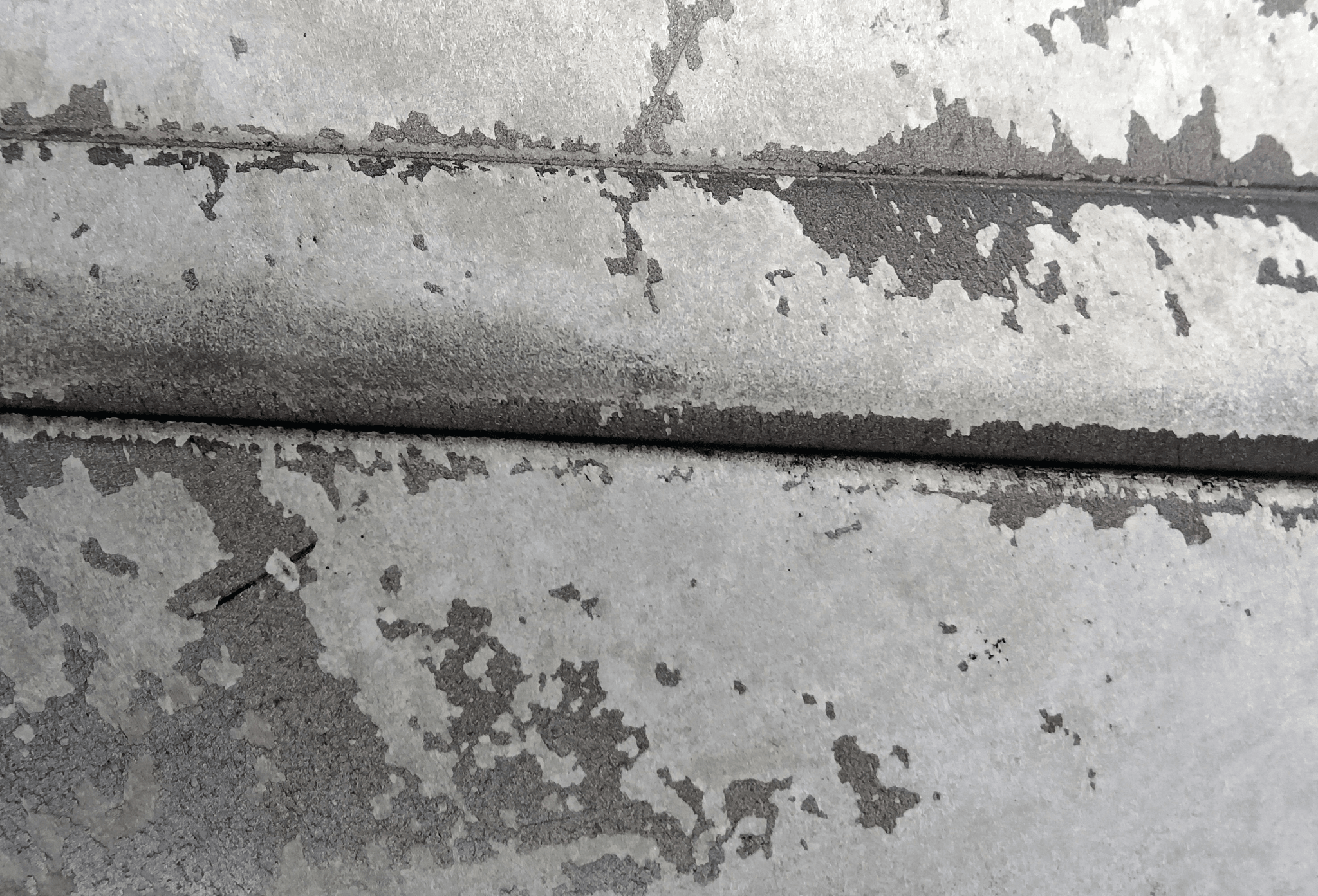
Warping is a common and frustrating issue in the world of injection molding defects. This phenomenon occurs when molded parts distort from their intended shape, often leading to functional and aesthetic problems. Understanding the causes of warping, along with effective cooling techniques and design considerations, can significantly enhance production quality.
Causes of Warping in Parts
Warping typically arises from uneven cooling during the injection molding process, which can be exacerbated by various factors such as material properties and part geometry. If certain areas of a part cool faster than others, it can lead to stresses that cause deformation. Additionally, issues like flow lines or burn marks can indicate underlying temperature inconsistencies that contribute to warping.
Another contributing factor is improper gate placement; if gates are not strategically located, they may lead to uneven filling and cooling patterns within the mold. Moreover, using materials with high shrinkage rates without accounting for their properties can also result in unwanted warping after ejection from the mold. Identifying these causes early on allows for timely adjustments before defects become widespread.
Cooling Techniques to Mitigate Warping
To combat warping effectively, employing advanced cooling techniques is crucial during the injection molding process. One effective method involves optimizing coolant flow through strategically designed cooling channels that ensure uniform temperature distribution across the mold surface. This helps maintain consistent cooling rates throughout all areas of the part.
Additionally, utilizing conformal cooling channels—those that follow the contours of the mold—can enhance heat transfer efficiency and reduce cycle times while minimizing thermal gradients that lead to warping. Implementing controlled cooling cycles also helps manage temperatures gradually rather than exposing parts to sudden changes that could induce stress.
Furthermore, monitoring melt temperatures and adjusting them according to material specifications can prevent jetting issues that might exacerbate warping tendencies in certain designs. By focusing on these techniques, manufacturers can significantly reduce instances of warping while improving overall product quality.
Design Considerations to Prevent Warping
Design plays a pivotal role in preventing warping during injection molding processes; thoughtful design choices can mitigate many potential issues before they arise. For instance, ensuring uniform wall thickness throughout a part minimizes thermal discrepancies during cooling phases and reduces risks associated with sink marks or weld lines forming at weak points.
Moreover, incorporating draft angles into designs facilitates easier ejection from molds while allowing for slight variations without significant distortion post-production—this simple adjustment helps combat both burn marks and vacuum voids/air pockets that may occur due to trapped air within complex geometries.
Lastly, collaborating with experienced engineers who understand material behavior under different conditions will yield better insights into how specific designs might react during production runs; this partnership ensures a focus on quality control measures aimed at reducing injection molding defects overall—including those pesky warpings!
Vacuum Voids and Air Pockets
Vacuum voids and air pockets are sneaky little gremlins in the world of injection molding defects. They can lead to significant structural weaknesses in molded parts, affecting both functionality and aesthetics. Understanding these issues is crucial for manufacturers aiming to produce high-quality components free from common problems like flow lines, burn marks, or warping.
Understanding Vacuum Voids
Vacuum voids occur when trapped air fails to escape during the injection molding process, creating empty spaces within the part. These voids can compromise the integrity of the product, leading to issues such as sink marks or even weld lines that may not hold up under stress. Identifying vacuum voids early on is essential for minimizing defects and ensuring that your final products meet quality standards.
Methods to Eliminate Air Pockets
To tackle air pockets effectively, several strategies can be employed during production. First and foremost, optimizing the injection speed can help reduce jetting—another common injection molding defect—by allowing material to fill molds more uniformly without trapping air. Additionally, using venting systems or designing molds with proper exhaust channels can facilitate better airflow and prevent vacuum voids from forming.
Quality Control Best Practices
Quality control plays a pivotal role in managing vacuum voids and air pockets throughout the production cycle. Regular inspections should include checks for signs of these injection molding defects alongside other issues like flow lines or burn marks. Implementing rigorous testing protocols not only helps catch problems early but also fosters continuous improvement in manufacturing processes, ultimately leading to superior product quality.
Sink Marks and Weld Lines
Injection molding defects can significantly impact the quality and functionality of molded parts, with sink marks and weld lines being two of the most common culprits. While both issues arise during the injection molding process, they manifest in different ways and require distinct approaches for resolution. Understanding these differences is crucial for manufacturers striving to produce flawless components.
Differences Between Sink Marks and Weld Lines
Sink marks are depressions that occur on the surface of a molded part due to uneven cooling or insufficient material fill, often resulting in an aesthetically displeasing finish. On the other hand, weld lines appear where two or more flow fronts meet during injection; they can compromise both strength and appearance if not managed properly. Recognizing these distinctions is vital because strategies used to combat one defect may exacerbate the other, leading to further injection molding defects.
Techniques to Reduce Sink Marks
To effectively reduce sink marks, one must focus on optimizing wall thickness and ensuring uniform material distribution throughout the part. Increasing packing pressure during the injection phase can also help maintain material density as it cools, thus preventing those pesky depressions from forming. Additionally, using materials with better flow characteristics can mitigate sink marks while also addressing related issues like warping or vacuum voids.
Addressing Weld Lines during Production
When tackling weld lines in production, it's essential to consider several factors such as mold design, processing conditions, and material selection. Adjusting injection speed can minimize jetting effects that contribute to weak weld lines by allowing for a more consistent flow of molten plastic into molds. Furthermore, employing advanced simulation software can help predict potential weld line locations before production begins, allowing for proactive adjustments that enhance overall quality while reducing other injection molding defects like burn marks.
Conclusion
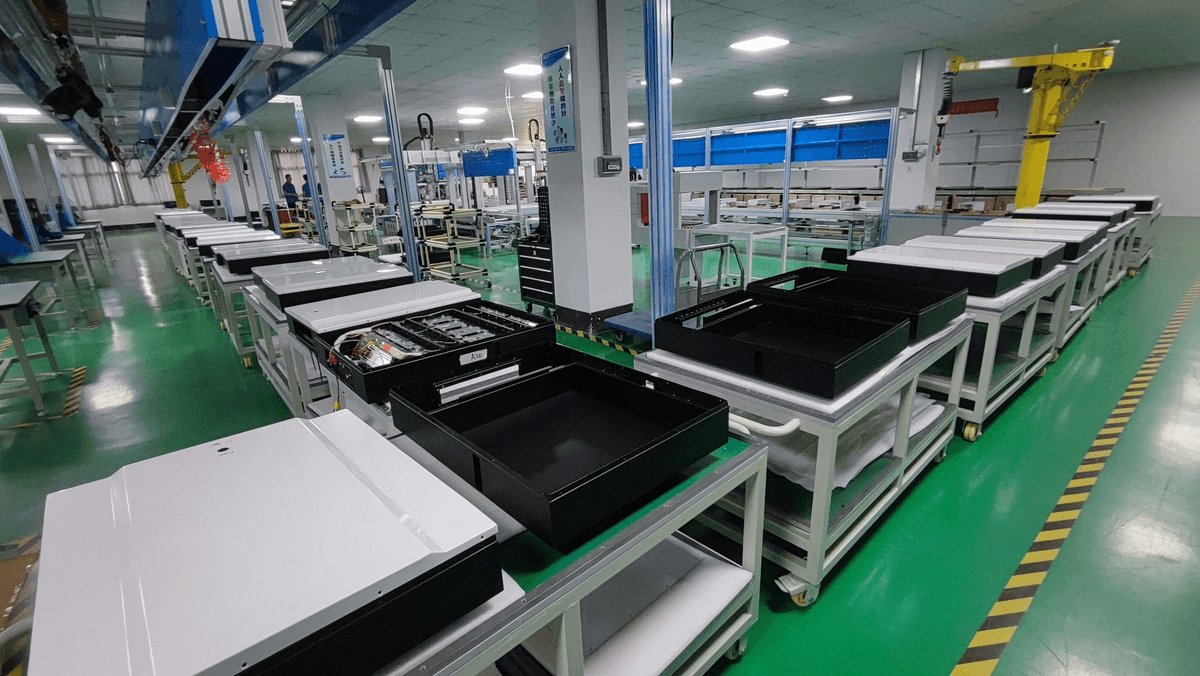
In the world of injection molding, understanding and addressing defects is crucial for producing high-quality parts. From flow lines and burn marks to warping and vacuum voids, each defect presents its own unique challenges that can impact both functionality and aesthetics. By implementing effective strategies, manufacturers can significantly reduce these injection molding defects and improve overall production efficiency.
Strategies for Reducing Defects
To tackle injection molding defects like flow lines, burn marks, warping, vacuum voids, sink marks, and weld lines effectively, a multi-faceted approach is necessary. First and foremost, optimizing processing parameters such as temperature and pressure can drastically minimize issues like jetting or uneven cooling that lead to these defects. Additionally, selecting the right materials tailored to specific applications helps mitigate problems; for example, certain polymers can be more resistant to warping or sink marks.
Another vital strategy involves investing in advanced mold designs that account for potential defect causes. Incorporating features such as enhanced cooling channels can help regulate temperature more evenly across the part during production—reducing the likelihood of warping or burn marks. Regular training for operators on best practices also plays a pivotal role in maintaining quality standards throughout the production process.
The Role of Quality Control
Quality control is not just an afterthought in manufacturing; it’s an essential component in combating injection molding defects at every stage of production. Implementing robust inspection protocols allows teams to catch issues related to flow lines or vacuum voids before they escalate into larger problems. Techniques like visual inspections combined with advanced testing methods ensure that any signs of sink marks or weld lines are identified early on.
Moreover, continuous monitoring of process variables helps maintain consistency in output quality while also providing valuable data for future improvements. By analyzing patterns over time—such as recurring burn marks or variations in wall thickness—manufacturers can make informed adjustments that enhance product reliability. Ultimately, a strong commitment to quality control fosters a culture of excellence within organizations dedicated to reducing injection molding defects.
Partnering with Experts like China Inspection Pro
When it comes to navigating the complexities of injection molding defects effectively, partnering with experts like China Inspection Pro can make all the difference. Their specialized knowledge in identifying issues such as jetting or air pockets provides invaluable support throughout the manufacturing process—from design through production oversight. With their assistance in implementing stringent quality control measures, manufacturers gain peace of mind knowing they’re equipped to handle potential challenges head-on.
Additionally, collaborating with experienced professionals brings fresh perspectives on innovative solutions tailored specifically for your product line’s needs—whether reducing flow lines or tackling sink marks effectively during production runs. This partnership not only enhances product quality but also streamlines operations by ensuring compliance with industry standards and best practices around defect prevention.
In conclusion, addressing injection molding defects requires a comprehensive strategy that encompasses proactive measures at every stage—from design through production—and relies heavily on expert collaboration and unwavering commitment to quality control.