
Introduction
Starting a clothing line is an exciting venture, but it’s also fraught with potential pitfalls that can derail your progress before you even get off the ground. Avoiding common mistakes like mass producing without proper planning or skipping crucial steps such as designing without a prototype can save you from costly setbacks. When you overlook key details—such as trim specifications or not requesting sample runs—you risk ending up with inventory that doesn’t meet your standards or expectations.
Failing to budget properly and incorrectly sourcing design work can quickly turn your dream into a financial nightmare. Many new fashion entrepreneurs jump into mass producing their designs without fully understanding the importance of planning for changes or finding their niche in the market. Setting yourself up for success means understanding these pitfalls and proactively addressing them, ensuring your brand is resilient and ready to thrive in a competitive industry.
Why Avoiding Common Mistakes Matters for Your Clothing Line
Avoiding common mistakes in launching your clothing line is essential because each misstep can compound into bigger problems down the road. For example, rushing into mass producing without thorough planning often leads to flawed products, wasted resources, and missed deadlines. Recognizing early on that designing without a prototype or not requesting sample runs can result in surprises that are costly both financially and reputationally.
The Costly Consequences of Poor Planning
Poor planning—such as not allocating enough time for changes or failing to budget properly—can cause delays and inflate costs dramatically. When you neglect key details like trim specifications or underestimate hidden manufacturing costs, it becomes difficult to control expenses during mass production. These mistakes often lead to last-minute fixes, rushed orders, and compromised quality—all preventable with careful foresight.
How to Set Your Fashion Brand Up for Success
To set your fashion brand up for long-term success, focus on thorough preparation: find your niche market first, ensure detailed sourcing of fabrics and design work, and always request sample runs before full-scale production. Properly budgeting and allowing flexibility for adjustments will help avoid costly errors associated with incorrect sourcing or rushing mass production cycles. Ultimately, learning from these common mistakes positions you not just to launch but also sustain a thriving clothing line amid fierce competition.
The Pitfalls of Mass Producing Without Proper Planning
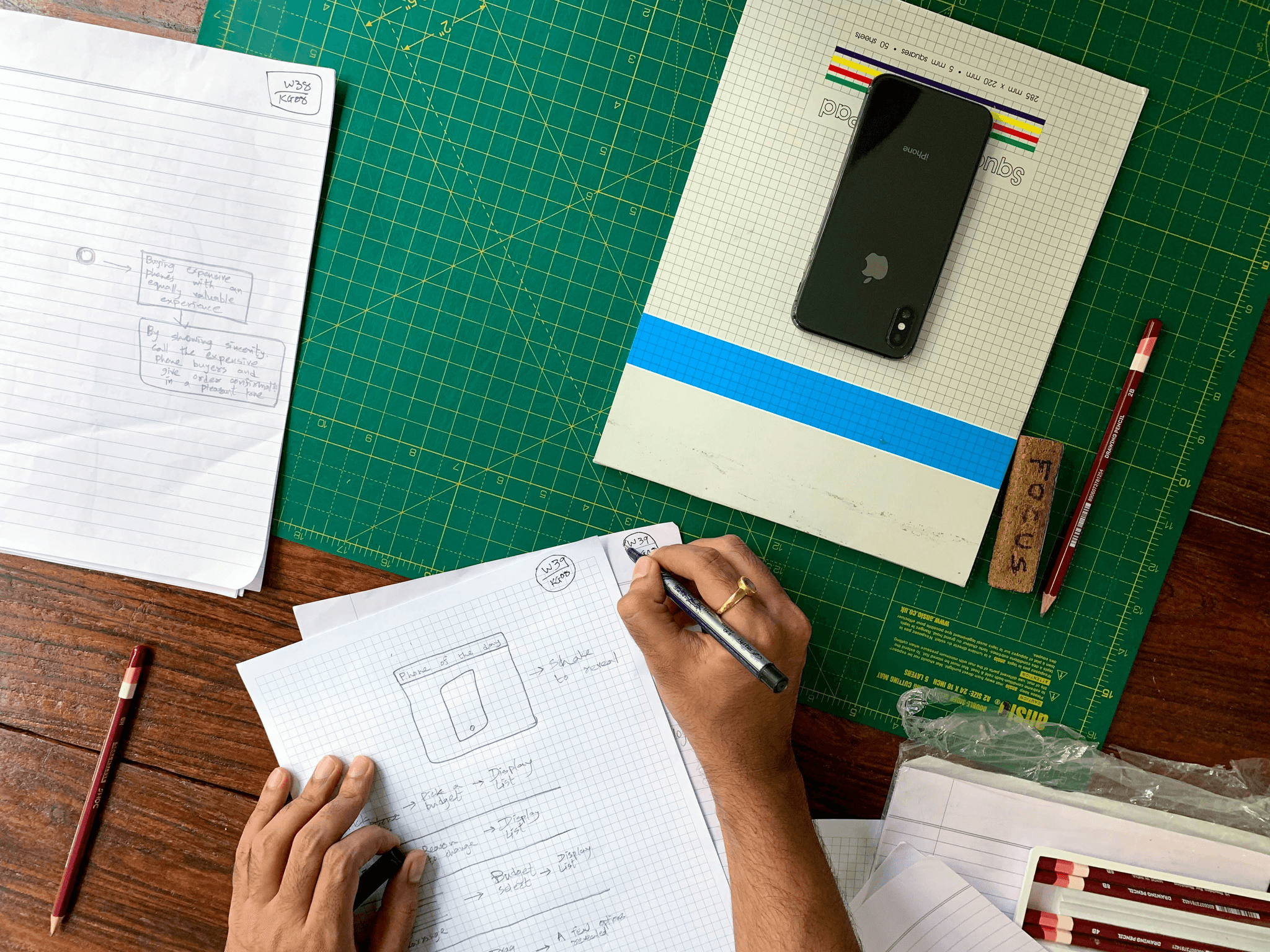
Jumping into mass producing your clothing line without a solid plan is like building a house on quicksand—you're bound to sink when problems arise. Many entrepreneurs overlook the importance of designing with a prototype, which can lead to costly flaws that are only discovered after production begins. Failing to plan for changes during the process often results in rush orders, skyrocketing costs, and compromised quality, all because you didn't allocate enough time for adjustments.
When you forget key details and trim specifications, your final product may not meet expectations or industry standards, leading to returns or lost sales. Not requesting sample runs is another rookie mistake—these small batches reveal surprises like sizing issues or fabric mismatches before committing to full-scale mass producing. Skipping this step can turn your launch into a nightmare of unforeseen problems that could have been easily avoided with proper planning.
Failing to budget properly compounds these issues; without a clear financial plan, unexpected costs in manufacturing and shipping can wipe out your profits. Incorrectly sourcing design work or fabric suppliers only adds fuel to the fire—poor sourcing can delay production and compromise quality. To truly succeed, finding your niche is crucial; trying to appeal to everyone spreads resources thin and dilutes brand identity, making mass producing more risky than rewarding.
Financial Missteps in Clothing Production
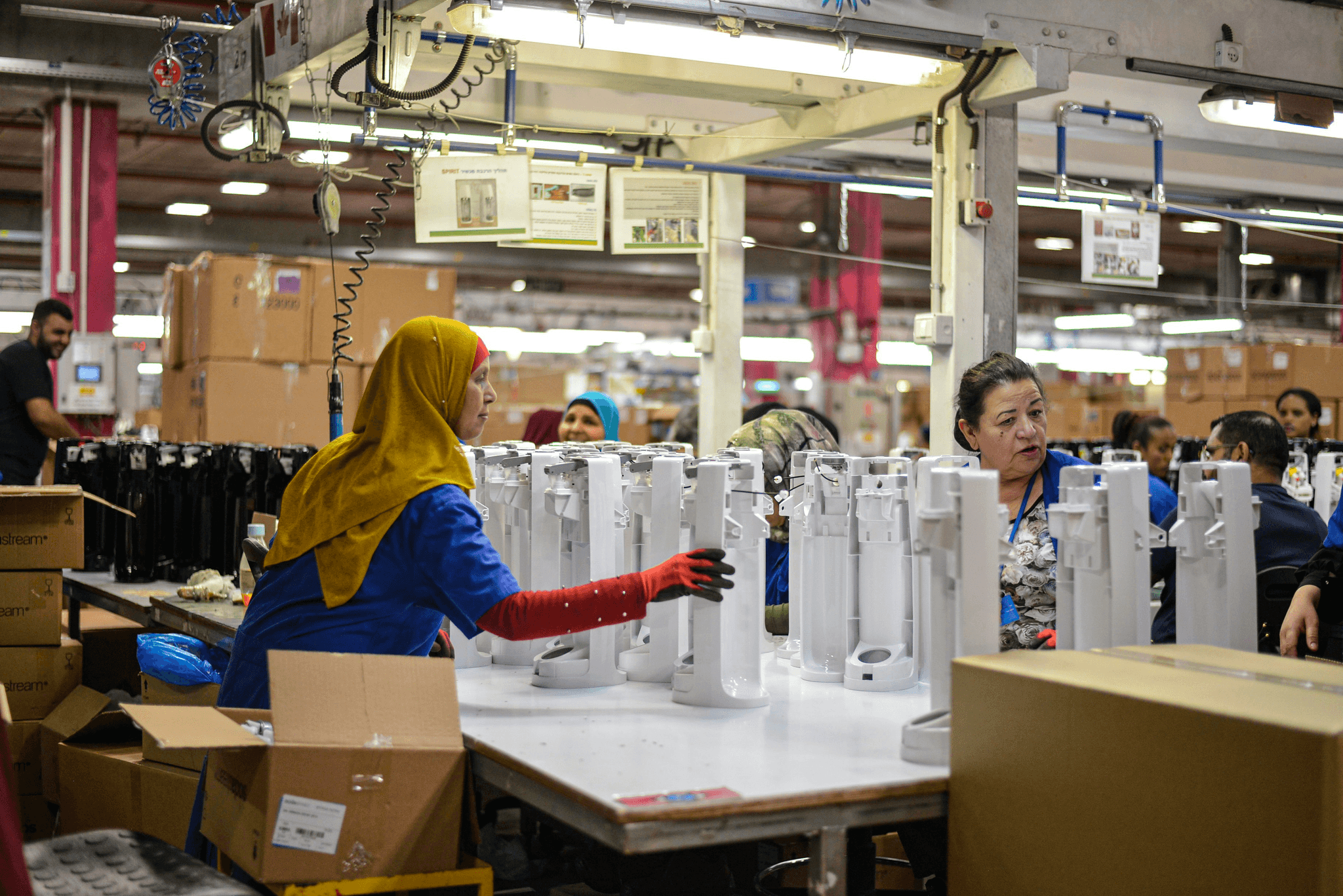
Diving into mass producing your clothing line without a solid financial plan is like sailing without a compass—you're bound to get lost in the storm of unexpected costs. Many entrepreneurs jump into production thinking they’ve accounted for everything, only to find hidden expenses lurking beneath the surface. Failing to budget properly can lead to cash flow crises, forcing you to cut corners or even halt production altogether.
One common mistake is overlooking hidden costs in manufacturing and shipping. When you’re not planning time for changes, these unforeseen expenses can skyrocket, especially if you need last-minute adjustments or rush shipments. Forgetting key detail and trim specifications during initial planning often results in costly reworks or rejected batches, which further drain your budget and delay your launch.
Not requesting sample runs might seem like saving time, but it’s a false economy that invites surprises down the line. Without testing your designs through sample runs, you risk mass producing flawed garments that damage your brand’s reputation—and your wallet. Remember, failing to budget properly isn’t just about numbers; it’s about safeguarding your entire business from avoidable financial pitfalls.
Finally, many new brands make the mistake of incorrectly sourcing design work and materials—thinking they’re saving money but ending up with subpar fabrics or unreliable suppliers. This misstep compounds when combined with not finding your niche; if you don’t understand what makes your target market tick, every dollar spent on poor sourcing is wasted effort and money. To keep things afloat financially, always plan ahead for unexpected expenses and make sure every cost is accounted for before hitting “mass produce.”
Sourcing and Quality Control Mistakes
Getting your sourcing right and maintaining quality control are critical steps that can make or break your clothing line. Many entrepreneurs fall into the trap of **incorrectly sourcing design work and fabric suppliers**, which leads to subpar products and delays. When you rush into **mass producing** without thoroughly vetting your suppliers, you risk ending up with inconsistent fabrics, poor craftsmanship, or materials that don’t match your vision, all because of **not planning time for changes** or **forgetting key detail and trim specifications**.
Failing to establish a solid quality control process can turn a promising launch into a nightmare. This is why **China Inspection Pro should be your quality ally**—they help catch issues early through thorough inspections, reducing the risk of surprises during mass production. Neglecting this step is akin to skipping the final quality inspection; it increases the chance of receiving defective merchandise, which can be disastrous for your brand’s reputation and bottom line.
Many brands make the mistake of **not requesting sample runs**, thinking they can skip straight to mass producing. But without testing small batches first, you might encounter problems like fabric mismatches or design flaws that could have been caught early on. This oversight often results in costly reworks or scrapped inventory, especially if you've failed to budget properly for contingencies or overlooked the importance of finding your niche market—without this focus, every mistake becomes more expensive as you try to appeal to everyone instead of targeting specific customers.
Finding and Focusing on Your Niche
Diving into mass producing a clothing line without first finding your niche is like sailing without a compass—you're likely to go off course, waste resources, and end up with a product that doesn’t stand out. Many new designers fall into the trap of trying to please everyone, which leads to designing without a prototype that truly reflects their brand’s identity. Without pinpointing what makes your target audience tick, you risk neglecting key detail and trim specifications that could make or break your collection’s success.
Understanding your niche helps you avoid common pitfalls like mass producing designs that don’t resonate or skipping the crucial step of requesting sample runs. When you fail to budget properly for these initial steps, it often results in costly mistakes down the road—like incorrect sourcing of design work or fabric suppliers—that could have been caught early with proper planning. Not finding your niche means you might rush into mass producing, only to realize later that your product doesn’t meet market needs or expectations.
Positioning your brand for long-term success hinges on conducting thorough market research to identify what sets you apart from competitors. If you're not clear about your niche, it becomes easy to forget key detail and trim specifications during production, leading to quality control issues and unhappy customers. Remember: the more clearly you define who you're designing for, the better you'll be able to focus on quality over quantity—ensuring every piece is tailored perfectly for your audience and reducing unnecessary costs associated with mass producing without strategic direction.
The Importance of Sample Runs and Pilot Production
Jumping into mass producing your clothing line without proper preparation can turn into a costly mistake. Sample runs are your first line of defense against flaws that might appear when you start designing without a prototype or rushing into production without testing the waters. Pilot production allows you to catch issues early, saving you from expensive rework and potential delays that come with not planning time for changes.
Why Sample Runs Are Non-Negotiable
Skipping sample runs is like skipping the safety check before a flight — reckless and risky. When you fail to request sample runs, you risk discovering key details and trim specifications were overlooked, leading to surprises once mass producing begins. Without this crucial step, designing without a prototype can result in flawed garments that tarnish your brand’s reputation, making it clear why sample runs are non-negotiable in the process.
How Pilot Production Saves Time and Money
Pilot production acts as a dress rehearsal before the big show — it helps identify mistakes early on so they don’t snowball during mass producing. Not planning time for changes during this phase means you’ll be rushing to fix issues after large orders are already underway, costing more money and delaying your launch. By investing in small batch feedback, you can adjust design flaws—like incorrect sourcing of fabric or design work—before committing fully, ultimately saving both time and cash.
Learning from Small Batch Feedback Before Mass Producing
Small batch feedback is your secret weapon for refining your clothing line — it’s where most mistakes become clear before going all-in with mass producing. Forgetting key detail and trim specifications during pilot runs can lead to quality control nightmares later on; listening to real-world input helps correct these issues early. This approach also ensures you're correctly sourcing design work and fabric suppliers while honing in on your niche, so when it's time for full-scale manufacturing, everything aligns perfectly.
Conclusion
Navigating the world of clothing production can feel like walking a tightrope, but with a solid checklist, you can avoid many common pitfalls. Remember, rushing into mass producing without proper planning often leads to costly mistakes like designing without a prototype or forgetting key detail and trim specifications. By systematically ticking off each step—such as ensuring sample runs are requested and that your budget is realistic—you set yourself up for smoother mass producing and fewer surprises along the way.
Leveraging expert services like China Inspection Pro can be a game-changer in safeguarding your quality control efforts. They help catch issues early, especially when you're incorrectly sourcing design work or not finding your niche, which are critical to long-term success. Capitalizing on these services ensures your clothing line remains resilient, allowing you to focus on refining your brand rather than fixing avoidable errors caused by neglecting essential steps in the process.
Building a resilient clothing line with fewer mistakes hinges on understanding what to prioritize during production. Failing to budget properly or not planning time for changes can turn what should be an exciting venture into a financial nightmare. Remember, mass producing is not just about quantity; it’s about quality and precision—so stay vigilant about every detail from sample runs to niche positioning.