
Introduction
In today's manufacturing landscape, the Raw Material Price has become more volatile and unpredictable than ever before. This rising tide of raw material costs is forcing companies to rethink their supply chain strategies, as the Raw Material PRICE Bottleneck Is Choking the Manufacturers and squeezing profit margins. With supply chain disruptions becoming more frequent, manufacturers find themselves caught in a perfect storm that threatens to derail production schedules and inflate costs at every turn.
The Rising Tide of Raw Material Costs
The surge in raw material prices has been relentless, driven by global demand surges and geopolitical tensions that disrupt traditional supply routes. These price hikes are not just temporary blips but a persistent challenge that impacts everything from steel to rare earth metals. Manufacturers are feeling the pinch as they grapple with the Raw Material PRICE Bottleneck Is Choking the Manufacturers, making it harder to keep costs in check while maintaining quality.
How Supply Chain Disruptions Are Impacting Manufacturing
Supply chain woes are now poised to put a wedge in Christmas cheer, with delays and shortages affecting inventory levels across industries. Disrupted logistics mean raw materials arrive late or at inflated costs, compounding the problem of soaring Raw Material Price tags. As supply chain disruptions continue to ripple through markets, manufacturers are increasingly unable to ignore how these bottlenecks threaten their ability to meet consumer demand and stay competitive.
Why Manufacturers Can't Afford to Ignore Raw Material PRICE Bottleneck
Ignoring the raw material price crisis isn't just bad business—it's a gamble with your company's future. The Raw Material PRICE Bottleneck is choking manufacturers’ ability to produce efficiently, risking not only higher prices but also compromised product quality. Given that Bangladesh factories still need to improve their infrastructure and quality standards, addressing this bottleneck promptly is essential for staying afloat in a turbulent global market where supply chain woes are poised to put a wedge in Christmas cheer and beyond.
The Root Causes of Raw Material Price Volatility
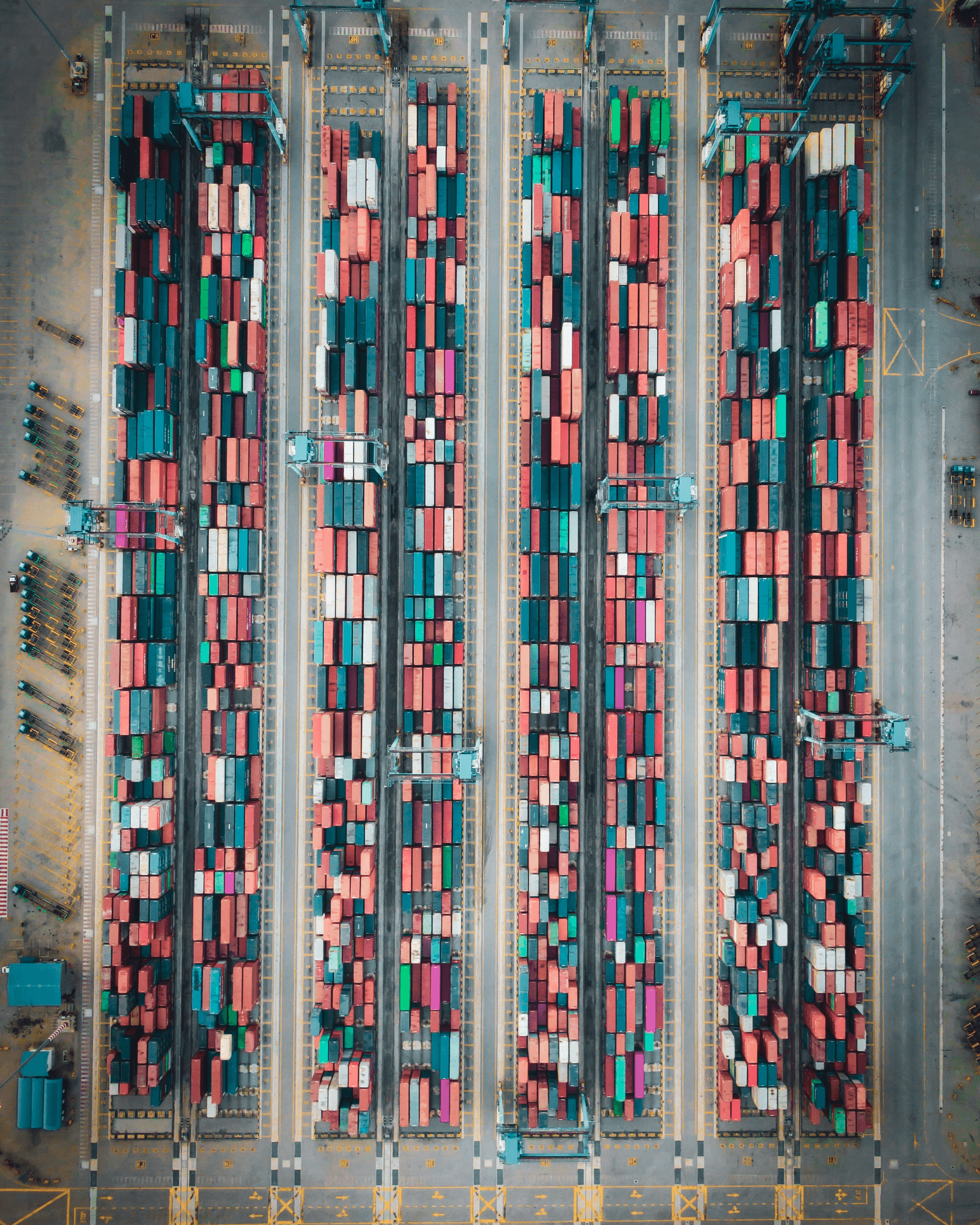
The world of manufacturing is a rollercoaster, with raw material prices swinging wildly and causing chaos across supply chains. When the Raw Material PRICE Bottleneck Is Choking the Manufacturers, it’s often due to unpredictable surges in demand or disruptions that send costs soaring overnight. These fluctuations are not just inconvenient—they threaten to derail entire production lines and push supply chain woes poised to put a wedge in Christmas cheer.
One of the most significant drivers behind this volatility is global demand surges, especially fueled by China’s role as the manufacturing powerhouse. As China ramps up production to meet international needs, the Raw Material Price tends to spike, creating a bottleneck that filters down through every level of supply chain operations. This relentless demand pushes prices higher, making it harder for manufacturers worldwide to keep their costs in check without exacerbating the Raw Material PRICE Bottleneck Is Choking the Manufacturers even further.
Meanwhile, geopolitical tensions and trade wars add fuel to this volatile fire. Tariffs and sanctions disrupt traditional supply routes, causing raw materials to become scarce or more expensive unexpectedly—another reason why supply chain woes are poised to put a wedge in Christmas cheer this year. These political skirmishes not only increase costs but also create uncertainty that makes planning nearly impossible—further highlighting why Bangladesh factories still need to improve their resilience against such external shocks.
Lastly, recent cuts in supply chains and logistical challenges have compounded these issues significantly. Supply chain cuts mean fewer raw materials reach factories on time, driving up prices due to scarcity—the classic case of demand outstripping supply. Logistics challenges like port congestion and transportation delays make it even more difficult for raw materials to arrive promptly, pushing prices higher and making the Raw Material Price problem worse for manufacturers trying desperately not to let it choke their operations.
Manufacturing Industry’s Growing Struggles
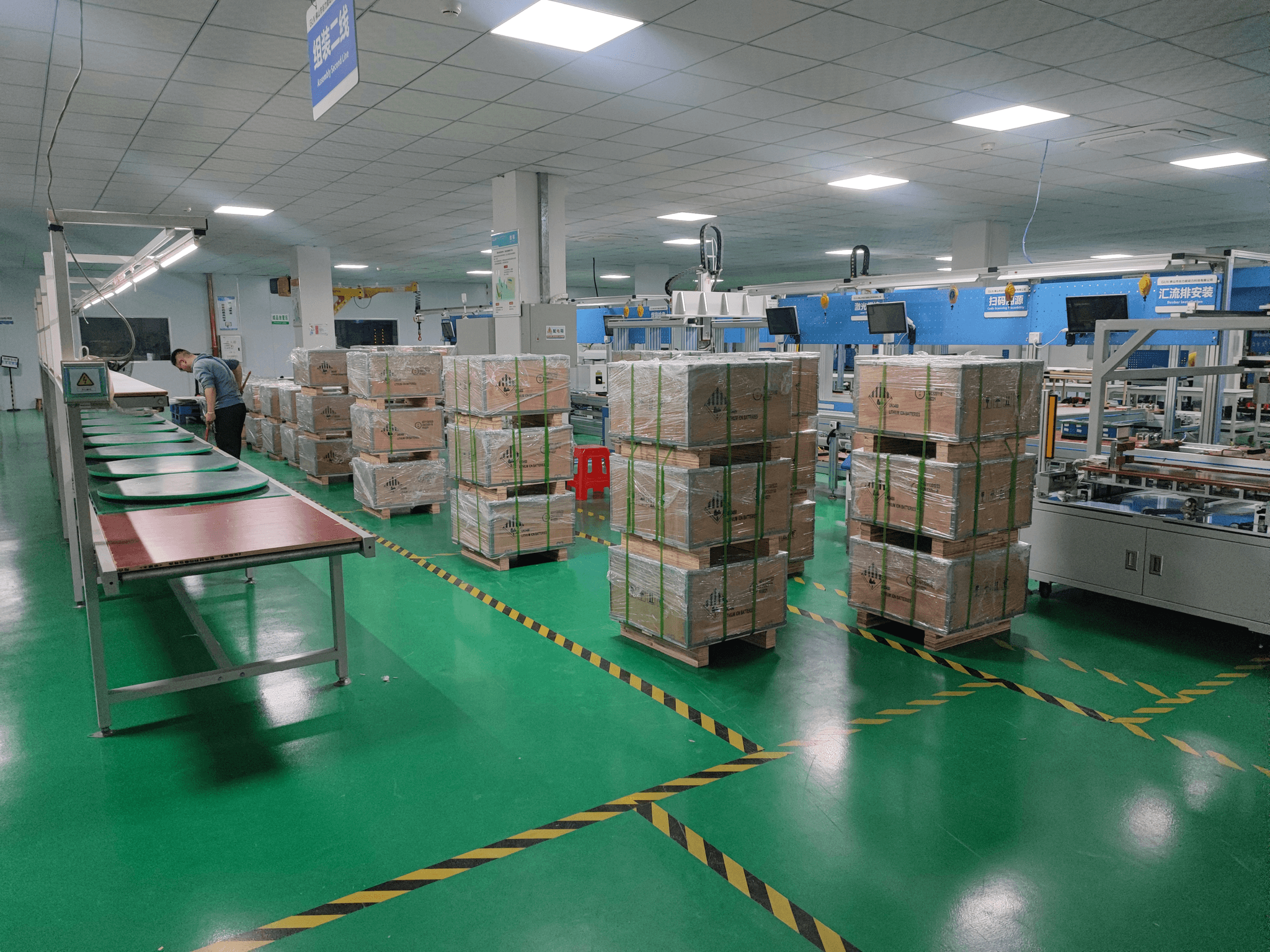
The manufacturing sector is feeling the heat from the Raw Material Price surge, with supply chain woes poised to put a wedge in Christmas cheer. As raw material costs skyrocket, manufacturers are grappling with tighter margins and delayed production schedules. The Raw Material PRICE Bottleneck Is Choking the manufacturers, forcing many to rethink their inventory strategies and production timelines just as demand peaks for the holiday season.
This relentless rise in raw material costs isn’t just a minor inconvenience; it’s a full-blown crisis that affects every facet of production. Supply chain woes—amplified by unpredictable price fluctuations—are causing delays and shortages across industries. Why Bangladesh factories still need to improve becomes even more evident when raw material price volatility hampers their ability to maintain quality and meet delivery deadlines, threatening their competitiveness on the global stage.
Small and medium-sized factories are particularly vulnerable, often lacking the buffer to withstand rising raw material prices. These businesses face a double whammy: increased costs squeezing profit margins while supply chain disruptions delay shipments. The ripple effect underscores why raw material prices are no longer just an input cost but a critical factor that can make or break manufacturing success in today’s volatile market.
Supply Chain Woes Poised to Put a Wedge in Christmas Cheer
The ongoing raw material price volatility is creating a perfect storm for supply chain woes that threaten to dampen holiday spirits. As raw material prices continue to fluctuate unpredictably, manufacturers are feeling the squeeze, leading to inventory shortages and delivery delays. This raw material PRICE bottleneck is choking the manufacturers’ ability to keep shelves stocked, which could turn festive cheer into frantic scrambling for last-minute gifts.
Inventory Shortages and Delivery Delays
With the raw material price soaring unpredictably, factories are struggling to maintain adequate inventory levels. The raw material PRICE bottleneck is causing delays in procurement, forcing many manufacturers to halt or slow production lines altogether. As a result, consumers are facing empty shelves just when they’re eager to shop for Christmas gifts, turning holiday shopping into a logistical nightmare.
Consumer Goods Inflation and Market Uncertainty
The ripple effect of rising raw material prices has pushed consumer goods inflation higher than usual this season. When the raw material PRICE bottleneck tightens supply chains further, it fuels market uncertainty—making shoppers hesitant and retailers cautious about stock levels. This combination not only strains household budgets but also leaves everyone wondering if their holiday plans will be disrupted by supply chain chaos.
The Holiday Shopping Season at Risk
The current supply chain woes poised to put a wedge in Christmas cheer threaten more than just gift exchanges; they jeopardize an entire festive economy built on timely deliveries and abundant inventories. As manufacturers grapple with the raw material price issues that are choking their production capacity, small businesses and big retailers alike face uncertain futures this holiday season. If these supply chain woes persist, it could turn what should be a season of joy into one of last-minute scramble and disappointment—highlighting why Bangladesh factories—and all manufacturing hubs—must improve their resilience against such disruptions.
The Role of Quality Inspection in Navigating Raw Material Challenges

In today’s manufacturing landscape, raw material price fluctuations are more than just a minor hiccup—they’re the chokehold that can threaten entire production lines. When the Raw Material PRICE Bottleneck Is Choking the Manufacturers, quality inspection becomes a vital tool to keep standards intact despite these turbulent times. Proper inspection ensures that even when supply chain woes are poised to put a wedge in Christmas cheer, products still meet quality benchmarks and customer expectations.
China Inspection Pro offers manufacturers a strategic advantage by providing meticulous quality checks tailored to fluctuating raw material costs. By catching issues early, companies can avoid costly rework or recalls caused by substandard inputs, which are often a result of volatile raw material prices. When supply chain woes are poised to put a wedge in Christmas cheer, maintaining consistent product quality through inspections helps stabilize brand reputation and customer trust—both crucial during peak shopping seasons.
Ensuring quality amid price fluctuations and supply gaps is no longer optional; it’s essential for survival. Inspection findings turn into competitive advantages because they allow manufacturers to adjust sourcing strategies quickly and optimize inventory management. This proactive approach helps mitigate the impact of raw material price swings and keeps production on track—even when global demand surges or geopolitical tensions threaten supply chains.
Why Bangladesh Factories Still Need to Improve
Despite the global spotlight on supply chain woes poised to put a wedge in Christmas cheer, many Bangladesh factories are still grappling with fundamental issues that hinder their ability to adapt to the raw material price fluctuations. The raw material price has become a critical factor influencing factory efficiency and product quality, yet numerous facilities remain ill-equipped to handle these volatile shifts. Without significant improvements, these factories risk becoming obsolete as the raw material price bottleneck continues choking manufacturers’ margins and productivity.
Current Challenges in Factory Quality and Efficiency
Many Bangladesh factories are caught in a cycle where supply chain woes poised to put a wedge in Christmas cheer exacerbate existing inefficiencies. The raw material price fluctuations often lead to inconsistent quality, forcing factories into costly rework or scrapped products, which further drains resources. This scenario underscores why Bangladesh factories still need to improve—without robust quality controls, they remain vulnerable when the raw material price skyrockets unexpectedly, choking their competitiveness on the global stage.
Strategies for Upgrading Infrastructure and Skills
To combat the raw material price bottleneck and its impact on production lines, factories must prioritize upgrading infrastructure and investing in workforce skills. Modern machinery can help optimize resource utilization amid fluctuating raw material prices, ensuring better efficiency even when supply chain woes threaten delivery timelines. Developing local expertise through training programs is equally vital; it empowers workers to adapt swiftly during periods of volatile raw material prices and reduces dependency on external suppliers—ultimately helping these factories stay resilient against future disruptions.
The Path Toward Sustainable Manufacturing Excellence
Achieving sustainable manufacturing excellence requires Bangladesh factories to view the raw material price as an ongoing challenge rather than a temporary hiccup. Embracing innovative practices like real-time inventory management and strategic supplier partnerships can mitigate some effects of supply chain woes poised to put a wedge in Christmas cheer caused by unpredictable raw material costs. By focusing on continuous improvement—especially around quality standards—they can turn challenges into opportunities for differentiation and growth, ensuring they’re not left behind when faced with rising raw material prices.
Conclusion
The raw material price has become a formidable obstacle for manufacturers worldwide, and ignoring this bottleneck is no longer an option. Innovation is key to navigating the raw material price crisis, whether through alternative sourcing, smarter inventory management, or adopting new technologies that reduce dependency on volatile commodities. Manufacturers who embrace creative solutions will be better positioned to withstand supply chain woes and keep their operations afloat amid turbulent times.
Collaboration across industries and borders offers a promising pathway to ease supply chain woes poised to put a wedge in Christmas cheer. Sharing resources, information, and strategic planning can help mitigate the impact of raw material price fluctuations and logistical challenges. When stakeholders work together, they can turn raw material price volatility from a stumbling block into an opportunity for resilience and growth.
Why Bangladesh factories still need to improve remains clear in this landscape of rising raw material prices and ongoing supply chain disruptions. Strengthening infrastructure, upgrading skills, and implementing robust quality inspection processes are essential steps toward reducing the raw material price impact on production efficiency. By stepping up their game now, Bangladesh factories can avoid being left behind as global competition intensifies—because when it comes to handling the raw material price bottleneck, complacency is not an option.