
Introduction
In the fast-paced world of logistics, ensuring that every shipment meets quality standards is not just a formality—it's a necessity. Shipment inspection techniques play a pivotal role in maintaining the integrity of goods during transit, safeguarding both businesses and consumers alike. By implementing robust quality assurance practices, companies can mitigate risks and enhance customer satisfaction.
Importance of Shipment Inspection Techniques
The importance of shipment inspection techniques cannot be overstated; they serve as the frontline defense against potential product failures and inconsistencies. Regular quality inspections help identify issues before they escalate, reducing costly returns and fostering trust among stakeholders. In an era where consumer expectations are higher than ever, effective shipment inspection becomes crucial for maintaining a competitive edge.
The Role of Quality Assurance in Shipping
Quality assurance is the backbone of successful shipping operations, ensuring that every product adheres to predefined standards throughout its journey. By integrating quality control measures into their processes, companies can streamline operations while minimizing delays caused by defective items. This proactive approach not only improves efficiency but also cultivates a culture of excellence within teams focused on quality and control.
How Inspection Services Boost Efficiency
Inspection services are essential tools that enhance operational efficiency by providing an objective assessment of goods before they reach their final destination. Utilizing specialized vehicle inspection services ensures that transportation methods meet safety regulations while also verifying product integrity on arrival. Ultimately, these services contribute to faster turnaround times and improved supply chain reliability, making them indispensable in today's shipping landscape.
Understanding Shipment Inspection
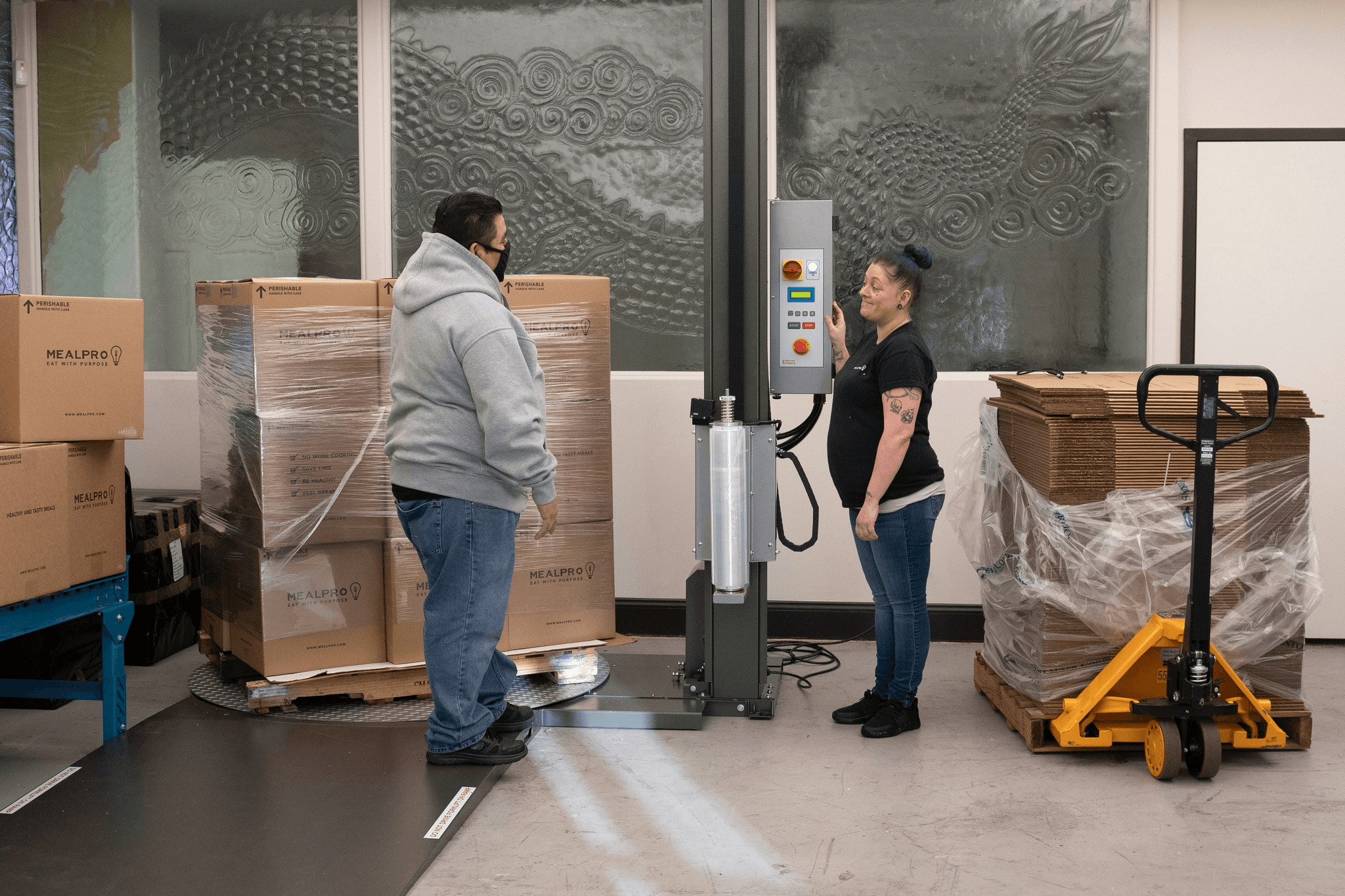
Shipment inspection is a crucial process that ensures the quality and integrity of goods before they reach their destination. It involves a systematic examination of shipments to verify compliance with quality assurance standards and regulations. By implementing effective shipment inspection techniques, businesses can avoid costly errors, reduce waste, and enhance customer satisfaction.
What is Shipment Inspection?
At its core, shipment inspection refers to the evaluation of goods during various stages of the shipping process. This includes checking for damages, verifying quantities, and ensuring that products meet specified quality assurance criteria. A well-executed shipment inspection can help identify potential issues early on, thereby minimizing risks associated with shipping and handling.
Key Types of Quality Inspections
Quality inspections come in several forms, each tailored to address specific needs within the shipping process. Among them are pre-shipment inspections, where products are evaluated before they leave the supplier's facility; in-process inspections that monitor quality during production; and post-shipment inspections that assess goods upon arrival at their destination. Each type plays a vital role in maintaining high standards of quality control throughout the supply chain.
The Benefits of Regular Vehicle Inspection Services
Regular vehicle inspection services are essential for ensuring that transportation fleets operate safely and efficiently. These inspections help identify mechanical issues before they escalate into more significant problems, thus reducing downtime and maintenance costs. Moreover, consistent vehicle inspections contribute to overall safety on the roads while reinforcing a commitment to quality assurance within logistics operations.
Best Practices for Quality Control
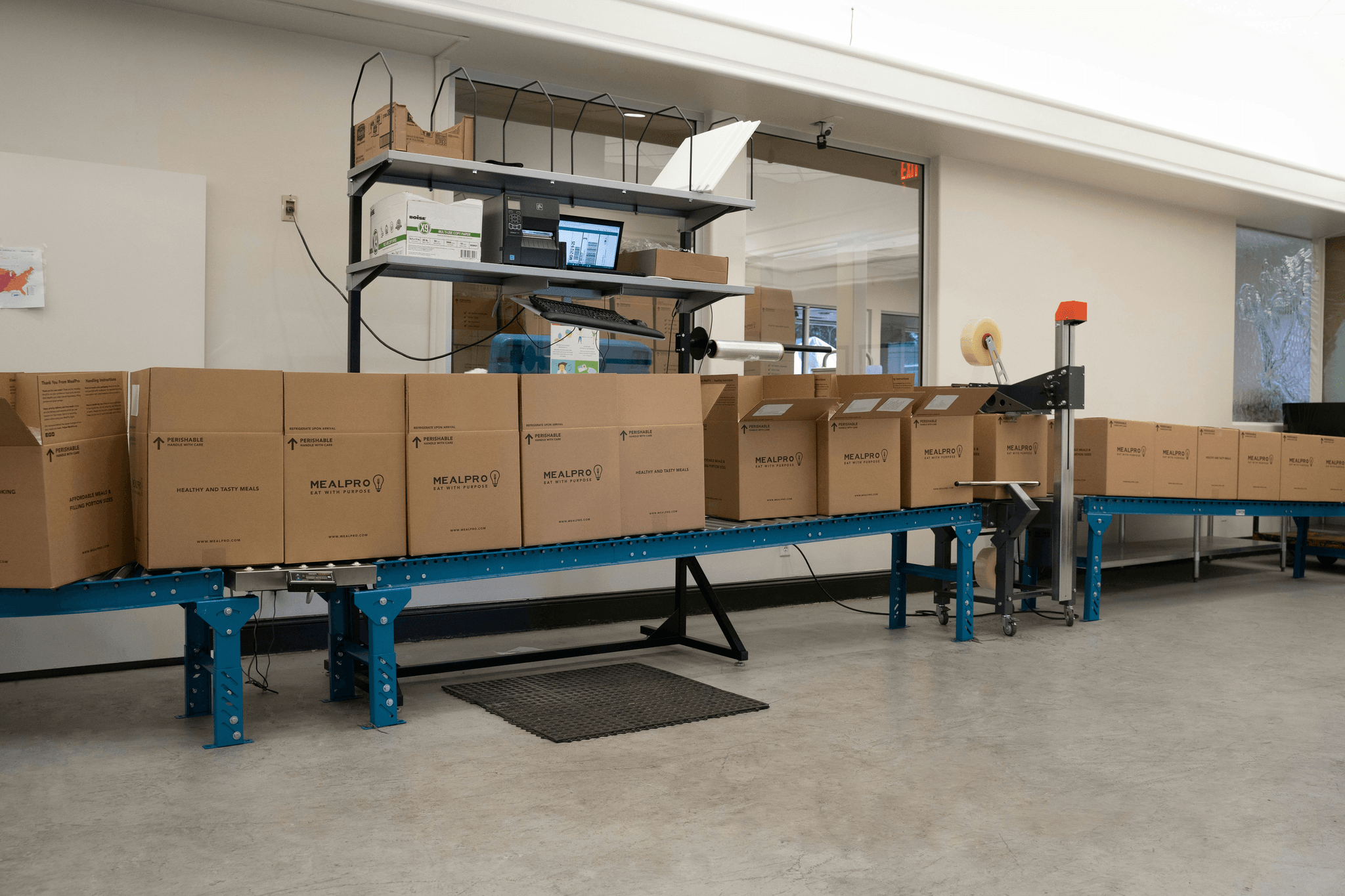
In the realm of shipment inspection, establishing best practices for quality control is essential to ensure that products meet the desired standards before they reach customers. By implementing effective strategies, businesses can significantly enhance their quality assurance processes and minimize costly errors. Here, we explore three key areas: establishing clear quality standards, utilizing technology for quality assurance, and training staff on quality and control.
Establishing Clear Quality Standards
The foundation of any successful shipment inspection process lies in well-defined quality standards. These standards serve as benchmarks against which all products are measured, ensuring consistency across the board. By clearly outlining specifications and expectations for each product type, companies can streamline their quality inspections and reduce ambiguity during vehicle inspection services.
Moreover, involving key stakeholders in the creation of these standards fosters buy-in from all teams involved in the shipping process. Regularly revisiting and updating these standards based on customer feedback or regulatory changes is crucial to maintaining relevance in an ever-evolving market. Ultimately, clear quality standards not only enhance efficiency but also bolster customer satisfaction through improved product reliability.
Utilizing Technology for Quality Assurance
In today's digital age, leveraging technology has become a game-changer for enhancing quality assurance in shipment inspection processes. Advanced software solutions can automate various aspects of quality control, from tracking inspection results to generating real-time reports that highlight potential issues before they escalate. By utilizing such technologies, businesses can improve their overall efficiency while reducing human error during inspections.
Additionally, incorporating tools like barcode scanners or RFID tags streamlines inventory management and ensures that every item undergoes thorough quality inspections before leaving the warehouse. These technological advancements not only simplify logistics but also provide valuable data analytics that inform future improvements in both products and processes. Embracing technology ultimately leads to a more robust approach to quality assurance.
Training Staff on Quality and Control
Even with clear standards and advanced technology in place, human factors play a significant role in ensuring effective shipment inspections are carried out consistently. Therefore, investing time and resources into comprehensive training programs for staff on quality control is paramount. Employees who understand the importance of adhering to established protocols are more likely to identify discrepancies during inspections.
Regular workshops or refresher courses can keep teams up-to-date with industry best practices as well as new technologies related to vehicle inspection services or other aspects of shipment inspection procedures. Encouraging a culture of continuous learning empowers employees to take ownership of their roles within the company’s quality assurance framework—ultimately leading to fewer mistakes and higher-quality outcomes across all shipments.
Common Pitfalls in Shipment Inspection

Even the best-laid plans can go awry, especially when it comes to shipment inspection. In the fast-paced world of logistics, overlooking critical details can lead to costly mistakes that ripple through the supply chain. Quality assurance is essential; however, if teams miss even a minor aspect during quality inspections, it can compromise the entire process.
Overlooking Critical Details
One of the most common pitfalls in shipment inspection is simply overlooking critical details that may seem trivial at first glance. These small oversights can snowball into significant issues down the line, affecting product integrity and customer satisfaction. Quality control procedures should be designed to catch these details; otherwise, they could lead to unexpected returns or dissatisfaction with vehicle inspection services.
Inadequate attention to detail often stems from rushed inspections or a lack of comprehensive checklists tailored for specific products. Teams need robust quality assurance strategies that emphasize thoroughness in every step of the inspection process. By ensuring that no detail is too small to be scrutinized, organizations can bolster their overall quality and control efforts.
Miscommunication Among Teams
Miscommunication among teams is another pitfall that can derail effective shipment inspection processes. When different departments fail to share vital information regarding quality assurance measures or specific requirements, confusion ensues and errors multiply. This breakdown in communication not only hampers efficiency but also increases the likelihood of non-compliance with regulatory standards during quality inspections.
Establishing clear channels for communication between all stakeholders involved in shipment inspection is crucial for maintaining high-quality standards. Regular meetings and updates can help ensure everyone remains on the same page regarding expectations and responsibilities related to quality control practices. By fostering an environment where open dialogue thrives, organizations can significantly reduce miscommunication-related errors.
Neglecting Regulatory Requirements
Neglecting regulatory requirements during shipment inspection can have severe consequences for businesses operating within various industries. Compliance with regulations isn’t just a legal obligation; it’s also a cornerstone of effective quality assurance practices that protect consumers and uphold brand reputation. Companies must stay informed about relevant laws governing their products and ensure that their quality inspections align with these standards.
Ignoring these regulations often leads to costly fines or delays in shipping due to non-compliance issues being flagged during inspections by authorities or partners like China Inspection Pro. Organizations should prioritize regular training sessions on current regulatory requirements as part of their broader commitment to quality control initiatives within their supply chains. By embedding compliance into everyday operations, businesses not only avoid pitfalls but also enhance their credibility in the marketplace.
Role of Third-Party Inspection Services

In the realm of shipment inspection, third-party services play a pivotal role in ensuring that quality assurance standards are met. These independent entities bring an objective perspective to the quality control process, helping businesses identify potential issues before they escalate. By leveraging expert knowledge and experience, companies can enhance their overall efficiency and reliability in shipping.
Why Hire Experts like China Inspection Pro
When it comes to shipment inspection, hiring experts such as China Inspection Pro can be a game-changer for businesses. Their specialized knowledge in quality assurance ensures that every aspect of the inspection process is meticulously handled, from product evaluation to compliance with international standards. By relying on seasoned professionals, companies can focus on their core operations while leaving the intricate details of quality control to those who know it best.
Moreover, utilizing third-party inspection services helps mitigate risks associated with shipping errors or product defects. With a dedicated team conducting thorough inspections, businesses can significantly reduce the likelihood of costly recalls or customer complaints down the line. In today’s competitive market, partnering with experts not only enhances product quality but also builds trust with customers who expect nothing less than excellence.
Advantages of Independent Quality Inspections
Independent quality inspections offer numerous advantages that are hard to overlook when discussing shipment inspection strategies. For starters, these inspections provide an unbiased assessment of products and processes, which is crucial for maintaining high-quality standards in shipping operations. This impartiality helps ensure that all parties involved adhere strictly to established protocols without any conflicts of interest arising.
Additionally, engaging third-party inspection services often leads to improved operational efficiency by identifying bottlenecks and areas for enhancement within existing workflows. As these experts conduct regular vehicle inspection services alongside product evaluations, they gather valuable insights that contribute to ongoing improvements in quality assurance practices. Ultimately, this proactive approach not only safeguards against potential issues but also fosters a culture of continuous improvement within organizations.
Case Studies of Successful Inspections
Several case studies illustrate the profound impact third-party inspection services have had on enhancing shipment inspection processes across various industries. For instance, a well-known electronics manufacturer faced significant challenges with defective components leading to customer dissatisfaction and financial losses due to returns and replacements. By partnering with an independent service like China Inspection Pro for routine quality inspections, they were able to identify critical flaws early on in production cycles—resulting in a remarkable 30% reduction in defect rates within six months.
Another compelling example comes from a food processing company that struggled with compliance issues related to health regulations during shipments abroad. After implementing rigorous independent inspections prior to dispatches through specialized agencies focused on food safety standards, they successfully passed all regulatory checks without any violations for over two consecutive years—a feat previously deemed unattainable! These case studies highlight how effective third-party inspection services not only bolster quality control but also pave the way for long-term business success through enhanced reputation and customer loyalty.
Conducting Effective Inspection Checklists

Creating an effective inspection checklist is vital for ensuring consistent quality assurance in shipment inspection processes. A well-structured checklist not only streamlines the quality control process but also helps teams avoid overlooking critical details that could lead to costly errors. By focusing on essential elements, customizing for specific products, and fostering continuous improvement, organizations can significantly enhance their inspection services.
Essential Elements of an Inspection Checklist
An effective inspection checklist should include clear criteria that define what constitutes acceptable quality and control. This means outlining specifications such as dimensions, materials, and functionality to ensure all team members are aligned on standards. Additionally, incorporating a section for noting any defects or discrepancies during quality inspections allows for better tracking and resolution of issues over time.
Another essential element is the inclusion of a verification process where inspectors can confirm that each item meets the outlined criteria before moving forward in the shipping process. This not only promotes accountability but also reinforces the importance of thorough shipment inspection practices among staff members. Ultimately, a comprehensive checklist serves as both a guide and a record of quality assurance efforts.
Customizing Checklists for Different Products
Not all products are created equal, which is why customizing checklists based on specific items is crucial in maintaining high-quality standards during shipment inspections. For instance, vehicle inspection services require different criteria than those used for electronics or textiles; each category has unique characteristics that need to be evaluated thoroughly. Tailoring checklists ensures that inspectors focus on relevant aspects pertinent to each product type.
Moreover, involving teams from various departments when designing these customized checklists fosters collaboration and enhances overall quality control efforts. By integrating insights from production, logistics, and sales teams, organizations can create more comprehensive checklists that address potential issues before they arise during shipment inspections. This proactive approach not only saves time but also enhances customer satisfaction through improved product delivery.
Continuous Improvement through Feedback
To keep pace with evolving industry standards and customer expectations, it’s essential to implement a feedback loop within your inspection services framework. Regularly gathering input from inspectors about the effectiveness of checklists allows organizations to pinpoint areas needing refinement or adjustment in their quality assurance processes. This ongoing dialogue creates an environment where quality control becomes a shared responsibility across teams.
Additionally, analyzing data collected from past inspections can reveal trends or recurring issues that may require attention or further training for staff members involved in shipment inspections. By addressing these patterns proactively through targeted training sessions or updated procedures, companies can continuously elevate their standards of quality assurance over time. Embracing feedback as part of your inspection strategy ultimately leads to better outcomes and sustained improvements in product delivery.
Conclusion
In the fast-paced world of logistics, the significance of effective shipment inspection cannot be overstated. By prioritizing quality assurance, businesses can elevate their standards and ensure that products meet customer expectations consistently. Inspection services play a crucial role in this process, acting as the backbone of quality control in shipping operations.
Elevating Standards Through Inspection Services
Implementing rigorous shipment inspection techniques allows companies to maintain high levels of quality assurance throughout their supply chain. These inspection services not only identify potential issues before they escalate but also foster a culture of quality and control within organizations. By elevating standards through systematic inspections, businesses can enhance their reputation and build trust with clients.
The Long-Term Impact of Quality Assurance
Investing in quality assurance is not just about immediate benefits; it has lasting implications for business sustainability. Regular vehicle inspection services and thorough quality inspections contribute to reduced costs associated with returns and rework, ultimately boosting profitability over time. Companies that embrace a strong commitment to quality assurance are better positioned to adapt to market changes and customer demands.
Preparing for Future Challenges in Shipping
As the shipping industry continues to evolve, so too must our approaches to shipment inspection and quality control. Embracing new technologies will be vital in overcoming future challenges, ensuring that businesses remain competitive while maintaining high standards of quality assurance. By proactively preparing for these challenges through ongoing training and improved inspection practices, companies can secure a successful future in an ever-changing landscape.