
Introduction

Ensuring reliable butterfly valve inspection is crucial for maintaining the performance and safety of your piping systems. A thorough butterfly valve inspection not only extends the lifespan of these vital components but also helps prevent unexpected failures that can lead to costly downtime. Incorporating third party inspection services adds an unbiased layer of assurance, making sure every aspect of the butterfly valve meets industry standards, especially for specialized applications like Low Temperature Butterfly Valve testing.
Proper quality checks during valve maintenance are essential to catch issues early before they escalate into major problems. Regular butterfly valve inspection, including visual examination and functional testing, ensures that all parts—from seals to stems—are in top condition. When it comes to Low Temperature Butterfly Valve applications, additional scrutiny is necessary to address brittleness risks and material suitability, which underscores the importance of a comprehensive inspection process.
A proper butterfly valve inspection can be a game-changer in preventing costly failures down the line. Engaging third party inspectors provides an objective evaluation that verifies material certifications and coating integrity, giving you peace of mind. Whether dealing with standard or Low Temperature Butterfly Valve scenarios, routine inspections backed by professional evaluations are your best defense against unexpected breakdowns and operational hiccups.
Preparing for Butterfly Valve Inspection
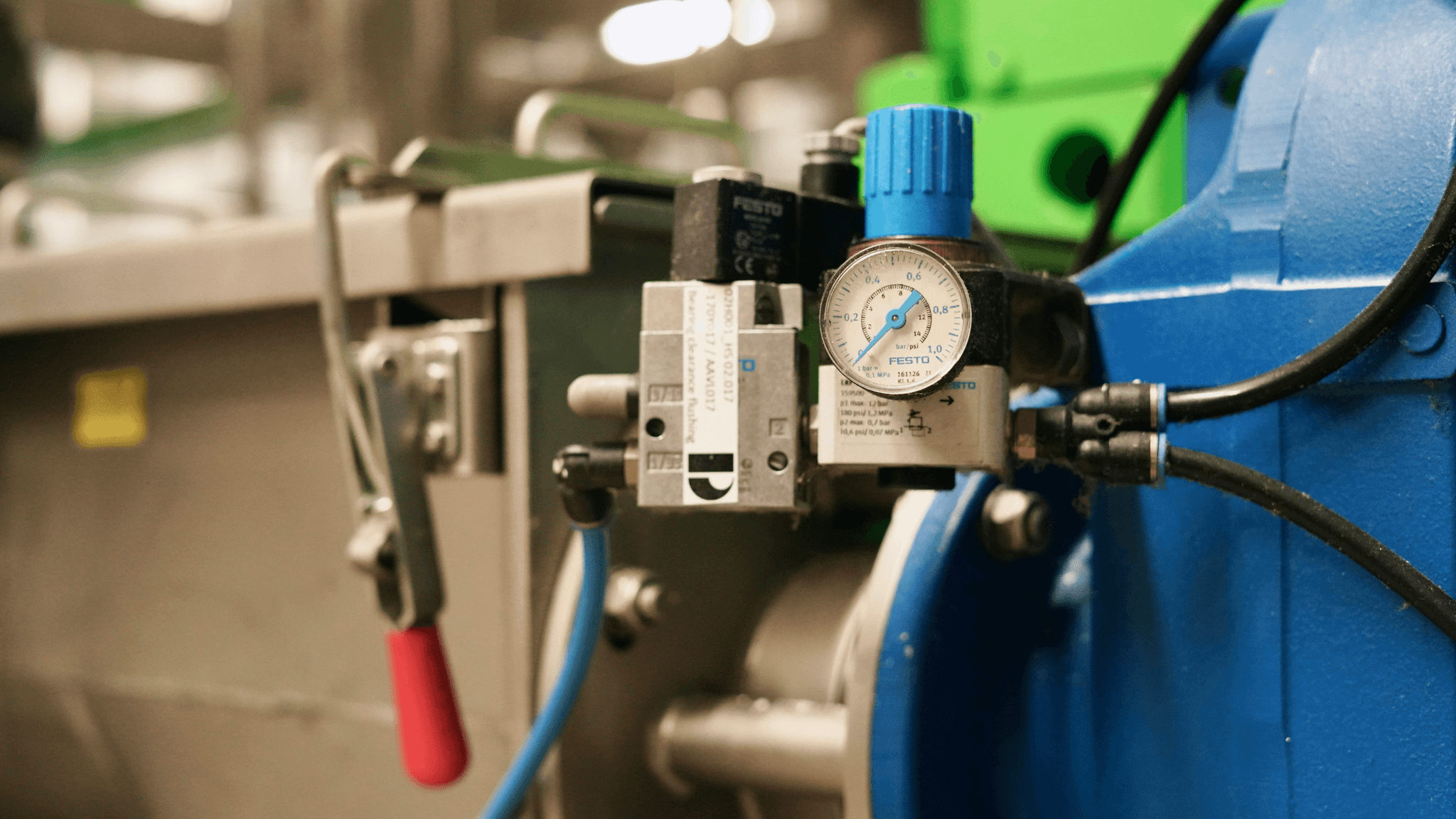
Getting ready for a thorough Butterfly Valve inspection is crucial to ensure everything runs smoothly and safely. Proper preparation lays the foundation for identifying potential issues early, especially when third party inspection services are involved. Whether you're inspecting a standard valve or a low temperature butterfly valve, planning ahead can save you time, money, and headaches down the line.
First, reviewing manufacturer documentation from reputable brands like Flowserve or Crane is essential. These documents often include detailed specifications, recommended inspection procedures, and maintenance tips tailored to your specific butterfly valve model. When conducting a third party inspection, having this information at hand helps verify that the valve meets industry standards and manufacturer requirements—especially important for low temperature butterfly valves that might have special material or coating considerations.
Next up is gathering all essential tools and certifications from trusted sources like China Inspection Pro. This ensures your team has everything needed to perform comprehensive inspections—such as calipers, pressure gauges, and certification documents confirming compliance with relevant standards. For third party inspections involving low temperature butterfly valves, specialized tools might be necessary to evaluate material brittleness or cold-weather performance accurately.
Finally, planning the inspection schedule alongside safety protocols guarantees minimal disruption to plant operations while maintaining personnel safety. Coordinate with your team and third party inspectors to set realistic timelines that accommodate visual examinations, functional testing, and material verification processes. Remember that routine Butterfly Valve inspections are key; scheduling regular checks helps catch issues early—especially in sensitive applications like low temperature environments where failure could be costly.
Visual Examination of Butterfly Valves
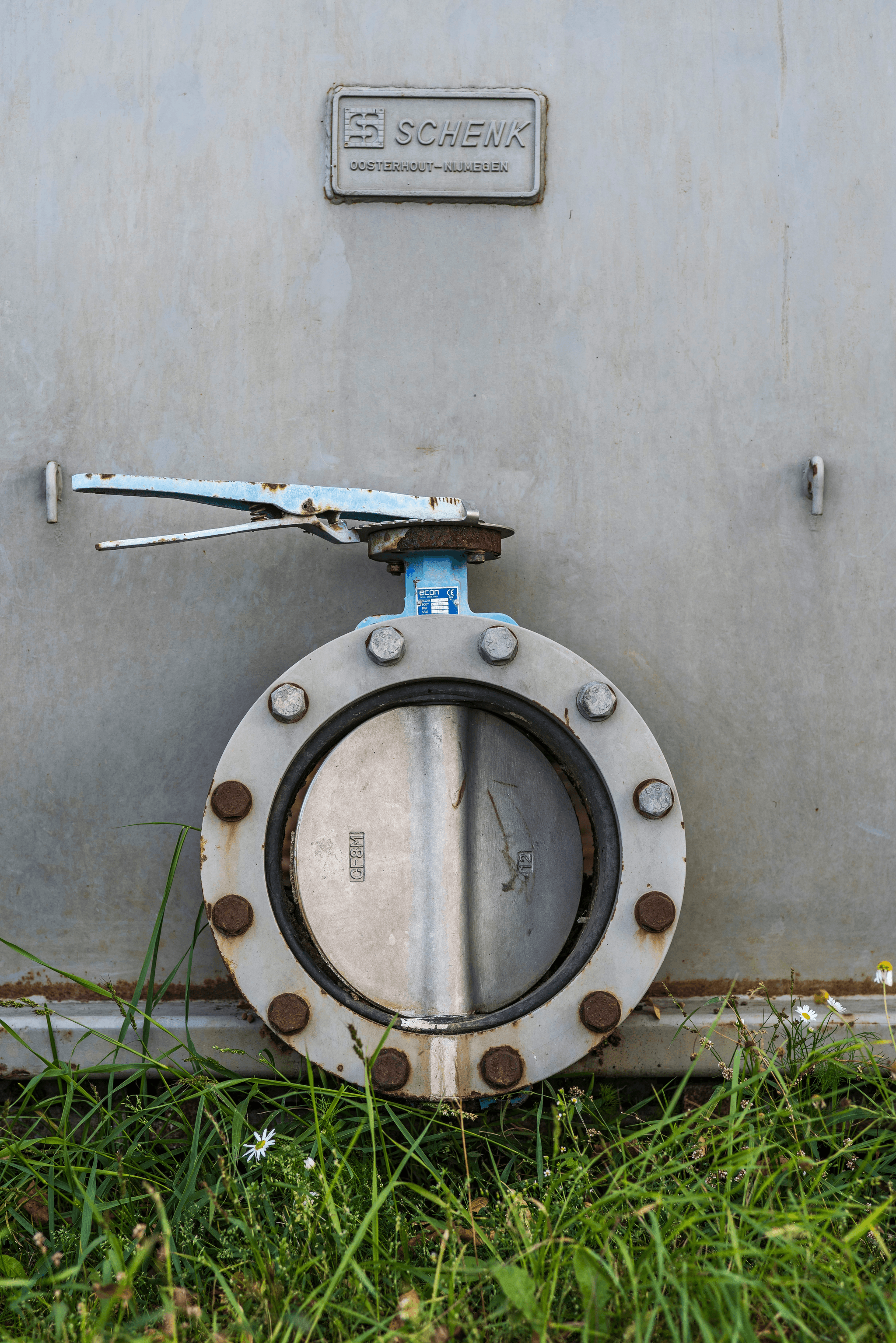
Conducting a thorough visual examination is the cornerstone of effective Butterfly Valve inspection. During this process, inspectors meticulously scrutinize the valve's exterior for signs of corrosion, cracks, or any wear that could compromise performance. A keen eye here can catch early warning signs that might otherwise lead to costly failures down the line, especially when dealing with critical applications like Low Temperature Butterfly Valves where material integrity is paramount.
In addition to surface checks, inspecting the valve disc and stem for damage is essential. Damage or deformation in these components can hinder proper operation and sealing, making it vital to perform this step during third party inspection. Remember, neglecting these details during Butterfly Valve inspection could result in leaks or unexpected breakdowns—costly mishaps best avoided through diligent visual assessments.
Ensuring seal integrity and proper alignment rounds out the visual examination process. Misaligned seals or damaged seating surfaces can cause leakage issues that are often only detectable through careful observation. Whether conducting routine inspections or specialized checks for Low Temperature Butterfly Valves, verifying seal condition helps maintain long-term reliability and efficiency of the valve system.
Functional Testing Procedures
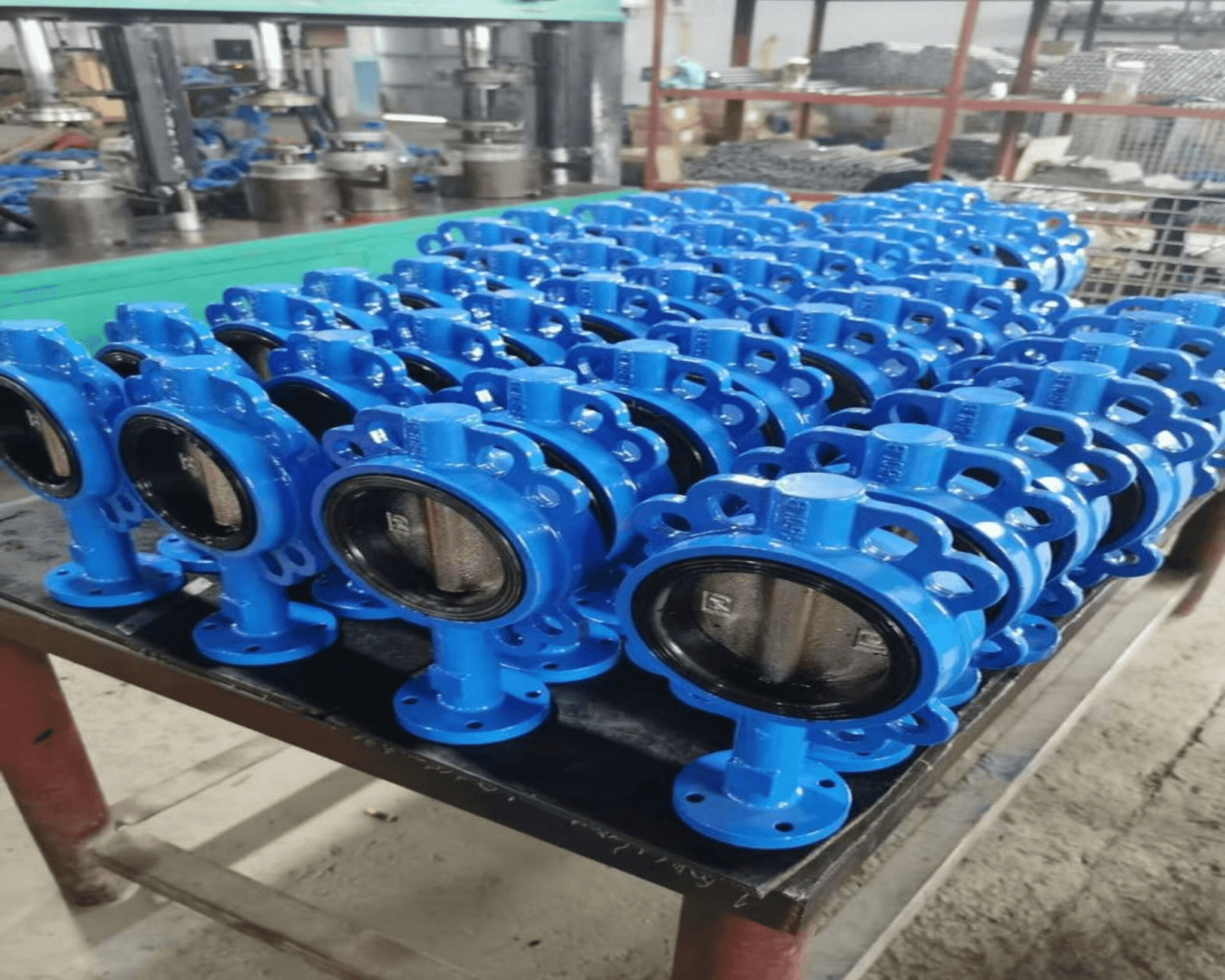
Performing thorough functional testing is a critical step in Butterfly Valve inspection to ensure the valve operates smoothly and reliably under real-world conditions. During these tests, it’s essential to simulate the actual process environment, which helps identify any mechanical or operational issues early on. Incorporating third-party inspection services can add an unbiased perspective, especially when dealing with complex systems like Low Temperature Butterfly Valves that require extra caution.
Performing Operation Tests Using Valve Actuators
Operation tests using valve actuators are fundamental in verifying that the Butterfly Valve functions correctly throughout its full range of motion. These tests involve opening and closing the valve multiple times to check for smooth operation, unusual noises, or resistance that could indicate internal damage or misalignment. When conducting these inspections, involving a third-party inspector ensures objectivity and comprehensive assessment of the actuator’s performance during Butterfly Valve inspection.
Verifying Tightness with Hydrostatic or Pneumatic Tests
Hydrostatic and pneumatic testing are essential steps in confirming the tightness of a butterfly valve before it is put into service, especially for critical applications like low temperature environments where material brittleness might pose risks. During these tests, pressure is applied to detect any leaks around seals or body joints—an important part of Butterfly Valve inspection—so that potential failures can be addressed proactively. Engaging a third-party inspection agency guarantees adherence to industry standards and provides certification that your butterfly valve meets all safety and quality requirements.
Confirming Proper Closure and Leakage Prevention
Ensuring proper closure is vital for preventing leaks that could compromise process efficiency or safety. This involves visually inspecting the seal integrity after operation tests and verifying that the valve fully closes without gaps or residual leakage—especially crucial in low temperature butterfly valves where seal materials may behave differently under cold conditions. A comprehensive Butterfly Valve inspection with third-party certification offers peace of mind by documenting proper closure performance and confirming leakage prevention measures are effective.
Material and Coating Verification
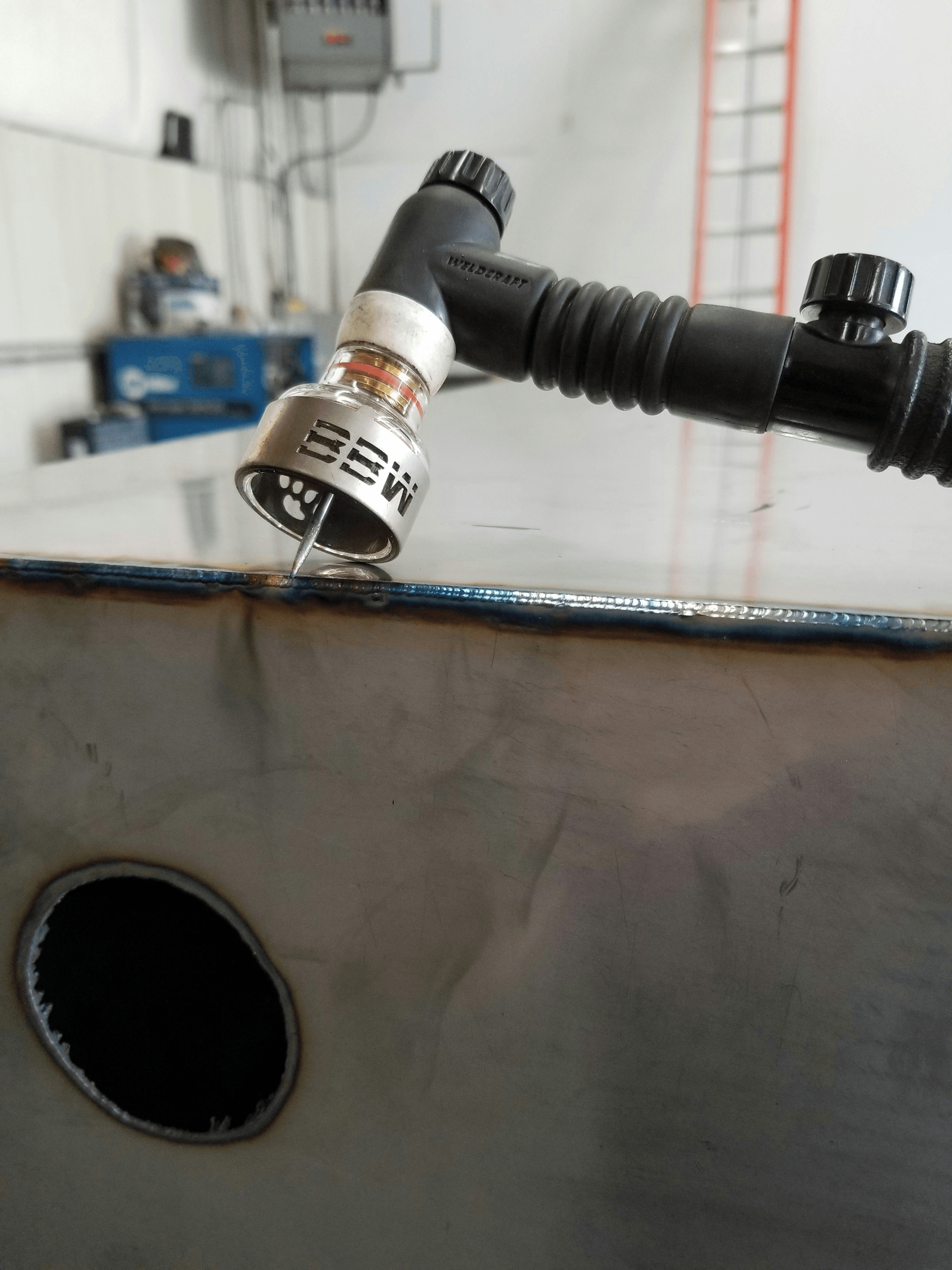
Ensuring the integrity of materials and coatings is a cornerstone of thorough Butterfly Valve inspection. Without proper verification, even the most robust valve can succumb to corrosion or premature failure, compromising system reliability. Engaging in detailed material certification checks from trusted suppliers like Metso or Emerson not only verifies quality but also aligns with industry standards for Butterfly Valve inspection, especially when dealing with critical applications.
Protective coatings serve as the first line of defense against environmental wear and tear, but they can degrade over time or sustain damage during installation or operation. During Butterfly Valve inspection, assessing these coatings for signs of peeling, cracking, or corrosion is vital to prevent leaks and maintain valve longevity. Third Party Inspection services often include coating assessments, providing an unbiased evaluation that enhances confidence in the valve's condition before deployment.
When it comes to Low Temperature Butterfly Valves, material compatibility becomes even more crucial due to increased brittleness risks at cold temperatures. Verifying that materials meet specific low-temperature certifications ensures they won't fracture under cold conditions—a key focus during Butterfly Valve inspection for such applications. Additionally, confirming that coatings remain effective in low-temperature environments helps prevent unexpected failures during operation.
Third Party Inspection and Certification Processes
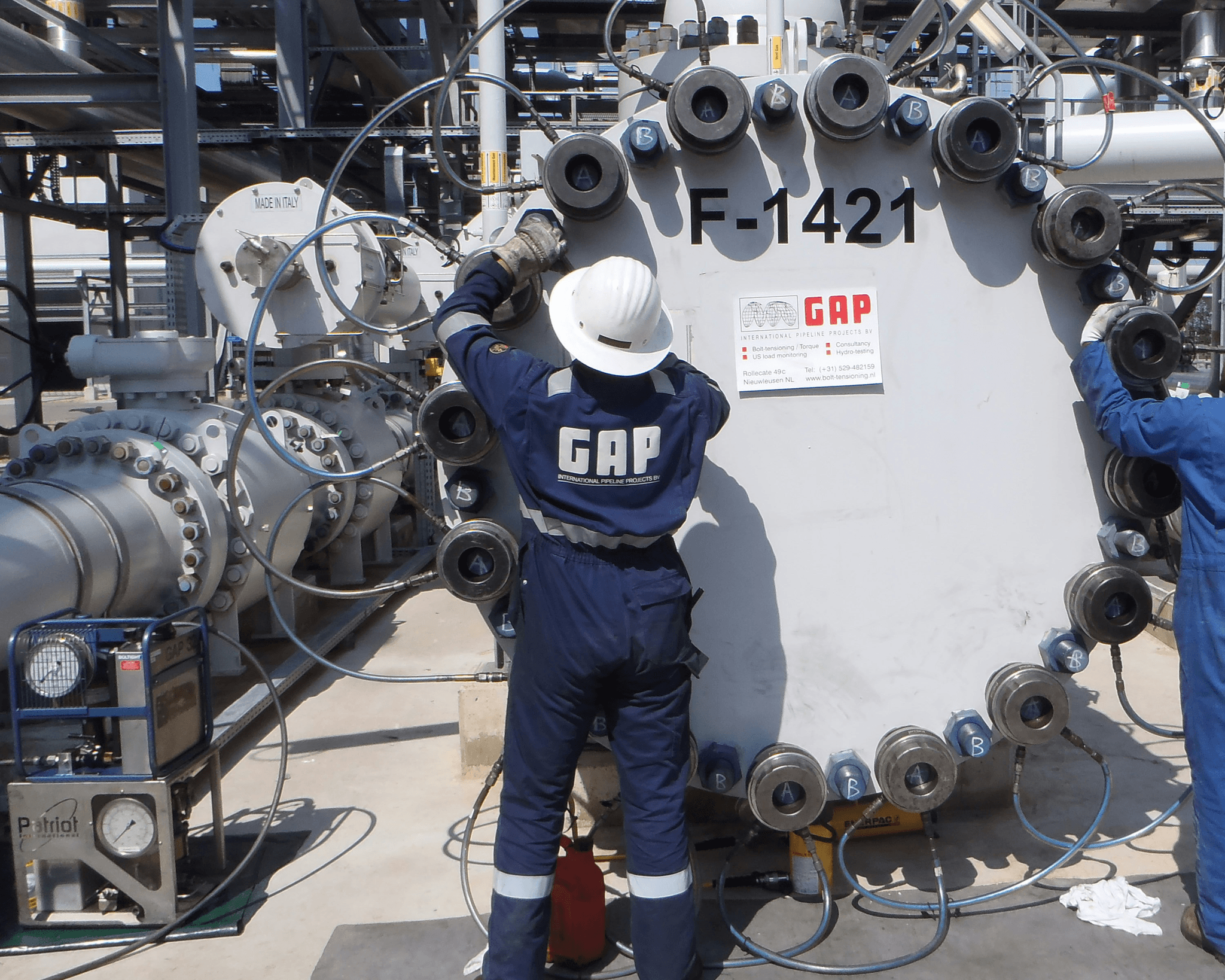
When it comes to Butterfly Valve inspection, relying solely on internal checks might leave some gaps. That's where engaging a reputable third-party inspection service, like China Inspection Pro, becomes invaluable. They provide an unbiased evaluation of your butterfly valves, especially crucial for low temperature butterfly valves that require extra scrutiny due to their sensitive material properties and operating conditions. Their expertise ensures your valves meet industry standards and operate reliably in critical applications.
Third Party Inspection plays a pivotal role in maintaining the integrity of your butterfly valve inspection process. It offers an objective assessment that can identify issues overlooked during routine checks, particularly for low temperature butterfly valves vulnerable to brittle fracture and material degradation. By documenting every step meticulously, third-party inspectors help you achieve compliance with industry standards and prevent costly failures down the line.
Understanding industry standards for butterfly valve inspection is essential before bringing in a third-party evaluator. Standards from organizations like API or ASME set the benchmark for quality assurance in valve manufacturing and maintenance. A thorough third-party inspection aligned with these standards ensures your butterfly valve inspection process is comprehensive, increasing confidence in its long-term performance—especially when dealing with specialized low temperature butterfly valves.
Maintaining rigorous documentation during third-party inspections not only helps track the condition of your butterfly valves but also provides necessary certification for compliance purposes. Whether you're inspecting standard or low temperature butterfly valves, having certified reports from China Inspection Pro adds credibility to your maintenance records. This documentation becomes vital during audits or when planning future inspections to ensure continued reliability of your valve systems.
Low Temperature Butterfly Valve Considerations
When dealing with low temperature applications, Butterfly Valve inspection takes on a whole new level of importance. These valves are susceptible to unique challenges like material brittleness and thermal contraction, which can compromise their performance if not properly addressed. A thorough third party inspection ensures that low temperature Butterfly Valves meet all safety and quality standards, preventing costly failures in cold environments.
Special Inspection Needs for Low Temperature Applications
Low Temperature Butterfly Valve inspections require specialized attention because materials behave differently at colder temperatures. During the inspection process, it’s crucial to verify that the valve components are designed and tested for low temperature conditions, as standard checks might overlook issues like embrittlement or seal degradation. Engaging a reputable third party inspection service guarantees an unbiased assessment of these valves' suitability for cold environments, ensuring their long-term reliability.
Checking for Brittle Fracture Risks and Material Suitability
One of the biggest risks in low temperature Butterfly Valve inspection is brittle fracture, which can cause sudden failure without warning. Materials used in these valves must be carefully scrutinized to confirm they are compatible with cold temperatures; otherwise, they risk cracking or breaking under stress. A comprehensive third party inspection will include material certification verification from suppliers like Metso or Emerson, ensuring the valve's construction is appropriate for low temperature operations.
Conducting Additional Tests for Cold Conditions
To guarantee optimal performance of Low Temperature Butterfly Valves, additional testing beyond standard procedures is often necessary during third party inspections. These tests may include impact tests or cryogenic trials to simulate real-world cold conditions and assess material resilience thoroughly. Properly conducted butterfly valve inspections under these parameters help prevent unexpected failures and extend service life in challenging environments.
Conclusion
Wrapping up your Butterfly Valve inspection journey, it's clear that success hinges on meticulous attention to detail and strategic planning. Ensuring each step—from visual checks to functional tests—is executed flawlessly can dramatically extend the lifespan of your valves and prevent unexpected failures. Remember, a comprehensive approach to Butterfly Valve inspection not only saves money but also guarantees smooth operations in the long run.
Final Steps for Ensuring Butterfly Valve Inspection Success
The final phase of a successful Butterfly Valve inspection involves thorough documentation and verification of all findings. Engaging in third-party inspection services adds an unbiased layer of confidence, confirming that your valves meet industry standards. Regularly updating your inspection protocols and staying vigilant against signs of wear or damage will keep your Butterfly Valve inspection process sharp and effective.
Leveraging China Inspection Pro for Professional Quality Inspection Services
When it comes to top-tier third-party inspection, China Inspection Pro offers unparalleled expertise in Butterfly Valve inspections, especially for low temperature applications where material brittleness is a concern. Their team understands the nuances involved in inspecting low temperature butterfly valves, ensuring that all safety and performance standards are met without compromise. Utilizing their services allows you to leverage industry-leading certification processes, giving you peace of mind knowing your valves are compliant and reliable.
Maintaining Routine Inspections for Long-Term Reliability
Routine inspections are the backbone of long-term butterfly valve performance; neglecting them can lead to costly failures down the line. Incorporate scheduled third-party inspections into your maintenance plan to catch issues early—corrosion, seal degradation, or material incompatibility—before they escalate into major problems. Consistent evaluation ensures your butterfly valves remain resilient against operational stresses and environmental factors, especially when dealing with specialized low temperature butterfly valves.