
Introduction
In today's fast-paced manufacturing industry, the importance of auditing suppliers cannot be overstated. As businesses strive for excellence, effective supplier audits play a crucial role in ensuring that quality standards are met and maintained throughout the supply chain. By implementing robust auditing processes, companies can enhance their supplier relationship management and ultimately drive success.
Importance of Auditing Suppliers
Auditing suppliers is essential for identifying potential risks and ensuring compliance with established quality standards. It allows organizations to assess their suppliers’ capabilities, fostering transparency and trust in partnerships. In an era where quality management software solutions are widely available, leveraging these tools can streamline the auditing process and yield significant benefits.
Key Elements of Supplier Audits
Key elements of supplier audits include thorough documentation review, on-site inspections, and effective communication with stakeholders. Utilizing management software designed specifically for supplier audits can facilitate data collection and analysis, making it easier to identify areas for improvement. Additionally, incorporating a QMS quality management system ensures that all aspects of the audit align with organizational goals.
Benefits of Effective Auditing
Effective auditing leads to improved product quality, reduced risks, and enhanced operational efficiency within the manufacturing process management software framework. By engaging in regular audits, companies can build stronger relationships with their suppliers while also promoting continuous improvement across their supply chain. Ultimately, these practices contribute to long-term business success by fostering a culture of accountability and excellence.
Understanding Supplier Audits

Supplier audits are not just a box to tick; they’re essential for ensuring that your suppliers meet the required standards and contribute positively to your business. By examining their processes, practices, and compliance with agreed-upon specifications, auditing suppliers helps identify areas of risk and opportunity. Ultimately, the purpose of these audits is to foster a more robust supply chain that enhances product quality and customer satisfaction.
Definition and Purpose of Auditing Suppliers
Auditing suppliers involves a systematic examination of their operations, quality systems, and compliance with industry standards. The primary purpose is to evaluate whether suppliers adhere to contractual obligations while maintaining high-quality outputs. In the manufacturing industry, this practice is crucial as it ensures that every component meets the necessary specifications for safety and performance.
The definition extends beyond mere compliance; it's about establishing a culture of continuous improvement within supplier relationships. Effective auditing can reveal inefficiencies that might otherwise go unnoticed, paving the way for enhanced collaboration between parties. This proactive approach not only mitigates risks but also strengthens trust in supplier relationship management.
How Auditing Suppliers Impacts Quality Management
The impact of auditing suppliers on quality management cannot be overstated; it serves as a foundational element in any QMS quality management system. By systematically assessing supplier performance, organizations can ensure that products are produced consistently at high standards. This alignment between supplier capabilities and company expectations plays a pivotal role in minimizing defects and enhancing overall product reliability.
Furthermore, regular audits facilitate timely feedback loops between businesses and their suppliers, allowing for real-time adjustments in production processes or materials used. This dynamic interaction fosters an environment where both parties strive for excellence together—an essential aspect of effective supplier relationship management. Ultimately, when businesses invest time in auditing suppliers effectively, they cultivate a culture rooted in quality assurance.
Overview of QMS Quality Management Systems
Quality Management Systems (QMS) are frameworks designed to improve an organization’s efficiency through standardized procedures aimed at enhancing product quality and customer satisfaction. Within this context, integrating auditing suppliers into the QMS creates a holistic approach to managing quality throughout the supply chain. This integration ensures that all aspects—from procurement processes to final delivery—are aligned with established quality objectives.
Management software solutions play a critical role in implementing these systems effectively by automating many aspects of audit preparation and execution. For instance, utilizing manufacturing process management software can streamline data collection during audits while providing valuable insights into supplier performance metrics over time. As organizations increasingly adopt sophisticated quality management software tools, they find themselves better equipped to maintain compliance while fostering stronger partnerships with their suppliers.
Preparing for Audits

When it comes to auditing suppliers, preparation is key. A well-structured approach ensures that the audit process runs smoothly and yields valuable insights into supplier performance. In this section, we’ll explore essential documentation, the role of management software, and how to set clear audit objectives.
Essential Documentation for Supplier Audits
Before diving into the audit process, gathering essential documentation is crucial for effective auditing of suppliers. This includes quality manuals, previous audit reports, certificates of compliance, and records related to the QMS quality management system in place at the supplier’s facility. Having these documents on hand not only streamlines the audit but also provides a solid foundation for evaluating supplier performance against industry standards.
In the manufacturing industry, where precision matters immensely, ensuring that all necessary documentation is available can make or break an audit's success. It helps auditors quickly identify areas of concern and verify compliance with established protocols. Therefore, investing time in collecting and organizing this information pays off when it comes time to assess your supplier relationship management strategies.
Moreover, proper documentation serves as a reference point for ongoing improvements post-audit. By reviewing past findings alongside current data, businesses can track progress over time and hold suppliers accountable for meeting quality expectations.
Utilizing Management Software for Efficient Auditing
In today's fast-paced business environment, utilizing management software solutions can significantly enhance the efficiency of auditing suppliers. Tools like manufacturing process management software streamline data collection and analysis while minimizing manual errors during audits. Such software often integrates seamlessly with existing QMS quality management systems to provide a comprehensive view of supplier performance.
Automation through quality management software allows auditors to focus on critical aspects of the audit rather than getting bogged down by administrative tasks. With features like real-time reporting and analytics dashboards at their fingertips, auditors can make informed decisions quickly and effectively during audits. This level of efficiency not only saves time but also enhances overall productivity within teams responsible for managing supplier relationships.
Additionally, using these technological solutions fosters better collaboration among stakeholders involved in the auditing process. Everyone from procurement specialists to senior managers can stay updated on findings and action items through integrated communication channels within the software.
Setting Clear Audit Objectives
Setting clear objectives before conducting audits is paramount in ensuring focused outcomes that align with business goals regarding auditing suppliers. Objectives should be specific enough to guide auditors on what aspects they should prioritize—be it compliance checks or assessing adherence to agreed-upon service levels in supplier contracts. This clarity enables auditors to hone in on critical areas that impact product quality while fostering stronger relationships with suppliers based on transparency.
Moreover, having well-defined objectives helps keep stakeholders aligned throughout the auditing process—ensuring everyone understands what’s at stake and why certain metrics are being evaluated closely during audits. Clear objectives also facilitate better communication between teams involved in supplier relationship management as they share common goals rooted in improving overall supply chain performance.
Lastly, setting measurable outcomes aids businesses in tracking their progress over time post-audit implementation—allowing them to gauge whether improvements have been made or if further action is necessary regarding their chosen suppliers' performance metrics.
Conducting the Audit
Auditing suppliers is a critical process that requires careful planning and execution. To ensure the audit is effective, it’s essential to follow a structured approach while incorporating technology and stakeholder engagement. This section will guide you through the step-by-step process of conducting supplier audits, enhancing supplier relationship management techniques, and involving key stakeholders in the audit journey.
Step-by-Step Guide to Auditing Suppliers
The first step in auditing suppliers involves establishing clear objectives that align with your quality management software goals. Determine what specific aspects of the supplier's operations you want to evaluate, such as compliance with your QMS quality management system standards or their manufacturing processes. Once objectives are set, gather essential documentation including contracts, previous audit reports, and relevant certifications to prepare for a thorough review.
Next comes the actual on-site audit where you'll assess various facets of the supplier's operations. Utilize manufacturing process management software to streamline data collection and analysis during this phase. This not only enhances accuracy but also allows for real-time insights into compliance with quality standards.
Finally, compile your findings into a comprehensive report that highlights strengths and areas for improvement within the supplier's operations. This report should not only serve as a basis for decisions regarding future partnerships but also act as a tool for continuous improvement in both your organization and theirs, fostering an environment of collaboration through effective supplier relationship management.
Techniques for Effective Supplier Relationship Management
Effective supplier relationship management is crucial during audits; it can transform a potentially adversarial process into an opportunity for collaboration and growth. One technique is to foster open communication before, during, and after the audit to build trust and transparency between both parties. By encouraging suppliers to share their challenges openly, you can work together on solutions that enhance overall performance.
Another technique involves setting mutual goals based on audit findings. When suppliers feel they are part of the solution business rather than just being evaluated, they are more likely to engage positively with corrective actions required by your QMS quality management system standards. This collaborative approach not only improves compliance but also strengthens long-term relationships by aligning interests toward shared success.
Additionally, leveraging technology such as quality management software can help maintain ongoing dialogue throughout the year rather than just during scheduled audits. Features like shared dashboards or real-time feedback mechanisms enable continuous monitoring of performance metrics which reinforces accountability while enhancing overall engagement in managing supply chain relationships effectively.
Involving Stakeholders in the Audit Process
Involving stakeholders in auditing suppliers is vital for gaining multiple perspectives that enrich both the audit experience and its outcomes. Start by identifying key stakeholders from different departments—such as procurement, quality assurance, and production—who play significant roles in managing supplier relationships or rely heavily on their products or services. Their insights will provide valuable context during audits and help identify potential risks or opportunities related to supplier performance.
Engagement doesn’t stop at identification; actively involve these stakeholders throughout each stage of the audit process by seeking their input when developing objectives or reviewing findings post-audit. Their participation ensures that everyone has a vested interest in maintaining high-quality standards within your QMS quality management system framework while reinforcing accountability across departments involved with auditing suppliers.
Finally, consider organizing debrief sessions post-audit where all stakeholders can come together to discuss results openly while brainstorming actionable strategies moving forward based on identified issues or successes from each audit cycle conducted using manufacturing process management software tools available today! By fostering this collaborative environment among all parties involved—both internal teams & external partners—you’re setting up pathways towards continuous improvement across supply chains!
Utilizing Technology for Audits

In today's fast-paced manufacturing industry, leveraging technology for auditing suppliers is not just an option; it's a necessity. The right management software can streamline the entire audit process, making it more efficient and effective. By integrating quality management software into your auditing practices, you can ensure that every aspect of supplier compliance and performance is monitored and improved.
Role of Manufacturing Process Management Software
Manufacturing process management software plays a crucial role in the realm of auditing suppliers by providing real-time data and insights into production workflows. This type of software allows companies to track key performance indicators (KPIs) related to supplier operations, ensuring that quality standards are met consistently. With such tools at your disposal, businesses can identify potential issues before they escalate, enhancing overall supplier relationship management.
The integration of this software into the audit process enables companies to automate data collection and analysis, reducing the time spent on manual tasks. For instance, instead of sifting through mountains of paperwork during audits, teams can access organized digital records with a few clicks. This not only expedites the auditing suppliers process but also enhances accuracy in reporting findings.
Implementing Quality Management Software Solutions
Implementing quality management software solutions is essential for establishing a robust QMS quality management system tailored to your specific needs. These solutions provide frameworks for monitoring compliance with industry standards while facilitating continuous improvement initiatives across your supply chain. By utilizing these advanced systems during audits, organizations can ensure that their suppliers adhere to both internal and external quality benchmarks.
Moreover, these solutions often come equipped with features designed specifically for effective supplier relationship management—such as automated reminders for upcoming audits and alerts for any deviations from established protocols. The use of such technology creates a proactive culture focused on maintaining high-quality standards throughout all interactions with suppliers. Ultimately, this leads to stronger partnerships built on trust and accountability.
Advantages of Automation in Auditing
The advantages of automation in auditing cannot be overstated; it transforms what was once a labor-intensive task into a streamlined process that saves both time and resources. Automated systems reduce human error by standardizing procedures across all audits conducted within an organization’s supply chain framework—ensuring consistency every step of the way when auditing suppliers. Additionally, automation allows teams to focus on analyzing results rather than getting bogged down by administrative tasks.
Another significant benefit is the ability to generate detailed reports quickly using automated tools integrated within quality management software solutions or manufacturing process management software platforms. These reports provide valuable insights that help organizations make informed decisions regarding their supplier relationships based on data-driven evidence rather than assumptions or anecdotal experiences alone. Furthermore, automation fosters collaboration among various stakeholders involved in the audit process by providing them access to real-time updates and findings as they happen.
Evaluating Audit Findings
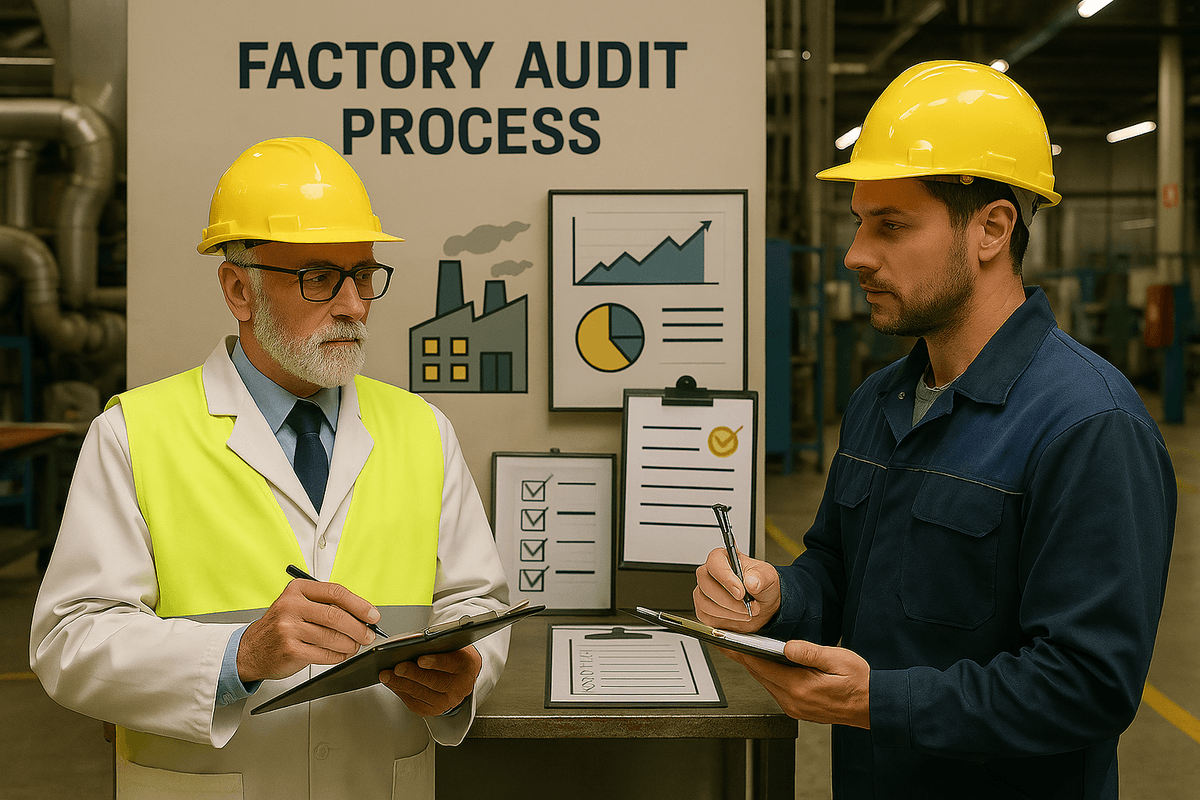
Evaluating audit findings is a critical step in the supplier auditing process, offering valuable insights that can drive continuous improvement and strengthen supplier relationships. The results of these audits inform decisions about quality management systems (QMS), ensuring that suppliers meet the required standards and contribute positively to the manufacturing industry. By effectively analyzing these findings, organizations can identify areas for enhancement and implement solutions that bolster their overall supply chain efficiency.
Analyzing Results for Continuous Improvement
Once the audit is complete, it’s time to dive into the data collected during the process. Utilizing management software designed for quality management can significantly streamline this analysis, allowing teams to pinpoint trends and recurring issues among suppliers. This continuous improvement mindset not only enhances product quality but also fosters a culture of accountability within the supply chain, making it clear that auditing suppliers is not just a checkbox exercise but an ongoing commitment to excellence.
Additionally, leveraging manufacturing process management software can help visualize data trends over time, making it easier to communicate findings across departments. By identifying performance gaps and areas needing attention, organizations can develop targeted action plans that lead to measurable improvements in supplier performance. Ultimately, this proactive approach ensures that all stakeholders are aligned with the organization’s quality objectives.
How Findings Influence Supplier Relationships
The outcome of supplier audits significantly influences how relationships with suppliers are managed moving forward. Positive audit results can reinforce trust and collaboration, encouraging suppliers to invest further in their processes and capabilities while aligning closely with your organization’s goals. Conversely, negative findings may necessitate difficult conversations but also present opportunities for constructive feedback and partnership development.
Maintaining open lines of communication regarding audit outcomes is essential for effective supplier relationship management (SRM). By discussing both successes and areas for improvement transparently, organizations can foster a collaborative environment where suppliers feel valued yet challenged to enhance their operations continuously. This two-way engagement ultimately leads to stronger partnerships built on mutual respect and shared objectives.
Engaging China Inspection Pro for Quality Assurance
In today's globalized market, engaging specialized firms like China Inspection Pro can provide additional layers of assurance when auditing suppliers based in different regions or industries. Their expertise in quality assurance helps ensure compliance with international standards while providing insights tailored specifically for businesses operating within the manufacturing sector. Utilizing such solutions not only enhances your QMS quality management system but also demonstrates a commitment to maintaining high-quality benchmarks across all supplier interactions.
By integrating services from inspection professionals into your auditing strategy, you gain access to advanced methodologies that may not be available internally—thus enriching your overall auditing process while reducing risks associated with supplier non-compliance or subpar product delivery. Furthermore, collaborating with experts allows businesses in the manufacturing industry to stay ahead of emerging trends in quality assurance practices globally.
Conclusion
In wrapping up our discussion on auditing suppliers, it’s clear that a well-structured approach not only ensures compliance but also fosters stronger partnerships within the manufacturing industry. By adopting best practices and leveraging management software, businesses can streamline their auditing processes and enhance overall quality management. Ultimately, effective audits pave the way for continuous improvement and greater supplier relationship management.
Best Practices for Supplier Audits
To optimize your auditing suppliers process, start by establishing clear criteria tailored to your specific needs within your QMS quality management system. Regularly reviewing and updating these criteria ensures they remain relevant in a rapidly changing manufacturing landscape. Additionally, incorporating quality management software can help automate documentation and tracking, making it easier to maintain compliance and identify areas for improvement.
Another best practice is to engage in pre-audit communication with suppliers, setting expectations early on regarding what will be evaluated during the audit. This transparency fosters trust and encourages suppliers to be more forthcoming about their processes and challenges. Lastly, always follow up after an audit with constructive feedback—this not only helps improve supplier performance but also reinforces the collaborative nature of the relationship.
Enhancing Supplier Relationships Through Audits
Auditing suppliers shouldn’t just be a checkbox exercise; it's an opportunity to strengthen relationships through open dialogue and shared goals. When executed thoughtfully, audits can reveal insights that lead to mutual benefits—like identifying cost-saving opportunities or streamlining processes using manufacturing process management software solutions. By positioning audits as collaborative efforts rather than punitive measures, companies can cultivate a culture of continuous improvement with their suppliers.
Moreover, involving suppliers in the audit process encourages accountability and ownership over their operations. This partnership approach enhances supplier relationship management by ensuring both parties are aligned in pursuit of quality objectives. Ultimately, fostering strong relationships through effective audits leads to better product quality and improved supply chain resilience.
Future Trends in Auditing Suppliers
Looking ahead, we can expect technology to play an even more significant role in auditing suppliers across various industries. The integration of advanced analytics within quality management software will enable businesses to gain deeper insights into supplier performance metrics while enhancing decision-making capabilities in real-time. As automation becomes more prevalent through tools like manufacturing process management software, we’ll see a shift towards more efficient audit processes that reduce manual workload without sacrificing thoroughness.
Additionally, sustainability will increasingly influence how audits are conducted as companies strive for greener practices within their supply chains. Auditors may focus more on environmental compliance alongside traditional quality metrics—a trend likely driven by consumer demand for sustainable products across the manufacturing industry. Embracing these future trends will not only improve auditing practices but also ensure that businesses remain competitive while fostering ethical partnerships with their suppliers.