
Introduction
Fast fashion has taken the clothing industry by storm, transforming how consumers access trendy apparel at lightning speed and affordable prices. This rapid evolution in the garment industry has revolutionized traditional retail models, making it possible for brands to churn out new designs almost weekly. However, with this surge in popularity comes a pressing question: what is the environmental impact of apparel manufacturing, especially when considering raw material extraction in the textile industry and textile processing such as bleaching, dyeing, and printing? As fast fashion continues to dominate markets worldwide, it’s crucial for stakeholders to understand how they can assess environmental risk and compliance effectively to mitigate its ecological footprint.
The Rise of Fast Fashion in Today’s Market
Fast fashion's ascent can be attributed to its ability to quickly translate runway trends into ready-to-wear collections that are accessible to everyone. This business model relies heavily on rapid turnaround times and low-cost production—often sourcing raw materials from regions where extraction and processing can be environmentally taxing. As a result, questions about what is the environmental impact of apparel manufacturing have gained prominence among consumers and regulators alike. The speed at which brands like Zara and H&M push out new styles is impressive but also raises concerns about sustainable practices within their supply chains.
Why Consumers Still Love Fast Fashion
Despite mounting awareness of sustainability issues, consumers continue to love fast fashion because it offers instant gratification—trendy clothing at prices that won’t break the bank. Many shoppers are unaware or choose to overlook how fast fashion impacts the environment through processes like textile processing: bleaching, dyeing, and printing—which consume vast amounts of water and energy—and contribute heavily to pollution. Moreover, as awareness grows about how garment and textile importers can assess environmental risk and compliance, some buyers are starting to demand more transparency from their favorite brands; still, affordability often trumps eco-consciousness.
Balancing Business Success with Environmental Responsibility
The challenge for fast fashion brands lies in balancing their business success with environmental responsibility—a task made complex by factors such as raw material extraction in the textile industry that fuels pollution and waste generation. While these companies have mastered rapid production cycles, they must now grapple with questions around sustainable practices like shifting toward eco-friendly materials or improving textile processing methods that reduce dyeing waste or water use. Ultimately, understanding what is the environmental impact of apparel manufacturing helps both importers and brands make smarter choices; assessing environmental risk and compliance isn’t just good ethics but increasingly good business sense.
How Fast Fashion Has Revolutionized the Garment Industry
Fast fashion has completely transformed the way clothing is designed, produced, and consumed. It’s no longer about seasons or timeless pieces but about rapid turnaround times that keep up with ever-changing trends. This revolution has made fashion more accessible, but it also raises questions about the environmental impact of apparel manufacturing and how fast fashion brands manage their supply chains.
By prioritizing quick production cycles, companies like Zara and H&M have set new standards in the industry. They focus on getting new designs from runway to retail shelves within weeks, which means raw material extraction in the textile industry happens at an unprecedented pace. These brands leverage textile processing: bleaching, dyeing and printing to create vibrant collections swiftly—yet these processes are often energy-intensive and contribute significantly to what is the environmental impact of apparel manufacturing.
The rapid pace of fast fashion also influences traditional retail and clothing cycles by shortening product lifespans and encouraging disposable consumption. Consumers now buy more clothes than ever before, often disregarding durability or sustainability considerations. This shift underscores how fast fashion has revolutionized the garment industry but simultaneously complicates efforts to assess environmental risk and compliance among global suppliers.
The Environmental Impact of Apparel Manufacturing
Fast fashion has truly transformed the garment industry, making trendy clothing accessible and affordable. However, this rapid production cycle comes with a hefty environmental price tag. The question is: what is the environmental impact of apparel manufacturing, especially when considering how fast fashion has revolutionized the industry?
When we talk about the environmental impact of apparel manufacturing, carbon footprint is front and center. Fast fashion’s quick turnaround means factories are churning out garments at an alarming rate, consuming vast amounts of energy and emitting greenhouse gases. This relentless pace significantly contributes to global warming and climate change, raising concerns about how fast fashion’s growth affects our planet.
Raw material extraction in the textile industry plays a crucial role in this environmental saga. The demand for cotton, polyester, and other fibers leads to extensive resource depletion—water, land, and fossil fuels are all heavily impacted. How can garment and textile importers assess environmental risk and compliance when sourcing raw materials? By understanding these extraction processes, brands can better evaluate their supply chains for sustainability.
Textile processing—bleaching, dyeing, and printing—further amplifies fast fashion’s ecological footprint. These steps often involve toxic chemicals that pollute waterways and harm ecosystems. The process also consumes enormous amounts of water; for example, dyeing a single kilogram of fabric can use up to 200 liters of water! So when considering what is the environmental impact of apparel manufacturing?, textile processing must be part of that conversation.
To mitigate these impacts, importers need to ask: how can garment and textile importers assess environmental risk and compliance? Implementing standards like GOTS or OEKO-TEX helps ensure responsible practices are followed throughout production. By doing so, they not only reduce pollution but also promote transparency—making it easier to identify sustainable sources amid the fast-paced world of fast fashion.
Sustainability Challenges in Fast Fashion Supply Chains
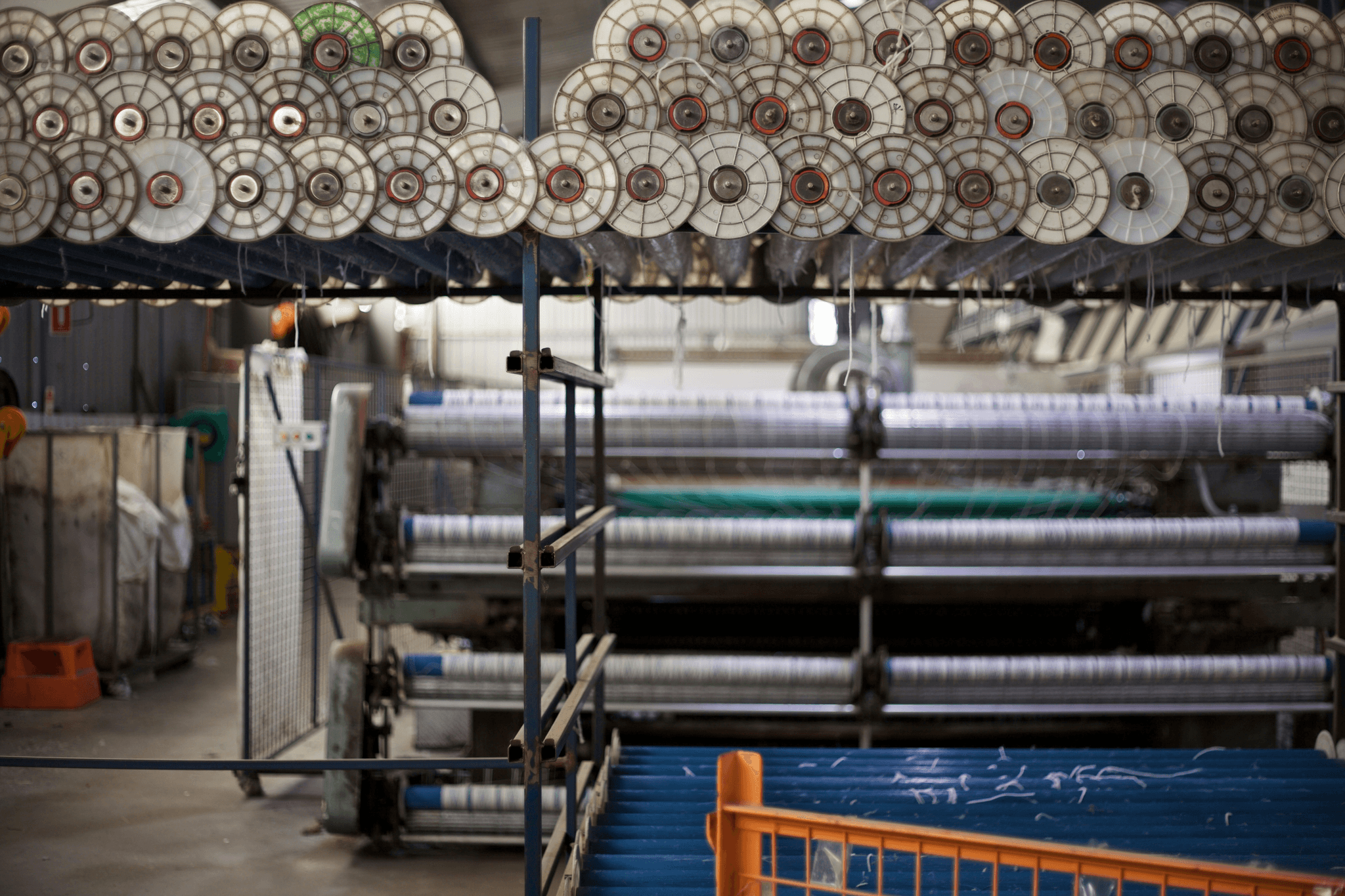
Fast fashion has undeniably transformed the garment industry, making trendy clothing accessible and affordable. However, this rapid pace comes with significant sustainability challenges that threaten environmental stability. From water consumption to ethical concerns, the supply chain faces hurdles that require urgent attention if we want to keep enjoying our quick wardrobe updates without harming the planet.
Water Usage and Pollution Issues
One of the most glaring issues in fast fashion is its staggering water footprint, especially during raw material extraction in the textile industry. Cotton cultivation alone consumes thousands of gallons of water per kilogram, often leading to depleted local water sources and ecological imbalance. Additionally, textile processing—particularly bleaching, dyeing, and printing—uses vast amounts of water and releases toxic chemicals into waterways, contributing heavily to pollution. As fast fashion brands push for rapid production cycles, they often overlook how these practices impact local communities and ecosystems.
Waste Generation and Disposal Problems
Fast fashion's obsession with constantly new styles leads to a surge in waste generation; millions of garments are discarded annually because consumers want fresh looks every season. The disposal problem worsens when textiles processed through bleaching, dyeing, or printing contain synthetic fibers that are non-biodegradable or release microplastics into oceans during washing. This cycle of overproduction and quick disposal exemplifies how fast fashion has revolutionized the garment industry but at a steep environmental cost—what is the environmental impact of apparel manufacturing? It’s a question that keeps many awake at night as landfills overflow with textile waste.
Labour Concerns and Ethical Sourcing
Beyond environmental issues, fast fashion supply chains often face scrutiny over labour concerns and ethical sourcing practices. Many factories involved in textile processing operate under poor working conditions or pay low wages while meeting tight deadlines driven by consumer demand for cheap clothing. How can garment and textile importers assess environmental risk and compliance? They need to scrutinize certifications like GOTS or OEKO-TEX that ensure sustainable practices are followed throughout production processes—especially when it involves raw material extraction in the textile industry or textile processing such as bleaching, dyeing, and printing.
Assessing Environmental Risk in Textile Imports
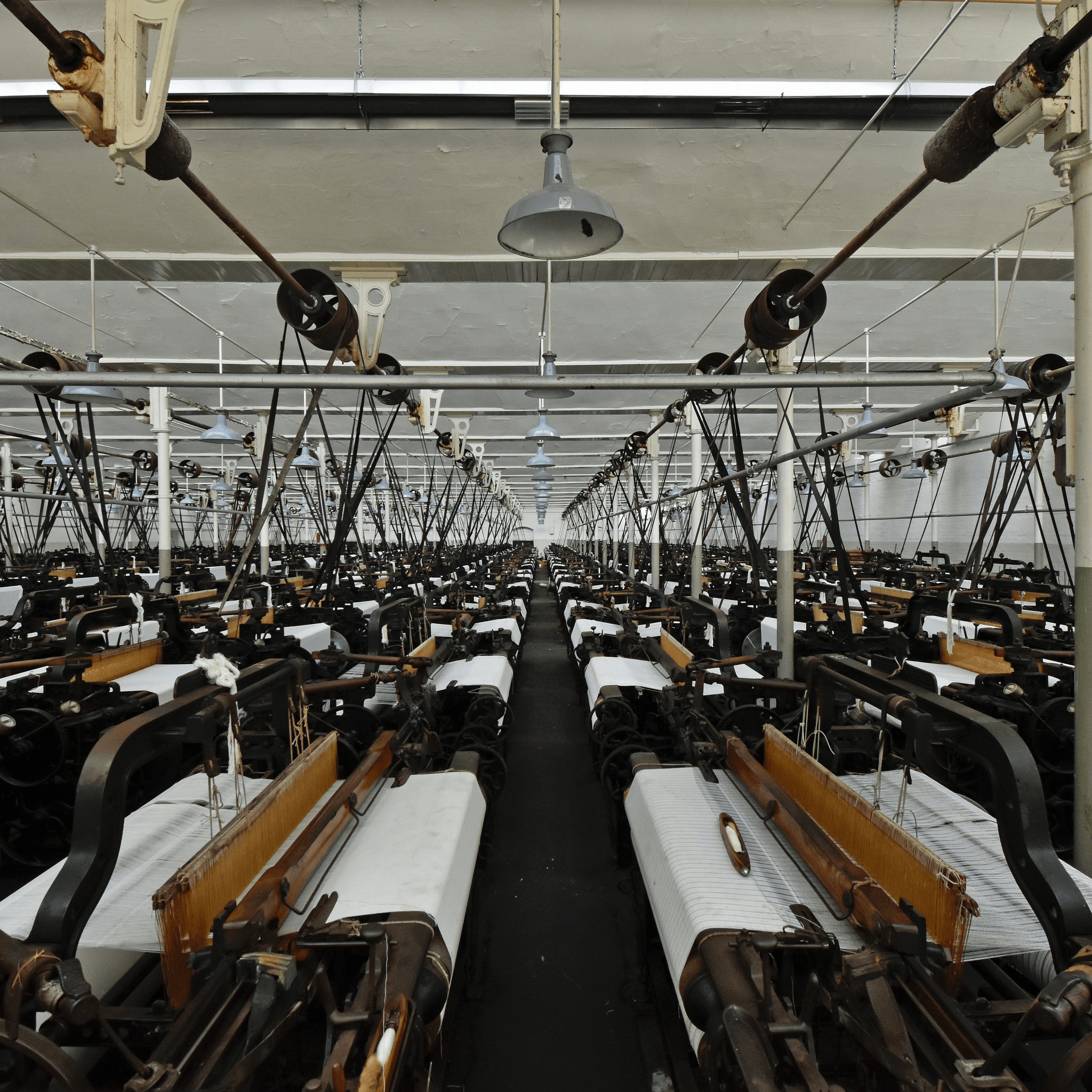
In today’s globalized market, assessing environmental risk and compliance has become essential for garment and textile importers, especially with the rise of Fast Fashion. How fast fashion has revolutionized the garment industry means that products move quickly from design to store shelves, often at the expense of environmental standards. Understanding what is the environmental impact of apparel manufacturing is crucial for importers who want to balance profit with sustainability, ensuring they don’t inadvertently fund pollution or unethical practices.
The process begins with scrutinizing raw material extraction in the textile industry, which can be a major contributor to environmental degradation. Fast Fashion relies heavily on cheap, often non-sustainable raw materials that contribute to deforestation and water depletion. Textile processing: bleaching, dyeing and printing further complicate matters because these steps are energy-intensive and generate significant wastewater pollution—highlighting what is the environmental impact of apparel manufacturing in its most polluting stages.
How can garment and textile importers assess environmental risk and compliance effectively? The key lies in implementing rigorous evaluation protocols that examine every stage of production—from raw material sourcing to final finishing—to ensure adherence to sustainable practices. This approach helps identify potential violations related to water usage, chemical management, or labor standards before products reach consumers.
How Can Garment and Textile Importers Assess Environmental Risk and Compliance?
Importers need a comprehensive framework for assessing environmental risks associated with their supply chains. This involves conducting supplier audits focused on sustainable sourcing practices and evaluating whether factories follow environmentally friendly procedures during textile processing: bleaching, dyeing and printing processes must meet strict chemical management standards. Additionally, tracking the lifecycle impacts of raw materials used in fast fashion products helps pinpoint areas where pollution or resource depletion might occur.
Furthermore, adopting transparent communication channels with suppliers allows importers to verify compliance proactively rather than reactively addressing issues after they arise. They should also leverage technology—such as blockchain—to trace each step from raw material extraction in the textile industry through final assembly—making sure every phase aligns with sustainable goals.
Lastly, staying informed about evolving regulations on fast fashion’s environmental footprint enables importers to adapt quickly—reducing risks tied to non-compliance—and fostering trust among eco-conscious consumers who care about what is behind their trendy outfits.
Key Certifications and Standards Like GOTS and OEKO-TEX
To navigate this complex landscape efficiently, many importers turn to key certifications like GOTS (Global Organic Textile Standard) and OEKO-TEX—standards designed specifically for assessing sustainability in textiles. These certifications provide a clear benchmark for what is considered environmentally responsible within the fast fashion supply chain by verifying eco-friendly raw material extraction in the textile industry as well as safe dyeing practices during textile processing: bleaching, dyeing and printing.
GOTS emphasizes organic fiber content combined with strict social criteria while OEKO-TEX ensures textiles are free from harmful chemicals used during manufacturing stages—including those involved in dyeing or printing—to mitigate health risks for workers and end consumers alike. By prioritizing these certifications when sourcing fabrics or finished garments, importers can significantly reduce their exposure to environmental risks associated with fast fashion’s rapid production cycles.
Moreover, these standards promote transparency across supply chains—a critical factor when assessing how fast fashion has revolutionized the garment industry—and help brands demonstrate their commitment toward sustainability initiatives that resonate with today’s eco-aware shoppers.
Role of China Inspection Pro in Quality Inspection and Compliance
In regions like China—home to many manufacturing hubs—the role of inspection services such as China Inspection Pro becomes indispensable for quality inspection and compliance verification regarding fast fashion imports. Their expertise extends beyond traditional quality checks; they evaluate whether factories adhere strictly to international standards concerning water usage issues related to textile processing: bleaching, dyeing and printing methods that have significant environmental impacts.
China Inspection Pro offers detailed assessments covering chemical management during textile processing stages—ensuring compliance with regulations like GOTS or OEKO-TEX—and verifies if suppliers meet local laws on waste disposal or labor conditions affecting how fast fashion products are made globally. This proactive approach minimizes risks linked to non-compliance penalties while safeguarding brand reputation amid increasing consumer demand for ethically produced clothing.
Innovative Solutions and Sustainable Alternatives

In a world where fast fashion has revolutionized the garment industry, brands are increasingly seeking innovative solutions to combat its environmental impact. Companies like Patagonia and Eileen Fisher lead the charge by integrating sustainability into their core practices, proving that fashion and eco-consciousness can go hand in hand. These brands demonstrate that addressing questions like What is the environmental impact of apparel manufacturing? isn't just a trend but a necessity for long-term success.
Many sustainable initiatives focus on shifting toward eco-friendly materials and practices, which directly challenge the traditional fast fashion model. By reducing reliance on raw material extraction in the textile industry, these brands minimize their carbon footprint and lessen pollution caused by textile processing: bleaching, dyeing, and printing. This shift not only benefits the environment but also helps consumers understand how fast fashion's environmental footprint can be mitigated when companies prioritize sustainable alternatives.
Consumer education plays a vital role in promoting responsible shopping habits amid the fast fashion frenzy. Educating shoppers about how they can make more environmentally conscious choices encourages demand for ethically produced garments. Additionally, it empowers consumers to ask how can garment and textile importers assess environmental risk and compliance? Implementing transparent supply chains ensures that brands are accountable for their environmental impact, fostering trust and encouraging more sustainable practices across the industry.
Conclusion
In a world where Fast Fashion continues to dominate store shelves and online boutiques alike, making informed choices is more crucial than ever. Consumers need to understand how fast fashion has revolutionized the garment industry, often prioritizing speed and affordability over environmental impact. By staying aware of what is the environmental impact of apparel manufacturing, shoppers can make smarter decisions—favoring brands that are transparent about their raw material extraction in the textile industry and their textile processing: bleaching, dyeing and printing practices.
Understanding how can garment and textile importers assess environmental risk and compliance becomes vital for sustainable growth. This knowledge ensures that supply chains are not only cost-effective but also environmentally responsible, reducing pollution from raw material extraction in the textile industry and harmful dyeing processes. When consumers demand transparency about these issues, brands are pushed to adopt more sustainable practices, ultimately transforming the future of apparel manufacturing into something greener and kinder to our planet.
Looking ahead, the future of sustainable apparel manufacturing hinges on innovation and accountability. The shift toward eco-friendly materials and practices shows promising signs that fast fashion can evolve without destroying our environment. As awareness grows around what is the environmental impact of apparel manufacturing?, brands will be compelled to improve their processes—especially in areas like textile processing: bleaching, dyeing and printing—making them cleaner while still delivering trendy pieces at affordable prices.
Ultimately, how can garment and textile importers assess environmental risk and compliance? They must prioritize certifications like GOTS or OEKO-TEX that set standards for sustainability in textiles. Consumers also play a role by supporting brands committed to transparency in raw material sourcing in the textile industry; this encourages a shift toward responsible shopping habits that challenge fast fashion’s status quo.
Together, consumers and brands have the power to drive change—demanding better practices from production lines involved in raw material extraction in the textile industry or textile processing: bleaching, dyeing and printing—and fostering a future where sustainability isn’t just an afterthought but a core value embedded within every stitch.