
Introduction
In today's fast-paced world, the importance of inspection services cannot be overstated. These services play a crucial role in ensuring that products, processes, and structures meet established standards and regulations. From manufacturing to construction, effective service inspection enhances quality control, mitigates risks, and ultimately contributes to business success.
The Importance of Inspection Services
Inspection services serve as the backbone of quality assurance across various industries. They help identify potential flaws or non-compliance issues before they escalate into costly problems. By engaging in thorough inspections, companies can improve their operational efficiency and maintain a strong reputation in the market.
Understanding Service Inspection Dynamics
Service inspection involves a complex interplay of various factors including regulatory requirements, industry standards, and technological advancements. Understanding these dynamics is essential for businesses aiming to remain competitive and compliant in their respective fields. The ability to adapt to changing inspection protocols can significantly influence an organization's overall performance.
Ensuring Compliance through Inspections
Ensuring compliance through inspections is not just about adhering to laws; it’s also about fostering trust with clients and stakeholders. Regular construction inspections help organizations avoid legal pitfalls while enhancing safety practices on job sites. Ultimately, a commitment to inspection compliance leads to better project outcomes and increased customer satisfaction.
Overview of Inspection Services
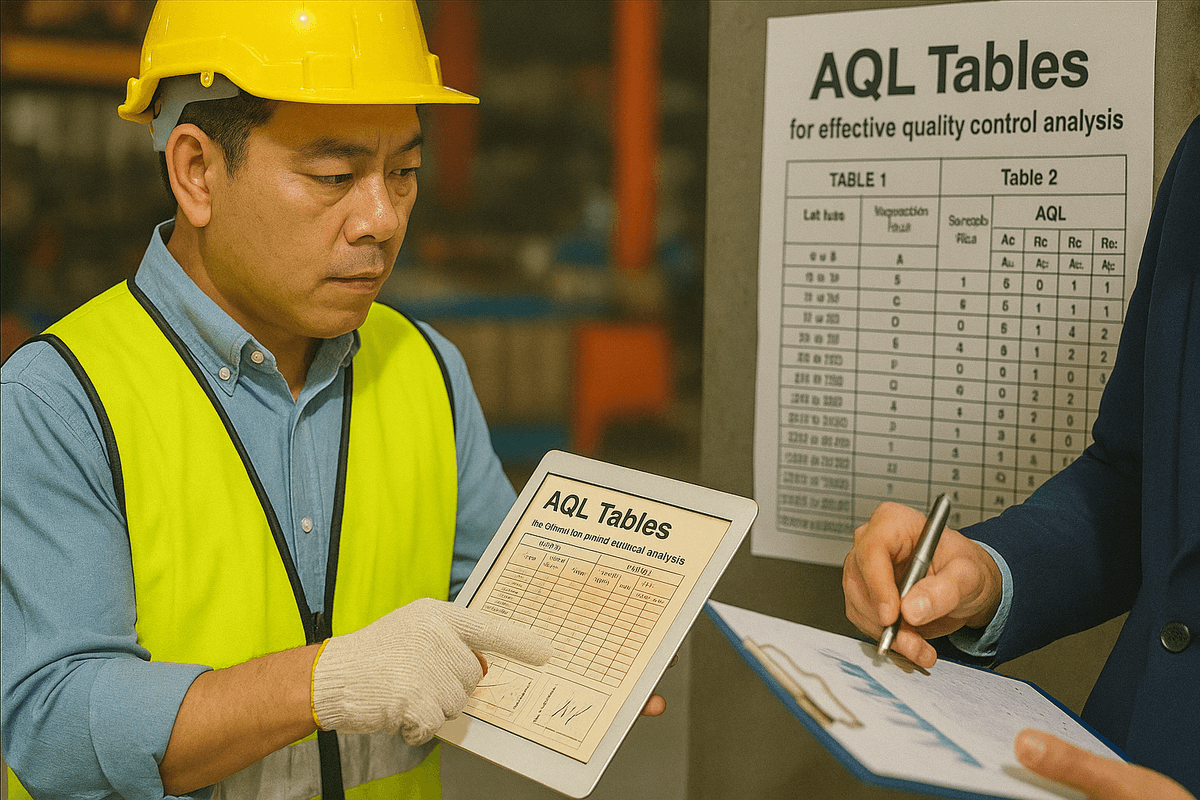
Inspection services are crucial in ensuring that products and processes meet established standards and regulations. They serve as a safety net that catches potential issues before they escalate, ultimately safeguarding public interests and enhancing operational efficiency. Understanding the dynamics of service inspection is essential for businesses aiming to maintain quality and compliance.
What Constitutes Quality Inspection?
Quality inspection hinges on several key elements: accuracy, thoroughness, and consistency. An effective inspection process must utilize trained professionals who can identify discrepancies against predefined standards, ensuring nothing slips through the cracks. Furthermore, quality inspections should not only be reactive but also proactive, anticipating potential problems before they arise.
In the realm of construction inspection, for example, this means assessing materials and workmanship against building codes to avoid costly reworks or safety hazards down the line. A commitment to quality inspection fosters trust with clients and stakeholders alike, reinforcing a company's reputation in its industry. Ultimately, when businesses prioritize quality inspections as part of their service inspection strategy, they lay a solid foundation for ongoing compliance and success.
Types of Inspection Services Offered
The landscape of inspection services is diverse, catering to various industries including manufacturing, construction, food safety, and more. Common types include pre-shipment inspections (PSI), in-process inspections (IPI), final random inspections (FRI), and construction inspections that focus on site compliance with design specifications. Each type serves a unique purpose but collectively contributes to maintaining high standards across sectors.
For instance, while PSI ensures products meet specifications before leaving the supplier's premises, construction inspection focuses on adherence to safety regulations during building projects. Additionally, specialized services like environmental inspections assess compliance with ecological regulations—highlighting how varied these services can be based on industry needs. By understanding these types of service inspection offerings, companies can better select the right solutions tailored to their specific challenges.
Key Players in the Inspection Industry
The inspection industry is populated by numerous key players ranging from independent firms to multinational corporations specializing in various sectors. Companies like SGS Group and Bureau Veritas have established themselves as leaders by offering comprehensive service inspection solutions worldwide; their expertise spans multiple industries including construction inspection and product certification.
Smaller niche firms also play an important role by providing specialized services that cater directly to local markets or specific regulatory requirements—ensuring no stone is left unturned in compliance efforts across different regions. Collaboration between these players often leads to advancements in methodologies that improve overall efficiency in service inspections while adhering strictly to evolving global standards.
Role of Construction Inspection
In the realm of construction, inspection services play a crucial role in ensuring that projects meet established standards and regulations. Construction inspection is not just a box to check; it is integral to the safety, durability, and quality of structures. By prioritizing inspection compliance, stakeholders can mitigate risks associated with non-compliance and enhance overall project success.
Importance of Construction Compliance
Construction compliance is paramount for safeguarding public safety and maintaining structural integrity. Adhering to established codes ensures that buildings can withstand environmental stresses and human use over time. Moreover, strict compliance with inspection services helps avoid costly legal disputes and project delays that may arise from oversight or negligence.
Common Issues in Construction Inspections
Despite its importance, construction inspections often uncover a host of common issues that can derail projects if left unaddressed. These may include substandard materials, improper installation techniques, or deviations from approved plans—all of which can jeopardize safety and functionality. Additionally, lack of communication among contractors, inspectors, and clients can lead to misunderstandings regarding inspection compliance requirements.
Leading Firms in Construction Inspection
The landscape of construction inspection features several leading firms renowned for their expertise in delivering top-notch inspection services. Companies like Intertek and SGS have established themselves as industry leaders by providing comprehensive service inspections tailored to various sectors within construction. Their commitment to quality assurance not only fosters trust but also sets a benchmark for others striving for excellence in inspection compliance.
The Process of Service Inspection
In the realm of inspection services, understanding the process is crucial for ensuring compliance and quality. A structured approach to service inspection not only streamlines operations but also enhances overall effectiveness. By following a clear methodology, businesses can better manage risks and uphold standards across various industries.
Stages of an Effective Service Inspection
An effective service inspection typically unfolds in several key stages, each designed to ensure thorough evaluation and compliance with established standards. The first stage involves planning, where inspectors define the scope and objectives of the inspection services needed for a specific project or operation. Following this, the execution phase takes place, where inspectors conduct on-site assessments to identify potential issues in construction inspection or other areas requiring scrutiny.
After gathering data during the execution phase, analysis comes next. Inspectors review findings against relevant codes and regulations to determine compliance levels. Finally, reporting wraps up the process; detailed reports are generated outlining findings and recommendations for improvement—essentially providing a roadmap for clients to enhance their operations.
Utilizing Technology in Inspections
Technology plays an increasingly pivotal role in modern inspections, revolutionizing how service inspections are conducted across various sectors. From drones capturing aerial views of construction sites to software that automates documentation processes, these technological advancements streamline inspections significantly. Additionally, mobile applications allow inspectors to input data in real-time while on-site, increasing accuracy and efficiency during construction inspections.
Moreover, utilizing advanced analytics tools enables companies to predict potential compliance issues before they arise by analyzing historical data trends related to inspection services. This proactive approach not only saves time but also reduces costs associated with non-compliance penalties or rework due to overlooked problems during initial inspections. As technology continues evolving, so too will its integration into inspection processes—making it essential for companies to stay ahead of these trends.
Overview of China Inspection Pro’s Methodology
China Inspection Pro has carved a niche within the competitive landscape of inspection services by employing a comprehensive methodology aimed at ensuring rigorous quality control and compliance standards across industries. Their approach begins with an initial consultation that identifies client needs before proceeding with tailored service inspections designed specifically for those requirements. This personalized touch ensures that every aspect of construction inspection aligns with client expectations while adhering strictly to regulatory frameworks.
The company leverages cutting-edge technology throughout its process—utilizing advanced tools such as 3D scanning and AI-driven analytics—to enhance accuracy during assessments further. Additionally, their team comprises seasoned professionals who bring years of experience in various sectors; this expertise allows them not only to identify issues but also suggest actionable solutions tailored for each unique situation encountered during service inspections.
In conclusion, understanding the intricacies involved in the process of service inspection is vital for any organization aiming for success in today’s competitive landscape. By embracing structured methodologies like those employed by China Inspection Pro while harnessing technology effectively throughout all stages—from planning through reporting—businesses can ensure robust compliance measures are met consistently.
Meeting Inspection Compliance Standards

In today’s fast-paced business environment, meeting inspection compliance standards is crucial for maintaining quality and safety across various industries. Inspection services play a vital role in ensuring that companies adhere to regulatory requirements, thereby avoiding costly penalties and enhancing their reputation. By understanding the dynamics of service inspection, organizations can navigate the complexities of compliance more effectively.
Navigating Regulatory Requirements
Navigating regulatory requirements can feel like deciphering an ancient scroll—complex and often daunting. However, it is essential for businesses to familiarize themselves with local, national, and international regulations relevant to their industry. Construction inspection, for instance, has specific codes that must be followed to ensure safety and structural integrity; failing to comply can lead to severe repercussions.
In many cases, organizations enlist the help of specialized inspection services that possess in-depth knowledge of these regulations. These experts help businesses stay updated on changes in compliance standards while providing tailored solutions that fit their unique needs. Ultimately, a proactive approach toward understanding regulatory requirements not only fosters compliance but also builds trust with stakeholders.
Benefits of Compliance in Business Operations
Compliance isn’t just about ticking boxes; it offers tangible benefits that enhance overall business operations. First and foremost, adhering to inspection compliance standards minimizes the risk of fines or legal issues that could derail a project or tarnish a company's reputation. Moreover, companies committed to quality inspections often find they enjoy increased customer satisfaction and loyalty due to higher product reliability.
Additionally, being compliant can open doors for new business opportunities as clients increasingly prefer partners who prioritize adherence to regulations in their operations. This competitive edge is particularly evident in industries like construction inspection where safety is paramount; clients want assurance that they are working with responsible entities. In essence, embracing compliance not only safeguards your business but also propels it forward into new avenues of success.
Global Trends in Inspection Compliance
As we venture further into the 21st century, global trends indicate a significant shift towards more stringent inspection compliance protocols across various sectors. Companies worldwide are increasingly adopting digital solutions such as AI-driven analytics and blockchain technology to enhance transparency and traceability within their service inspections. This technological evolution allows organizations not only to meet but exceed existing compliance standards more efficiently.
Furthermore, there’s a growing emphasis on sustainability within the realm of inspection services—regulatory bodies are now looking at environmental impacts alongside traditional safety measures during inspections. This trend means construction inspections now require teams to assess eco-friendliness as part of their evaluations—a win-win for both businesses seeking green certifications and our planet alike!
In summary, staying ahead in this rapidly changing landscape requires vigilance and adaptability from all players involved in inspection compliance efforts.
The Future of Inspection Services
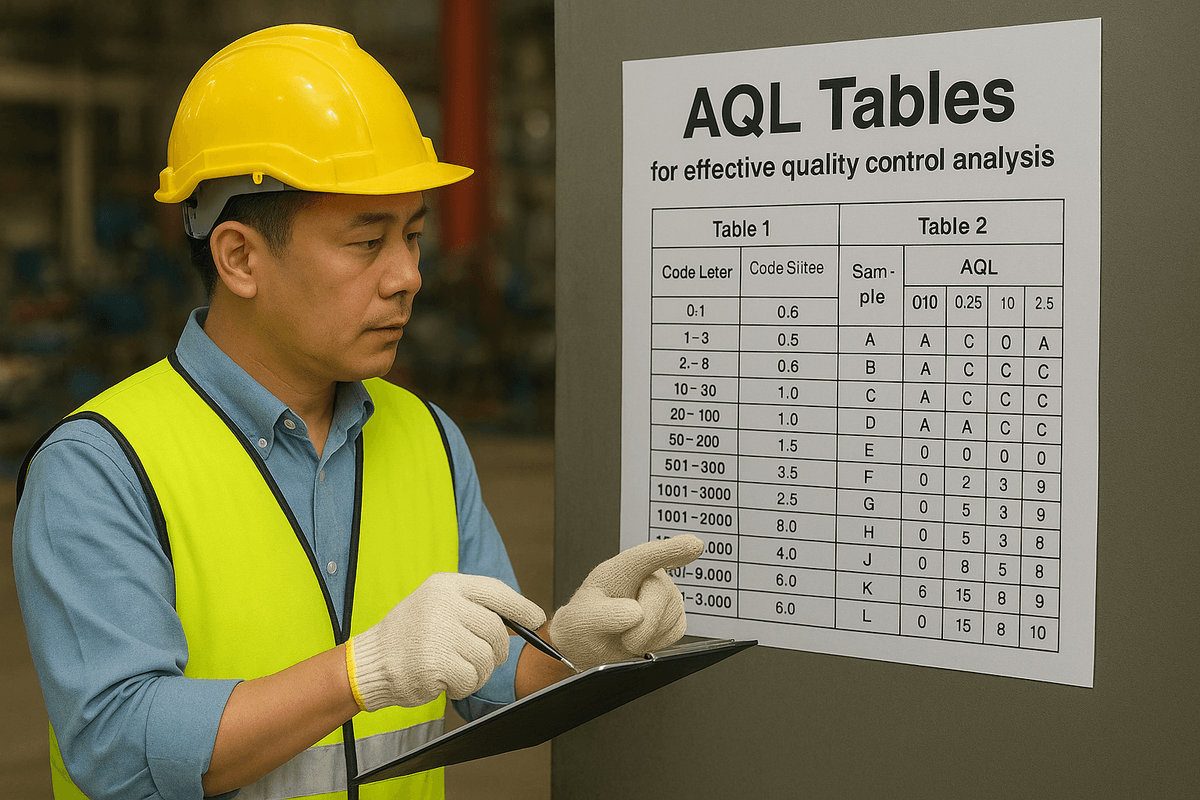
The landscape of inspection services is rapidly evolving, driven by technological advancements and changing market demands. As industries strive for higher quality and efficiency, service inspection methodologies are adapting to incorporate innovative practices that enhance accuracy and reliability. This transformation not only affects traditional sectors like construction inspection but also paves the way for new opportunities in various fields.
Innovations Impacting the Industry
Recent innovations are reshaping the way inspection services are conducted, making them more efficient and effective. For instance, the integration of drones in construction inspection allows for real-time aerial assessments, significantly reducing time spent on manual inspections while improving data accuracy. Additionally, advanced imaging technologies such as thermal cameras and 3D scanning tools provide deeper insights into structural integrity, enabling inspectors to identify potential issues before they escalate.
Furthermore, software solutions that leverage artificial intelligence are becoming essential in analyzing inspection compliance data. These tools can predict trends based on historical data and help companies proactively address compliance issues before they arise. As such innovations continue to develop, businesses must stay informed about these changes to ensure their service inspections remain competitive and effective.
The Shift Towards Automation in Inspections
Automation is revolutionizing the field of service inspection by streamlining processes that were once labor-intensive and time-consuming. Robotic process automation (RPA) is increasingly being used to handle repetitive tasks within inspections, allowing human inspectors to focus on more complex evaluations that require critical thinking and expertise. This shift not only enhances productivity but also reduces human error in reporting findings related to inspection compliance.
Moreover, automated systems can provide continuous monitoring capabilities that traditional methods simply cannot match. For example, sensors embedded in construction materials can relay real-time data about structural conditions directly to inspectors' devices, ensuring timely interventions when necessary. As automation becomes more prevalent across industries involved in service inspections, companies will need to adapt their training programs to equip employees with skills relevant to an automated environment.
How Companies Can Prepare for Changes
To thrive amid these transformative changes in inspection services, companies must adopt a proactive approach towards embracing innovation and automation. First and foremost, investing in training programs focused on new technologies will empower employees with the skills required for modern service inspections—ensuring they remain valuable assets within their organizations. Additionally, fostering a culture of adaptability will encourage teams to embrace change rather than resist it.
Companies should also consider forming strategic partnerships with technology providers specializing in inspection compliance solutions; this collaboration can lead to enhanced capabilities tailored specifically for their operational needs. By staying abreast of industry trends through continuous learning opportunities—whether via workshops or conferences—businesses can position themselves as leaders rather than followers within the evolving landscape of construction inspection services.
Conclusion
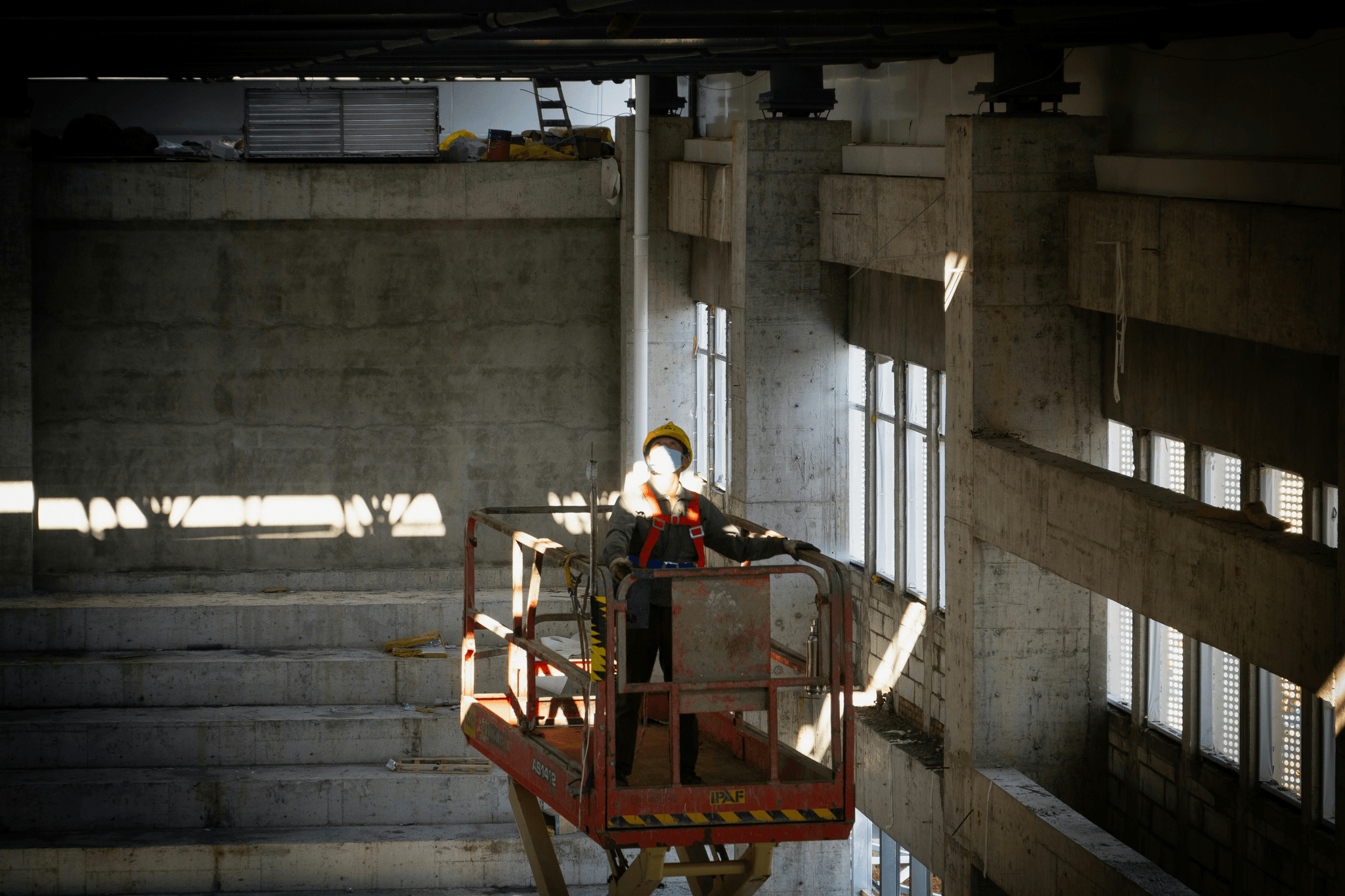
In summary, inspection services play a pivotal role in maintaining quality control across various industries. By implementing effective service inspection protocols, businesses can identify issues before they escalate, ensuring compliance and enhancing overall performance. As we move forward, the importance of inspections in fostering high standards cannot be overstated.
Strengthening Quality Control through Inspections
Quality control is significantly bolstered by rigorous inspection services that catch potential problems early in the process. Through consistent service inspection practices, companies can maintain their reputation and avoid costly rework or penalties associated with non-compliance. In construction inspection specifically, this proactive approach not only safeguards project integrity but also enhances safety for all stakeholders involved.
The Impact of Inspections on Market Success
The relationship between thorough inspections and market success is undeniable; businesses that prioritize inspection compliance often see improved customer trust and satisfaction. By adhering to high standards through diligent inspections, companies can differentiate themselves from competitors who may overlook these crucial processes. Ultimately, a solid reputation built on reliable construction inspections translates into lasting market success and growth opportunities.
Choosing the Right Inspection Partner
Selecting the right partner for your inspection services is essential to ensure compliance and quality assurance throughout your projects. Look for firms with proven expertise in service inspection relevant to your industry—particularly those specializing in construction inspection if that's your focus area. A knowledgeable partner will not only help you navigate complex regulations but also enhance your operational efficiency through their insights and technology-driven methodologies.