
Introduction

Ensuring safety and compliance in flare stack operations is critical to prevent costly failures and environmental hazards. A comprehensive approach to Flare Stack Inspection not only safeguards personnel but also guarantees that all components meet stringent industry standards. By implementing meticulous inspection & test records, companies can track every detail from materials identifications and markings to final approvals, making safety a priority rather than an afterthought.
A robust inspection & test plan forms the backbone of reliable flare stack maintenance, ensuring each stage—from visual and dimensional inspection during fabrication to detailed liquid penetrant examination—is executed flawlessly. Proper documentation, including mill test reports, helps verify material integrity and provides a clear audit trail for regulatory compliance. When these elements are integrated effectively, operational longevity is maximized, and potential issues are caught early before they escalate.
China Inspection Pro supports flare stack integrity by offering expert oversight throughout the entire process. Their team emphasizes the importance of accurate materials identifications and markings, ensuring every component is correctly specified and documented. With their guidance on performing thorough visual and dimensional inspections during fabrication, along with precise liquid penetrant examinations, clients gain confidence that their flare stacks meet all safety standards—backed by comprehensive inspection & test records that stand up to scrutiny.
Overview of Flare Stack Inspection & Test Planning
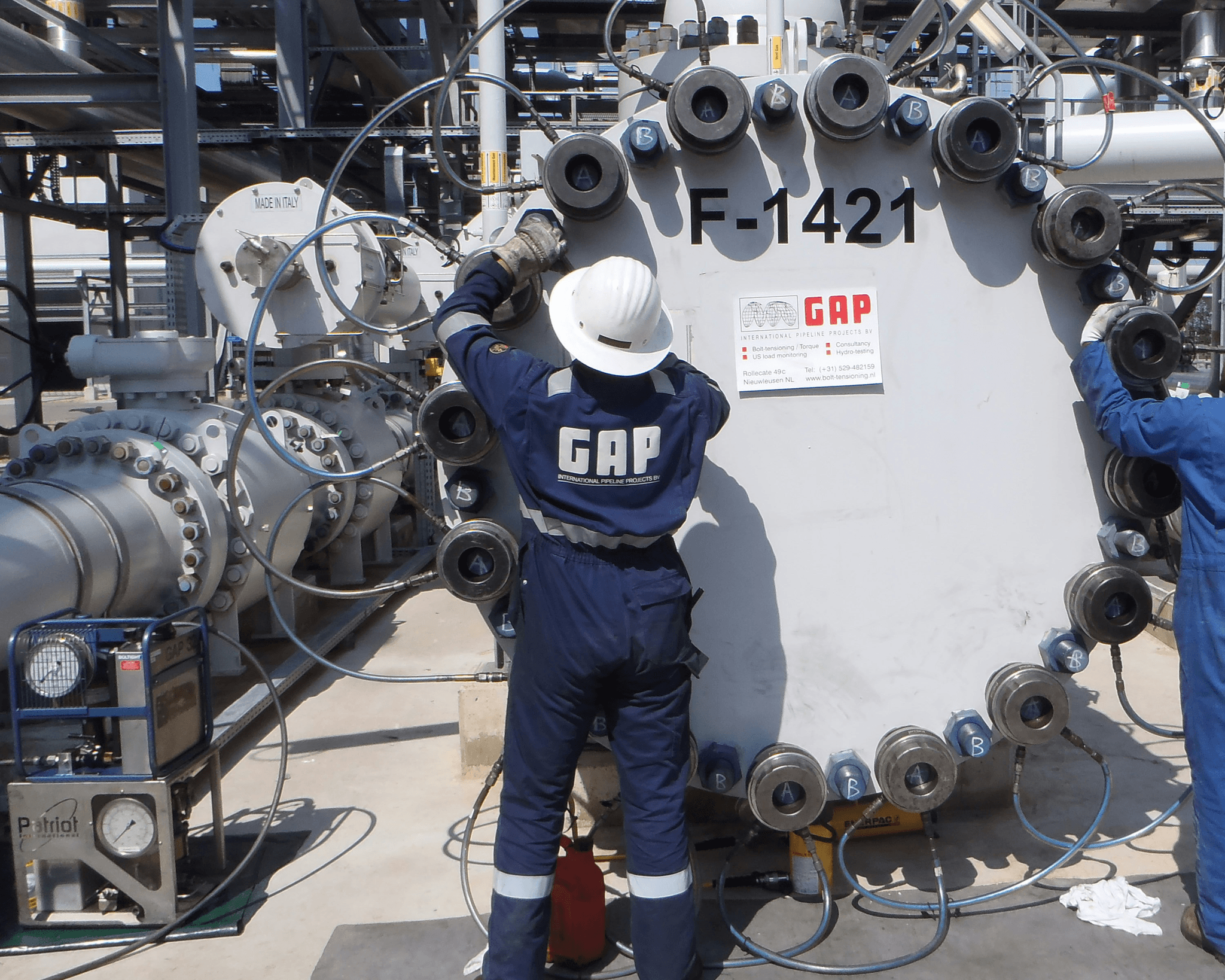
A solid Flare Stack Inspection & Test Plan serves as the backbone for ensuring safety, durability, and regulatory compliance in flare stack operations. Proper planning helps identify potential issues early on, saving time and costly repairs down the line. The goal is to establish a comprehensive framework that covers everything from initial visual inspections to detailed liquid penetrant examinations, all while maintaining meticulous inspection & test records to track progress and ensure accountability.
Developing an effective inspection & test plan requires a clear understanding of the critical stages involved in Flare Stack Inspection. This includes defining specific objectives such as verifying material integrity through materials identifications and markings, conducting visual and dimensional inspections during fabrication, and performing liquid penetrant examination to detect leaks or flaws. Incorporating these key elements ensures that every aspect of the flare stack’s construction and maintenance adheres to industry standards while facilitating accurate documentation for future reference.
Standards and regulatory requirements play a pivotal role in shaping your Flare Stack Inspection & Test Plan. Adhering to recognized codes guarantees that inspections like mill test reports are correctly compiled and that materials used meet strict quality criteria marked by proper materials identifications and markings. These standards also emphasize the importance of comprehensive inspection records, which serve as proof of compliance during audits or future maintenance activities, reinforcing the integrity of your flare stack over its operational lifespan.
Critical Inspection Stages for Flare Stacks
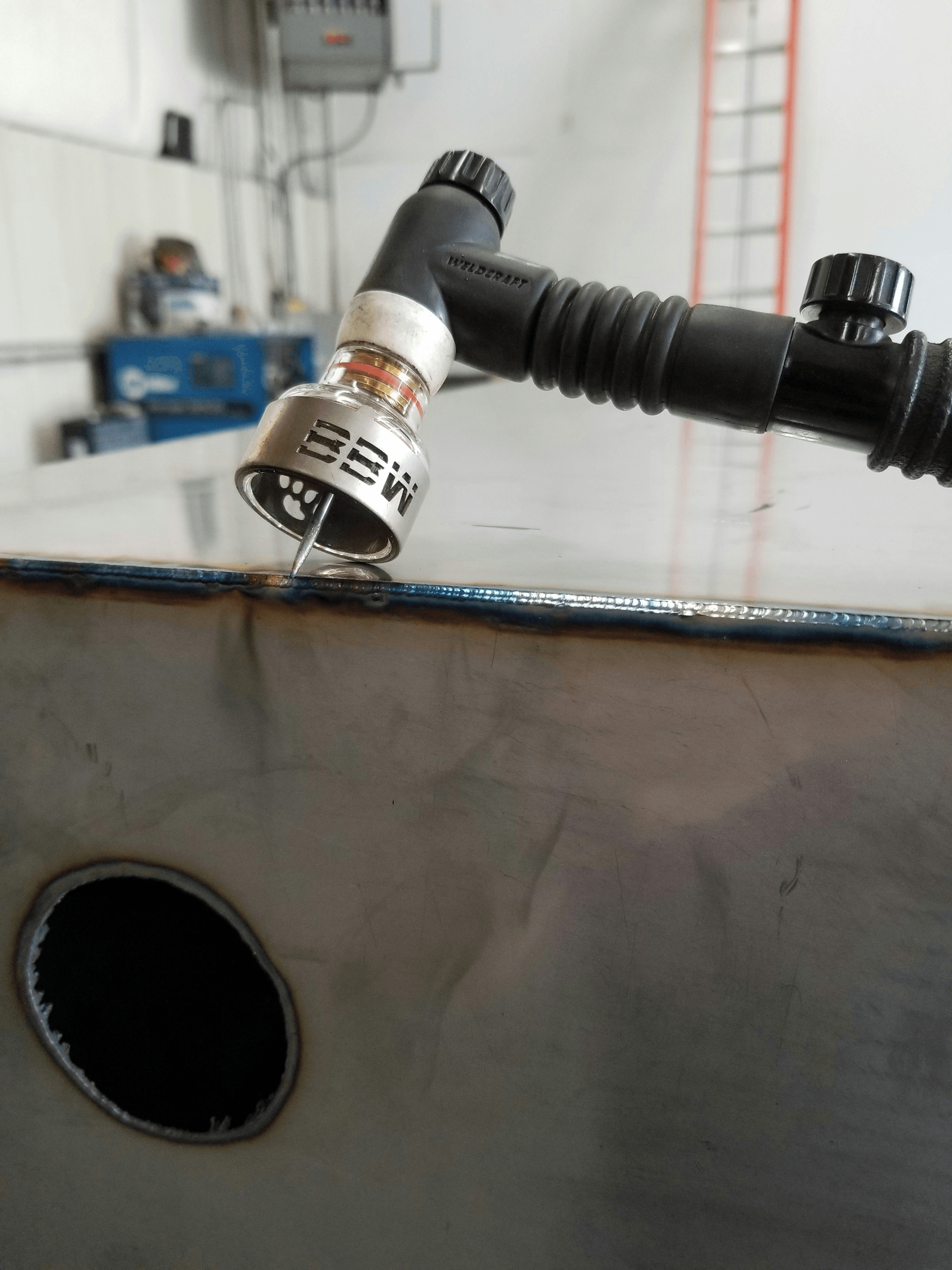
Effective Flare Stack Inspection begins with meticulous attention during each critical stage of fabrication and assembly. Ensuring that inspection & test records are accurately maintained throughout the process is essential for verifying compliance and traceability. From initial visual checks to detailed material verification, every step contributes to the overall integrity of the flare stack, making thorough documentation vital for future maintenance and regulatory audits.
Visual and Dimensional Inspection During Fabrication
The first line of defense in Flare Stack Inspection involves a comprehensive visual and dimensional inspection during fabrication. These inspections help identify any surface defects, misalignments, or dimensional inaccuracies early on, preventing costly rework later. Properly documenting these findings in inspection & test records ensures that Materials identifications and markings are correctly applied and verified against project specifications, providing a clear audit trail for quality assurance purposes.
Material Verification and Certification Checks
Material verification is a cornerstone of Flare Stack Inspection because using certified materials guarantees durability under high-temperature conditions. During this stage, inspectors scrutinize Mill Test Reports to confirm that all materials meet industry standards and possess proper certifications. Cross-referencing these reports with Materials identifications and markings ensures that only approved components are integrated into the flare stack, reducing risks associated with substandard materials.
Liquid Penetrant Examination for Leak Detection
Liquid penetrant examination offers an extra layer of confidence by detecting surface-breaking flaws or leaks that might compromise flare stack integrity. This non-destructive testing method is crucial for identifying cracks or porosity not visible to the naked eye, especially after fabrication is complete. Conducting this examination as part of your Flare Stack Inspection process helps ensure leak-free performance; all findings should be carefully recorded in inspection & test records to maintain comprehensive documentation.
Documentation and Record Keeping

Effective documentation is the backbone of any successful Flare Stack Inspection & Test Plan. Meticulous inspection & test records serve as a detailed history of the inspection process, capturing every visual and dimensional inspection during fabrication, material verification, and liquid penetrant examination. Properly compiling these records ensures that all aspects of the flare stack’s integrity are documented clearly, making future assessments more straightforward and less prone to oversight.
A key component of Flare Stack Inspection is maintaining comprehensive materials identifications and markings throughout the project lifecycle. These markings help verify that each component matches specified standards and certifications, especially during visual and dimensional inspections during fabrication. When inspection & test records include precise materials identifications, it becomes easier to trace any issues back to their source, ensuring accountability and streamlining quality assurance processes.
Mill test reports play a pivotal role in quality assurance by providing certified documentation of material properties tested during manufacturing. Including mill test reports in your inspection & test records guarantees that materials meet industry standards before installation or further testing such as liquid penetrant examinations. Using these reports alongside visual inspections ensures that only compliant components are used in critical flare stack areas, safeguarding long-term operational safety.
Conducting a Flare Stack Inspection & Test Plan

Executing a thorough flare stack inspection & test plan requires meticulous preparation and attention to detail. Before diving into the actual inspection, ensure all relevant inspection & test records are organized and accessible. These records, including materials identifications and markings, provide critical insights into the components' history and compliance, setting a solid foundation for accurate assessment.
Preparing for Inspection Activities
Preparation begins with reviewing all pertinent documentation such as mill test reports, which verify material certifications and help confirm that materials meet industry standards. It's essential to verify materials identifications and markings on the flare stack components to ensure they match approved specifications before any physical inspection occurs. Proper planning also involves gathering necessary tools for visual and dimensional inspection during fabrication, along with equipment for liquid penetrant examination, ensuring no detail is overlooked during the flare stack inspection process.
Executing Visual, Dimensional, and Liquid Penetrant Tests
When performing visual and dimensional inspection during fabrication, inspectors must scrutinize each component meticulously to detect surface defects or deviations from design specifications—these are often caught early through proper documentation of previous inspections & test records. During liquid penetrant examination, inspectors apply a dye to surface areas to identify any leaks or cracks that might compromise integrity; this step is crucial in confirming material integrity before further use. Throughout these procedures, maintaining detailed records of findings ensures traceability of every aspect of the flare stack inspection process.
Analyzing Findings and Reporting Results
Once inspections are complete, analyzing findings involves comparing observed conditions against established standards documented in mill test reports and previous inspection & test records. Any discrepancies related to materials identifications or markings must be thoroughly investigated; this helps determine whether repairs or replacements are necessary before proceeding further with the flare stack operation. Accurate reporting not only documents current conditions but also provides valuable data for future maintenance efforts—solidifying the importance of comprehensive record keeping in ensuring long-term safety.
Quality Assurance and Regulatory Compliance
Ensuring material integrity is the backbone of a successful flare stack inspection & test plan. Proper materials identifications and markings are critical to verifying that the right components are used and meet industry standards. During visual and dimensional inspection during fabrication, inspectors scrutinize these markings alongside physical attributes to confirm compliance with specifications, reducing risks of future failures.
Maintaining comprehensive inspection & test records is essential for demonstrating regulatory adherence and facilitating ongoing maintenance. Mill test reports provide a detailed account of each material’s properties, serving as a vital reference point during liquid penetrant examination and other non-destructive tests. These records help ensure that every component involved in flare stack inspection meets safety standards before installation.
Collaborating with China Inspection Pro elevates quality assurance by offering expert oversight throughout the process. Their team emphasizes meticulous documentation, including inspection & test records, to verify that all materials identifications and markings are accurate. This partnership guarantees that all phases—from visual inspections to liquid penetrant examinations—adhere strictly to industry regulations, safeguarding long-term operation integrity.
Conclusion
A meticulously executed flare stack inspection & test plan offers numerous benefits, chief among them being enhanced safety, compliance, and operational longevity. When inspection & test records are diligently maintained, they serve as a reliable historical archive that supports ongoing maintenance and future inspections. Proper documentation of materials identifications and markings ensures traceability, reducing the risk of errors and facilitating swift corrective actions during critical moments.
By emphasizing visual and dimensional inspection during fabrication, companies can catch potential issues early, saving time and money down the line. Incorporating liquid penetrant examination into the inspection process adds an extra layer of leak detection confidence, safeguarding against costly failures down the road. When these elements—inspection & test records, materials identifications and markings, visual inspections, and liquid penetrant examination—are seamlessly integrated into your plan, long-term operational integrity is significantly bolstered.
Partnering with China Inspection Pro for inspection excellence elevates your flare stack inspection process to new heights of professionalism. Their expertise ensures adherence to industry standards through thorough review of mill test reports and comprehensive material verification checks. This collaboration guarantees that every element—from materials identifications and markings to liquid penetrant examinations—is executed flawlessly, securing your flare stack’s performance for years to come.