
Introduction
In the bustling world of e-commerce, particularly on platforms like Amazon, understanding the nuances of Amazon SKU Label Size is crucial for any seller. These labels are not just stickers; they represent your products and play a vital role in inventory management and order fulfillment. Ensuring that your labels meet the required specifications can save you time, money, and a whole lot of headaches down the line.
Understanding Amazon SKU Label Size
Amazon SKU Label Size refers to the specific dimensions that labels must adhere to when selling products on Amazon's marketplace. The right size ensures that barcodes are easily scannable and that your products stand out on crowded shelves—both physical and digital. Getting familiar with these specifications will help you avoid common labeling mistakes to avoid that could hinder your sales or lead to inventory issues.
Importance of Accurate Labeling
Accurate labeling goes beyond mere compliance; it's about creating a seamless experience for both you and your customers. When labels are correctly sized and placed, they enhance visibility, improve scanning efficiency, and reduce errors during fulfillment processes. This attention to detail in efficient SKU labeling can significantly impact customer satisfaction and ultimately drive repeat business.
Your Guide to Efficient SKU Labeling
Navigating the world of SKU labeling doesn't have to be daunting; think of it as a roadmap guiding you toward success in your e-commerce journey. This guide will walk you through everything from understanding label sizes to avoiding common pitfalls along the way. With practical tips at your fingertips, you'll be well-equipped to ensure that your products shine brightly in the competitive Amazon marketplace.
What is an Amazon SKU Label Size?
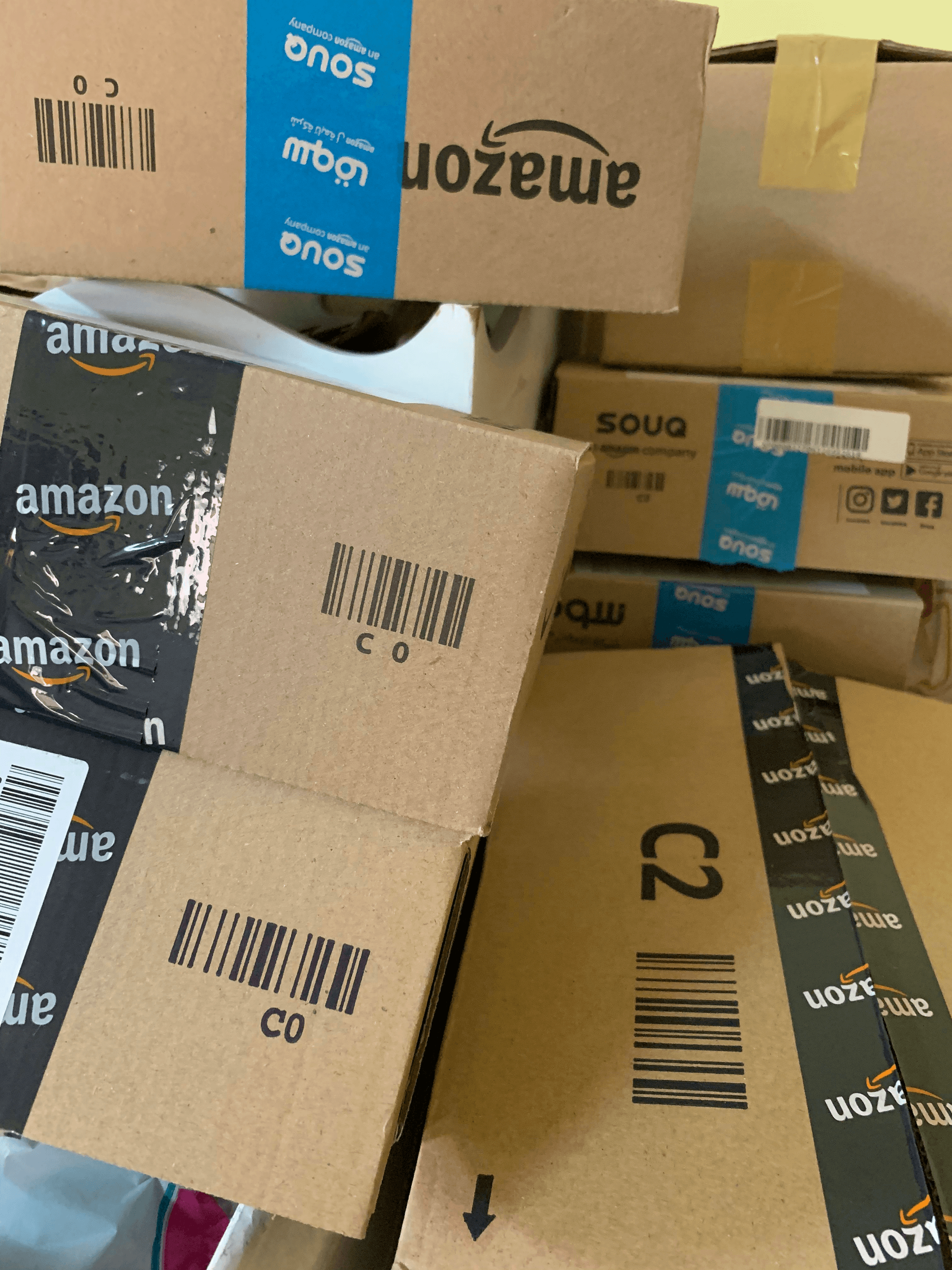
Understanding the Amazon SKU label size is crucial for sellers aiming to streamline their operations and enhance product visibility. The SKU (Stock Keeping Unit) label serves as a unique identifier, allowing Amazon's system to track inventory efficiently. Getting the size right can make a significant difference in how products are perceived and handled throughout the supply chain.
Definition and Significance
An Amazon SKU label size refers to the specific dimensions of the labels used on products sold through Amazon's platform. These labels not only contain essential information like barcodes and product details but also play a vital role in logistics and inventory management. A well-defined SKU label size ensures that items are easily scanned, minimizing errors during shipping and fulfillment processes.
Common Dimensions to Consider
Standard sizes often range from 1 x 2 for smaller items up to 4 x 6 for larger packages, depending on what fits best with your branding and packaging design. Choosing an appropriate size is essential; if the label is too small or too large, it can lead to common labeling mistakes that hinder efficient SKU labeling.
How Size Affects Scanning and Visibility
The size of your Amazon SKU label can significantly impact both scanning efficiency and product visibility on retail shelves or warehouses. If a label is too small, scanners may struggle to read barcodes accurately, leading to delays in processing orders or tracking inventory levels correctly. Conversely, oversized labels can obscure important product information or clash with branding aesthetics—defeating the purpose of efficient SKU labeling altogether.
Factors Influencing Label Size Choice
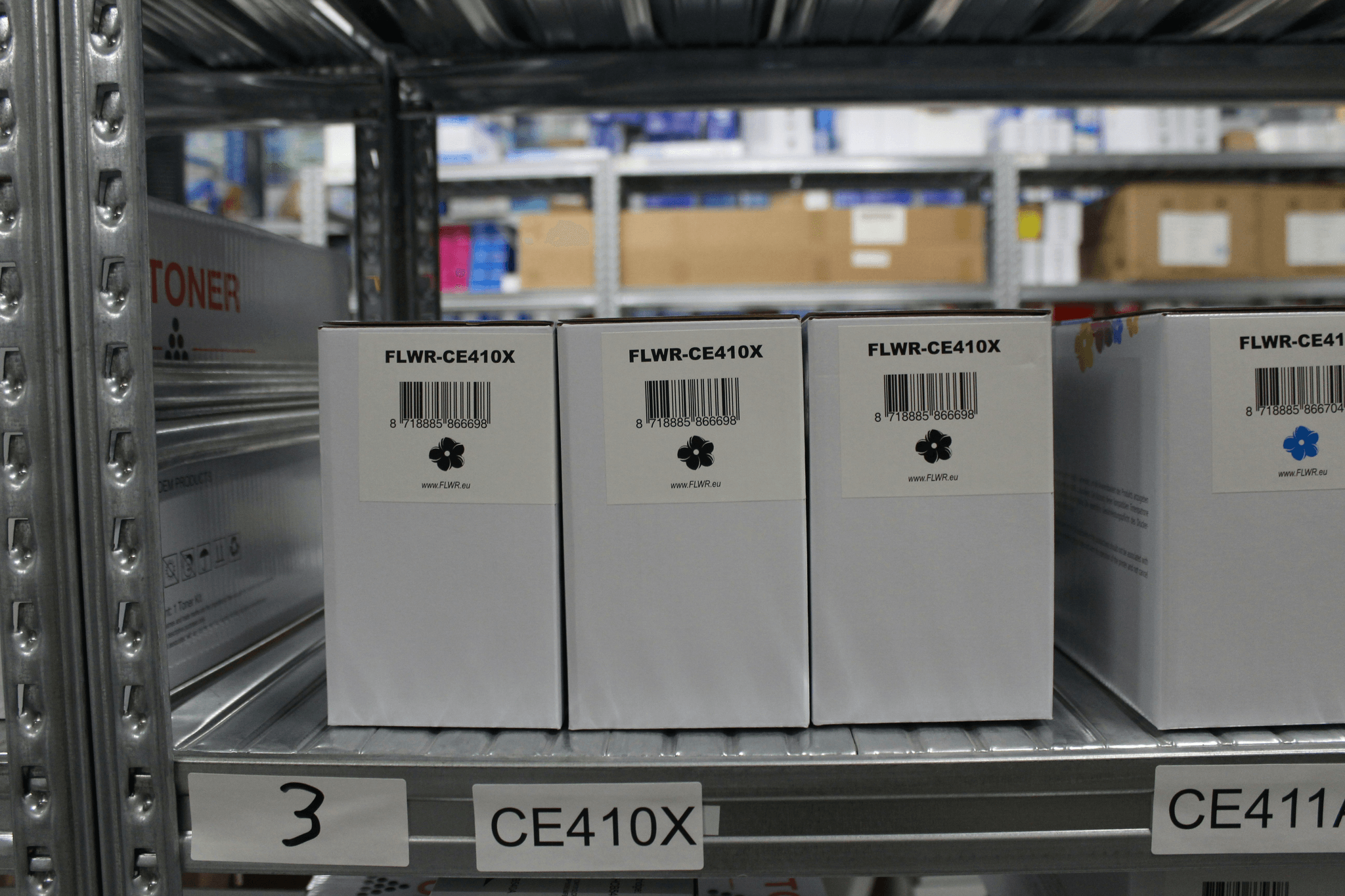
Product Dimensions and Packaging
The first factor to consider is the actual dimensions of your product and its packaging. If you have a bulky item, a larger Amazon SKU Label Size may be necessary to ensure that all essential information is displayed clearly without overwhelming the package. Conversely, smaller products might call for more compact labels that still adhere to Amazon's guidelines while maintaining legibility.
Additionally, the shape of your packaging plays a critical role in label size selection. Rounded or irregularly shaped packages may require custom label sizes to fit properly, while standard boxes allow for easier placement of traditional-sized labels. By aligning your label size with product dimensions and packaging style, you can enhance scanning efficiency and reduce the risk of common labeling mistakes to avoid.
Shipping Requirements and Regulations
Shipping requirements are another vital consideration when determining your Amazon SKU Label Size. Different carriers have specific regulations regarding label visibility, which means you’ll need to ensure that the size of your labels complies with these standards for smooth transit and delivery processes. A well-chosen label size not only meets shipping requirements but also contributes to efficient SKU labeling practices by providing clear barcodes that are easy for scanners to read.
Moreover, international shipments may introduce additional complexities regarding label sizes due to varying regulations in different countries. Ensuring compliance with both local and international shipping standards will help you avoid costly delays or returns caused by incorrect labeling practices. By keeping shipping regulations in mind when selecting an Amazon SKU Label Size, you'll streamline logistics while enhancing customer satisfaction.
The Role of Branding and Design
Branding is more than just a logo; it's about creating an identity that resonates with consumers—and this extends into how you choose your Amazon SKU Label Size as well! A well-designed label not only conveys essential information but also reinforces brand recognition through cohesive visual elements like colors, fonts, and imagery. Finding the right balance between an attractive design and an appropriate label size can help make sure your products stand out while still being compliant with Amazon's guidelines.
However, be cautious not to let branding overshadow functionality; if a beautifully designed label is too small or poorly placed, it could lead to scanning issues or misinterpretation by customers—common labeling mistakes to avoid! Therefore, consider testing various designs at different sizes before settling on one that captures both aesthetics and practicality effectively. Striking this balance will contribute significantly toward achieving efficient SKU labeling across all platforms.
Common Labeling Mistakes to Avoid

When it comes to efficient SKU labeling, avoiding common pitfalls can save you time, money, and a whole lot of frustration. Many sellers underestimate the importance of getting the Amazon SKU Label Size just right, leading to errors that could jeopardize their products' visibility and compliance. Let’s dive into some of the most frequent labeling mistakes so you can steer clear of them.
Overly Small or Large Labels
One of the most prevalent mistakes in efficient SKU labeling is opting for labels that are either too small or too large. If your Amazon SKU Label Size is too small, important information may become illegible or may not scan properly at all, causing delays in processing and fulfillment. Conversely, oversized labels can overwhelm your product packaging, making it look cluttered and unprofessional while also risking peeling or damage during shipping.
Finding the Goldilocks zone—just the right size—is crucial for maintaining clarity and compliance with Amazon's guidelines. You want your labels to be easily readable without detracting from your branding efforts. Remember that an optimal label size not only helps with scanning but also enhances overall presentation.
Incorrect Label Placement
Label placement might seem trivial at first glance, but it plays a significant role in how well your products are received by both Amazon's systems and customers alike. Placing your Amazon SKU Label Size incorrectly can lead to scanning errors and misplacement during fulfillment processes—definitely not ideal if you're looking for smooth sailing!
To avoid this mistake, always ensure that labels are affixed flatly on a clean surface that's readily visible; this will help scanners read them efficiently without any hiccups. Additionally, consider how customers will view your product: proper placement can enhance aesthetics while ensuring functionality.
Ignoring Amazon’s Guidelines
Amazon has specific guidelines regarding label sizes and placements that many sellers overlook at their peril. Ignoring these guidelines not only risks delays in getting your products listed but could also result in penalties or even removal from selling privileges on the platform—yikes!
Staying updated on these requirements is essential for efficient SKU labeling; they’re designed to streamline operations for both sellers and Amazon itself. Make it a habit to regularly check for any updates on labeling standards so you can keep yourself—and your business—in good standing.
Tips for Determining the Right Size

Finding the right Amazon SKU label size can be a bit of a balancing act, but with some careful strategies, you can nail it down efficiently. The key is to consider not just the product itself but also how it will be perceived and scanned in the real world. Here are some tips that will help you avoid common labeling mistakes and achieve efficient SKU labeling.
Measuring Your Products Effectively
To determine the perfect Amazon SKU label size, start with accurate measurements of your products. Use a tape measure or caliper to get precise dimensions, accounting for any unique shapes or packaging that could influence label placement. Remember, if your labels are too small or awkwardly sized, they may become hard to scan or read—leading to potential setbacks in sales.
Testing Different Label Sizes
Once you've gathered your measurements, it's time to experiment with various label sizes. Print out a few different options and apply them to your products to see which fits best without compromising visibility or scannability. This trial-and-error approach is crucial; finding that sweet spot can mean the difference between smooth operations and falling into common labeling mistakes that could hinder your sales on Amazon.
Seeking Expert Advice
If you're still feeling uncertain about choosing the right Amazon SKU label size after measuring and testing, don’t hesitate to seek expert advice. Professionals who specialize in efficient SKU labeling can provide insights tailored specifically for your product line and market needs. Leveraging their expertise can save you time and resources while ensuring compliance with Amazon's guidelines—ultimately helping you dodge those pesky common labeling mistakes.
How China Inspection Pro Can Help

Navigating the world of Amazon SKU Label Size can be daunting, but that's where China Inspection Pro comes in. Their expertise in quality checks ensures that your labels comply with Amazon's stringent requirements. By partnering with them, you can eliminate the guesswork and focus on what truly matters—growing your business.
Quality Checks for Label Compliance
Quality checks are essential when it comes to ensuring your labels meet Amazon's standards. China Inspection Pro meticulously examines every aspect of your SKU labels, from size to print clarity, helping you avoid common labeling mistakes to avoid that could jeopardize your product listings. With their thorough inspections, you can rest assured that each label will be compliant and ready for successful scanning at fulfillment centers.
Recommendations for Best Practices
In addition to quality checks, China Inspection Pro offers valuable recommendations for best practices in efficient SKU labeling. They understand the nuances of Amazon SKU Label Size and provide insights into optimal dimensions based on your specific products and packaging needs. By implementing their suggestions, you can enhance visibility and ensure that your labels not only comply but also stand out on the shelves.
Ensuring Your Labels Meet Standards
Ensuring that your labels meet industry standards is crucial for maintaining a seamless supply chain process on Amazon. China Inspection Pro helps you navigate through the complexities of label requirements by providing guidance tailored to your product category and shipping regulations. This proactive approach minimizes risks associated with common labeling mistakes to avoid while maximizing efficiency in SKU labeling.
Conclusion

In the world of e-commerce, particularly on platforms like Amazon, understanding the nuances of Amazon SKU Label Size is crucial for success. Accurate labeling not only enhances product visibility but also streamlines operations, ensuring that your items reach customers without a hitch. By focusing on efficient SKU labeling practices, you can significantly reduce the chances of errors that might lead to costly delays or returns.
Key Takeaways on SKU Labeling
When it comes to Amazon SKU Label Size, the most important takeaway is that size matters—literally! The right dimensions can make all the difference in how easily your products are scanned and identified throughout the shipping and storage process. Additionally, always be mindful of common labeling mistakes to avoid; these pitfalls can lead to miscommunication and inefficiencies in your supply chain.
Avoiding Mistakes for Success
To steer clear of common labeling mistakes to avoid, it's essential to prioritize proper label placement and size according to your product's specifications. An overly small label may be difficult to scan, while a large one could obscure vital information or even detract from your branding efforts. Remember that efficient SKU labeling isn't just about aesthetics; it’s about functionality too!
Next Steps in Your Labeling Journey
As you embark on refining your approach to Amazon SKU Label Size, consider conducting thorough measurements of your products and experimenting with different label sizes until you find what works best for you. Don’t hesitate to seek expert advice if you're unsure—sometimes an outside perspective can reveal insights you might have overlooked. With these steps in mind, you're well on your way toward mastering efficient SKU labeling and enhancing your overall e-commerce strategy.