
Introduction
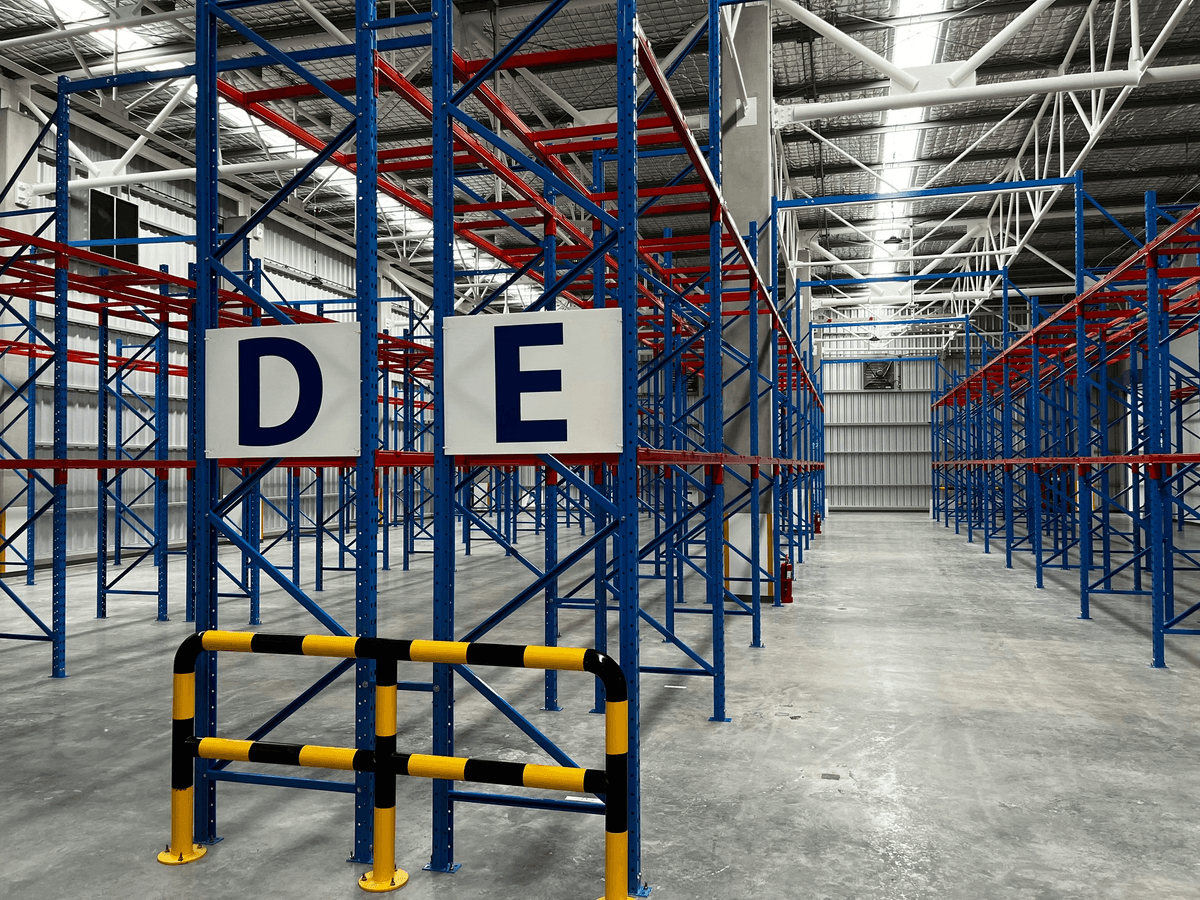
In the intricate world of logistics, the layout of a warehouse is not merely an afterthought; it’s a foundational element that can significantly influence Product Quality Outcomes. A well-organized warehouse can streamline operations, enhance efficiency, and ultimately lead to better product quality. However, understanding why warehouse conditions shape these outcomes is crucial for businesses aiming to maintain high standards in their supply chain.
Understanding Warehouse Layout's Importance
The layout of a warehouse dictates how products are stored, handled, and transported within its confines. An efficient design minimizes unnecessary movement and optimizes space utilization, which is essential for maintaining high-quality standards. Poorly planned warehouses can lead to chaos, resulting in delays and increased risk of damage or contamination—an outcome nobody wants when striving for excellence.
The Connection Between Layout and Product Quality
The connection between layout and product quality cannot be overstated; it acts as the backbone for operational success. When items are stored in logical sequences with easy access routes, it not only speeds up order fulfillment but also reduces the chances of mishandling that could compromise product integrity. Thus, a strategic approach to flow and handling directly correlates with achieving optimal Product Quality Outcomes.
Overview of Hidden Risks in Warehousing
While many focus on visible aspects of warehousing like inventory levels or shipping times, hidden quality risks lurk beneath the surface that can derail even the best-laid plans. These risks may stem from inadequate environmental control or poor organizational practices that fail to address potential contamination sources effectively. Recognizing these hidden dangers is essential for businesses looking to enhance their operations while safeguarding product quality.
Why Warehouse Conditions Shape Product Quality Outcomes
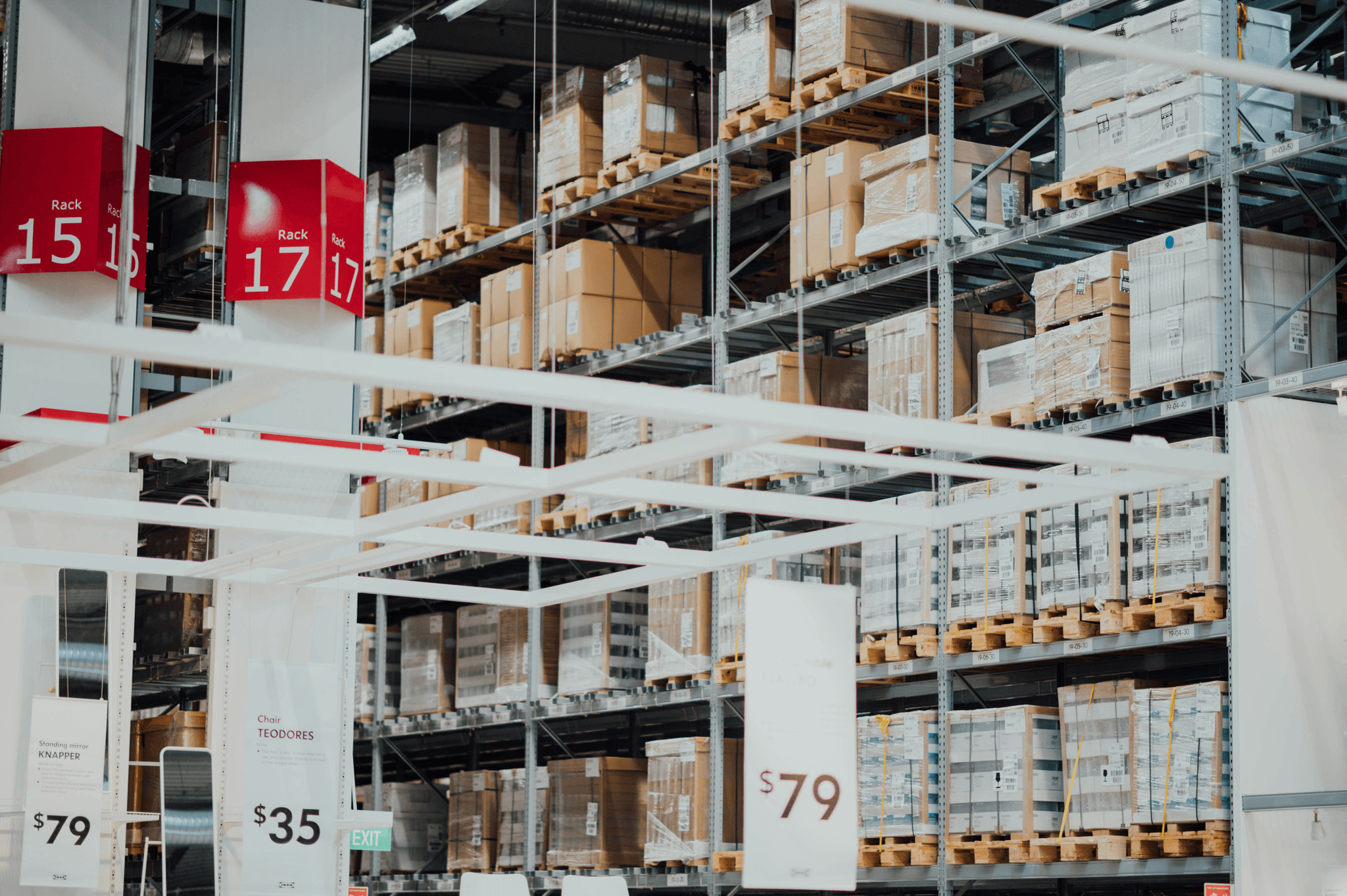
Warehouse conditions are pivotal in determining Product Quality Outcomes. Temperature and humidity levels can drastically influence how products are stored, affecting their integrity and longevity. This section delves into the nuances of these environmental factors and their profound impact on overall product quality.
The Impact of Temperature and Humidity
Temperature fluctuations can wreak havoc on sensitive products, particularly perishables or electronics. For instance, a warehouse that is too hot may lead to spoilage, while excessive cold can cause materials to become brittle or unusable. Maintaining optimal humidity levels is equally crucial; high humidity can foster mold growth and deterioration, ultimately undermining the very essence of what strong warehouse organization looks like.
Moreover, understanding why warehouse conditions shape product quality outcomes goes beyond just temperature control; it encompasses the entire storage environment. Implementing advanced climate control systems not only safeguards products but also ensures compliance with industry standards. As companies strive for excellence in handling operations, they must prioritize environmental controls that directly impact product quality.
Consequences of Poor Air Quality
Poor air quality within a warehouse setting often leads to hidden quality risks in warehouse operations that may not be immediately apparent. Contaminants such as dust or chemical fumes can compromise product safety, leading to costly recalls or customer dissatisfaction. Furthermore, inadequate ventilation can exacerbate the situation by trapping pollutants that degrade both the working environment and the products stored within it.
When air quality is neglected, it undermines all efforts made toward achieving optimal Product Quality Outcomes. Employees are also affected—poor air conditions can lead to decreased productivity and increased health issues among staff members who handle the products daily. Thus, organizations must consider air quality as a central component of their strategy for ensuring high-quality outcomes.
Examples from Amazon’s Fulfillment Centers
Amazon's fulfillment centers provide a fascinating look into how warehouse conditions shape product quality outcomes through meticulous attention to detail in their operations. The company leverages advanced technology to monitor temperature and humidity levels continuously—ensuring that every item remains in peak condition until it reaches customers' doorsteps. By prioritizing these environmental factors alongside flow and handling design, Amazon effectively mitigates hidden risks associated with poor storage practices.
Moreover, Amazon’s commitment to maintaining air quality through state-of-the-art filtration systems exemplifies how serious operators take this aspect of warehousing seriously—recognizing its direct impact on product integrity and customer satisfaction alike. Their approach illustrates what strong warehouse organization looks like when it comes to safeguarding against potential pitfalls in supply chain management. Ultimately, these examples underscore how critical environmental control is for achieving desired Product Quality Outcomes across various sectors.
Hidden Quality Risks in Warehouse Operations
In the bustling world of warehousing, hidden quality risks can lurk in the shadows, ready to undermine product quality outcomes. Understanding these risks is crucial for maintaining high standards and ensuring customer satisfaction. This section will explore common sources of contamination, the role of inadequate space utilization, and case studies from Target's supply chain that highlight these challenges.
Common Sources of Contamination
Contamination is a sneaky adversary in warehouse operations that can severely impact product quality outcomes. The most common culprits include dust, pests, and cross-contamination from improperly stored items. For instance, food products stored near chemicals can lead to disastrous consequences if not managed properly—demonstrating why warehouse conditions shape product quality outcomes so significantly.
Moreover, improper cleaning protocols can exacerbate contamination issues; if warehouses aren't regularly sanitized, they become breeding grounds for bacteria and mold. Employees must be trained to recognize potential contamination sources to mitigate these hidden quality risks in warehouse operations effectively. By implementing stringent hygiene practices and monitoring storage conditions closely, warehouses can protect their inventory and maintain high-quality standards.
The Role of Inadequate Space Utilization
Inadequate space utilization isn't just a logistical nightmare; it’s a significant factor affecting product quality outcomes as well. When warehouses are overcrowded or poorly organized, it creates opportunities for damage during handling or transport within the facility. For example, products stacked too high may topple over or become crushed—highlighting how critical flow and handling strategies are to maintaining product integrity.
Additionally, inefficient layouts can hinder accessibility to goods that require specific environmental controls like temperature regulation or humidity management. This lack of organization often leads to delays in retrieving items that need immediate attention—ultimately compromising their quality and safety standards. By prioritizing strong warehouse organization principles and optimizing space utilization effectively, businesses can significantly reduce hidden quality risks in warehouse operations.
Case Studies from Target’s Supply Chain
Target's supply chain offers insightful case studies demonstrating how hidden quality risks have been identified and addressed successfully over time. In one instance, Target faced challenges with perishable goods due to inadequate temperature controls within their distribution centers—a clear reminder of how environmental control directly impacts product quality outcomes. By investing in advanced monitoring systems that provide real-time data on temperature fluctuations, Target was able to enhance their operational efficiency while safeguarding the integrity of their products.
Another case involved addressing contamination through better organization practices after discovering pests infiltrating certain sections of their warehouses due to cluttered storage areas filled with outdated inventory. Implementing a more structured approach not only improved cleanliness but also reduced the risk of cross-contamination among different categories of products—showcasing how what strong warehouse organization looks like directly correlates with improved overall product safety.
Through these examples from Target’s supply chain operations, we see firsthand how addressing hidden risks through enhanced flow design and rigorous inspection protocols contributes positively toward achieving better product quality outcomes across the board.
The Role of Flow, Handling, and Space Design
In the world of warehousing, the flow of products through a facility is paramount to achieving optimal Product Quality Outcomes. An efficient warehouse layout not only minimizes unnecessary handling but also ensures that products move seamlessly from receiving to storage and ultimately to shipping. By understanding how flow, handling, and space design interact, warehouses can mitigate Hidden Quality Risks in Warehouse Operations that may compromise product integrity.
Designing Efficient Pathways for Products
Creating efficient pathways for products is essential for maintaining high standards in product quality outcomes. When pathways are designed with clarity and purpose, it reduces the chances of damage during transit within the warehouse. Additionally, well-planned routes minimize congestion and enhance productivity by allowing workers to navigate easily without unnecessary detours or obstacles.
Moreover, effective flow design can significantly influence environmental control and its direct impact on quality. For instance, strategically placed storage areas can help regulate temperature and humidity levels more effectively by reducing air circulation disruption caused by frequent movement. This attention to detail not only safeguards product quality outcomes but also reinforces a strong organizational framework within the warehouse.
The Importance of Ergonomics in Handling
Ergonomics plays a vital role in ensuring that handling practices align with both worker safety and product quality outcomes. When employees are required to lift heavy items or perform repetitive tasks without ergonomic considerations, it can lead to fatigue or injury—ultimately affecting their efficiency and attention to detail during handling processes. By prioritizing ergonomic designs in workstations and equipment placement, warehouses can reduce strain on employees while simultaneously enhancing their ability to maintain high-quality standards.
Furthermore, good ergonomic practices contribute directly to minimizing Hidden Quality Risks in Warehouse Operations by reducing the likelihood of mishandling products due to worker discomfort or distraction. For example, adjustable shelving units allow workers to access items without excessive bending or stretching, leading to fewer accidents that could compromise product integrity during handling. In essence, investing in ergonomics pays dividends not only for workforce morale but also for ensuring consistent quality control beyond layout specifications.
Insights from IKEA's Warehouse Strategies
IKEA has long been recognized for its innovative approaches in optimizing warehouse operations through thoughtful space design and flow management strategies that prioritize Product Quality Outcomes. Their facilities often feature open layouts that streamline movement while providing ample space for both storage and picking activities—balancing efficiency with effective environmental control measures like temperature regulation systems tailored specifically for sensitive goods.
Additionally, IKEA’s commitment to strong warehouse organization models demonstrates how proper planning can address Hidden Quality Risks in Warehouse Operations effectively. They utilize modular shelving systems that adapt easily as inventory fluctuates while maintaining clear pathways throughout their warehouses—a strategic choice that enhances both employee safety and overall product integrity during transit.
By examining IKEA's successful strategies regarding flow design and ergonomics within their warehousing operations, other organizations can glean valuable insights into creating an environment where product quality outcomes thrive alongside operational efficiency.
Environmental Control and Its Direct Impact on Quality
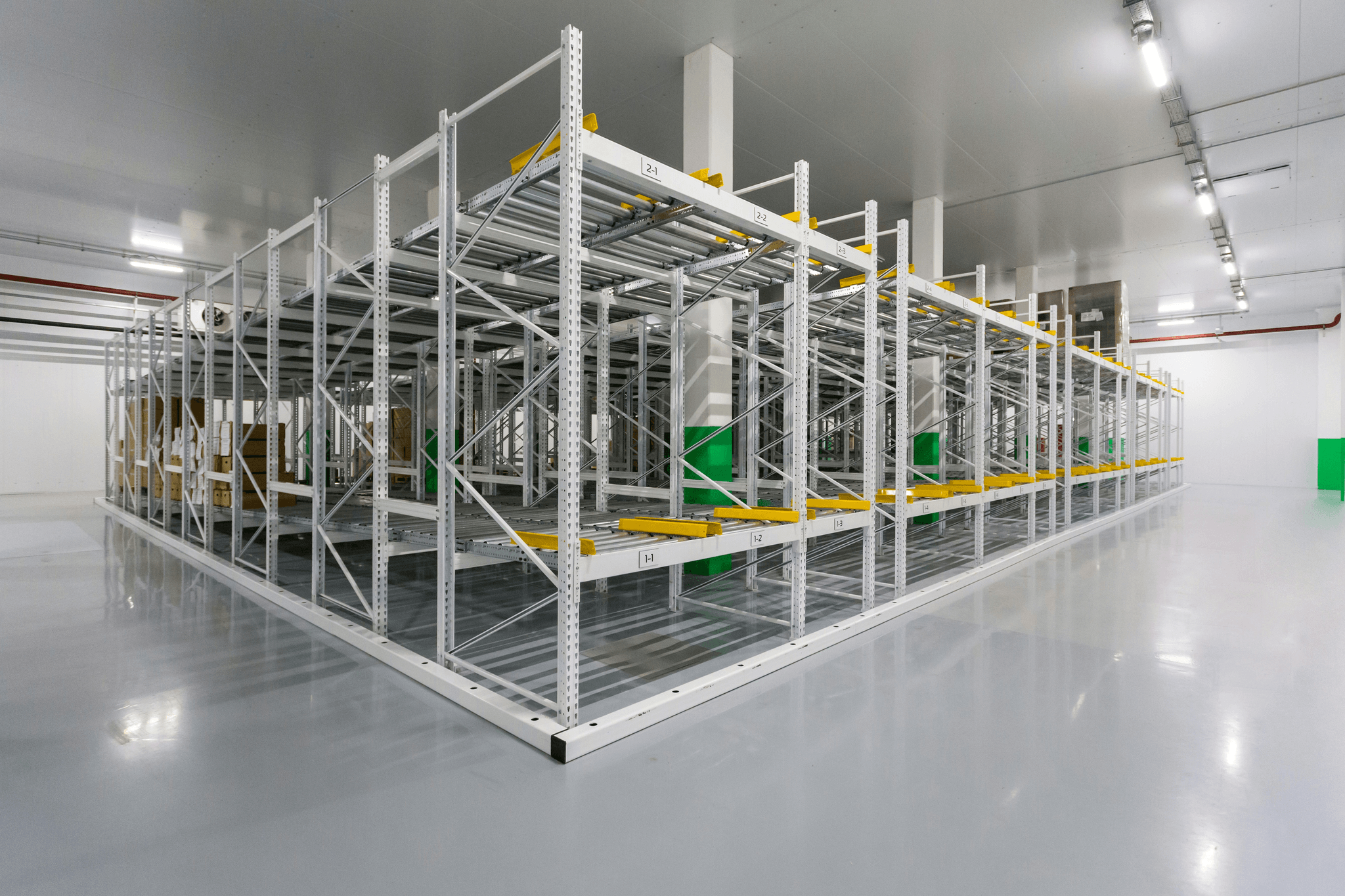
In the world of warehousing, environmental control is a key player in determining product quality outcomes. From temperature fluctuations to humidity levels, the conditions within a warehouse can either safeguard or jeopardize the integrity of stored goods. Understanding why warehouse conditions shape product quality outcomes is crucial for maintaining high standards and minimizing hidden quality risks in warehouse operations.
Best Practices for Maintaining Conditions
To ensure optimal environmental control, best practices must be established and adhered to diligently. Regular monitoring of temperature and humidity levels is essential; implementing automated systems can help maintain these variables within acceptable ranges, thereby directly impacting product quality outcomes. Additionally, using proper insulation and ventilation systems not only creates a stable environment but also mitigates hidden quality risks in warehouse operations related to spoilage or degradation.
Another critical aspect is routine inspections of storage areas to identify potential sources of contamination or deterioration. By fostering an organizational culture that prioritizes cleanliness and orderliness—what strong warehouse organization looks like—companies can further enhance their environmental control efforts. Training staff on the importance of these practices helps reinforce accountability, ensuring that everyone plays a part in maintaining optimal conditions.
How Lighting Affects Product Integrity
Lighting may seem like an afterthought when considering environmental control, but its impact on product integrity cannot be underestimated. Poor lighting can lead to mismanagement of products due to visibility issues, which ultimately affects how items are handled and stored—key elements in understanding the role of flow, handling, and space design in warehousing operations. Proper lighting not only enhances safety but also ensures that products are easily identifiable during picking processes.
Moreover, specific types of products may require specialized lighting conditions; for instance, certain foods or pharmaceuticals might degrade under UV light exposure. Therefore, understanding how lighting affects product quality outcomes is essential for warehouses aiming to uphold high standards across diverse inventories. By integrating advanced lighting solutions tailored to various goods’ needs, warehouses can significantly reduce hidden quality risks while improving overall operational efficiency.
Case Examples from Walmart’s Warehouses
Walmart has long been recognized as a leader in supply chain management and environmental control practices within its warehouses. Their commitment to maintaining optimal conditions is evident through their use of state-of-the-art HVAC systems designed specifically for different types of products—ensuring that temperature-sensitive items remain uncompromised throughout storage periods. This approach exemplifies why warehouse conditions shape product quality outcomes by directly addressing potential threats posed by environmental factors.
Additionally, Walmart’s strategic implementation of LED lighting across its facilities has proven beneficial—not only does it reduce energy costs but also minimizes heat emissions that could affect sensitive inventory items. These case examples highlight what strong warehouse organization looks like when integrated with effective environmental controls; they serve as a blueprint for other businesses seeking similar success stories in optimizing their operations.
In conclusion, the direct impact of environmental control on product quality outcomes cannot be overstated—it’s essential for safeguarding inventory integrity while reducing hidden quality risks in warehouse operations through effective management strategies.
What Strong Warehouse Organization Looks Like
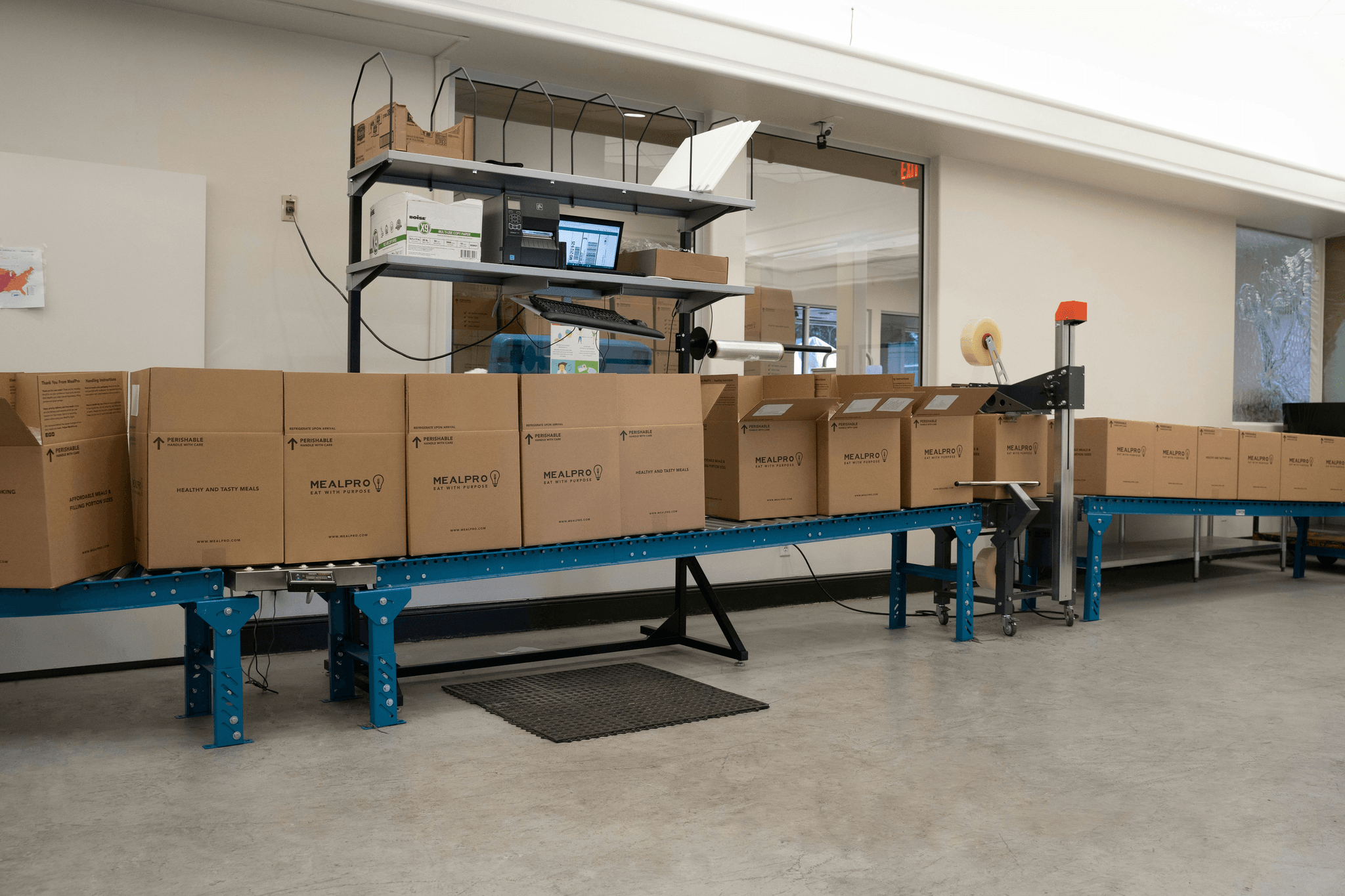
In the fast-paced world of logistics, strong warehouse organization is not just a luxury; it’s a necessity that directly influences Product Quality Outcomes. An efficient setup minimizes errors, enhances productivity, and ultimately ensures that products reach consumers in optimal condition. When warehouses are well-organized, they can effectively mitigate Hidden Quality Risks in Warehouse Operations, leading to better overall performance.
Features of an Efficient Warehouse Setup
A well-structured warehouse features clearly defined zones for receiving, storage, picking, and shipping to streamline operations. This layout promotes The Role of Flow, Handling, and Space Design by reducing unnecessary movement and facilitating quick access to products. Additionally, the use of technology such as automated inventory systems helps maintain accuracy and efficiency while ensuring that environmental control measures are consistently applied.
Effective signage and labeling are crucial components of an efficient warehouse setup; they guide workers quickly to their destinations while minimizing confusion. Furthermore, ergonomic considerations—like adjustable shelving and user-friendly equipment—enhance handling processes for employees. These features not only improve workflow but also play a significant role in shaping Product Quality Outcomes by ensuring that goods are handled properly throughout the supply chain.
The Connection Between Organization and Quality
The connection between organization and quality cannot be overstated; when a warehouse is organized efficiently, it reduces the likelihood of errors that can lead to product damage or contamination. This structured environment allows for better monitoring of environmental conditions which directly impacts product integrity—an essential aspect when considering Environmental Control and Its Direct Impact on Quality. By minimizing clutter and optimizing space utilization, warehouses can also limit exposure to Hidden Quality Risks in Warehouse Operations.
Moreover, organized warehouses facilitate quicker response times during quality inspections or audits—integral for maintaining high standards in product delivery. When employees know exactly where everything is located and how it should be handled, they’re more likely to adhere to best practices for quality control beyond layout considerations. Thus, strong warehouse organization serves as the backbone for achieving superior Product Quality Outcomes.
Success Stories from FedEx Operations
FedEx is a prime example of how strong warehouse organization leads to exceptional results in logistics management and product delivery systems. Their strategic approach incorporates advanced technology with meticulous organizational practices that enhance flow efficiency while mitigating potential risks associated with poor handling or storage conditions. By establishing clear pathways for movement within their facilities—the essence of The Role of Flow, Handling, and Space Design—they ensure swift operations without compromising on quality.
One noteworthy success story involves FedEx's commitment to continuous improvement through employee training programs focused on proper handling techniques tailored specifically towards maintaining product integrity during transit. As a result of these initiatives combined with effective Environmental Control measures within their warehouses, FedEx has consistently achieved impressive Product Quality Outcomes across various sectors including pharmaceuticals and perishables where quality is paramount.
In summary, these success stories illustrate how investing in strong warehouse organization not only enhances operational efficiency but also fortifies the overall quality assurance process—ultimately leading companies like FedEx toward remarkable achievements in logistics excellence.
Quality Control Beyond Layout
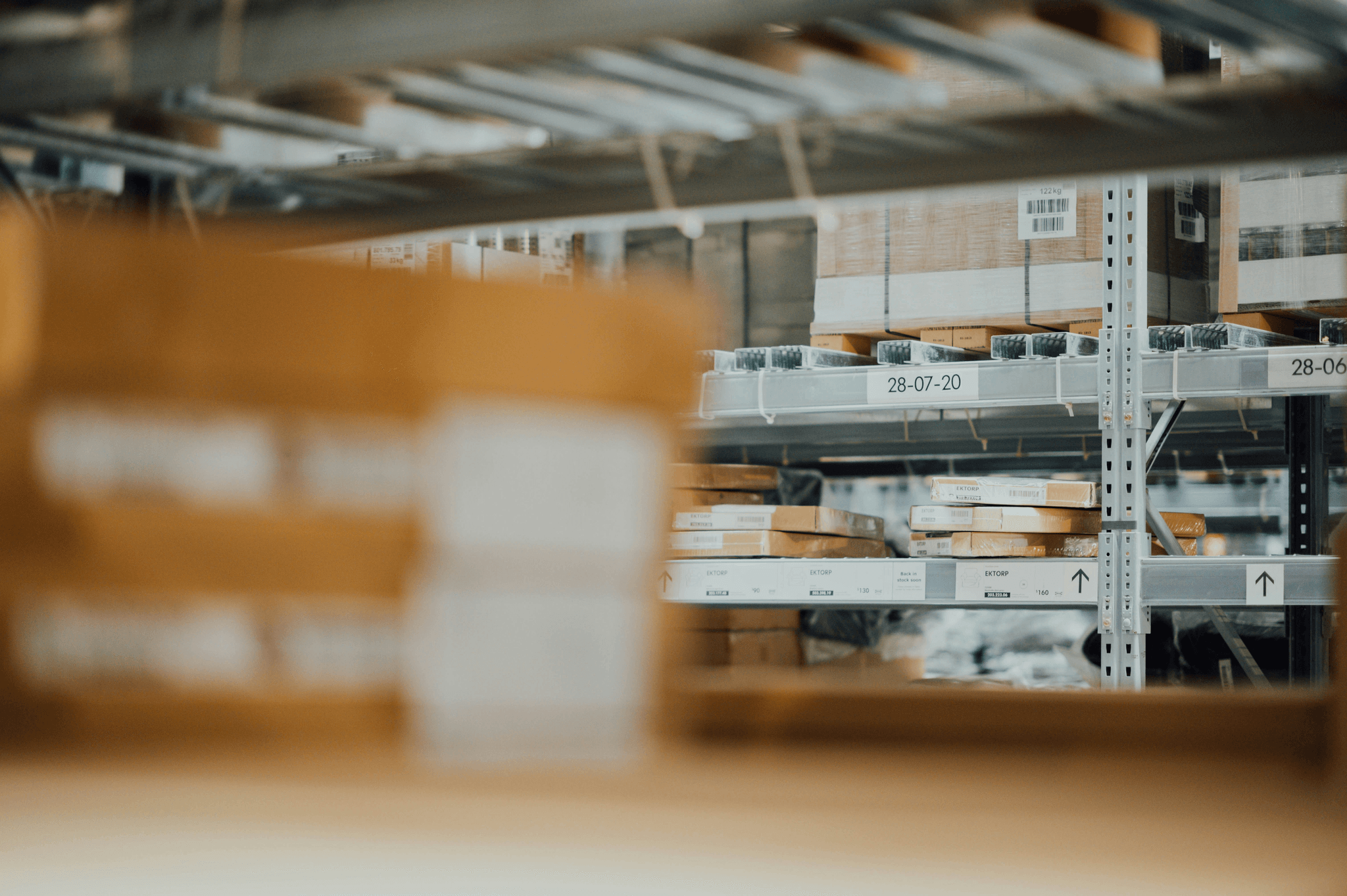
When it comes to ensuring product quality outcomes, the role of technology in quality assurance cannot be overstated. Modern warehouses are increasingly adopting advanced technologies such as automated inspection systems, real-time monitoring tools, and data analytics platforms. These innovations not only help in identifying defects early but also streamline processes that directly affect product integrity, thereby mitigating hidden quality risks in warehouse operations.
The Role of Technology in Quality Assurance
Technology serves as a critical backbone for maintaining high standards of product quality outcomes throughout the warehousing process. Automated systems can monitor environmental conditions such as temperature and humidity, ensuring that products are stored under optimal conditions—essentially addressing why warehouse conditions shape product quality outcomes. Furthermore, integrating machine learning algorithms can predict potential failures or issues before they arise, allowing for proactive measures to be taken.
Integrating Inspection Protocols with Layout
While layout is essential for efficient flow and handling, integrating robust inspection protocols into the design can significantly enhance overall effectiveness. By strategically placing inspection stations within the warehouse layout, organizations can ensure that products are consistently evaluated at key points in the supply chain. This integration not only helps identify hidden quality risks in warehouse operations but also reinforces what strong warehouse organization looks like by minimizing disruptions during workflow.
How China Inspection Pro Enhances Quality Outcomes
China Inspection Pro exemplifies how technology-driven solutions can enhance product quality outcomes across various sectors. Utilizing state-of-the-art inspection techniques and real-time reporting capabilities, the platform ensures that products meet stringent quality standards before they reach consumers. By leveraging such technologies within their operations, companies can effectively address environmental control and its direct impact on quality while minimizing potential risks associated with inadequate warehousing practices.
Conclusion
In the intricate world of warehousing, the layout is not just a matter of aesthetics; it fundamentally influences Product Quality Outcomes. The way products are stored, handled, and transported within a warehouse can either safeguard their integrity or expose them to various risks. By understanding Why Warehouse Conditions Shape Product Quality Outcomes, businesses can take proactive measures to mitigate hidden quality risks and enhance overall operational efficiency.
Recapping Warehouse Layout’s Impact
The layout of a warehouse serves as the backbone for maintaining high standards in product quality. When considering Hidden Quality Risks in Warehouse Operations, it's clear that poor design can lead to contamination, damage, or inefficient handling—all factors that directly affect the final product. A well-planned warehouse layout not only streamlines operations but also ensures that every item is treated with care from entry to dispatch, ultimately leading to better Product Quality Outcomes.
Strategies for Optimizing Product Quality
To truly optimize Product Quality Outcomes, organizations must adopt a multifaceted approach that encompasses various strategies. This includes implementing stringent environmental control measures to manage temperature and humidity effectively while also prioritizing The Role of Flow, Handling, and Space Design in daily operations. Moreover, investing in robust training programs for staff on best practices for handling products will create a culture focused on quality assurance throughout the supply chain.
Moving Forward with Warehouse Innovations
Looking ahead, embracing technology will be crucial in enhancing operational processes and ensuring consistent Product Quality Outcomes. Innovations such as automated inventory management systems and real-time monitoring tools can help identify potential issues before they escalate into significant problems related to Hidden Quality Risks in Warehouse Operations. As we explore new methodologies and technologies in warehousing management, it’s essential to remain committed to continuous improvement—ensuring that every aspect from flow design to quality control beyond layout is optimized for success.