
Introduction

In the fast-paced world of eCommerce, understanding apparel quality is not just a luxury; it’s a necessity. With consumers increasingly expecting high standards from their online purchases, businesses must navigate the complexities of product quality to thrive. This challenge becomes even more pronounced as brands face pressures from shorter product development cycles and a lack of visibility in their supply chains.
Understanding Apparel Quality in eCommerce
Apparel quality encompasses various factors, including fabric durability, stitching precision, and overall craftsmanship. In an era where online shopping dominates, ensuring high product quality can significantly influence customer satisfaction and repeat business. Yet, many brands struggle with inconsistent manufacturing standards that can lead to varying levels of quality across their collections.
The Impact of Product Quality on Brand Reputation
Product quality directly impacts brand reputation; one bad experience can tarnish a brand’s image in an instant. Customers are quick to share their opinions through reviews and social media, making it essential for brands to uphold stringent quality control measures. When product defects and quality issues arise, they not only affect sales but also damage customer trust—something that is hard to rebuild.
Key Challenges in Quality Control
Quality control is fraught with challenges that can undermine even the best intentions for maintaining high standards. The lack of visibility into production processes often leads to unforeseen problems such as product defects that slip through the cracks before reaching consumers. Additionally, scaling production while maintaining robust quality control systems requires strategic planning and collaboration with reliable suppliers who adhere to uniform manufacturing standards.
The Importance of Product Quality in Fashion

In the fast-paced world of fashion, product quality is not merely a checkbox on a list; it's the cornerstone of successful eCommerce. As brands strive to scale production while maintaining quality control, they face numerous challenges that can impact their reputation and profitability. Understanding the significance of product quality is essential for building trust and loyalty among customers while navigating a landscape filled with potential pitfalls.
Establishing Trust with Customers
Trust is the currency of eCommerce, especially in fashion where customers can't physically touch or try on products before purchasing. High product quality fosters confidence in consumers, assuring them that they are investing in items that meet their expectations. When brands consistently deliver quality products, it reduces the lack of visibility into manufacturing processes and builds a reliable relationship with their audience.
Enhancing Brand Loyalty through Quality
Quality isn't just about meeting standards; it's about creating an emotional connection with customers that keeps them coming back for more. Brands that prioritize product quality often find themselves rewarded with enhanced brand loyalty as satisfied customers share their positive experiences through word-of-mouth and social media. In an era where options abound, maintaining consistent manufacturing standards can differentiate a brand from its competitors, leading to repeat purchases and long-term success.
The Financial Implications of Poor Quality
The financial ramifications of neglecting product quality can be severe—think returns, refunds, and damaged reputations that take years to rebuild. A shorter product development cycle may tempt brands to cut corners, but this often leads to an increase in product defects and quality issues down the line. Ultimately, investing in robust quality control measures not only protects a brand's bottom line but also ensures sustainable growth by fostering customer satisfaction through excellence.
Shorter Product Development Cycle and Its Risks

In today's fast-paced fashion landscape, a shorter product development cycle is often seen as a competitive advantage. However, this rush can lead to significant risks, particularly regarding product quality. When brands prioritize speed over meticulousness, they may inadvertently compromise on the quality of their offerings, leading to customer dissatisfaction and potential damage to brand reputation.
Balancing Speed and Quality
Finding the sweet spot between speed and product quality is crucial for any fashion brand aiming for success in eCommerce. The pressure to quickly bring products to market can tempt companies into overlooking essential quality checks, resulting in inconsistent manufacturing standards that ultimately affect customer trust. To navigate this balancing act effectively, businesses must incorporate rigorous quality control measures that do not sacrifice speed but enhance it through structured processes.
Strategies to Maintain Product Integrity
To scale production while maintaining quality control, brands should adopt strategies that prioritize product integrity at every stage of development. This includes establishing clear guidelines for material selection and craftsmanship standards that align with their brand ethos. Additionally, fostering strong relationships with suppliers ensures that all parties are committed to upholding high-quality benchmarks throughout the manufacturing process.
The Role of Prototyping and Testing
Prototyping and testing play a pivotal role in mitigating risks associated with a shorter product development cycle by identifying potential defects early on. By creating prototypes before full-scale production, brands can assess design functionality and durability while ensuring alignment with consumer expectations regarding product quality. Furthermore, regular testing against industry standards helps maintain consistency across all products while addressing any emerging issues related to product defects and quality concerns before they reach the market.
Tackling the Lack of Visibility in Production
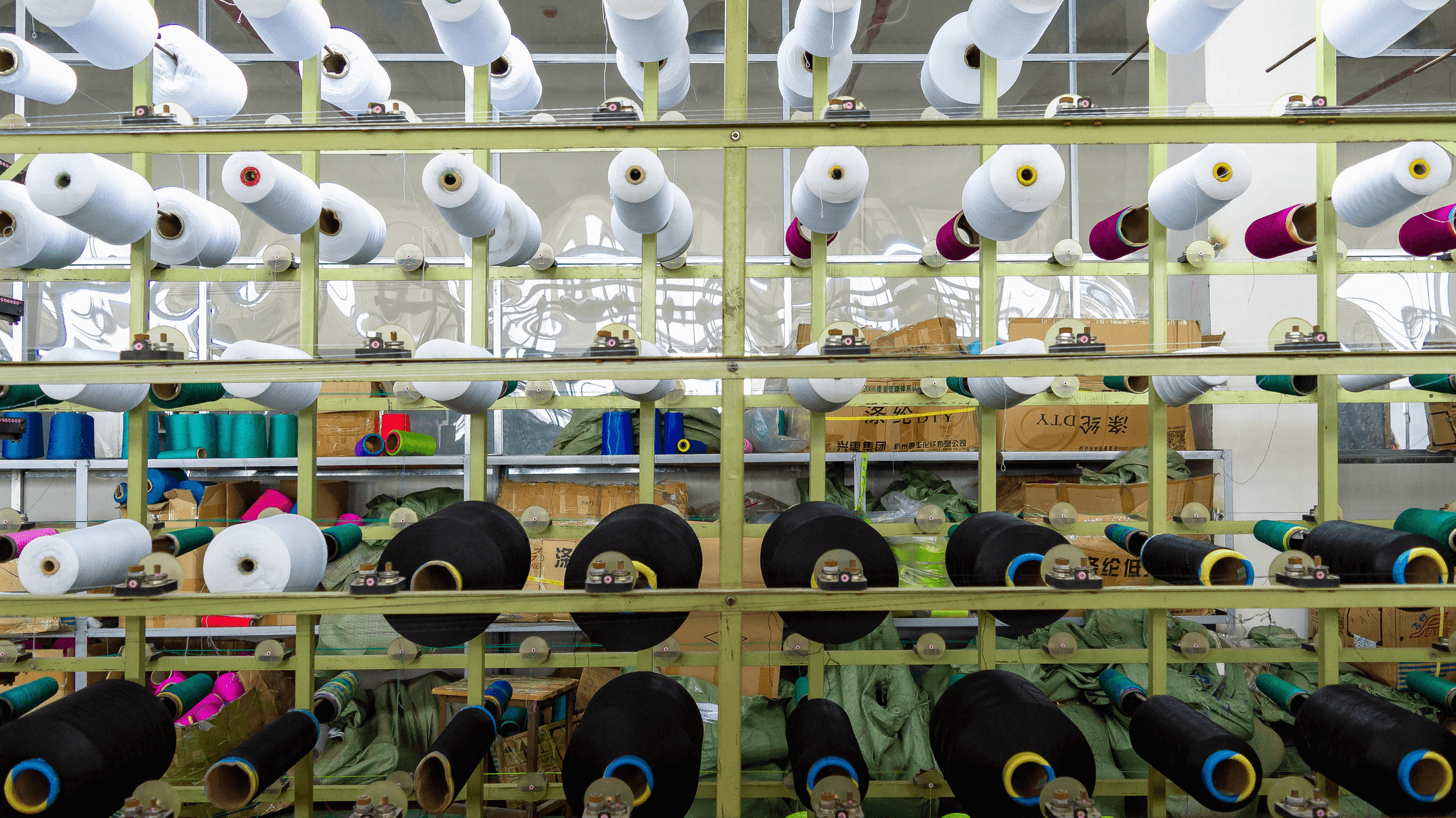
In the fast-paced world of eCommerce, tackling the lack of visibility in production is paramount for ensuring product quality. Without a clear view of every step in the supply chain, brands risk compromising on quality standards and facing significant product defects and quality issues. Transparency not only builds trust with consumers but also allows brands to scale production while maintaining stringent quality control.
The Need for Transparent Supply Chains
Transparent supply chains are essential for achieving high product quality in today’s market. When brands can see every facet of their manufacturing process, they can identify potential inconsistencies and address them before they escalate into serious problems. This visibility is particularly crucial when dealing with inconsistent manufacturing standards that often lead to varying levels of product quality across different batches.
Moreover, a transparent supply chain enables companies to foster better relationships with suppliers, ensuring everyone is on the same page regarding expectations for product quality. By prioritizing transparency, brands can mitigate risks associated with shorter product development cycles that often prioritize speed over quality. Ultimately, this leads to fewer product defects and enhances overall customer satisfaction.
Implementing Real-Time Quality Monitoring
Real-time quality monitoring systems are game-changers when it comes to addressing the lack of visibility in production processes. These systems provide immediate feedback on various aspects of manufacturing, allowing teams to catch potential flaws early on and reduce instances of product defects and quality issues significantly. By leveraging technology that tracks metrics related to production efficiency and material integrity, businesses can ensure they uphold their commitment to high product quality.
Implementing such monitoring solutions also helps streamline workflows during shorter product development cycles by providing actionable insights that inform decision-making processes quickly. This proactive approach not only improves operational efficiency but also reinforces brand reputation by consistently delivering products that meet or exceed customer expectations regarding quality standards. In turn, this fosters greater consumer loyalty as customers begin to associate your brand with reliability.
How Technology Can Bridge the Gap
Technology plays a pivotal role in bridging the gap caused by lack of visibility within production lines. Advanced tools such as AI-driven analytics and IoT devices enable real-time tracking and assessment throughout the manufacturing process, thus enhancing overall transparency about product quality management practices. These innovations allow brands to pinpoint areas where inconsistencies may arise due to varying manufacturing standards across different facilities or suppliers.
Furthermore, investing in technology like blockchain can provide an immutable record of each stage in the supply chain—making it easier for companies to trace back any issues related to product defects or inconsistencies directly to their source. This level of detail not only aids in resolving current problems but also helps prevent similar occurrences in future productions as businesses learn from past mistakes while scaling operations efficiently without sacrificing control over their products' integrity.
By embracing these technological advancements alongside a commitment to transparent practices, companies can effectively navigate challenges related to inconsistent manufacturing standards while maintaining high levels of customer satisfaction through superior product quality.
Inconsistent Manufacturing Standards
In the fast-paced world of eCommerce, inconsistent manufacturing standards can wreak havoc on product quality and brand reputation. With a shorter product development cycle, brands often rush to bring their latest creations to market, leading to variations in quality that can confuse consumers and damage trust. Establishing uniform quality benchmarks is essential for ensuring that every item meets the expected standards, regardless of where or how it was produced.
Establishing Uniform Quality Benchmarks
Uniform quality benchmarks serve as the foundation for maintaining product quality across diverse manufacturing environments. By setting clear expectations for materials, craftsmanship, and performance, brands can mitigate the risks associated with a lack of visibility in production processes. This consistency not only enhances customer satisfaction but also streamlines scaling production while maintaining quality control.
To implement these benchmarks effectively, companies should involve all stakeholders—from designers to suppliers—in the development process. Regular training sessions and detailed documentation can help ensure everyone is aligned with the brand’s quality goals. Ultimately, these efforts contribute to reducing product defects and quality issues that arise from inconsistent manufacturing practices.
Collaborating with Reliable Suppliers
Collaboration with reliable suppliers is crucial for achieving consistent manufacturing standards that uphold product quality. When brands partner with manufacturers who share their commitment to excellence, they create a synergy that fosters innovation while minimizing risks associated with production variability. This relationship becomes even more vital in an era marked by a shorter product development cycle.
Regular communication and feedback loops between brands and suppliers are essential for addressing any potential discrepancies in manufacturing processes early on. By conducting joint audits and sharing best practices, companies can enhance transparency within their supply chains—addressing the lack of visibility that often leads to problems down the line. As a result, this collaboration not only improves overall product quality but also builds stronger partnerships rooted in mutual success.
Ensuring Compliance with Industry Regulations
Ensuring compliance with industry regulations is another critical aspect of addressing inconsistent manufacturing standards while maintaining high product quality levels. Regulatory frameworks are designed to protect consumers from subpar goods; therefore, adhering to these guidelines helps prevent costly recalls due to product defects and quality issues. Brands must stay informed about evolving regulations across different markets as they scale production globally.
Implementing robust compliance checks within the supply chain ensures that every stage—from raw material sourcing to final assembly—meets industry standards consistently. Regular inspections paired with real-time monitoring technologies can significantly reduce instances of non-compliance by providing immediate feedback on potential issues before they escalate into larger problems impacting product integrity or brand reputation. Ultimately, this proactive approach allows companies to focus on delivering exceptional products without compromising safety or reliability.
Managing Product Defects and Quality Issues
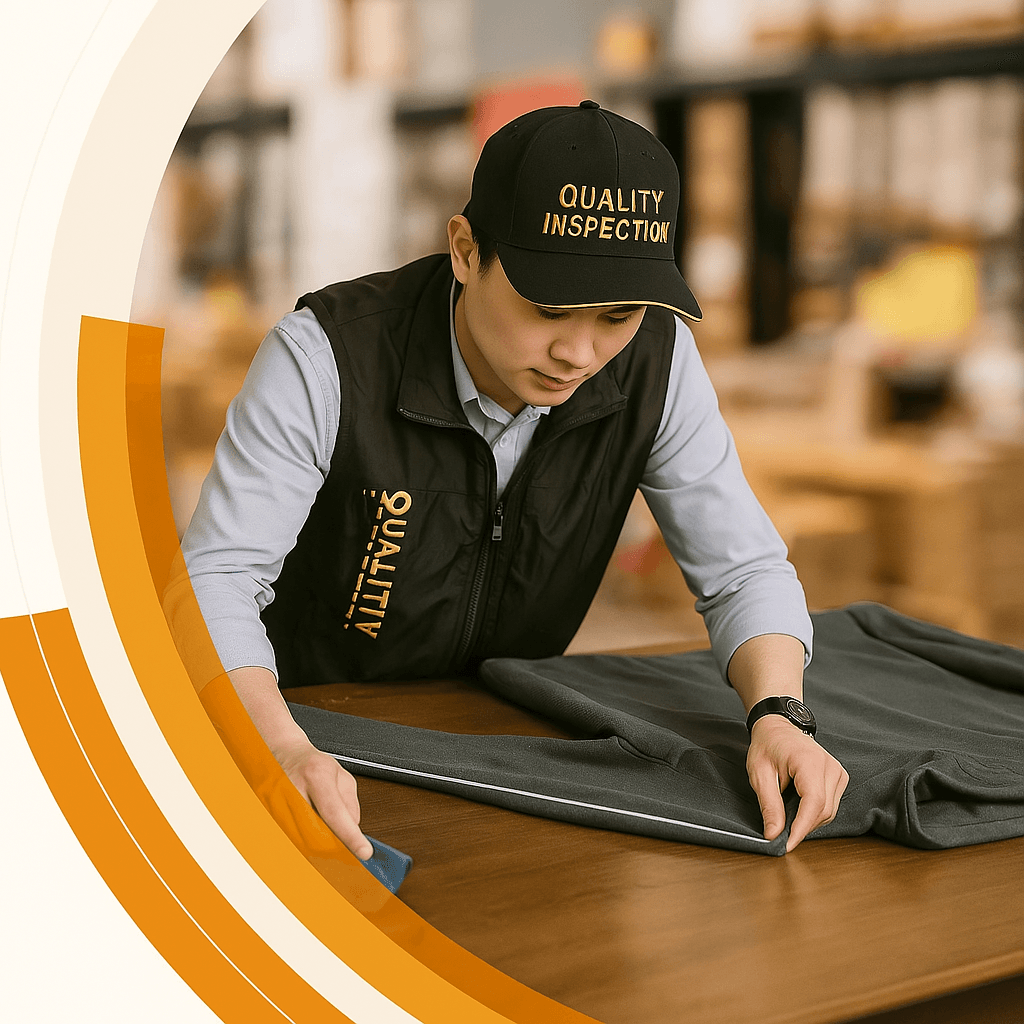
In the fast-paced world of eCommerce, managing product defects and quality issues is paramount to maintaining a strong brand reputation. With the increasing demand for quicker turnaround times, the risk of compromising product quality escalates, leading to potential customer dissatisfaction. Addressing these challenges requires a systematic approach that encompasses effective identification, inspection, and rectification of defects.
Identifying Common Defects in Apparel
Common defects in apparel can range from stitching errors to color inconsistencies, each impacting overall product quality significantly. These flaws not only diminish customer satisfaction but also pose a threat to brand loyalty in an era where consumers are more discerning than ever. By implementing rigorous quality control measures early in the production process, brands can identify these issues before they reach the consumer, thus preserving their reputation amidst a shorter product development cycle.
The Importance of Quality Inspection Services
Quality inspection services play a crucial role in ensuring that products meet established standards before they hit the market. These services help mitigate risks associated with inconsistent manufacturing standards by providing an extra layer of scrutiny throughout production. Moreover, regular inspections enable brands to maintain visibility into their supply chains—addressing any lack of visibility that could lead to costly mistakes or delays while scaling production.
Leveraging China Inspection Pro for Quality Control
China Inspection Pro is an invaluable resource for brands looking to enhance their quality control processes amidst complex supply chain dynamics. By leveraging their expertise, companies can tackle product defects and quality issues head-on while ensuring compliance with industry regulations and standards. This partnership not only aids in identifying potential pitfalls but also streamlines operations—allowing businesses to scale production while maintaining stringent quality control measures.
Conclusion

In the fast-paced world of eCommerce, ensuring product quality while scaling production is a delicate balancing act. As brands strive for efficiency, the shorter product development cycle often leads to challenges that can compromise quality. To navigate these complexities, businesses must adopt strategies that prioritize quality control without sacrificing speed.
Strategies for Scaling Production with Quality
To effectively scale production while maintaining quality control, brands should implement standardized processes across their supply chains. This involves establishing clear guidelines and consistent manufacturing standards that all suppliers must adhere to, minimizing the risk of product defects and quality issues. Additionally, investing in training programs for manufacturing teams ensures everyone is aligned on expectations regarding product quality.
Leveraging technology is another critical strategy; real-time monitoring tools can provide insights into production processes, allowing companies to identify inconsistencies early on. This proactive approach not only addresses the lack of visibility in production but also enables brands to make informed decisions swiftly. Ultimately, these strategies create a robust framework where scaling production does not come at the expense of product quality.
The Future of Quality Assurance in eCommerce
The future of quality assurance in eCommerce will likely hinge on increased automation and data-driven decision-making. With advancements in technology, brands can expect more sophisticated systems that monitor every stage of production, thereby reducing risks associated with inconsistent manufacturing standards and product defects. These innovations promise a landscape where transparency reigns supreme—consumers will have greater visibility into how their apparel is made and the measures taken to ensure its quality.
Moreover, as sustainability becomes a priority for consumers, brands will need to integrate eco-friendly practices into their quality assurance processes without compromising on standards. This focus on responsible manufacturing will not only enhance brand reputation but also foster trust among customers who value ethical practices alongside high-quality products. The evolution of these practices will redefine what consumers expect from their favorite brands.
Maintaining Customer Satisfaction Through Excellence
Customer satisfaction hinges significantly on perceived product quality; therefore, addressing any potential issues before they reach consumers is vital for success in eCommerce. By proactively managing product defects and implementing rigorous inspection services throughout the supply chain, businesses can uphold high-quality standards consistently. This commitment not only preserves brand loyalty but also translates into repeat purchases as customers come to trust that they will receive top-notch products every time.
Additionally, fostering open communication channels with customers allows brands to gather feedback and address concerns promptly—another key factor in maintaining satisfaction levels amid growth challenges like a shorter development cycle or inconsistent manufacturing standards. As companies continue to refine their approaches toward scaling production while prioritizing excellence in product quality, they will ultimately cultivate lasting relationships with their clientele built on trust and reliability.