
Introduction

Ensuring top-notch Oil Rig QC Inspection in China is essential for maintaining safety, efficiency, and longevity of offshore platforms. With the complex nature of oil rigs, a thorough inspection process—covering everything from visual inspections to mechanical assessments—is crucial to identify potential issues before they escalate. Companies that prioritize meticulous inspection procedures not only safeguard their assets but also boost operational confidence across the industry.
Ensuring Excellence in China Oil Rig QC Inspection
Achieving excellence in China Oil Rig QC Inspection requires a combination of rigorous standards and expert execution. Visual Inspections serve as the first line of defense, allowing inspectors to catch surface corrosion, structural damage, or safety signage issues early on. Mechanical Inspections delve deeper into critical components, detecting fatigue cracks or material degradation that could compromise rig integrity—making comprehensive Packaging Inspections equally vital to ensure equipment arrives intact and ready for use.
The Importance of Accurate Inspection Procedures on Offshore Platforms
Accurate inspection procedures are the backbone of offshore platform safety and performance; overlooking even minor flaws can lead to catastrophic failures at sea. Regular Oil Rig QC Inspection ensures that all elements—from visual checks to mechanical assessments—adhere strictly to regulatory standards and best practices. Properly executed inspections help prevent costly downtime, environmental hazards, and potential loss of life by catching problems early through detailed visual inspections, mechanical testing, and packaging evaluations.
How China Inspection Pro Elevates Oil Rig Quality Assurance
China Inspection Pro elevates oil rig quality assurance by offering specialized services tailored specifically for offshore rigs undergoing Oil Rig QC Inspection. Their expertise ensures that every aspect—from visual inspections for corrosion or damage to mechanical inspections for fatigue cracks—is performed with precision and compliance in mind. Additionally, their thorough Packaging Inspections guarantee that equipment arrives safely and ready for deployment—ultimately enhancing safety protocols and operational efficiency across Chinese offshore projects.
Understanding Oil Rig QC Inspection in China
Oil Rig QC Inspection plays a pivotal role in ensuring offshore platforms meet stringent safety and quality standards. In China, this process encompasses a thorough evaluation of various aspects, from visual inspections to mechanical assessments and packaging checks. These inspections serve as the backbone of offshore safety, helping prevent accidents and prolonging rig lifespan.
The core objectives of Oil Rig QC Inspection are to verify structural integrity, confirm compliance with international standards, and identify potential issues before they escalate. Visual Inspections form the first line of defense by examining surface conditions for corrosion or damage, while Mechanical Inspections delve deeper into critical components such as turbines and piping systems. Packaging Inspections also ensure that equipment arrives intact and ready for installation without damage during transit—an often overlooked but vital step in maintaining quality control.
Major Chinese inspection agencies like SGS and CCMC are instrumental in executing these comprehensive evaluations. They bring expertise in conducting detailed visual inspections, non-destructive testing techniques, and packaging verifications tailored to oil rigs' unique needs. These agencies help streamline the inspection process by adhering to regulatory standards governing offshore rig inspections, ensuring all aspects—from mechanical integrity to packaging—meet both local and international requirements.
Pre-Inspection Planning and Documentation

Getting ready for an Oil Rig QC Inspection in China isn’t just about showing up with a checklist; it’s about strategic planning that saves time and ensures nothing slips through the cracks. A solid pre-inspection plan involves meticulous documentation, clear communication channels, and detailed protocols that align with international standards. Without this groundwork, even the best Visual Inspections or Mechanical Inspections can miss critical issues or cause delays.
Detailed Inspection Checklists and Protocols
Creating comprehensive inspection checklists is the backbone of effective Oil Rig QC Inspection. These checklists should cover every aspect—from structural integrity to safety signage—ensuring all elements are scrutinized thoroughly during Visual Inspections and Mechanical Inspections. Well-designed protocols act as a roadmap, guiding inspectors through each step while maintaining consistency across different sites and teams.
Gathering Essential Technical Documentation from Manufacturers
Before stepping onto the offshore platform, inspectors need to gather all essential technical documentation from manufacturers—blueprints, material certificates, maintenance records, and compliance certifications are just the start. This documentation serves as a reference point during Packaging Inspections to verify that equipment arrives intact and meets Chinese regulatory standards. Having these documents on hand also streamlines follow-up actions if non-conformities are detected during the inspection process.
Scheduling and Coordination with Chinese Shipyards and Operators
Effective scheduling is key when coordinating between multiple stakeholders involved in Oil Rig QC Inspection in China. Clear communication with shipyards and operators helps align timelines for Visual Inspections, Mechanical Inspections, and Packaging Inspections—avoiding last-minute surprises that could compromise safety or quality standards. Proper coordination ensures inspections happen seamlessly within project deadlines while maintaining compliance with both local regulations and international best practices.
Visual Inspections on Oil Rigs
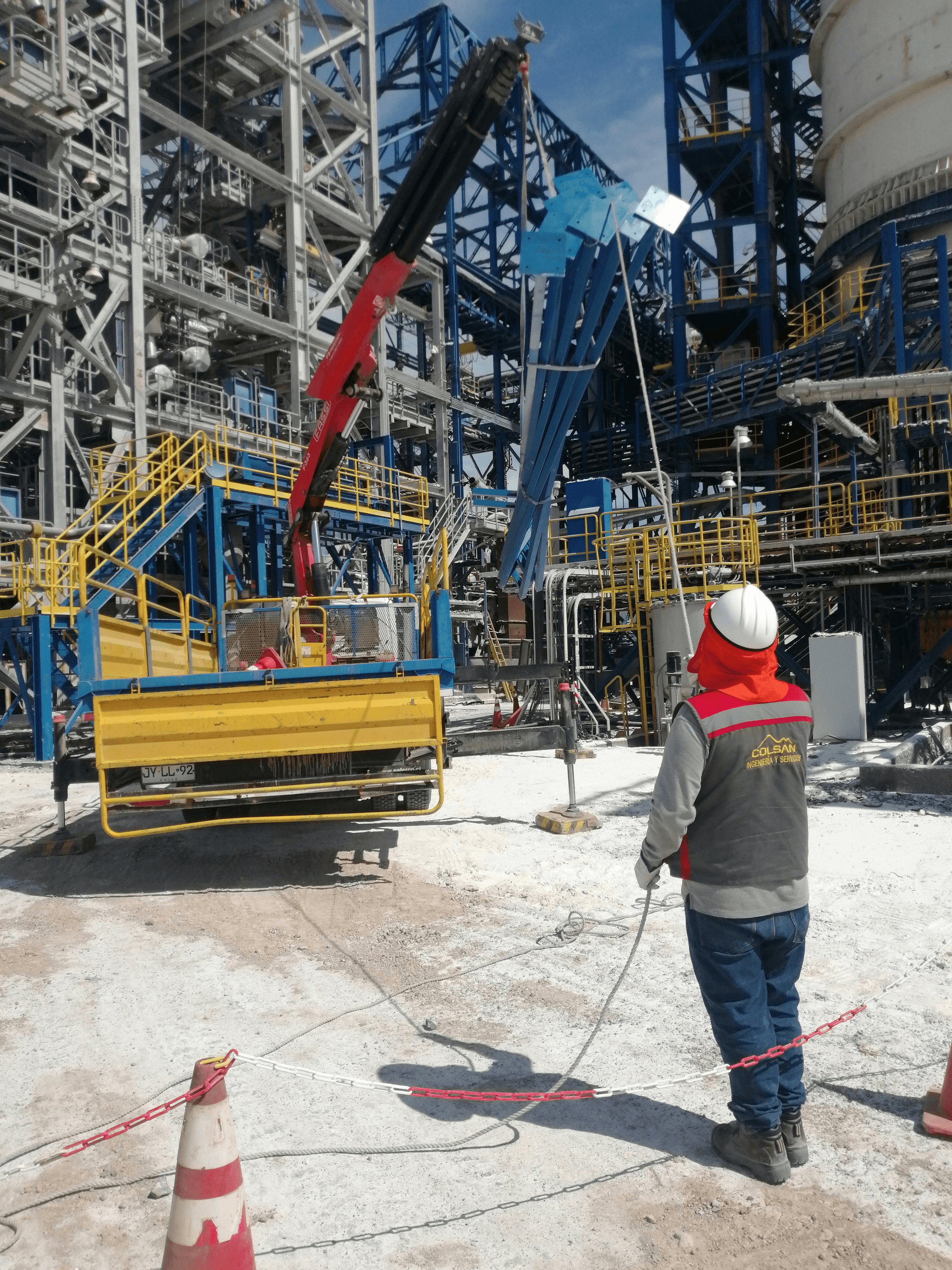
Visual inspections are the first line of defense in maintaining the integrity and safety of offshore platforms. During Oil Rig QC Inspection, inspectors rely heavily on keen eyes and specialized tools to spot issues that could compromise structural safety or operational efficiency. These inspections serve as a crucial step before diving into more detailed mechanical or packaging inspections, ensuring every component looks good on the surface.
Common Visual Inspection Techniques and Tools
When conducting visual inspections, inspectors typically utilize binoculars, flashlights, drones, and borescopes to get a close-up view of hard-to-reach areas. These tools help identify surface corrosion, paint peeling, cracks, or signs of wear that might otherwise go unnoticed. Incorporating high-resolution cameras during Oil Rig QC Inspection allows for detailed documentation and future reference, making it easier to track deterioration over time.
Identifying Surface Corrosion, Structural Damage, and Wear
Spotting surface corrosion is vital in preventing costly failures down the line; rust spots can indicate deeper issues lurking beneath the surface. Structural damage such as bent beams or cracked welds can jeopardize rig stability if left unchecked—visual inspections are essential for early detection here. Wear on moving parts or safety signage also falls under this category; ensuring these elements are intact helps maintain compliance with Chinese regulations governing offshore rigs.
Ensuring Safety Signage and Safety Equipment Compliance
Safety signage must be clear, visible, and compliant with international standards during every Oil Rig QC Inspection—failure to do so can lead to serious legal repercussions or operational shutdowns. Inspectors check safety equipment like lifeboats, fire extinguishers, and emergency exits for proper placement and condition regularly through visual assessments. This proactive approach guarantees that safety signage not only exists but effectively communicates hazards to personnel—a critical aspect of overall offshore platform safety.
Mechanical Inspections for Rig Integrity

Mechanical inspections are the backbone of ensuring offshore oil rigs remain safe and operational. They focus on critical components that bear the brunt of daily stress, such as gears, valves, and support structures. Conducting thorough Mechanical Inspections as part of Oil Rig QC Inspection helps identify potential issues before they turn into costly failures or safety hazards.
Critical Mechanical Components and Their Inspection Methods
When performing Oil Rig QC Inspection, attention must be paid to vital mechanical components like pressure vessels, piping systems, and rotating machinery. These parts are inspected using a combination of visual inspections and specialized testing techniques to assess their condition accurately. Regular inspection of these elements ensures that wear and tear do not compromise the rig’s integrity or safety standards.
Non-Destructive Testing Techniques Used in China
Non-Destructive Testing (NDT) plays a pivotal role in Chinese Oil Rig QC Inspection procedures by allowing inspectors to evaluate materials without causing damage. Techniques such as ultrasonic testing, magnetic particle inspection, and radiography are commonly employed to detect internal flaws or weaknesses that could lead to failure. These methods help Chinese inspectors maintain high standards for offshore rig safety while minimizing downtime during inspections.
Detecting Fatigue, Cracks, and Material Degradation
One of the main goals during Mechanical Inspections is detecting fatigue cracks or material degradation before they develop into catastrophic failures. Visual inspections alone might not reveal hidden flaws; hence, NDT techniques are crucial for uncovering subsurface cracks or corrosion-related issues. Incorporating these advanced inspection methods into every phase of Oil Rig QC Inspection ensures ongoing structural integrity and compliance with international safety standards.
Packaging Inspections for Equipment and Supplies
When it comes to Oil Rig QC Inspection, packaging inspections play a crucial role in ensuring equipment arrives intact and ready for action. Proper packaging is the first line of defense against transit damage, especially when dealing with sensitive mechanical components and safety gear. A thorough review during the packaging inspection process helps identify potential vulnerabilities that could compromise the rig’s integrity upon arrival.
Chinese suppliers often favor materials like sturdy wooden crates, reinforced pallets, and moisture-resistant wraps to safeguard equipment. These materials are chosen because they withstand harsh shipping conditions while maintaining cost-effectiveness. During the packaging inspections, verifying that these preferred materials are used correctly ensures compliance with international standards and reduces the risk of damage during transit.
Documentation and certification checks are vital parts of packaging inspections for offshore equipment. Ensuring all goods are accompanied by proper certificates—such as material certificates, compliance documents, and quality assurance labels—adds an extra layer of security. This step guarantees that the packaged supplies meet both Chinese manufacturing standards and global safety requirements, which is essential for smooth Oil Rig QC Inspection processes.
Post-Inspection Reporting and Compliance
After completing the rigorous Oil Rig QC Inspection, compiling a comprehensive report becomes the cornerstone of ensuring safety and quality standards are met. Clear, actionable inspection reports should detail every finding from visual inspections, mechanical inspections, and packaging inspections to provide a transparent overview for stakeholders. This documentation not only highlights areas of excellence but also pinpoints deficiencies that require immediate attention, making it easier to prioritize remedial actions.
Addressing non-conformities with Chinese manufacturers demands a diplomatic yet firm approach. During the Oil Rig QC Inspection process, identifying issues through visual inspections or mechanical inspections often uncovers gaps in quality or compliance. Engaging with Chinese suppliers to rectify these non-conformities involves clear communication backed by detailed inspection reports, ensuring that corrective measures align with international standards and local regulations.
Ensuring remediation meets both international and local standards is vital for ongoing offshore operations. Once non-conformities are addressed, follow-up checks—focusing on packaging inspections for equipment and supplies—must verify that improvements are effective. This layered approach guarantees that all aspects of the Oil Rig QC Inspection process uphold safety protocols while maintaining efficiency in offshore environments.
Conclusion
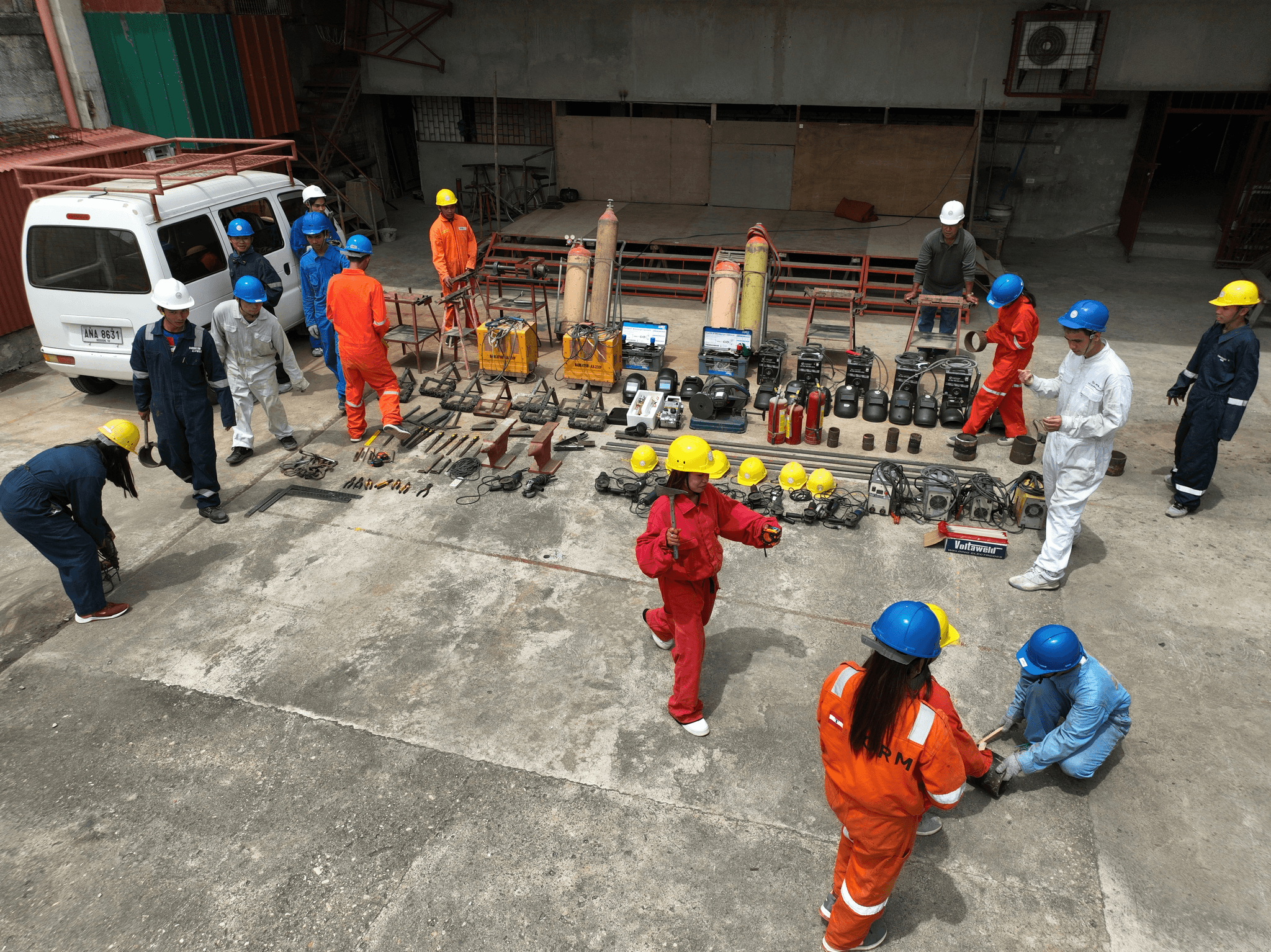
In the high-stakes world of offshore oil extraction, routine Oil Rig QC Inspection isn’t just a box to check; it’s the backbone of safety, quality, and operational success. Regular visual inspections help catch surface issues early, while mechanical inspections ensure that critical components stay in top shape—preventing costly failures down the line. Coupled with meticulous packaging inspections for equipment and supplies, these processes form a comprehensive shield against potential hazards and delays.
Leveraging professional services like China Inspection Pro transforms these routine procedures into strategic advantages. Their expertise ensures every Oil Rig QC Inspection is thorough, compliant, and tailored to meet international standards. With their support, companies can confidently navigate Chinese regulatory landscapes and maintain rigorous inspection standards without missing a beat.
Ultimately, investing in consistent Oil Rig QC Inspection elevates offshore safety and boosts operational efficiency across the board. When visual inspections are combined with detailed mechanical and packaging checks, the risk of accidents diminishes significantly—saving lives and millions in downtime costs. Staying vigilant through professional inspections isn’t just good practice; it’s an essential element of thriving in China’s dynamic offshore industry.