
Introduction

Unlocking the secrets to flawless Women’s Jewelry Inspection is essential for any jewelry business aiming to shine in a competitive market. Properly understanding the intricacies of the Women’s Jewelry Inspection process can dramatically improve product quality and reduce costly mistakes. When you master these inspection techniques, your customers will notice the difference, leading to increased satisfaction and brand loyalty.
A comprehensive approach to Types of women’s jewelry—such as rings, necklaces, and earrings—is crucial because each piece presents unique challenges during Women’s Jewelry Inspection. From raw materials inspection to craft and assembly checks, every step plays a vital role in ensuring your jewelry meets high standards. Investing time in learning the Women’s Jewelry Inspection process helps prevent defects early on and guarantees that only top-quality pieces reach your customers.
Focusing on pre-production jewelry inspection allows you to verify raw materials like gold, silver, and gemstones before manufacturing begins. This proactive measure minimizes surprises down the line and ensures that every component aligns with your quality expectations. Ultimately, a thorough design and construction inspection guarantees that final pieces match original concepts while maintaining structural integrity—making sure your women’s jewelry stands out for all the right reasons.
Understanding the Women’s Jewelry Inspection Process
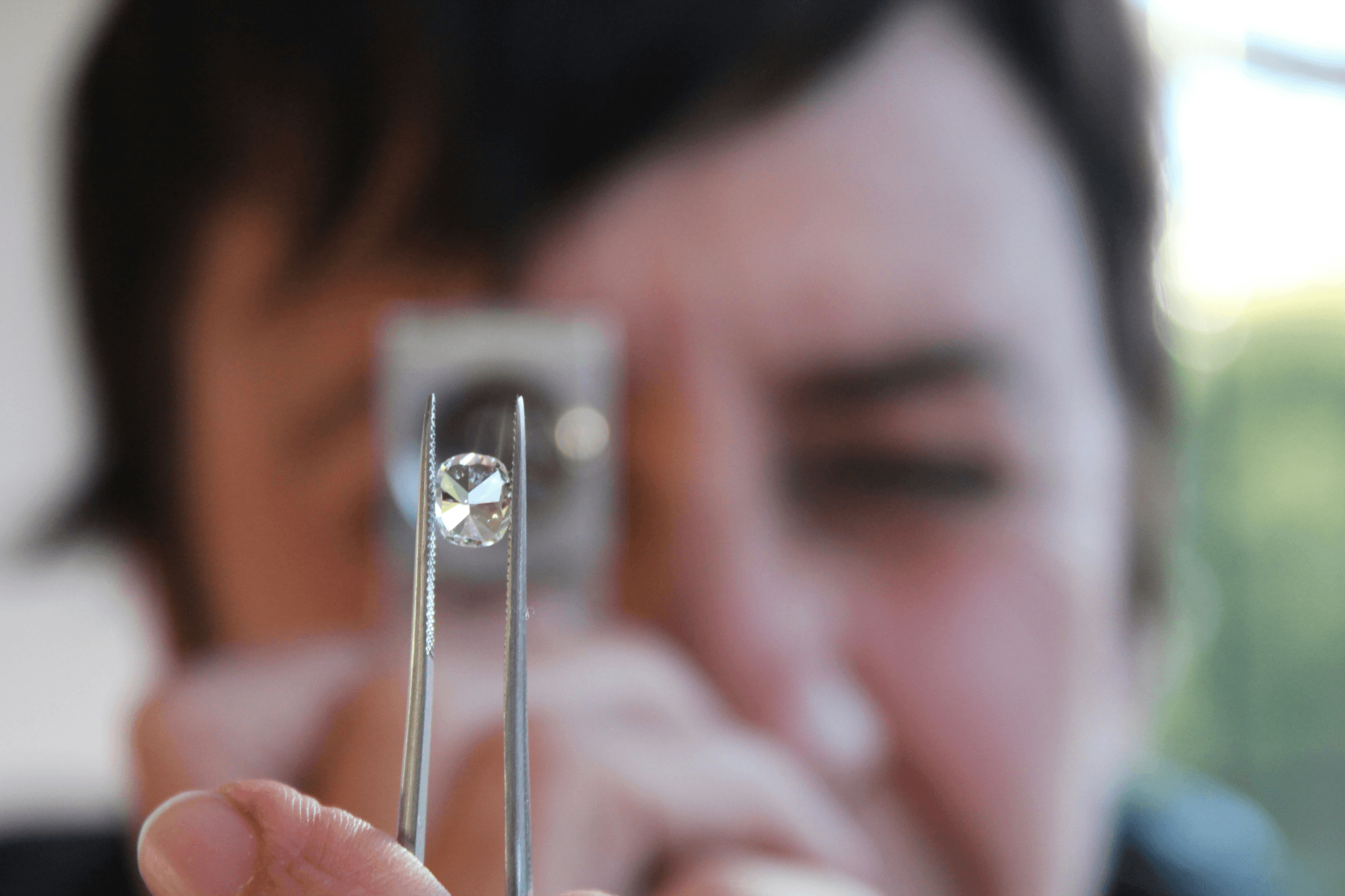
Getting a handle on the Women’s Jewelry Inspection process is crucial for maintaining quality and customer satisfaction. This process involves multiple key stages that ensure each piece meets your standards from raw materials to final assembly. By understanding these stages, you can streamline your operations and reduce costly errors, making every piece of women’s jewelry a shining example of craftsmanship.
The women’s jewelry inspection process begins with pre-production jewelry inspection, where raw materials are scrutinized for authenticity and quality. This early step helps catch issues before manufacturing starts, saving time and resources down the line. Once production kicks off, raw materials inspection continues to verify that gold, silver, or gemstones meet industry standards, ensuring only top-tier components go into your jewelry pieces.
Throughout manufacturing, craft and assembly inspection come into play to assess the durability and finish of each piece. Detecting weak joints or assembly flaws at this stage prevents defects from reaching customers and maintains your brand reputation. Finally, design and construction inspection guarantees that the finished product matches original concepts while confirming structural integrity—crucial for customer wearability and safety.
Key Stages in Women’s Jewelry Inspection
The women’s jewelry inspection process is divided into several critical stages that safeguard quality at every step. It starts with pre-production jewelry inspection where raw materials are examined meticulously to confirm their authenticity—be it gemstones or precious metals—setting a solid foundation for quality control. Moving forward, raw materials inspection continues during production to ensure consistency in material composition and impurity levels.
As the pieces move into craft and assembly phases, inspectors focus on examining joints, finishes, and overall craftsmanship to detect any weaknesses or defects early on. Design and construction inspection then verifies if each finished item aligns perfectly with original design specifications while assessing structural integrity for wearability purposes. These key stages form an unbreakable chain of quality assurance in women’s jewelry inspection.
The Role of China Inspection Pro in Ensuring Quality
China Inspection Pro plays a vital role in elevating your women’s jewelry inspection process by providing expert oversight at every stage—from raw materials through final product testing. Their team specializes in women’s jewelry inspection processes tailored specifically to different types of women’s jewelry like rings, necklaces, or earrings—each demanding unique criteria during inspections.
By partnering with China Inspection Pro, you gain access to advanced tools and experienced inspectors who understand the nuances involved in women’s jewelry types—and how material variations impact quality standards during raw materials inspection or craft and assembly checks. Their comprehensive approach ensures that your products consistently meet industry standards while reducing risks associated with defective items slipping through the cracks.
Essential Tools for Effective Jewelry Inspection
Effective women’s jewelry inspection relies on a well-stocked toolkit designed for precision analysis across all stages—from pre-production through final checks. Magnification devices such as jeweler's loupes or microscopes are indispensable when inspecting tiny details like gemstone inclusions or solder joints during craft and assembly inspections.
Additionally, specialized testing equipment like acid testers for gold purity or spectrometers for gemstone verification enhances accuracy during raw materials inspection phases—crucial steps before moving onto design validation or construction checks. Combining these essential tools with expert guidance from China Inspection Pro ensures your team can confidently identify flaws early on while maintaining high standards throughout the entire women’s jewelry inspection process.
Types of Women’s Jewelry to Know Before Inspection
Understanding the different types of women’s jewelry is fundamental to executing a thorough women’s jewelry inspection process. Each category—rings, necklaces, earrings—has unique features and potential flaws that require tailored inspection criteria. Recognizing these distinctions ensures that every piece meets quality standards and delights customers with flawless craftsmanship.
Different types of women’s jewelry demand specific attention during the inspection process. For example, rings often involve intricate settings for gemstones, making raw materials inspection crucial to verify authenticity and durability. Necklaces and earrings might focus more on design details and assembly quality, emphasizing craft and assembly inspection strategies to catch any weak links or finishing flaws.
Material variations across women’s jewelry significantly influence the inspection criteria. Gold, silver, gemstones, and other materials each have unique properties that must be carefully evaluated during pre-production jewelry inspection and raw materials inspection phases. Properly understanding how these differences impact wearability and longevity helps maintain high standards throughout the entire women’s jewelry inspection process.
Pre-Production Jewelry Inspection Tips and Tricks
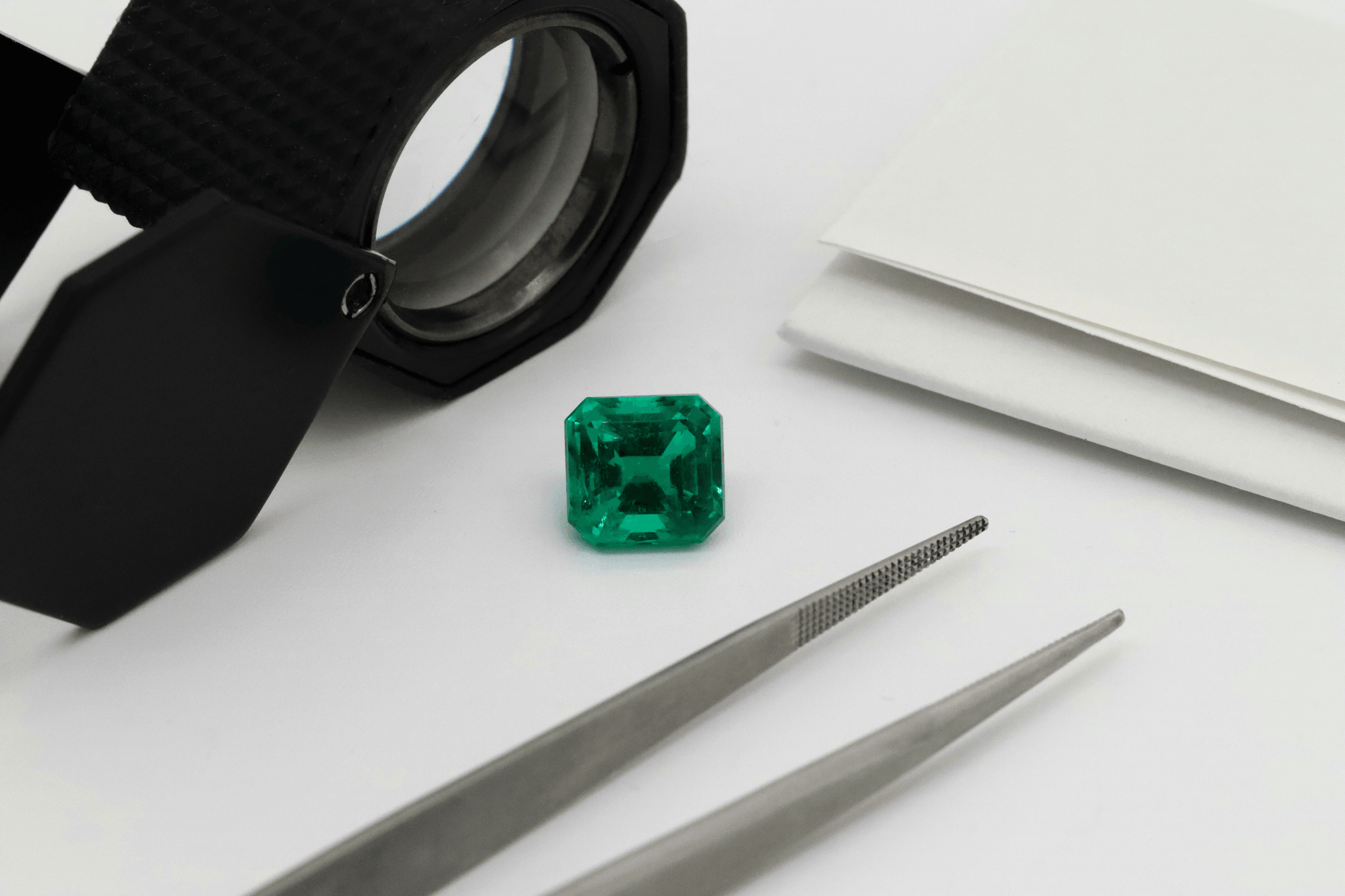
Getting your women’s jewelry inspection process off to a smooth start begins with meticulous pre-production checks. This phase is critical because it sets the tone for the entire manufacturing process, ensuring that only quality raw materials move forward. By focusing on pre-production jewelry inspection, brands can avoid costly mistakes down the line and maintain high standards for their types of women’s jewelry.
Before diving into the craft and assembly inspection, verifying raw materials for authenticity and quality is essential. Whether you're working with gold, silver, or gemstones, a thorough raw materials inspection helps confirm that everything meets industry standards. This step is especially important in the women’s jewelry inspection process because material integrity directly influences durability and appearance.
Checking design specifications early in production can save you from surprises later. During this stage, it’s vital to ensure that each piece aligns perfectly with original concepts, especially when dealing with different types of women’s jewelry like rings or necklaces. Early design validation minimizes rework and guarantees that craftsmanship will meet your expectations during craft and assembly inspection.
Avoiding defects before manufacturing begins is a smart move that pays off significantly. Conducting detailed pre-production jewelry inspections allows you to catch potential issues such as incorrect measurements or incompatible materials before they become costly problems. This proactive approach ensures smooth progression through the women’s jewelry inspection process and keeps your production on track.
This phase underscores how critical pre-production jewelry inspection is for maintaining high standards across all types of women’s jewelry, from delicate earrings to statement rings. Incorporating these tips into your workflow enhances overall quality control, making sure every piece that reaches your customer reflects excellence in design and craftsmanship. Remember, a flawless start leads to a stunning finish!
Raw Materials Inspection for Women’s Jewelry
Ensuring the quality of raw materials is the foundation of a successful Women’s Jewelry Inspection process. When starting with gold, silver, and gemstones, it’s crucial to verify their authenticity and purity before they become part of a finished piece. Skipping this step can lead to costly mistakes down the line, so diligent raw materials inspection helps prevent surprises during craft and assembly inspection.
Ensuring Gold, Silver, and Gemstones Meet Standards
During the raw materials inspection stage, it's essential to confirm that gold and silver meet industry standards for purity—think 14k or 18k for gold and sterling silver for jewelry pieces. Similarly, gemstones should be evaluated for color consistency, cut quality, and clarity to ensure they align with your design specifications. Incorporating rigorous checks into the women’s jewelry inspection process guarantees only top-tier materials proceed to craft and assembly.
Spotting Impurities and Composition Issues
Impurities in raw materials can compromise both the durability and appearance of women’s jewelry pieces. For example, alloy impurities in metals might cause discoloration or weaken structural integrity during subsequent phases like design and construction inspection. Advanced testing methods such as X-ray fluorescence (XRF) analyzers or spectrometers are invaluable tools in identifying subtle composition issues early on—saving you from costly rework later.
Working with Suppliers to Maintain Material Integrity
Establishing strong communication channels with suppliers is key to maintaining material integrity throughout the women’s jewelry inspection process. Regular audits and transparent documentation help ensure that raw materials consistently meet your standards before entering pre-production jewelry inspection stages. A collaborative approach minimizes defects at every step—from raw material procurement through final product delivery—making sure your brand's reputation stays shiny.
Craft and Assembly Inspection Strategies
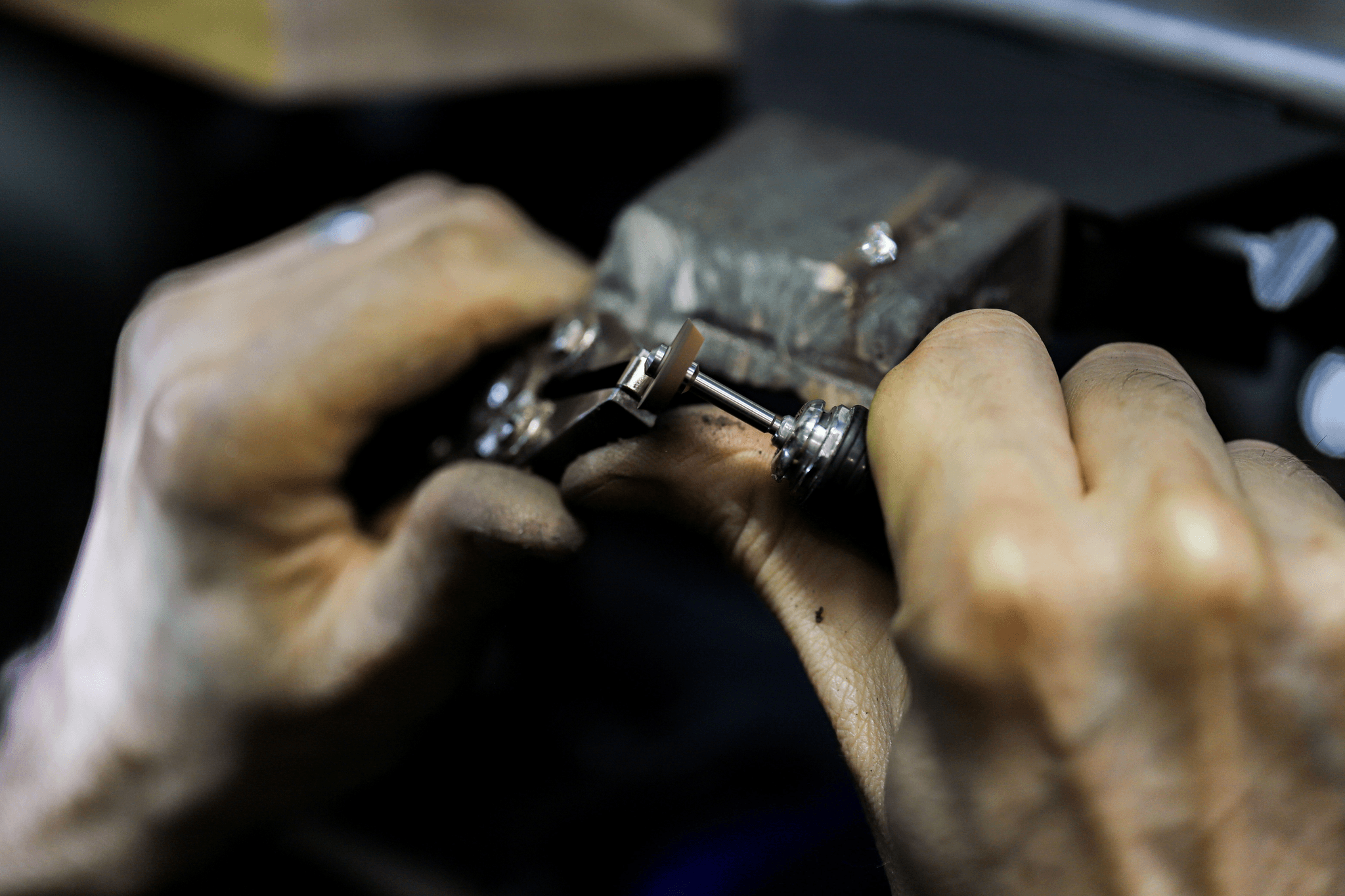
When it comes to Women’s Jewelry Inspection, the craft and assembly stage is where the magic either shines or falls flat. This phase demands a keen eye for detail, ensuring each piece’s durability and finish meet the highest standards. A thorough craft and assembly inspection strategy helps identify potential flaws early, saving time and money while boosting customer confidence in your products.
Examining Jewelry Assembly for Durability and Finish
During Women’s Jewelry Inspection, scrutinizing the assembly process is critical to confirm that every component is securely joined and finished flawlessly. Whether you’re inspecting rings, necklaces, or earrings—different types of women’s jewelry require specific attention to detail. Properly assembled jewelry not only looks stunning but also withstands everyday wear; this makes craft and assembly inspection a cornerstone of quality control.
Detecting Weak Joints and Assembly Flaws
Weak joints are like ticking time bombs waiting to explode—literally—when it comes to women’s jewelry pieces. During craft and assembly inspection, look for signs of poor soldering or glue application that could lead to breakage down the line. Spotting these flaws early in the women’s jewelry inspection process ensures that only sturdy pieces reach your customers, maintaining your reputation for quality craftsmanship.
Confirming Craftsmanship Meets Design Expectations
Every detail matters when verifying that craftsmanship aligns with design expectations during women’s jewelry inspection. This step involves comparing finished pieces against original design specifications—checking symmetry, polish quality, and finishing touches. Ensuring each piece meets industry standards through rigorous craft and assembly inspection guarantees your collection exudes excellence from every angle.
Design and Construction Inspection for Women’s Jewelry
Ensuring that each piece of women’s jewelry passes muster during the design and construction phase is crucial to maintaining quality standards. The women’s jewelry inspection process involves meticulous verification that final designs accurately reflect original concepts, preventing costly rework or customer dissatisfaction later on. When inspecting different types of women’s jewelry, understanding how design details translate into real-world craftsmanship is key to catching potential flaws early.
During the craft and assembly inspection stage, attention to detail reveals whether the jewelry's assembly guarantees durability and a polished finish. Weak joints or improper setting can compromise the integrity of various types of women’s jewelry, especially when dealing with delicate gemstones or intricate metalwork. By thoroughly assessing assembly techniques, manufacturers can avoid defects that might otherwise slip through pre-production jewelry inspection.
Finally, confirming that each piece complies with industry standards ensures your women’s jewelry inspection process aligns with global quality benchmarks. This step includes verifying structural integrity and wearability—crucial factors for customer satisfaction—and ensures all designs meet safety requirements. A rigorous design and construction inspection not only elevates your brand but also builds trust with consumers who expect nothing but perfection from their favorite pieces.
Conclusion
In the competitive world of women’s jewelry, mastering the women’s jewelry inspection process is your secret weapon to stand out. From understanding the different types of women’s jewelry to implementing rigorous pre-production jewelry inspection, each step ensures your pieces meet high standards and delight customers. When you prioritize raw materials inspection, craft and assembly inspection, and design and construction inspection, you’re building a reputation for quality that keeps buyers coming back for more.
Elevating your jewelry business requires more than just beautiful designs; it demands a keen eye for detail at every stage of women’s jewelry inspection. By investing in comprehensive quality control measures, you can catch defects early and prevent costly mistakes down the line. Remember, a thorough women’s jewelry inspection process isn’t just about compliance — it’s about creating trust with your clients through consistent excellence.
Partnering with companies like China Inspection Pro can streamline your journey toward flawless products. They support your quality goals by providing expert insights into raw materials inspection, craft and assembly inspection, and design and construction inspection. With their help, you’ll master women’s jewelry inspection techniques that boost market success and customer satisfaction alike.