
Introduction
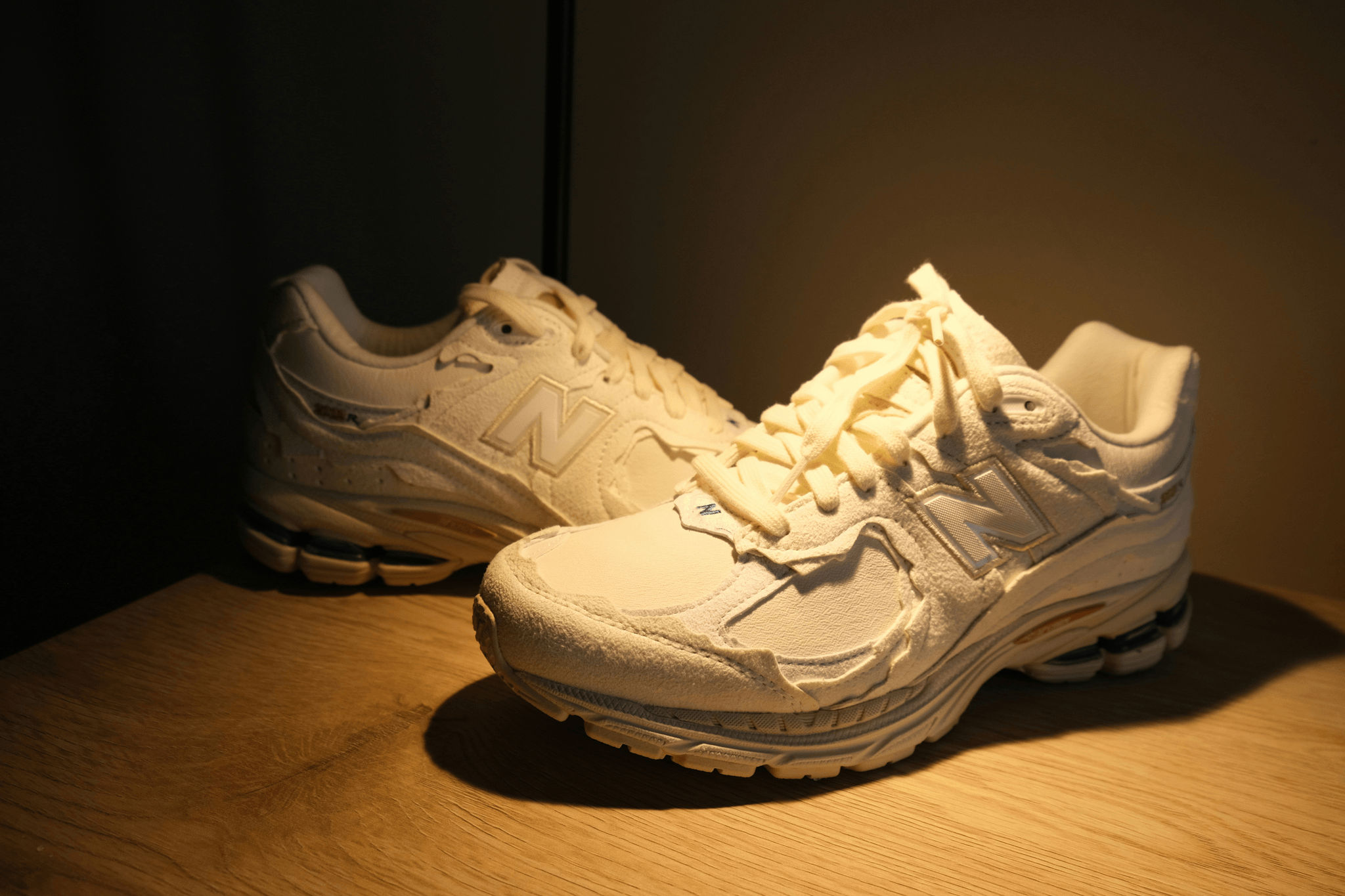
In the fast-paced world of athletic footwear, sneaker inspection plays a pivotal role in ensuring that every pair meets the high standards expected by consumers and athletes alike. With millions of pairs produced annually, the stakes are high; a single defect can lead to performance issues or even injuries. Thus, understanding the intricacies of sneaker inspection is not just beneficial—it's essential for manufacturers aiming to uphold their reputation and deliver quality products.
The Importance of Sneaker Inspection
Sneaker inspection is crucial for identifying flaws that could compromise both safety and performance. A comprehensive inspection process helps manufacturers catch defects before their shoes reach consumers, thereby protecting their brand image and customer satisfaction. Moreover, rigorous testing methods like the test for impact attenuation characteristics of athletic sneakers ensure that each shoe can withstand the rigors of sports activities without failing.
Understanding Quality Control Standards
Quality control standards serve as benchmarks for sneaker production, guiding manufacturers in maintaining consistency and excellence throughout their processes. By adhering to these standards, companies can ensure that every pair of sneakers not only meets aesthetic expectations but also performs optimally under various conditions. This understanding is vital in an industry where even minor discrepancies can lead to significant consequences in terms of customer trust and safety.
Athletic Sneakers and Their Impact Quality
The quality of athletic sneakers directly influences an athlete's performance and overall experience during physical activities. High-quality materials, combined with effective design principles, contribute to shoes that provide comfort, support, and durability on the field or court. As such, ensuring rigorous sneaker inspection processes is paramount in delivering footwear that enhances athletic performance while minimizing injury risks.
The Role of Quality Control in Sneaker Production
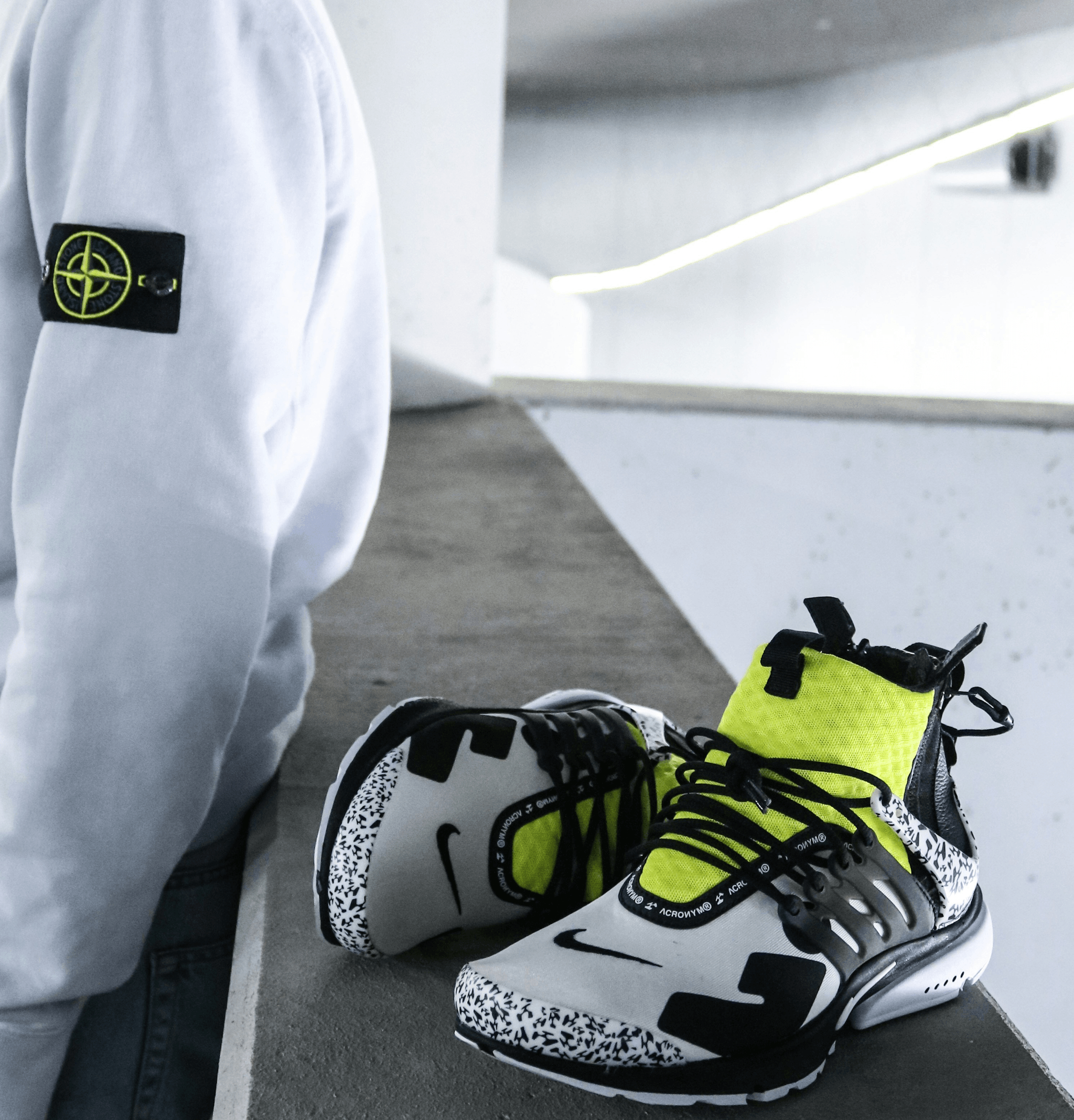
Quality control (QC) plays a vital role in sneaker production, ensuring that every pair meets the expected standards of performance and durability. By implementing rigorous QC processes, manufacturers can identify defects early, reducing waste and enhancing customer satisfaction. Ultimately, effective quality control not only protects the brand’s reputation but also contributes to the overall safety and enjoyment of athletic footwear.
Overview of Quality Control Processes
The sneaker inspection process begins with establishing clear quality benchmarks that align with industry standards. This typically includes a series of checks from raw material selection to final product evaluation, ensuring each component is fit for purpose. During these inspections, manufacturers may conduct tests for impact attenuation characteristics of athletic sneakers to assess how well the shoes absorb shock during use.
To streamline these processes, many brands adopt a systematic approach to QC that involves both manual inspections and automated testing methods. Visual inspections are crucial for spotting obvious flaws like stitching errors or material inconsistencies before they escalate into larger issues. Additionally, advanced technologies such as 3D scanning are increasingly being utilized to enhance accuracy in measuring dimensions and detecting anomalies.
Key Players in Sneaker Quality Assurance
In the world of sneaker production, several key players contribute to maintaining high-quality standards throughout the manufacturing process. First and foremost are the manufacturers themselves who set up internal QC teams responsible for day-to-day inspections and testing procedures. These teams often collaborate closely with third-party inspection companies that specialize in sneaker inspection to provide an unbiased assessment of product quality.
Another vital group includes suppliers who provide materials essential for sneaker construction; their adherence to quality standards significantly impacts the final product's performance. Compliance officers within brands ensure that all partners meet industry regulations while also promoting ethical practices within supply chains. Together, these stakeholders create a robust network dedicated to delivering high-quality athletic footwear.
Importance of Compliance with Industry Standards
Compliance with industry standards is not just a regulatory requirement; it’s an essential aspect of ensuring consumer safety and satisfaction in sneaker production. Adhering to established guidelines helps brands avoid potential legal issues while fostering trust among consumers who expect reliable products from their favorite labels. Moreover, compliance often involves conducting tests for impact attenuation characteristics of athletic sneakers which directly correlate with user experience during physical activities.
Failure to comply can lead not only to financial losses due to recalls or lawsuits but also damage brand reputation—something no company can afford in today’s competitive market landscape. By prioritizing compliance as part of their QC strategy, companies position themselves as leaders committed to excellence in both product quality and ethical manufacturing practices. This commitment ultimately translates into loyal customers who appreciate transparency and reliability from their chosen brands.
Sneaker Inspection Techniques

When it comes to ensuring the quality of athletic sneakers, effective sneaker inspection techniques are paramount. These methods not only help identify potential issues before they reach consumers but also uphold brand reputation and customer satisfaction. In this section, we will explore various sneaker inspection techniques that play a critical role in maintaining high-quality standards.
Visual Inspection: Spotting Flaws and Defects
Visual inspection is the first line of defense in sneaker inspection, serving as a crucial method for identifying flaws and defects that could compromise performance or aesthetics. Inspectors meticulously examine each pair of sneakers for irregularities such as stitching errors, misaligned logos, or material inconsistencies. This technique relies heavily on the inspector's eye for detail, making it an essential skill in the quality control process.
During visual inspections, inspectors often use tools like magnifying glasses or light sources to enhance their ability to spot imperfections that might otherwise go unnoticed. The importance of this step cannot be overstated; even minor defects can lead to significant issues during use and ultimately affect customer satisfaction. Thus, a thorough visual inspection not only ensures product integrity but also reinforces the brand's commitment to quality.
Test for Impact Attenuation Characteristics of Athletic Sneakers
One of the most critical aspects of sneaker inspection is testing for impact attenuation characteristics of athletic sneakers. This test assesses how well a sneaker absorbs shock during activities like running or jumping—essential for preventing injuries and enhancing performance. By evaluating impact attenuation, manufacturers can ensure their products meet safety standards and provide optimum comfort for athletes.
The testing process typically involves specialized equipment designed to simulate real-world conditions that sneakers face during use. For instance, dynamic force testers measure how much energy is absorbed by the shoe upon impact with surfaces like concrete or turf. This data not only helps confirm compliance with industry standards but also guides designers in improving future iterations based on performance feedback.
Advanced Testing Methods in Sneaker Quality
While traditional methods remain vital, advanced testing techniques are revolutionizing sneaker inspection by providing deeper insights into product quality and performance metrics. Technologies such as 3D scanning allow inspectors to generate precise digital models of sneakers, enabling them to analyze structural integrity with unmatched accuracy. Additionally, biomechanical assessments can evaluate how well a sneaker supports foot movement during various athletic activities.
These advanced methods enhance traditional inspections by offering quantitative data that can highlight specific areas needing improvement—be it cushioning systems or outsole grip patterns. As technology evolves within the realm of sneaker production and quality assurance, embracing these innovative approaches will become essential for brands aiming to stay ahead in a competitive market landscape.
The Impact of Material Selection
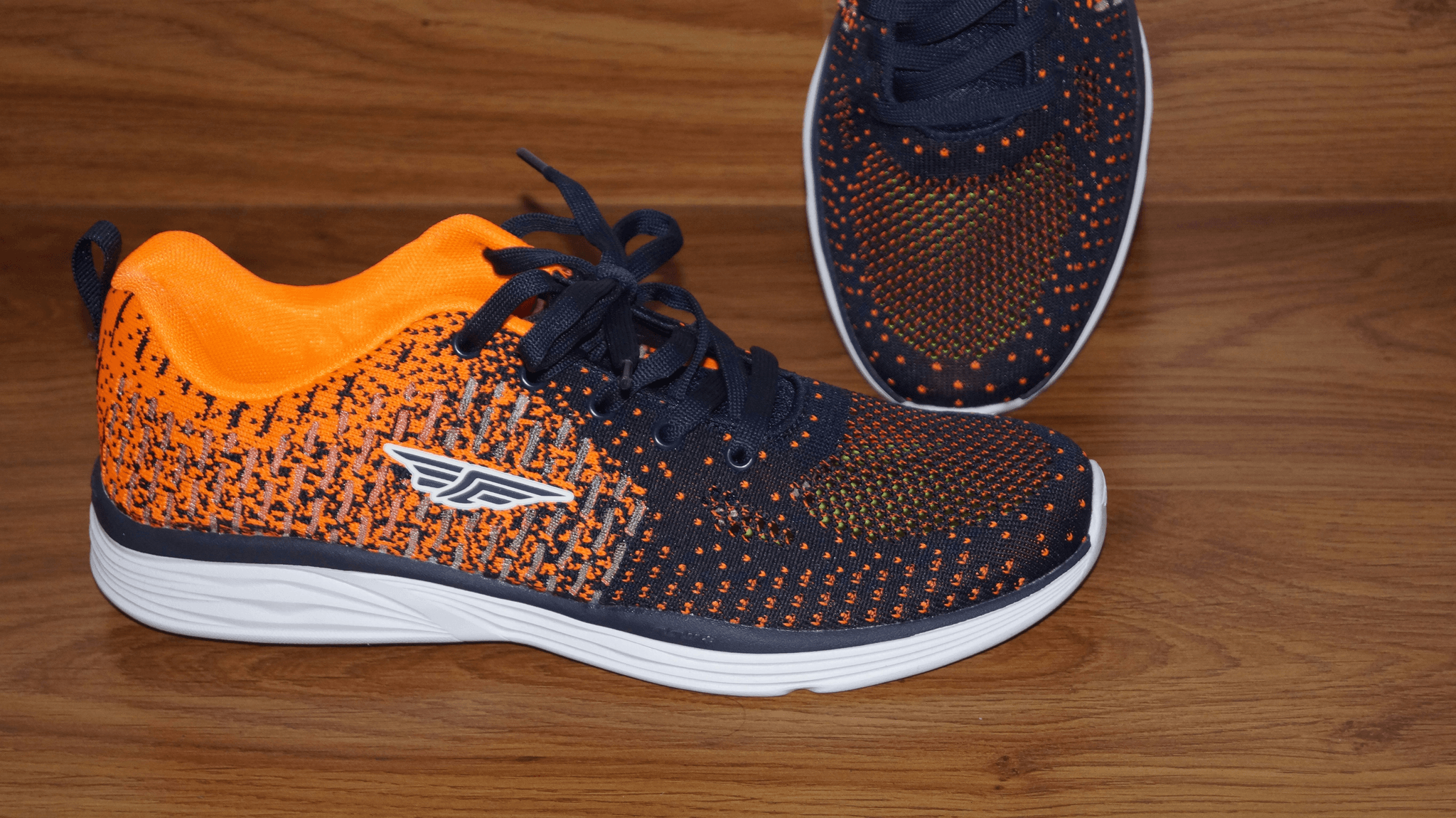
Material selection plays a pivotal role in the production of athletic sneakers, influencing both performance and durability. Choosing the right materials can mean the difference between a sneaker that enhances athletic performance and one that falls flat. A thorough sneaker inspection process must consider material properties to ensure that each component meets quality standards.
Choosing the Right Materials for Athletic Sneakers
When it comes to crafting high-performance athletic sneakers, selecting the appropriate materials is crucial. Manufacturers often rely on a combination of synthetic and natural materials, each offering unique benefits such as breathability, flexibility, and weight. During sneaker inspection, it's essential to evaluate these materials not only for their physical properties but also for their long-term performance under various conditions.
For instance, lightweight mesh fabrics are popular for uppers due to their breathability and comfort; however, they must be durable enough to withstand rigorous activity without tearing or losing shape. Additionally, rubber compounds used in outsoles should provide adequate grip while maintaining resilience against wear and tear. Ultimately, proper material selection directly impacts how well a sneaker performs during its intended use.
How Materials Affect Performance and Quality
The relationship between material choice and performance cannot be overstated in sneaker design. Different materials contribute distinct characteristics such as cushioning, support, and traction—all critical elements that can enhance an athlete's experience on the field or court. For instance, EVA foam is commonly used for midsoles because it provides excellent shock absorption; this is particularly important when conducting tests for impact attenuation characteristics of athletic sneakers.
Moreover, the quality of materials affects not just performance but also longevity; poor-quality components can lead to premature wear or even failure during use—definitely not what athletes want when they're pushing their limits! A comprehensive sneaker inspection must include assessments of material integrity to ensure that they meet both safety standards and consumer expectations.
Case Studies of Material Failures in Sneaker Design
Examining case studies where material failures have occurred offers valuable insights into the importance of proper selection during sneaker production. One notable example involved a popular running shoe brand whose lightweight upper was made from subpar mesh; after several months of use in competitive environments, many users reported tearing issues that compromised support during runs. This highlights how critical it is for manufacturers to conduct thorough inspections before releasing products into the market.
Another case involved an outsole made from an inferior rubber compound that lost its grip after minimal use on wet surfaces—leading athletes to slip during crucial moments in competitions! Such failures underscore why rigorous testing protocols—including those focused on impact attenuation characteristics—are vital within sneaker inspections to prevent similar occurrences from happening again.
In summary, understanding how material selection impacts both performance and quality is essential for creating successful athletic sneakers. By prioritizing high-quality components through diligent inspections at every stage of production—from choosing appropriate fabrics to ensuring compliance with industry standards—manufacturers can significantly enhance user experience while minimizing risks associated with product failures.
The Process of Conducting Sneaker Inspections in China

When it comes to ensuring the quality of athletic footwear, conducting sneaker inspections in China is a crucial step. With many brands manufacturing their products in this region, understanding the inspection process can make or break a sneaker’s reputation. This section will explore the steps involved, the role of inspection companies like China Inspection Pro, and some challenges that arise during these inspections.
Steps in Effective Sneaker Inspection
The first step in effective sneaker inspection is to establish clear quality criteria based on industry standards and brand specifications. Inspectors typically begin with a thorough visual inspection to spot any obvious flaws or defects that could affect performance or aesthetics. Following this initial assessment, it's essential to conduct tests for impact attenuation characteristics of athletic sneakers, ensuring they meet safety and comfort requirements for consumers.
Once the visual and impact tests are completed, inspectors compile detailed reports summarizing their findings. This documentation not only helps brands address any issues but also serves as a reference for future production runs. Ultimately, an effective sneaker inspection process combines meticulous attention to detail with rigorous testing methodologies to guarantee product integrity.
Roles of Inspection Companies like China Inspection Pro
Inspection companies like China Inspection Pro play a pivotal role in maintaining the quality standards of athletic sneakers produced in China. These firms employ trained professionals who specialize in various aspects of sneaker inspection, from material evaluation to performance testing. By leveraging their expertise, brands can ensure compliance with both local regulations and international quality standards.
Moreover, these companies facilitate communication between manufacturers and brands by providing transparent reporting systems that outline every stage of the inspection process. This transparency is vital for building trust between parties and ensuring that any potential issues are addressed promptly before products hit the market. In essence, partnering with an established inspection company can significantly enhance a brand's ability to deliver high-quality sneakers consistently.
Challenges Faced During Inspections
Despite the importance of sneaker inspections, several challenges can complicate the process significantly. One major hurdle is variability in manufacturing practices; different factories may have distinct approaches that affect product consistency across batches. Additionally, inspectors may encounter difficulties when trying to test for impact attenuation characteristics of athletic sneakers due to inadequate equipment or lack of standardized testing methods.
Another challenge arises from language barriers and cultural differences when working with local manufacturers; misunderstandings can lead to miscommunication about quality expectations or specific requirements during inspections. Furthermore, time constraints often pressure inspectors to rush through evaluations rather than conduct thorough assessments—something that could result in overlooking critical defects or weaknesses in design and materials used.
Future Trends in Sneaker Quality Control

The sneaker industry is evolving at a breakneck pace, and with it, the standards for quality control are also on the rise. As brands strive to meet consumer demands and regulatory requirements, innovative technologies are reshaping how sneaker inspections are conducted. Embracing these advancements not only improves product reliability but also enhances customer satisfaction.
Innovations in Sneaker Inspection Technology
The future of sneaker inspection is bright with cutting-edge technologies leading the charge. Automated systems using artificial intelligence can now identify minute defects that might escape human eyes during visual inspections, ensuring that every pair meets stringent quality standards. Moreover, advanced sensors can conduct tests for impact attenuation characteristics of athletic sneakers in real-time, providing immediate feedback on performance metrics that were once only measurable in laboratory settings.
These innovations not only streamline the inspection process but also reduce human error significantly. With machine learning algorithms continuously improving their accuracy, companies can expect a higher rate of defect detection while lowering costs associated with returns and rework. As technology continues to advance, we can anticipate even more sophisticated methods of sneaker inspection that will set new benchmarks for quality assurance in the industry.
Sustainability and Quality in Sneaker Production
Sustainability is no longer just a buzzword; it's becoming a pivotal aspect of sneaker production and quality control practices. Brands are increasingly prioritizing eco-friendly materials and processes to appeal to environmentally conscious consumers while maintaining high-quality standards through rigorous sneaker inspections. This shift towards sustainable practices doesn’t compromise performance; rather, it enhances brand reputation and ensures compliance with emerging regulations focused on environmental impact.
As manufacturers begin to incorporate recycled materials into their designs, they must adapt their quality control measures accordingly to ensure these materials meet performance specifications without sacrificing durability or comfort. Testing for impact attenuation characteristics of athletic sneakers made from sustainable materials becomes crucial as brands seek to balance eco-friendliness with functionality. By embracing sustainability alongside robust quality inspection techniques, companies can lead the way toward a greener future without compromising on what makes their products exceptional.
The Shift Towards Customer-Centric Quality Standards
Today's consumers have become more discerning than ever about the products they purchase, leading to an increased focus on customer-centric quality standards within the sneaker industry. Brands are now actively seeking consumer feedback during product development phases and incorporating this insight into their quality assurance processes—an approach that extends beyond mere visual inspections or compliance checks. By understanding what customers truly value in terms of comfort, style, and performance features like impact attenuation characteristics of athletic sneakers, manufacturers can tailor their offerings more effectively.
This customer-first mentality is driving companies to enhance transparency around their production processes as well as their testing methodologies for sneaker inspections. Consumers want reassurance that they’re purchasing high-quality footwear backed by thorough inspection protocols—knowing that each pair has undergone rigorous testing gives them confidence in their investment decisions. As this trend continues to grow, we may see an even greater emphasis on personalized experiences where brands engage directly with customers about quality expectations and preferences.
Conclusion
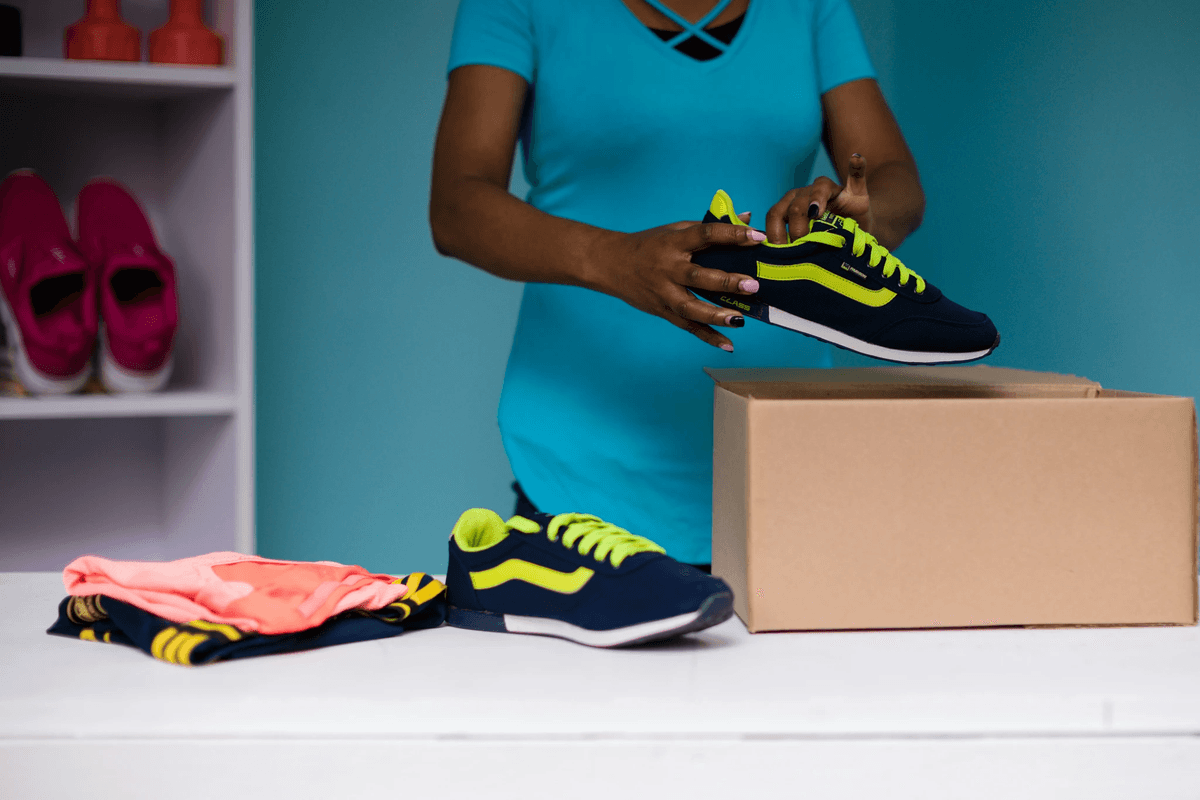
In the rapidly evolving world of athletic footwear, ensuring quality through effective sneaker inspection is paramount. The journey from design to market involves multiple layers of scrutiny, and each step must adhere to stringent quality control standards. As we’ve explored, a commitment to excellence not only enhances performance but also builds consumer trust in brands.
Best Practices for Sneaker Quality Assurance
To achieve optimal sneaker quality assurance, implementing a comprehensive inspection process is essential. Brands should prioritize routine sneaker inspections at various production stages to catch defects early and ensure compliance with industry standards. Consistent training for quality control teams on the latest inspection techniques will further enhance their ability to identify flaws before sneakers reach consumers.
One key practice is integrating advanced testing methods, such as the test for impact attenuation characteristics of athletic sneakers, into the quality assurance workflow. This ensures that performance metrics are met while also addressing safety concerns related to cushioning and support. By fostering an environment where quality is everyone's responsibility, brands can elevate their reputation and customer satisfaction.
How to Ensure Impact Attenuation Compliance
Ensuring compliance with impact attenuation standards requires a multi-faceted approach that combines rigorous testing with material selection strategies. Regularly conducting tests for impact attenuation characteristics of athletic sneakers can highlight areas needing improvement or adjustments in design and materials used. Adopting international standards as benchmarks will also guide manufacturers in achieving compliance while maintaining high performance.
Collaboration with experienced testing laboratories can streamline this process by providing specialized insights into how different materials perform under various conditions. Furthermore, establishing feedback loops between designers and testers can foster innovation while keeping safety at the forefront of product development. Ultimately, a proactive stance on compliance not only protects athletes but also enhances brand credibility.
Leveraging Expertise from Quality Inspection Services
Partnering with professional quality inspection services offers brands valuable expertise that can significantly enhance their sneaker production processes. These services bring in-depth knowledge about industry best practices and advanced inspection techniques that may otherwise be overlooked internally. By leveraging their expertise, companies can implement more thorough sneaker inspections tailored specifically to their product lines.
Additionally, reputable firms often have access to cutting-edge technology that facilitates more accurate assessments during inspections—especially important when conducting tests for impact attenuation characteristics of athletic sneakers. This collaboration helps mitigate risks associated with production errors while ensuring adherence to both domestic and international regulations surrounding footwear safety and performance standards.
In conclusion, maintaining high-quality sneakers hinges on effective inspection practices that prioritize both performance metrics like impact attenuation and overall material integrity throughout production cycles.