
Introduction
Choosing the right manufacturer can make or break your business. It’s not just about finding someone who can produce your product; it's about forging a partnership that aligns with your vision and quality standards. In a world filled with options, understanding how to find a manufacturer that meets your specific needs is essential for long-term success.
The Importance of Choosing the Right Manufacturer
Selecting the right manufacturer is crucial because it directly impacts product quality, cost, and delivery timelines. A reliable manufacturer not only ensures that your products meet market demands but also helps mitigate potential risks associated with production failures. Understanding what are the common risks in manufacturing and how you can avoid them will empower you to make informed decisions early on.
Key Steps to Finding Your Ideal Manufacturer
To navigate the complex landscape of manufacturing, start by clearly defining your product requirements and specifications. From there, leverage online directories and industry networks to identify potential partners who align with your production goals. Remember, knowing what should you consider before making your final decision will save you from headaches down the road.
Essential Questions to Ask Prospective Manufacturers
When vetting manufacturers, asking the right questions is vital to ensure they meet your expectations. Inquire about their production capabilities, quality control processes, and compliance with industry standards—this knowledge will help you understand what legal considerations should you keep in mind as you finalize agreements. Additionally, exploring what are the alternatives to traditional manufacturers may lead you to innovative solutions that fit your unique needs.
Understanding Your Manufacturing Needs
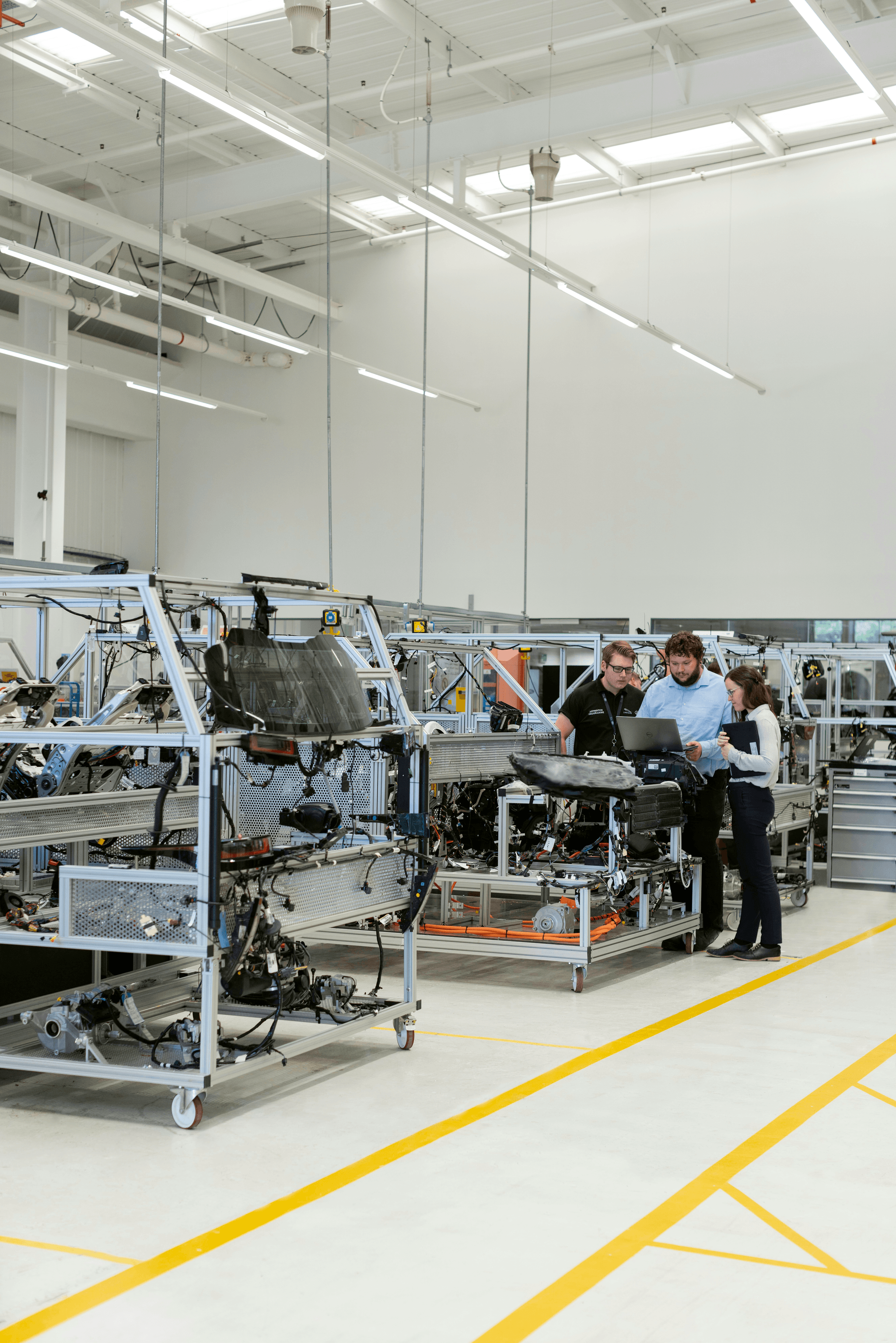
When embarking on your manufacturing journey, the first step is to clearly understand your needs. This involves defining product requirements, identifying target markets, and exploring various manufacturing techniques that align with your vision. By taking the time to assess these areas, you can streamline the process of how to find a manufacturer that suits your specific goals.
Defining Product Requirements and Specifications
Defining product requirements and specifications is crucial for any successful manufacturing endeavor. This includes detailing materials needed, dimensions, tolerances, and any unique features that distinguish your product from competitors. The clearer you are about what you want, the easier it will be to communicate with potential manufacturers and avoid misunderstandings later on.
Moreover, having well-defined specifications helps in mitigating common risks in manufacturing. For instance, if quality control issues arise due to vague requirements, it may lead to costly errors down the line. Thus, spending time upfront on this step not only clarifies your vision but also sets a solid foundation for successful collaboration with manufacturers.
Identifying Target Markets and Production Volume
Understanding who will purchase your product is just as important as knowing what it is; this means identifying target markets effectively. Are you aiming for mass production or a niche market? Knowing whether you'll need thousands or just a few dozen units will influence both your choice of manufacturer and production techniques.
Additionally, understanding production volume can help you weigh alternatives to traditional manufacturers—like contract manufacturers or local artisan producers—who might better cater to smaller runs or specialized products. The size of your target market also plays a role in how you scale up your manufacturing operations later on; larger markets may require more robust production capabilities from the outset.
Exploring Various Manufacturing Techniques
Once you've defined what you're making and who it's for, it's time to explore various manufacturing techniques that fit those needs best. From injection molding for plastic parts to 3D printing for rapid prototyping, each method has its pros and cons depending on factors like cost-efficiency and scalability.
This exploration not only helps in finding the right manufacturer but also informs what legal considerations should be kept in mind during production processes—such as compliance with industry standards related to specific techniques used. Moreover, being aware of different methods allows you to anticipate potential challenges down the road—after all, understanding what are the common risks in manufacturing can save you headaches later!
How to Find a Manufacturer
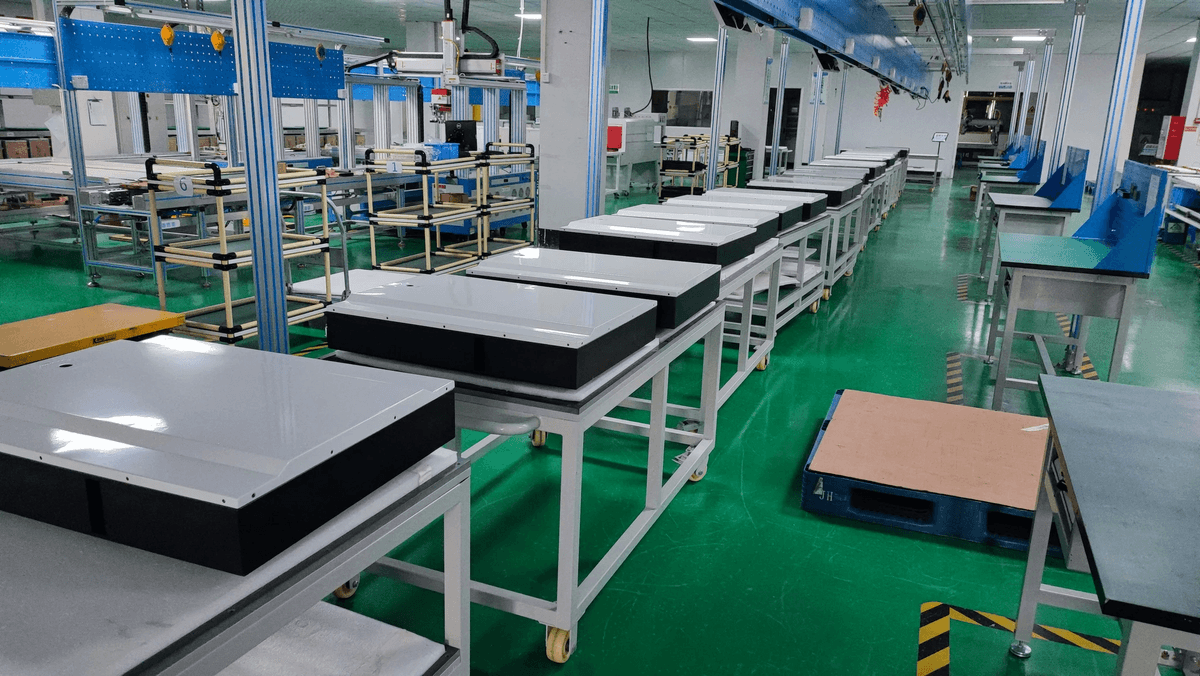
Finding the right manufacturer can feel like searching for a needle in a haystack, but it doesn’t have to be that daunting. By utilizing various resources and strategies, you can streamline the process and connect with potential partners who meet your specific needs. Whether you're exploring online directories or networking at trade shows, knowing how to find a manufacturer is essential for your business's success.
Utilizing Online Directories and Marketplaces
Online directories and marketplaces serve as treasure troves for entrepreneurs seeking manufacturers. Websites like Alibaba, ThomasNet, and Maker's Row allow you to filter options based on product type, location, and even manufacturing capabilities. When engaging with these platforms, ensure you thoroughly vet potential manufacturers by checking reviews and ratings; after all, understanding what are the common risks in manufacturing and how can you avoid them is crucial.
One of the biggest advantages of these online resources is their accessibility; you can explore countless options from the comfort of your home or office. However, don’t forget to reach out directly to manufacturers for more detailed information on their processes and capabilities. This proactive approach not only helps clarify what should you consider before making your final decision but also establishes a rapport that could prove beneficial later on.
Leveraging Industry Networks and Trade Shows
Industry networks and trade shows are invaluable opportunities for connecting with manufacturers face-to-face. Attending these events allows you to meet potential partners in person, inspect their products firsthand, and discuss your unique requirements directly with them. Plus, nothing beats the personal touch when it comes to assessing what legal considerations should you keep in mind regarding contracts or agreements.
Networking within industry circles can also lead to referrals—often the best way to find reliable manufacturers who come highly recommended by peers in your field. Don't shy away from asking questions about their experiences with various suppliers; this insight could help illuminate what are alternatives to traditional manufacturers that may suit your needs better than expected.
Consulting with Sourcing Agents
Sourcing agents act as intermediaries between businesses and manufacturers, making them an excellent resource when looking for production partners. They possess extensive knowledge of local markets and can help navigate complexities such as language barriers or cultural differences that might arise during negotiations. If you're wondering how do you scale up your manufacturing operations effectively while avoiding common pitfalls, sourcing agents often have strategies tailored specifically for growth.
These professionals not only assist in finding suitable manufacturers but also provide insights into pricing structures—helping ensure that you're getting a fair deal without compromising quality standards along the way. By leveraging their expertise alongside other methods discussed earlier—like utilizing online directories—you'll be better equipped to make informed decisions about which manufacturer aligns best with your goals.
What are the Alternatives to Traditional Manufacturers?

When embarking on the journey of production, exploring alternatives to traditional manufacturers can unveil opportunities that align better with your business model and values. These alternatives may offer unique advantages, such as flexibility, creativity, and the ability to cater to niche markets. Understanding these options can not only enhance your product offerings but also mitigate some of the common risks in manufacturing.
Exploring Contract Manufacturers
Contract manufacturers serve as a fantastic option for businesses looking to leverage external expertise while maintaining focus on core operations. By outsourcing production, you can benefit from established processes and specialized skills without investing heavily in infrastructure. This approach is particularly useful when considering how to find a manufacturer that can scale with your needs and provide quality assurance.
However, it’s vital to evaluate potential contract manufacturers thoroughly; consider what should you consider before making your final decision? Factors like production capabilities, past experience in similar projects, and communication styles will be pivotal in ensuring a smooth collaboration. Engaging with contract manufacturers also allows you to sidestep some legal considerations that come with owning manufacturing facilities outright.
Considering Local Artisan Producers
Local artisan producers present an appealing alternative for those who prioritize craftsmanship and sustainability over mass production. These small-scale manufacturers often excel in quality and customization, which can set your products apart in competitive markets. By opting for local artisans, you not only support small businesses but also create a unique brand story that resonates with consumers seeking authenticity.
Yet, while local artisans might offer exceptional quality, it’s crucial to assess their capacity for scaling up operations if demand increases—how do you scale up your manufacturing operations effectively? This involves discussing potential growth scenarios upfront so you’re not left scrambling when orders surge. Additionally, understanding what are the common risks in manufacturing is essential here; artisan producers may face challenges like limited resources or inconsistent supply chains.
Investigating On-Demand Manufacturing Models
On-demand manufacturing models have gained traction as they allow businesses to produce items only when there’s confirmed demand—goodbye excess inventory! This approach minimizes waste and reduces upfront costs while providing flexibility that traditional methods lack. When investigating this model further, ask yourself: what legal considerations should you keep in mind? Contracts must clearly define responsibilities regarding intellectual property rights and product specifications.
Moreover, on-demand models often involve technology-driven platforms that streamline order processing; this means faster turnaround times without compromising quality—a win-win scenario! However, ensure you're aware of potential risks associated with rapid scaling or fluctuating demand patterns—what are the common risks in manufacturing? Having contingency plans will help safeguard against unexpected disruptions while allowing your business to adapt quickly.
In summary, exploring alternatives like contract manufacturers, local artisan producers, and on-demand models opens up exciting avenues for innovation and efficiency within your production strategy. Each option comes with its own set of considerations—from evaluating capabilities before making decisions to understanding legal implications—and by asking the right questions early on, you'll be better equipped for long-term success.
What Should You Consider Before Making Your Final Decision?

Choosing the right manufacturer is a pivotal moment in your production journey, and it’s essential to weigh several factors before signing on the dotted line. From evaluating capabilities to understanding pricing structures, making informed choices can prevent costly missteps down the road. Let's dive into what you should consider before making your final decision.
Evaluating Production Capabilities and Experience
When considering how to find a manufacturer, start by assessing their production capabilities and experience. Look for manufacturers who have a proven track record in producing products similar to yours; this experience can be invaluable in ensuring quality and efficiency. Additionally, inquire about their facilities and technology—modern equipment often translates to better quality control, which ties back into what are the common risks in manufacturing and how can you avoid them?
Analyzing Pricing Structures and Payment Terms
Pricing structures can vary widely among manufacturers, so it’s crucial to analyze them carefully before committing. Ask for detailed quotations that break down costs such as materials, labor, shipping, and any additional fees that may arise during production. Understanding these pricing structures will not only help you budget effectively but also allow you to compare different options—especially when exploring what are the alternatives to traditional manufacturers?
Assessing Communication and Responsiveness
Effective communication is vital when working with a manufacturer; after all, you want someone who understands your vision and responds promptly to inquiries or concerns. Evaluate how quickly they respond during initial conversations—this often reflects their overall customer service ethic. A responsive manufacturer will not only make your collaboration smoother but will also help mitigate potential risks related to misunderstandings or delays—factors that tie into what are the common risks in manufacturing and how can you avoid them?
What are the Common Risks in Manufacturing and How Can You Avoid Them?
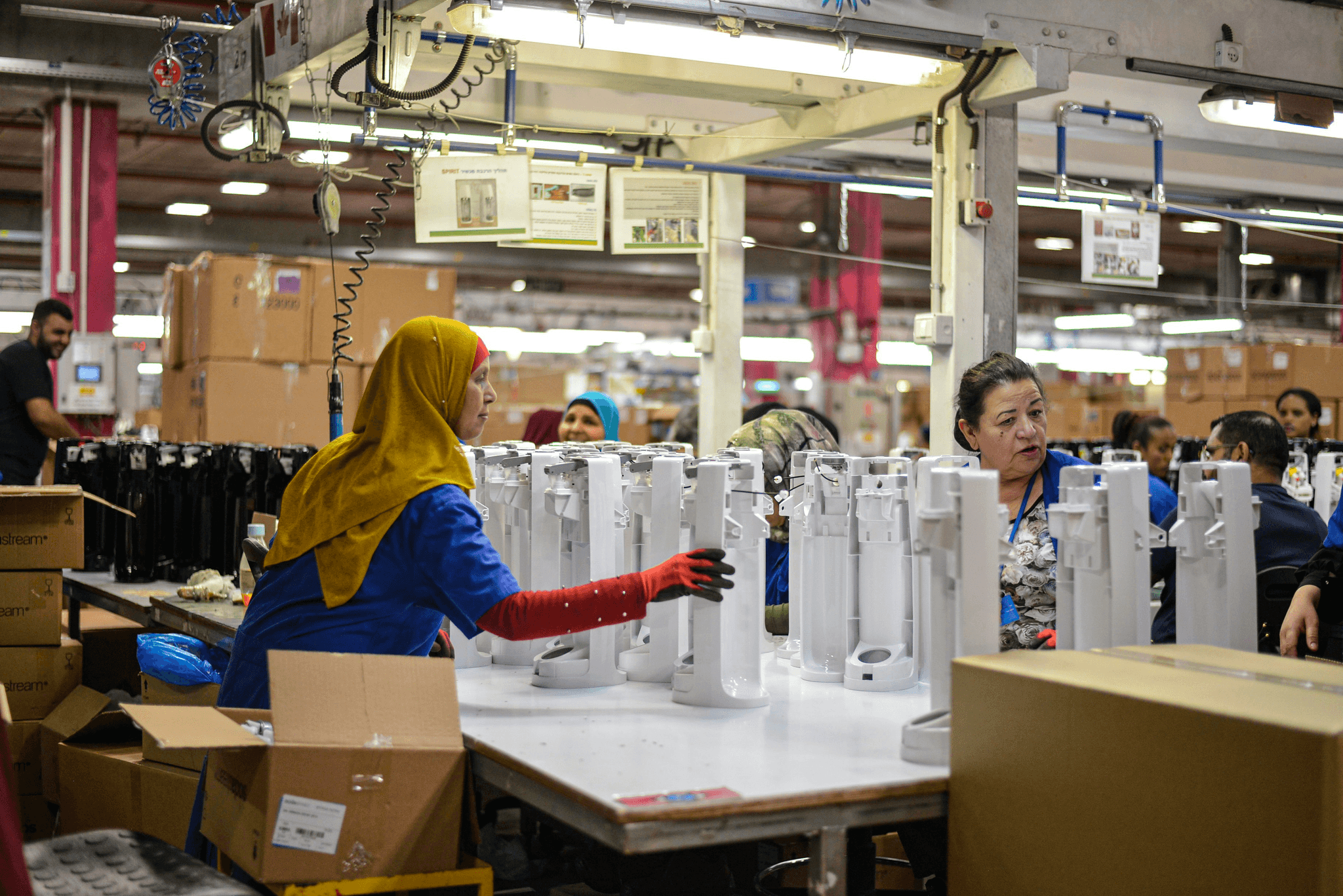
Manufacturing is a complex dance, and while the rhythm can be harmonious, it’s not without its missteps. Understanding what are the common risks in manufacturing and how to avoid them is crucial for anyone looking to find a manufacturer that aligns with their business goals. By proactively addressing these concerns, you can ensure smoother operations and higher quality products.
Identifying Quality Control Issues
Quality control issues can be a manufacturer’s worst nightmare, leading to defective products that tarnish your brand reputation. To mitigate these risks, establish clear product specifications and conduct regular inspections throughout the production process—because nobody wants surprises when it comes to quality! Additionally, consider implementing third-party inspections or utilizing services like China Inspection Pro to ensure your standards are met consistently.
When exploring how to find a manufacturer, ask about their quality assurance protocols upfront. This will give you insight into their commitment to maintaining high standards. Remember, a manufacturer who prioritizes quality control is one worth keeping on your radar as you evaluate what should you consider before making your final decision.
Understanding Supply Chain Disruptions
Supply chain disruptions can feel like an unexpected plot twist in your manufacturing story; one moment everything is flowing smoothly, and the next you're facing delays or shortages. Understanding potential bottlenecks—whether due to geopolitical issues or natural disasters—is essential for anyone looking at alternatives to traditional manufacturers. Diversifying your supplier base and having contingency plans in place can help ease these challenges when they arise.
Additionally, keeping an open line of communication with suppliers allows you to stay informed about any potential risks that may affect production timelines or costs. As you navigate what legal considerations should you keep in mind during this process, remember that contracts should include clauses addressing supply chain disruptions to protect your interests.
Mitigating Intellectual Property Risks
In today’s global market, safeguarding intellectual property (IP) is paramount—especially if you're working with manufacturers overseas who may not have the same respect for IP laws as those at home. To mitigate these risks effectively, start by conducting thorough due diligence on any prospective manufacturers; check references and reviews from other businesses regarding their integrity concerning IP protection.
Moreover, when determining how do you scale up your manufacturing operations, ensure that all agreements include strong non-disclosure agreements (NDAs) and intellectual property clauses that clearly outline ownership rights over designs or proprietary processes developed during collaboration with manufacturers. By doing so, you'll not only protect your innovations but also create a foundation of trust as you build strong supplier relationships moving forward.
What Legal Considerations Should You Keep in Mind?

When you're embarking on the journey of finding a manufacturer, it's crucial to navigate the legal landscape with care. Understanding the legal considerations can be as important as knowing how to find a manufacturer that meets your needs. This section will help you grasp the fundamental legal aspects that could impact your manufacturing process.
Reviewing Contracts and Agreements
Contracts and agreements are the backbone of any successful manufacturing partnership, so reviewing them thoroughly is non-negotiable. These documents outline the terms of your relationship with manufacturers, including pricing, delivery schedules, and quality expectations. A well-drafted contract can help you avoid misunderstandings and potential disputes down the line—something every entrepreneur should prioritize when considering what should you consider before making your final decision.
Understanding Compliance and Regulatory Standards
Compliance with local and international regulations is not just a checkbox; it's an essential part of how to find a manufacturer that aligns with your business values. Depending on your industry, various standards may apply—think safety regulations for consumer products or environmental laws for manufacturing processes. Familiarizing yourself with these compliance requirements will not only keep you out of hot water but also enhance your brand's reputation in target markets.
Ensuring Protection of Your Intellectual Property
Intellectual property (IP) protection is often overlooked but is critical when engaging manufacturers, especially if you're venturing into what are the alternatives to traditional manufacturers like contract or artisan producers. Whether it’s patents for unique designs or trademarks for branding elements, safeguarding your IP ensures that competitors can't easily replicate your innovations. Make sure to include clear clauses in contracts regarding IP ownership and confidentiality to secure your creative assets as you scale up your manufacturing operations.
How Do You Scale Up Your Manufacturing Operations?

Scaling up your manufacturing operations is a critical step in growing your business, but it requires careful planning and execution. To do this effectively, you need to understand not only how to find a manufacturer that can meet increased demand but also what are the alternatives to traditional manufacturers that might better suit your needs. Additionally, being aware of common risks in manufacturing and how you can avoid them will help ensure a smoother scaling process.
Planning for Increased Production Capacity
When planning for increased production capacity, it's essential to assess your current capabilities and identify any gaps that may hinder growth. This could involve evaluating whether your existing manufacturer can handle larger orders or if you need to explore what are the alternatives to traditional manufacturers who might offer more flexibility or better technology. Moreover, consider the potential impact on lead times and costs when determining how to find a manufacturer that aligns with your expansion goals.
As demand grows, so does the complexity of production schedules and supply chain logistics. Be proactive in developing contingency plans that factor in potential disruptions—after all, understanding what are the common risks in manufacturing and how can you avoid them is key here. By anticipating challenges before they arise, you'll be better positioned to scale smoothly without sacrificing quality or customer satisfaction.
Implementing Quality Control Procedures
Quality control is paramount when scaling up operations; after all, maintaining product integrity is crucial for brand reputation. Implementing robust quality control procedures ensures that as production ramps up, the products remain consistent with specifications—a crucial aspect when considering what should you consider before making your final decision on any new manufacturer partnerships. Regular audits and inspections should become part of your routine to catch any issues early on.
Don’t underestimate the importance of training staff on these quality procedures; they play an essential role in ensuring adherence as production increases. Furthermore, leveraging technology such as automated inspection systems can help streamline processes while providing reliable data on product quality—a smart move when you're figuring out how do you scale up your manufacturing operations efficiently.
Building Strong Supplier Relationships
Building strong relationships with suppliers is another key component of successful scaling efforts; they can be invaluable partners during periods of growth. Open lines of communication foster trust and transparency—key elements when navigating challenges associated with increased demand or potential supply chain disruptions (remember those common risks?). Engaging suppliers early in discussions about capacity increases helps align expectations from both sides.
Moreover, nurturing these relationships allows for collaboration on innovative solutions tailored specifically for your business needs—whether that's exploring contract manufacturers or local artisan producers who may offer unique advantages over traditional options. As you work through what legal considerations should you keep in mind regarding contracts and agreements with suppliers, having established rapport will make negotiations smoother.
In conclusion, successfully scaling up manufacturing operations involves meticulous planning around capacity increases while ensuring stringent quality controls are maintained throughout the process. By fostering strong supplier relationships and being mindful of potential risks associated with growth strategies—including understanding what are the alternatives to traditional manufacturers—you'll be well-equipped for long-term success.
Conclusion
Navigating the manufacturing landscape can feel like traversing a labyrinth, but with the right tools and knowledge, you can find your way to success. From understanding how to find a manufacturer that aligns with your vision to evaluating what are the common risks in manufacturing and how can you avoid them, every step is crucial. By recognizing the importance of thorough research and preparation, you're setting yourself up for a fruitful partnership.
Navigating Your Manufacturing Journey
Your journey begins by clearly defining what you need from your manufacturer. Knowing what are the alternatives to traditional manufacturers can open doors to innovative solutions that might better suit your project’s specifications and budget. Additionally, being aware of what should you consider before making your final decision ensures that you are not only focused on cost but also on quality and reliability.
Ensuring Product Quality with China Inspection Pro
To ensure product quality, leveraging services like China Inspection Pro is vital in safeguarding your investment. They provide insights into quality control measures that help mitigate risks associated with overseas production, answering essential questions about what legal considerations should you keep in mind during manufacturing processes. Moreover, understanding how to scale up your manufacturing operations effectively means maintaining high standards without compromising on quality as demand increases.
Making Informed Decisions for Long-Term Success
Informed decision-making is at the heart of successful manufacturing partnerships; it involves considering all aspects from pricing structures to communication strategies. By continually assessing what are the common risks in manufacturing and how can you avoid them, you'll be better prepared for any challenges that arise along the way. Ultimately, embracing a proactive approach will help ensure long-term success as you navigate through finding a manufacturer who meets all of your needs.