
Introduction
In today’s global economy, the significance of Social Compliance Audits cannot be overstated. These audits serve as a crucial mechanism to ensure that workplaces adhere to established standards, thereby safeguarding employee rights and promoting ethical business practices. By evaluating various aspects such as Working Hour Violations, Wages & Benefits, and Health & Safety (Workplace) and (Dormitory), organizations can identify areas for improvement and foster a more equitable environment.
Understanding Social Compliance Audits
Social Compliance Audits are systematic evaluations designed to assess whether companies uphold labor laws and ethical standards in their operations. They focus on critical factors such as working conditions, employee treatment, and compliance with local regulations. By understanding the intricacies of these audits, businesses can better navigate the complexities of labor compliance while ensuring that they meet both legal obligations and moral responsibilities.
Importance of Workplace Standards
Establishing robust workplace standards is essential for fostering a safe and productive environment for employees. Standards related to Working Hour Violations, fair Wages & Benefits, and Health & Safety (Workplace) create a foundation upon which employees can thrive. When organizations prioritize these standards, they not only comply with regulations but also enhance their reputation among consumers who value ethical practices.
Overview of Social Compliance Issues
Social compliance issues encompass a wide range of challenges that businesses face in maintaining ethical labor practices. From rampant Working Hour Violations to discrepancies in Wages & Benefits, companies must address these concerns proactively to mitigate risks associated with non-compliance. Moreover, neglecting Health & Safety (Workplace) and (Dormitory) conditions can lead to severe consequences for both employees’ well-being and an organization’s credibility in the marketplace.
Working Hour Violations

In the realm of Social Compliance Audits, working hour violations are among the most critical issues that can arise. These violations not only affect employee morale but can also lead to severe legal repercussions for companies. Understanding how to track hours accurately and address overworking is essential for maintaining compliance and ensuring a healthy workplace.
Tracking Hours Accurately
Accurate tracking of working hours is vital in preventing Working Hour Violations. Companies should implement robust timekeeping systems that allow employees to log their hours transparently, reducing discrepancies and misunderstandings. By utilizing technology such as biometric systems or mobile apps, organizations can ensure that every minute worked is accounted for, fostering a culture of accountability.
Moreover, regular audits of these timekeeping systems can reveal patterns or anomalies that may indicate potential violations. This proactive approach not only helps in compliance with labor laws but also enhances trust between employers and employees. In the long run, accurate tracking contributes significantly to fair wages & benefits by ensuring employees are compensated fairly for their time.
Consequences of Overworking Employees
The consequences of overworking employees extend far beyond fatigue; they can severely impact both health & safety (workplace) and overall productivity. When workers are pushed beyond reasonable limits, it often leads to burnout, increased absenteeism, and higher turnover rates—all detrimental to company morale and success. Additionally, overworked employees may exhibit decreased performance levels due to stress-related issues, ultimately affecting the quality of work provided.
From a compliance perspective, failing to address these concerns during Social Compliance Audits could lead to serious legal ramifications and financial penalties. Companies must recognize that investing in their workforce's well-being pays dividends in productivity and employee retention rates. Prioritizing a balanced workload not only enhances health & safety (workplace) but also aligns with ethical business practices.
Mitigating Risks with Audit Findings
Mitigating risks associated with Working Hour Violations requires a strategic response based on audit findings from Social Compliance Audits. Once potential issues are identified—whether through excessive overtime or inconsistent scheduling—companies should develop action plans tailored to rectify these shortcomings promptly. This could include revisiting staffing models or implementing flexible work arrangements that respect both employee needs and business demands.
Furthermore, engaging employees in discussions about their workloads can provide invaluable insights into operational improvements while promoting transparency within the organization. By actively addressing findings from audits related to working hours, companies demonstrate their commitment not only to compliance but also to fostering an ethical workplace culture focused on health & safety (dormitory) as well as workplace standards overall.
Wages & Benefits

In the realm of Social Compliance Audits, understanding Wages & Benefits is crucial for fostering a fair workplace. Employees deserve not only competitive pay but also benefits that reflect their contributions and ensure their well-being. This section delves into ensuring fair compensation, compliance with local labor laws, and addressing wage disparities to create a more equitable work environment.
Ensuring Fair Compensation
Fair compensation is the cornerstone of employee satisfaction and retention. When organizations prioritize Wages & Benefits in their Social Compliance Audits, they send a clear message that they value their workforce. This commitment not only enhances morale but also reduces turnover rates, ultimately benefiting the organization’s bottom line.
To achieve this, companies must regularly assess their pay structures against industry standards and employee expectations. Transparent communication about wages fosters trust and encourages employees to voice concerns about compensation issues without fear of repercussions. By ensuring fair compensation, businesses can avoid potential Working Hour Violations tied to overworked employees seeking additional income through overtime.
Compliance with Local Labor Laws
Compliance with local labor laws is non-negotiable when it comes to Wages & Benefits in any Social Compliance Audit framework. These regulations are designed to protect workers from exploitation and ensure they receive at least minimum wage along with mandated benefits like health insurance or paid leave. Organizations that fail to adhere to these laws risk legal repercussions and damage to their reputations.
Regular audits help identify any discrepancies between company policies and local regulations regarding wages and benefits. By aligning practices with legal standards, companies demonstrate commitment not just to compliance but also to ethical business practices that prioritize employee welfare over profit margins. Moreover, adherence to labor laws can significantly reduce risks associated with Health & Safety (Workplace) violations stemming from disgruntled employees who feel undervalued.
Addressing Wage Disparities
Wage disparities can create significant tension within an organization, undermining teamwork and morale among employees. Addressing these discrepancies is essential for maintaining a positive work culture as highlighted in Social Compliance Audits focused on Wages & Benefits. Companies should conduct regular reviews of salary data across various demographics—including gender, race, and job roles—to identify gaps that need rectification.
By actively working towards equal pay for equal work, organizations not only comply with ethical standards but also enhance their reputation as fair employers in the marketplace. Furthermore, resolving wage disparities can lead directly to improved Health & Safety (Dormitory) conditions; when workers feel valued financially, they are more likely to invest themselves fully in their roles—both on-site and off-site—increasing overall productivity.
In conclusion, focusing on Wages & Benefits within the framework of Social Compliance Audits is essential for creating a sustainable workplace environment where all employees feel valued and protected under local labor laws while minimizing risks related to Working Hour Violations or health hazards stemming from dissatisfaction or unrest among workers.
Health & Safety (Workplace)
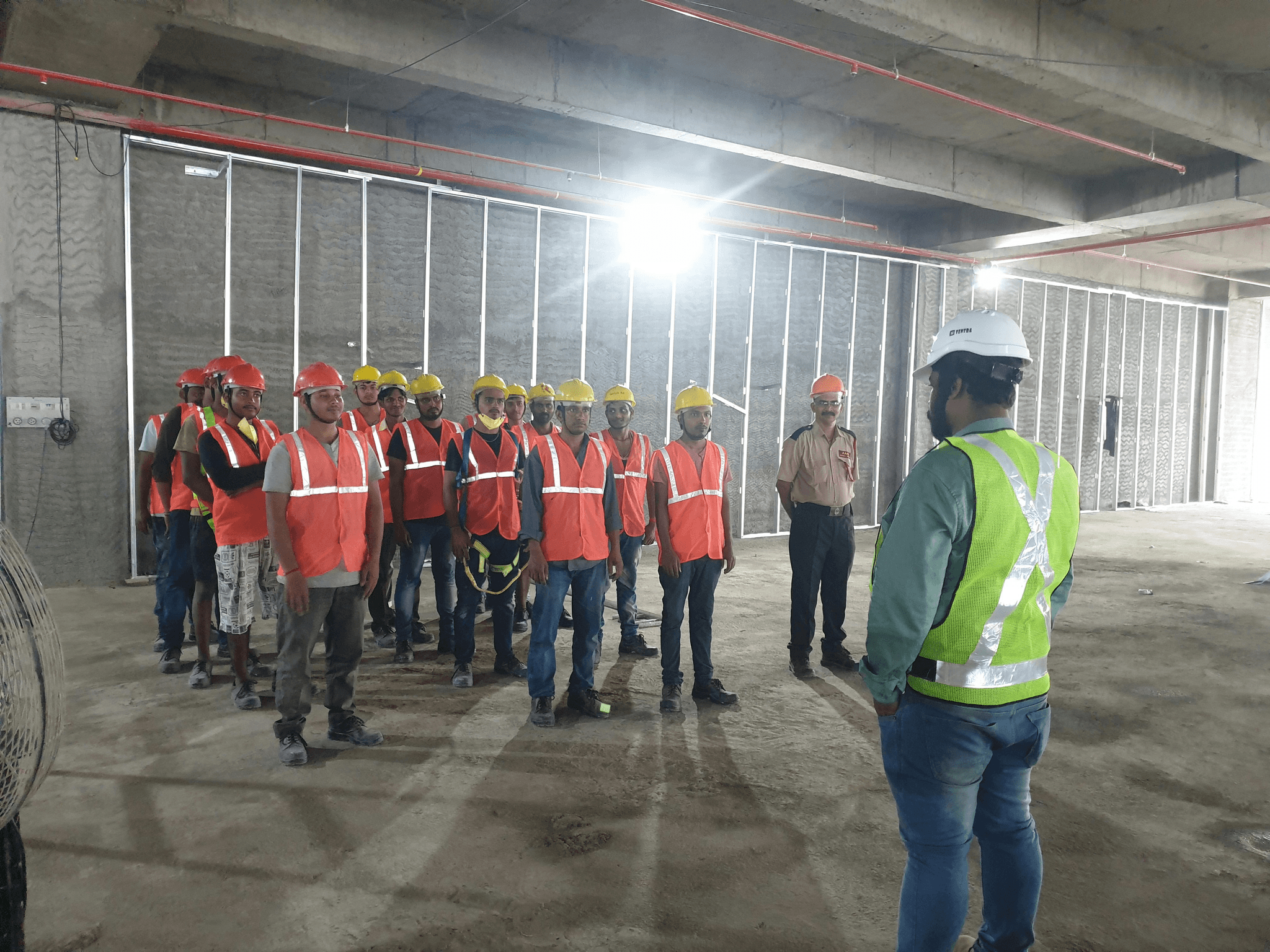
In the realm of Social Compliance Audits, Health & Safety (Workplace) is a paramount concern that cannot be overlooked. Evaluating and enhancing safety protocols not only ensures compliance with regulations but also fosters a culture of care within organizations. After all, a safe workplace is not just about ticking boxes; it’s about protecting employees and promoting productivity.
Evaluating Safety Protocols
To effectively evaluate safety protocols, companies must first conduct thorough assessments of existing policies and procedures. This involves identifying potential hazards, assessing risk levels, and ensuring that all safety measures align with local labor laws as well as international standards. Regular reviews during Social Compliance Audits can help pinpoint weaknesses in current practices and drive necessary improvements, ultimately reducing the likelihood of working hour violations related to unsafe conditions.
Importance of Regular Safety Training
Regular safety training is essential for empowering employees to recognize hazards and respond appropriately in emergencies. When workers are well-informed about health and safety practices, they are more likely to adhere to guidelines, which can significantly decrease workplace incidents. By incorporating ongoing training into their culture, organizations demonstrate their commitment not only to compliance but also to the overall well-being of their workforce—an investment that pays off in reduced costs associated with injuries and absenteeism.
Reducing Workplace Incidents
Reducing workplace incidents requires a multi-faceted approach that includes both proactive measures and responsive strategies following an incident. Analyzing data from past accidents can reveal patterns that inform future prevention efforts while fostering an environment where employees feel comfortable reporting unsafe conditions without fear of retaliation. Ultimately, effective management of health and safety issues leads to improved employee morale and productivity—a win-win situation for both workers’ wages & benefits as well as organizational success.
Health & Safety (Dormitory)
In the realm of Social Compliance Audits, ensuring safe and healthy living conditions for workers is paramount. Dormitory inspections are not merely a formality; they are a critical aspect of assessing overall employee welfare. By evaluating these living conditions, organizations can identify potential risks that might affect both productivity and morale.
Inspecting Living Conditions
When conducting Social Compliance Audits, inspecting dormitory living conditions should be a top priority. This includes checking for adequate space, sanitation facilities, and access to necessities like clean water and proper ventilation. Poorly maintained dormitories can lead to health issues that ripple through the workforce, ultimately affecting productivity and increasing costs related to absenteeism.
Regular inspections also allow companies to address issues before they escalate into larger problems. For example, if workers report overcrowding or unsanitary conditions during audits, immediate action can be taken to rectify these concerns. This proactive approach not only ensures compliance with health standards but also fosters a culture of safety that extends beyond the workplace.
Impact of Poor Housing on Workers
The impact of poor housing on workers cannot be overstated; it can lead to significant declines in both physical and mental health. When employees are forced to live in substandard conditions, their ability to perform effectively at work diminishes due to stress and fatigue from inadequate rest environments. Moreover, if employees feel neglected regarding their living situations during Social Compliance Audits, it may foster resentment towards their employer.
Additionally, poor housing can exacerbate existing social compliance issues such as Working Hour Violations and Wages & Benefits discrepancies. If workers are exhausted from uncomfortable living arrangements or long commutes due to inadequate housing facilities, they may struggle with maintaining productivity levels or adhering to work schedules. Addressing these housing concerns is essential for creating an environment where employees feel valued and motivated.
Enhancing Employee Well-being
Enhancing employee well-being through improved dormitory conditions is an investment in your workforce's future success—both ethically and economically. Organizations that prioritize quality housing demonstrate a commitment not just to compliance but also to fostering a supportive atmosphere for their staff members. When workers feel comfortable in their living spaces, they are more likely to engage positively with their work environment.
Social Compliance Audits serve as an opportunity for organizations to assess how well they meet these standards while identifying areas for improvement in Health & Safety (Dormitory) protocols specifically tailored for employee needs. By implementing changes based on audit findings—such as upgrading facilities or providing better amenities—companies can significantly enhance worker satisfaction and retention rates over time. Ultimately, investing in healthier dormitory environments leads not just to compliance but also cultivates loyal employees who contribute positively back into the organization.
Conclusion
In wrapping up our exploration of Social Compliance Audits, it's clear that these assessments play a crucial role in maintaining ethical standards across various workplaces. They shine a spotlight on critical issues like Working Hour Violations, Wages & Benefits, and Health & Safety (Workplace) and (Dormitory). By identifying gaps and areas for improvement, organizations can foster a more equitable environment for their employees.
Key Takeaways from Social Compliance Audits
One of the most significant takeaways from Social Compliance Audits is the emphasis on transparency and accountability in labor practices. Companies that actively address Working Hour Violations not only enhance their reputation but also improve employee morale and productivity. Furthermore, consistent evaluation of Wages & Benefits ensures that workers receive fair compensation, reducing wage disparities and promoting equity.
Another key point is the importance of Health & Safety (Workplace) measures. Regular audits help identify potential hazards and ensure adherence to safety protocols, which can drastically reduce workplace incidents. Similarly, evaluating Health & Safety (Dormitory) conditions is vital; after all, where employees live impacts their overall well-being and job performance.
The Role of Audits in Ethical Practices
Social Compliance Audits serve as a backbone for ethical business practices by holding organizations accountable for their treatment of employees. They encourage companies to adopt fair policies regarding Working Hour Violations while ensuring compliance with local labor laws related to Wages & Benefits. This commitment to ethics not only protects workers but also enhances corporate reputation among consumers who increasingly value social responsibility.
Moreover, audits facilitate continuous improvement by providing actionable insights into Health & Safety (Workplace) conditions. By regularly assessing these factors, businesses can create safer environments that ultimately lead to higher employee satisfaction and retention rates. In essence, audits are not just about compliance; they are about cultivating a culture where ethical practices thrive.
Choosing the Right Partner Like China Inspection Pro
When it comes to implementing effective Social Compliance Audits, partnering with an experienced organization like China Inspection Pro can make all the difference. Their expertise ensures comprehensive evaluations covering all facets including Working Hour Violations and Wages & Benefits compliance effortlessly. With their assistance, companies can focus on enhancing Health & Safety (Workplace) standards while ensuring comfortable living conditions through diligent assessments of Health & Safety (Dormitory).
Furthermore, choosing the right partner means gaining access to valuable resources that aid in mitigating risks identified during audits—an invaluable aspect for any organization striving for excellence in workplace standards. Ultimately, aligning with a trusted partner empowers businesses to uphold ethical practices while fostering an environment where employees feel valued and safe.