
Introduction
In today's interconnected world, the concept of social compliance audits has gained significant traction, becoming a cornerstone for businesses striving to maintain ethical and sustainable practices within their supply chains. These audits serve not only as a mechanism for ensuring adherence to labor laws and ethical standards but also play a crucial role in enhancing overall quality assurance across various sectors. By understanding the intricacies of social compliance audits, organizations can better navigate the complexities of supply chain management while safeguarding their brand reputation.
Understanding Social Compliance Audits
Social compliance audits are systematic evaluations designed to assess whether organizations meet established labor and environmental standards throughout their supply chains. The primary purpose of these audits is to identify potential risks and areas for improvement, ensuring that suppliers adhere to ethical practices that promote worker rights and environmental sustainability. As businesses increasingly recognize the importance of transparency, social compliance audits have become essential tools in fostering responsible sourcing and maintaining quality assurance.
Importance of Quality Assurance in Supply Chains
Quality assurance is integral to any effective supply chain strategy, as it directly impacts product reliability, customer satisfaction, and overall business performance. By implementing rigorous quality checks at every stage of production, companies can enhance product quality while minimizing defects and inconsistencies that could tarnish their reputation. Moreover, a strong focus on quality assurance not only supports compliance with regulations but also strengthens consumer trust—a vital currency in today’s competitive market.
The Role of Auditors in Supply Chain Management
Auditors play a pivotal role in ensuring that both social compliance and quality assurance standards are upheld throughout the supply chain management process. With expertise often backed by ISO certification, auditors provide an objective perspective on supplier practices while identifying gaps that may jeopardize compliance or product integrity. Their insights are invaluable for organizations aiming to foster long-term partnerships with suppliers who prioritize ethical conduct and high-quality outputs.
What are Social Compliance Audits?

Social compliance audits serve as a vital tool in the intricate web of supply chain management. These audits evaluate whether suppliers adhere to established social, ethical, and legal standards, ensuring that quality assurance measures are not just an afterthought but a foundational element. The essence of these audits lies in their ability to uphold not only regulatory requirements but also moral obligations to workers and communities involved in production.
Definition and Purpose
At its core, a social compliance audit is an evaluation process designed to assess how well a company’s suppliers comply with specific social standards, which often include labor rights, health and safety regulations, and environmental considerations. The purpose is twofold: first, it aims to identify areas where suppliers may fall short of expectations; second, it provides a framework for improvement that aligns with quality assurance objectives. This proactive approach ensures that supply chains operate smoothly while adhering to ethical practices.
Benefits for Supply Chain Integrity
Implementing social compliance audits significantly enhances supply chain integrity by fostering transparency and accountability among all parties involved. By identifying potential risks early on—such as labor violations or unsafe working conditions—companies can take corrective action before issues escalate into larger problems that could jeopardize both quality and reputation. Furthermore, these audits contribute to the overall stability of the supply chain by promoting consistent adherence to quality assurance standards across various suppliers.
The Link Between Compliance and Brand Reputation
In today’s market landscape, brand reputation is closely tied to ethical practices within the supply chain—a fact underscored by numerous consumer surveys highlighting preferences for socially responsible companies. Social compliance audits play a crucial role in safeguarding this reputation by ensuring that businesses maintain high-quality standards while also respecting human rights throughout their operations. As consumers become increasingly aware of corporate practices, brands that prioritize compliance can differentiate themselves from competitors who may neglect these vital aspects of quality assurance.
The Impact of Quality Assurance on Supply Chains
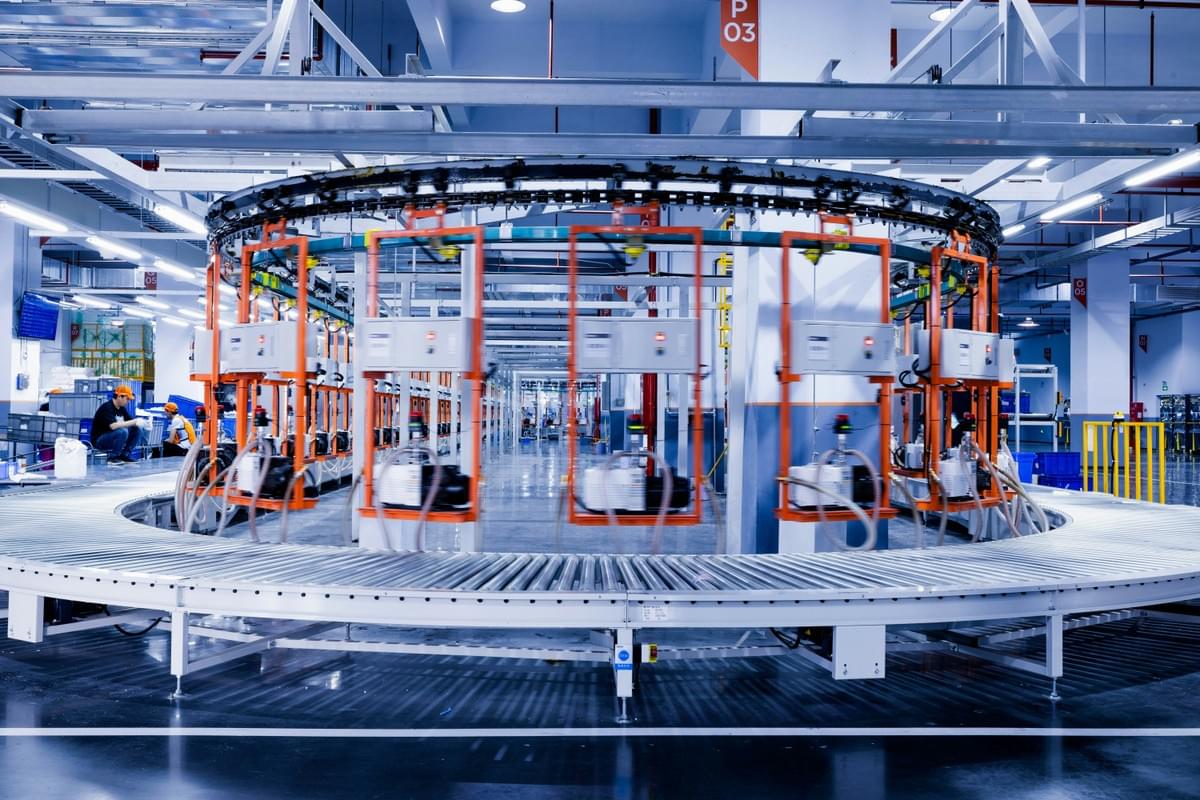
Quality assurance serves as the backbone of effective supply chain management, ensuring that products meet established standards before they reach consumers. By implementing rigorous checks throughout the production process, organizations can significantly enhance product quality. This not only minimizes defects but also fosters a culture of continuous improvement that ultimately benefits all stakeholders involved.
Enhancing Product Quality Through Rigorous Checks
Rigorous quality assurance checks are essential for maintaining high standards in product quality within supply chains. These checks involve systematic evaluations at various stages, from raw materials to finished goods, ensuring compliance with both industry regulations and internal benchmarks. When executed effectively, these processes lead to fewer recalls and increased customer satisfaction, reinforcing the importance of social compliance audits as part of a robust quality assurance framework.
Moreover, integrating ISO certification into these quality assurance practices provides an additional layer of credibility and consistency. Auditors who are well-versed in ISO standards can identify areas for improvement and ensure that suppliers adhere to best practices in manufacturing and distribution. This synergy between social compliance audits and quality assurance is vital for enhancing overall supply chain integrity.
The Relationship Between Quality Assurance and Social Compliance
Quality assurance is intrinsically linked to social compliance within supply chains, creating a symbiotic relationship that enhances both product integrity and ethical standards. Social compliance audits assess not only the adherence to legal requirements but also the ethical treatment of workers throughout the supply chain process. By prioritizing both aspects, companies can ensure they are producing goods responsibly while also meeting consumer expectations for high-quality products.
Furthermore, effective quality assurance processes help identify potential risks related to non-compliance with social standards early on in production cycles. This proactive approach allows organizations to rectify issues before they escalate into larger problems that could jeopardize their reputation or operational efficiency. Therefore, embracing both quality assurance and social compliance audits is essential for sustainable success in today’s competitive marketplace.
How Quality Assurance Influences Consumer Trust
Consumer trust hinges significantly on a company's commitment to quality assurance and adherence to social compliance standards within its supply chain management practices. When consumers know that a brand prioritizes rigorous testing and ethical production methods through comprehensive social compliance audits, their confidence in purchasing decisions increases dramatically. This trust translates into customer loyalty—a crucial advantage in an increasingly discerning market.
Moreover, transparency regarding quality assurance processes can further bolster consumer confidence by demonstrating accountability at every level of production—something today's consumers actively seek out when choosing brands. Companies that openly share their commitment to both product excellence and ethical labor practices tend to foster deeper connections with their customers over time. Ultimately, integrating strong quality assurance measures alongside diligent social compliance audits creates a powerful narrative that resonates with consumers who value integrity as much as they do product performance.
Key Components of a Successful Audit

When it comes to social compliance audits, several key components ensure their effectiveness and relevance in today's supply chain management landscape. These audits not only verify adherence to social standards but also enhance quality assurance throughout the supply chain. Understanding these components is crucial for organizations aiming to maintain integrity while fostering consumer trust.
Elements of Effective Social Compliance Audits
Effective social compliance audits hinge on a few essential elements that guarantee thorough assessments of supply chain partners. First, auditors must employ a comprehensive checklist that covers labor practices, health and safety regulations, and environmental impacts. This ensures that quality assurance is not merely an afterthought but integrated into every aspect of the audit process.
Moreover, engaging with workers directly during the audit can provide invaluable insights into actual practices versus documented policies. This direct interaction helps auditors gauge the true state of compliance and quality within the organization. Finally, post-audit follow-ups are vital; they provide an opportunity for continuous improvement in both social compliance and overall quality assurance.
The Role of ISO Certification in Auditing Processes
ISO certification plays a pivotal role in enhancing the credibility and reliability of social compliance audits within supply chain management. By adhering to international standards set forth by ISO, organizations can showcase their commitment to maintaining high-quality processes across all operations. This certification not only boosts confidence among consumers but also assures stakeholders about the organization's dedication to quality assurance.
Additionally, ISO certification provides a structured framework for auditors to evaluate compliance systematically. The standardized approach allows for consistent comparisons across different suppliers or partners within the supply chain, making it easier to identify areas needing improvement or adjustment in terms of quality assurance practices. Ultimately, this fosters a culture where continuous enhancement is prioritized over mere compliance.
Evaluating Supply Chain Partners for Compliance
Evaluating supply chain partners for compliance is critical in ensuring that all entities involved uphold rigorous standards related to social responsibility and quality assurance. Organizations should implement regular assessments based on clearly defined criteria that encompass various aspects such as labor conditions and environmental impact—essentially providing a holistic view of each partner's commitment toward sustainable practices.
Furthermore, establishing open lines of communication with suppliers can facilitate transparency regarding any potential issues related to social compliance audits or quality concerns as they arise. By nurturing these relationships, companies can address problems proactively rather than reactively—an approach that ultimately enhances overall supply chain management effectiveness. Consistent evaluation ensures that partners remain aligned with organizational values while reinforcing mutual accountability across all levels.
Challenges in Supply Chain Management

Navigating the complexities of supply chain management is no walk in the park, especially when it comes to social compliance audits. These audits are designed to ensure ethical practices, but they often stumble upon common pitfalls that can undermine their effectiveness. Understanding these challenges is crucial for maintaining quality assurance and ensuring a robust supply chain.
Common Pitfalls in Social Compliance Audits
One of the most significant pitfalls in social compliance audits is the tendency for companies to treat them as mere checkboxes rather than comprehensive evaluations. This superficial approach can lead to inadequate assessments that fail to uncover underlying issues within the supply chain. Additionally, auditors may not have sufficient training or access to updated auditor ISO certification standards, which can compromise the integrity of the audit process.
Another common challenge is a lack of engagement from supply chain partners during the audit process. If stakeholders view social compliance audits as an inconvenience rather than an opportunity for improvement, it can stymie efforts to enhance quality assurance measures across the board. Furthermore, inconsistent communication among partners can create gaps in understanding expectations and responsibilities related to social compliance.
Lastly, many organizations struggle with data management when conducting social compliance audits. Without effective systems in place to collect and analyze information, auditors may miss critical insights into quality assurance and overall supply chain performance. In turn, this oversight hinders a company's ability to make informed decisions that could improve both compliance and product integrity.
Addressing Quality Issues in Real-Time
In today's fast-paced market environment, addressing quality issues in real-time is essential for maintaining a competitive edge within supply chains. Social compliance audits should not be viewed as one-off events but rather as ongoing processes that require continuous monitoring and adjustment based on emerging data trends. By implementing proactive strategies for quality assurance, companies can respond swiftly when problems arise.
Utilizing technology such as real-time data analytics tools allows businesses to identify potential issues before they escalate into larger concerns affecting product quality or brand reputation. This proactive approach not only enhances overall efficiency but also fosters trust among consumers who increasingly demand transparency regarding manufacturing practices and social responsibility from brands they support.
Moreover, fostering a culture of accountability within organizations encourages employees at all levels to prioritize quality assurance efforts actively while remaining vigilant about potential non-compliance risks throughout their respective roles in supply chain management. By empowering teams with knowledge about best practices related specifically to social compliance audits—and continuously reinforcing these principles—companies will be better positioned against future challenges.
The Importance of Transparency Throughout the Supply Chain
Transparency serves as a cornerstone for successful supply chain management and effective social compliance audits alike; without it, achieving true accountability becomes nearly impossible! Companies must cultivate open communication channels with all stakeholders involved—suppliers included—to ensure everyone understands their roles concerning quality assurance initiatives and expectations surrounding ethical practices.
Additionally, embracing transparency helps build consumer trust by demonstrating commitment towards responsible sourcing methods while highlighting adherence towards established auditor ISO certification standards throughout operations—from raw materials procurement through final product delivery! When customers see brands engaging openly about their auditing processes (and results), they're more likely inclined toward loyalty—ultimately translating into enhanced sales performance over time.
Finally—and perhaps most importantly—transparency enables organizations themselves not just track progress against established benchmarks but also identify areas where improvements are needed promptly! By sharing findings from regular assessments conducted during social compliance audits with internal teams (and external partners), businesses foster collaboration aimed at driving continuous improvement across every aspect of operations tied back into overarching goals related directly back towards enhancing product quality overall!
Using Technology to Improve Auditing Processes
In today's fast-paced world, technology is revolutionizing the way social compliance audits are conducted. With innovative tools and techniques, auditors can enhance the quality assurance processes within supply chains and management. This not only streamlines auditing but also ensures that quality standards are consistently met across all levels of production.
Innovative Tools for Social Compliance Audits
The advent of technology has brought forth a plethora of innovative tools designed specifically for social compliance audits. These tools range from mobile applications that allow real-time data collection to cloud-based platforms that facilitate seamless communication between auditors and suppliers. By utilizing such technologies, companies can ensure a more thorough examination of their supply chain practices, leading to improved quality assurance outcomes.
Furthermore, these tools often come equipped with features that enable automated tracking of compliance metrics, making it easier for auditors to identify areas needing improvement. The integration of digital checklists and reporting systems enhances efficiency while minimizing human error during audits. Ultimately, these innovative solutions empower organizations to uphold their commitment to social compliance audits and maintain high-quality standards throughout their operations.
Data Analytics in Quality Assurance and Management
Data analytics plays a pivotal role in enhancing quality assurance within supply chains and management frameworks. By harnessing big data, companies can analyze trends related to product quality, supplier performance, and audit results over time. This analytical approach allows organizations to make informed decisions based on quantitative evidence rather than relying solely on anecdotal information.
Moreover, advanced analytics can uncover hidden patterns that might indicate potential risks or areas where social compliance audits may fall short. For instance, predictive analytics can help anticipate issues before they escalate into significant problems affecting quality assurance or brand reputation. By leveraging data-driven insights, businesses can proactively address challenges in their supply chains while ensuring adherence to both regulatory standards and internal policies.
How China Inspection Pro Enhances Audit Efficiency
China Inspection Pro stands out as a prime example of how technology can enhance the efficiency of social compliance audits within the context of global supply chains. This platform offers comprehensive solutions tailored for various industries aiming for rigorous quality assurance measures alongside effective management practices. By providing access to real-time inspection reports and detailed analytics dashboards, it simplifies the auditing process significantly.
The integration of ISO certification requirements into its framework ensures that all audit procedures align with international standards for quality assurance and compliance management. Additionally, China Inspection Pro's user-friendly interface allows auditors to easily navigate through complex data sets while generating actionable insights swiftly. As a result, companies leveraging this tool not only improve their audit efficiency but also reinforce their commitment to maintaining high-quality practices throughout their supply chain operations.
Conclusion
In wrapping up our discussion on social compliance audits, it’s clear that these assessments are not merely a checkbox for companies but a vital tool for ensuring quality assurance throughout the supply chain. They serve to reinforce brand integrity and consumer trust while promoting ethical practices in management. Ultimately, the insights gained from these audits can lead to a more resilient and reliable supply chain.
Key Takeaways from Social Compliance Audits
Social compliance audits are essential for identifying areas of improvement within supply chains and ensuring adherence to quality assurance standards. By fostering transparency and accountability, these audits enhance overall quality, helping businesses mitigate risks associated with non-compliance. Moreover, they play a significant role in protecting brand reputation by linking ethical practices directly to consumer perceptions.
Future Trends in Quality Assurance and Supply Chains
The future of quality assurance in supply chains is undoubtedly intertwined with technological advancements that streamline auditing processes. Expect to see increased integration of data analytics and automation, which will bolster the effectiveness of social compliance audits while minimizing human error. Additionally, as consumers become more discerning about brand ethics, companies will need to prioritize robust quality assurance measures that align with their values.
The Importance of Ongoing Auditor Engagement
Ongoing auditor engagement is crucial for maintaining high standards in both social compliance audits and overall quality assurance efforts within supply chains. Regular check-ins ensure that any emerging issues are promptly addressed while fostering continuous improvement among partners in management roles. This proactive approach not only sustains compliance but also reinforces the commitment to excellence across all facets of the business.