
Introduction
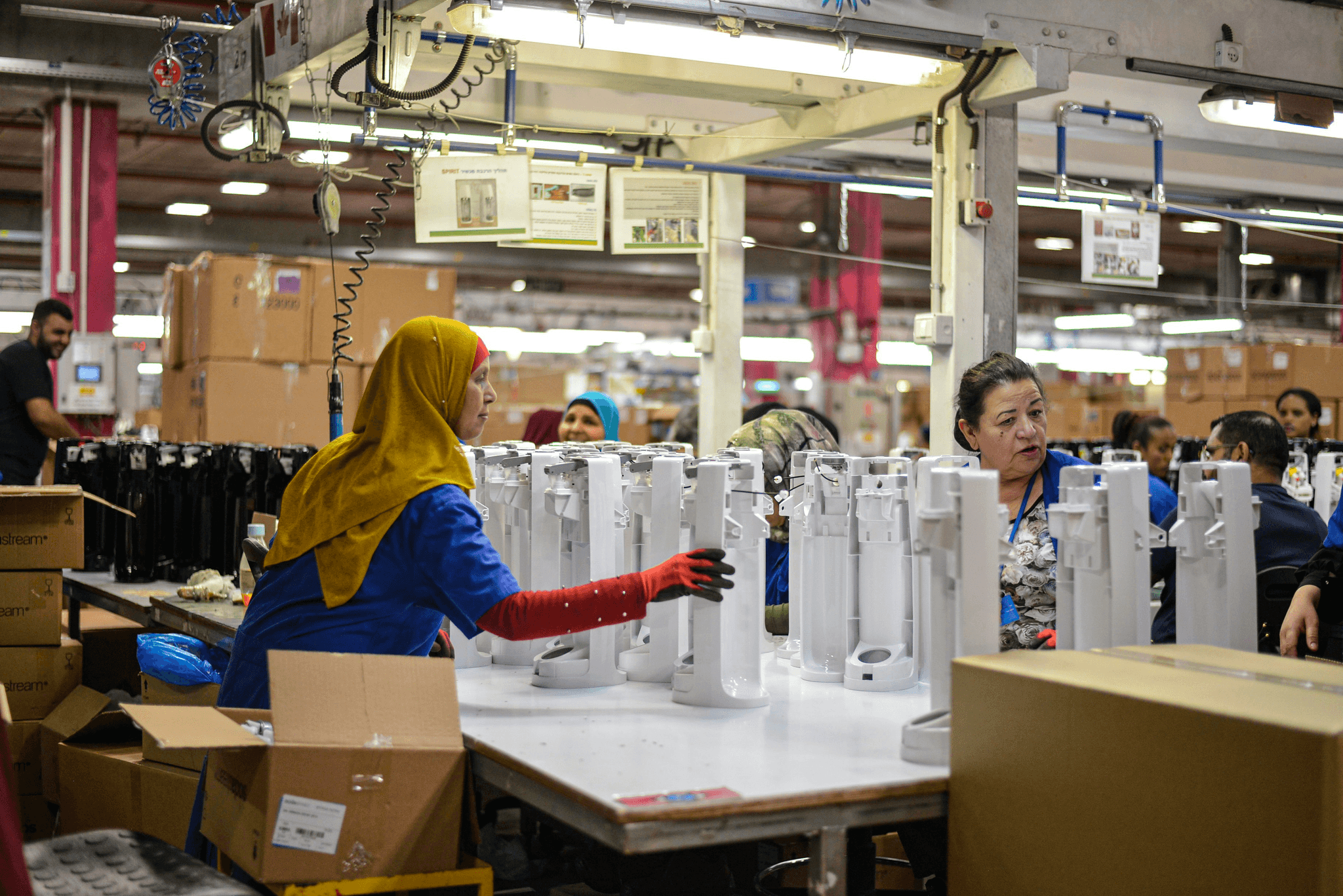
In the world of manufacturing, particularly when dealing with overseas suppliers, understanding Pre-Production samples is crucial for ensuring product quality and consistency. These samples serve as a tangible representation of what your final product will look like and function like, making them an essential component in the journey from concept to market. By focusing on Pre-Production samples, businesses can effectively assess whether a factory is capable of meeting their specifications before mass production begins.
Understanding Pre-Production Samples
Pre-Production samples are more than just prototypes; they are the bridge between design and production, offering a glimpse into how well your vision translates into reality. These samples allow you to qualify your design and specifications by verifying that all elements align with your expectations before large-scale manufacturing kicks off. With careful evaluation of these samples, you can identify any discrepancies early on, which is vital for avoiding costly mistakes down the line.
Importance of Quality Assurance
Quality assurance is not just a buzzword—it's a necessity in today’s competitive marketplace where even minor defects can lead to significant losses. By prioritizing quality assurance during the pre-production phase, companies can ensure that their products meet industry standards while also satisfying customer expectations. This proactive approach not only helps in detecting costly details but also minimizes the risk of rework or recalls once products hit the shelves.
Role of China Inspection Pro
Enter China Inspection Pro: your trusted ally in navigating the complexities of overseas production and ensuring that everything runs smoothly from start to finish. Their expertise lies in proving that factories are capable through rigorous assessments and evaluations tailored to your specific needs. With services ranging from inspecting Pre-Production samples to ensuring compliance with your best contract terms, they play an instrumental role in fostering clear communication and preventing misunderstandings with all parties involved.
Proving The Factory Is Capable
When venturing into manufacturing, proving the factory is capable is essential to ensuring that your pre-production samples meet the desired standards. This phase involves a thorough examination of various factors that contribute to the production process, including equipment, technology, and workforce competency. By thoroughly vetting these elements, you can confidently move forward with your project and avoid costly pitfalls later on.
Verifying Production Processes
Verifying production processes is a critical step in assessing whether a factory can deliver quality pre-production samples. This entails scrutinizing each stage of manufacturing to ensure that it aligns with your design specifications and quality assurance standards. A well-documented and efficient production process not only guarantees consistency but also helps in detecting costly details before they become a problem.
To do this effectively, consider conducting audits or on-site inspections that provide insight into how the factory operates daily. Engaging with quality assurance teams within the factory can also illuminate any potential weaknesses in their processes. Ultimately, confirming that they have robust systems in place will give you peace of mind as you prepare to finalize your best contract.
Assessing Equipment and Technology
The heart of any manufacturing operation lies in its equipment and technology; therefore, assessing these elements is vital for proving the factory is capable of producing high-quality pre-production samples. Modern machinery can significantly enhance efficiency and precision while outdated equipment may lead to defects or delays. By evaluating the technology used in production lines, you can ensure alignment with industry standards when qualifying your design specifications.
It's also worth considering whether the factory invests in regular maintenance and upgrades for its machinery to keep pace with innovation trends. This proactive approach not only improves output quality but also reflects a commitment to excellence on the part of your supplier. When both parties are aligned on technological capabilities, misunderstandings about product expectations are less likely to occur.
Ensuring Labor Competency
No amount of advanced machinery can compensate for untrained labor; hence ensuring labor competency is crucial when proving the factory is capable of delivering high-quality products through pre-production samples. Assessing worker skills through certifications or training programs provides insights into their ability to meet production demands efficiently while maintaining quality control standards. A competent workforce not only minimizes errors but also contributes positively towards reducing rework costs—an essential aspect when you're focused on detecting costly details early.
Moreover, fostering an environment where employees feel valued encourages them to take pride in their work—resulting in better outcomes for everyone involved! Establishing clear communication channels regarding roles and responsibilities further enhances labor competency by empowering workers with knowledge about what’s expected from them during production runs. In doing so, you’re not just enhancing cooperation; you're actively preventing disputes with suppliers that could derail timelines or budgets.
Qualify Your Design and Specifications
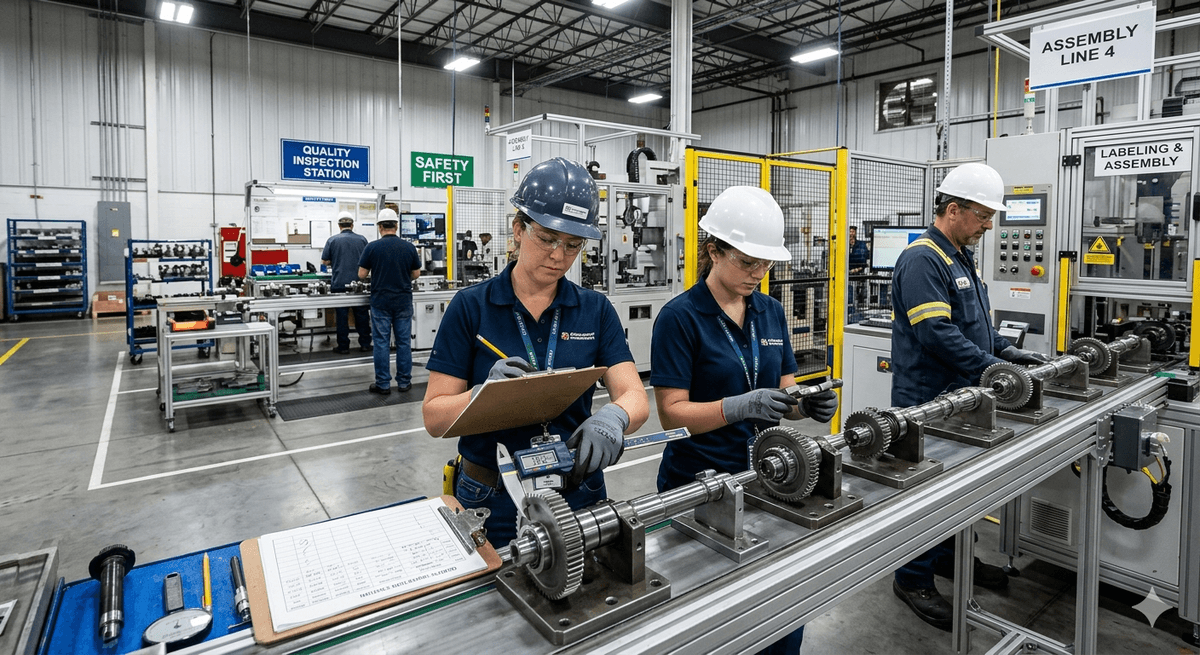
Pre-production samples play a vital role in this phase, allowing you to assess whether your factory is capable of delivering what you envision. By thoroughly validating materials and components, testing functionality and performance, and aligning with industry standards, you can significantly reduce the risk of costly mistakes later on.
Validating Materials and Components
Validating materials and components is your first line of defense against potential issues during production. By inspecting pre-production samples closely, you can confirm that the materials used meet your specifications while also ensuring they are durable enough for intended use. This step not only aids in proving the factory is capable but also helps in detecting costly details that could arise from subpar materials.
Furthermore, it's essential to communicate clearly with all parties involved about the specific requirements for each component. Misunderstandings can lead to delays or disputes down the line; thus, establishing a solid understanding from the get-go will save time and resources later on. Remember, a well-validated design sets a strong foundation for successful market launches.
Testing Functionality and Performance
Once you've validated materials, it’s time to put those pre-production samples through their paces by testing functionality and performance rigorously. This process goes beyond just checking if everything works; it involves assessing how well each component interacts within the overall system or product design. Ensuring that your product performs as intended will help prevent rework costs—an essential factor when considering your best contract with suppliers.
Incorporating real-world scenarios during testing can reveal hidden flaws that might not be apparent during initial assessments. This proactive approach allows you to address potential issues before they escalate into larger problems during mass production. Ultimately, thorough testing ensures that you're not just meeting specifications but exceeding them in terms of quality.
Aligning with Industry Standards
Aligning with industry standards is not merely a checkbox exercise; it's an integral part of qualifying your design and specifications effectively. Compliance with these standards ensures that your product not only meets regulatory requirements but also resonates well within its market niche—this alignment can be pivotal for successful market launches. Moreover, it reinforces trust among stakeholders when everyone knows you're committed to maintaining high-quality benchmarks.
To avoid misunderstandings with all parties involved in production processes, it's crucial to document these standards clearly within contracts or agreements early on in development stages. When everyone understands what constitutes acceptable quality levels based on industry benchmarks, it minimizes disputes down the road while enhancing communication channels across teams involved in manufacturing processes. In essence, aligning with industry standards elevates both product quality and brand reputation.
Detecting Costly Details

In the world of manufacturing, overlooking minor details can lead to significant financial repercussions. This is where the process of detecting costly details becomes crucial, especially when working with Pre-Production samples. By diligently examining these samples, businesses can identify potential pitfalls before they escalate into major issues, saving both time and money.
Identifying Hidden Issues Early
One of the primary benefits of utilizing Pre-Production samples is the opportunity to identify hidden issues early in the production cycle. These samples serve as a tangible representation of your design and specifications, allowing you to scrutinize every aspect closely. Whether it's a flaw in material quality or an inconsistency in dimensions, catching these problems at this stage helps avoid costly rework later on.
Moreover, engaging with your factory during this phase allows you to assess their capability effectively—an essential step in Proving The Factory Is Capable. By collaborating with them on these samples, you can ensure that they understand your expectations fully and are equipped to meet them consistently. This proactive approach reduces misunderstandings and fosters a stronger partnership between you and your suppliers.
Analyzing Production Feasibility
Analyzing production feasibility is another critical component of detecting costly details early on. Understanding whether your designs can be realistically manufactured within budget constraints is vital for any project’s success. Pre-Production samples give insights into whether the factory's equipment and technology align with your design requirements, ensuring that what you've envisioned can indeed be produced efficiently.
Additionally, this analysis helps qualify your design and specifications against real-world production capabilities—essential for avoiding delays or unexpected costs down the line. It's not just about what looks good on paper; it’s about making sure that those ideas translate seamlessly into actual products without any hiccups along the way. This careful examination also ties back into establishing Your Best Contract by ensuring all parties are aware of potential limitations before signing anything.
Reducing Potential Rework Costs
Reducing potential rework costs hinges on thorough preparation during the pre-production phase. When hidden issues are identified early through diligent inspection of Pre-Production samples, it sets a precedent for quality throughout production runs. This not only minimizes waste but also enhances overall productivity—a win-win for everyone involved!
Furthermore, by aligning expectations through clear communication channels established earlier in the process (think Avoid Misunderstandings With All Parties), you create an environment where feedback flows freely between stakeholders. When everyone knows their roles and responsibilities clearly documented from day one, it significantly lowers the chances of miscommunication leading to rework later on.
Ultimately, investing time upfront in detecting costly details pays off exponentially as projects progress smoothly towards completion and market launch without unnecessary financial burdens weighing them down.
Your Best Contract

Crafting the best contract is a cornerstone of successful manufacturing partnerships. This document serves not just as a legal formality, but as a roadmap that guides both parties through the complexities of production, ensuring clarity and alignment on key aspects such as Pre-Production samples, timelines, and deliverables. A well-structured contract can significantly mitigate risks and enhance cooperation in production.
Establishing Clear Agreements
When it comes to establishing clear agreements, specificity is your best friend. Detailing every aspect of your expectations—from the quality of Pre-Production samples to delivery schedules—can prevent misunderstandings later on. Remember that vague terms often lead to disputes; therefore, take time to define terms like on-time delivery or acceptable quality explicitly.
Moreover, incorporating clauses related to Proving The Factory Is Capable ensures that you have recourse if your supplier fails to meet their obligations. This includes stipulations about how often you will receive updates on production progress and what constitutes acceptable performance metrics. By laying this groundwork early in the process, you set the stage for smoother operations down the line.
Preventing Disputes with Suppliers
One of the most effective ways to prevent disputes with suppliers is through proactive communication embedded within your contract. Outline procedures for addressing issues related to Qualifying Your Design and Specifications so that both parties know how to resolve conflicts amicably before they escalate into larger problems. Regular check-ins can also be stipulated in your agreement, ensuring ongoing dialogue throughout production.
Additionally, including a clear dispute resolution process can save everyone involved from unnecessary headaches and costs down the road. Whether it's mediation or arbitration, having these steps outlined gives both parties confidence that there’s a fair way forward should disagreements arise over things like Detecting Costly Details or delayed shipments. Ultimately, preventing disputes fosters long-term relationships built on trust rather than tension.
Enhancing Communication Channels
Enhancing communication channels is vital in maintaining an effective partnership with your suppliers throughout the manufacturing process. Your contract should specify preferred methods of communication—be it email updates or scheduled video calls—to ensure everyone stays informed about progress and any potential hurdles regarding Pre-Production samples or design adjustments.
Furthermore, utilizing collaborative tools can streamline communication while allowing real-time sharing of documents related to Qualifying Your Design and Specifications or any changes in production timelines due to unforeseen circumstances. When all parties are aligned in their communication efforts, misunderstandings are less likely to occur.
In conclusion, crafting Your Best Contract involves more than just legal jargon; it’s about creating an open dialogue framework that facilitates cooperation among all stakeholders involved in bringing your product vision to life while avoiding misunderstandings at every turn.
Avoid Misunderstandings With All Parties

In the complex world of manufacturing, misunderstandings can lead to costly delays and compromised product quality. To mitigate these risks, it's essential to establish clear communication channels and ensure everyone involved understands their roles. By prioritizing clarity, you can create a smoother production process that aligns with your goals.
Clarifying Roles and Responsibilities
When working with manufacturers, especially overseas, defining roles and responsibilities is crucial to avoid misunderstandings. Each party must know who is responsible for specific tasks related to Pre-Production samples, production timelines, and quality checks. This clarity not only helps in Proving The Factory Is Capable but also ensures that everyone is on the same page regarding expectations.
A well-defined structure allows for accountability; if something goes awry during production or testing phases, it’s easier to identify where the breakdown occurred. By establishing clear lines of responsibility from the outset, you can focus on Qualifying Your Design and Specifications without worrying about miscommunication derailing your project. Ultimately, this leads to a more efficient workflow and better outcomes for all parties involved.
Documenting Expectations Clearly
Documentation serves as the backbone of effective communication in any manufacturing process. By putting everything in writing—from specifications of Pre-Production samples to timelines—you create a reference point that all parties can rely on. This practice minimizes ambiguity and fosters a mutual understanding that is vital when Detecting Costly Details early in the process.
When expectations are documented clearly, it becomes easier to hold everyone accountable for their commitments while also making it simpler to address any deviations from the plan later on. Additionally, having written agreements reinforces your position during negotiations and helps solidify Your Best Contract with suppliers or manufacturers. In short, clear documentation acts as both a shield against misunderstandings and a guide through the complexities of production.
Building Trust Through Transparency
Transparency is an invaluable asset when navigating relationships with manufacturers or suppliers; it lays down the foundation for trust between all parties involved in production processes. Openly sharing information related to Pre-Production samples—like testing results or material specifications—encourages collaboration rather than conflict when challenges arise along the way. When everyone feels informed about each stage of production—from Proving The Factory Is Capable through Qualifying Your Design and Specifications—it fosters an environment where issues can be addressed promptly.
Moreover, transparency reduces uncertainty by allowing stakeholders to engage directly with potential problems before they escalate into major setbacks or costly reworks later on in production cycles—after all, nobody enjoys being blindsided by unexpected costs! This proactive approach also enhances your ability to negotiate effectively when finalizing Your Best Contract since both parties will have established trust built upon open dialogue throughout collaboration efforts.
Conclusion
In the world of manufacturing, the journey from concept to market is fraught with challenges, but by prioritizing pre-production samples, you can significantly elevate your product quality. These samples serve as a critical checkpoint, allowing you to assess and refine your design before mass production begins. By investing time in this phase, you not only enhance the final product but also foster consumer trust and satisfaction.
Elevating Your Product Quality
Elevating your product quality starts with proving the factory is capable of meeting your expectations through rigorous evaluation. This means verifying production processes and assessing equipment to ensure that every element aligns with your design requirements. Furthermore, qualifying your design and specifications early on ensures that the materials used are top-notch, ultimately leading to a superior end product.
Enhancing Cooperation in Production
Enhancing cooperation in production hinges on establishing clear communication channels among all parties involved. By preventing misunderstandings with all parties through well-defined roles and responsibilities, you set the stage for a smoother workflow. Moreover, drafting your best contract with explicit terms can mitigate potential disputes and keep everyone aligned toward common goals.
Ensuring Successful Market Launches
The culmination of these efforts—elevating product quality, enhancing cooperation, and ensuring clarity—results in successful market launches that resonate with consumers. Detecting costly details early in the process allows for adjustments that save both time and resources while maintaining high standards throughout production. Ultimately, when all elements come together seamlessly—from pre-production samples to effective contracts—you position yourself for success in an increasingly competitive marketplace.