
Introduction

In the realm of manufacturing, First Article Inspection (FAI) stands as a critical quality assurance process that ensures products meet specified requirements before full-scale production begins. This meticulous inspection serves not only as a validation step but also as a safeguard against costly errors down the line. By understanding the nuances of First Article Inspection, manufacturers can enhance product reliability and customer satisfaction.
Understanding First Article Inspection
First Article Inspection is essentially the first comprehensive examination of a new or modified part or assembly, ensuring it meets design specifications and quality standards. It acts as a bridge between the design phase and mass production, allowing for adjustments to be made early in the process. When should a first article inspection be performed? Ideally, it should take place after the first unit is produced but before large-scale manufacturing commences.
Importance of First Article Inspection
The importance of First Article Inspection cannot be overstated; it plays a pivotal role in minimizing risks associated with product defects and non-compliance with industry standards. By identifying potential issues early on, FAI helps avoid expensive rework and delays later in production cycles. Furthermore, knowing what types of first article inspection are there can guide manufacturers in selecting the right approach tailored to their specific needs.
Key Components of First Article Inspection
Key components of First Article Inspection include thorough documentation, precise measurement tools, and clear communication among stakeholders involved in the manufacturing process. Understanding what is measured in a first article inspection—such as dimensions, material properties, and functional tests—is crucial for successful outcomes. Additionally, being aware of what is not measured in a first article inspection helps clarify expectations and focuses efforts on critical areas that truly matter.
Definition of First Article Inspection
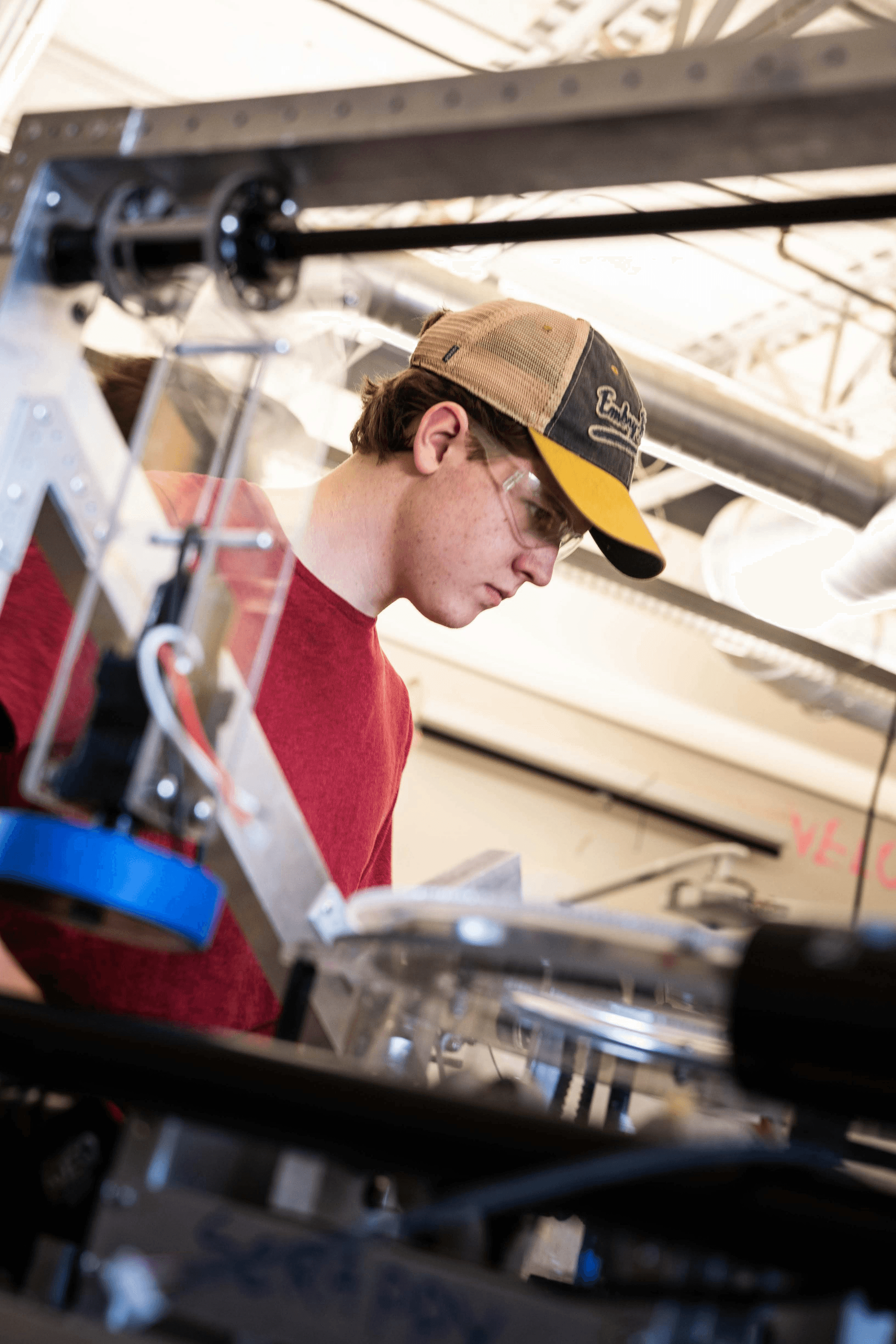
First Article Inspection (FAI) is a critical quality assurance process in manufacturing that ensures the first item produced meets all specified requirements and standards. By thoroughly evaluating the initial output, manufacturers can identify any discrepancies early on, preventing costly errors down the line. This proactive approach not only enhances product quality but also builds trust with customers and stakeholders.
What is First Article Inspection?
At its core, First Article Inspection is a detailed examination of the first production unit or sample against predefined specifications and tolerances. It serves as a benchmark for subsequent production runs, ensuring consistency and compliance throughout the manufacturing process. In essence, FAI acts like a quality gatekeeper, confirming that everything from materials to dimensions aligns perfectly before full-scale production kicks off.
Purpose of FAI in Manufacturing
The primary purpose of First Article Inspection in manufacturing is to verify that the processes used to create products are capable of producing items that meet all necessary requirements consistently. This inspection helps identify potential issues early on—saving time, resources, and headaches later by catching problems before they spiral out of control. Additionally, FAI fosters continuous improvement by providing valuable feedback on both design and manufacturing processes.
Distinction from Other Quality Inspections
First Article Inspection stands apart from other quality inspections due to its specific focus on the very first piece produced rather than ongoing checks throughout production. While routine inspections might assess random samples during a run or check for defects after production has begun, FAI zeroes in on initial outputs to ensure everything is set up correctly from the start. This distinct approach makes it an invaluable tool for manufacturers aiming for precision and excellence right out of the gate.
When should a First Article Inspection be performed?
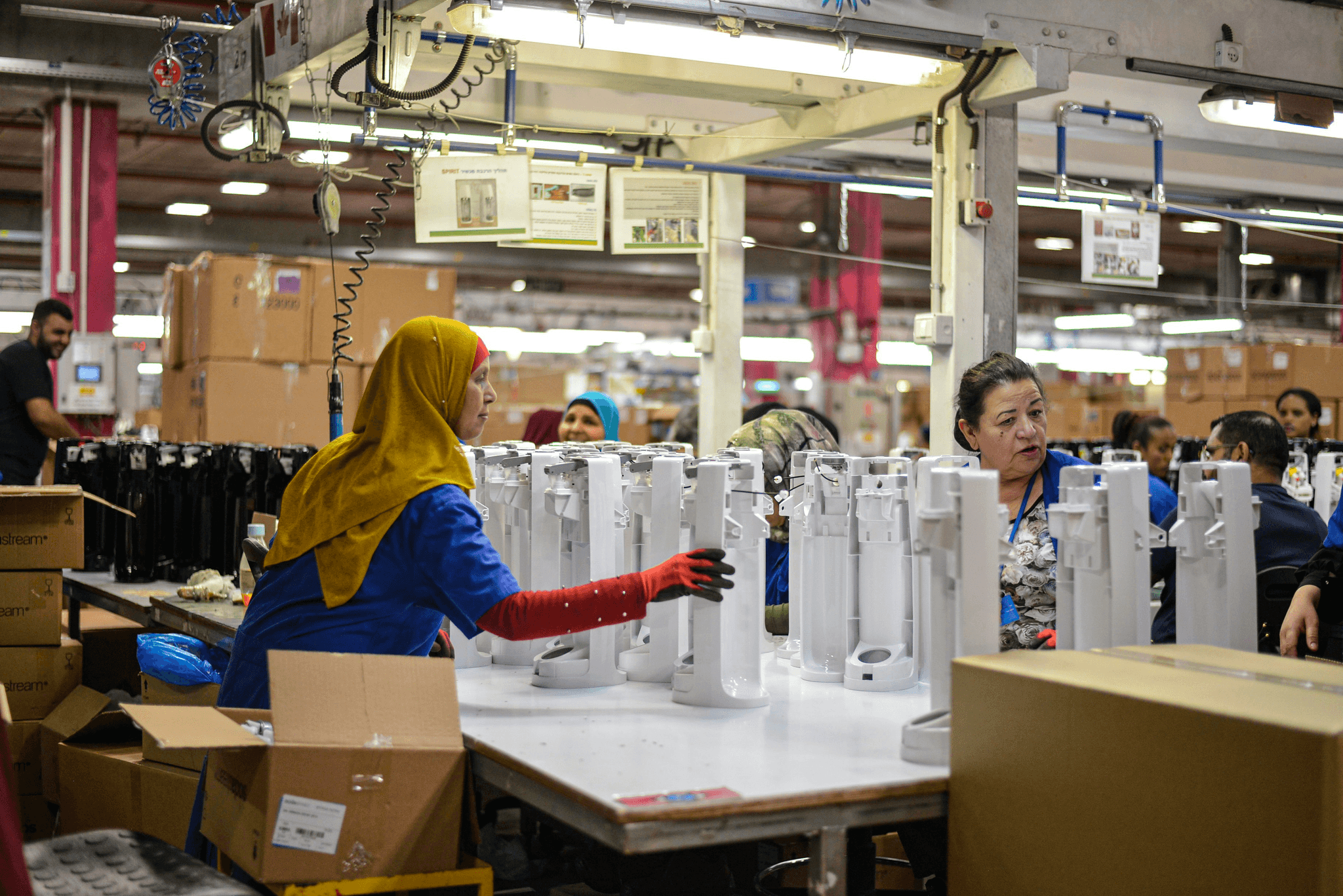
A First Article Inspection (FAI) should be strategically timed within the manufacturing process to catch any potential issues before they escalate. By identifying problems early on, businesses can save time and resources, making it crucial to know exactly when to conduct an FAI.
Timing in the Manufacturing Process
The timing of a First Article Inspection is integral to its effectiveness. Typically, an FAI is performed after the first production run but before mass production begins, allowing manufacturers to validate that their processes are set up correctly. This proactive approach not only helps in confirming that specifications are met but also minimizes the risk of costly rework later in the production cycle.
Pre-production and Production Phases
Understanding when a First Article Inspection should be performed involves recognizing its role in both pre-production and production phases. During pre-production, an FAI can help verify that prototypes meet design specifications and tolerances before full-scale manufacturing kicks off. In contrast, during production phases, interim inspections may be conducted at various points to ensure ongoing compliance with established standards.
Critical Stages for Effective Inspection
Identifying critical stages for effective inspection is key in determining when a First Article Inspection should take place. These stages often include initial setup checks and mid-production evaluations where significant changes might occur—like tooling adjustments or material substitutions—that could affect quality outcomes. By focusing on these critical junctures, manufacturers can ensure that their products consistently meet required specifications throughout the entire process.
What types of First Article Inspection are there?
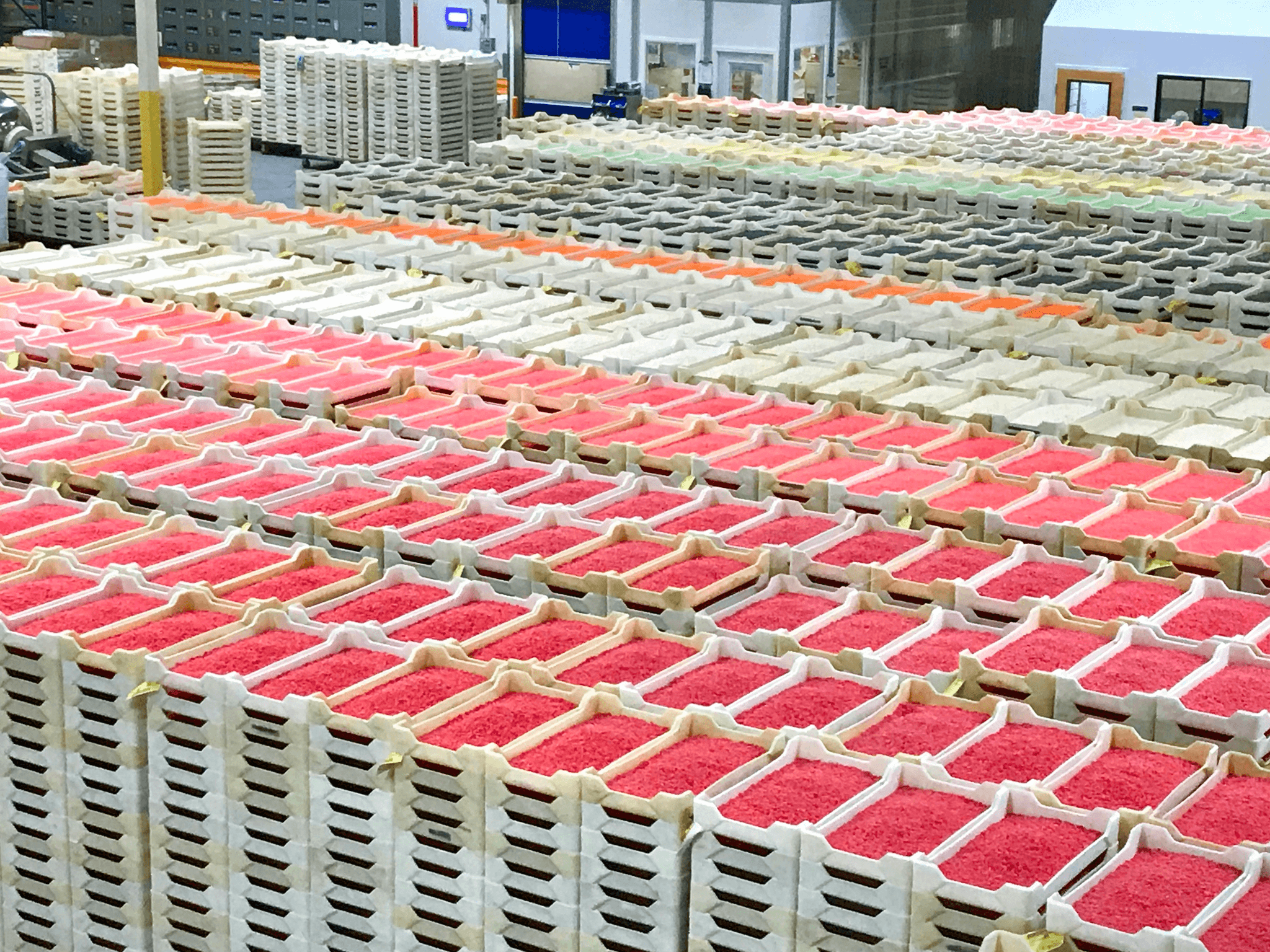
When navigating the complex world of manufacturing, understanding the various types of First Article Inspection (FAI) is crucial. Each type serves a specific purpose and is tailored to different stages of production, ensuring that quality standards are met consistently. By identifying which type of FAI fits your needs, you can streamline your processes and maintain high-quality output.
Types of FAI: Initial, Interim, Final
First Article Inspection can be categorized into three main types: Initial, Interim, and Final. The Initial FAI occurs at the beginning of a production run and is essential for verifying that new or modified designs meet specifications before mass production begins. Interim FAIs are performed during the manufacturing process to ensure ongoing compliance with quality standards, while Final FAIs take place once production is complete to confirm that all parts meet required specifications before they are delivered.
Understanding these distinctions helps answer the question: When should a first article inspection be performed? For instance, an Initial FAI is critical when launching a new product or changing suppliers but may not be necessary for every batch if previous inspections were satisfactory. Choosing between these types depends on your specific project requirements and industry standards.
Industry-Specific Variations
Different industries may have unique requirements for First Article Inspections based on their products and regulatory environments. For example, aerospace and defense industries often demand more rigorous FAIs due to safety implications; hence they may require detailed documentation and extensive testing protocols compared to consumer goods manufacturing. In contrast, industries like textiles might focus more on visual inspections rather than precise measurements.
These variations highlight why it's essential to understand what types of first article inspection are there in your field. Adapting your approach ensures compliance with industry regulations while maintaining quality standards tailored to your specific needs. Thus, recognizing these nuances allows manufacturers to implement effective quality control measures.
Choosing the Right Type for Your Needs
Selecting the appropriate type of First Article Inspection hinges on several factors including project complexity, regulatory requirements, and past performance metrics. If you're introducing a brand-new product or switching materials or suppliers—an Initial FAI is likely necessary to catch any potential issues early on in the process. Conversely, if you're working with established products where previous inspections have been satisfactory—an Interim or even a streamlined Final FAI might suffice.
Additionally, consider how many pieces are required for a first article inspection; some industries mandate multiple samples for accuracy while others may only need one representative piece from each batch examined closely. Ultimately, aligning the type of FAI with your operational goals will not only save time but also enhance overall quality assurance efforts within your organization.
What is measured in a First Article Inspection?
First Article Inspection (FAI) is a crucial step in the manufacturing process that ensures the first produced item meets all specified requirements. During this inspection, various metrics are evaluated to confirm that the product aligns with design specifications and quality standards. Understanding what is measured in a First Article Inspection can help streamline production and minimize costly errors.
Key Metrics and Specifications
In a First Article Inspection, key metrics include dimensions, weight, material properties, and functional performance characteristics. These specifications are derived from engineering drawings and design documents to ensure that the final product performs as intended. By measuring these critical attributes, manufacturers can identify any discrepancies early on, ensuring quality control from the get-go.
Tolerances and Compliance Standards
Tolerances define acceptable limits for variations in measurements during a First Article Inspection. Compliance with industry-specific standards such as ISO or AS9100 is vital to verify that products meet safety and performance benchmarks. Understanding these tolerances helps manufacturers determine whether their components are within acceptable ranges before mass production begins.
The Role of Measurement Tools
Measurement tools play an essential role in conducting an effective First Article Inspection. Instruments such as calipers, micrometers, and gauges provide precise readings necessary for verifying compliance with specifications. Utilizing advanced measurement technology not only enhances accuracy but also increases confidence in the inspection results—ensuring that every product meets established criteria.
What is not measured in a First Article Inspection?
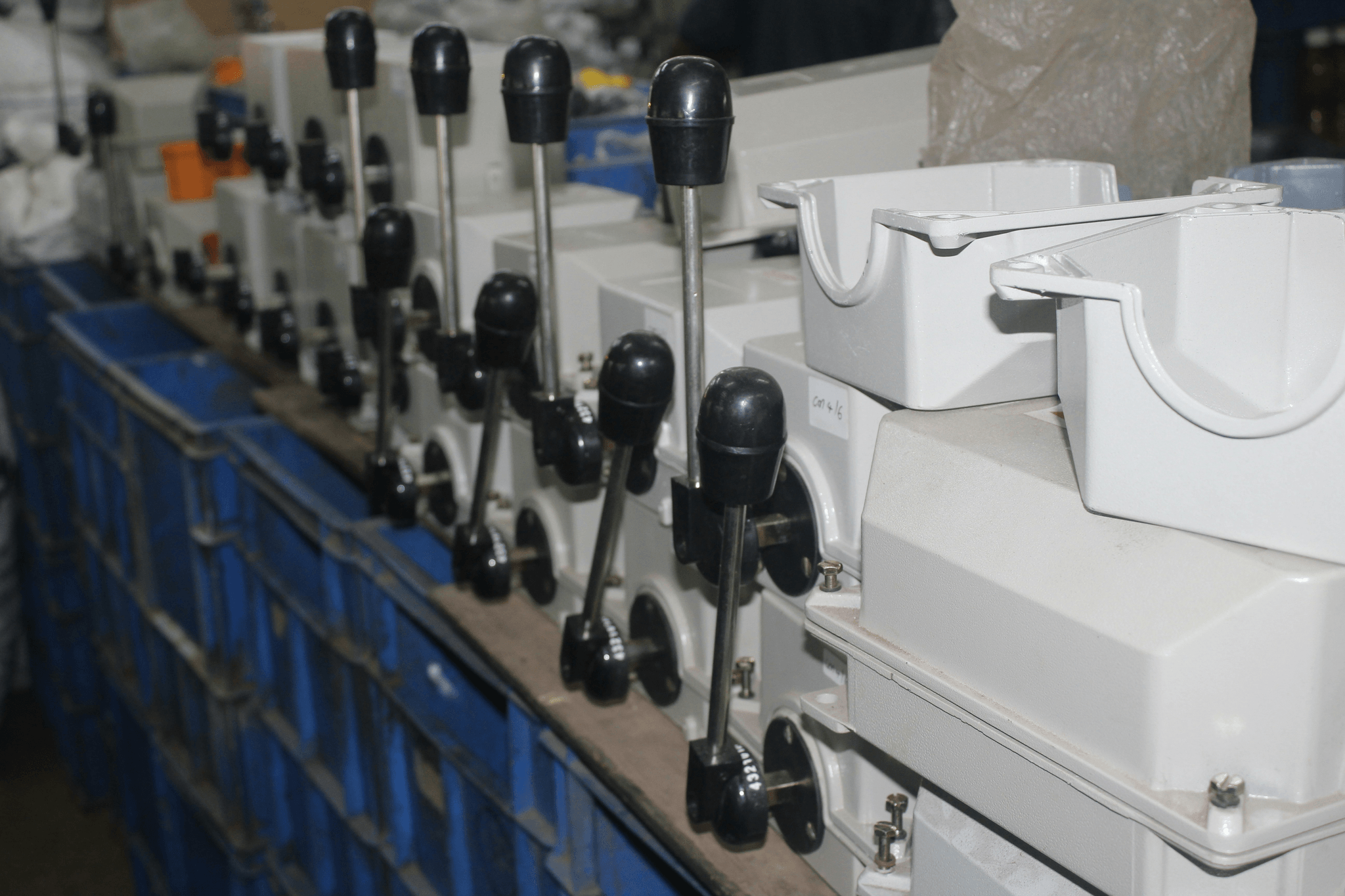
While First Article Inspection (FAI) is a critical component of quality assurance, it's essential to recognize that not everything falls under its purview. FAI primarily focuses on specific metrics and criteria that ensure the first production piece meets the required standards. However, there are several exclusions and limitations that manufacturers should be aware of to avoid misunderstandings.
Exclusions and Limitations of FAI
First Article Inspection does not typically measure every aspect of a product's performance or functionality. For instance, dynamic testing—such as stress tests or long-term durability assessments—often falls outside the scope of FAI. Moreover, subjective qualities like aesthetics or finish may not be included in the inspection criteria, focusing instead on dimensional accuracy and compliance with specified tolerances.
Another limitation is that FAI usually requires only a sample piece rather than an entire batch; thus, it might not account for variations that can occur in subsequent units during mass production. Manufacturers often wonder how many pieces are required for a First Article Inspection; typically, one or two representative samples suffice to validate the initial setup. It's crucial to understand these limitations so you can effectively plan your quality assurance strategy.
Common Misconceptions
There are several common misconceptions regarding what is measured in a First Article Inspection and what isn't. Some believe that FAI covers all aspects of product quality; however, it primarily addresses critical dimensions and specifications established during design rather than exhaustive performance evaluations. This misunderstanding can lead to inadequate preparation for subsequent inspections or tests needed later in the production cycle.
Another misconception revolves around timing: some manufacturers think they can skip FAI altogether if they have previously inspected similar products. However, each new production run may contain variations due to changes in materials or processes, making it essential to conduct an inspection specific to each item produced under different conditions. By clarifying these misconceptions upfront, businesses can better align their expectations with actual inspection capabilities.
Understanding the Inspection Scope
Understanding the scope of First Article Inspection helps manufacturers set realistic goals for their quality assurance processes. While FAI provides valuable insights into compliance with specifications like dimensions and tolerances, it doesn't encompass every variable involved in manufacturing quality control. For example, while you may know what is measured in a first article inspection regarding physical attributes, factors such as environmental impacts during production aren't considered within this framework.
Moreover, knowing what is not measured allows teams to prepare effectively for follow-up inspections or tests required later in the process—this includes understanding how should you prepare for a first article inspection by gathering relevant documentation and ensuring compliance with other necessary standards outside those covered by FAI alone. By grasping both sides—the inclusions and exclusions—you'll navigate your manufacturing journey much more smoothly.
How should you prepare for a First Article Inspection?

Preparing for a First Article Inspection (FAI) is crucial to ensure that the process goes smoothly and effectively. A well-structured preparation phase can help identify potential issues early, saving time and resources down the line. So, how should you prepare for a first article inspection? Let's dive into the specifics.
Pre-Inspection Checklist
Creating a pre-inspection checklist is an essential step in preparing for your First Article Inspection. This checklist should include critical items such as verifying that all necessary tools and equipment are available, ensuring that personnel are trained, and confirming that the inspection environment meets required standards. Additionally, it’s vital to establish clear communication channels among team members to address any questions or concerns regarding when should a first article inspection be performed.
Documentation and Sample Requirements
Documentation plays a pivotal role in First Article Inspections; without it, you're sailing without a map! You’ll need to gather all relevant documentation such as design specifications, engineering drawings, and previous inspection reports to ensure compliance with what is measured in a first article inspection. Moreover, understanding how many pieces are required for a first article inspection will guide you in selecting adequate samples for testing—usually one sample per variant or configuration is advisable.
Best Practices for a Smooth Process
To facilitate smooth sailing through your First Article Inspection, adopting best practices can make all the difference. Start by conducting internal mock inspections to identify potential pitfalls before the official FAI takes place; this can help clarify what is not measured in a first article inspection so you don't overlook anything important! Lastly, maintain an open line of communication with your inspectors; this ensures everyone is on the same page regarding expectations and outcomes.
Conclusion
In wrapping up our exploration of First Article Inspection (FAI), it’s clear that this process is not just a box to tick but a crucial step in ensuring quality in manufacturing. From understanding when should a first article inspection be performed to recognizing what is measured in a first article inspection, these elements are vital for producing top-notch products. Moreover, grasping the distinctions between various types of first article inspections can significantly enhance your quality assurance strategy.
Recap of First Article Inspection Essentials
First Article Inspection serves as a pivotal check within the manufacturing process, providing insights into the initial production run's adherence to specifications. Knowing when should a first article inspection be performed helps prevent costly errors down the line, ensuring that any issues are addressed early on. Additionally, understanding what is measured in a first article inspection—including tolerances and compliance standards—equips manufacturers with the knowledge needed to achieve high-quality outputs.
Benefits of Proper FAI Implementation
Implementing First Article Inspection effectively can lead to numerous benefits for manufacturers. Not only does it help identify potential problems before mass production begins, but it also fosters confidence among stakeholders regarding product quality. Furthermore, recognizing what is not measured in a first article inspection allows teams to focus their efforts on critical areas while avoiding common misconceptions that could derail their quality assurance efforts.
How China Inspection Pro Can Help
For businesses navigating the complexities of First Article Inspection, partnering with experts like China Inspection Pro can streamline the process significantly. They provide guidance on how should you prepare for a first article inspection by offering tailored pre-inspection checklists and documentation requirements that fit your specific needs. With their support, companies can ensure they have the right number of pieces required for a first article inspection and receive valuable insights into industry-specific variations that may affect their product quality.