
Introduction
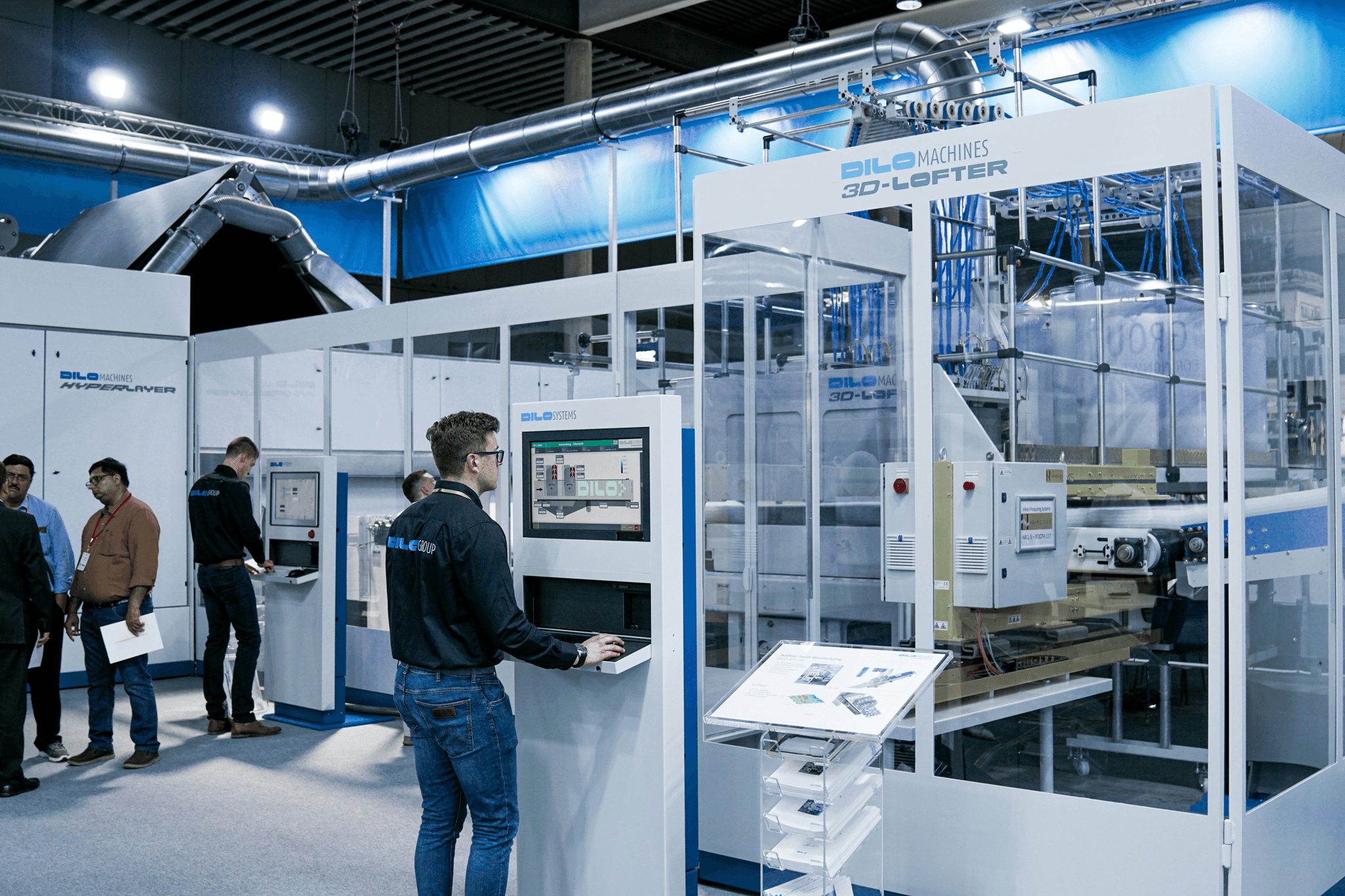
In the world of manufacturing and supply chain management, understanding inspection frequency is crucial for maintaining product quality and ensuring customer satisfaction. The right inspection frequency can significantly reduce defects, enhance reliability, and ultimately lead to a more robust relationship with your supplier. By considering factors such as your quality history with your supplier, the value of your product, and the complexity of your product, you can tailor an effective inspection strategy that aligns with both operational goals and customer expectations.
Understanding Inspection Frequency Importance
Inspection frequency plays a pivotal role in quality assurance processes across various industries. It determines how often products are examined to ensure they meet specified standards before reaching customers. By recognizing the importance of inspection frequency, businesses can mitigate risks associated with defects and improve overall product reliability.
The Role of Quality History
Your quality history with your supplier serves as a foundational element in determining appropriate inspection frequencies. Analyzing past performance metrics allows businesses to gauge how consistently suppliers deliver high-quality products over time. This historical data not only informs decisions on how frequently to inspect but also highlights areas where improvements may be necessary.
Analyzing Product Complexity
The complexity of your product is another critical factor influencing inspection frequency decisions. Multi-part assemblies or intricate designs may require more rigorous inspection protocols compared to simpler items due to their susceptibility to errors during production. By thoroughly analyzing product complexity, organizations can establish tailored inspection frequencies that effectively address potential risks while optimizing resource allocation.
Your Quality History with Your Supplier
Your quality history with your supplier is a goldmine of information that can significantly influence your inspection frequency. By analyzing how well your supplier has performed in the past, you can make informed decisions about how often you need to inspect their products. This historical data serves as a foundation for building trust and ensuring consistent quality.
Evaluating Past Performance Metrics
When it comes to evaluating past performance metrics, consider aspects such as defect rates, delivery timelines, and responsiveness to issues. If your supplier has consistently delivered high-quality products on time, you might feel comfortable reducing inspection frequency. Conversely, a history riddled with delays or defects could necessitate more rigorous inspection protocols to safeguard against future quality issues.
The Impact of Supplier Reliability
Supplier reliability plays a crucial role in determining inspection frequency; after all, if you can't count on your supplier to deliver quality goods consistently, you'll need to keep a closer eye on what arrives at your door. A reliable supplier can inspire confidence and may warrant less frequent inspections—allowing for smoother operations and less interruption in production schedules. On the flip side, if reliability is questionable, increasing the frequency of inspections becomes essential for maintaining product integrity.
Adjusting Frequency Based on History
Adjusting inspection frequency based on your quality history with suppliers is not just smart—it's strategic! If historical data shows that certain suppliers have improved over time or have maintained an excellent track record, it might be time to reconsider how often you're inspecting their products. Tailoring inspection frequency according to this history not only saves resources but also fosters stronger relationships with suppliers who are committed to delivering value consistently.
The Value of Your Product
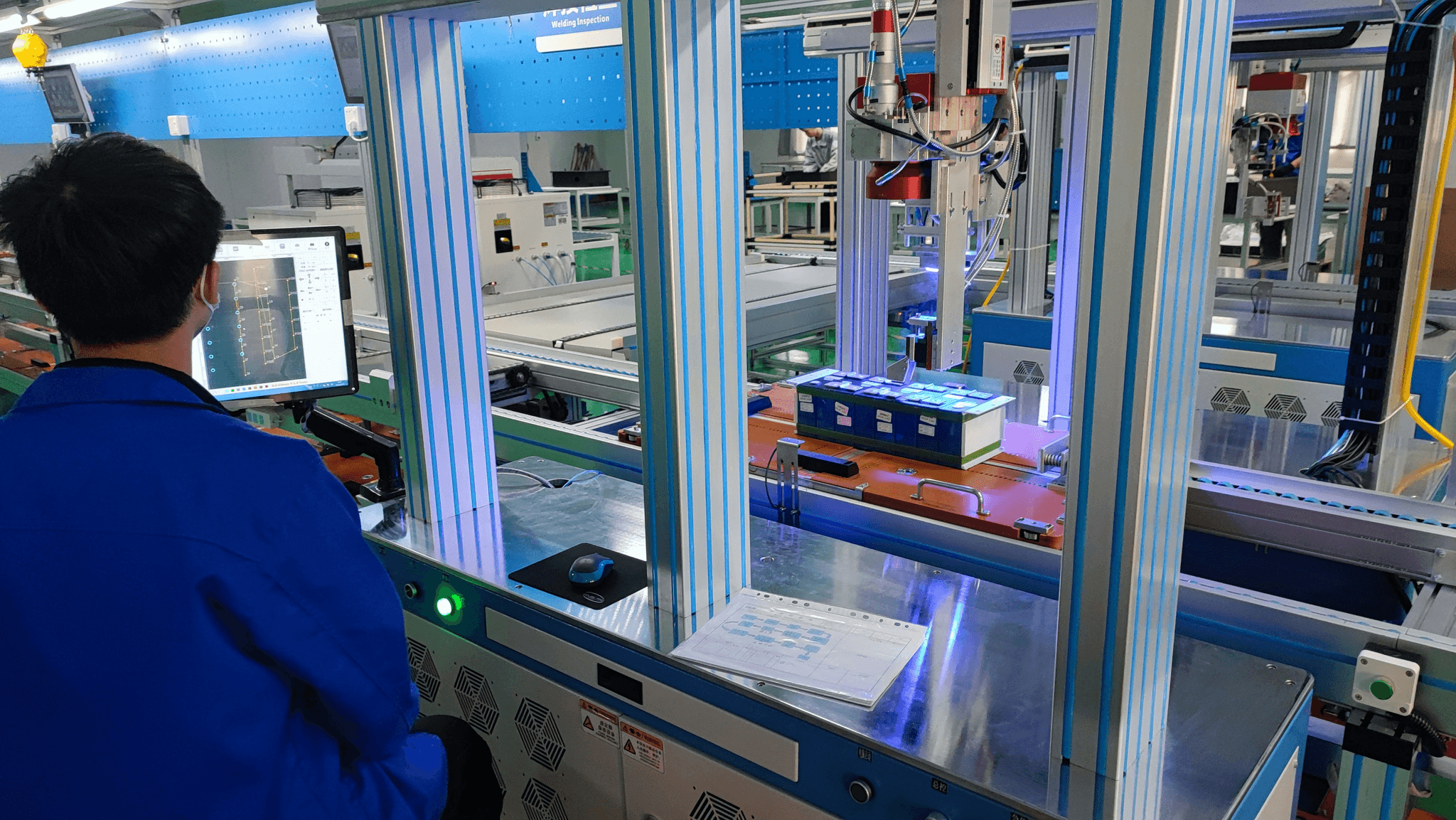
When it comes to determining inspection frequency, understanding the value of your product is crucial. The price point not only reflects the quality but also influences how often you should check for defects or inconsistencies. Higher-value products often warrant more rigorous inspection processes to ensure that they meet customer expectations and maintain brand integrity.
Understanding Product Pricing Dynamics
The dynamics of product pricing are complex and influenced by various factors, including market demand, production costs, and competition. When assessing your quality history with your supplier, it's essential to consider how pricing affects customer perceptions of value. A well-priced product can enhance customer satisfaction; however, if the inspection frequency is too low for high-value items, it could lead to costly returns or damage to your reputation.
In essence, a thorough understanding of product pricing dynamics can help you establish an appropriate inspection frequency that aligns with both market expectations and internal quality standards. If your customers expect premium quality at a premium price, then increasing inspection frequency may be necessary to uphold that standard. Balancing these elements ensures that you deliver products that meet or exceed customer expectations while minimizing risks associated with quality issues.
Risk Assessment Related to Value
Conducting a risk assessment related to the value of your product is vital in determining the necessary inspection frequency. High-value items often carry greater risks if defects go unnoticed; this could result in significant financial losses or damage to client relationships. By analyzing your quality history with your supplier alongside potential risks associated with each product's value, you can develop a tailored approach for inspections.
For instance, if historical data indicates that certain high-value products have had issues in the past, increasing their inspection frequency becomes imperative for mitigating risk. Conversely, lower-value items may not require as stringent checks unless they serve critical functions within larger assemblies or applications where failure could lead to cascading issues. Ultimately, understanding risk helps you prioritize which products need more attention during inspections.
Frequency Adjustments for High-Value Items
Adjusting inspection frequency for high-value items is not just about being diligent; it's about being strategic as well. For these products, implementing more frequent inspections can help catch potential defects early on—saving time and resources down the line while keeping customer satisfaction intact. Additionally, aligning this strategy with insights from both your quality history with suppliers and industry standards will bolster confidence in both production and delivery processes.
Moreover, consider how the application of your product influences its value; some items might be used in critical situations where failures could have dire consequences—thus demanding even higher scrutiny during inspections than their price alone would suggest. By factoring in complexity alongside value when determining inspection frequencies for high-ticket items ensures you're not just checking boxes but actively protecting both your business interests and those of your customers' tolerance for quality issues.
In conclusion, establishing an appropriate inspection frequency based on the value of your product involves careful consideration of multiple elements: pricing dynamics, risk assessments related to potential failures, and adjustments tailored specifically for high-value items are all integral parts of this process.
The Application of Your Product
When it comes to determining inspection frequency, the application of your product plays a pivotal role. Different use cases can dramatically influence how often you need to check for quality and compliance. Understanding these distinctions helps ensure that your quality history with your supplier aligns with the specific demands of each application.
Differentiating Based on Use Cases
Products can serve a multitude of purposes, and recognizing these variances is crucial for establishing appropriate inspection frequency. For instance, a product intended for critical applications—think medical devices or aerospace components—will demand rigorous scrutiny compared to everyday consumer goods. By tailoring your inspection approaches based on specific use cases, you can effectively manage both the complexity of your product and the expectations surrounding its value.
Industry-Specific Inspection Needs
Different industries have unique standards and regulations that dictate their inspection frequency requirements. For example, food and beverage sectors may require more frequent checks due to strict safety regulations, while electronics might focus on functionality and durability over time. By understanding industry-specific needs, you can better align your quality history with your supplier’s practices and adjust inspection frequency accordingly.
Frequency Considerations for Various Applications
The nature of your product's application also dictates how frequently inspections should occur. High-value items often necessitate more frequent inspections to mitigate risks associated with potential defects or failures in critical environments. Balancing these considerations ensures that both your customers' tolerance for quality issues is respected while also maintaining an efficient workflow tailored to the complexity of your product.
The Complexity of Your Product
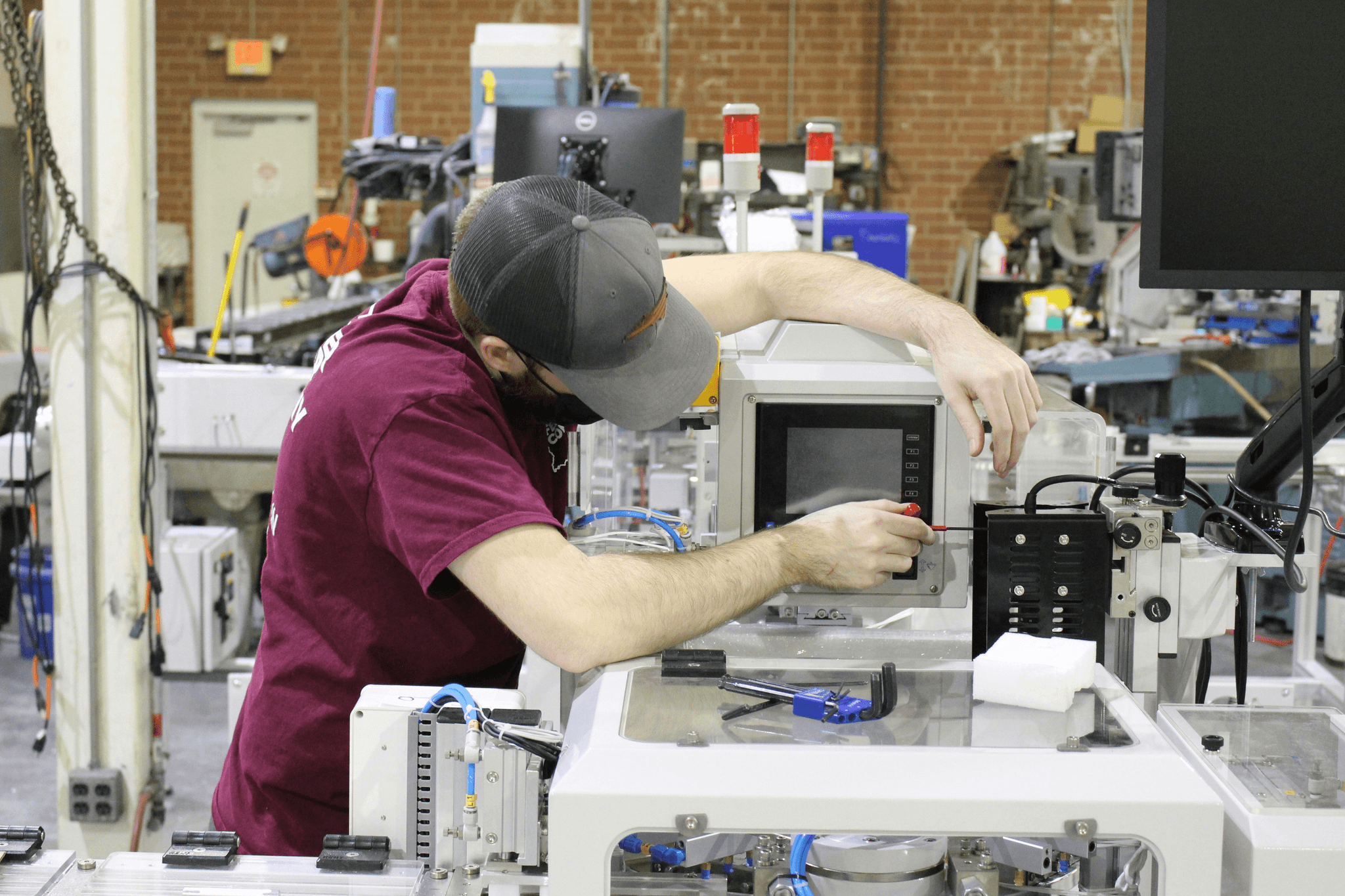
Understanding the complexity of your product is crucial when determining inspection frequency. Products with intricate designs or multi-part assemblies require a tailored approach to quality control, as the potential for defects increases with complexity. By analyzing how each component interacts within the whole, you can better assess your inspection needs and ensure quality standards are met.
Navigating Multi-Part Assemblies
When dealing with multi-part assemblies, it's essential to recognize that each part can affect the overall functionality and quality of the final product. This means that inspection frequency must be adjusted accordingly; more complex assemblies may necessitate more frequent inspections to catch potential issues early on. In this context, your quality history with your supplier plays a significant role—consistent performance might allow for reduced frequency, while past issues could warrant increased scrutiny.
Factors Affecting Inspection Procedures
Several factors influence how you approach inspection procedures for complex products, including design intricacies and manufacturing processes. The application of your product also matters; for instance, items used in critical industries such as aerospace or medical devices demand stricter inspection protocols due to their high stakes. Additionally, understanding customer tolerance for quality issues can guide how rigorous your inspections need to be—if customers are particularly sensitive to defects, it may be wise to increase inspection frequency.
Custom Frequency For Complex Products
Establishing a custom frequency for inspecting complex products is not just about adhering to standard practices; it’s about creating a tailored strategy based on various inputs like value assessment and historical supplier performance. High-value items often require more frequent inspections due to their cost implications if defects arise—this aligns closely with both the value of your product and customer expectations regarding quality assurance. Ultimately, balancing these factors will help you develop an effective inspection schedule that mitigates risk while maintaining customer satisfaction.
Your Customers' Tolerance for Quality Issues

In today's competitive marketplace, understanding your customers' tolerance for quality issues is crucial. This tolerance directly influences how you approach inspection frequency and quality assurance processes. By gauging customer expectations, you can tailor your inspection strategies to meet their needs while maintaining product integrity.
Assessing Customer Expectations
Assessing customer expectations involves more than just a casual conversation; it requires a deep dive into what your clients truly value in your products. Different customers have varying levels of tolerance when it comes to quality issues, influenced by factors such as industry standards and previous experiences with similar products. By collecting feedback and analyzing trends in customer complaints or satisfaction surveys, you can pinpoint the acceptable thresholds for defects that will inform your overall inspection frequency.
Aligning Inspection Frequency with Tolerance Levels
Once you've assessed customer expectations, the next step is aligning inspection frequency with those tolerance levels. If your analysis reveals that customers are particularly sensitive to quality issues, increasing the frequency of inspections may be necessary to ensure compliance with their standards. Conversely, if customers demonstrate a higher tolerance for minor defects, you might streamline your inspection processes without compromising overall product integrity.
Strategies for Managing Customer Relationships
Managing customer relationships effectively means keeping open lines of communication regarding quality assurance practices and inspection frequency adjustments. Regular updates about changes in product specifications or inspection procedures can help reinforce trust and transparency between you and your clients. Additionally, offering personalized solutions tailored to specific customer needs not only enhances satisfaction but also strengthens loyalty by demonstrating that you value their input regarding product quality.
Conclusion
In the ever-evolving landscape of product quality, striking the right balance between inspection frequency and overall quality assurance is paramount. By understanding your quality history with your supplier, you can tailor inspection processes that align with past performance while ensuring that the value of your product remains uncompromised. Ultimately, a well-calibrated approach to inspection frequency not only enhances product reliability but also strengthens customer trust.
Balancing Quality and Inspection Frequency
Finding harmony in balancing quality and inspection frequency is akin to walking a tightrope; it requires skill and precision. Your quality history with your supplier serves as a valuable compass, guiding decisions on how often inspections should take place based on previous outcomes. Additionally, considering the value of your product can help prioritize which items necessitate more stringent scrutiny, ensuring that resources are allocated effectively.
Making Data-Driven Decisions
In today's data-driven world, relying solely on intuition is no longer sufficient when determining inspection frequency. Analyzing historical data regarding your quality history with your supplier provides insights into trends and patterns that inform future actions. Furthermore, leveraging metrics related to the complexity of your product allows for more nuanced decisions; data empowers you to adjust frequencies based on real-world performance rather than mere speculation.
Partnering with Experts Like China Inspection Pro
When navigating the intricate landscape of inspection frequency, partnering with experts like China Inspection Pro can be a game changer. Their expertise in understanding both the application of your product and its specific industry requirements ensures that you’re not just meeting standards but exceeding them. With their support, you can address factors such as customer tolerance for quality issues while simultaneously refining inspection frequencies tailored to complex products.