
Introduction

In the rapidly evolving landscape of global trade, understanding product compliance in China is more crucial than ever. With its vast market potential, businesses must navigate the intricate web of regulations that govern quality and compliance to ensure their products meet local standards. This journey begins with a clear grasp of what defines quality in the Chinese market, as well as the importance of maintaining rigorous quality control throughout the production process.
Understanding Product Compliance in China
Product compliance in China involves adhering to a multitude of standards and regulations designed to safeguard consumer safety and ensure product integrity. Companies must familiarize themselves with local laws that dictate quality management practices, which can vary significantly from those in other regions. By understanding these compliance requirements, businesses can avoid costly setbacks and enhance their reputation within this competitive market.
The Importance of Quality Control
Quality control is not just a box to check—it's a critical component that influences consumer trust and brand loyalty. In China’s diverse marketplace, where consumer expectations are high, effective quality management can make or break a product's success. By prioritizing quality inspections and implementing robust control measures, companies can consistently deliver products that align with both regulatory demands and customer satisfaction.
Navigating Compliance Testing Requirements
Navigating compliance testing requirements may seem daunting at first glance; however, it's essential for ensuring that products meet stringent quality standards before entering the market. Different categories of goods are subject to specific tests that evaluate various aspects of safety and performance—understanding these nuances is vital for any business aiming for success in China. By mastering these requirements, organizations can streamline their processes and enhance their overall approach to quality management.
Overview of China’s Compliance Testing Landscape

Navigating the landscape of compliance testing in China can feel like traversing a labyrinth. With a complex web of regulations and standards, understanding quality and compliance is crucial for businesses aiming to succeed in this vibrant market. This section delves into key compliance standards, regulatory bodies, and the role of specialized entities in ensuring adherence to these guidelines.
Key Compliance Standards and Regulations
China has established a myriad of compliance standards that govern various industries, all aimed at ensuring product safety and quality control. These regulations include the GB (Guobiao) standards, which are national mandatory standards applicable across numerous sectors, from electronics to food products. Understanding these key compliance standards is essential for defining quality in Chinese markets and aligning with local expectations.
In addition to GB standards, companies must also be aware of industry-specific regulations such as CCC (China Compulsory Certification) for certain consumer goods. Adhering to these regulations not only ensures product safety but also enhances brand reputation through effective quality management practices. By keeping abreast of these evolving requirements, businesses can avoid costly delays or penalties related to non-compliance.
Major Regulatory Bodies in China
Several regulatory bodies oversee the enforcement of compliance testing in China, each playing a pivotal role in maintaining quality and control across industries. The General Administration of Quality Supervision, Inspection and Quarantine (AQSIQ) is one such authority responsible for monitoring product quality and safety nationwide. Their rigorous inspections ensure that products meet the necessary standards before they enter the market.
Another significant player is the State Administration for Market Regulation (SAMR), which combines several former agencies into one streamlined body focusing on market oversight and consumer protection. SAMR's comprehensive approach helps manage both regulatory changes and enforcement strategies related to product quality management, making it vital for businesses operating within China's borders to stay informed about their activities.
Additionally, specialized institutions like the China National Institute of Standardization (CNIS) contribute by developing national standards that guide manufacturers on best practices for quality inspection and testing processes. Collaborating with these regulatory bodies can enhance a company’s credibility while ensuring consistent adherence to quality management practices throughout its operations.
The Role of China Inspection Pro in Compliance
China Inspection Pro serves as an invaluable partner for businesses navigating the intricate world of product compliance testing in China. This organization specializes in providing comprehensive services that encompass everything from pre-production inspections to final shipment checks—ensuring that products meet both local regulations and international quality benchmarks.
With expertise spanning multiple industries, China Inspection Pro helps define quality by offering tailored solutions that address specific client needs while adhering strictly to relevant compliance requirements. Their focus on maintaining high-quality control measures allows companies to streamline their processes effectively while minimizing risks associated with non-compliance.
By leveraging technology-driven approaches alongside traditional inspection methods, China Inspection Pro enhances efficiency within quality management systems—empowering businesses with real-time data insights that drive informed decision-making throughout the supply chain process. This partnership ultimately fosters trust between companies and consumers by guaranteeing that products consistently meet or exceed expected levels of quality and compliance.
Quality and Compliance Testing Processes
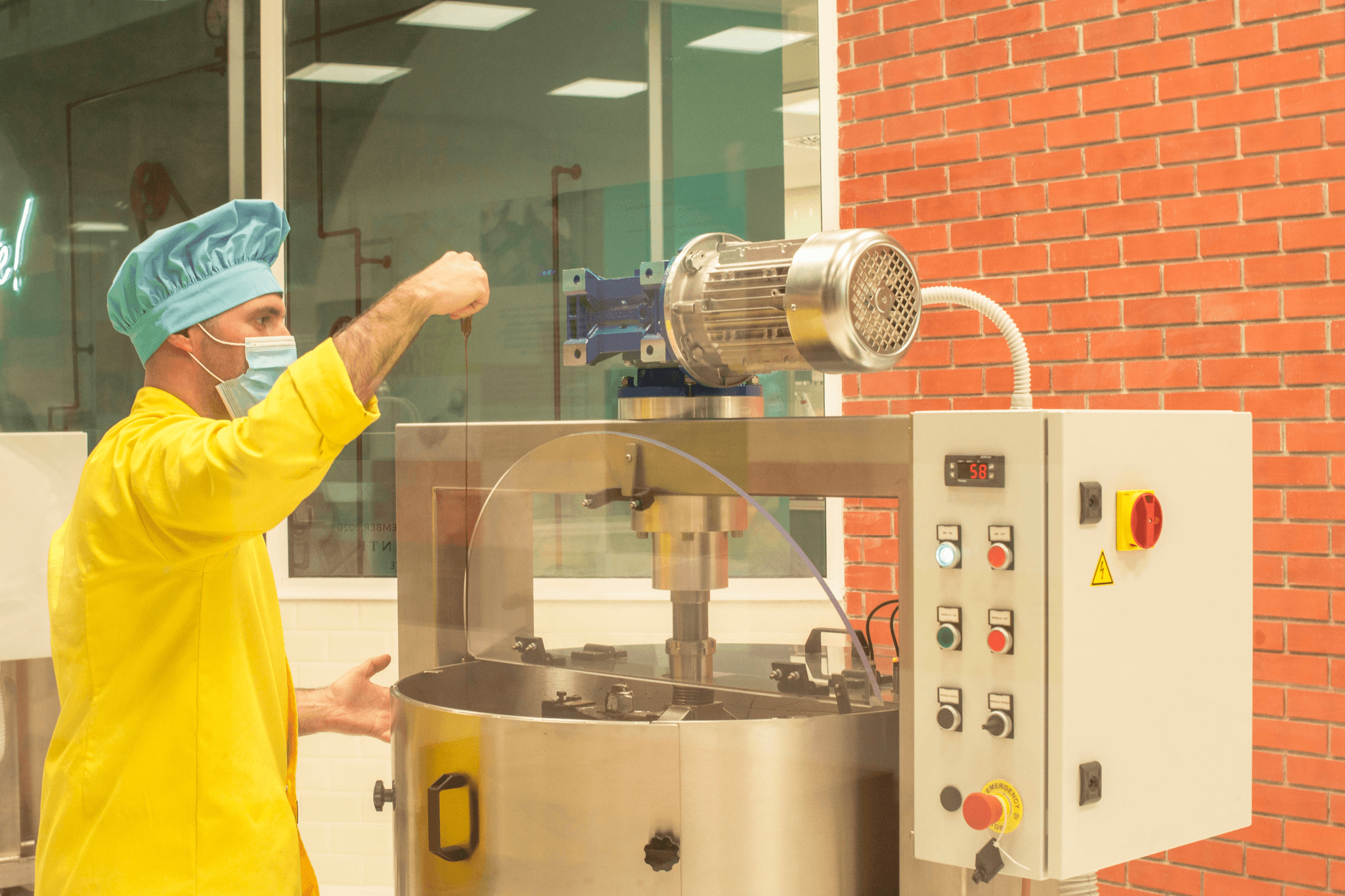
Navigating the intricate world of quality and compliance testing in China is essential for businesses aiming to thrive in this competitive market. Understanding the various stages of product compliance testing, the types of quality inspections available, and the necessary documentation can significantly enhance your quality management processes. This section will delve into these critical aspects to help you define quality within Chinese markets.
Stages of Product Compliance Testing
The journey of product compliance testing typically unfolds in several key stages, each designed to ensure that products meet both regulatory standards and consumer expectations. Initially, a comprehensive assessment is conducted to identify applicable regulations and standards relevant to your product category—this is where you define quality from a regulatory standpoint. Following this, pre-production evaluations are performed, allowing manufacturers to address potential issues early on through effective quality control measures.
Once production begins, ongoing inspections are vital; these include in-process checks that monitor adherence to predefined specifications throughout manufacturing. The final stage involves post-production testing where finished products undergo rigorous assessments before they enter the market, ensuring that all aspects of quality management have been considered. By meticulously following these stages of product compliance testing, businesses can confidently navigate the complexities surrounding quality and compliance.
Types of Quality Inspections and Testing
Quality inspections come in various forms, each tailored to address specific needs within the production process while ensuring overall product integrity. The most common types include initial production checks (IPCs), during production inspections (DPIs), and final random inspections (FRIs). These inspections serve as checkpoints for evaluating whether products consistently meet established standards throughout their lifecycle—a crucial element for maintaining effective quality control.
In addition to visual inspections, more advanced testing methods such as laboratory analysis may be employed depending on the nature of the product being evaluated. For instance, electrical goods might require safety tests while textiles may undergo material composition assessments—both critical for verifying compliance with local regulations. By employing a diverse array of inspection techniques aligned with robust quality management practices, businesses can ensure their products not only comply but also resonate with consumers’ expectations.
Documentation and Reporting Requirements
Documentation plays a pivotal role in establishing transparency throughout the quality and compliance process; it serves as evidence that all necessary steps have been taken regarding both inspection outcomes and regulatory adherence. Companies must maintain meticulous records encompassing everything from inspection reports to test results—these documents are essential not only for internal audits but also when addressing potential inquiries from regulatory bodies.
Moreover, clear reporting mechanisms should be established so stakeholders can easily access vital information regarding product status at any given time. This ensures prompt decision-making while reinforcing accountability within teams responsible for managing quality control processes effectively. By prioritizing thorough documentation practices alongside consistent reporting requirements, organizations can bolster their overall approach to managing quality while remaining compliant with Chinese market standards.
How to Define Quality in Chinese Markets

Defining quality in the context of the Chinese market requires a deep understanding of local consumer expectations, which can vary significantly from those in Western markets. Consumers in China often prioritize not just functionality but also the perceived value and brand reputation associated with quality and compliance. Therefore, businesses must engage in thorough market research to grasp these expectations and align their products accordingly.
Understanding Local Consumer Expectations
Local consumers have unique preferences shaped by cultural norms, economic factors, and recent trends. For instance, many Chinese consumers are increasingly discerning about product safety and sustainability, making quality control a top priority for brands looking to succeed. Understanding these nuances is essential for companies aiming to define quality effectively; it’s not just about meeting baseline standards but also exceeding them to foster brand loyalty.
Adapting Quality Management Practices
To resonate with Chinese consumers, businesses must adapt their quality management practices to reflect local standards and expectations. This involves implementing rigorous quality inspection protocols that cater specifically to the demands of the market while ensuring compliance with national regulations. By embracing flexibility within their management and quality frameworks, companies can better respond to consumer feedback and evolving trends.
The Impact of Quality on Market Success
Quality plays a pivotal role in determining market success within China’s competitive landscape; it directly influences consumer trust and purchasing decisions. Brands that prioritize effective quality control often see higher customer satisfaction rates, leading to increased sales and market share. Ultimately, defining quality through a lens that incorporates both local expectations and robust compliance measures can set businesses apart from their competitors.
Best Practices for Quality Management in China
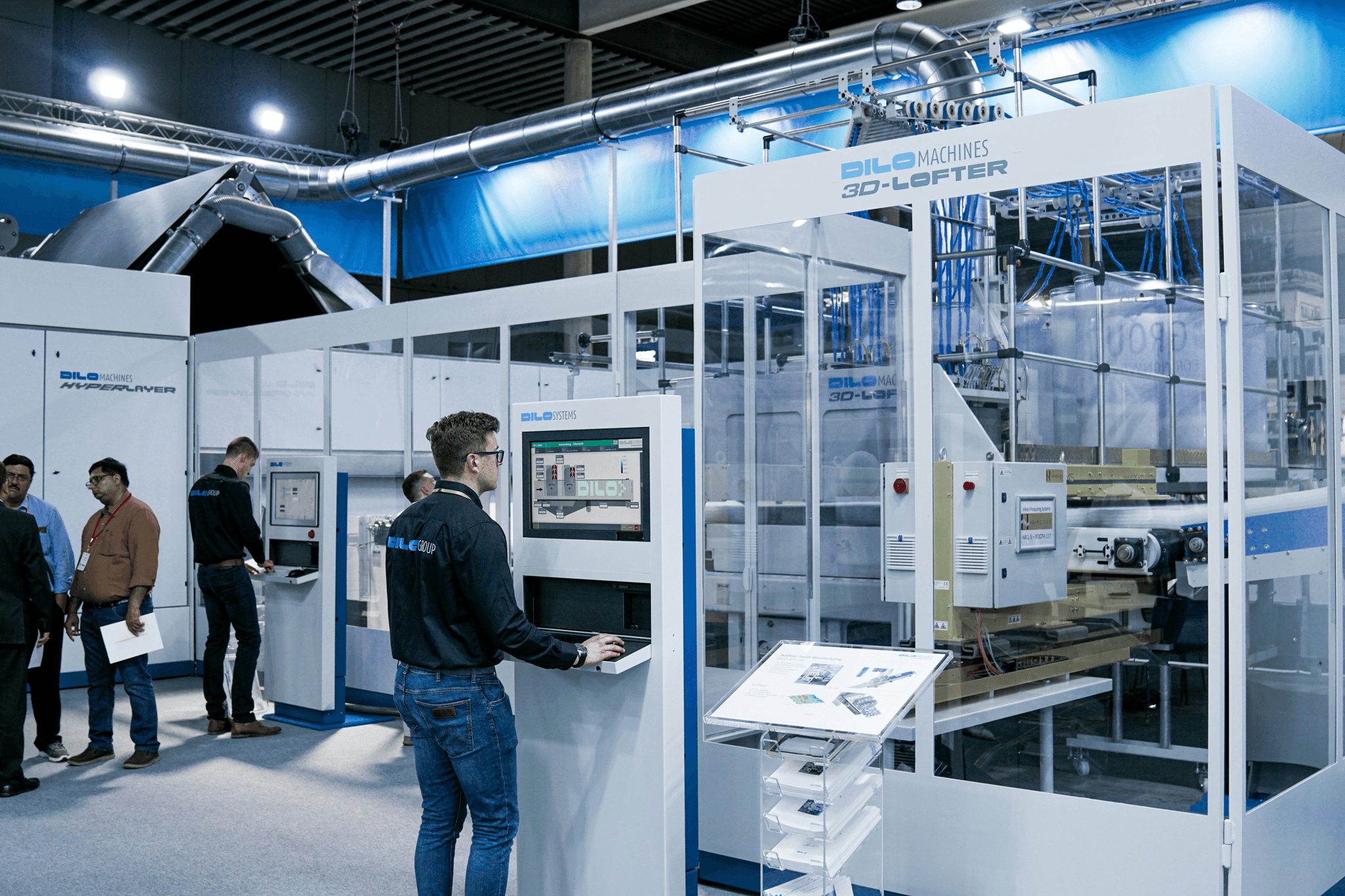
In the dynamic landscape of Chinese markets, establishing effective quality management practices is crucial for success. Companies must prioritize quality and compliance to navigate the complexities of local regulations while meeting consumer expectations. By implementing strategic quality control measures, businesses can ensure that their products not only comply with standards but also resonate with customers.
Effective Quality Control Strategies
To define quality in a way that aligns with both regulatory requirements and consumer expectations, businesses should adopt comprehensive quality control strategies. This includes establishing clear benchmarks for product performance and conducting regular assessments to ensure adherence to these standards. Engaging in proactive quality management allows companies to identify potential issues early, reducing the risk of costly recalls or reputational damage.
Moreover, integrating feedback from various stakeholders—such as suppliers, customers, and regulatory bodies—can enhance the overall effectiveness of quality control efforts. By fostering collaboration across departments, organizations can create a culture where quality is prioritized at every stage of production. Ultimately, effective strategies not only improve product integrity but also strengthen brand loyalty among consumers who value commitment to quality and compliance.
Ensuring Consistency in Quality Inspections
Consistency in quality inspections is vital for maintaining high standards across all products entering the market. Implementing standardized inspection protocols helps ensure that every item is evaluated against the same criteria, minimizing variability in outcomes. This approach not only enhances product reliability but also builds trust with consumers who expect consistent performance.
Regular training sessions for inspection teams are essential to uphold these standards and keep staff updated on best practices related to quality management and compliance testing requirements. Additionally, utilizing third-party inspectors can provide an unbiased perspective on product integrity while ensuring adherence to local regulations. When organizations invest in consistent inspections backed by robust training programs, they pave the way for long-term success through reliable quality control.
Utilizing Technology for Better Quality Management
Technology plays a pivotal role in modernizing quality management processes and enhancing overall efficiency within organizations operating in China’s complex market landscape. By leveraging advanced software tools and data analytics platforms, companies can streamline their compliance testing procedures while gaining valuable insights into product performance trends over time. Such technological integration allows firms to define quality more accurately based on real-time data rather than solely relying on historical benchmarks.
Moreover, automation can significantly reduce human error during inspections by employing sophisticated systems that track compliance metrics seamlessly throughout production cycles. Embracing technology not only improves accuracy but also enables businesses to respond swiftly when issues arise—ultimately leading to better outcomes regarding both product safety and customer satisfaction around issues of quality and compliance.
Common Challenges in Product Compliance

Navigating the landscape of product compliance in China can be akin to trying to find your way through a maze—one that frequently shifts and changes. Regulatory changes are a constant in this environment, making it crucial for businesses to stay informed and adaptable. Understanding how these changes impact quality and compliance is essential for maintaining effective quality control and ensuring that products meet local standards.
Navigating Regulatory Changes
Regulatory frameworks in China are known for their dynamism, with new laws and amendments appearing regularly. Companies must have robust mechanisms in place to monitor these changes closely, as even minor adjustments can significantly affect quality management practices. To define quality effectively within this context, businesses need to invest time in training their teams on the latest compliance requirements, ensuring everyone is aligned with the evolving landscape.
Moreover, keeping abreast of regulatory updates can help organizations avoid costly fines or product recalls due to non-compliance. Regular audits and consultations with compliance experts can also be beneficial for staying ahead of the curve. Ultimately, navigating regulatory changes requires a proactive approach that integrates flexibility into both management and quality practices.
Overcoming Quality and Compliance Misunderstandings
Misunderstandings around quality and compliance often lead to significant setbacks for companies operating in China’s market. Many businesses struggle with defining quality accurately according to local expectations, which can result in products that don’t resonate with consumers or meet regulatory standards. This disconnect underscores the importance of clear communication regarding quality inspection processes between all stakeholders involved.
To bridge these gaps, it’s vital to foster an organizational culture where questions about quality management are encouraged rather than stifled. Training sessions focusing on both product specifications and local consumer expectations can help align teams on what constitutes acceptable quality levels within Chinese markets. By addressing misunderstandings head-on, companies not only improve their product offerings but also enhance their overall reputation regarding quality control.
Tips for Efficient Problem-Solving
When faced with challenges related to product compliance, having a structured problem-solving approach is invaluable for any organization committed to maintaining high standards of quality management. Start by gathering all relevant data regarding the issue at hand; this includes documentation from previous inspections as well as feedback from customers about perceived quality issues. With concrete information at hand, teams can better identify root causes rather than merely addressing symptoms.
Next, involve cross-functional teams that encompass different aspects of your business—from production to marketing—to brainstorm solutions collaboratively. This holistic approach ensures that all angles are considered when defining what quality means across various departments while also emphasizing the importance of consistent application of quality control measures throughout the organization’s operations.
Lastly, leveraging technology such as data analytics tools can streamline both compliance monitoring and reporting processes significantly—making it easier than ever before to ensure adherence to regulations while enhancing overall efficiency in managing both product quality and compliance efforts.
Conclusion

In wrapping up our exploration of quality and compliance in China, it’s clear that navigating this complex landscape is essential for any business aiming for success. Quality control isn’t just a box to tick; it’s a critical factor that defines quality and drives market acceptance. As we look ahead, understanding the nuances of quality management will be pivotal for companies looking to thrive in Chinese markets.
Key Takeaways on Compliance Testing
When it comes to compliance testing, the importance of understanding local regulations cannot be overstated. Companies must prioritize quality and compliance to ensure their products meet both consumer expectations and regulatory standards. Remember, effective quality inspection processes are not merely about adhering to rules; they also build trust with consumers who increasingly demand high-quality products.
The Future of Quality Management in China
The future of quality management in China looks promising yet challenging, especially as regulations continue evolving. Businesses must adapt their strategies around quality control to keep pace with these changes while ensuring consistent product excellence. Embracing innovative technologies will play a crucial role in enhancing quality management practices and streamlining compliance efforts.
Resources for Ongoing Compliance Education
For those keen on staying informed about the latest trends in quality and compliance, numerous resources are available online. Industry webinars, regulatory updates from major bodies, and professional training programs can provide valuable insights into effective management and quality strategies. Continuous education is vital for fostering a culture of excellence where quality inspection becomes second nature.