
Introduction
In today's fast-paced world, ensuring safety in various environments is paramount, which is where the procedure of inspection comes into play. Safety inspections are systematic evaluations designed to identify potential hazards and ensure compliance with regulations. Understanding what inspection procedures entail is crucial for organizations aiming to foster a safe workplace.
Understanding Safety Inspections
At its core, safety inspections involve a thorough examination of processes, equipment, and practices to identify risks and ensure adherence to safety standards. What are inspection procedures? They encompass a series of steps taken to assess safety conditions effectively and systematically. By grasping the fundamentals of what is the process of inspection, teams can better prepare for potential challenges.
Importance of a Structured Process
Having a structured process for conducting inspections cannot be overstated; it lays the foundation for effective risk management and compliance assurance. The standard inspection procedure provides consistency across evaluations, ensuring that all critical areas are covered comprehensively. When organizations embrace this structured approach, they not only enhance their safety protocols but also create an environment where employees feel valued and protected.
Overview of Key Steps
To conduct an effective safety inspection, it’s essential to follow key steps that guide the process from start to finish. This includes defining the purpose clearly, preparing adequately with checklists and documentation, conducting thorough observations during inspections, analyzing results critically, implementing corrective actions diligently, and continuously improving practices over time. One widely recognized method in this realm is the 7 point inspection process which helps streamline these key steps into manageable tasks that can significantly improve overall safety outcomes.
Define the Purpose

Defining the purpose of safety inspections is crucial in establishing a solid foundation for any inspection process. By clearly outlining what you aim to achieve, you can ensure that your procedure of inspection is effective and targeted. This step not only sets the tone for the entire inspection but also helps streamline efforts toward achieving compliance and enhancing workplace safety.
Clarifying Goals and Objectives
When discussing what are inspection procedures, it's vital to start with clear goals and objectives. These should reflect both immediate safety concerns and long-term organizational aspirations. A well-defined objective could be reducing workplace accidents by 20% within a year or ensuring that all equipment meets regulatory standards—whatever aligns with your overall mission.
Setting specific goals allows you to measure success effectively later on in the process of inspection. For instance, if your goal is to improve safety protocols, you might focus on specific areas like equipment maintenance or employee training programs. Remember, clarity in objectives leads to a more focused approach during inspections.
Identifying Specific Risks
Next up is identifying specific risks—an essential part of understanding what is the process of inspection. This involves assessing potential hazards unique to your environment or operations, such as chemical exposure, machinery malfunctions, or ergonomic issues among workers. By pinpointing these risks early on, you can tailor your procedure of inspection accordingly.
Utilizing tools like risk matrices can aid in prioritizing these hazards based on their likelihood and potential impact. This proactive approach ensures that during inspections, you're not just checking boxes but addressing real concerns that could affect employee well-being and operational efficiency. Ultimately, recognizing specific risks will guide your team in implementing effective corrective actions later on.
Aligning with Regulatory Requirements
Finally, aligning with regulatory requirements is non-negotiable when defining the purpose of an inspection process. What is a standard inspection procedure? It’s one that complies with local laws and industry regulations while reflecting best practices for safety management systems (SMS). Understanding these requirements ensures that you're not only compliant but also fostering a culture of safety within your organization.
Regularly reviewing relevant regulations keeps your team informed about changes that may affect how inspections are conducted or what must be included in them—like updates from OSHA or other governing bodies relevant to your industry sector. Moreover, aligning with these standards reinforces credibility among stakeholders and shows commitment to maintaining high safety benchmarks across operations.
Prepare for the Inspection
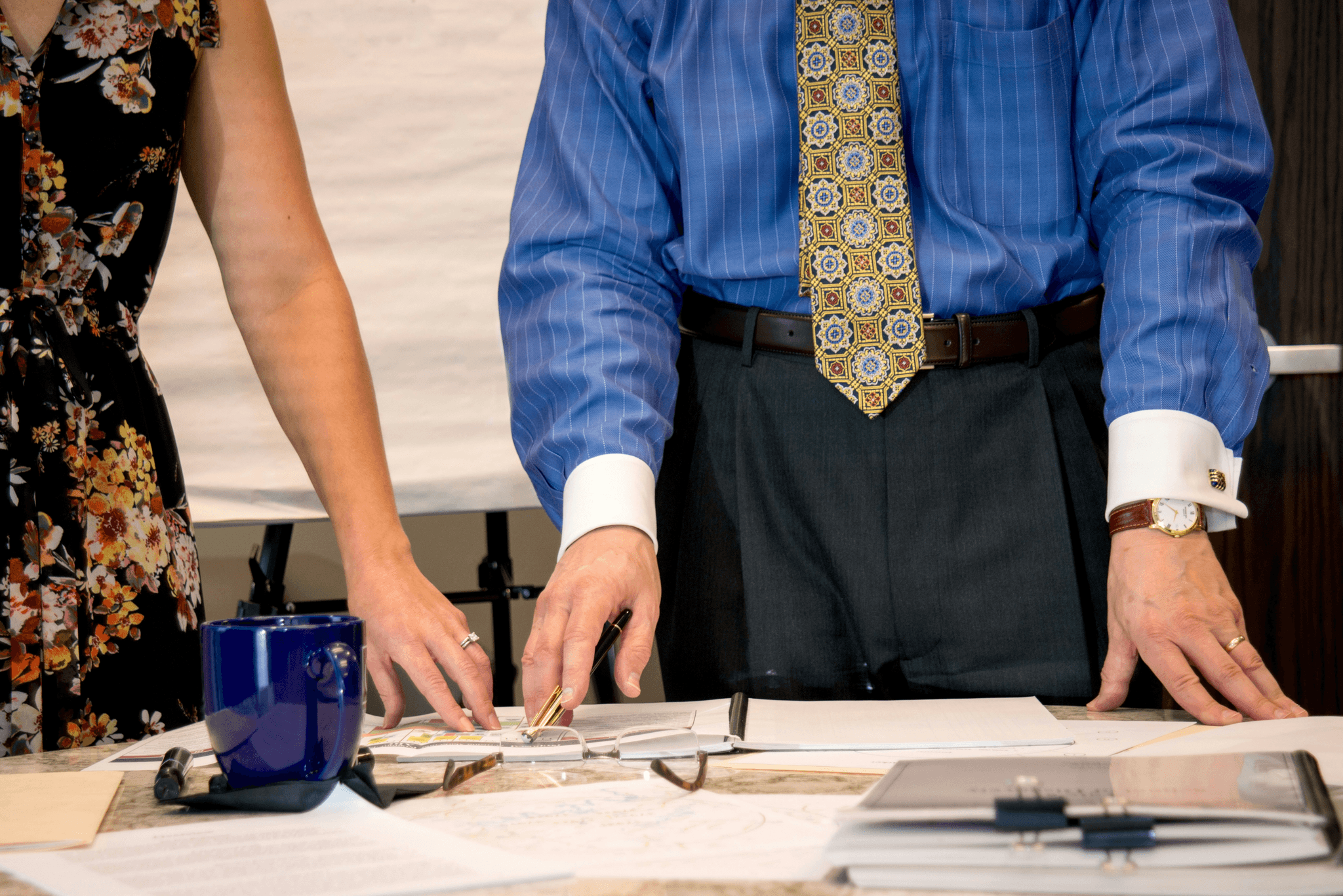
Preparing for a safety inspection is crucial to ensure that everything runs smoothly and effectively. This phase involves several key actions, including developing an inspection checklist, gathering necessary documentation, and ensuring team readiness. A well-prepared team can significantly enhance the effectiveness of the procedure of inspection, leading to more accurate results and efficient corrective actions.
Developing an Inspection Checklist
Creating a comprehensive inspection checklist is one of the first steps in preparing for any safety assessment. The checklist serves as a roadmap during the procedure of inspection by outlining what needs to be evaluated and ensuring that no critical areas are overlooked. When developing this checklist, it’s essential to consider what are inspection procedures specific to your industry and tailor it accordingly—this makes it easier for everyone involved to understand their roles.
The checklist should cover all relevant aspects, including equipment checks, safety protocols, and compliance with regulatory standards. What is the process of inspection without a solid foundation? By establishing clear criteria through your checklist, you not only streamline the evaluation process but also set measurable goals that can be revisited later.
Moreover, involving team members in creating this checklist can provide valuable insights into potential risks or overlooked areas—after all, who knows better than those on the front lines? Regularly updating this document ensures it remains relevant as new regulations emerge or operational changes occur.
Gathering Necessary Documentation
Before conducting an effective safety inspection, it's essential to gather all necessary documentation that supports your evaluation efforts. This includes past inspection reports, maintenance records, training certifications, and any relevant regulatory guidelines. Having these documents at hand allows you to compare current practices against established standards—what is a standard inspection procedure if not grounded in historical data?
One key aspect here is understanding what is the 7 point inspection process entails; each point often requires specific documentation for validation purposes. For instance, if one of your points focuses on equipment functionality, having maintenance logs readily available will help substantiate whether machines have been properly cared for over time.
In addition to technical documents, ensure that any health and safety policies are easily accessible during the procedure of inspection. This way you’ll have everything needed at your fingertips when discussing findings with stakeholders or addressing gaps in compliance identified during your assessment.
Ensuring Team Readiness
Lastly but certainly not least important is ensuring team readiness before embarking on an actual safety inspection. A well-prepared team can make all the difference in executing what is the process of inspection efficiently and effectively—think of them as your secret weapon! Conducting pre-inspection meetings allows everyone involved to understand their roles clearly while fostering open communication about expectations.
Training sessions can also be beneficial here; equipping team members with knowledge about specific risks they may encounter helps them feel more confident during evaluations. It’s vital that everyone understands what are inspection procedures applicable to their tasks so they can contribute meaningfully throughout each phase.
Additionally, consider assigning roles based on individual strengths—some may excel at documenting findings while others might be better suited for hands-on evaluations or discussions with staff members about observed practices. By aligning tasks with skill sets within your crew before diving into inspections ensures smoother operations overall!
Conduct the Inspection
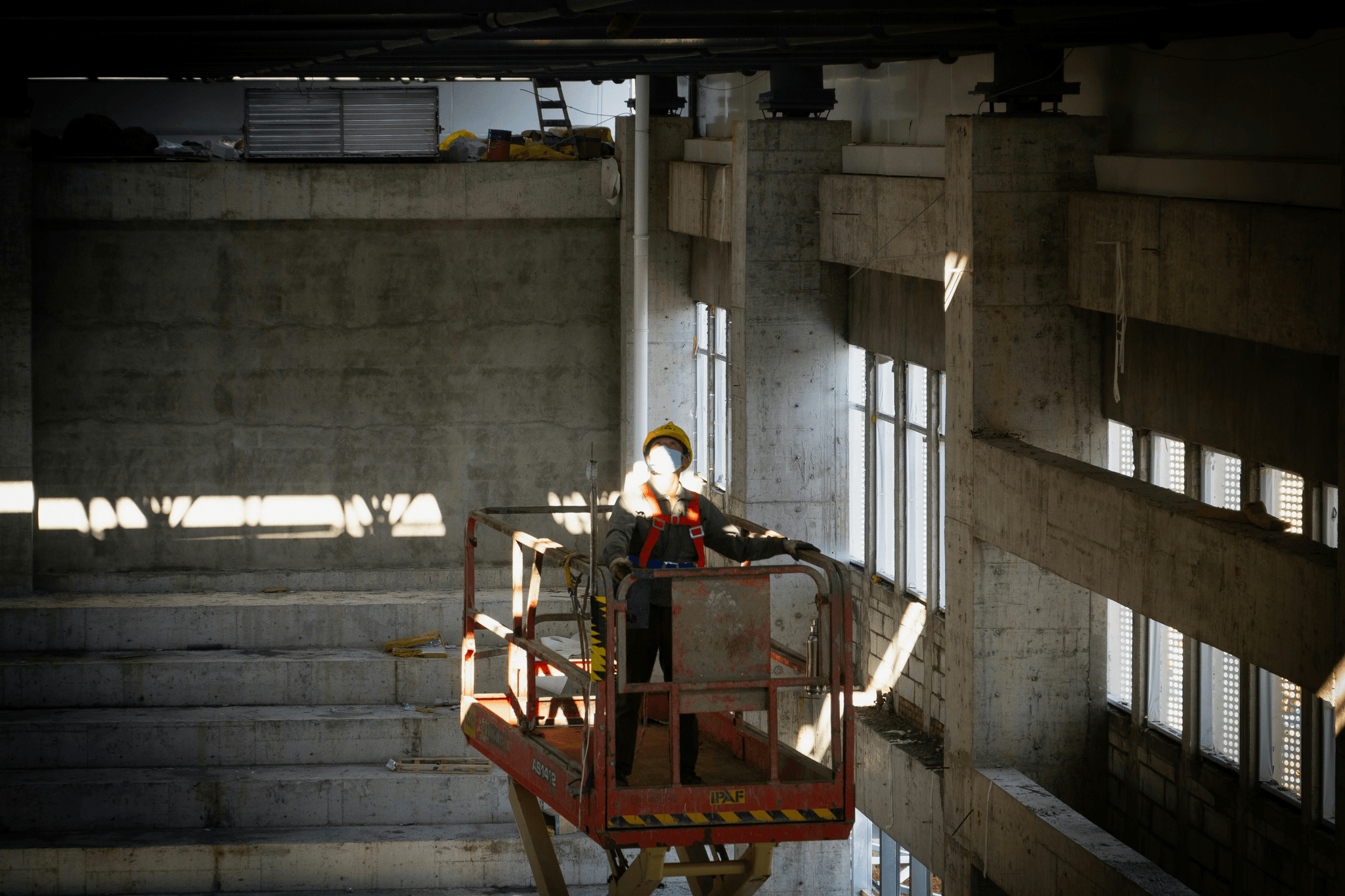
When it comes to the procedure of inspection, having a structured approach is crucial. This phase is where all your preparation pays off, and you put your plans into action. By following a systematic process, you ensure that every aspect of safety is thoroughly evaluated.
Utilizing the Right Tools and Technologies
The right tools can make or break your inspection experience. From digital checklists to specialized measurement devices, these technologies streamline what could otherwise be a cumbersome process of inspection. For instance, using mobile apps designed for inspections can help you capture data in real-time and reduce human error significantly.
What are inspection procedures without the right gadgets? Leveraging technology not only enhances accuracy but also speeds up the entire process of inspection. Plus, with innovations like drones or thermal imaging cameras becoming more accessible, you can identify potential hazards that might go unnoticed during a standard inspection procedure.
Ultimately, utilizing these tools means you're not just checking boxes; you're actively engaging in a thorough evaluation that aligns with best practices in safety management. The 7-point inspection process often emphasizes meticulousness—having the right tech ensures you meet those points effectively.
Observing Work Practices
Now comes one of the most critical aspects: observing work practices on-site. This step allows inspectors to witness firsthand how safety protocols are implemented (or overlooked). What is the process of inspection if it doesn't involve seeing how employees interact with their environment?
During this phase, it's essential to take notes on both compliance and non-compliance behaviors. Are workers following proper safety measures? Are there any shortcuts being taken that could lead to accidents? By closely monitoring these practices, you'll gather invaluable insights into areas needing improvement.
Moreover, engaging with employees during this observation period can yield additional context about their routines and any challenges they face adhering to safety standards. Remember that effective communication fosters an atmosphere where team members feel comfortable discussing potential risks—an essential component in refining your inspection procedures.
Documenting Findings Thoroughly
Once you've observed work practices and gathered data from various sources, it's time to document findings thoroughly—a cornerstone of any effective procedure of inspection! Proper documentation serves as both a record for accountability and a foundation for future improvements.
In this stage, clarity is key; ensure that your notes are organized and detailed enough for anyone reviewing them later on to understand what transpired during the inspection easily. What is a standard inspection procedure without clear documentation? This step not only aids in compliance but also helps communicate findings effectively across teams.
After all observations have been recorded meticulously, consider summarizing key points in an accessible format for stakeholders who may not be familiar with technical jargon or industry-specific terms. This approach ensures everyone involved understands the implications of your findings while reinforcing the importance of ongoing vigilance within workplace safety protocols.
Analyze Inspection Results

Once the inspection is complete, it’s time to dig into the data collected and make sense of it all. Analyzing inspection results is a crucial phase in the procedure of inspection that helps organizations understand their safety landscape better. This process not only highlights compliance with standards but also unveils opportunities for improvement.
Evaluating Data Collected
Evaluating data collected during inspections involves scrutinizing every detail captured throughout the procedure of inspection. This means diving deep into checklists, notes, and any photographic evidence gathered during the process of inspection. By assessing this information systematically, teams can identify trends, patterns, or anomalies that warrant further investigation or immediate action.
When considering what are inspection procedures? it’s essential to remember that this evaluation stage is where you connect the dots between observed practices and regulatory requirements. The evaluation should address whether current practices align with a standard inspection procedure and if they meet industry benchmarks for safety compliance. Ultimately, this analysis serves as a foundation for informed decision-making in subsequent steps.
Identifying Areas for Improvement
Identifying areas for improvement is like finding hidden treasures within your data—gems that can significantly enhance safety protocols when unearthed properly! Through careful analysis of findings from what is the process of inspection?, teams can pinpoint specific aspects needing attention, whether it's inadequate training or subpar equipment maintenance practices.
This step also aligns with understanding what is the 7 point inspection process? which emphasizes thoroughness in identifying weaknesses across various operational facets. By focusing on these areas, organizations can prioritize corrective actions effectively and allocate resources where they’re most needed to elevate overall safety standards.
Communicating Findings Effectively
Communication plays a pivotal role in ensuring that findings from inspections lead to meaningful change within an organization. When discussing how to communicate findings effectively after an inspection, clarity and conciseness are key—nobody wants to wade through jargon-filled reports! Presenting results in an engaging format ensures stakeholders grasp essential insights quickly while fostering a culture of transparency regarding safety issues.
Moreover, effective communication about what are inspection procedures? should include actionable recommendations based on identified risks and areas for improvement discussed earlier. Using visual aids like graphs or charts can enhance comprehension further when sharing results with team members who may not be familiar with standard inspection procedures or technical jargon.
In conclusion, analyzing inspection results isn’t just about checking boxes; it’s about fostering continuous improvement through informed decisions based on thorough evaluations and clear communication strategies!
Implement Corrective Actions

Once the inspection results are in, it’s time to roll up your sleeves and implement corrective actions. This phase is crucial because it transforms findings into tangible improvements, ensuring safety standards are upheld. A well-structured procedure of inspection doesn't end with documentation; it continues with action.
Developing an Action Plan
The first step in implementing corrective actions is developing a comprehensive action plan that addresses all identified issues. This plan should outline specific tasks, timelines, and resources required to rectify problems discovered during the inspection process. By clearly defining what needs to be done, you can ensure that everyone involved understands their role in enhancing safety protocols.
When creating your action plan, consider integrating elements from established inspection procedures. For instance, what is the 7 point inspection process? It often includes identifying problems, prioritizing them based on risk levels, and determining appropriate solutions—useful tactics that can guide your planning efforts. Remember, a standard inspection procedure must evolve to meet the unique needs of your organization while still adhering to regulatory requirements.
Assigning Responsibility
Next up is assigning responsibility for each task outlined in your action plan—a critical step in ensuring accountability and follow-through. Clearly designate who will handle each corrective action based on their expertise and availability; this fosters ownership of the process among team members. After all, when people know they are responsible for specific outcomes, they’re more likely to stay engaged and committed.
While assigning responsibilities, think about how these roles fit into the broader context of what are inspection procedures? Ensure that team members understand not only their individual tasks but also how they contribute to overall safety improvements within the organization. This clarity can be motivating and help create a culture of safety where everyone feels invested in compliance and best practices.
Monitoring Progress
Finally, monitoring progress is essential for evaluating whether corrective actions are effective and sustainable over time. Establish regular check-ins or updates to track how well teams are executing their assigned tasks; this helps identify any roadblocks early on so adjustments can be made promptly. Without ongoing oversight, even the best-laid plans may falter or lose momentum.
Incorporate metrics or benchmarks into your monitoring strategy that align with what is the process of inspection? These indicators can provide insights into whether changes lead to desired outcomes or if further adjustments are necessary—after all, improvement is an ongoing journey rather than a one-time event! By keeping a close eye on progress and being open to refining strategies as needed, you'll cultivate a continuous improvement mindset within your organization.
Conclusion
In conclusion, safety inspections are essential for maintaining a safe and compliant work environment. By adhering to best practices, organizations can ensure that their procedure of inspection is effective and thorough. Continuous improvement should be at the forefront of every inspection process, allowing teams to adapt and enhance their methods over time.
Best Practices for Safety Inspections
This includes defining clear goals, utilizing a comprehensive checklist, and ensuring that team members are well-prepared and trained. What are inspection procedures? They are systematic approaches designed to identify hazards and assess compliance with safety standards—ensuring that nothing slips through the cracks.
Moreover, employing the 7 point inspection process can streamline your efforts even further. This involves planning, conducting observations, documenting findings, analyzing results, implementing corrective actions, following up on improvements, and finally reviewing the entire process for effectiveness. By embracing these best practices in your procedure of inspection, you not only enhance safety but also foster a culture of accountability within your organization.
Continuous Improvement in Inspection Procedures
Continuous improvement is vital in refining what is often regarded as the backbone of workplace safety: the process of inspection itself. Regularly revisiting your procedures allows you to identify gaps or inefficiencies that may have developed over time. What is the process of inspection? It’s an ongoing cycle where feedback leads to enhancements—this dynamic approach keeps your team adaptable in an ever-changing environment.
Incorporating lessons learned from past inspections into future planning ensures that each round becomes more effective than the last. This iterative method fosters innovation while keeping safety at its heart; it pushes teams to ask critical questions about what worked well and what could be improved next time around. Ultimately, by committing to continuous improvement in your procedure of inspection, you're not just checking boxes—you're actively contributing to a safer workplace.
Leveraging Experts like China Inspection Pro
Sometimes organizations need an extra set of eyes or specialized knowledge when it comes to their inspections—and that's where experts like China Inspection Pro come into play! Leveraging their expertise can help streamline your procedures while ensuring compliance with industry standards across various sectors. So what is a standard inspection procedure? It typically involves systematic evaluations by qualified professionals who know how to spot potential risks effectively.
By collaborating with seasoned inspectors who understand both local regulations and global best practices, companies can elevate their own processes significantly. Additionally, these experts often bring innovative tools and technologies that improve efficiency during inspections—making them invaluable partners in enhancing overall workplace safety standards. Therefore, don't hesitate; consider enlisting experts like China Inspection Pro as part of your strategy for improving your procedure of inspection!