
Introduction
In the world of manufacturing, the significance of factory location cannot be overstated. The choice of where to set up shop impacts not only operational efficiency but also product quality, shipping logistics, and even employee retention. As businesses strive for excellence, understanding these dynamics becomes crucial in making informed decisions that can shape their future.
Understanding the Role of Factory Location
Factory location serves as the backbone of a manufacturing operation, influencing multiple facets from production processes to supply chain management. Selecting an optimal site requires careful consideration of various factors such as proximity to suppliers and customers, infrastructure availability, and local economic conditions. Moreover, a strategic factory location can enhance productivity while minimizing costs associated with travel distance and logistics.
The Impact on Product Quality
The correlation between factory location and product quality is often overlooked yet profoundly impactful. A well-situated factory can ensure access to high-quality raw materials and skilled labor, which are essential for maintaining standards in production. Furthermore, being closer to key markets allows for quicker feedback loops that contribute positively to product quality improvements.
Shipping Challenges You Didn’t Expect
While one might assume that a central factory location simplifies shipping logistics, unexpected challenges often arise along the way. Factors like traffic congestion or regional weather patterns can complicate delivery schedules and increase costs unexpectedly. Additionally, navigating local laws related to shipping and transportation can add another layer of complexity that manufacturers must address proactively.
Factory Location and Travel Distance
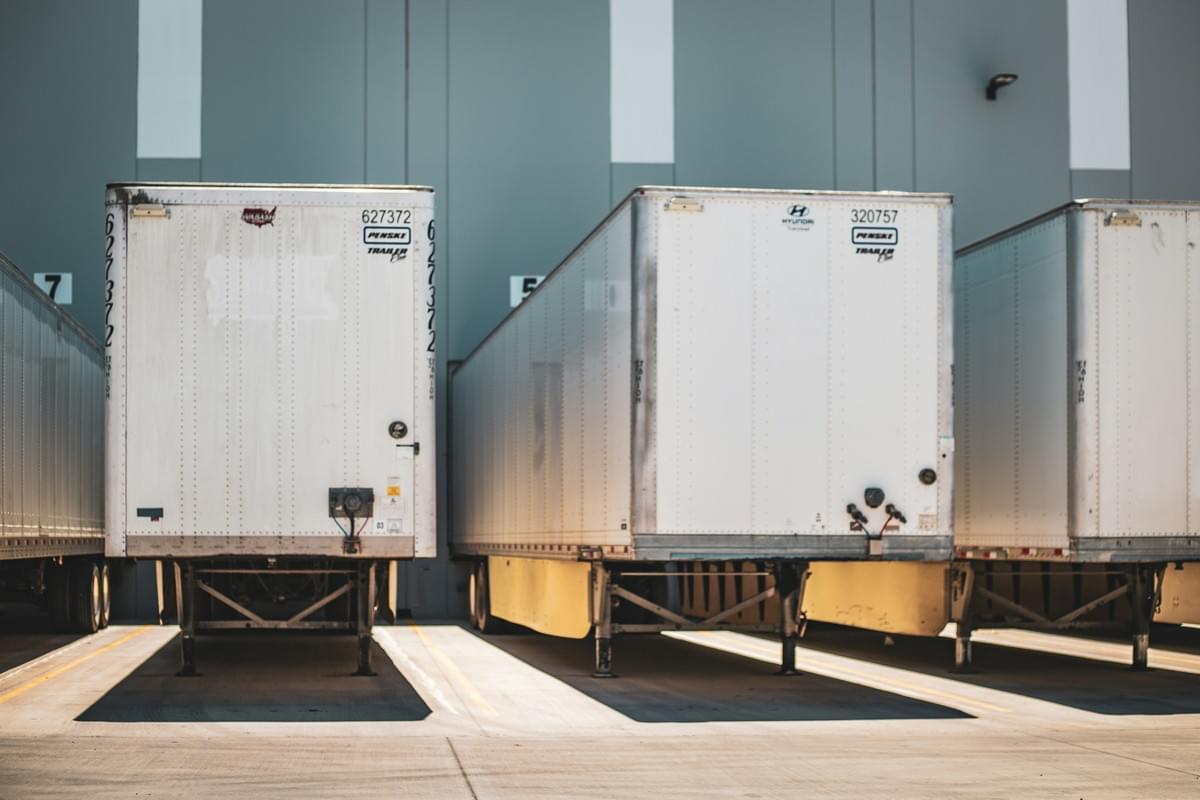
Selecting the right factory location is crucial not just for production efficiency but also for ensuring timely delivery of products. The travel distance from the manufacturing site to end-users can significantly impact delivery times, which in turn affects customer satisfaction and product quality. When a factory is strategically located closer to its target market, it can streamline logistics and enhance overall operational effectiveness.
How Distance Affects Delivery Times
Distance plays a pivotal role in determining how quickly products reach consumers. Longer distances often translate into extended shipping times, leading to delays that can frustrate customers and diminish their perception of product quality. Conversely, factories situated near major markets or transportation hubs can facilitate faster deliveries, thereby enhancing service levels and boosting customer loyalty.
Cost Implications of Transportation
The cost implications of transportation cannot be overstated when evaluating factory location options. Longer travel distances typically result in higher shipping costs due to fuel expenses, labor time, and vehicle maintenance—all factors that can erode profit margins. By choosing a factory location that minimizes these distances, businesses can optimize their supply chain costs while maintaining high standards of product quality.
Selecting Locations for Efficiency
When selecting locations for manufacturing facilities, efficiency should be at the forefront of decision-making processes. Factors such as proximity to suppliers and distribution centers should be considered alongside travel distance to ensure seamless operations. By carefully evaluating different regions based on these criteria, companies can create an integrated network that not only enhances product quality but also reduces lead times and logistical complexities associated with Factory Location and Travel Distance.
Factory Location and Weather Conditions
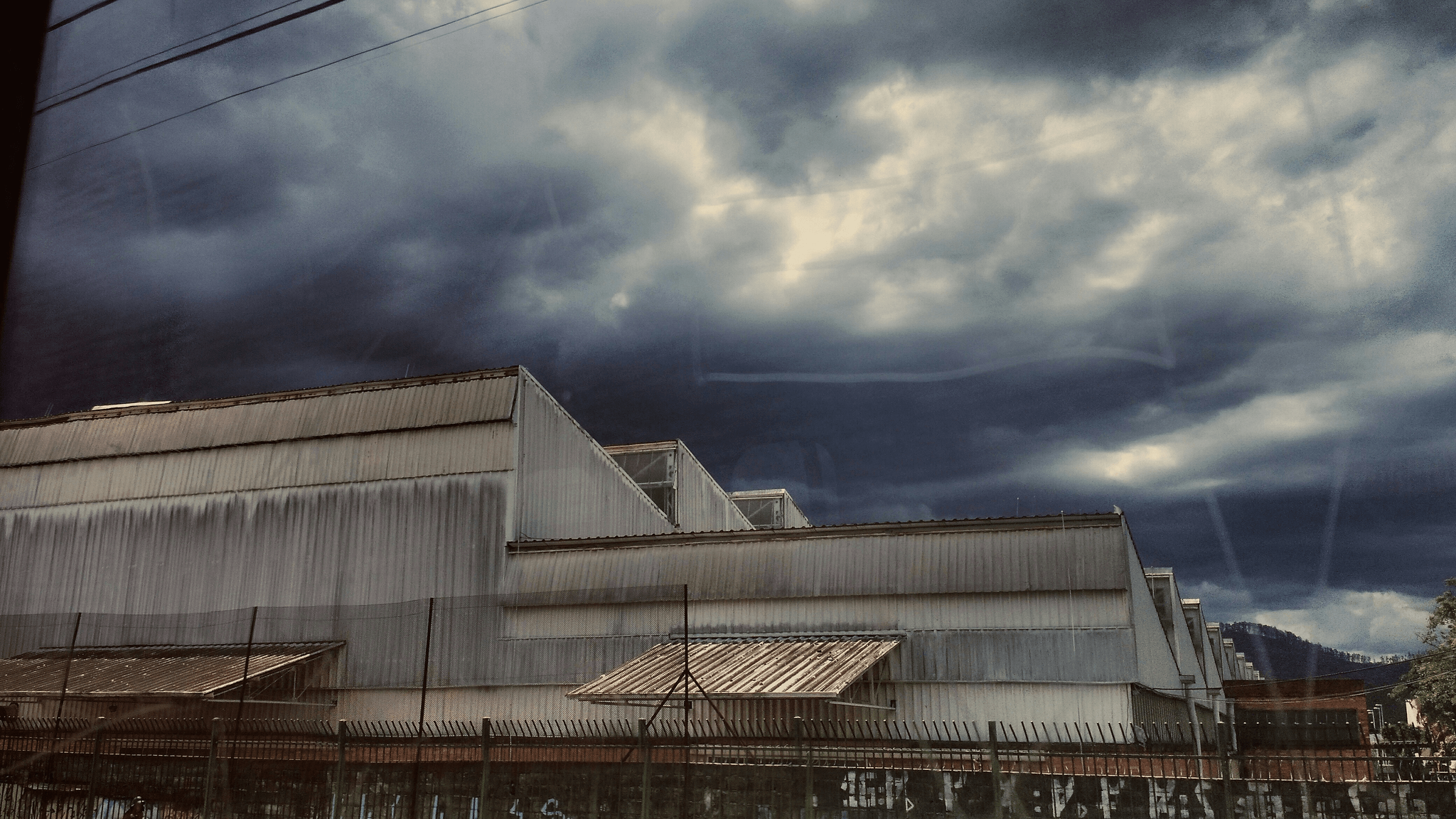
When it comes to manufacturing, the weather can be a fickle friend or a formidable foe. The location of your factory plays a critical role in how weather patterns can disrupt production schedules and ultimately affect product quality. From unexpected snowstorms to sweltering heatwaves, each climate condition presents unique challenges that manufacturers must navigate.
Weather's Effect on Production Schedules
Weather conditions directly influence production schedules in various ways. For instance, heavy rainfall can delay shipments of raw materials, causing a ripple effect that hinders timely manufacturing processes. In regions prone to extreme weather, factories may find themselves frequently adjusting timelines to accommodate unanticipated disruptions, which can compromise product quality if not managed effectively.
Moreover, seasonal changes can dictate labor availability and equipment functionality; freezing temperatures might cause machinery malfunctions while excessive heat could lead to worker fatigue. Thus, manufacturers must consider how weather patterns will impact their operations when determining their factory locations. By doing so, they can create robust contingency plans that minimize disruptions and maintain high standards for product quality.
Disaster Preparedness and Risk Management
The need for disaster preparedness cannot be overstated when evaluating factory locations in relation to weather conditions. Natural disasters such as hurricanes or earthquakes pose significant risks that require comprehensive risk management strategies tailored specifically for each location's vulnerabilities. Factories situated in high-risk areas must invest heavily in infrastructure improvements and emergency response training to ensure they can withstand such events without compromising production continuity.
Additionally, understanding local climate trends allows manufacturers to proactively implement measures that mitigate potential losses from severe weather incidents. This foresight not only protects the physical assets but also safeguards the workforce and maintains product quality during trying times. Ultimately, effective disaster preparedness is an investment in resilience that pays dividends by preserving operational stability.
Case Study: Natural Disasters in the Manufacturing Sector
One notable case study highlighting the impact of natural disasters on manufacturing is the aftermath of Hurricane Katrina on factories located along the Gulf Coast of the United States. Many facilities faced extensive damage due to flooding and high winds, leading to prolonged shutdowns that severely affected their ability to meet production deadlines and maintain product quality standards.
In contrast, companies with pre-established disaster recovery plans were able to resume operations more quickly by leveraging alternative supply chains or relocating temporary production lines until repairs were completed. This illustrates how proactive planning around factory location—taking into account local law regarding building codes and disaster readiness—can significantly enhance resilience against unforeseen challenges posed by nature.
By learning from past experiences like these, manufacturers are better equipped to choose optimal factory locations with an eye toward minimizing risks associated with adverse weather conditions while ensuring consistent product quality across all operations.
Factory Location and Local Law
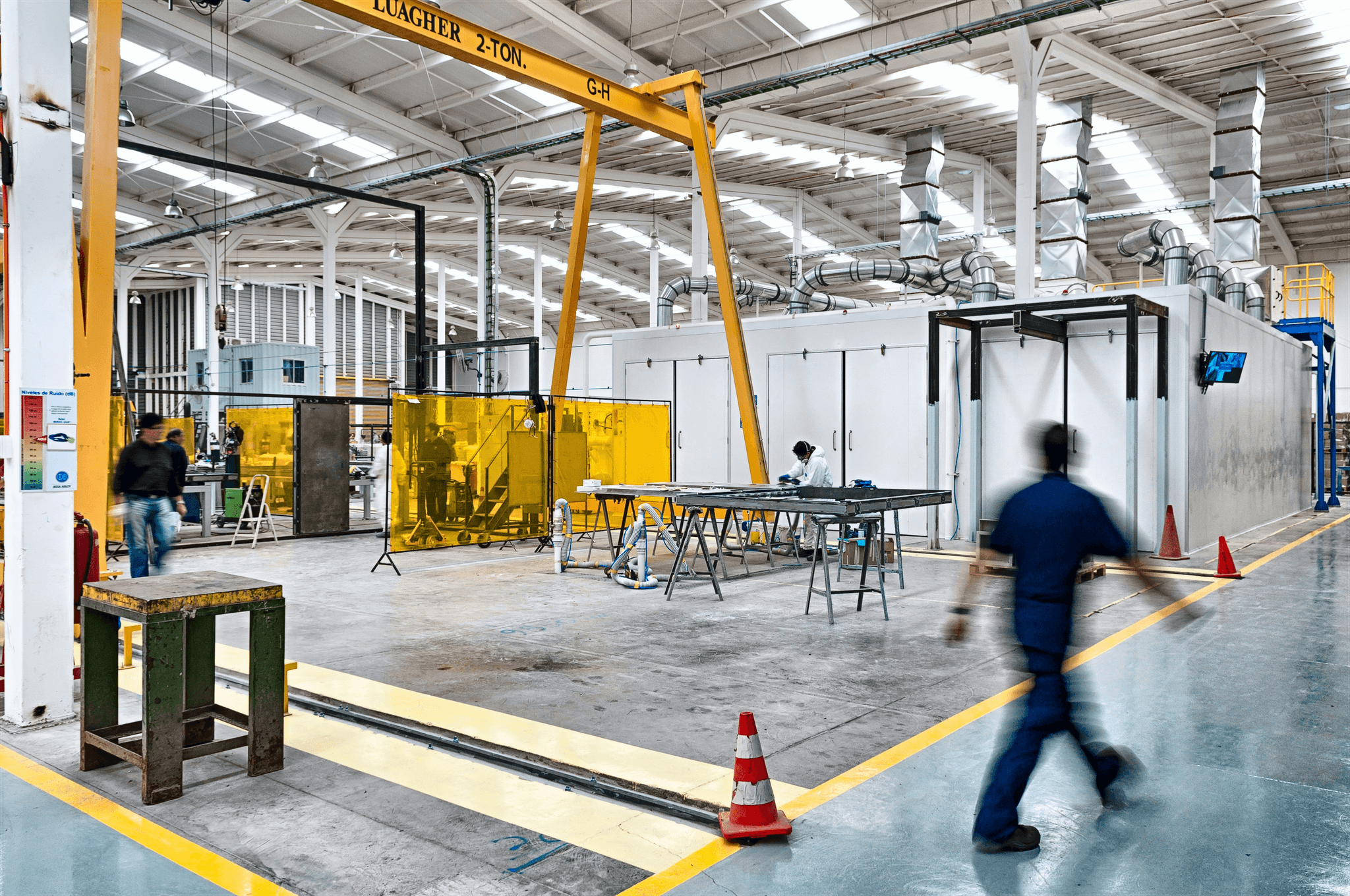
Navigating the labyrinth of local laws is no small feat for manufacturers. Each region has its own set of regulations that can significantly impact operations, particularly in areas like product quality and labor standards. Understanding these legal frameworks can mean the difference between a smooth operation and a costly compliance nightmare.
Navigating Regulations in Different Regions
When considering factory location, it's crucial to evaluate the regulatory landscape of potential sites. Different regions impose varying degrees of restrictions on manufacturing practices, often influencing product quality directly. For instance, some areas may have stringent environmental regulations that require advanced technology to minimize waste, thereby affecting both costs and production timelines.
Moreover, local laws regarding safety standards can vary widely; failing to comply could lead to serious ramifications, including fines or shutdowns. This regulatory patchwork means that companies must invest time in understanding each jurisdiction's requirements before making a decision on factory location. Ultimately, navigating these regulations not only ensures compliance but also enhances overall operational efficiency.
Compliance Costs and Implications
Compliance with local laws often comes with significant financial implications that manufacturers must consider when selecting a factory location. The costs associated with adhering to regulations can include everything from hiring legal experts to implementing new technologies aimed at meeting safety or environmental standards. These expenses can add up quickly and often impact the bottom line more than anticipated.
Additionally, non-compliance can result in hefty fines or even legal action, which further complicates matters for businesses trying to maintain product quality while managing costs effectively. It's essential for manufacturers to weigh these compliance costs against the benefits of operating in regions with fewer restrictions versus those known for higher-quality outputs due to stricter regulations. In this regard, choosing the right factory location is not just about immediate savings but long-term sustainability.
The Role of Local Labor Laws on Production
Local labor laws play a pivotal role in shaping manufacturing operations and directly affect product quality as well as output efficiency. Different regions have unique labor regulations concerning wages, working hours, benefits, and employee rights that can influence worker morale and productivity levels significantly. A factory located in an area with favorable labor conditions may experience lower turnover rates—an aspect closely tied to both worker satisfaction and consistent production quality.
Moreover, understanding how local labor laws interact with factors like Factory Location and Worker Turnover is crucial for maintaining stability within your workforce. High employee turnover not only disrupts production schedules but also raises training costs—both of which can negatively impact product quality over time if not managed properly. Therefore, manufacturers should carefully assess how labor laws align with their operational goals when determining factory locations.
In conclusion, navigating local law is an intricate dance that requires foresight and strategic planning when it comes to selecting a factory location that supports both operational efficiency and high product quality standards.
Factory Location and Worker Turnover
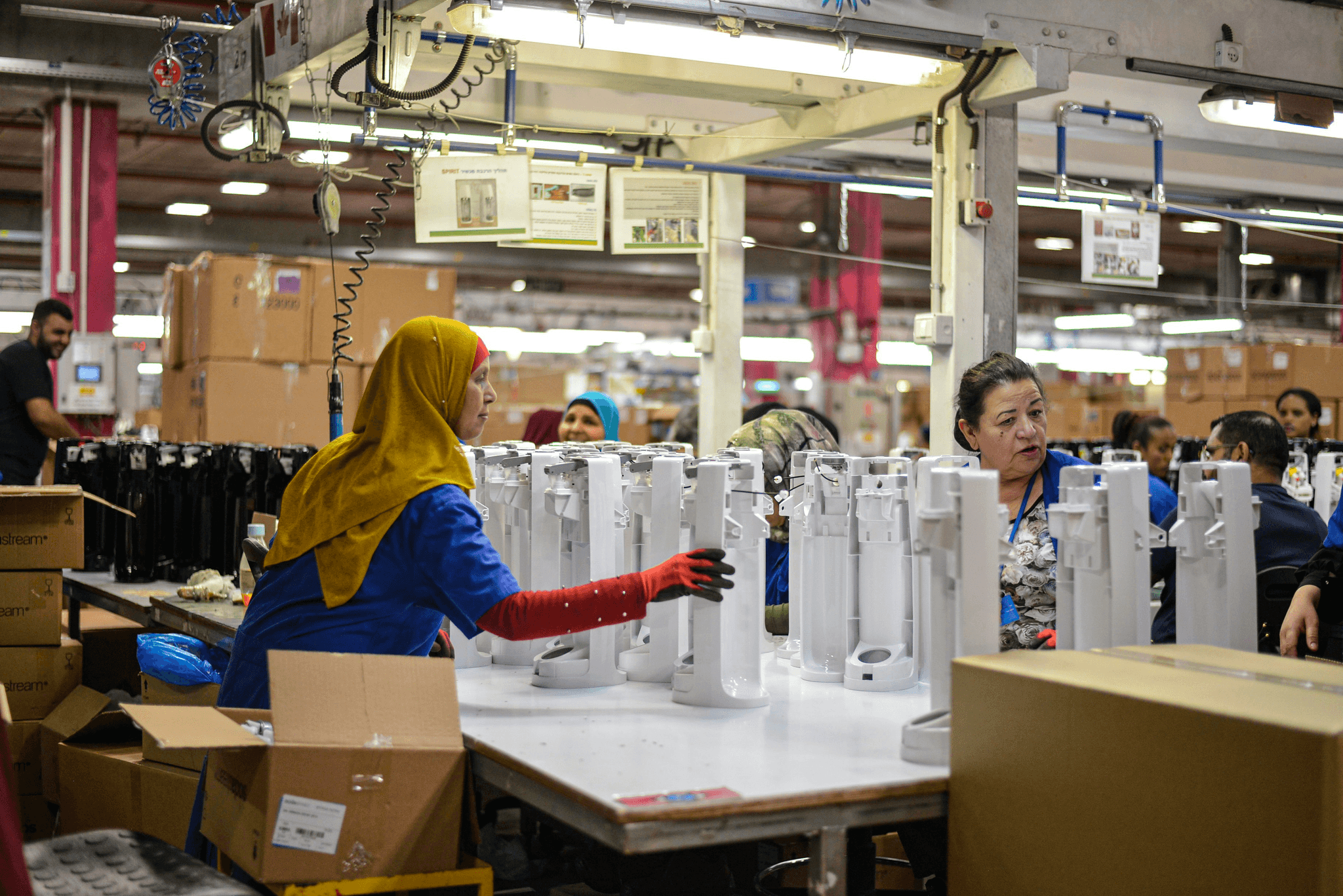
When it comes to the success of any manufacturing business, the location of a factory plays a crucial role in determining worker turnover rates. A well-chosen factory location can significantly enhance employee stability, while a poor choice can lead to high turnover and its associated costs. In essence, the dynamics of Factory Location and Worker Turnover are intertwined with various factors, including accessibility, local amenities, and community engagement.
How Location Influences Employee Stability
The geographical placement of a factory can greatly affect employee stability by influencing their daily commute, work-life balance, and overall job satisfaction. For instance, factories located near urban centers often attract more talent due to proximity to housing options and social amenities. Conversely, those situated in remote areas may struggle to retain employees who face long travel distances or lack essential services—highlighting the connection between Factory Location and Travel Distance.
The Cost of High Turnover Rates
High turnover rates can be detrimental to product quality as they disrupt continuity in production processes and increase training costs for new hires. When employees leave frequently due to dissatisfaction with their work environment or commute—often linked back to factory location—the company incurs additional expenses related to recruitment and onboarding. Furthermore, constant changes in personnel can lead to inconsistencies in product quality as new workers take time to reach proficiency.
Strategies for Retaining Talent
To combat high turnover rates influenced by factory location, businesses should consider implementing strategies that enhance employee engagement and satisfaction. Offering flexible working hours or remote work options can help mitigate long commutes associated with certain locations while promoting a healthier work-life balance. Additionally, investing in local community initiatives or partnerships can foster loyalty among employees by making them feel more connected to their workplace—a smart move that ties back into considerations of Factory Location and Local Law.
Factory Location and Shipping
When considering factory location, shipping plays a pivotal role in operational efficiency and product quality. The strategic placement of a manufacturing facility can drastically affect the ease of distribution and the overall cost of transportation, which is essential for maintaining competitive pricing while ensuring timely delivery. Understanding the nuances of factory location and shipping can lead to significant advantages in both logistics management and customer satisfaction.
Proximity to Major Shipping Routes
Proximity to major shipping routes is a game-changer for manufacturers looking to optimize their operations. Factories located near highways, railroads, or ports benefit from reduced travel distances, which not only lowers transportation costs but also enhances delivery speed—a crucial factor in maintaining product quality throughout the supply chain. By minimizing the distance between production sites and shipping hubs, companies can reduce their carbon footprint while improving responsiveness to market demands.
Moreover, being close to major shipping routes means that factories are less likely to face delays caused by congested traffic or logistical bottlenecks. This is particularly important when considering factors like factory location and travel distance; longer distances often translate into increased risks of damage during transit or missed deadlines that could compromise product quality. Ultimately, choosing a site near efficient transportation networks allows manufacturers to keep their promises to customers while safeguarding their reputation.
The Importance of Warehousing Solutions
Warehousing solutions are integral to supporting efficient shipping processes and enhancing product quality. A well-located warehouse can serve as a buffer between production output and customer demand, allowing manufacturers more flexibility in managing inventory levels without sacrificing delivery times. When factories are strategically situated near warehousing facilities, they can respond swiftly to fluctuations in demand without overextending themselves on logistics.
Additionally, effective warehousing solutions help mitigate risks associated with factory location and weather conditions; they provide safe storage for products that might otherwise be vulnerable during extreme weather events or natural disasters. This preparedness ensures that manufacturing operations remain uninterrupted while maintaining high standards for product quality even amid unforeseen challenges. Therefore, investing in robust warehousing infrastructure not only streamlines logistics but also reinforces overall operational resilience.
Logistics Challenges and Solutions
Manufacturers must navigate these complexities carefully; failing to address them can lead directly to increased costs or compromised product quality as timelines slip away under pressure from unforeseen circumstances.
One effective solution is adopting advanced technology for real-time tracking of shipments alongside predictive analytics that account for potential disruptions based on historical data related to factory location and local law compliance issues—ensuring proactive measures are taken before problems escalate further down the line. Additionally, fostering strong relationships with logistics partners enables manufacturers not just access better resources but also invaluable insights into navigating regional regulations effectively while keeping an eye on labor laws impacting workforce stability.
By addressing these logistics challenges head-on through strategic planning around factory locations—and leveraging innovative solutions—manufacturers can maintain high standards for both efficiency within their operations as well as superior product quality delivered straight into customers' hands.
Conclusion
In the intricate dance of manufacturing, factory location plays a pivotal role in shaping not just logistics but also the very essence of product quality. Evaluating the best factory locations requires a multi-faceted approach that considers travel distance, weather conditions, local laws, worker turnover, and shipping logistics. Each element intertwines to create a symphony of efficiency and effectiveness that ultimately defines how products reach consumers.
Evaluating the Best Factory Locations
The impact of Factory Location and Travel Distance cannot be overstated; shorter distances often translate into quicker delivery times and reduced transportation costs. Additionally, assessing local weather conditions is vital; unpredictable climates can disrupt production schedules and affect overall product quality.
Navigating local laws is also crucial in this evaluation process—compliance can create both challenges and opportunities for manufacturers. Understanding regulations helps avoid costly penalties while ensuring adherence to safety standards that further enhance product quality. Furthermore, worker turnover rates should be factored in; stable employment contributes not only to consistent production but also fosters an environment where craftsmanship thrives.
Enhancing Product Quality Through Smart Choices
Enhancing product quality begins with making smart choices about factory location that consider all influencing factors holistically. For instance, choosing a location with favorable weather conditions can lead to fewer disruptions in production cycles, ensuring a more consistent output of high-quality goods. Likewise, understanding the implications of Factory Location and Local Law allows businesses to operate smoothly within regulatory frameworks while maintaining high standards.
Moreover, proximity to major shipping routes is essential for optimizing logistics; efficient shipping directly impacts product availability in markets where demand is high. By strategically selecting locations based on these considerations—such as minimizing travel distance or ensuring disaster preparedness—manufacturers can significantly enhance their overall product quality. Ultimately, these smart choices resonate throughout the supply chain, creating value for both producers and consumers alike.
The Future of Manufacturing Location Decisions
Looking ahead, the future of manufacturing location decisions will likely be shaped by evolving technologies and changing global dynamics. Innovations in logistics may further mitigate challenges associated with Factory Location and Shipping by enhancing real-time tracking capabilities or streamlining transportation networks altogether. As sustainability becomes increasingly important in consumer choices, manufacturers will need to consider eco-friendly practices alongside traditional metrics like cost-effectiveness when selecting their sites.
The influence of remote work trends might also reshape considerations around Factory Location and Worker Turnover; companies may look into satellite facilities or decentralized operations that allow them to tap into diverse talent pools without geographical constraints. Furthermore, ongoing shifts in global trade policies could necessitate agile responses from manufacturers regarding their operational strategies related to compliance with local laws across different regions.
In conclusion, navigating the complexities surrounding factory location decisions is paramount for achieving optimal product quality while addressing logistical challenges head-on. By being proactive about evaluating potential sites through various lenses—including travel distance effects or weather-related risks—manufacturers can position themselves for success now and into the future.