
Introduction

In the world of manufacturing, the significance of Hand Tools Inspection cannot be overstated. These inspections are pivotal in maintaining quality standards and ensuring that tools not only perform as intended but also meet safety regulations. By systematically evaluating every stage of production, from PRE-PRODUCTION INSPECTION to HANDS ON/QUALITY CONTROL INSPECTION, manufacturers can mitigate risks and enhance product reliability.
Importance of Hand Tools Inspection
Hand Tools Inspection serves as a critical checkpoint in the manufacturing process, where potential issues can be identified before they escalate into costly problems. Implementing robust inspection protocols helps manufacturers maintain high standards and fosters consumer trust in their products. This proactive approach not only reduces defects but also reinforces the importance of quality at every stage—starting from RAW MATERIALS INSPECTION through to final assembly.
Ensuring Quality in Manufacturing
Ensuring quality in manufacturing is a multifaceted endeavor that hinges on thorough inspections at each phase, including ASSEMBLY INSPECTION and COATING INSPECTION. These steps help to confirm that all components meet specified criteria and function harmoniously together. When manufacturers prioritize these inspections, they create a culture of excellence that ultimately leads to superior products reaching consumers.
Role of Inspections in Safety
The role of inspections extends beyond quality assurance; it is intrinsically linked to safety as well. Regular Hand Tools Inspection helps identify potential hazards associated with tool use, thereby protecting both workers and end-users from accidents or malfunctions. By incorporating rigorous VISUAL INSPECTION, WEIGHT AND MEASUREMENT INSPECTION, and other assessment methods into their processes, companies can ensure safer working environments while delivering reliable tools.
PRE-PRODUCTION INSPECTION
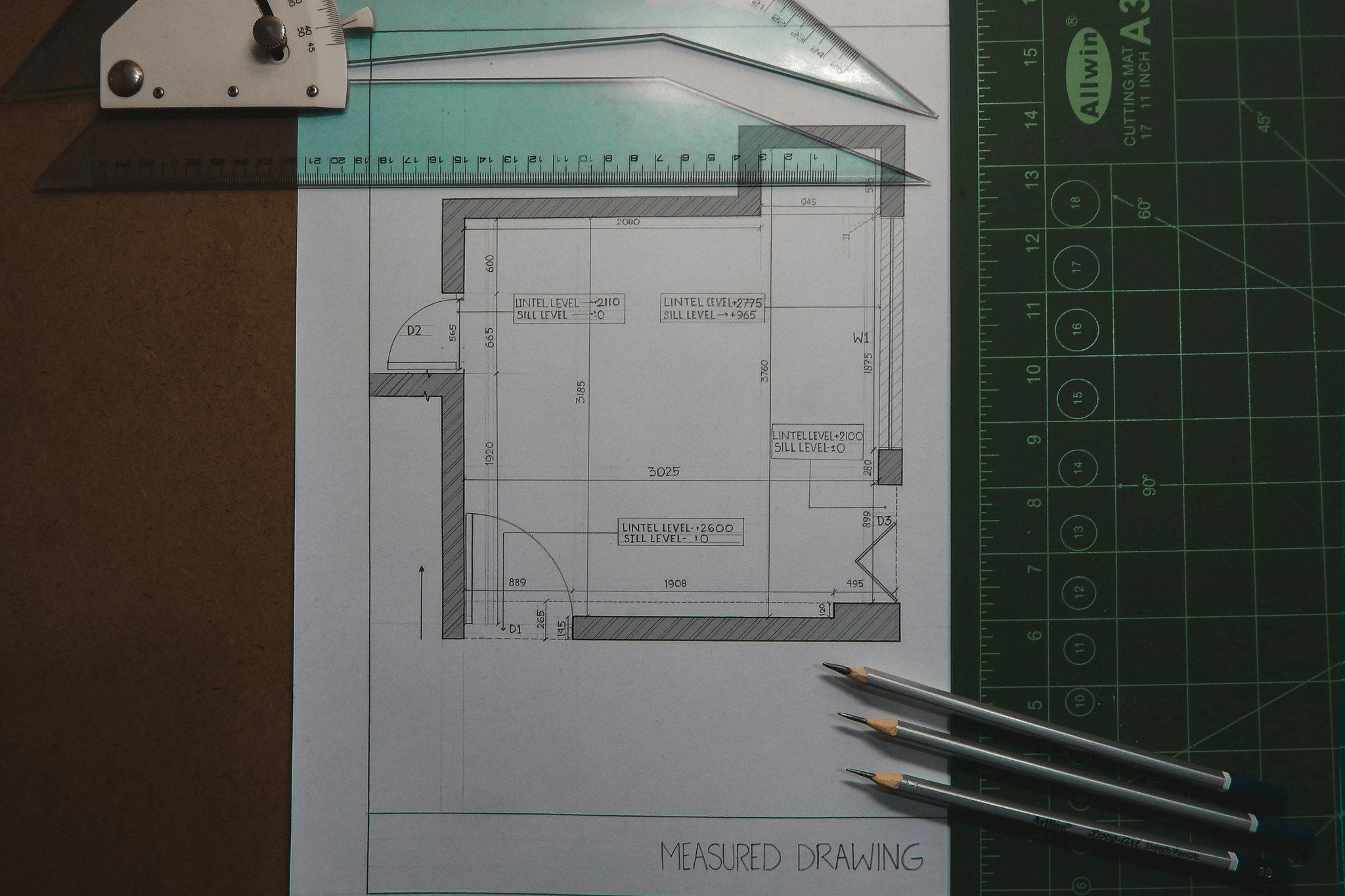
In the realm of Hand Tools Inspection, the pre-production phase is crucial for laying a solid foundation. This stage involves scrutinizing blueprints, assessing material quality, and clearly spelling out specifications to ensure that every aspect of production aligns with the desired outcome. A thorough PRE-PRODUCTION INSPECTION can significantly reduce issues down the line, paving the way for a smoother manufacturing process.
Assessing Blueprint Accuracy
The first step in pre-production inspection is assessing blueprint accuracy. Blueprints serve as the roadmap for production; any discrepancies can lead to costly errors during manufacturing. By meticulously reviewing these documents, manufacturers can ensure that every detail is accounted for, from dimensions to tolerances—essentially setting the stage for successful RAW MATERIALS INSPECTION and subsequent phases like ASSEMBLY INSPECTION.
Evaluating Material Quality
Next up in our pre-production checklist is evaluating material quality. High-quality materials are non-negotiable when it comes to producing durable hand tools; therefore, sourcing becomes paramount. Conducting thorough inspections at this stage helps identify potential issues early on and ensures that only compliant materials make it through to production—ultimately reducing defects before they become a problem during COATING INSPECTION or VISUAL INSPECTION.
Spelling Out Specifications
Finally, spelling out specifications is where clarity meets precision in Hand Tools Inspection. Clear specifications act as a guiding star throughout production; they inform every team member about what constitutes success at each inspection stage—from WEIGHT AND MEASUREMENT INSPECTION to HANDS ON/QUALITY CONTROL INSPECTION. By establishing precise criteria upfront, manufacturers can mitigate confusion and maintain consistency across all aspects of production.
RAW MATERIALS INSPECTION

In the world of manufacturing, particularly when it comes to hand tools, the importance of raw materials inspection cannot be overstated. This stage is where the foundation for quality is laid, ensuring that only high-grade materials are used in production. By focusing on raw materials inspection, manufacturers can significantly enhance the overall quality of their hand tools and minimize defects later in the process.
Sourcing High-Quality Materials
Sourcing high-quality materials is essential for any successful hand tools inspection process. Manufacturers must establish strong relationships with reputable suppliers who can provide consistent and reliable material quality. By prioritizing this step, companies not only ensure that they have access to superior components but also lay a solid groundwork for subsequent inspections like pre-production and assembly inspections.
When sourcing materials, it’s crucial to consider factors such as durability, strength, and compliance with industry standards. These elements will directly impact the performance and longevity of the final product. A focus on high-quality sourcing helps eliminate potential issues down the line during coating inspection or visual inspection stages.
Testing for Compliance
Once high-quality materials have been sourced, testing for compliance becomes a vital next step in raw materials inspection. Compliance testing ensures that all incoming materials meet established safety and performance standards specific to hand tools manufacturing. This not only safeguards against using subpar components but also protects end-users from potential hazards associated with defective products.
Various tests may be conducted during this phase—ranging from chemical composition analysis to mechanical property assessments—to verify that raw materials align with both internal specifications and regulatory requirements. The results from these tests feed directly into later stages like assembly inspection or hands-on/quality control inspections, where functionality is put to the test.
Reducing Defects Before Production
Reducing defects before production begins is a key objective of effective raw materials inspection practices. By identifying issues at this early stage—such as inconsistencies in material quality or non-compliance with specifications—manufacturers can prevent costly rework later on during assembly or coating inspections. This proactive approach ultimately saves time and resources while enhancing overall product reliability.
Implementing rigorous defect reduction strategies often involves continuous monitoring of supplier performance as well as regular audits of incoming material batches. Such diligence ensures that any discrepancies are swiftly addressed before they escalate into larger problems during visual inspections or weight and measurement inspections later in the production cycle.
ASSEMBLY INSPECTION
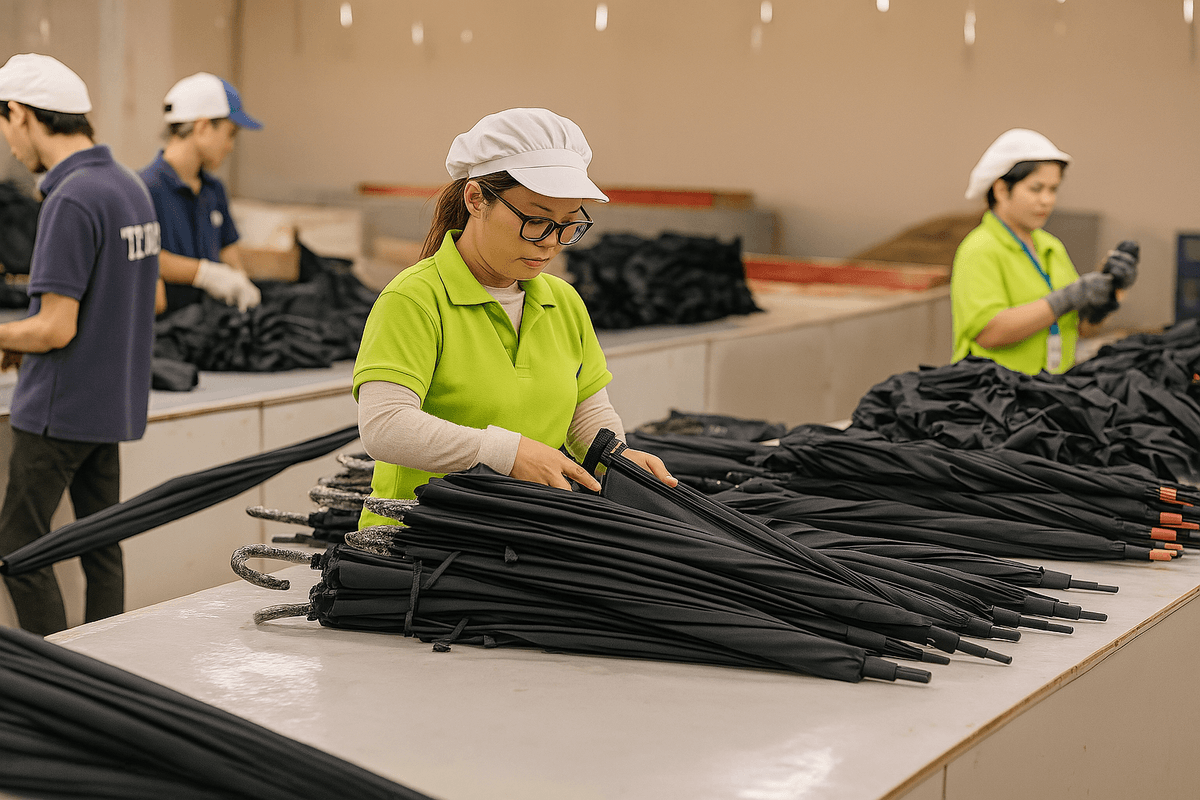
Assembly inspection is a crucial stage in the hand tools manufacturing process, ensuring that all components come together seamlessly to create a functional product. This phase follows the initial steps of PRE-PRODUCTION INSPECTION and RAW MATERIALS INSPECTION, where plans and materials are evaluated before they even touch the assembly line. By focusing on assembly inspection, manufacturers can prevent costly errors and ensure that their products meet high-quality standards.
Evaluating Assembly Processes
Evaluating assembly processes involves scrutinizing how each part of the hand tool is put together, ensuring that every step adheres to established protocols. This includes monitoring workers' techniques and machinery efficiency during production to identify any potential hiccups early on. Effective evaluation not only enhances productivity but also ensures compliance with quality standards set during previous inspections like COATING INSPECTION and VISUAL INSPECTION.
Identifying Tolerance Issues
Tolerance issues can lead to significant problems in hand tools, affecting their performance and safety for end-users. During assembly inspection, it’s essential to measure components against specified tolerances to detect any deviations that could compromise functionality. Addressing these issues promptly can save manufacturers from dealing with expensive recalls or customer dissatisfaction later on.
Ensuring Proper Alignment and Fit
Proper alignment and fit are vital for ensuring that hand tools operate smoothly without unnecessary wear or malfunction over time. Assembly inspection focuses on verifying that all parts align correctly, which has a direct impact on the tool's performance and longevity. By prioritizing this aspect of quality control alongside other inspections like WEIGHT AND MEASUREMENT INSPECTION, manufacturers can enhance product reliability while boosting customer trust.
COATING INSPECTION

Coating inspection is a critical phase in the Hand Tools Inspection process, ensuring that tools not only function well but also look great and withstand wear and tear. It serves as the final touch that can make or break a product's appeal, impacting both customer satisfaction and brand reputation. By focusing on surface treatments, durability testing, and aesthetic quality, manufacturers can elevate their offerings to meet high standards.
Checking Surface Treatments
Surface treatments are essential for enhancing the longevity and performance of hand tools. During the coating inspection process, inspectors meticulously check for uniformity in coatings such as paints, galvanization, or powder coatings to ensure they adhere properly to the base material. Any inconsistencies can lead to early wear or corrosion, which could be detrimental in subsequent stages like RAW MATERIALS INSPECTION or ASSEMBLY INSPECTION.
Inspectors often use specialized equipment to measure coating thickness and detect any defects that may compromise functionality. This thorough evaluation not only safeguards against future failures but also aligns with best practices established during PRE-PRODUCTION INSPECTION. Ultimately, a well-executed surface treatment leads to enhanced durability and customer trust.
Testing for Durability
Durability testing is where the rubber meets the road—literally! In this segment of coating inspection, tools are subjected to various stress tests that simulate real-world conditions they will face during use. This step ensures that any coatings applied will withstand abrasions, impacts, and environmental factors over time.
By employing methods such as salt spray tests or scratch resistance evaluations, inspectors can determine how well a tool will hold up under pressure. This is crucial not just for quality assurance but also ties back into earlier inspections like VISUAL INSPECTION and HANDS ON/QUALITY CONTROL INSPECTION where long-lasting performance is paramount for consumer satisfaction.
Evaluating Aesthetic Quality
Aesthetic quality might seem superficial at first glance; however, it plays an integral role in consumer perception during Hand Tools Inspection. The visual appeal of hand tools can significantly influence purchasing decisions—after all, who wants a tool that looks shabby? Inspectors evaluate color consistency, gloss levels, and overall finish during this stage of COATING INSPECTION.
Moreover, aesthetic quality checks ensure that products align with brand identity established through marketing efforts while maintaining consistency across various batches produced under RAW MATERIALS INSPECTION protocols. A visually appealing tool not only enhances customer experience but also reinforces brand loyalty—a win-win situation for manufacturers!
VISUAL INSPECTION

Visual inspection is a critical step in the hand tools inspection process, serving as the final line of defense against defects that could compromise product quality. This stage is where inspectors meticulously examine each tool for surface flaws and inconsistencies, ensuring they meet stringent quality standards. By employing a keen eye and systematic approach, visual inspections play a pivotal role in maintaining high manufacturing standards throughout the entire production cycle.
Detecting Surface Flaws
The first objective of visual inspection is to detect surface flaws that may have occurred during various phases, including pre-production inspection and coating inspection. Inspectors look for scratches, dents, or any irregularities that could affect both functionality and aesthetics. Identifying these issues early on not only saves time but also prevents costly rework later in the assembly process.
Ensuring Brand Consistency
Brand consistency is essential in establishing trust with consumers, making visual inspections vital for maintaining uniformity across all products. Each tool must not only function well but also align with brand guidelines regarding appearance and finish. Through rigorous hand tools inspection at this stage, manufacturers can ensure that every item reflects their brand's commitment to quality.
Final Touches Before Delivery
As the last step before delivery, visual inspections are crucial for adding those final touches to hand tools that make them ready for market release. Inspectors perform one last check to confirm that all specifications from previous stages—such as weight and measurement inspection—are met without fail. This attention to detail ensures customers receive a product they can rely on while reinforcing the manufacturer's reputation for excellence.
WEIGHT AND MEASUREMENT INSPECTION
In the realm of Hand Tools Inspection, weight and measurement inspection plays a pivotal role in ensuring that tools meet their specified requirements. This process is not merely a formality; it's an essential step in the quality control continuum that starts with PRE-PRODUCTION INSPECTION and extends through to HANDS ON/QUALITY CONTROL INSPECTION. Accurate weight and measurements can make or break a tool's functionality, impacting everything from user safety to product reliability.
Confirming Specifications Accuracy
Confirming specifications accuracy is the bedrock of effective weight and measurement inspection. During this stage, inspectors meticulously compare each tool against established blueprints and design documents to ensure compliance with intended dimensions. This meticulous attention to detail helps identify potential issues early on, which is crucial as any discrepancies can lead to significant problems down the line during RAW MATERIALS INSPECTION or ASSEMBLY INSPECTION.
To effectively confirm specifications accuracy, inspectors utilize calibrated measuring equipment designed for precision. Such tools help verify that every aspect of the hand tool aligns with its intended purpose—be it length, width, or weight. By ensuring these specifications are met, manufacturers can confidently move forward in the production process without fear of costly reworks or customer dissatisfaction.
Ensuring Compliance with Standards
Ensuring compliance with industry standards is another critical facet of weight and measurement inspection in Hand Tools Inspection. Regulatory bodies often set stringent guidelines that manufacturers must adhere to for safety and performance reasons. By conducting thorough inspections at this stage, manufacturers can guarantee that their products not only meet but exceed these standards.
Compliance verification involves checking for adherence to both national and international regulations governing hand tool manufacturing. Inspectors assess whether materials used during RAW MATERIALS INSPECTION conform to these guidelines while also evaluating processes established during ASSEMBLY INSPECTION. This diligence not only safeguards consumer trust but also enhances brand reputation within a competitive market.
Moreover, compliance checks help mitigate legal risks associated with non-compliance issues that could arise post-production if discrepancies go unnoticed until after shipping occurs. By prioritizing compliance during weight and measurement inspections, companies fortify their commitment to quality assurance across all stages—from COATING INSPECTION right through VISUAL INSPECTION.
Preventing Shipping Discrepancies
Preventing shipping discrepancies is essential for maintaining customer satisfaction and operational efficiency in Hand Tools Inspection processes. Weight and measurement inspections play a vital role here by ensuring that products are packed accurately according to their specifications before they leave the warehouse floor. Any miscalculation at this stage could lead to significant financial losses due to returns or replacements.
Inspectors check package weights against shipping documentation as part of this preventive measure while also confirming dimensions align with logistical requirements outlined during PRE-PRODUCTION INSPECTION discussions between stakeholders involved in supply chain management decisions. When discrepancies arise—whether due to overpacking or underestimating size—it can disrupt delivery schedules leading ultimately back towards issues identified earlier within VISUAL INSPECTION phases.
By employing rigorous weight and measurement inspections before shipment occurs—combined seamlessly alongside HANDS ON/QUALITY CONTROL INSPECTION efforts—manufacturers can minimize errors significantly while enhancing overall operational workflows throughout production cycles from RAW MATERIALS INSPECTION through final delivery stages effectively streamlining processes along every step taken toward success!
HANDS ON/QUALITY CONTROL INSPECTION
In the realm of Hand Tools Inspection, the hands-on approach to quality control is indispensable. This phase ensures that tools not only meet specifications but also function effectively in real-world applications. By implementing rigorous checks during this stage, manufacturers can significantly enhance product reliability and customer satisfaction.
In-Depth Functional Testing
Functional testing is a cornerstone of HANDS ON/QUALITY CONTROL INSPECTION, where each tool undergoes rigorous evaluation to ensure it performs as intended. This process involves simulating actual usage conditions to identify any potential failures or shortcomings before mass production begins. By integrating insights from PRE-PRODUCTION INSPECTION and ASSEMBLY INSPECTION, manufacturers can refine their designs and processes for optimal performance.
Moreover, in-depth functional testing helps detect issues that might not be apparent during earlier inspections such as VISUAL INSPECTION or COATING INSPECTION. For instance, a tool might look perfect on the outside but fail under stress; this phase catches those hidden flaws. Ultimately, thorough functional testing reinforces quality assurance and builds trust with consumers who rely on these tools for their projects.
Engaging Skilled Inspectors
The role of skilled inspectors cannot be overstated in the context of HANDS ON/QUALITY CONTROL INSPECTION. These professionals bring expertise that ensures each tool meets stringent standards throughout the manufacturing process—from RAW MATERIALS INSPECTION to final assembly checks. Their experience enables them to spot discrepancies early on, making them invaluable assets in maintaining high-quality production levels.
Skilled inspectors are trained to perform detailed evaluations that go beyond surface-level assessments typically seen in VISUAL INSPECTION or WEIGHT AND MEASUREMENT INSPECTION stages. They engage with every aspect of the manufacturing process, providing insights that lead to continuous improvements and reduced defect rates. By investing in knowledgeable personnel, companies can significantly elevate their quality control measures while enhancing overall product integrity.
Lasting Impact on Quality Assurance
Implementing robust HANDS ON/QUALITY CONTROL INSPECTION practices leads to lasting benefits for manufacturers and consumers alike. The cumulative effect of thorough inspections—spanning from PRE-PRODUCTION INSPECTION through to final functional tests—creates a culture of quality within organizations that resonates throughout their supply chains. This commitment not only reduces defects but also fosters brand loyalty among customers who appreciate reliable tools.
Moreover, by prioritizing effective quality control measures like those found in ASSEMBLY INSPECTION and COATING INSPECTION phases, companies can position themselves ahead of competitors who may overlook these critical steps. The ripple effect of such diligence translates into fewer returns and complaints while enhancing reputation within the industry—a win-win situation! Ultimately, investing time and resources into comprehensive HANDS ON/QUALITY CONTROL INSPECTIONS pays dividends long after products leave the factory floor.
Conclusion
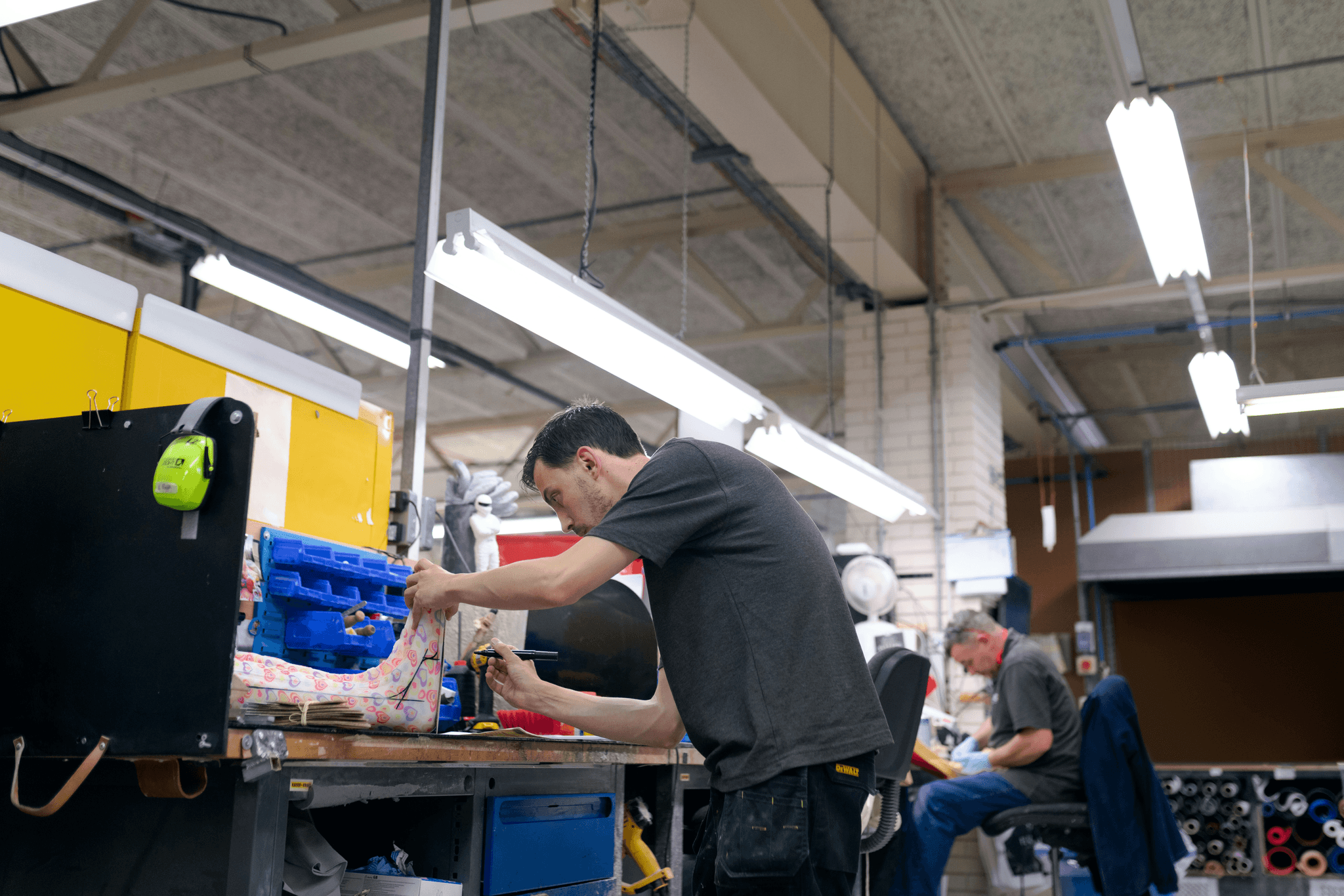
In the world of manufacturing, particularly with hand tools, inspections play a pivotal role in ensuring quality and safety. From PRE-PRODUCTION INSPECTION to HANDS ON/QUALITY CONTROL INSPECTION, each stage is crucial for delivering a product that meets both industry standards and customer expectations. By implementing thorough inspection processes, manufacturers can significantly reduce defects and enhance overall product reliability.
Key Takeaways on Hand Tools Inspection
Hand Tools Inspection encompasses various stages that are vital for maintaining quality throughout the production process. The importance of PRE-PRODUCTION INSPECTION cannot be overstated; it sets the foundation by verifying blueprints and material quality before any assembly begins. Furthermore, regular RAW MATERIALS INSPECTION ensures that only high-quality materials are used, which ultimately leads to better performance and durability in finished products.
Equally important is ASSEMBLY INSPECTION, which helps identify tolerance issues early on to prevent costly reworks later in production. COATING INSPECTION adds another layer of scrutiny by assessing surface treatments for durability and aesthetic appeal—two factors that can make or break a customer's first impression. Lastly, effective VISUAL INSPECTION acts as the final checkpoint before delivery, ensuring brand consistency and catching any last-minute flaws.
Best Practices for Quality Control
To achieve optimal results in hand tools manufacturing, adopting best practices for quality control is essential. First and foremost, establishing a robust inspection protocol that includes all stages—PRE-PRODUCTION INSPECTION through to HANDS ON/QUALITY CONTROL INSPECTION—is crucial for identifying potential issues early on. Regular training sessions for skilled inspectors can further enhance their ability to spot defects during RAW MATERIALS INSPECTION or ASSEMBLY INSPECTION.
Additionally, integrating technology such as automated measurement tools during WEIGHT AND MEASUREMENT INSPECTIONS can streamline processes while minimizing human error. Documenting findings from each inspection phase not only helps maintain accountability but also provides valuable data for continuous improvement efforts across all aspects of production—from COATING INSPECTIONS to VISUAL inspections.
Benefits of Partnering with China Inspection Pro
Partnering with China Inspection Pro presents numerous advantages when it comes to hand tools inspection services. Their expertise spans across all critical areas including PRE-PRODUCTION INSPECTIONS and HANDS ON/QUALITY CONTROL INSPECTIONS, ensuring your products meet stringent international standards before they reach consumers' hands. With their extensive network and knowledge of local suppliers, they excel at conducting thorough RAW MATERIALS INSPECTIONS that guarantee high-quality inputs into your manufacturing process.
Moreover, engaging with professionals from China Inspection Pro means you gain access to advanced testing methodologies during COATING INSECTIONS as well as comprehensive VISUAL inspections tailored specifically to your brand requirements. This partnership not only enhances product reliability but also fosters long-term relationships built on trust—ultimately leading to increased customer satisfaction and loyalty in a competitive market.