
Introduction
Keeping your bicycle in top shape isn’t just about riding smoothly; it’s about ensuring safety and peak performance every time you hit the road. Regular comprehensive inspections, including on-site bike tests, can catch issues before they become costly or dangerous. With the right approach, you can enjoy your rides with confidence, knowing that every component—from torque checks on nuts and bolts to tire pressure check—is thoroughly examined.
On-Site Bike Tests are essential for maintaining your bike’s integrity and performance. These tests allow for quick yet detailed assessments of critical areas like assembly and full function checks, noise and abnormal sound check, and fatigue test. By incorporating these routine evaluations, you’ll prevent unexpected breakdowns and extend the lifespan of your bicycle while keeping safety at the forefront.
Partnering with China Inspection Pro makes maintaining quality straightforward and reliable. Their expert team specializes in comprehensive inspections that cover everything from torque checks on nuts and bolts to rub test on labels—ensuring each part is secure, legible, and free from damage. Trust China Inspection Pro to help you keep your bicycle in perfect condition through meticulous on-site bike tests designed for peace of mind.
Basic Safety and Fit Inspection
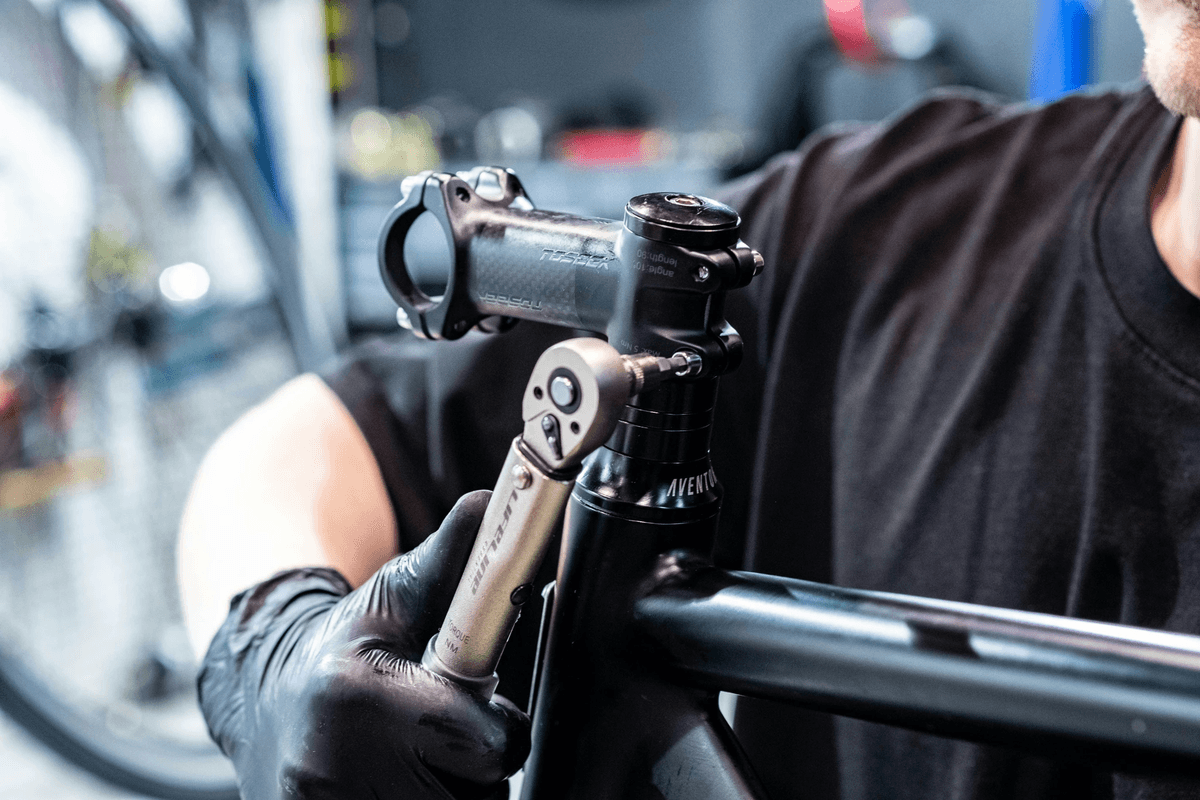
Before hitting the road, a thorough basic safety and fit inspection is essential to ensure your bike is ready for action. This step involves checking for loose components, examining the frame integrity, and verifying that the seat and handlebar heights are correctly adjusted. Performing these simple yet crucial steps helps prevent accidents and enhances your riding experience during On-Site Bike Tests.
Check for Loose Components
Start by tightening any loose bolts, screws, or quick-release levers on your bike. Loose components can lead to unexpected failures, especially during On-Site Bike Tests where real-world conditions reveal hidden issues. Remember, a quick torque check on nuts and bolts can save you from embarrassing mid-ride breakdowns or dangerous mishaps.
Examine Frame Integrity
Next up is inspecting the frame for cracks, dents, or signs of stress—any damage could compromise safety during On-Site Bike Tests. A sturdy frame ensures stability when riding under various conditions, especially when subjected to full function checks like gear shifting and braking assessments. If you notice any irregularities during this step, it’s best to address them before proceeding with further inspections.
Verify Proper Seat and Handlebar Heights
Proper fit is key to comfort and control; therefore, double-check that your seat and handlebar heights are aligned with your body dimensions. An incorrect setup can affect riding performance during the riding test phase of inspections or even cause discomfort over extended rides in Fatigue Tests later on. Adjustments made now will pay off in smoother rides and more accurate results from subsequent tests.
Keep in mind that incorporating routine Torque checks on nuts and bolts during these inspections adds an extra layer of security—tightening everything to manufacturer specs prevents surprises down the trail! Combining Tire pressure check with assembly checks guarantees optimal traction while ensuring all components are functioning properly before moving into more advanced phases like Noise and abnormal sound check or Riding test stages of your comprehensive bike evaluation process.
Tire Pressure Check
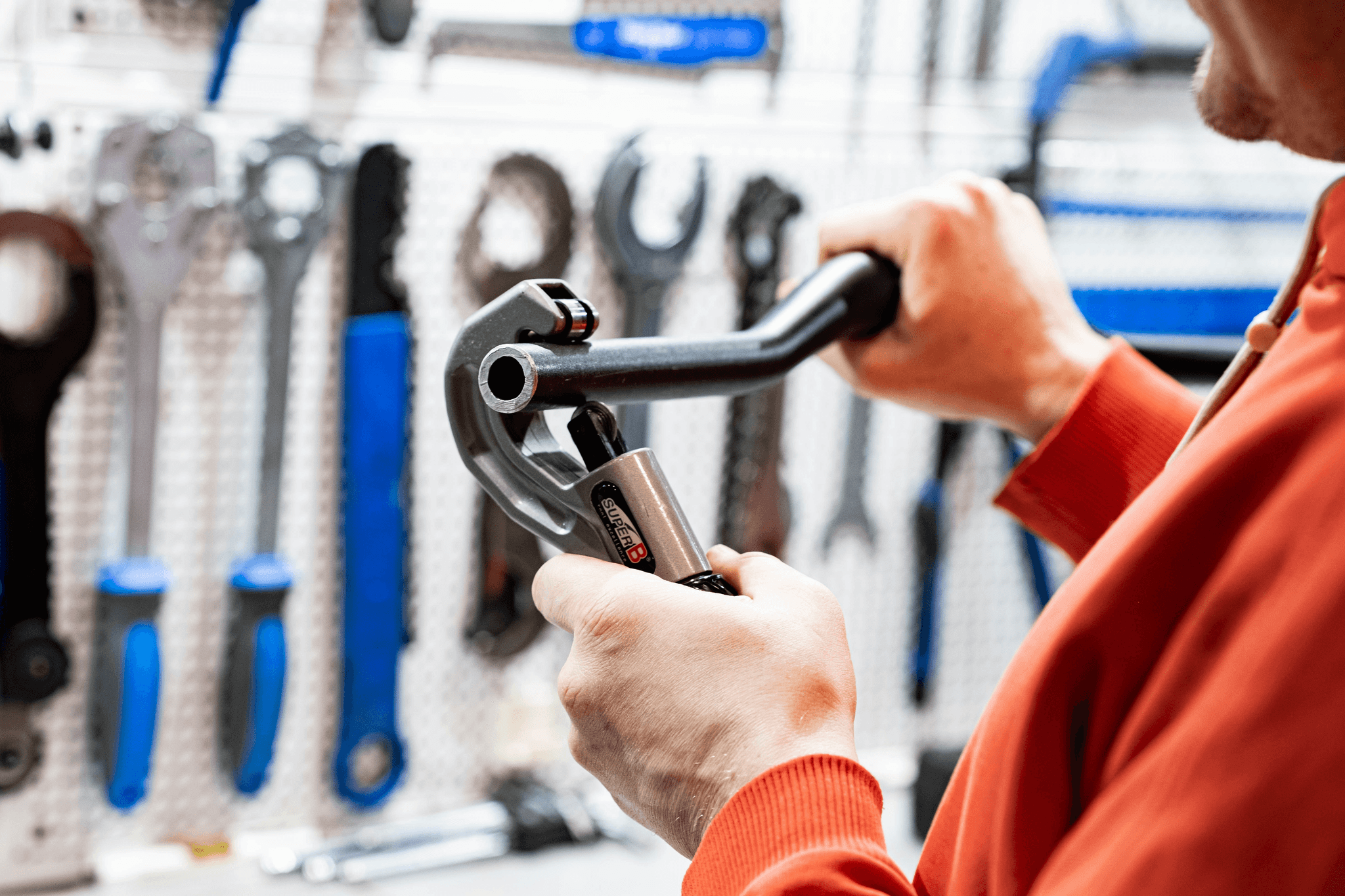
Ensuring your tires are properly inflated is a crucial step in any comprehensive On-Site Bike Tests. Not only does correct tire pressure improve ride quality, but it also plays a significant role in safety and efficiency. During this stage, we verify that your tires meet the manufacturer’s specs, preventing premature wear and potential blowouts.
Confirm Tire Pressure Meets Manufacturer Specs
The first task in a thorough tire pressure check is to compare your bike’s current PSI with the recommendations printed on the sidewall or specified by the manufacturer. Overinflated tires can lead to a harsh ride and increased risk of damage, while underinflated ones may cause sluggish handling and excessive wear. Regularly conducting this check during On-Site Bike Tests ensures optimal performance and safety for every ride.
Inspect for Wear and Damage
Beyond just checking pressure, inspecting tires for signs of wear or damage is vital. Look for cuts, punctures, embedded debris, or uneven tread wear that could compromise your ride’s integrity. Incorporating tire inspection into your routine helps catch problems early before they escalate during an important riding test or fatigue test.
Ensure Optimal Traction and Comfort
Properly inflated tires provide better traction and a smoother riding experience—key elements assessed during assembly and full function checks. When tires are at the right pressure, you enjoy improved handling at different speeds during riding tests while reducing noise and abnormal sound issues caused by uneven contact with the road surface. Remember: tire pressure check isn’t just about numbers; it’s about ensuring comfort and safety on every adventure.
Assembly and Full Function Checks
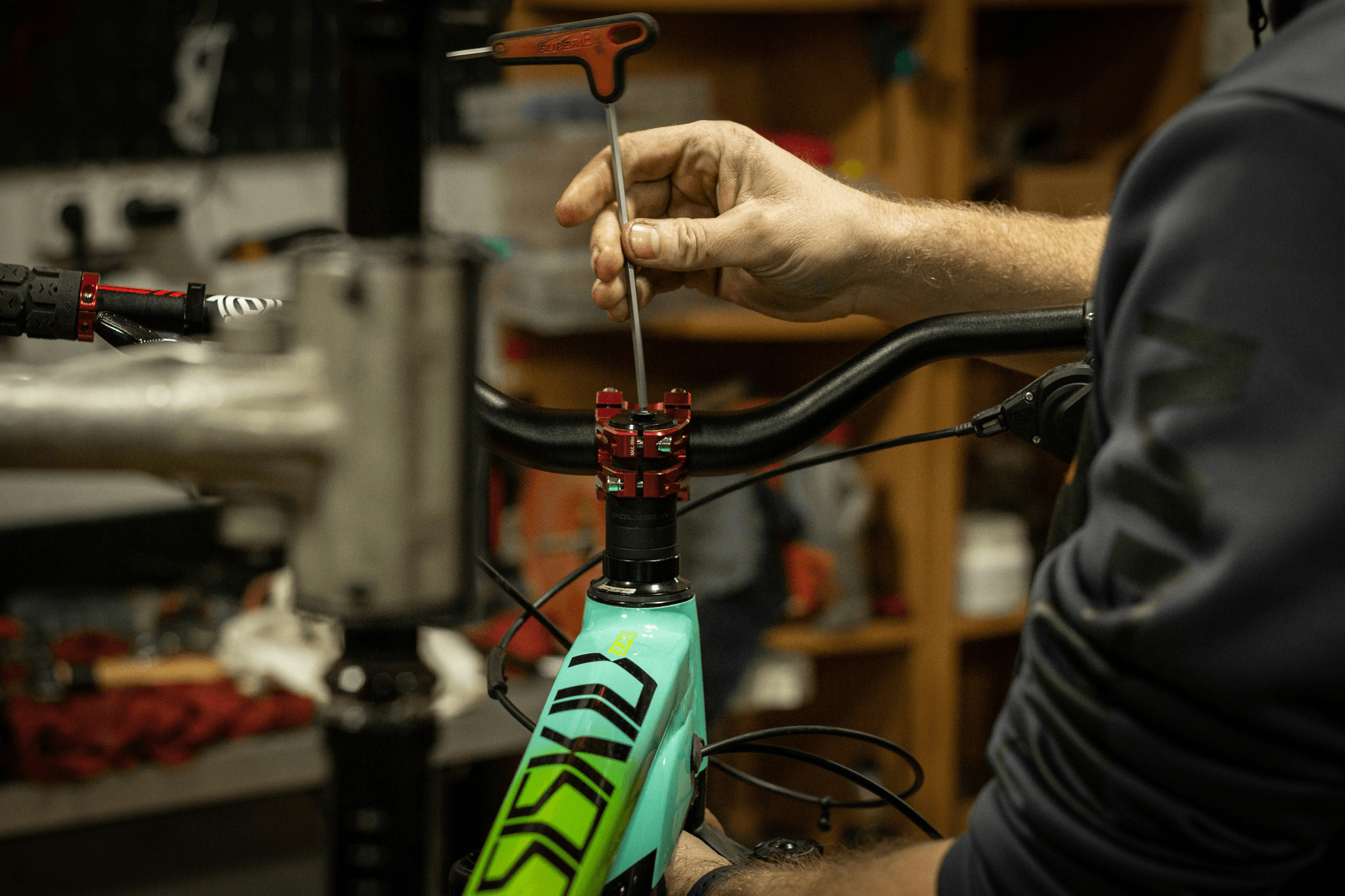
Once your bike has undergone the initial safety and fit inspection, it's time to dive into assembly and full function checks. These steps are crucial to ensure all components work harmoniously, providing a smooth and safe riding experience. During this process, On-Site Bike Tests play a vital role in verifying that everything from gear shifting to brake response is up to par, preventing surprises on the road.
A key part of assembly checks involves torque checks on nuts and bolts. Proper tightening of critical fasteners, especially stem and seat clamp bolts, can make the difference between a secure ride and a mechanical mishap. Using a torque wrench for accurate tightening not only prolongs component lifespan but also guarantees safety during your riding test.
Next, focus on testing gear shifting and braking systems. Smooth gear transitions combined with responsive brakes are essential for control and confidence while riding. Incorporate tire pressure check before these tests—under-inflated tires can skew results—and confirm that tire wear or damage isn't compromising performance during your ride.
Test Gear Shifting and Braking
During this phase, perform an On-Site Bike Test by shifting through all gears to ensure smooth transitions without hesitation or slipping. Pay close attention to how the derailleur responds; any misalignment might require derailleur adjustment or chain tension correction. Also, check brake pad contact and response—if they squeak or feel unresponsive during braking, further adjustments are necessary for safety.
It's also wise to listen for noise or abnormal sound check indicators like clicking or squeaking noises that could signal loose components or misaligned parts. If you notice any rattling sounds during the riding test, it’s time for a thorough inspection of torque checks on nuts and bolts—sometimes those small fasteners need just a little extra tightening.
Confirm Brake Pad Contact and Response
Ensuring proper brake pad contact is essential for effective stopping power; during your assembly check, verify that pads press evenly against the rim or disc surface when brakes are applied. An improper setup can cause uneven wear or reduced responsiveness during your riding test—something you definitely want to avoid when you're flying down the street.
While performing this check, incorporate noise and abnormal sound check techniques to detect any unusual squeaks indicating misalignment or debris interfering with brake operation. If you find inconsistencies in response times during your ride, recheck torque on brake calipers as part of your routine maintenance—tightening those bolts properly ensures maximum safety.
Verify Derailleur Adjustment and Chain Tension
A well-adjusted derailleur guarantees seamless gear changes across all sprockets—a must-do before hitting the road for an actual riding test. During assembly checks, confirm derailleur alignment using precise adjustments; if shifting feels sluggish or skips gears unexpectedly, consider re-tuning it after conducting torque checks on nuts and bolts.
Additionally, verify chain tension because excessive slack can cause chain drops while too tight may strain components prematurely—both issues compromise full function checks' goal of optimal performance testing under real-world conditions like fatigue tests later on.
Remember: after completing these assembly steps, perform a comprehensive riding test at various speeds to simulate extended use conditions—a fatigue test that reveals potential weaknesses in frame integrity or component durability under stress.
Keep in mind that regular maintenance routines involving tire pressure check routines paired with these full function assessments will keep your bicycle performing at its best over time without unexpected breakdowns during crucial rides!
Torque Checks on Nuts and Bolts
Ensuring your bicycle's nuts and bolts are properly tightened is a crucial step in the on-site bike tests process. Loose fasteners can lead to dangerous riding conditions, so taking the time for torque checks on nuts and bolts helps prevent accidents before they happen. This inspection not only guarantees safety but also enhances overall performance by maintaining the bike’s structural integrity.
Inspect Critical Fasteners for Proper Tightness
During on-site bike tests, carefully examine all critical fasteners, including those holding the handlebars, stem, seat post, and wheel axles. Loose or unevenly tightened nuts can cause wobbling or slipping during rides, which compromises safety and ride quality. Regular torque checks on nuts and bolts ensure each component stays securely in place, preventing potential mechanical failures down the road.
Pay Attention to Stem and Seat Clamp Bolts
The stem and seat clamp bolts are often overlooked yet play a vital role in rider comfort and control. During assembly and full function checks, double-check these bolts for proper tightness using a torque wrench—this is essential for accurate tightening. Properly torqued stem and seat clamp bolts contribute to a confident riding test experience by offering stable steering response and comfortable saddle height.
Use a Torque Wrench for Accurate Tightening
While it might be tempting to tighten fasteners by feel alone, a torque wrench ensures precise tightening according to manufacturer specifications—crucial during fatigue tests or noise and abnormal sound checks. Correct torque application prevents over-tightening that could damage components or under-tightening that risks loosening mid-ride. Incorporating torque checks on nuts and bolts as part of your routine maintenance guarantees long-lasting performance from your bike.
Noise and Abnormal Sound Check
A crucial part of your on-site bike tests involves listening carefully for any unusual sounds that could hint at underlying issues. When you perform noise and abnormal sound checks, you're essentially giving your bike a quick health report—detecting squeaks, clicks, or rattles before they turn into costly repairs. This step helps ensure that all components are functioning smoothly and safely, making it a vital aspect of comprehensive assembly and full function checks.
Listen for Unusual Clicking or Squeaking
During on-site bike tests, paying attention to clicking or squeaking noises can reveal loose components or inadequate lubrication. These sounds often pop up when gears aren’t aligned properly or brake pads are rubbing against the rim—both easily fixed with proper torque checks on nuts and bolts. Addressing these noises early ensures your riding test remains smooth and enjoyable without unexpected surprises.
Detect Any Rumbling or Rattling Sounds
Rumbling or rattling sounds during a riding test might indicate loose handlebars, stem bolts, or even issues with tire pressure check points where air might be escaping slowly. Such noises often point to the need for torque checks on nuts and bolts to tighten everything securely. Identifying these sounds promptly allows for quick adjustments in assembly and full function checks, preserving your bike’s integrity over time.
Investigate Potential Mechanical Issues
If strange noises persist after initial inspections, it’s time to dig deeper into potential mechanical issues—like misaligned derailleurs or worn-out bearings—that could compromise safety during a riding test. Conducting fatigue tests can help spot hidden weaknesses in the frame or components that might cause future problems. Remember, a thorough rub test on labels can also reveal paint damage that might affect structural durability; every detail counts when ensuring top-notch quality.
Riding Test
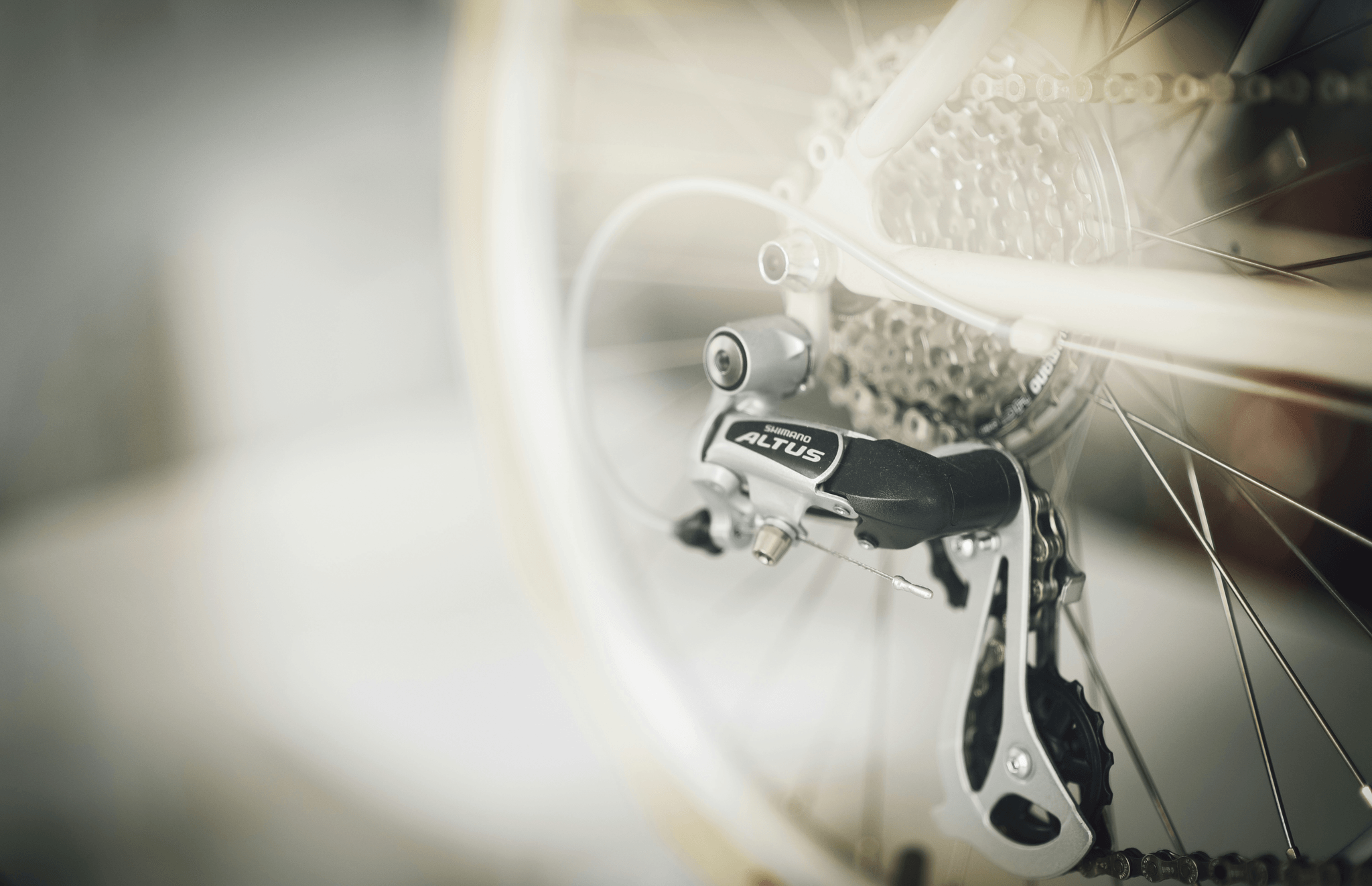
Once your bicycle has gone through the assembly and full function checks, it's time to hit the road for a riding test. This step is crucial to ensure everything feels right and operates smoothly under real-world conditions. During this phase, you'll evaluate how well your bike performs in terms of handling, stability, and overall ride quality—key aspects that can only be truly assessed through On-Site Bike Tests.
A key component of the riding test is feeling for smooth pedaling. When you start pedaling, pay close attention to any resistance or irregularities that might indicate issues with chain tension or derailleur alignment. If you notice anything off during this process, it may be time for additional torque checks on nuts and bolts or further assembly and full function checks to fine-tune your bike’s performance.
Handling and steering response are also vital during this phase; a well-maintained bicycle should respond promptly without excessive play or stiffness. If steering feels sluggish or overly sensitive, it could signal loose components or misaligned parts that need attention from torque checks on nuts and bolts. Properly calibrated handling ensures safety at different speeds and makes every ride enjoyable.
Testing stability at different speeds is essential to confirm your bike remains steady whether you're cruising leisurely or sprinting downhill. During this part of the riding test, observe how the bike reacts when navigating turns or sudden stops—any wobbling might point towards tire pressure check issues or loose parts that require tightening. This comprehensive approach guarantees your bicycle’s reliability in various riding scenarios.
Fatigue Test
Pushing your bicycle to its limits during an on-site bike test is crucial for long-term reliability. The fatigue test simulates extended riding conditions, allowing technicians to identify potential weaknesses before they become major problems. This process ensures that every component can handle the stress of real-world use without compromising safety or performance.
During the fatigue test, attention to torque checks on nuts and bolts is essential to prevent loosening under strain. Proper torque checks on nuts and bolts guarantee that all fasteners stay secure throughout prolonged rides, avoiding sudden failures. Additionally, a thorough tire pressure check before and after the test helps maintain optimal traction and comfort, especially when the bike endures extended stress.
As part of comprehensive assembly and full function checks, the riding test plays a pivotal role in assessing handling and stability. The riding test mimics actual cycling conditions, revealing issues like loose components or misaligned gears that could compromise safety. Listening for noise and abnormal sound check signals any irregularities such as squeaks or rattles that might indicate underlying mechanical problems.
A vital aspect of the fatigue test is observing for any cracks or flexing in the frame or components—an indicator of potential failure points. Regular visual inspection during this phase helps detect early signs of fatigue damage that might not be obvious at first glance. Also, conducting a rub test on labels ensures they remain secure and legible despite prolonged stress exposure, maintaining overall quality standards.
Incorporating these steps into your on-site bike tests guarantees a thorough evaluation of your bicycle’s durability. Consistent checks—ranging from tire pressure check to noise and abnormal sound check—are key to preventing future breakdowns. Trusting professionals for these detailed inspections means you’re riding with confidence, knowing your bike has been rigorously tested under simulated extended conditions.
Rub Test on Labels
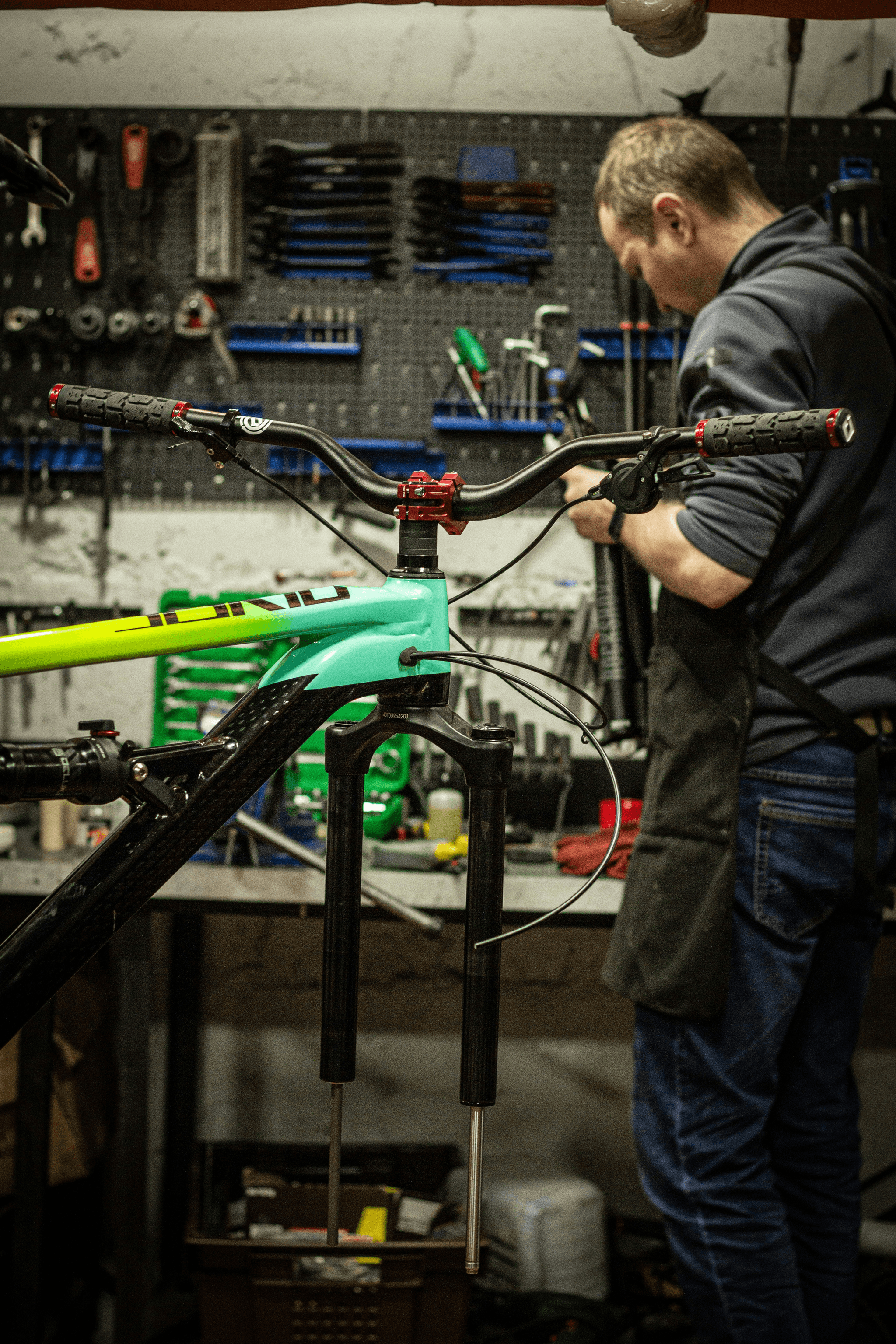
Performing a rub test on labels is a crucial step in ensuring your bicycle's overall safety and quality. During this inspection, you want to verify that all labels are securely attached and remain legible after repeated contact or rubbing. This simple yet effective check helps prevent labels from peeling off during rides, which could hide important safety information or branding details.
Ensuring labels are secure and legible is especially vital when conducting on-site bike tests, as it confirms that no damage has occurred during assembly or use. If labels start to fade or peel, it might indicate underlying issues such as paint or decal damage that need immediate attention. Remember, during these checks, pay close attention to whether labels interfere with moving parts—anything obstructing gears or brakes could compromise safety.
Checking for paint or decal damage is another key aspect of the rub test on labels. Scratches, chips, or fading can occur over time due to riding conditions and should be caught early through thorough visual inspection. Damage like this not only affects aesthetics but might also lead to more significant issues if it exposes the frame to corrosion—something you definitely want to avoid during routine maintenance.
Lastly, confirming that labels do not interfere with moving parts ensures smooth operation during riding tests and full assembly checks. Labels placed too close to brakes, gears, or wheels can cause mechanical problems or safety hazards down the line. Incorporating this rub test into your routine helps maintain optimal performance and prolongs the lifespan of your bike by catching potential issues early.
Final Quality Inspection
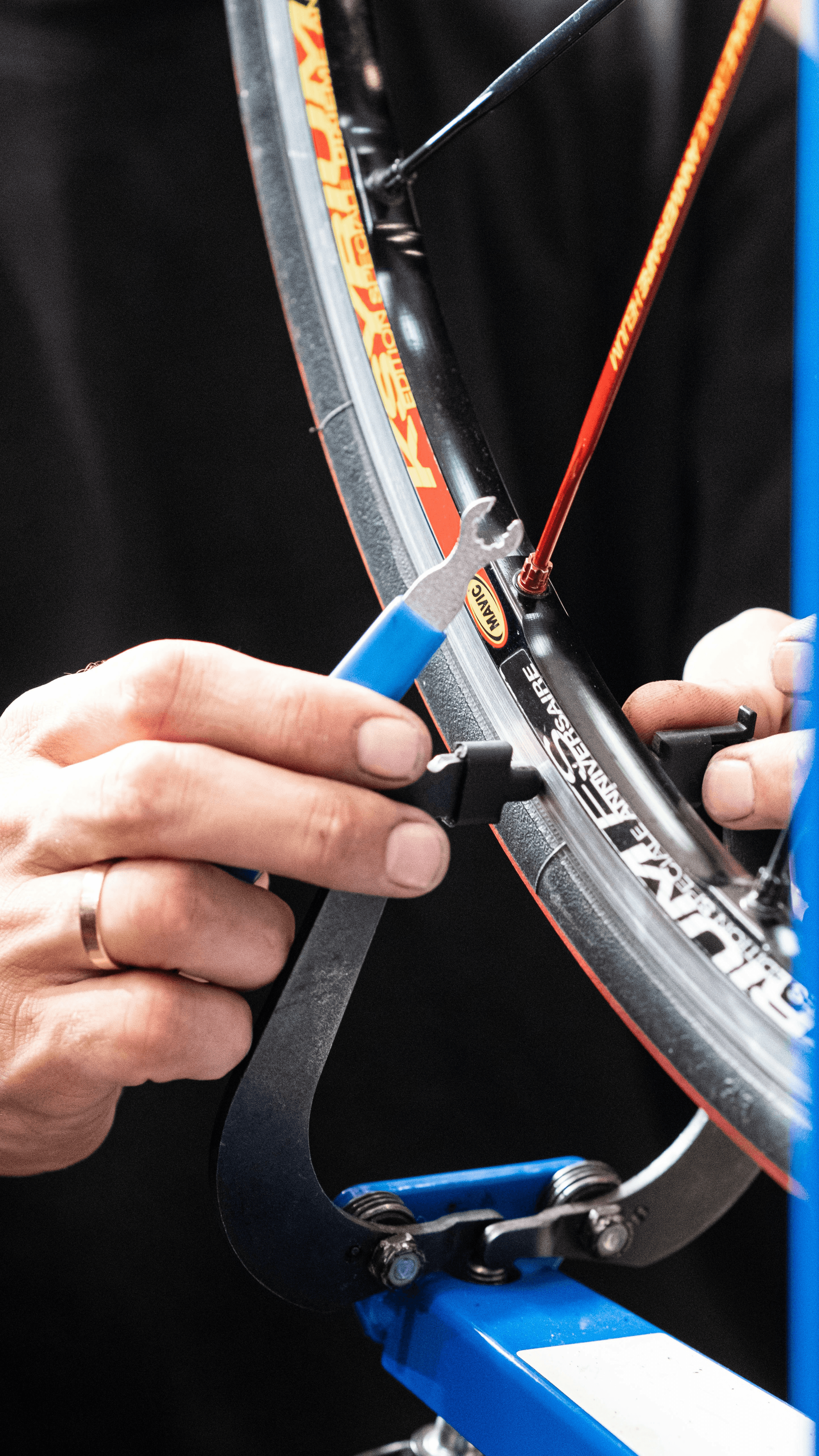
The final step in ensuring your bicycle is road-ready involves a comprehensive visual assessment combined with meticulous review of all test results. During this phase, technicians perform detailed torque checks on nuts and bolts to confirm everything is securely fastened, which is crucial for safety and durability. This thorough inspection also includes a tire pressure check to prevent flats and enhance riding comfort, ensuring optimal performance for every journey.
Once the physical checks are complete, it's time to revisit the assembly and full function checks. These tests verify that gear shifting, brake response, derailleur adjustment, and chain tension are functioning flawlessly. If any issues arise during these assessments, adjustments are made immediately to avoid surprises during your ride or fatigue test. Conducting these steps diligently helps identify potential problems before they become costly repairs or safety hazards.
After confirming mechanical integrity through noise and abnormal sound checks—listening for clicking, squeaking, or rattling—you'll move on to the riding test. This stage assesses handling, steering response, and stability at various speeds to ensure your bike performs smoothly under real-world conditions. Any unusual sounds detected earlier can often be traced back here; addressing them now guarantees a quieter, more enjoyable ride.
The fatigue test simulates extended riding conditions by putting stress on the frame and components to detect weaknesses early. During this process, close attention is paid to signs of cracks or flexing that might compromise safety over time. Additionally, a rub test on labels ensures they are secure and legible without interfering with moving parts—labels should stay put but not cause friction during operation.
Documenting all findings is essential for maintaining high-quality standards; detailed records help track wear patterns or recurring issues that might need future attention. Reviewing all test results with China Inspection Pro provides an extra layer of assurance that every aspect of your bike has been scrutinized thoroughly. With proper documentation in place, you can confidently hit the road knowing your bicycle has undergone rigorous quality assurance measures.
Regularly performing a final quality inspection not only prolongs the lifespan of your bike but also maximizes performance through routine inspections like tire pressure check and torque checks on nuts and bolts—key elements for safe riding. Trusting professionals for these evaluations ensures no detail is overlooked during assembly and full function checks or noise assessments. Remember: keeping up with these inspections fosters safer rides while preserving peak performance over time.
Conclusion
Keeping your bicycle in top shape is more than just a good idea—it’s essential for safety and performance. Regular on-site bike tests ensure every component, from tire pressure to torque checks on nuts and bolts, is thoroughly inspected. By making these checks a routine, you can ride with confidence knowing your bike has been professionally evaluated.
Routine inspections, including assembly and full function checks, riding tests, noise and abnormal sound checks, fatigue tests, and rub tests on labels, help catch issues early before they become major problems. Incorporating these steps into your maintenance plan maximizes your bike’s longevity and keeps it running smoothly mile after mile. Remember, the more often you perform these on-site bike tests, the safer and more reliable your rides will be.
Trusting China Inspection Pro means you’re partnering with a team that understands the importance of detailed on-site bike tests. Their expertise in conducting comprehensive inspections—including tire pressure check and noise assessments—ensures every aspect of your bicycle is scrutinized for optimal performance. When it comes to quality assurance through expert on-site bike testing, they are the go-to solution for passionate cyclists everywhere.