
Introduction
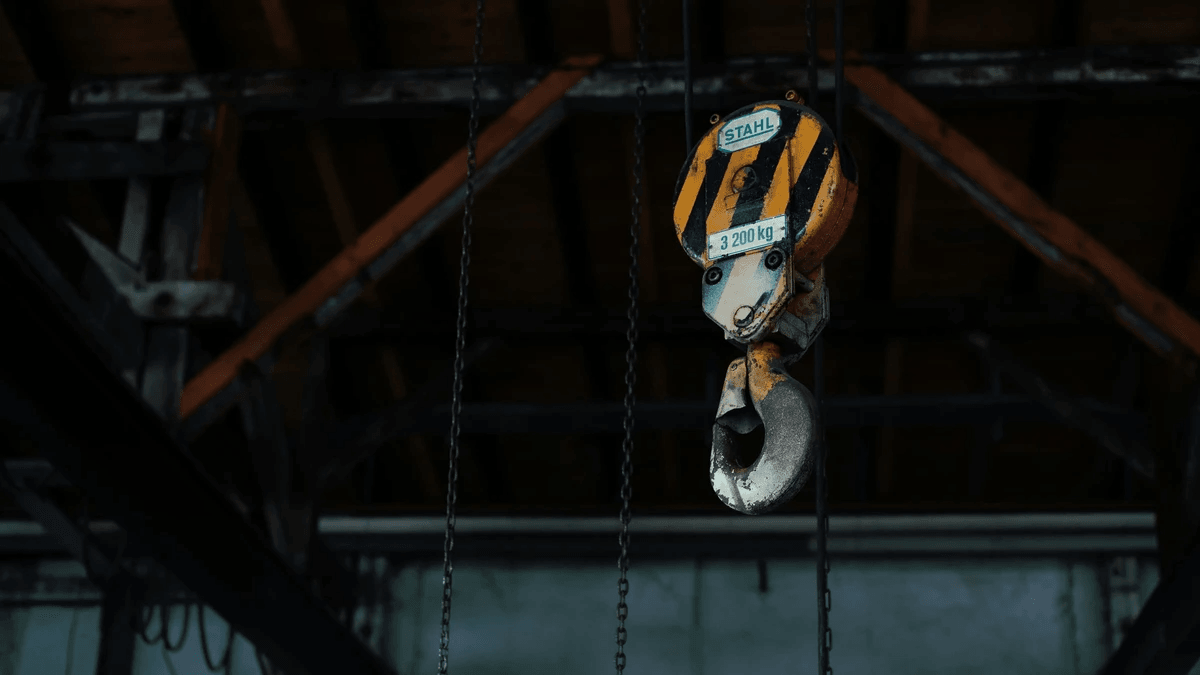
Heavy Rigging Equipment Inspection is the backbone of safe lifting operations, ensuring that gear used to hoist heavy loads remains reliable and secure. Regular Visual Inspection and Functional Inspection are critical components of this process, catching potential issues before they turn into costly accidents. When companies prioritize Heavy Rigging Equipment Standards, they create a safer workplace while maintaining compliance with industry regulations.
Neglecting proper inspection can lead to disastrous consequences, from equipment failure to serious injuries or fatalities. Failing to perform thorough Visual Inspection or Functional Inspection increases the risk of missing cracks, corrosion, or worn-out parts that could compromise safety. Ultimately, ignoring these standards puts everyone at risk and can result in hefty fines for non-compliance with Heavy Rigging Equipment Standards.
Implementing consistent Heavy Rigging Equipment Inspection practices ensures safety and adherence to industry standards. Proper inspections help identify defects early through visual checks and load testing, preventing accidents before they happen. By following established Heavy Rigging Equipment Standards, organizations demonstrate their commitment to safety while avoiding legal liabilities and costly downtime.
[Image description=worker performing visual inspection on rigging gear, detailed hooks and shackles visible, safety gear worn, inspection tools in hand, industrial background], [Image name=heavy_rigging_equipment_inspection_workplace], [Alt tag=Heavy Rigging Equipment Inspection ensuring safety compliance]
Understanding Heavy Rigging Equipment Standards
Navigating the world of Heavy Rigging Equipment Inspection without a solid grasp of industry standards is like trying to build a skyscraper with a hammer—ineffective and risky. These standards serve as the blueprint for safe and reliable lifting operations, ensuring every piece of rigging gear meets strict safety criteria. Whether you're conducting a Visual Inspection or a Functional Inspection, adhering to established Heavy Rigging Equipment Standards is essential to prevent accidents and maintain compliance.
Standards such as those set by OSHA and ASME provide comprehensive guidelines that dictate how often inspections should occur, what defects to look for, and the proper methods for evaluating rigging gear. Regularly referencing these standards during Heavy Rigging Equipment Inspection helps identify potential issues before they escalate into costly or dangerous failures. Remember, neglecting these standards can compromise safety protocols and lead to legal repercussions—so stay informed and vigilant.
Implementing Heavy Rigging Equipment Standards isn't just about ticking boxes; it’s about fostering a culture of safety through meticulous Visual Inspection and Functional Inspection practices. When inspection teams understand the nuances of these standards, they can accurately assess equipment condition, ensuring that every hook, shackle, or sling is fit for service. Ultimately, strict adherence during each phase of inspection guarantees that heavy rigging gear performs optimally under load while keeping everyone safe on-site.
Essential Inspection Types for Heavy Rigging Gear
Ensuring the safety and reliability of heavy rigging gear hinges on understanding the different types of inspections involved in Heavy Rigging Equipment Inspection. Visual inspection is the first line of defense, allowing inspectors to catch obvious signs of wear, corrosion, or damage before they escalate into costly failures. Meanwhile, functional inspection verifies that all mechanical components operate smoothly and safely, aligning with Heavy Rigging Equipment Standards to prevent accidents. Additionally, non-destructive testing methods come into play when visual and functional checks reveal potential issues that need deeper analysis without damaging the equipment.
Conducting Visual Inspection Effectively
Visual inspection is the cornerstone of any comprehensive Heavy Rigging Equipment Inspection process. It involves a meticulous examination of all rigging components such as hooks, shackles, slings, and load-bearing parts for cracks, corrosion, deformation, or excessive wear. Adhering to Heavy Rigging Equipment Standards ensures that every visual check is thorough and consistent; neglecting this can lead to missed defects that compromise safety. Using proper lighting and magnifying tools during visual inspection can help identify subtle flaws early enough to prevent catastrophic failures.
Performing Functional Inspection Correctly
Functional inspection goes beyond surface-level checks by assessing how well the rigging equipment performs under operational conditions. This step tests load bearings, mechanical linkages, brakes, pulleys, and other moving parts to verify they function smoothly without abnormal noises or resistance—key indicators per Heavy Rigging Equipment Standards. Regular functional inspections are essential because even minor issues in mechanical operation can escalate during heavy loads if not identified promptly. Incorporating load tests as part of a functional inspection helps confirm that all components meet industry standards for performance and safety.
When and Why to Use Non-Destructive Testing
Non-destructive testing (NDT) techniques are invaluable tools when visual or functional inspections reveal suspicious signs but don’t provide conclusive evidence about internal integrity. NDT methods like ultrasonic testing or magnetic particle inspection allow inspectors to detect hidden cracks or internal flaws without damaging the equipment—crucial for maintaining compliance with Heavy Rigging Equipment Standards. Employing NDT at strategic intervals ensures long-term safety by catching problems invisible through routine checks while keeping equipment ready for demanding tasks.
Step-by-Step Visual Inspection Procedure
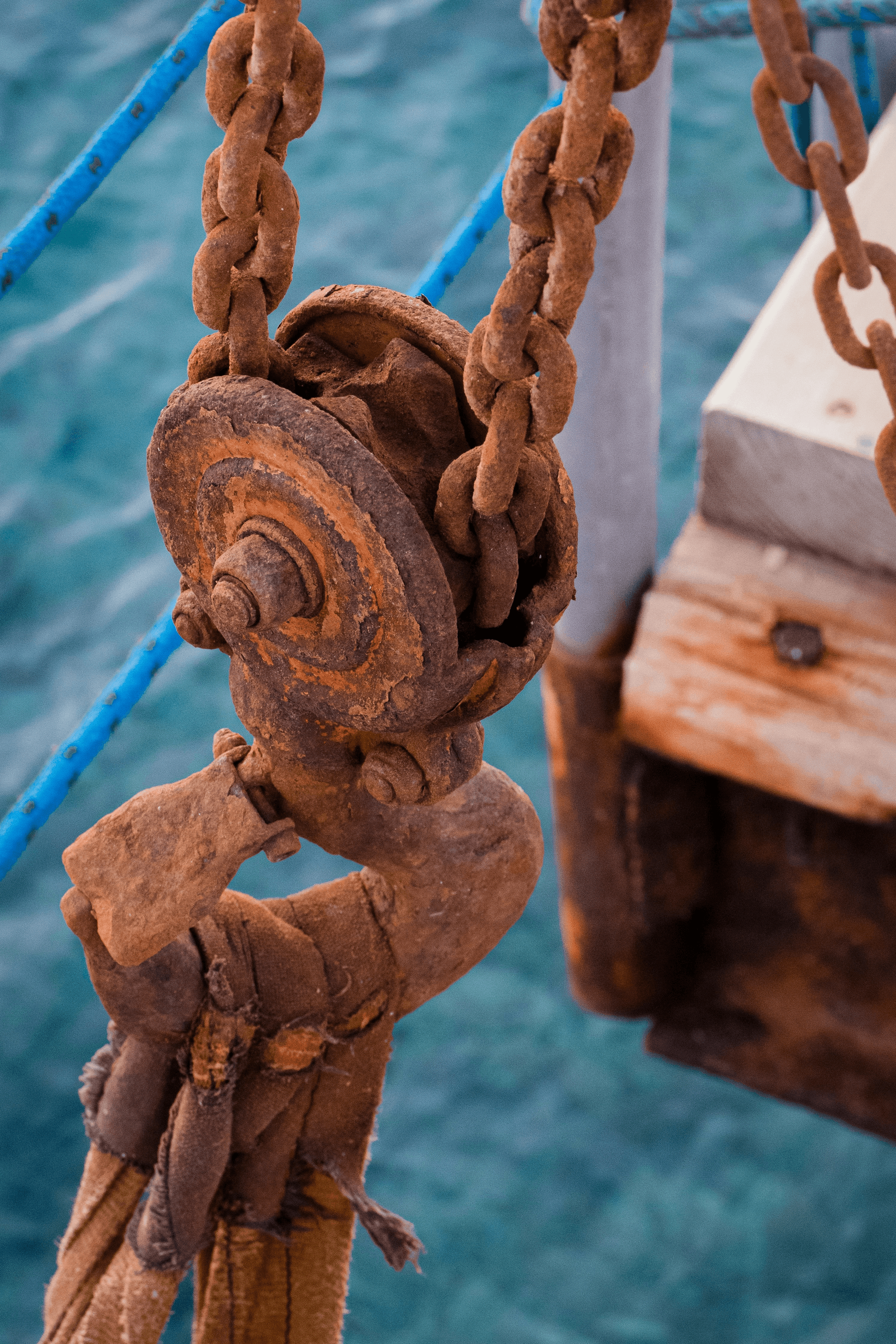
Performing a thorough visual inspection is the cornerstone of effective Heavy Rigging Equipment Inspection. It helps identify potential issues before they escalate into costly failures or safety hazards. By systematically examining each component, you ensure compliance with Heavy Rigging Equipment Standards and keep your team safe.
Checking for Wear, Cracks, and Corrosion
The first step in your visual inspection process involves scrutinizing all rigging components for signs of wear, cracks, or corrosion. These indicators often signal weakening materials that could compromise the integrity of the equipment during lifting operations. Remember, neglecting these signs can lead to catastrophic failures, so always compare findings against Heavy Rigging Equipment Standards to determine if repairs or replacements are necessary.
Verifying Tagging and Certification
Next up is verifying that all rigging gear is properly tagged and certified according to industry regulations. Proper tagging not only confirms that equipment has undergone recent inspections but also ensures it meets Heavy Rigging Equipment Standards for safety and performance. An overlooked certification can be a red flag; thus, cross-check every tag against the documentation to avoid non-compliance issues during audits or inspections.
Ensuring Proper Condition of Hooks, Shackles, and Slings
Finally, pay close attention to hooks, shackles, and slings—critical components in any Heavy Rigging Equipment Inspection. Look for deformations, distortions, or any signs of damage that might impair their load-bearing capacity. Ensuring these parts are in optimal condition aligns with Heavy Rigging Equipment Standards and prevents accidents caused by equipment failure during lifting operations.
Conducting Functional Inspection for Heavy Rigging Equipment
Performing a thorough functional inspection is a critical step in maintaining the safety and reliability of heavy rigging equipment. This process goes beyond the visual check and dives into testing mechanical components to ensure everything operates smoothly under load conditions. Regularly conducting functional inspections aligns with Heavy Rigging Equipment Standards, helping prevent unexpected failures and costly downtime.
Testing Load Bearings and Mechanical Components
During the functional inspection, testing load bearings and mechanical parts is essential to verify they can handle operational stresses safely. These tests involve applying controlled loads to evaluate whether components like hooks, shackles, or slings maintain integrity without excessive movement or deformation. Adhering to Heavy Rigging Equipment Standards ensures that these tests are performed correctly, providing confidence in the equipment’s capacity and safety.
Evaluating Brake and Pulley Operations
Another key aspect of functional inspection involves assessing brake systems and pulleys for proper operation. Faulty brakes or pulleys can cause dangerous slippages or failures during lifting operations, making their evaluation vital for safety compliance. By following industry standards during this process, inspectors can identify issues early—before they escalate into accidents—thus safeguarding personnel and assets alike.
Confirming Proper Functionality During Load Tests
The final step in a comprehensive functional inspection is conducting actual load tests to confirm that all components function correctly under real-world conditions. These tests help verify that the rigging equipment maintains stability, responds appropriately to control inputs, and performs reliably when bearing heavy loads. Consistent adherence to Heavy Rigging Equipment Standards during these tests ensures your gear remains safe, compliant, and ready for action.
Implementing Best Practices During Inspection
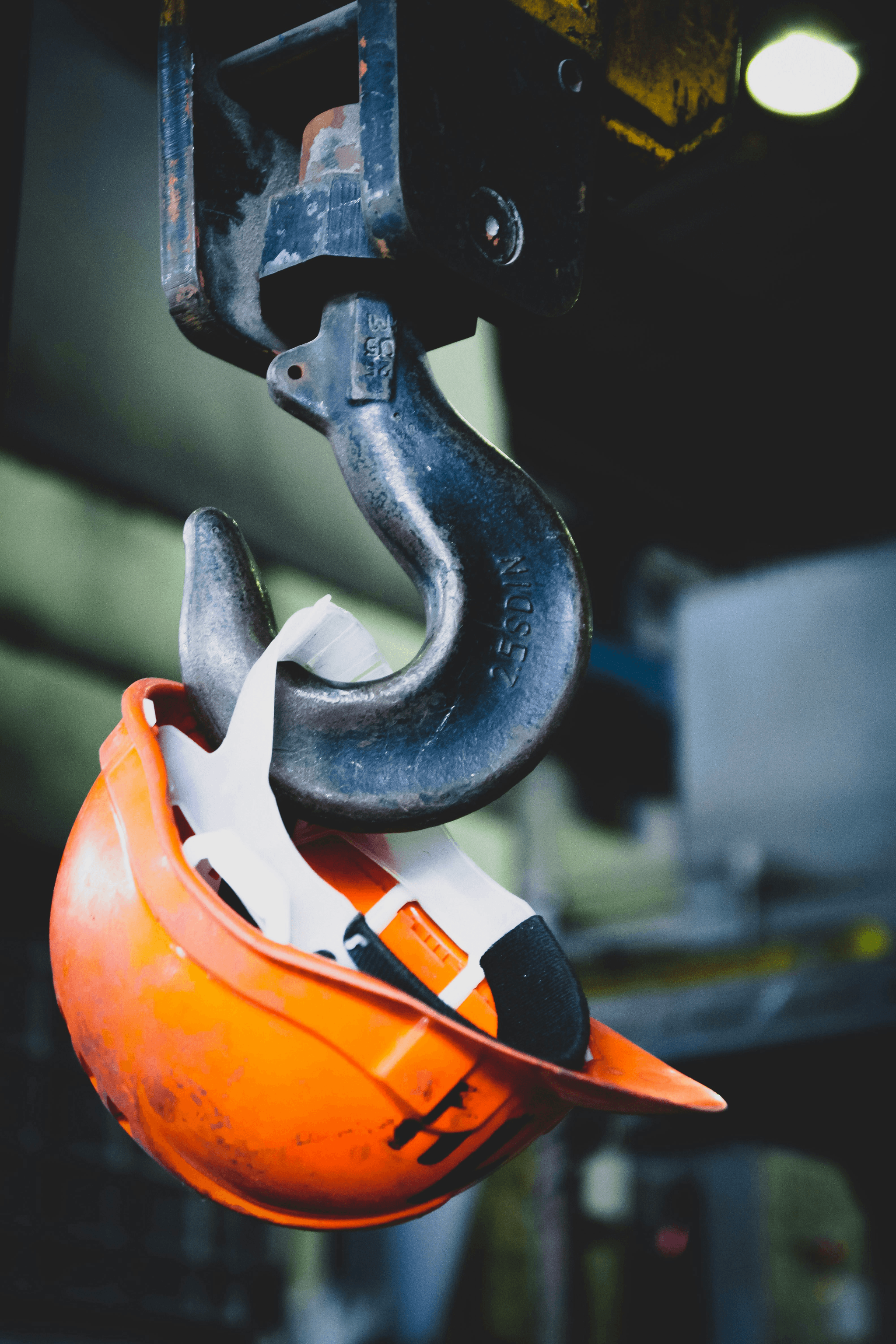
Ensuring the safety and reliability of heavy rigging equipment starts with implementing best practices during every inspection. Proper procedures help maintain compliance with Heavy Rigging Equipment Standards and prevent costly failures. Whether conducting visual inspections or functional checks, consistency and attention to detail are key to identifying potential issues early.
Using Proper Tools and Equipment
Using the right tools for Heavy Rigging Equipment Inspection is essential to accurately assess the condition of rigging gear. From flashlights for detailed visual inspections to calibrated load testers for functional checks, high-quality equipment ensures precise results. Investing in specialized tools aligns with Heavy Rigging Equipment Standards and helps spot wear, cracks, or corrosion that might otherwise go unnoticed.
Training Your Inspection Team
A well-trained team is your best asset when it comes to effective visual inspection and functional testing of heavy rigging gear. Knowledgeable inspectors understand the nuances of Heavy Rigging Equipment Standards and know how to identify subtle signs of deterioration. Regular training sessions keep your team sharp, ensuring each inspection adheres to industry best practices and reduces safety risks.
Documenting Findings and Maintaining Records
Thorough documentation is the backbone of a reliable inspection process, helping you track equipment history over time. Recording findings from visual inspections and functional tests provides valuable data that supports compliance with Heavy Rigging Equipment Standards. Keeping detailed records also facilitates timely maintenance decisions, preventing accidents before they happen.
Partnering with China Inspection Pro
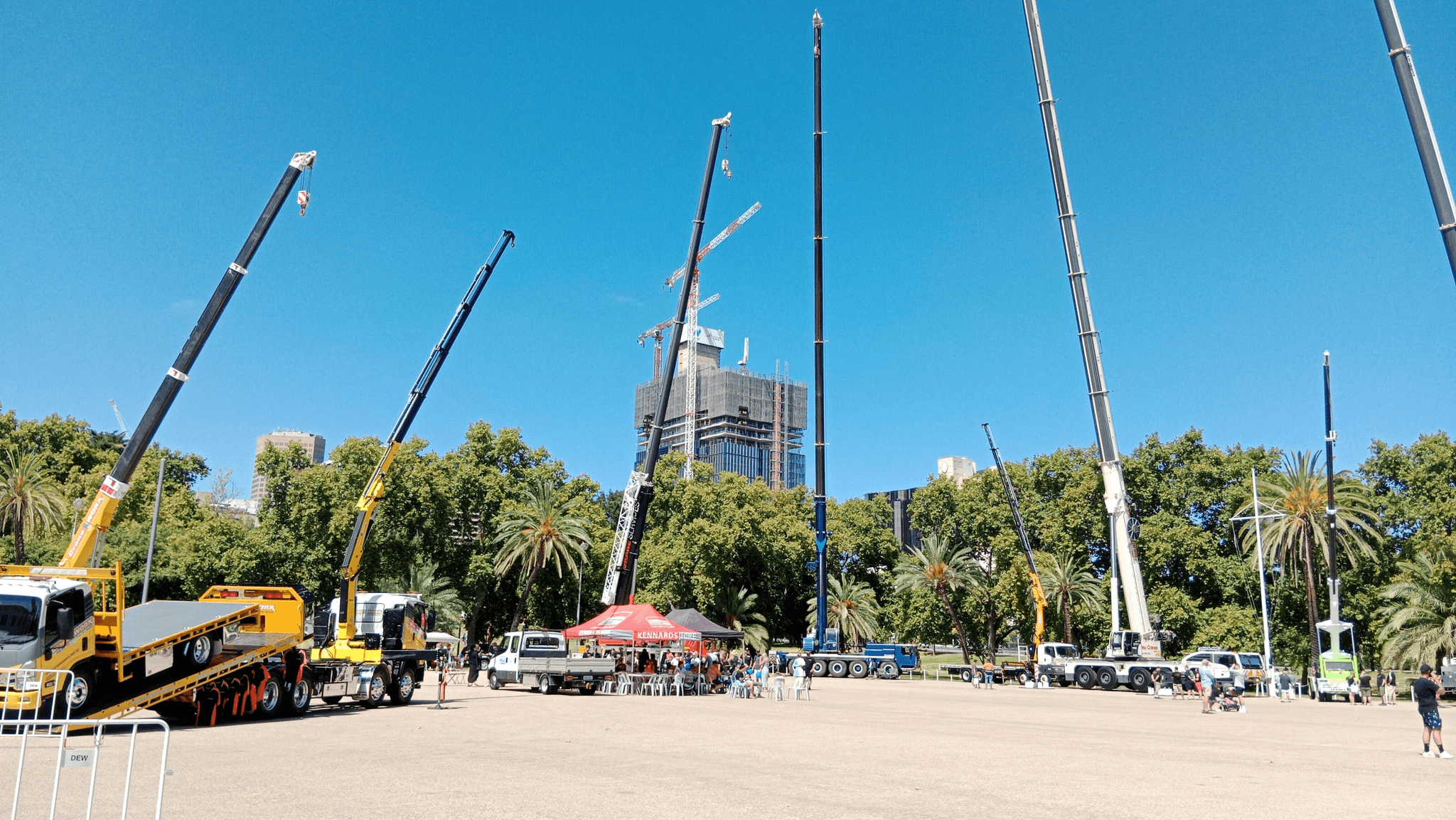
Partnering with China Inspection Pro elevates your Heavy Rigging Equipment Inspection process to a new level of reliability and safety. Their professional inspection services combine expert visual inspection and functional inspection techniques to ensure your equipment complies with Heavy Rigging Equipment Standards. By leveraging their expertise, companies can identify potential issues early, preventing costly downtime or accidents caused by overlooked defects.
How Professional Inspection Services Enhance Safety
Professional inspection services from China Inspection Pro significantly improve workplace safety by meticulously conducting visual inspections that spot surface wear, corrosion, or cracks before they escalate. Their team also performs thorough functional inspections to verify that all mechanical components operate smoothly under load conditions. Incorporating these rigorous Heavy Rigging Equipment Inspection practices ensures your gear meets industry standards and reduces the risk of failure during critical operations.
Benefits of Third-Party Inspection for Heavy Rigging
Third-party inspection providers bring an unbiased perspective, ensuring your Heavy Rigging Equipment meets stringent Heavy Rigging Equipment Standards without favoritism or oversight. They utilize advanced non-destructive testing methods alongside visual and functional inspections to uncover hidden flaws that might escape internal checks. This comprehensive approach not only guarantees compliance but also extends the lifespan of your rigging gear through early defect detection, saving money in the long run.
Ensuring Heavy Rigging Equipment Meets Industry Standards
Ensuring your heavy rigging equipment aligns with industry standards is vital for safe lifting operations and legal compliance. China Inspection Pro’s experts are well-versed in OSHA and ASME regulations, performing detailed visual inspections complemented by functional tests to verify adherence to these standards. Regularly partnering with them for Heavy Rigging Equipment Inspection keeps you ahead of regulatory requirements while maintaining optimal safety performance across all operations.
Conclusion
Ensuring the safety and reliability of heavy rigging equipment hinges on diligent Heavy Rigging Equipment Inspection. Regular visual and functional inspections act as the frontline defense against equipment failure, helping identify potential issues before they turn into costly accidents. Adhering to Heavy Rigging Equipment Standards not only keeps workplaces compliant but also significantly reduces risks associated with rigging operations.
The Critical Role of Heavy Rigging Equipment Inspection in Workplace Safety
Heavy Rigging Equipment Inspection is paramount for maintaining a safe work environment, especially when handling massive loads. Visual Inspection allows inspectors to spot obvious signs of wear, corrosion, or damage that could compromise safety, while Functional Inspection tests the actual performance of mechanical parts under load conditions. By consistently following Heavy Rigging Equipment Standards during inspections, companies can prevent catastrophic failures and safeguard their personnel.
Keeping Rigging Equipment Safe Through Regular Visual and Functional Checks
Implementing routine Visual Inspection ensures that any deterioration or defects are caught early, saving time and money in the long run. Complementing this with Functional Inspection verifies that all components operate smoothly under real-world conditions, confirming equipment integrity. Staying aligned with Heavy Rigging Equipment Standards guarantees that both inspection types are thorough, effective, and compliant with industry regulations—making safety a shared priority.
Invest in Quality Inspection to Stay Compliant and Prevent Accidents
Quality inspection services elevate your rigging safety game by providing expert assessments rooted in Heavy Rigging Equipment Standards. Investing in professional inspections means your team benefits from accurate evaluations of both visual and functional aspects, reducing the likelihood of accidents caused by overlooked issues. Remember: proper inspection isn't just about compliance; it's about protecting lives and ensuring operational excellence.