
Introduction

Understanding the importance of ceramic quality is essential when selecting tableware or decorative pieces, as the quality of ceramic products can make or break your experience. From the material used to craft these items to their durability and aesthetic appeal, every aspect influences their overall value. Recognizing how the defects of reference for ceramic products impact these qualities helps consumers make smarter choices and avoid disappointing purchases.
The classification of ceramics into grades A, B, and C plays a crucial role in guiding buyers toward suitable options based on their needs and budgets. These grade classifications directly affect purchase decisions because they serve as a quick indicator of quality, craftsmanship, and longevity. Knowing what defines the quality of ceramics at each grade level ensures consumers can select products that meet their expectations without overspending or settling for subpar items.
Quality inspection is an indispensable part of maintaining high standards in ceramic products. It ensures that each piece meets specific criteria related to the material breakdown and defect references for ceramic products, thereby guaranteeing excellence. Professional inspections help turn inspection findings into tangible improvements, elevating the overall quality of ceramic products available in the market.
What Defines the Quality of Ceramic Products
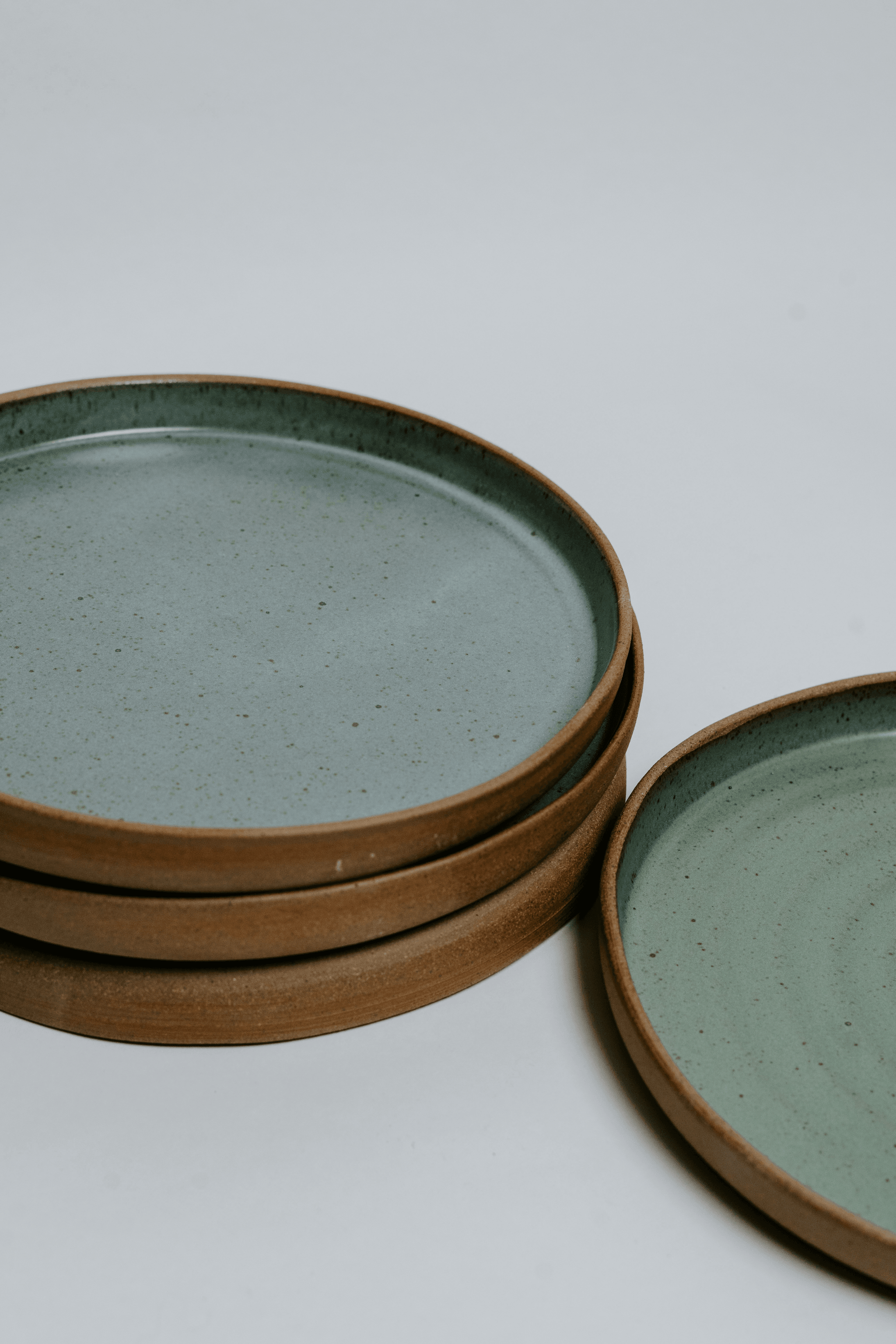
The quality of ceramic products hinges on a delicate balance of materials, craftsmanship, and consistency. When evaluating ceramic products material, it's essential to understand the composition—clay, glaze, and firing techniques—that influence durability and aesthetic appeal. A high-quality ceramic product typically features uniformity in texture and color, which directly relates to its overall strength and visual charm.
Understanding the defects of reference for ceramic products is crucial in distinguishing between different grades like A, B, and C. Common defects such as cracks, pinholes, or warping serve as benchmarks for quality assessment. Recognizing these flaws helps buyers and inspectors alike determine whether a ceramic piece meets industry standards or falls into a lower grade category.
Defining the quality of ceramics involves considering key factors like density, glaze finish, resistance to wear, and overall craftsmanship. These factors are vital when differentiating between grade A ceramics—top-tier with impeccable finish—and grades B or C that may have minor imperfections but still serve their purpose well. Whether you're purchasing for everyday use or collecting fine ware, understanding these elements ensures you make informed decisions based on the true quality of ceramic products.
Grade A Ceramic Products

When it comes to the quality of ceramic products, Grade A ceramics stand at the pinnacle. These ceramics exhibit exceptional craftsmanship, with flawless finishes and consistent glazing that reflect a high standard of material selection and manufacturing precision. Defining the quality of ceramics as grade A involves strict adherence to quality benchmarks, ensuring that each piece meets or exceeds industry expectations for durability and aesthetic appeal.
Grade A ceramics are characterized by their superior ceramic products material, which is carefully sourced and processed to minimize defects. They are free from common issues such as cracks, pinholes, or glaze imperfections—the defects of reference for ceramic products—making them highly reliable for both everyday use and collector’s items. This level of quality ensures that consumers receive products that not only look stunning but also last longer under regular use.
Brands like Royal Doulton and Wedgwood exemplify what defining the quality of ceramics: grade A standards. Their collections showcase meticulous attention to detail, with each piece passing rigorous inspections that prioritize the absence of defects and consistency in finish. These brands set industry standards by maintaining high-quality production processes that emphasize excellence in every aspect from raw materials to final polishing.
Grade B Ceramic Products
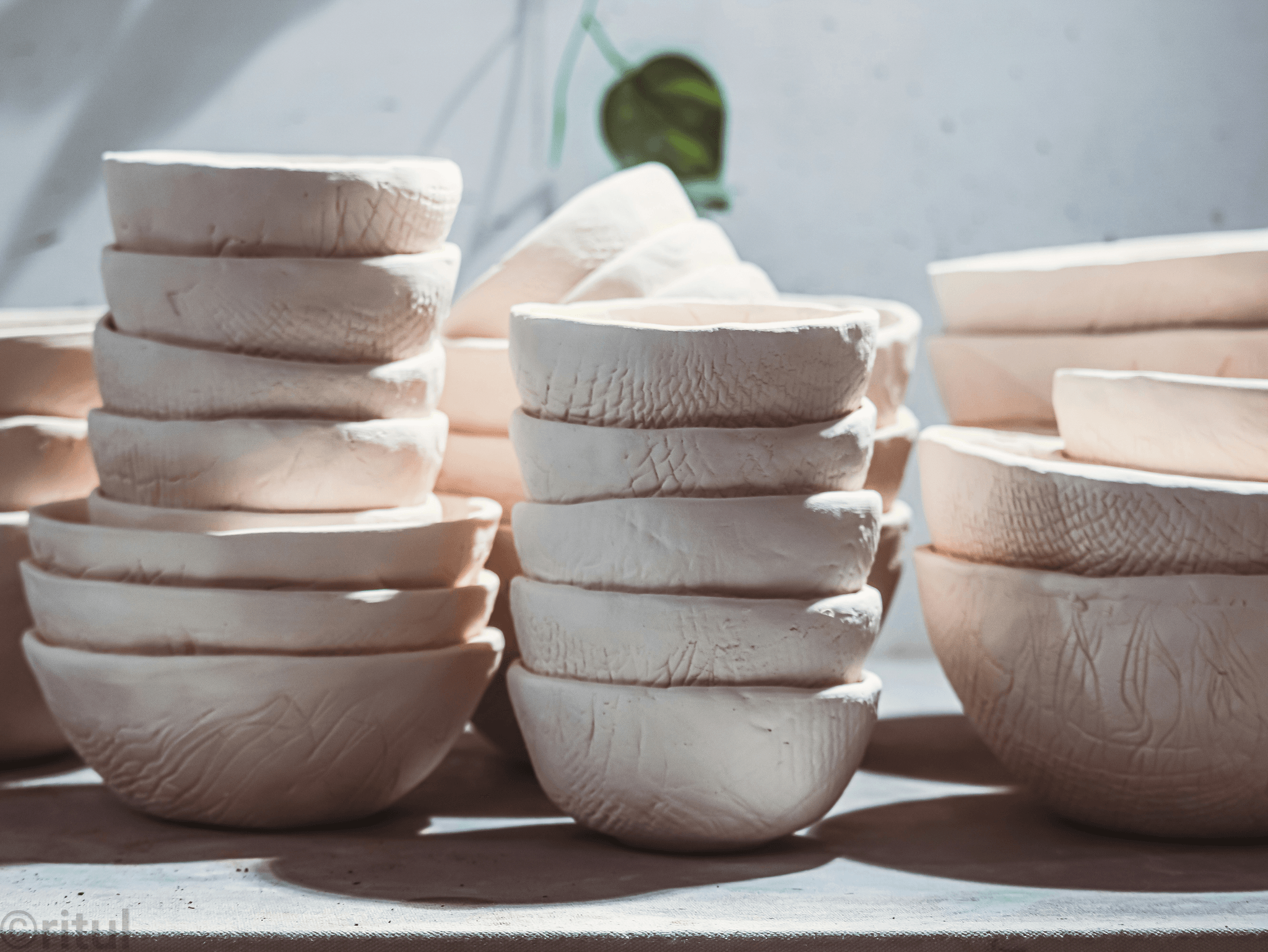
Grade B ceramic products strike a balance between affordability and decent quality, making them a popular choice for everyday use. While they may not boast the flawless finish of Grade A ceramics, they still meet essential standards that ensure durability and safety. Understanding the features and typical uses of Grade B helps consumers make informed decisions based on the quality of ceramic products and their specific needs.
Features and Typical Uses of Grade B
Grade B ceramics are characterized by minor imperfections or slight variations in glaze or shape, which are considered acceptable within industry standards. These products often feature the defects of reference for ceramic products that are slightly visible but do not compromise overall integrity or safety. They are commonly used for casual dining sets, kitchenware, or decorative items where high-end perfection is less critical but durability remains important.
Brands Like Portmeirion and Rosenthal’s Mid-Range Lines
Brands such as Portmeirion and Rosenthal offer impressive mid-range lines that fall into the Grade B category, providing consumers with reliable options without breaking the bank. These brands prioritize maintaining consistent quality of ceramic products while managing manufacturing costs, which sometimes results in minor aesthetic flaws—acceptable within their grade classification. Choosing these brands allows buyers to enjoy reputable craftsmanship while understanding how grade classifications impact product expectations.
Balancing Cost and Quality in Grade B
Balancing cost and quality involves understanding that Grade B ceramics might display some defects of reference for ceramic products but still deliver functional performance suitable for daily use. When considering this grade, it’s crucial to recognize how defining the quality of ceramics: grade A, B, C influences purchasing decisions—especially when budget constraints come into play. Investing in Grade B items can be a smart move if one values practicality over perfection while appreciating the role professional quality inspection plays in ensuring consistent standards across batches.
Grade C Ceramic Products
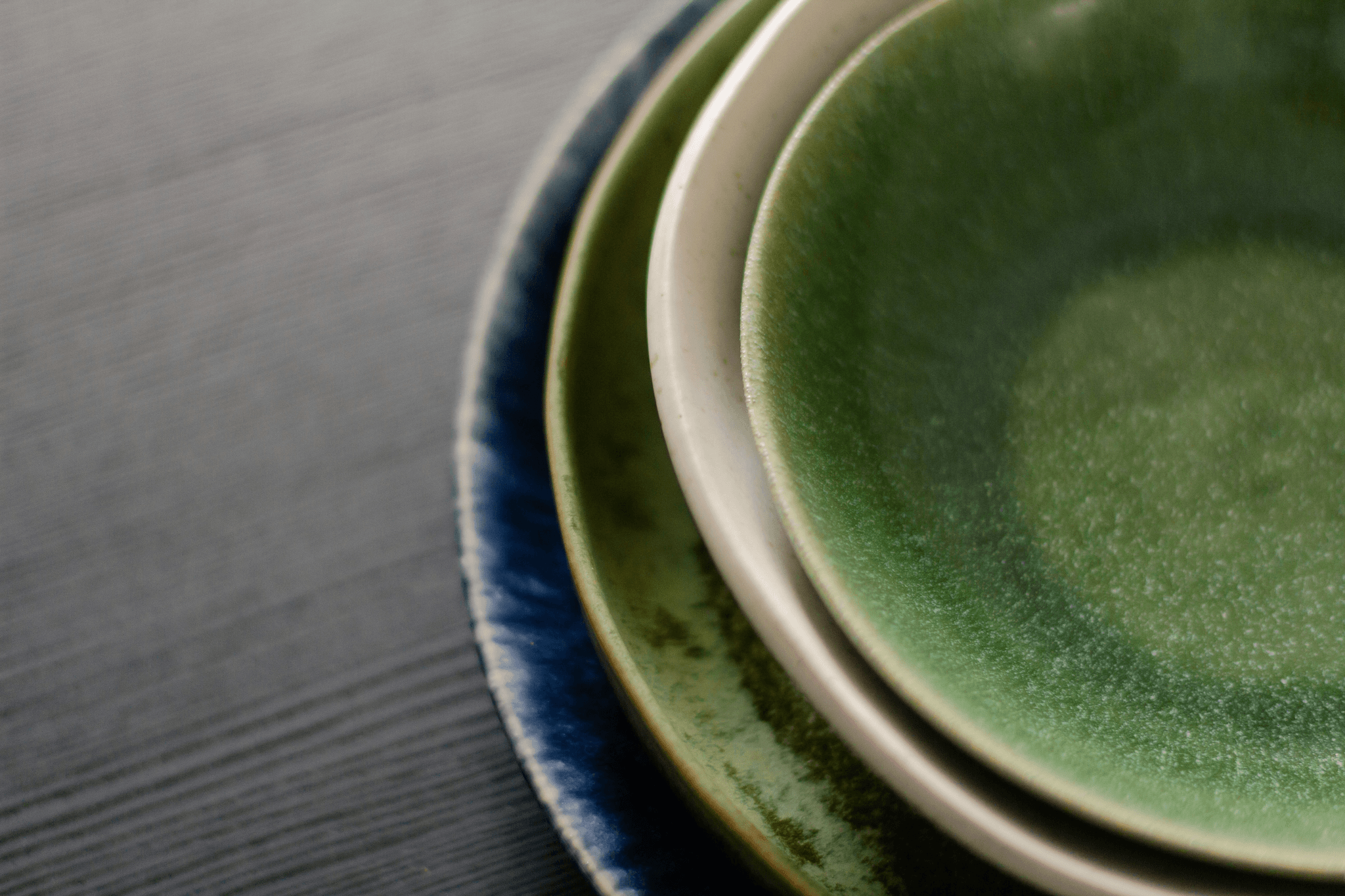
Grade C ceramic products are typically the budget-friendly options in the world of ceramics. They often feature more noticeable defects and less refined finishes, which makes them suitable for everyday use or casual settings. Despite their lower price point, understanding the quality of ceramic products in Grade C can help consumers make informed choices based on their needs and expectations.
The Qualities and Common Applications of Grade C
The defining qualities of Grade C ceramics include visible imperfections, inconsistent glazing, and sometimes minor cracks or chips that do not compromise overall usability. These products are often made from ceramic materials that prioritize affordability over perfection, which means they might have defects of reference for ceramic products but still serve well in practical scenarios. Common applications include casual dinnerware, decorative pieces with a rustic look, or items used in non-formal environments where aesthetics are secondary to function.
Brands Such as Corelle and Cath Kidston
Brands like Corelle and Cath Kidston frequently offer Grade C options within their product lines to cater to consumers seeking cost-effective solutions without expecting showroom quality. Corelle’s everyday dishware often includes some entries classified as Grade C—ideal for busy households or outdoor picnics—while Cath Kidston’s more playful designs sometimes lean into the charming imperfections characteristic of lower-grade ceramics. Recognizing these brands’ offerings helps buyers understand how the quality of ceramic products varies even within reputable companies, especially when considering material durability versus aesthetic perfection.
When and Why to Choose Grade C
Choosing Grade C ceramics makes sense when budget constraints are tight or when the intended use doesn’t require high-end craftsmanship—think camping trips or children’s lunch sets. The defects of reference for ceramic products at this level mean you shouldn’t expect flawless finishes but rather functional items that get the job done without breaking the bank. Knowing when and why to select Grade C helps consumers balance cost with practicality while still enjoying ceramic products that meet basic standards for durability and safety.
The Role of China Inspection Pro in Quality Assurance
Ensuring the quality of ceramic products is no small feat, especially when it comes to accurately determining their grade. China Inspection Pro plays a pivotal role in this process by meticulously assessing ceramic products material and inspecting for the defects of reference for ceramic products. Their expertise helps manufacturers and buyers alike understand exactly where their ceramics stand in terms of quality, whether they are Grade A, B, or C—each with its own defining characteristics.
How Quality Inspection Ensures Accurate Grade Determination
The core of defining the quality of ceramics lies in a thorough inspection that evaluates the ceramic products material and identifies any defects that might compromise durability or appearance. By carefully analyzing factors such as surface finish, glaze consistency, and structural integrity, China Inspection Pro ensures that each product is correctly classified into Grade A, B, or C based on established standards. This process prevents misclassification and guarantees that buyers receive exactly what they expect—whether premium Grade A sets or more affordable Grade C options.
Services Offered by China Inspection Pro
China Inspection Pro offers comprehensive services tailored to uphold the integrity of the quality of ceramic products throughout the supply chain. These include pre-shipment inspections, random sampling tests, and detailed defect analysis based on industry reference standards for ceramics. Their team also provides expert reports highlighting areas for improvement—helping manufacturers refine their processes to reduce common defects associated with each grade level and ensuring consistent classification into grades A, B, or C.
Turning Inspection Findings into Quality Improvements
Once inspection findings reveal issues with ceramic products material or identify specific defects relevant to reference standards for ceramics, companies can implement targeted improvements. For instance, if a batch shows glazing inconsistencies typical of Grade B ceramics, adjustments can be made to raw materials or firing techniques to elevate future batches toward Grade A standards—or conversely, streamline production for cost-effective Grade C items without sacrificing essential quality traits. This proactive approach transforms inspection results into tangible steps that enhance overall product excellence.