
Introduction
Casting is an art as much as it is a science, and the quality of your castings can make or break your product’s reputation. When it comes to manufacturing, understanding what are casting defects and their causes is crucial to maintaining high standards and ensuring durability. From gas porosity casting defects to shrinkage issues, each flaw tells a story about the process that needs attention.
Casting defects can appear in many forms—sometimes subtle, sometimes glaring—and they often originate from various sources like mold material issues or metallurgical flaws. Recognizing these common causes early can save manufacturers significant time and money by preventing costly rework or product failure down the line. Proper inspection acts as your first line of defense against these problems, catching defects before they leave the factory floor.
In this guide, we’ll explore what are casting defects in detail, including specific types such as gas porosity casting defects and causes, mold material casting defects and causes, metallurgical casting defects and causes, pouring casting defects and causes, and shrinkage casting defects and causes. By understanding these categories thoroughly, manufacturers can implement effective strategies to minimize defect risks—ensuring every cast piece meets quality expectations.
What Are Casting Defects?
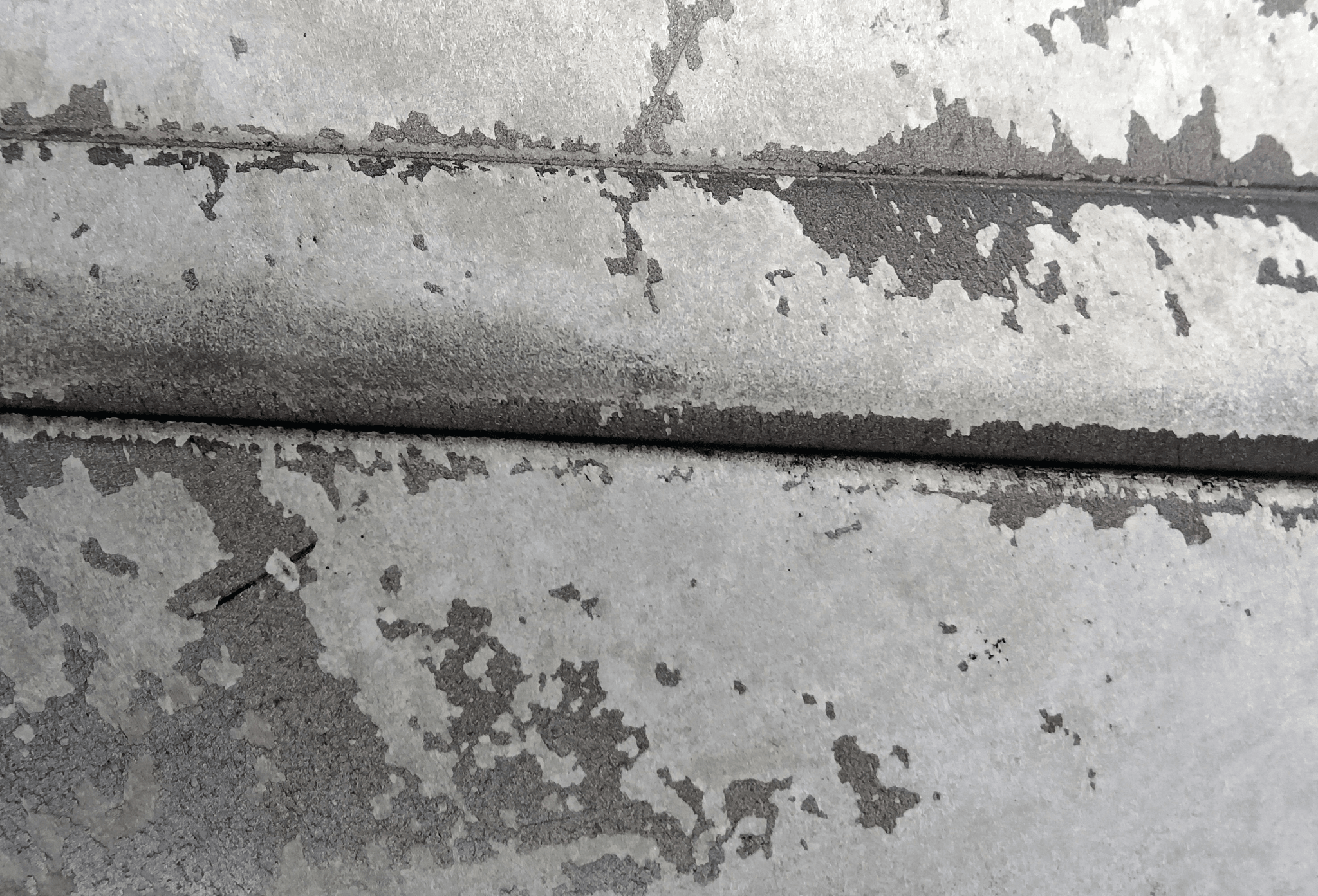
Casting defects are imperfections that occur during the manufacturing process of metal castings, often leading to compromised structural integrity and performance. These flaws can range from tiny gas pockets to large cracks, and they frequently result from issues like improper mold materials or pouring techniques. Understanding what are casting defects is crucial for manufacturers aiming to produce high-quality, durable components.
When exploring what are casting defects, it's essential to recognize that these flaws can originate from various sources such as gas porosity casting defects and causes or mold material casting defects and causes. Gas porosity casting defects happen when entrapped gases create voids within the metal, weakening the final product. Similarly, mold material casting defects and causes—like using unsuitable molds—can lead to surface imperfections or internal flaws that compromise the casting's integrity.
In industries like automotive and aerospace where precision is paramount, the impact of these casting defects on product performance cannot be overstated. For example, metallurgical casting defects and causes—such as inclusions or hot tearing—can lead to catastrophic failures in critical components. Therefore, understanding how pouring casting defects and causes or shrinkage casting defects and causes influence quality helps manufacturers implement better controls to prevent costly rework or failures down the line.
Gas Porosity Casting Defects and Causes
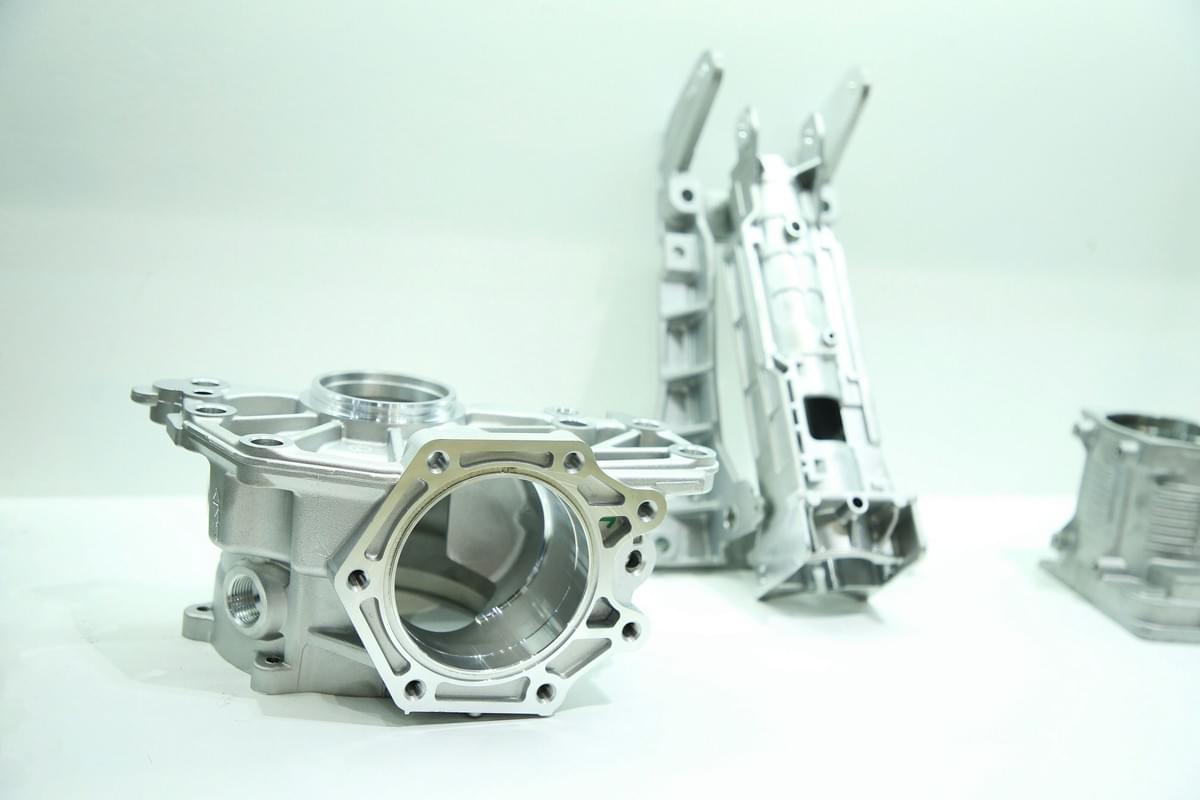
Gas porosity remains one of the most common casting defects that can sabotage the integrity of your final product. These tiny pockets of trapped gas form during solidification, leading to weak spots and potential failure points. Understanding the causes behind gas porosity casting defects and causes is crucial for preventing costly rework and ensuring high-quality castings.
How Gas Entrapment Occurs in Castings
Gas entrainment happens when air or other gases become trapped within the molten metal as it cools and solidifies, creating voids known as gas porosity. This process often occurs if gases are introduced during melting or pouring stages, especially when turbulence agitates the molten metal. Recognizing how gas gets trapped helps manufacturers identify critical points where casting defects like gas porosity can develop.
Common Sources of Gas in the Casting Process
Several sources contribute to gas formation in casting processes, including moisture in mold materials, reactions between mold and molten metal, or even dissolved gases coming out of solution during cooling. Mold material casting defects and causes often involve moisture or improper mold preparation, which exacerbates gas entrapment issues. Additionally, poor pouring techniques can introduce air into the melt, increasing the risk of gas porosity casting defects and causes.
Techniques to Minimize Gas Porosity in Castings
To combat this type of casting defect, effective strategies such as preheating molds thoroughly reduce moisture-related gases that cause gas porosity casting defects and causes. Using degassed molten metal minimizes dissolved gases that could come out during cooling—another tip from metallurgical casting defects and causes insights. Ensuring smooth pouring practices without turbulence also significantly decreases the likelihood of entrapping gases, thereby reducing overall instances of casting defects like gas porosity.
Mold Material Casting Defects and Causes
Mold material issues are a significant contributor to casting defects, often causing surface imperfections or internal flaws that compromise the integrity of the final product. When selecting mold materials, understanding the causes of mold material casting defects and causes helps prevent costly rework and scrap. Recognizing these issues early ensures that casting defects related to mold materials do not become a persistent problem in manufacturing.
Common Mold Material Issues and Their Effects
Problems with mold materials, such as improper thermal conductivity or chemical reactions, can lead to casting defects like surface roughness or incomplete fills. These mold material casting defects and causes often result from poor quality raw materials or inadequate maintenance, which can cause porosity or surface irregularities. When mold materials are compromised, it increases the likelihood of gas porosity casting defects and causes, reducing overall casting quality.
Identifying Mold Material Casting Defects in Practice
Detecting mold material casting defects requires close inspection during and after the process; visual cues like cracks or warping signal potential issues with the mold material. Such imperfections often lead to gas porosity casting defects and causes that weaken the castings structurally. Regular non-destructive testing methods can reveal hidden flaws caused by defective mold materials before they escalate into larger problems affecting product performance.
Best Practices for Selecting Mold Materials for Quality Castings
Choosing high-quality mold materials minimizes the risk of metallurgical casting defects and causes related to poor material properties like thermal expansion mismatches or chemical incompatibilities. Implementing strict selection criteria ensures that molds withstand operational stresses without introducing porosity or hot tearing—common types of casting defects linked to inferior mold substances. Properly vetted materials help prevent pouring casting defects and causes by ensuring consistent heat transfer and durability during production.
Metallurgical Casting Defects and Causes
Metallurgical casting defects are among the trickiest to spot and fix, often lurking beneath the surface of a seemingly perfect casting. These flaws—such as porosity, inclusions, and hot tearing—can seriously compromise the integrity of the final product. Understanding what are casting defects in this category is crucial for manufacturers aiming for top-notch quality.
Understanding Metallurgical Flaws in Castings
Metallurgical casting defects stem from issues within the metal's internal structure during solidification. They include problems like porosity, which creates tiny voids; inclusions, where foreign particles get trapped; and hot tearing, cracks caused by uneven cooling stresses. Recognizing these flaws helps in diagnosing why a casting might fail prematurely or perform poorly under stress.
Causes of Porosity, Inclusions, and Hot Tearing
Porosity often results from entrapped gases or improper cooling rates during the casting process—gas porosity casting defects can develop if venting isn't adequate or if gases are introduced through mold materials. Inclusions happen when impurities or slag become embedded within the metal, frequently due to contaminated mold materials or improper melting practices—another reason why selecting the right mold material is vital to prevent mold material casting defects and causes. Hot tearing occurs when uneven solidification causes internal stresses that exceed the metal’s strength; controlling cooling rates and alloy composition is key to reducing such metallurgical issues.
How to Improve Metallurgical Quality Through Process Control
To combat these metallurgical casting defects effectively, rigorous process control is essential—monitoring parameters like temperature, pour speed, and alloy composition can significantly reduce porosity and inclusions while preventing hot tearing. Implementing quality checks focused on metallurgical aspects helps identify potential flaws early on; partnering with reliable inspection services ensures that any metallurgical flaws are caught before reaching customers. Ultimately, consistent process control minimizes casting defects related to metallurgy and boosts overall product reliability.
Pouring Casting Defects and Causes
Pouring casting defects can be a real headache for manufacturers aiming for flawless products. These defects often originate from pouring issues, which disrupt the flow of molten metal into molds, leading to imperfections that compromise the integrity of the final casting. Understanding what are casting defects caused by pouring faults is essential to prevent costly rework and ensure high-quality outputs.
Casting Defects Originating from Pouring Issues
Casting defects stemming from pouring problems typically manifest as surface irregularities, cold shuts, or incomplete fills. When molten metal isn't poured at the right speed or temperature, it can cause gas entrapment or misruns—both common culprits behind casting flaws. Recognizing what are casting defects caused by improper pouring helps in troubleshooting and refining the process to minimize such issues.
Common Pouring Faults and Their Causes
Some of the most frequent pouring faults include turbulence, air entrapment, and uneven flow rates—each contributing to different types of casting defects like porosity or cold shots. These faults often occur due to inadequate gating systems, improper mold design, or inconsistent pouring techniques. Addressing these causes is vital because gas porosity casting defects and causes are often linked directly to poor pouring practices that trap air in the molten metal.
Strategies to Ensure Proper Pouring and Reduce Defects
To combat these issues, manufacturers should focus on optimizing gating systems, controlling pour temperatures meticulously, and maintaining steady flow rates during casting processes. Proper training on pouring techniques can significantly reduce gas porosity casting defects and causes associated with turbulent flows or air entrapment. Implementing these strategies not only improves overall quality but also minimizes mold material casting defects and causes related to improper handling during pouring.
Shrinkage Casting Defects and Causes
Shrinkage defects are among the most common casting defects that can compromise the integrity of a finished product. These defects typically manifest as cracks or voids caused by the metal contracting as it cools and solidifies, which can lead to weakened structures if not properly managed. Understanding what are casting defects related to shrinkage is essential for manufacturers aiming for defect-free castings.
Why Shrinkage Cracks Occur in Castings
Shrinkage cracks happen when the metal cools too quickly or unevenly, preventing it from filling all mold spaces completely. When metal contracts during solidification, areas with insufficient feeding or improper gating can create internal stresses, resulting in visible cracks on the surface or within the casting. Recognizing what are casting defects such as shrinkage cracks helps in diagnosing and addressing these issues early in the process.
Factors Contributing to Shrinkage Defects
Several factors contribute to shrinkage casting defects, including inadequate riser design, improper pouring temperature, and poor mold material selection. Gas porosity casting defects and causes often exacerbate shrinkage problems by trapping gases that hinder uniform cooling. Metallurgical casting defects and causes like impurity inclusions can also weaken the structure, making it more susceptible to shrink-related cracking.
Methods to Prevent Shrinkage During Casting
To prevent shrinkage casting defects effectively, engineers should optimize riser placement and size to supply enough molten metal during solidification. Controlling pouring parameters and selecting appropriate mold materials minimizes hot spots that cause uneven cooling; these steps directly address what are casting defects like shrinkages. Additionally, employing proper process controls such as controlled cooling rates helps mitigate gas porosity casting defects and causes related to rapid temperature changes.
Conclusion
Understanding the intricacies of casting defects is essential for producing high-quality components that meet industry standards. Recognizing what are casting defects and their causes allows manufacturers to implement targeted prevention strategies, ultimately reducing costly reworks and failures. From gas porosity to shrinkage issues, each defect type presents unique challenges that require vigilant inspection and process control.
The Role of Quality Inspection in Casting Defects Prevention
Quality inspection acts as the final line of defense against casting defects, ensuring that issues like gas porosity casting defects and causes or mold material casting defects and causes are caught early. Regular inspections help identify metallurgical casting defects and causes such as inclusions or hot tearing before they compromise the entire batch. By catching these problems early, manufacturers can save time, money, and reputation—making thorough inspections an indispensable part of the casting process.
Partnering with China Inspection Pro for Reliable Quality Checks
Partnering with China Inspection Pro offers a strategic advantage in maintaining impeccable quality standards by providing expert assessments of pouring casting defects and causes or shrinkage casting defects and causes. Their reliable quality checks help pinpoint issues related to mold material deficiencies or metallurgical flaws that could otherwise slip through unnoticed. With their support, companies can confidently address potential problems like gas porosity or hot tears before they impact product performance.
Building Better Castings Through Prevention and Inspection
Building better castings involves a proactive approach—combining prevention techniques with meticulous inspection routines focused on common defect types such as gas porosity, mold material issues, or metallurgical flaws. Implementing best practices to minimize pouring casting defects and causes ensures smoother production runs free from shrinkage cracks or other imperfections. Ultimately, continuous improvement in both prevention methods and quality checks leads to durable, reliable castings that stand the test of time.