
Introduction
In the competitive world of Manufacturing LED Lights, the importance of high-quality products cannot be overstated. Poor quality control can lead to disappointing customer experiences, increased returns, and a tarnished brand reputation. Staying ahead requires understanding important LED lighting statistics you need to know, especially when LED Light Failure Rates can be as high as 20% in some cases—an eye-opener for any manufacturer aiming for excellence.
Manufacturing LED Lights involves complex processes where even minor lapses in quality control of LED lighting can result in significant setbacks. Key challenges include sourcing reliable raw materials, maintaining consistent production standards, and navigating strict regulatory requirements. Addressing these issues head-on is essential because, without proper quality control, failure rates can skyrocket, damaging both profits and credibility.
Understanding the Manufacturing LED Lights Process
Manufacturing LED Lights is a complex dance of precision, materials, and process control that directly impacts the final product's quality. Many companies overlook how critical each step is, leading to higher LED Light Failure Rates, which can be as high as 20% in some cases. Knowing the ins and outs of this process allows manufacturers to implement effective Quality Control of LED lighting and reduce costly mistakes.
Every successful production begins with a clear overview of the entire workflow—from raw material procurement to final assembly. This helps identify potential weak points where issues could arise, affecting important LED lighting statistics you need to know for continuous improvement. When manufacturing LED lights, understanding this process ensures better control over defect rates and maintains competitive standards.
Common pitfalls that affect quality in Manufacturing LED Lights include inconsistent raw materials, improper soldering techniques, and inadequate inspection protocols. These issues often lead to increased failure rates and compromise product reliability—highlighting why rigorous Quality Control of LED lighting is essential throughout each stage. Addressing these pitfalls early can significantly improve overall product performance and customer satisfaction.
The role of raw materials and supply chain management cannot be overstated in Manufacturing LED Lights. Variations in quality or sourcing from unreliable suppliers can cause fluctuations in production outcomes and elevate failure rates. To keep failure rates below industry benchmarks, it’s vital to monitor your supply chain closely—especially since LED Light Failure Rates Can Be as High as 20% without proper oversight.
Implementing Effective Quality Control of LED Lighting
Ensuring top-notch quality control of LED lighting is critical in the competitive world of Manufacturing LED Lights. When you prioritize meticulous inspection processes, you significantly reduce the risk of high LED Light Failure Rates, which can be as high as 20% in some cases. Implementing consistent quality checks not only improves product reliability but also aligns with Important LED Lighting Statistics You Need To Know, helping your business stay ahead in a crowded market.
Best Practices in Quality Inspection
Effective quality control of LED lighting begins with establishing best practices that catch defects early and prevent subpar products from reaching customers. Regular inspections throughout the manufacturing process help identify issues like poor solder joints or inconsistent lumens output—common culprits behind high failure rates. Incorporating these best practices ensures your manufacturing LED Lights meet industry standards and reduces costly returns caused by defective units, which often stem from overlooked flaws during production.
Partnering with China Inspection Pro for Reliable Evaluation
Partnering with a trusted evaluation provider like China Inspection Pro can elevate your quality control efforts to new heights. Their expertise in assessing manufacturing processes ensures that your products adhere to rigorous standards, especially when dealing with important LED lighting statistics that highlight the importance of reliability and durability. With their support, you gain valuable insights into potential pitfalls affecting Manufacturing LED Lights—such as material inconsistencies or assembly errors—that contribute to high failure rates—and implement targeted improvements accordingly.
Utilizing Advanced Testing Technologies
Leveraging advanced testing technologies is crucial for maintaining high-quality standards in manufacturing LED lights. Techniques like automated optical inspection (AOI), thermal imaging, and electrical testing provide precise data on product performance and defect detection—key components in reducing LED Light Failure Rates that can be as high as 20%. Incorporating these innovations into your quality control process allows for real-time monitoring and immediate corrective actions, ensuring your manufacturing process aligns with Important LED Lighting Statistics You Need To Know while delivering reliable products to your customer
Addressing LED Light Failure Rates

Manufacturing LED Lights is a complex process that involves numerous steps, each with its own potential pitfalls. One of the most pressing issues faced by manufacturers today is the high LED light failure rates, which can be as high as 20% in some cases. These failures not only hurt customer satisfaction but also inflate costs and tarnish brand reputation, making quality control of LED lighting more critical than ever.
Causes of High Failure Rates in LED Manufacturing
The root causes of high failure rates in manufacturing LED lights often stem from inconsistent raw materials, poor assembly practices, or inadequate testing procedures. When raw materials like phosphors and semiconductors are subpar or supply chain issues occur, the overall quality drops significantly. Additionally, neglecting rigorous quality control of LED lighting during production can result in defective units slipping through, leading to higher failure rates that compromise product reliability.
Strategies to Reduce Failure Rates Below 10 Percent
To keep LED light failure rates below 10%, manufacturers need to implement robust quality control measures throughout every stage of production. Regular inspection and testing are essential—partnering with reliable third-party inspectors like China Inspection Pro can help identify issues early on. Incorporating advanced testing technologies ensures that defective products are caught before reaching customers, ultimately improving manufacturing LED lights’ overall durability and performance.
Monitoring and Maintaining Product Reliability
Consistent monitoring post-production is vital for maintaining low failure rates over time. Analyzing important LED lighting statistics you need to know helps manufacturers identify patterns or recurring issues that could lead to failures down the line. By leveraging data-driven insights and establishing ongoing quality control protocols for manufacturing LED lights, companies can sustain high standards of product reliability—reducing failure rates and boosting consumer confidence.
Analyzing Important LED Lighting Statistics You Need To Know
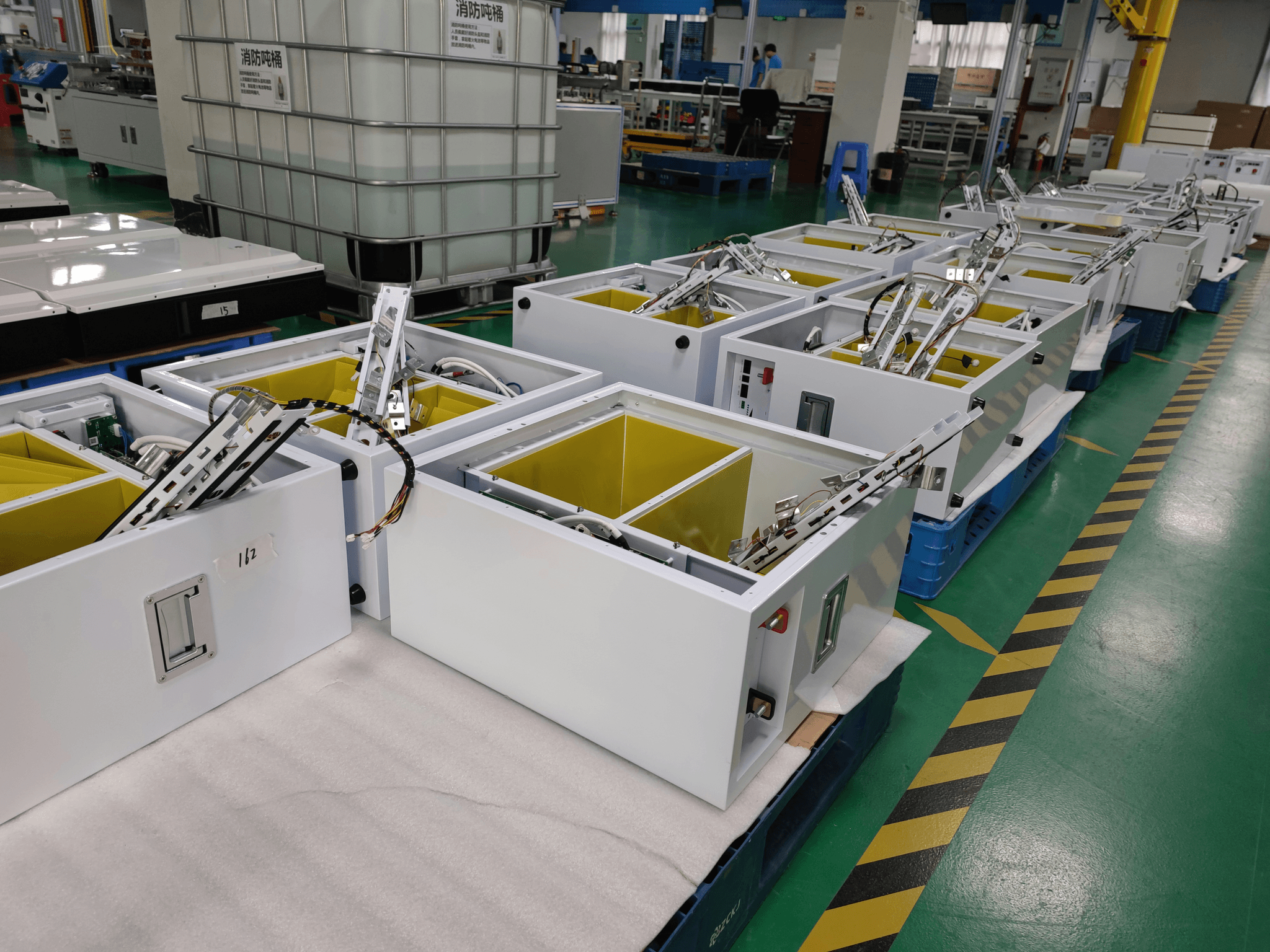
Understanding the landscape of Manufacturing LED Lights requires a keen eye on the Important LED Lighting Statistics You Need To Know. These figures shed light on industry trends, quality control challenges, and opportunities for improvement. By analyzing this data, manufacturers can identify weak spots—like LED Light Failure Rates Can Be as High as 20% in Some Cases—and implement targeted strategies to boost product reliability and customer satisfaction.
Keeping tabs on these statistics helps businesses stay competitive and ensures their quality control of LED lighting remains top-notch. The numbers tell stories about production efficiency, material quality, and market expectations—all crucial for making informed decisions that reduce defects and enhance overall product excellence. Ignoring these insights risks falling behind in a fast-evolving industry where innovation and quality go hand in hand.
Trends Impacting LED Light Production
Recent trends reveal that the manufacturing of LED lights is increasingly influenced by technological advancements, environmental regulations, and consumer demand for energy-efficient solutions. As these factors evolve, so does the importance of monitoring important LED lighting statistics to gauge how well your processes align with industry shifts. For instance, data shows that companies investing in smart lighting technology see a significant reduction in failure rates over time—a testament to how embracing innovation improves quality control of LED lighting.
Moreover, global supply chain disruptions have led to fluctuations in raw material quality—directly impacting manufacturing LED lights' consistency. Staying updated with relevant statistics allows manufacturers to anticipate potential pitfalls before they escalate into costly failures or high defect rates. When you understand current trends impacting production, you can proactively adjust your strategies to maintain high standards amidst changing circumstances.
Benchmarking Against Industry Standards
Benchmarking is essential when it comes to evaluating your manufacturing processes against industry standards for quality control of LED lighting. Important LED lighting statistics serve as benchmarks—such as acceptable failure rates or production throughput—that help identify gaps in your operations. For example, while some manufacturers struggle with high failure rates—sometimes reaching 20%—top performers keep their failure rates below 10%, showcasing the impact of rigorous quality control measures.
Regularly comparing your metrics with those industry standards provides clarity on where improvements are needed most urgently. It also helps set realistic goals for reducing issues like inconsistent brightness or early product failures—common problems linked to subpar manufacturing practices. Staying aligned with these benchmarks ensures your business remains competitive while delivering reliable products that meet customer expectations.
Interpreting Data to Improve Manufacturing Processes
Interpreting important LED lighting statistics is not just about collecting numbers; it’s about translating data into actionable insights that enhance manufacturing processes. For instance, analyzing failure rate trends over time can reveal whether recent changes in raw materials or inspection protocols are effective or if further adjustments are necessary—they’re critical steps toward improving the overall quality control of LED lighting.
Data interpretation also highlights patterns such as recurring defects tied to specific batches or suppliers—helping pinpoint root causes behind high failure rates which can sometimes be as alarming as 20%. Armed with this knowledge, manufacturers can implement targeted interventions like enhanced testing technologies or staff training programs designed explicitly to address identified weaknesses. Ultimately, harnessing these insights leads to smarter decision-making and continuous process improvement across all stages of manufacturing LEDs.
Optimizing Manufacturing Processes for Better Quality
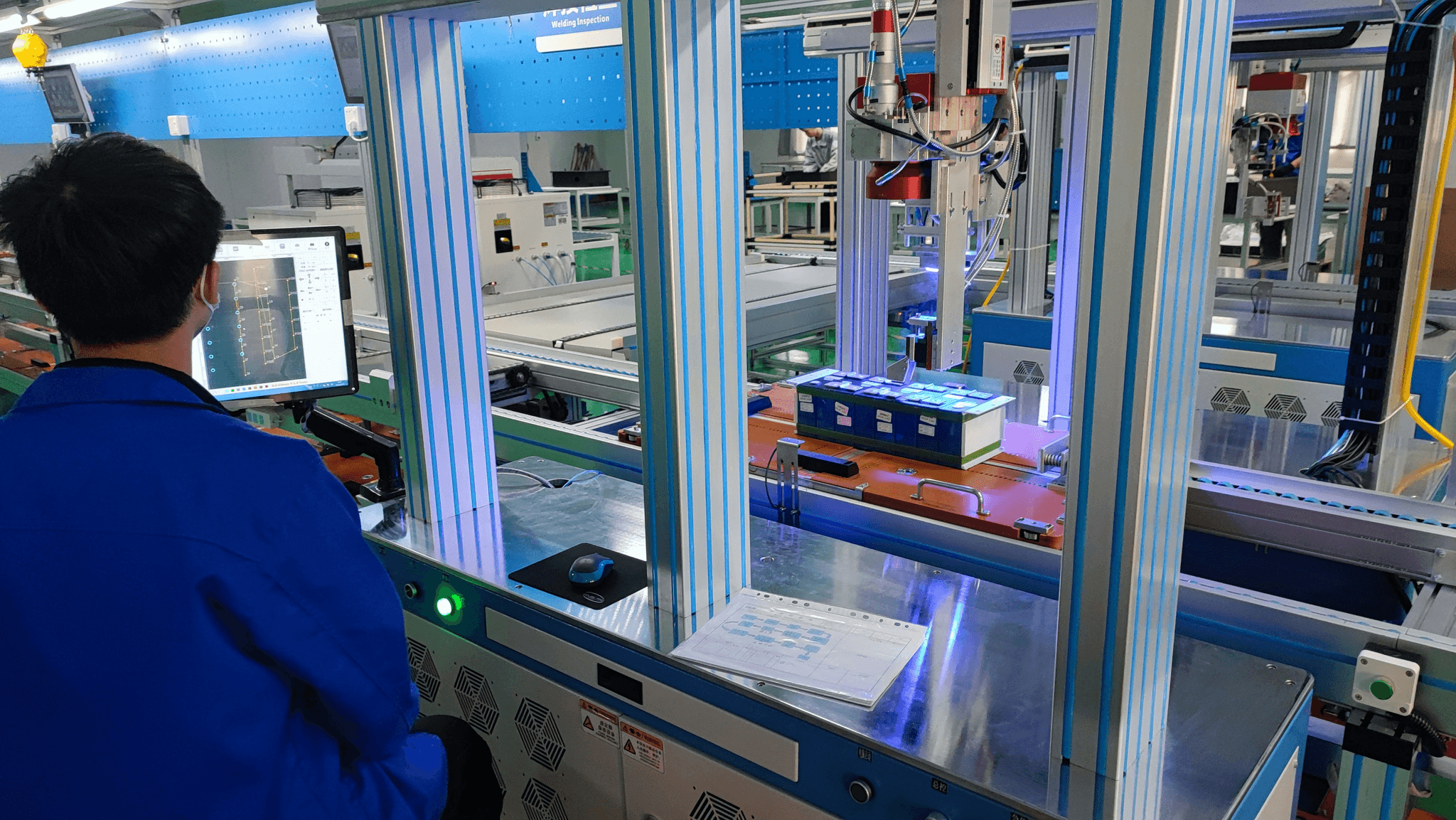
Improving the manufacturing process of LED lights is crucial to reduce LED Light Failure Rates, which can be as high as 20% in some cases. When you focus on optimizing every step of manufacturing LED lights, you not only enhance product reliability but also align with important LED lighting statistics you need to know. Streamlining these processes minimizes defects and ensures your LED lighting products meet market demands and customer expectations.
One effective way to achieve this is by adopting lean manufacturing techniques tailored specifically for the unique challenges of manufacturing LED lights. These techniques help eliminate waste, improve workflow efficiency, and focus on quality control of LED lighting throughout production. By doing so, manufacturers can significantly cut down on costly rework and reduce failure rates, making their products more competitive in a crowded marketplace.
Continuous improvement methods are also vital in refining manufacturing processes for better quality. Regularly analyzing important LED lighting statistics you need to know allows companies to identify bottlenecks or recurring issues that impact product durability. Implementing strategies like Six Sigma or Kaizen fosters a culture of ongoing enhancement—crucial when striving for consistent quality control of LED lighting and lowering failure rates over time.
Staff training and skill development should never be overlooked when optimizing manufacturing processes. Well-trained staff are more adept at spotting potential issues early, ensuring quality control of LED lighting remains high from raw material input to final inspection. Investing in ongoing education helps reduce mistakes that lead to defective products, which directly impacts failure rates and overall product excellence.
Incorporating these strategies creates a robust foundation for manufacturing LED lights with superior quality standards. As industry benchmarks evolve and new technologies emerge, staying committed to lean principles and continuous improvement will keep your production line ahead of the curve—delivering reliable LEDs that meet or exceed market expectations.
Regulatory Compliance and Certifications
Navigating the labyrinth of global standards for Manufacturing LED Lights can feel like decoding an ancient script. With markets worldwide demanding adherence to specific certifications, understanding these requirements is crucial for staying competitive. Ignoring important LED lighting statistics you need to know about compliance can lead to costly delays and failed product launches, especially when LED Light Failure Rates Can Be as High as 20% in Some Cases if standards aren’t met.
Ensuring your Manufacturing LED Lights meet market requirements isn’t just about ticking boxes; it’s about building trust with customers and avoiding regulatory pitfalls. Different regions have their own sets of guidelines—think CE in Europe, UL in North America, or CCC in China—each demanding rigorous quality control of LED lighting. Being aware of these standards helps prevent high failure rates that could tarnish your brand’s reputation and impact overall sales.
The role of China Inspection Pro in certification support has become increasingly vital as businesses expand globally. They assist manufacturers in navigating complex certification processes, ensuring that products comply with international standards efficiently. Leveraging their expertise can reduce the risk of non-compliance, which is especially important given how important LED lighting statistics you need to know are trending towards stricter regulations and higher quality expectations across market
Conclusion
Prioritizing quality control of LED lighting is essential for manufacturing LED lights that stand out in a competitive market. By focusing on important LED lighting statistics you need to know, businesses can identify areas for improvement and prevent costly defects. Remember, LED light failure rates can be as high as 20% in some cases, making rigorous quality control of LED lighting not just a best practice but a necessity for success.
Prioritizing Quality Control of LED Lighting for Success
Ensuring the quality control of LED lighting should be at the top of every manufacturer’s agenda. When manufacturing LED lights, neglecting this step can lead to high failure rates and dissatisfied customers. Staying vigilant with quality inspections helps catch issues early, reducing the risk of defective products reaching the market and damaging your brand reputation.
Leveraging Industry Statistics for Continuous Improvement
Important LED lighting statistics you need to know provide valuable insights into industry trends and common pitfalls in manufacturing LED lights. Analyzing these data points allows manufacturers to benchmark their processes against industry standards and implement targeted improvements. Consistently leveraging such statistics ensures your production process evolves with market demands while minimizing failure rates.
Partnering with Experts to Reduce Failure Rates and Boost Product Excellence
Partnering with experienced specialists in quality control of LED lighting can significantly reduce failure rates—especially since they can help address issues where failure rates may reach as high as 20%. Collaborating with trusted evaluation providers ensures your products meet international standards and certifications, boosting overall product excellence. Remember, reducing failure rates below 10% isn’t just a goal; it’s achievable through strategic partnerships and continuous process refinement.