
Introduction

Understanding the intricacies of steel manufacturing reveals a common challenge: the Plate Lamination Defect. This defect, particularly in Carbon Steel Plates, can compromise structural integrity and lead to costly repairs or failures if not properly identified early. Recognizing what causes a Plate Lamination Defect and how it manifests is essential for maintaining high-quality standards across industries.
Identifying the causes of a Plate Lamination Defect matters significantly for quality control because it allows manufacturers to implement corrective measures before these flaws escalate. A Carbon Steel Plate Lamination Defect might seem minor at first glance, but its presence can weaken the entire structure over time. By understanding why these laminations occur, companies can reduce rejection rates and ensure their products meet strict standards.
Inspection standards play a crucial role in preventing Plate Lamination Defects from slipping through the cracks. Establishing clear Plate Lamination Defect Acceptance Criteria helps inspectors differentiate between acceptable imperfections and critical flaws needing rejection. Proper adherence to these criteria, combined with advanced inspection services like China Inspection Pro, ensures that any potential issues are caught early—saving time, money, and reputation in the long run.
Material Quality and Composition

The foundation of a strong, defect-free steel plate lies in the quality of its raw materials. When it comes to preventing a Plate Lamination Defect, the initial quality of carbon steel used by manufacturers plays a pivotal role. Poor-quality carbon steel can introduce inconsistencies that may manifest later as lamination issues, making it essential to scrutinize the material's origin and specifications to meet Plate Lamination Defect Acceptance criteria.
Variability in raw material processing is another sneaky culprit behind the formation of Carbon Steel Plate Lamination Defects. Even slight deviations during melting, casting, or rolling can create internal stresses or inclusions that compromise the plate’s integrity. Such inconsistencies often escape initial inspections but can cause lamination defects down the line, emphasizing why strict adherence to Plate Lamination Defect Acceptance criteria is critical during procurement.
Material inconsistencies—whether from impurity levels, uneven alloy distribution, or improper cooling—are notorious for leading to lamination issues within steel plates. These flaws weaken the cohesion between layers and increase susceptibility to Plate Lamination Defect formation during manufacturing or service life. Ensuring uniform composition aligned with Plate Lamination Defect Acceptance criteria helps manufacturers minimize these risks and produce more reliable steel plates.
Manufacturing Process and Heat Treatment
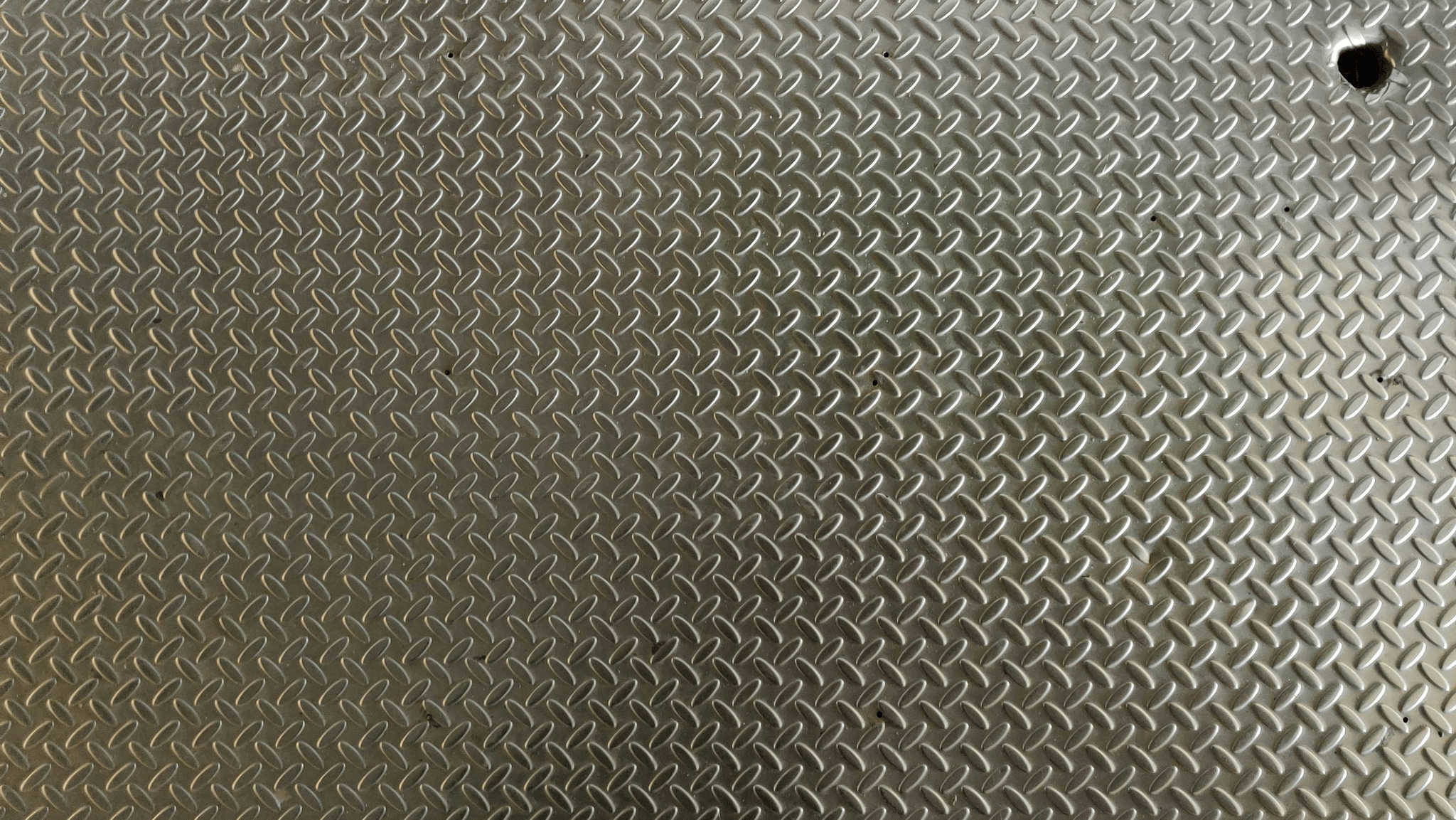
The manufacturing process plays a pivotal role in the development of a Carbon Steel Plate Lamination Defect. Welding and hot rolling, if not carefully controlled, can introduce internal stresses or microstructural inconsistencies that lead to lamination issues. These defects often originate during these stages, making it crucial to adhere strictly to Plate Lamination Defect acceptance criteria to prevent compromised plate integrity.
During heat treatment, improper procedures can significantly contribute to a Plate Lamination Defect in steel plates. Common mistakes such as uneven heating or rapid cooling cause internal tensions that foster laminar separations within the material. Following proper heat treatment protocols aligned with Plate Lamination Defect acceptance criteria helps ensure the steel's cohesion remains intact, reducing the risk of laminations forming.
Ensuring proper cooling rates after hot rolling or heat treatment is essential for preventing a Carbon Steel Plate Lamination Defect. Rapid cooling might trap residual stresses, while overly slow cooling can promote unwanted microstructures leading to lamination tendencies. Strictly monitoring and controlling cooling processes according to industry standards ensures the steel's structural integrity stays intact and conforms with Plate Lamination Defect acceptance criteria.
Inspection and Quality Control Measures
Effective inspection and quality control measures are vital in preventing Plate Lamination Defects, especially in carbon steel plates. These defects can compromise the structural integrity of steel plates, making early detection through rigorous standards essential. Implementing strict Plate Lamination Defect acceptance criteria ensures that only plates meeting quality benchmarks proceed to use, reducing costly failures down the line.
Modern inspection services like China Inspection Pro play a crucial role in identifying subtle signs of Plate Lamination Defects during production. These services utilize advanced non-destructive testing techniques to detect hidden laminations that may not be visible to the naked eye. By adhering to comprehensive Plate Lamination Defect acceptance criteria, inspectors can differentiate between acceptable variances and critical flaws, safeguarding project integrity.
Continuous monitoring during manufacturing is one of the best practices to catch potential issues early on. Regular inspections help identify signs of Carbon Steel Plate Lamination Defect before they escalate into major problems. Incorporating real-time quality checks aligned with Plate Lamination Defect acceptance criteria allows manufacturers to maintain high standards and minimize defective outputs.
Storage and Handling Factors
Proper storage and handling are crucial in preventing a Carbon Steel Plate Lamination Defect from developing into a full-blown issue. When plates are stored improperly, the chances of introducing or exacerbating a Plate Lamination Defect increase significantly, often leading to rejection based on Plate Lamination Defect Acceptance criteria. Ensuring that plates are cared for during storage and transportation can save manufacturers from costly rework or scrap.
Consequences of Improper Storage Conditions
Storing steel plates in humid or damp environments can trigger moisture infiltration, which weakens the internal cohesion of the plate and promotes lamination formation. A Carbon Steel Plate Lamination Defect might develop or worsen if plates are left exposed to fluctuating temperatures and humidity levels, failing to meet the Plate Lamination Defect Acceptance criteria during inspection. Such conditions compromise the structural integrity of the steel, making them more susceptible to defects once processed or put into service.
Effects of Mechanical Stress During Transportation
Mechanical stress inflicted during transportation—such as stacking mishaps, improper loading, or sudden impacts—can induce microcracks and exacerbate existing Plate Lamination Defects in steel plates. These stresses may cause delamination or separation within the layers of a plate, which then become apparent during final inspection against Plate Lamination Defect Acceptance criteria. Careful handling protocols are essential to prevent external forces from turning minor issues into major defects that jeopardize quality.
Preventative Measures to Safeguard Plates Before Use
To keep a Carbon Steel Plate Lamination Defect at bay before use, implement strict handling procedures like using protective coverings, avoiding stacking heavy loads directly on plates, and ensuring proper support during transport. Regularly inspecting storage areas for environmental control can also help maintain optimal conditions aligned with Plate Lamination Defect Acceptance criteria standards. Remember: proactive measures today mean fewer surprises tomorrow when it comes time for inspection.
Environmental and External Influences
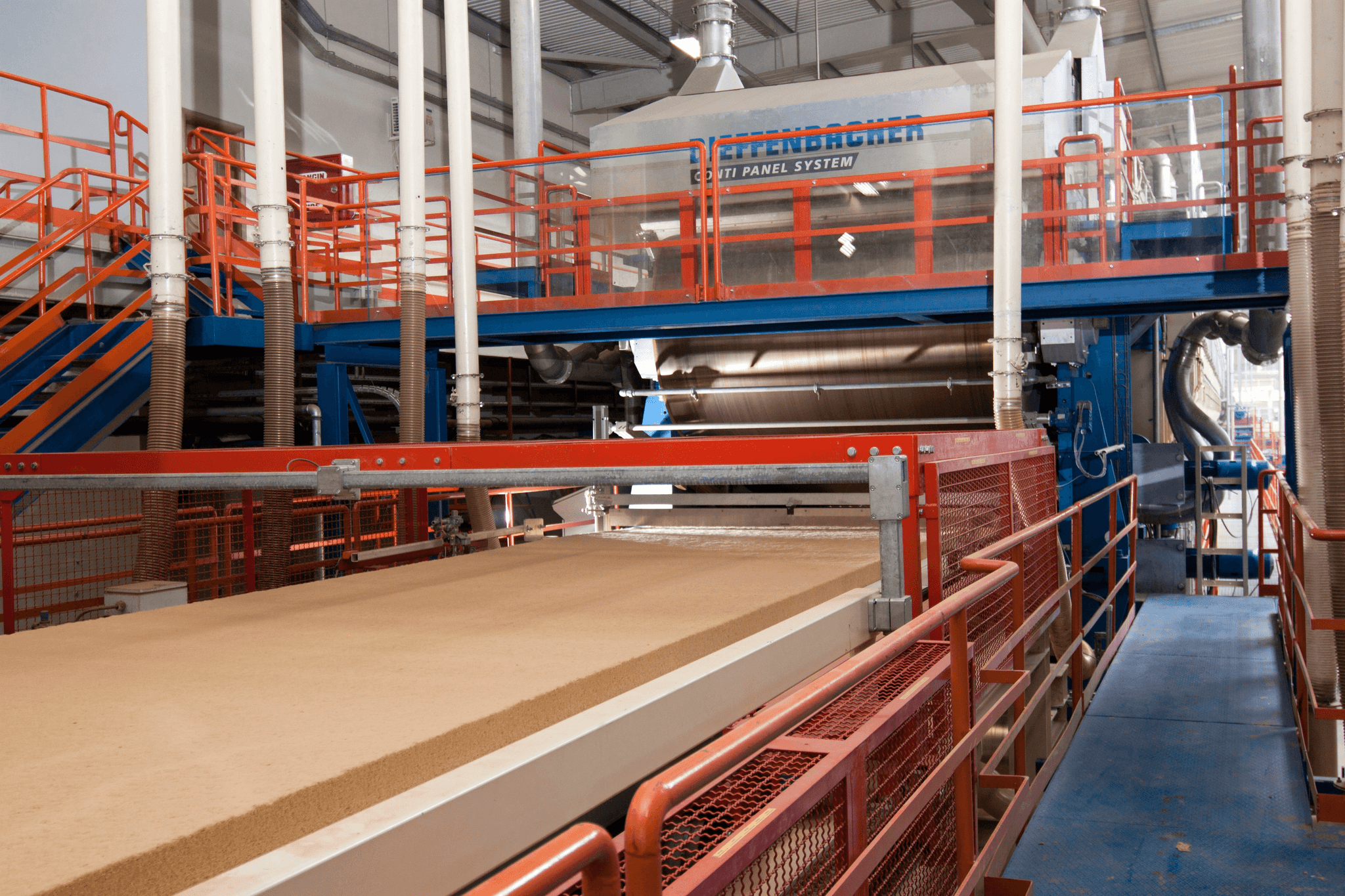
External environmental factors play a significant role in exacerbating issues related to Plate Lamination Defect, especially in Carbon Steel Plate Lamination Defect scenarios. Fluctuations in humidity and temperature can cause internal stresses within the steel, making lamination more likely to develop or worsen over time. Recognizing these influences is crucial for maintaining the integrity of steel plates and ensuring they meet Plate Lamination Defect acceptance criteria.
Influence of Humidity and Temperature Fluctuations
Humidity levels and temperature swings are silent culprits behind many Carbon Steel Plate Lamination Defect cases. When steel plates are exposed to high humidity, moisture can infiltrate surface imperfections, weakening the cohesion between layers and promoting lamination formation. Sudden temperature changes further induce thermal stresses, which can trigger or amplify a Plate Lamination Defect if not properly managed according to Plate Lamination Defect acceptance criteria. Proper storage environments that control these variables are essential for preventing such defects from escalating.
Contamination and Its Impact on Plate Cohesion
Contaminants like oil, dirt, or rust particles on steel surfaces compromise the natural bonding process necessary for strong plates, thereby increasing the risk of a Plate Lamination Defect. In Carbon Steel Plates, even microscopic impurities can create weak points that facilitate delamination under stress or environmental exposure. Adhering strictly to Plate Lamination Defect acceptance criteria includes routine cleaning protocols to minimize contamination risks that could lead to cohesion failure.
Strategies to Minimize External Damage Risks
Preventative measures such as climate-controlled storage facilities and protective coverings significantly reduce external damage risks that lead to Plate Lamination Defects. Implementing strict handling procedures during transportation prevents mechanical stresses that might cause internal fractures or delamination—key contributors to lamination issues in carbon steel plates. Regular inspections aligned with established Plate Lamination Defect acceptance criteria ensure early detection of external influences compromising plate integrity before they escalate into major defects.
Common Industry Mistakes and Their Prevention
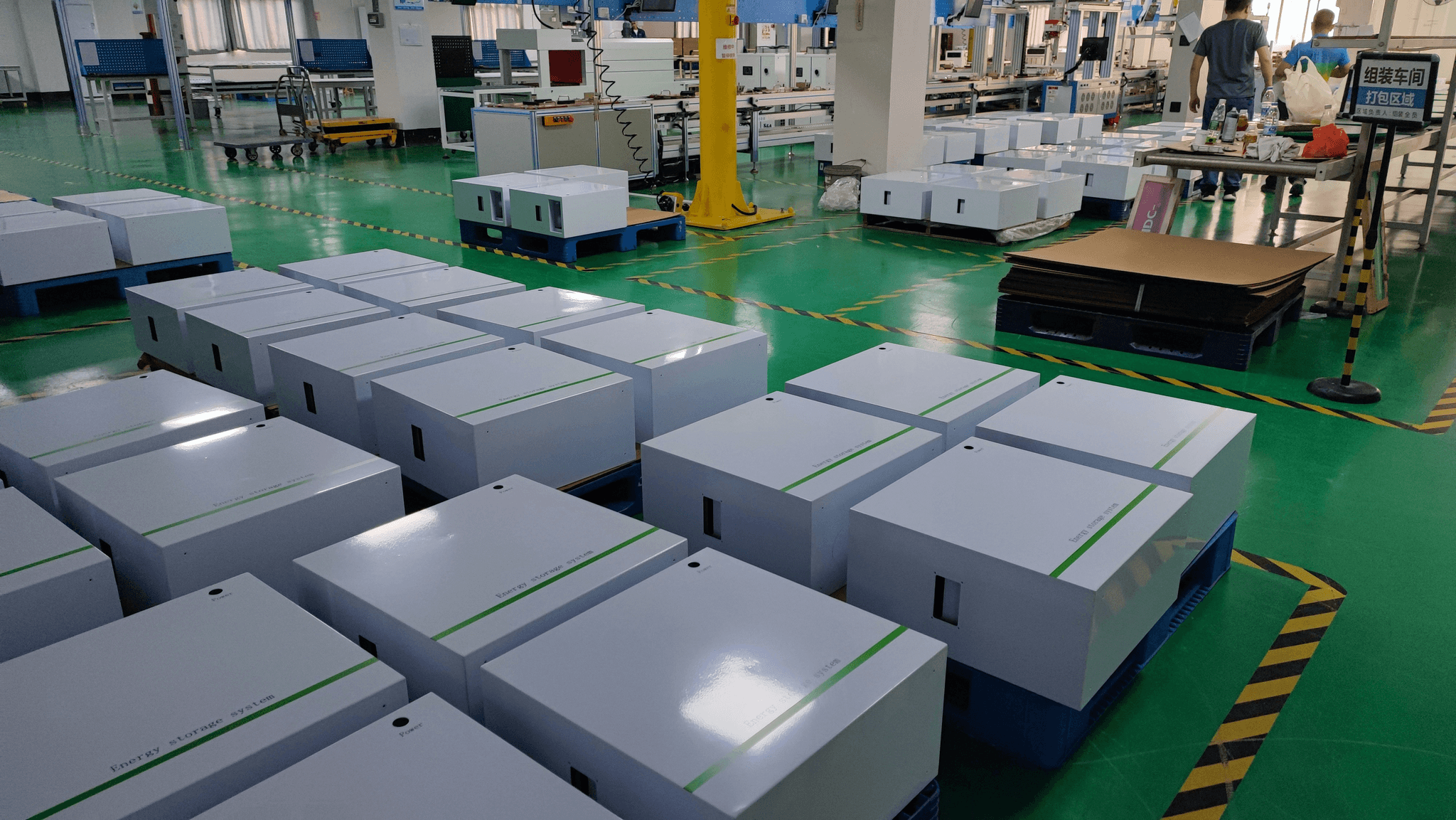
Many industries underestimate the importance of proper procedures when it comes to preventing Plate Lamination Defect in steel plates. One of the most overlooked mistakes is neglecting to verify the Carbon Steel Plate Lamination Defect through comprehensive certification and traceability checks. Without clear documentation, it becomes difficult to identify root causes or ensure that the plates meet established Plate Lamination Defect Acceptance criteria, which are crucial for quality assurance.
Another frequent error is neglecting periodic equipment maintenance, especially in processes involving hot rolling or welding. Equipment that's not regularly serviced can introduce inconsistencies leading to a Carbon Steel Plate Lamination Defect, often slipping past inspection standards. Failing to adhere to proper maintenance routines jeopardizes the integrity of manufacturing processes and increases the risk of defective plates that do not conform with Plate Lamination Defect Acceptance criteria.
Lastly, neglecting staff training on laminations and defect recognition can significantly contribute to recurring issues with plate quality. When workers are unaware of how a Plate Lamination Defect manifests or how it impacts structural integrity, defective plates might be accepted or mishandled during inspection. Proper training ensures everyone understands the importance of adhering to Plate Lamination Defect Acceptance criteria, ultimately reducing costly errors and improving overall product reliability.
Conclusion
Maintaining elevated inspection standards is crucial in reducing the occurrence of Plate Lamination Defects, especially in carbon steel plates. When inspection criteria are stringent, potential Plate Lamination Defects are identified early, preventing costly rework and ensuring the structural integrity of the final product. Adhering to strict Plate Lamination Defect acceptance criteria helps manufacturers uphold quality and avoid lamination issues that could compromise safety or performance.
Implementing proactive quality measures plays a pivotal role in tackling the root causes of carbon steel plate lamination defects. Regular training, process audits, and real-time monitoring contribute to catching issues before they develop into full-blown Plate Lamination Defects. By focusing on prevention aligned with Plate Lamination Defect acceptance criteria, companies can significantly decrease defect rates and improve overall product reliability.
Ensuring compliance with established Plate Lamination Defect acceptance criteria is essential for consistent quality assurance across industries. Clear guidelines help standardize inspections and set realistic thresholds for acceptable laminations, fostering confidence among clients and regulators alike. When organizations prioritize these criteria, they reinforce their commitment to producing defect-free plates and minimizing the risk of carbon steel plate lamination defects slipping through the cracks.