
Introduction

Pipeline Wrapping and Coating are critical steps in ensuring the longevity of pipelines exposed to harsh environments, corrosive elements, and mechanical stresses. Proper application of wrapping overlap, combined with a well-planned working sequence, can significantly extend the life of pipeline infrastructure. When these processes are executed with precision, backed by thorough cleaning and rigorous inspection and testing, the risk of future failures diminishes dramatically.
Ensuring that the right material is selected for each specific environment is vital; this choice influences how well the pipeline withstands environmental challenges over time. Industry leaders emphasize developing a robust working sequence to optimize efficiency while maintaining high standards for quality control. By meticulously managing wrapping overlap and adhering to strict inspection protocols, they guarantee long-term protection and operational reliability for their pipeline systems.
Fundamentals of Pipeline Wrapping and Coating
Understanding the essentials of Pipeline Wrapping and Coating is critical for ensuring long-term pipeline integrity. Proper application involves more than just slapping on materials; it requires meticulous attention to details like wrapping overlap, cleaning procedures, and selecting the right material for specific environments. When these fundamentals are well understood, the entire working sequence becomes smoother, leading to fewer flaws and better inspection outcomes down the line.
A key aspect of Pipeline Wrapping and Coating is mastering wrapping overlap best practices. Ensuring consistent overlap not only prevents water ingress but also enhances durability over decades of service. A common mistake is underestimating how crucial proper overlap is—skimping on this step can compromise the entire protection system. Incorporating rigorous inspection and testing at each stage helps verify that the wrapping overlaps are correctly applied, maintaining high quality throughout the process.
Choosing the right material for different environments forms another cornerstone of successful Pipeline Wrapping and Coating projects. Whether dealing with corrosive soils or aggressive chemicals, selecting an appropriate material ensures longevity and reduces maintenance costs. The working sequence must include thorough assessment of environmental factors so that materials like fusion bonded epoxy or polyurethane are compatible with pipeline contents and conditions, minimizing future issues during inspection.
Before any coating or wrapping begins, cleaning is a non-negotiable step in pipeline protection. Dirt, rust, or old coatings can jeopardize adhesion, leading to premature failure despite excellent material choice. A proper cleaning protocol sets the foundation for a flawless application process—this step directly impacts inspection results by providing a clean surface that allows for accurate testing later on.
The importance of integrating all these elements—wrapping overlap standards, suitable materials selection, and rigorous cleaning—cannot be overstated in developing an effective working sequence. An optimized process minimizes rework while maximizing protection against corrosion or mechanical damage over time. When inspection and testing are embedded into each phase from start to finish, it ensures that every layer of Pipeline Wrapping and Coating adheres to quality benchmarks.
Developing a Robust Working Sequence
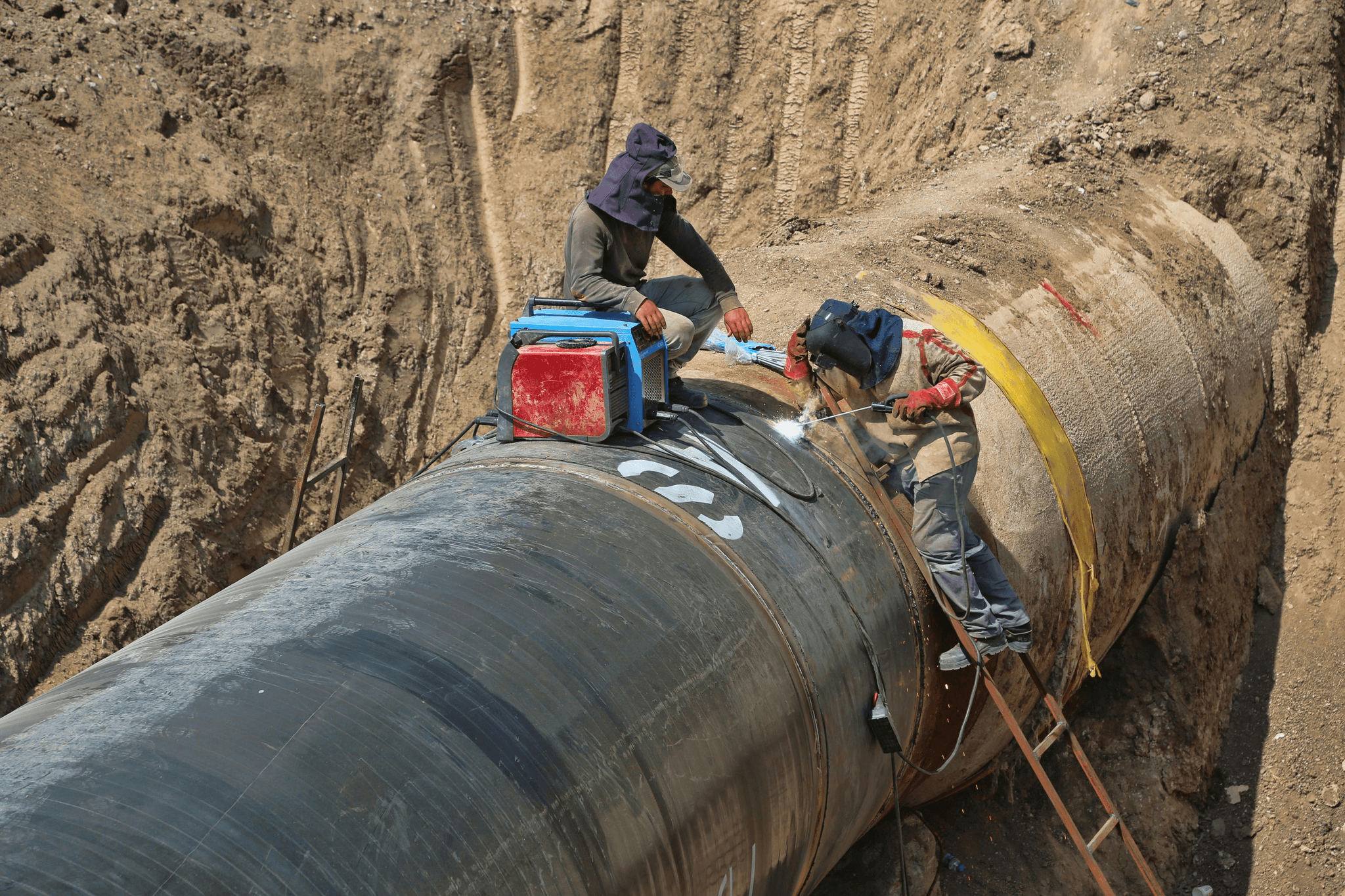
Creating a flawless working sequence for pipeline wrapping and coating is essential to ensure long-term durability and prevent costly repairs down the line. This process involves meticulous planning of each step, from surface preparation to final inspection, all geared toward maximizing material performance and minimizing errors. A well-structured working sequence not only boosts efficiency but also guarantees that every layer of wrapping overlap adheres perfectly, providing the best protection against environmental factors.
The key to a successful pipeline wrapping and coating project lies in understanding how each phase influences the next. Proper cleaning before applying any material removes contaminants that could compromise adhesion or cause defects later. Once the surface is spotless, following a precise step-by-step procedure ensures consistent application of materials, which is vital for maintaining optimal wrapping overlap and overall quality control during inspection and testing stages.
Optimizing your working sequence involves carefully sequencing tasks so that each step flows seamlessly into the next without unnecessary delays or rework. For example, scheduling cleaning immediately before coating application prevents dirt or moisture from settling on freshly prepared surfaces. When dealing with complex pipeline geometries, such as bends or tees, adapting your sequence ensures thorough coverage while avoiding missed spots or uneven coatings that could jeopardize long-term integrity.
Step-by-Step Coating and Wrapping Procedures
Start with comprehensive cleaning of the pipeline surface to remove dirt, oil, rust, or old coatings—this is crucial for effective adhesion of subsequent materials in pipeline wrapping and coating projects. Next, inspect the cleaned surface using visual inspection techniques to identify any flaws or irregularities needing correction before proceeding further. Once verified clean and defect-free, apply an appropriate primer if required; this enhances bonding between the pipe surface and protective materials.
The core of your working sequence involves applying wrapping materials with precise overlapping—typically ensuring at least 10-15% wrap overlap—to guarantee continuous protection against corrosion agents. During this process, maintain consistent tension on the wrapping material to prevent slack or gaps that could compromise integrity over time. After completing each layer of wrapping over the entire length of the pipe segment, perform immediate inspection using non-destructive testing methods to verify uniform coverage and adherence.
Finally, conduct a thorough post-application inspection focusing on wrap overlaps—making sure they meet specified standards—and document all findings for quality assurance purposes. This systematic approach ensures every step aligns with best practices in pipeline coating procedures while reinforcing the importance of proper cleaning prior to coating application for optimal results.
Sequence Optimization for Efficiency and Quality
Efficiency in developing a robust working sequence hinges on strategic planning—sequencing tasks so that no time is wasted waiting for one process to finish before starting another. For instance, scheduling cleaning activities early allows ample time for drying before applying coatings; this reduces delays caused by residual moisture affecting material adhesion in pipeline wrapping procedures. By aligning inspection checkpoints after critical steps like cleaning or coating application, teams can quickly catch issues related to inadequate material compatibility or insufficient wrap overlap.
Incorporating modern tools such as digital checklists and real-time monitoring during inspection stages enhances overall quality control while streamlining workflow management within your work sequence. When handling complex geometries like elbows or tees during pipeline wrapping and coating projects, adapt your sequence by employing specialized tools designed for these shapes—this minimizes errors related to uneven coverage or improper wrap overlaps at tricky spots. Ultimately, optimizing your work sequence not only accelerates project timelines but also elevates safety standards by reducing rework caused by overlooked flaws during initial inspections.
Handling Complex Pipeline Geometries
Complex geometries present unique challenges when executing pipeline wrapping and coating processes; tight bends or irregular shapes demand extra attention during surface preparation as well as careful selection of materials suited for intricate applications. In these scenarios, meticulous cleaning becomes even more critical because dirt trapped within crevices can impair adhesion if not properly addressed beforehand—a reminder that thorough cleaning sets the stage for successful protection layers later on.
To maintain consistent wrap overlap across complex shapes without sacrificing quality during inspection phases requires innovative techniques such as pre-forming wraps tailored specifically for bends or using flexible materials capable of conforming snugly around irregular surfaces—all integral parts of an effective working sequence plan aimed at ensuring durability over time through proper material selection combined with strategic handling procedures.
When managing challenging geometries in pipeline projects involving wrapping overlap standards are crucial; inadequate overlaps can lead to vulnerable points prone to corrosion failure later down the line. Therefore, developing specialized procedures within your work sequence—such as employing flexible tapes or adjustable tension devices—helps achieve uniform coverage regardless of shape complexity while maintaining high standards during inspection stages focused on flaw detection and testing accuracy.
Material Selection and Compatibility
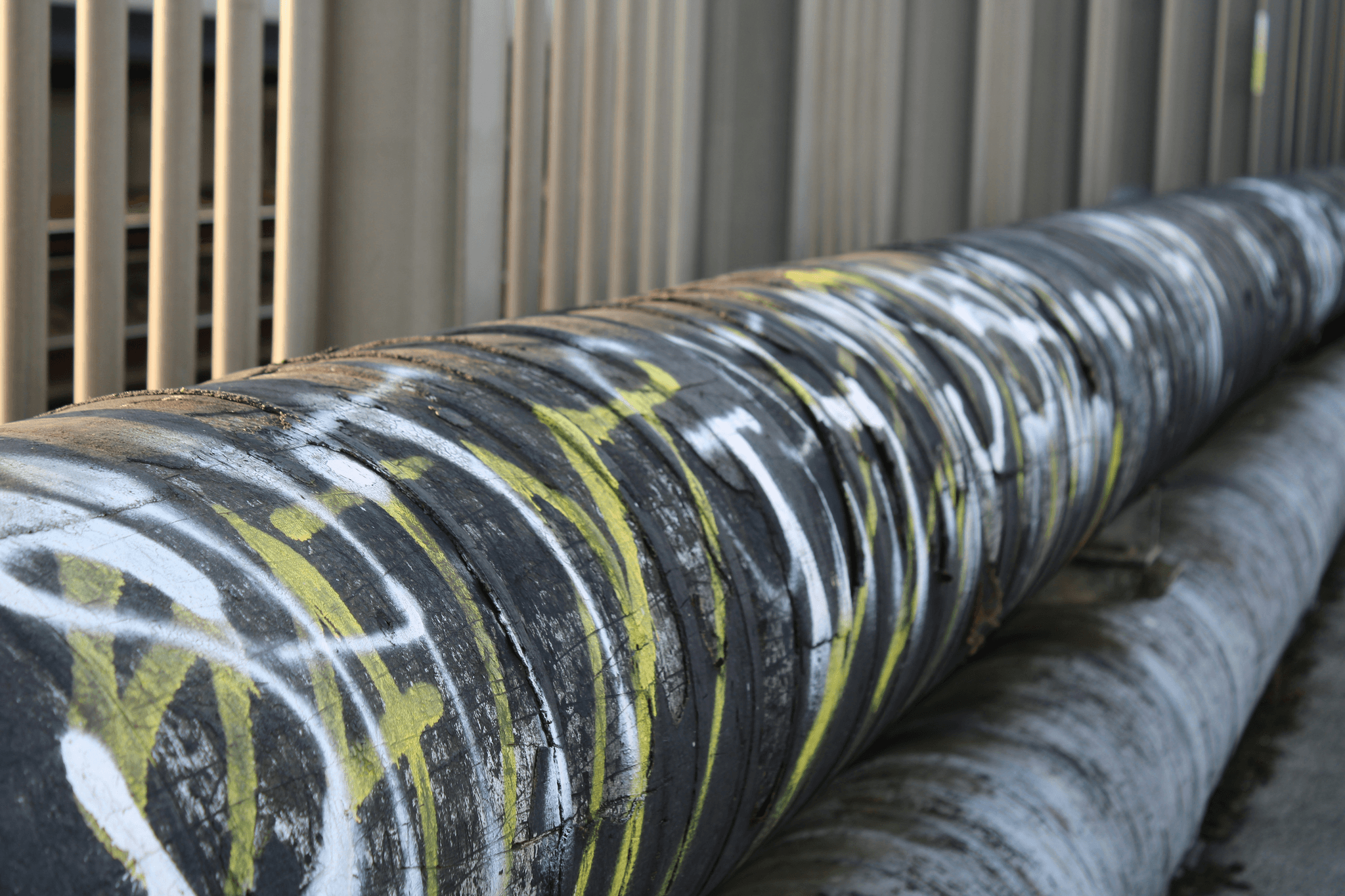
Choosing the right materials for pipeline wrapping and coating is a critical step in ensuring long-term durability and performance. Not all materials play nicely with every environment or pipeline content, making compatibility a top priority. Additionally, selecting innovative materials can sometimes offer superior protection, especially in challenging conditions where traditional options fall short.
Comparing Common Wrapping Materials like Fusion Bonded Epoxy and Polyurethane
Fusion Bonded Epoxy (FBE) and polyurethane are two popular choices in pipeline wrapping and coating applications, each with their unique strengths. FBE offers excellent corrosion resistance and adhesion, making it ideal for underground pipelines where moisture is relentless. Polyurethane, on the other hand, provides flexible protection against mechanical damage and environmental stressors; it's often used for above-ground pipelines exposed to weather elements.
When considering wrapping overlap—a vital aspect of proper pipeline protection—both materials require precise application techniques to prevent leaks or corrosion pathways. The working sequence during installation must account for material properties to ensure seamless coverage without gaps or overlaps that could compromise integrity over time. Proper cleaning before applying these coatings is essential; any dirt or rust can jeopardize adhesion, leading to inspection failures down the line.
Ensuring Material Compatibility with Pipeline Contents
Material choice doesn't end at environmental factors—compatibility with what's flowing inside the pipeline is equally crucial. Certain chemicals or fluids can react adversely with specific coatings or wrapping materials, causing degradation that undermines long-term durability. Conducting thorough inspection and testing before installation helps identify potential incompatibilities early on.
In this context, understanding how different materials interact within the working sequence ensures optimal performance throughout the pipeline’s lifespan. For example, if a pipeline transports aggressive chemicals, selecting a compatible coating becomes non-negotiable; otherwise, even minor flaws in wrapping overlap could lead to costly repairs later on.
When to Opt for Innovative Materials
Sometimes standard options like fusion bonded epoxy or polyurethane aren’t enough—this is when innovative materials come into play. These advanced solutions offer enhanced chemical resistance, flexibility, or even self-healing properties that traditional coatings lack. Deciding when to incorporate such materials depends heavily on project specifications and inspection results during initial testing phases.
Incorporating innovative materials into your pipeline protection plan demands meticulous planning within your working sequence—each step must be tailored to maximize their benefits while maintaining strict quality control through regular inspection and testing protocols. When executed correctly, these cutting-edge solutions can significantly extend the lifespan of your pipeline by ensuring perfect wrapping overlap consistency and overall system integrity.
Inspection and Testing Protocols

Effective inspection and testing are the backbone of reliable pipeline wrapping and coating projects. They ensure that every layer of wrapping overlap is properly applied, the chosen material meets specifications, and the working sequence is correctly followed. Without rigorous protocols, even minor flaws can turn into major issues down the line, risking pipeline longevity and safety.
Visual Inspection Standards and Techniques
Visual inspection remains the first line of defense in maintaining high standards for pipeline wrapping and coating. Inspectors meticulously check for proper wrapping overlap to prevent exposure points that could compromise corrosion resistance. They also verify that all materials used are compatible with each other and that cleaning has been thoroughly performed before coating application; neglecting cleaning can lead to adhesion problems or premature failure.
Using standardized visual inspection techniques allows inspectors to identify surface irregularities such as cracks, blisters, or foreign contaminants early on. Consistent documentation of these inspections helps maintain a solid working sequence throughout the project lifecycle. Remember, a keen eye on wrap overlaps during visual checks can save countless headaches later by catching issues before they escalate.
Non-Destructive Testing Methods to Detect Flaws
While visual inspection catches many issues, non-destructive testing (NDT) methods provide a deeper dive into the integrity of pipeline wrapping and coating layers without damaging them. Techniques like ultrasonic testing or radiography help detect subsurface flaws such as voids or improper bonding between layers—critical factors influenced by proper cleaning procedures beforehand.
Implementing NDT protocols ensures that every segment adheres to quality standards related to material compatibility and application consistency within your working sequence. These tests are especially valuable when inspecting complex pipeline geometries where visual access might be limited but ensuring flawless wrapping overlap is still essential for long-term durability.
Leveraging China Inspection Pro for Quality Assurance
Partnering with organizations like China Inspection Pro elevates your quality assurance game by providing expert oversight tailored specifically for pipeline wrapping and coating projects. Their comprehensive inspection programs include both visual assessments and advanced NDT methods, ensuring every aspect—from material selection to application—is up to par.
By leveraging China Inspection Pro’s expertise, project managers can confidently confirm that their chosen materials are compatible with operating environments, their working sequence is optimized for efficiency, and all inspections meet international standards—especially regarding critical wrap overlaps necessary for long-term protection against corrosion.
Managing Wrapping Overlap and Quality Control
Effective management of wrapping overlap is crucial for ensuring the longevity of pipeline protection. When applying Pipeline Wrapping and Coating, attention to precise overlap measurements helps prevent vulnerabilities that could lead to corrosion or failure over time. Maintaining strict control over these overlaps ensures that the material provides continuous, long-term protection against environmental factors.
To achieve this, a well-planned working sequence is essential. Consistency in the application process minimizes gaps or overlaps that are too thin or thick, which can compromise the integrity of the coating system. Regular inspection and testing during each stage of the wrapping process allow teams to identify issues early, ensuring that each layer of material adheres properly and performs as intended.
In real-world projects, successful pipeline wrapping relies on meticulous coordination between cleaning procedures, material selection, and inspection protocols. A robust working sequence not only streamlines operations but also guarantees uniformity in wrapping overlap across complex geometries. Case studies demonstrate that when proper quality control measures are followed—such as precise overlap measurements and thorough inspection—pipelines remain protected for decades, even in challenging environments.
Conclusion
When it comes to Pipeline Wrapping and Coating, ensuring durability starts with a correct and comprehensive specification. A well-defined plan that emphasizes proper material selection, meticulous cleaning, and precise wrapping overlap sets the foundation for long-lasting protection. By paying close attention to the working sequence, operators can minimize errors and optimize application efficiency, ultimately extending the pipeline’s lifespan.
Integrating rigorous inspection and testing protocols into every stage of the pipeline protection process provides peace of mind. Regular visual inspections combined with non-destructive testing methods help detect flaws early, preventing costly repairs down the line. Emphasizing inspection and testing ensures that each layer of wrapping overlap adheres perfectly and that materials used are compatible with environmental conditions.
Partnering with industry experts is crucial for achieving excellence in Pipeline Wrapping and Coating projects. These specialists bring valuable insights into selecting the right material, maintaining a consistent working sequence, and conducting thorough inspections. Their expertise guarantees that every aspect—from cleaning to final testing—is executed flawlessly, resulting in a resilient pipeline ready to withstand harsh environments.