
Introduction
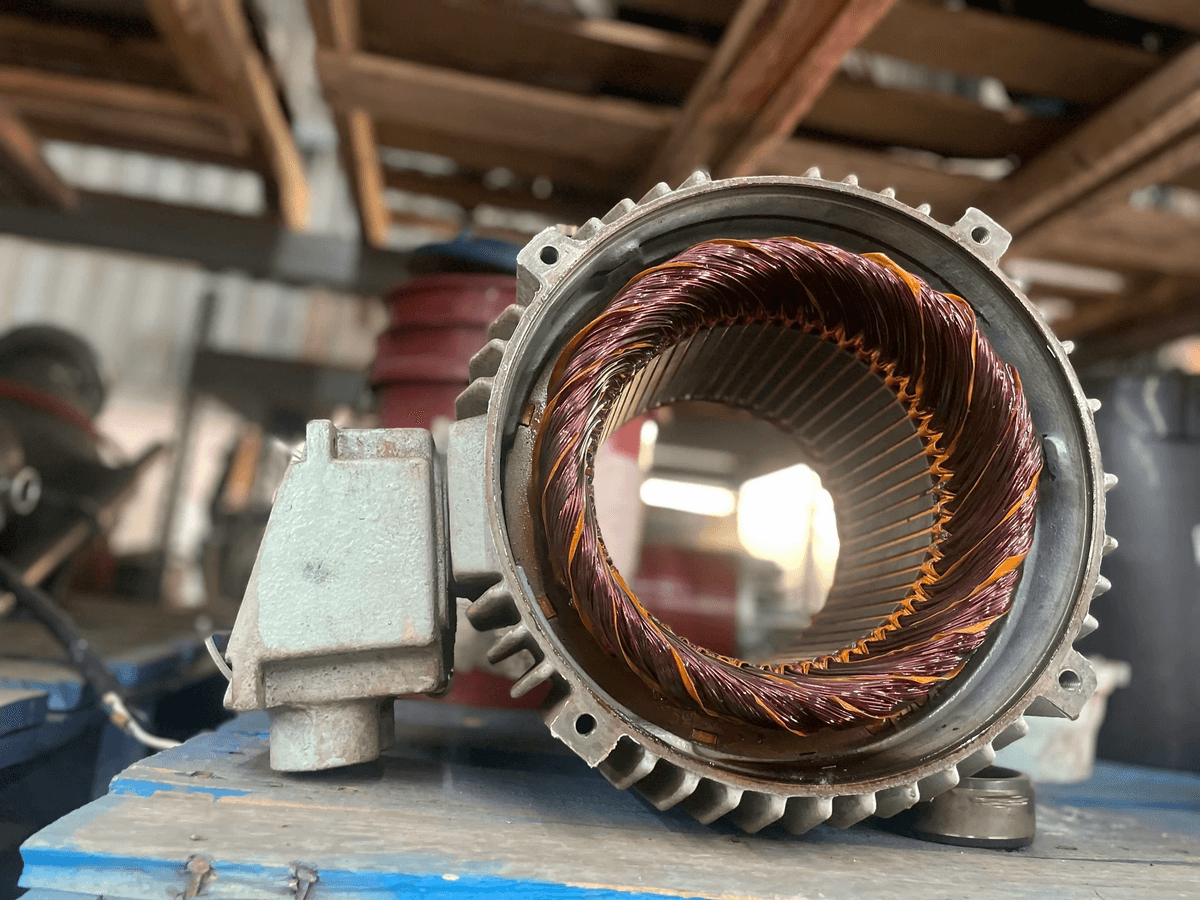
Induction Motor Testing is the unsung hero of the industrial world, ensuring that these vital machines run smoothly and efficiently. From routine testing to specialized procedures like the FAT Test, proper assessment prevents costly failures and keeps operations humming along. When it comes to reliability and longevity, a well-executed induction motor test is your best insurance policy.
Overcoming common challenges in motor performance verification can be tricky; factors like fluctuating temperature conditions and wear-and-tear often complicate accurate assessments. Incorporating tests such as Cold Winding Resistance Test, Temperature Sensor Resistance Test, and Bearing Temperature Test helps identify issues early before they escalate into major breakdowns. These steps are essential parts of a comprehensive induction motor testing program that safeguards your investment.
Ultimately, effective testing—whether through routine procedures or advanced methods like overspeed tests—ensures your motors stay dependable over time. Regularly conducting these tests not only verifies current performance but also provides insights for predictive maintenance strategies. By partnering with experts who understand the nuances of induction motor testing, you can significantly extend the lifespan of your equipment while maintaining peak efficiency.
Fundamentals of Induction Motor Testing
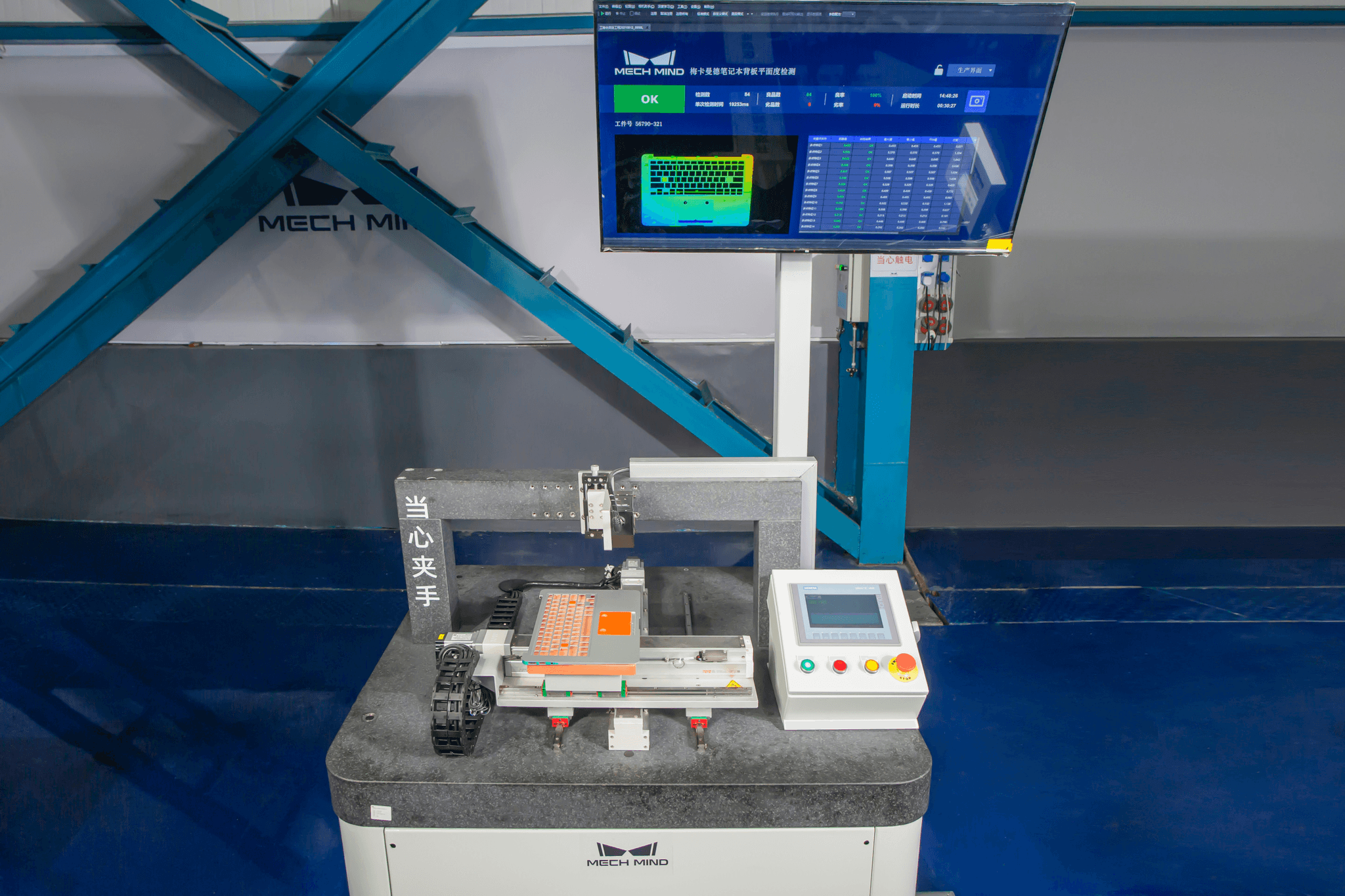
Induction Motor Testing is a critical process that helps ensure motors operate efficiently and reliably over their lifespan. It involves a series of tests designed to verify the motor’s performance, identify potential issues early, and prevent costly failures down the line. Whether it's routine testing or specialized procedures like the FAT Test, proper testing practices are essential for maintaining high standards in motor quality.
Routine Testing encompasses various key parameters that provide insights into the motor's health. These include measurements such as cold winding resistance, temperature sensor resistance, and bearing temperature checks. Regularly assessing these factors helps detect anomalies before they escalate into major problems, ultimately extending the motor's service life.
China Inspection Pro plays a vital role in elevating quality assurance through meticulous Induction Motor Testing services. Their expertise ensures that each test — from cold winding resistance to overspeed analysis — is performed with precision and consistency. Partnering with professionals like China Inspection Pro guarantees that every motor meets international standards and performs optimally in demanding industrial environments.
Essential Tests for Induction Motor Performance
Performing thorough Induction Motor Testing is crucial to ensure your equipment runs smoothly and reliably. These essential tests help identify potential issues early, saving you from costly downtime. Whether it's Routine Testing or more specialized procedures like the FAT Test, understanding each test's purpose can significantly improve your maintenance strategy.
Cold Winding Resistance Test Explained
The Cold Winding Resistance Test is a fundamental step in Induction Motor Testing that measures the resistance of the stator windings at room temperature. This test provides a baseline for motor health, helping detect issues like shorted turns or broken conductors. Regularly conducting this resistance test during Routine Testing ensures that any changes in winding resistance are caught early, preventing unexpected failures.
Conducting the Temperature Sensor Resistance Test
The Temperature Sensor Resistance Test is vital for monitoring the thermal health of your motor during operation. By measuring the resistance of temperature sensors embedded within the motor, technicians can accurately assess operating temperatures without invasive procedures. Incorporating this test into routine checks enhances predictive maintenance efforts and supports decisions related to scheduling repairs before overheating occurs.
Bearing Temperature Test for Predictive Maintenance
Bearings are often overlooked but critical components in Induction Motor Testing; their temperature should be closely monitored through Bearing Temperature Tests. Elevated bearing temperatures can signal lubrication issues or impending failure, making this test an essential part of predictive maintenance programs. Regularly conducting bearing temperature assessments helps prevent catastrophic breakdowns and extends motor longevity.
Advanced Testing Procedures
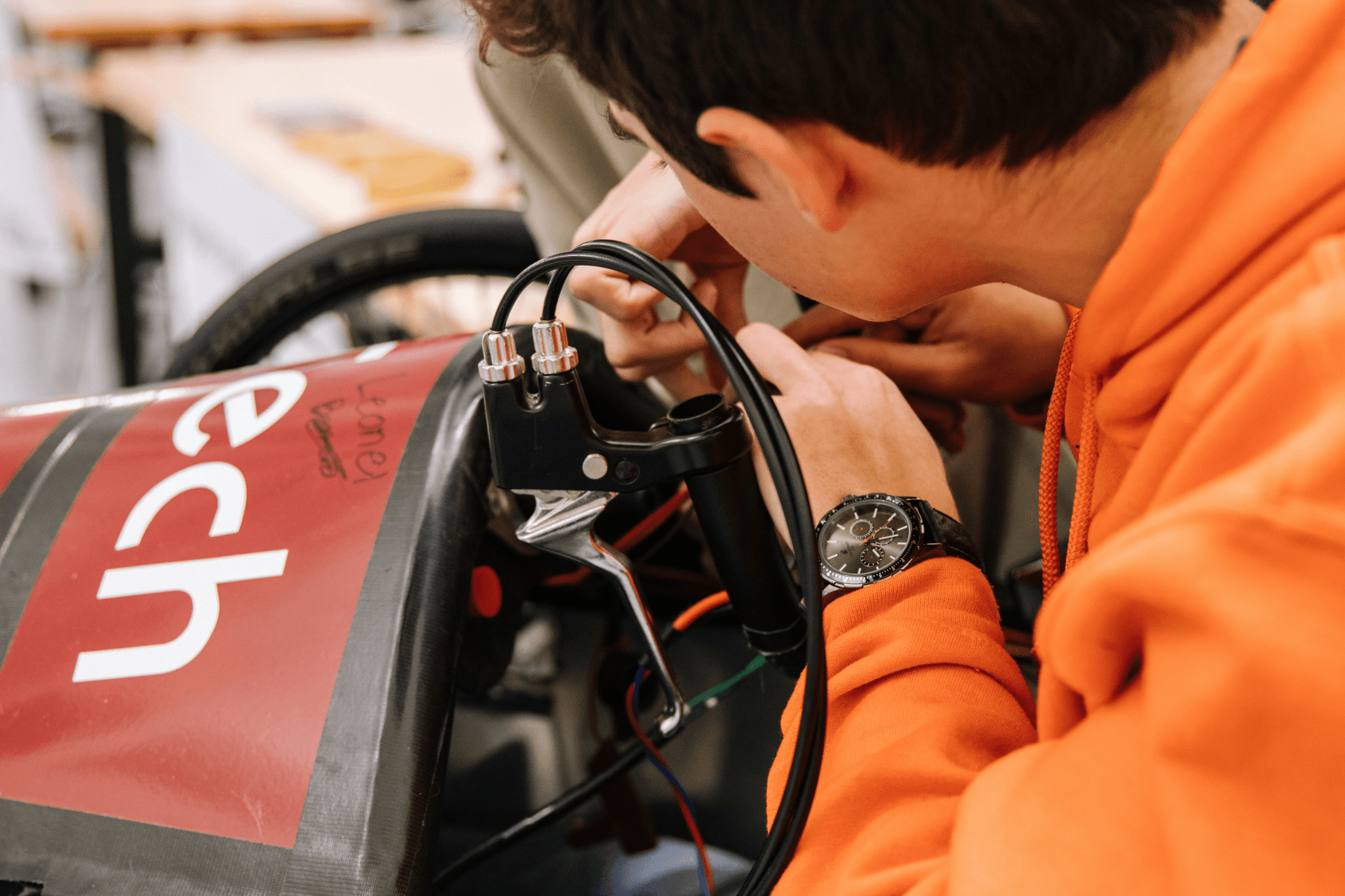
When it comes to ensuring your induction motor performs at its peak, advanced testing procedures are the secret weapon. These tests go beyond routine testing, diving deep into the motor's inner workings to catch issues before they become costly failures. Properly executing these procedures requires a keen eye and a solid understanding of what each test reveals about your induction motor’s health.
Performing the Overspeed Test Safely
The Overspeed Test is a critical step in Induction Motor Testing, especially for verifying the motor’s ability to handle high rotational speeds without failure. Safety is paramount here; always ensure the test setup includes proper guards and emergency shut-offs because overspeed conditions can generate significant mechanical stress. When conducting this test, make sure your equipment is calibrated correctly and that you follow manufacturer guidelines closely—this isn’t a time for shortcuts or guesswork in routine testing.
Significance of FAT Test in Confirming Specifications
The Factory Acceptance Test (FAT Test) stands out as a cornerstone in advanced Induction Motor Testing because it confirms that the motor meets all specified performance parameters before installation. This comprehensive evaluation provides peace of mind that the motor will operate reliably under real-world conditions, reducing downtime and maintenance costs later on. Incorporating FAT testing into your routine testing regime ensures you’re not just trusting specs on paper but validating them through rigorous inspection—crucial for long-term performance.
Interpreting Results for Optimal Motor Operation
Once you've completed advanced tests like overspeed assessments or FATs, interpreting the results becomes essential for optimizing motor operation. Look closely at data from Cold Winding Resistance Tests and Temperature Sensor Resistance Tests—these readings reveal internal health and potential overheating issues that could compromise efficiency or lifespan. Bearing Temperature Tests also offer insights into mechanical wear, helping you plan predictive maintenance rather than reactive repairs, ultimately extending your motor’s service life.
Practical Testing Best Practices
Getting the most out of induction motor testing requires a blend of preparation, attention to detail, and strategic use of test data. Whether you're performing routine testing or a comprehensive FAT test, following best practices ensures accurate results and prolongs motor life. Properly prepared equipment and environment set the stage for successful tests like Cold Winding Resistance Test, Temperature Sensor Resistance Test, and Bearing Temperature Test, all vital for reliable performance assessment.
Preparing Equipment and Environment
Prior to conducting any induction motor testing, it's crucial to ensure that all testing equipment is calibrated and functioning correctly. For routine testing procedures such as Cold Winding Resistance Test or Temperature Sensor Resistance Test, verify that sensors are properly installed and connections are secure to avoid false readings. Additionally, preparing a clean, dry environment minimizes external influences—like moisture or temperature fluctuations—that could skew results during tests like the Overspeed Test or FAT test; this preparation helps achieve consistent data across all tests.
Common Mistakes to Avoid During Testing
One common mistake in induction motor testing is neglecting proper insulation checks before starting Cold Winding Resistance Tests or conducting the Bearing Temperature Test without ensuring sensors are correctly positioned. Rushing through tests such as the FAT test can lead to overlooked issues that might surface later in operation; patience during these procedures often saves time long-term. Another pitfall is ignoring the importance of recording detailed observations—especially during Overspeed Tests—since misinterpretation of results can lead to faulty maintenance decisions or missed early warning signs.
Using Test Data to Improve Maintenance Cycles
Analyzing data from routine testing like Cold Winding Resistance Tests and Temperature Sensor Resistance Tests provides actionable insights into motor health trends over time. For instance, rising resistance values may indicate winding deterioration requiring maintenance before failure occurs; similarly, increasing bearing temperatures detected during Bearing Temperature Tests can signal lubrication issues needing prompt attention. Leveraging this data effectively allows you to fine-tune maintenance schedules—be it for preventive measures post-FAT test or ongoing monitoring—to optimize operational uptime and extend your motor's lifespan.
The Future of Induction Motor Testing
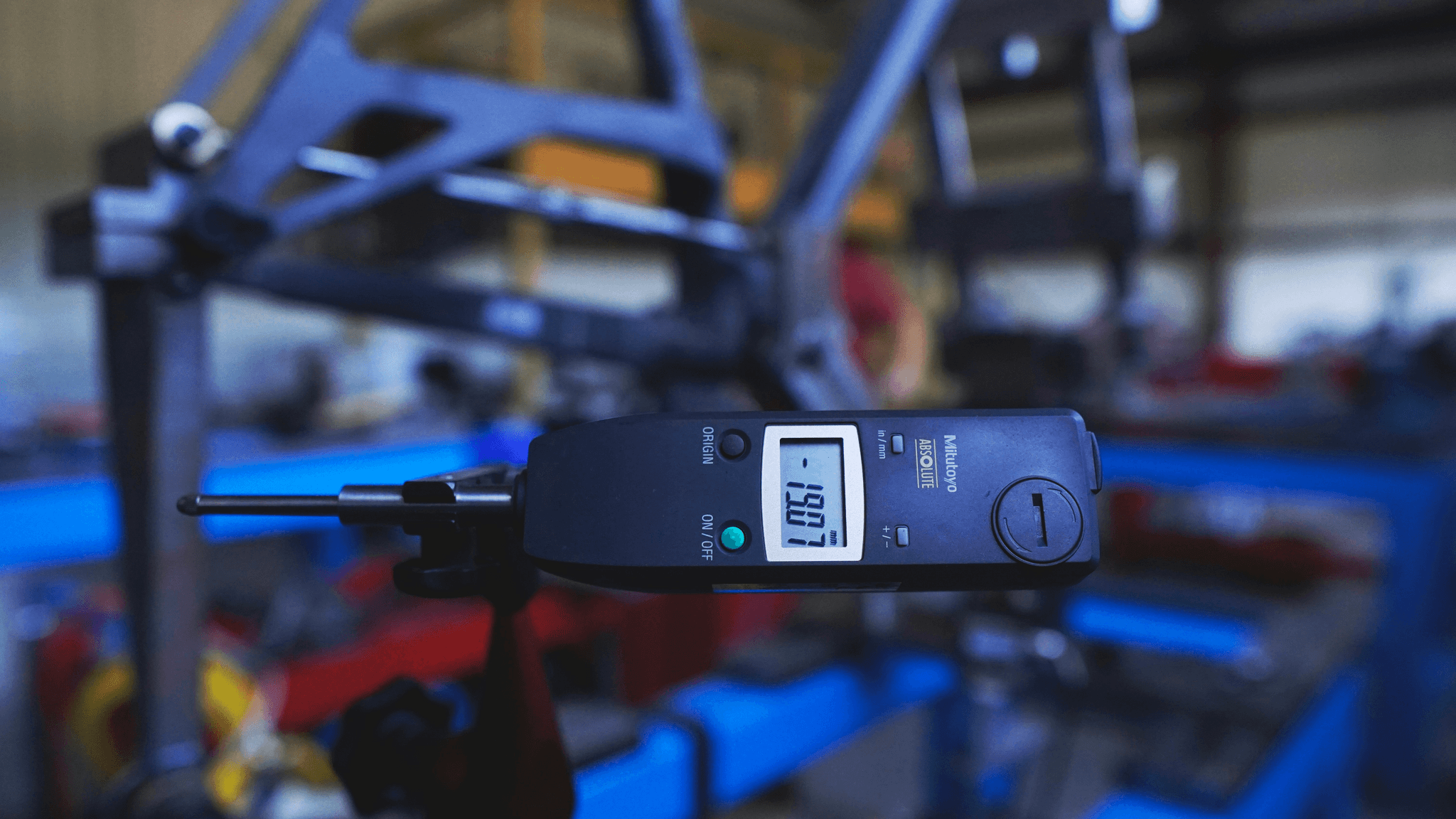
The landscape of Induction Motor Testing is rapidly evolving, driven by technological advancements that promise to make inspections more precise and less time-consuming. Traditional methods like the FAT Test are now complemented by cutting-edge tools that can detect subtle performance deviations before they escalate into costly failures. As industries demand higher reliability, innovations in Routine Testing and predictive diagnostics are set to revolutionize how we ensure motor longevity.
Emerging Technologies in Motor Inspection
Emerging technologies such as infrared thermography and ultrasonic testing are transforming the way we conduct Induction Motor Testing. These tools enable engineers to perform Cold Winding Resistance Tests and Temperature Sensor Resistance Tests with greater accuracy, catching issues early on. In addition, portable sensors now allow for real-time monitoring of Bearing Temperature Tests during operation, reducing downtime and preventing unexpected breakdowns.
Leveraging Data Analytics for Predictive Insights
Data analytics is becoming the backbone of modern Induction Motor Testing strategies, especially when interpreting results from Routine Testing or Overspeed Tests. By analyzing historical test data alongside real-time measurements, maintenance teams can predict potential failures before they happen—taking a proactive approach rather than reactive repairs. This shift toward predictive maintenance ensures motors operate at peak efficiency longer and minimizes costly downtime caused by unforeseen issues.
How China Inspection Pro Enhances Testing Accuracy
China Inspection Pro stands out by integrating advanced data analytics with state-of-the-art testing equipment to improve overall testing accuracy for induction motors. Their comprehensive approach includes detailed analysis of Cold Winding Resistance Test results and meticulous Overspeed Test procedures, ensuring each motor meets strict quality standards. With their expertise, clients benefit from precise diagnostics that optimize performance while extending the lifespan of their induction motors.
Conclusion
Ensuring the quality of induction motors through comprehensive testing is vital for maintaining peak performance and avoiding costly failures down the line. Implementing a well-rounded approach that includes routine testing, Cold Winding Resistance Test, Temperature Sensor Resistance Test, Bearing Temperature Test, and overspeed testing helps identify potential issues early on. When these tests are integrated into your maintenance schedule, you can confidently extend motor lifespan and optimize operational efficiency.
Ensuring Quality with Comprehensive Testing
Thorough induction motor testing offers peace of mind by catching problems before they escalate, ensuring reliability and safety. Routine testing methods like the Cold Winding Resistance Test and Bearing Temperature Test serve as early warning systems for wear and tear, preventing unexpected breakdowns. Incorporating advanced procedures such as the Overspeed Test during FAT (Factory Acceptance Testing) confirms that motors meet all specifications before deployment, safeguarding your investment.
Choosing the Right Tests for Your Motor Needs
Selecting appropriate tests depends on your specific application and operational environment. For instance, routine testing like the Temperature Sensor Resistance Test can monitor critical components in real-time, while specialized tests such as the FAT Test verify overall compliance with quality standards. Understanding when to perform each test ensures you’re not just guessing but making informed decisions that enhance motor longevity and performance.
Partnering with Industry Experts for Better Results
Partnering with experienced professionals like China Inspection Pro elevates your induction motor testing game by providing precise insights and reliable results. Their expertise in executing tests such as the Overspeed Test or conducting comprehensive FAT assessments guarantees accuracy that you can trust. Collaborating with industry leaders ensures your motors are tested thoroughly—saving time, reducing costs, and boosting confidence in your equipment’s durability.