
Introduction
A failed product inspection can feel like a punch to the gut for any business. Not only does it threaten your brand’s reputation, but it also racks up costs and delays that could have been avoided with proper quality control measures. When a product slips through the cracks, you’re left scrambling to remedy a failed product inspection report, which can be costly and time-consuming.
Manufacturing quality control pitfalls are more common than you might think—skipping thorough material checks, rushing production to meet deadlines, or poor communication with suppliers all increase the risk of defective products. These manufacturing pitfalls often lead to subpar shipments that require re-inspection or worse, complete rework. Addressing these issues early on is crucial because ignoring them only amplifies the damage caused by a failed product inspection.
That’s where professional inspection services like China Inspection Pro come into play. They help you avoid manufacturing quality control pitfalls by providing expert oversight and ensuring your products meet all standards before they reach customers. When faced with a failed product inspection, timely intervention—such as re-inspecting your shipment or issuing a supplier corrective action report—can turn potential disaster into an opportunity for improvement. Partnering with experienced inspectors not only helps in remedying a failed product inspection but also prevents future failures from happening again.
Inadequate Pre-Production Planning
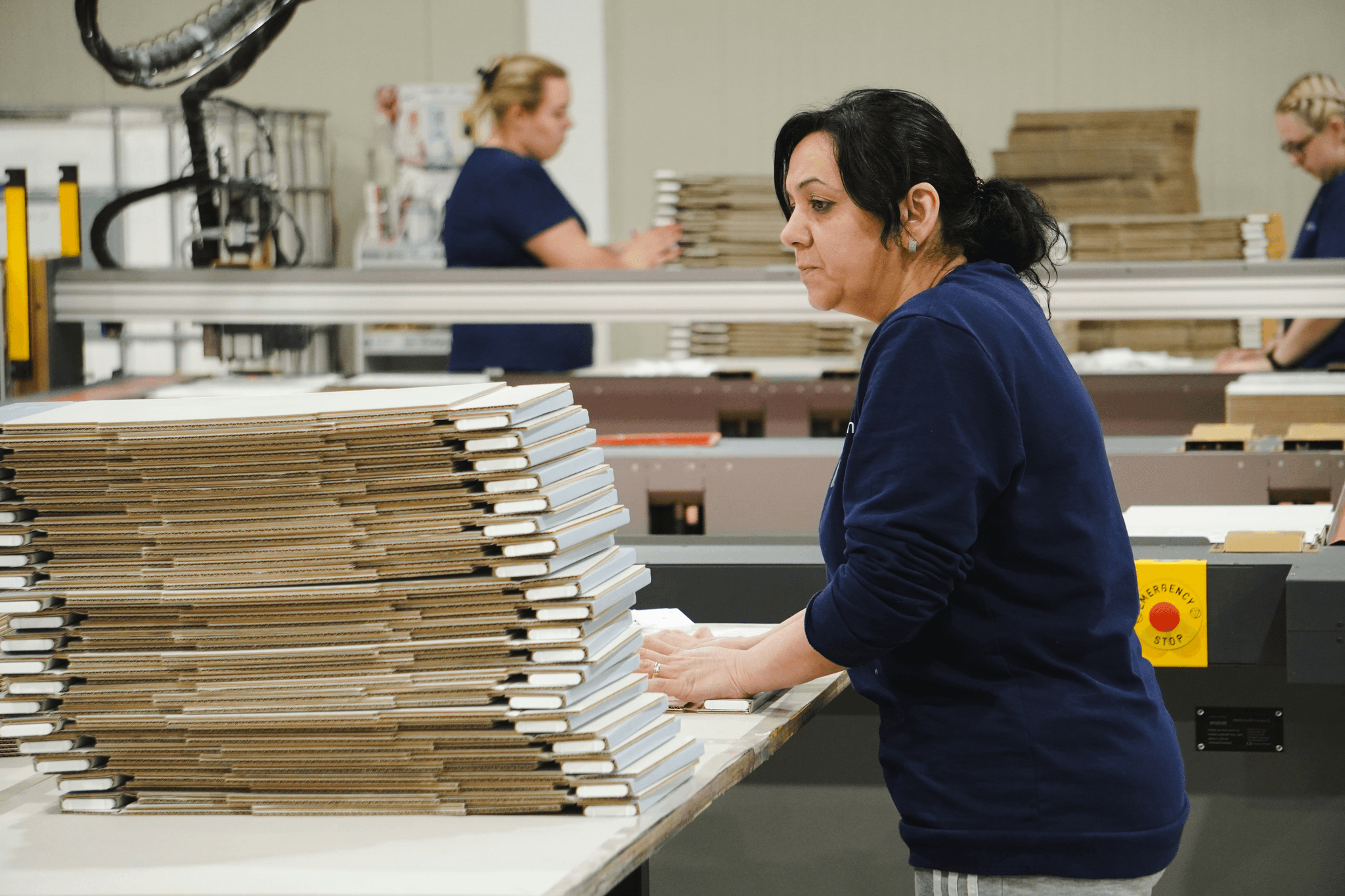
Jumping into production without a solid plan is like sailing without a compass—you're bound to hit rough waters. Failing to prioritize thorough material checks can lead to subpar raw materials slipping through the cracks, which often results in a Failed Product Inspection down the line. When manufacturing quality control pitfalls are ignored early on, fixing those issues later becomes a costly and time-consuming ordeal, making remedying a failed product inspection report even more challenging.
Skipping Thorough Material Checks
One of the biggest culprits behind failed product inspections is skipping detailed material verification before production begins. Rushing through these checks might save time initially but often results in inferior raw materials that cause defects or non-compliance issues during inspection. To avoid this pitfall, companies should implement strict procedures for verifying supplier quality and issuing an issue a supplier corrective action report if discrepancies are found—this proactive step is key to remedying a failed product inspection effectively.
Rushing to Meet Deadlines
In the race to meet tight deadlines, some manufacturers cut corners by neglecting comprehensive pre-production planning. This haste can lead to overlooked quality issues and insufficient sample testing, increasing the likelihood of failing product inspections later on. Remember, trying to re-inspect your shipment at the last minute isn’t ideal; instead, planning ahead with clear milestones helps prevent manufacturing quality control pitfalls and ensures smoother re-inspection processes when needed.
Poor Communication with Suppliers
Miscommunication with suppliers can turn minor misunderstandings into major quality control nightmares, especially when expectations aren’t clearly aligned from the start. Without open lines of dialogue and documented agreements—including issuing an issue a supplier corrective action report—your chances of encountering failed product inspections rise sharply. Strengthening communication channels not only minimizes errors but also streamlines remedying a failed product inspection report when problems inevitably arise.
Supplier and Material Issues
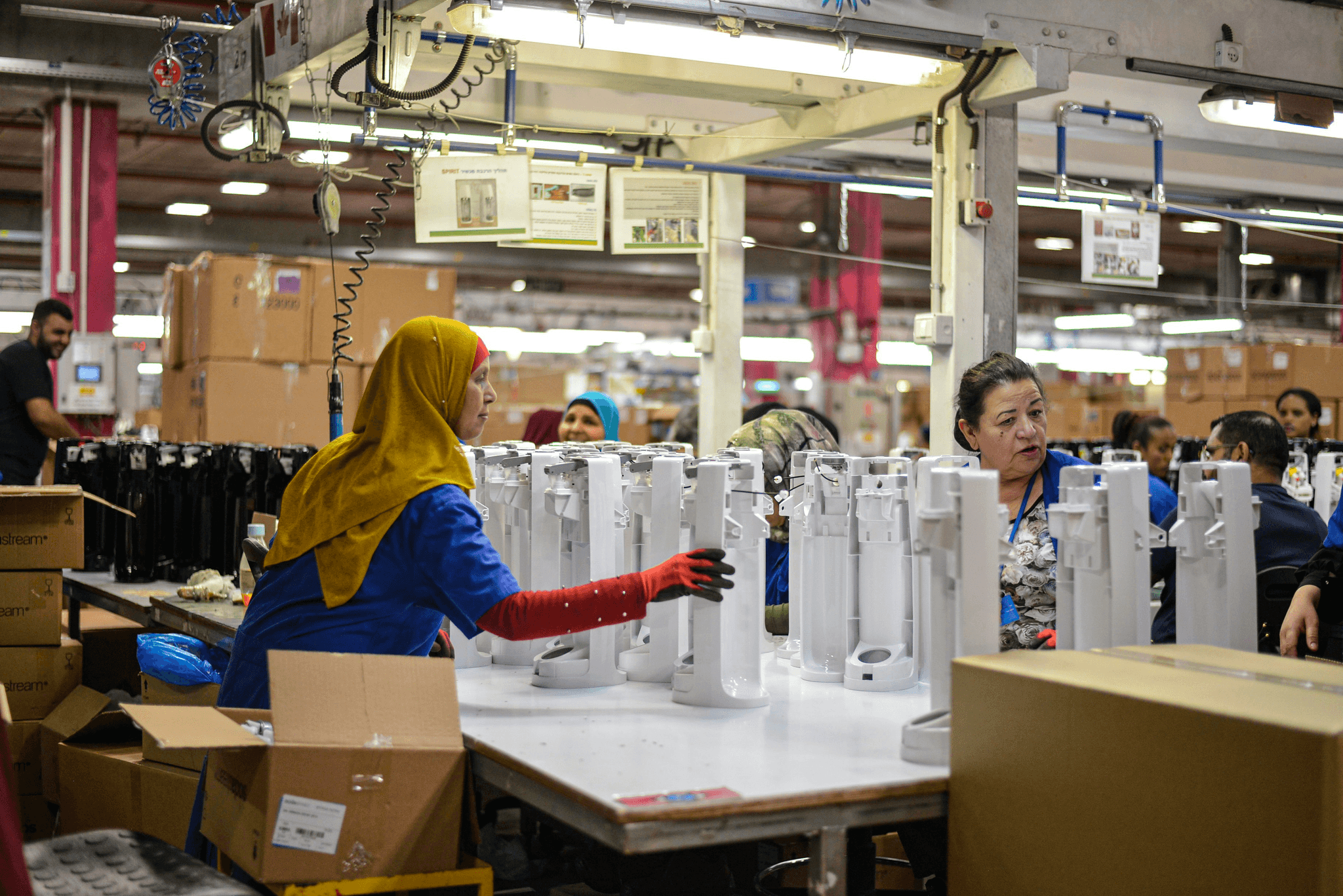
When it comes to manufacturing, supplier and material issues are often the sneaky culprits behind a Failed Product Inspection. These problems can slip through the cracks if you're not vigilant, turning what should be a smooth process into a nightmare of rework and delays. Recognizing these pitfalls early is crucial to avoiding costly mistakes and ensuring your products meet quality standards.
Substandard Raw Materials from Alibaba Suppliers
Many businesses turn to Alibaba to source raw materials because of its convenience and variety, but beware—substandard raw materials can sabotage your entire production line. When inferior materials make their way into your supply chain, they increase the risk of failing product inspections, leading to unnecessary re-inspection efforts. Remedying a failed product inspection due to poor raw materials often involves issuing an issue a supplier corrective action report, but prevention is better than cure; vet your suppliers thoroughly before placing large orders.
Inconsistent Factory Processes at Foxconn
Even giants like Foxconn aren’t immune to manufacturing quality control pitfalls—factory process inconsistencies can cause variations in product quality that lead directly to Failed Product Inspection outcomes. When processes aren't standardized or properly monitored, defective products slip past initial checks, forcing you into costly re-inspect your shipment stages. To prevent this cycle, establishing clear communication channels with suppliers and insisting on detailed process documentation can help you identify potential issues early—saving you from having to remedy a failed product inspection later.
Lack of Supplier Corrective Action Reports
One of the most overlooked aspects of quality control is the absence of supplier corrective action reports (SCARs). Without these reports, manufacturers lack visibility into how suppliers address previous defects or non-conformities—making it more likely you'll face failed inspections down the line. If you want to avoid this pitfall altogether, always demand issue a supplier corrective action report after any defect discovery; this proactive step helps in remedying a failed product inspection before it reaches your customers.
By understanding these common manufacturing quality control pitfalls related to supplier and material issues, you position yourself better for successful inspections—and fewer headaches down the road. Remember: addressing problems early with proper documentation and communication is key in remedying a failed product inspection efficiently while keeping your reputation intact.
Inspection Process Shortcomings
Even the best manufacturing quality control pitfalls can be exposed when the inspection process is flawed. One common mistake that leads to a failed product inspection is relying on an insufficient sample size. If you're only checking a handful of units, you risk missing defects that could cause your entire shipment to fail, leading to costly re-works or re-inspections. This oversight underscores the importance of understanding how to properly plan your inspection sampling—otherwise, you might find yourself in trouble when issues surface after delivery.
Another critical flaw in the inspection process is overlooking essential product features during quality checks. Sometimes inspectors focus on surface-level defects and miss deeper issues like internal component failures or assembly misalignments. This oversight can result in a failed product inspection slipping through the cracks, which could have been prevented with a thorough review protocol. Remedying a failed product inspection requires not just identifying defects but also adjusting your inspection criteria and ensuring all vital features are scrutinized carefully.
Inexperienced inspectors can also be a significant weak link in manufacturing quality control pitfalls. They might lack the training to identify subtle defects or understand specific product standards, leading to inaccurate assessments. The impact of inexperienced inspectors becomes even more apparent when issues are missed during initial inspections, resulting in defective products reaching customers and damaging your reputation. To avoid this, investing in professional inspection services like China Inspection Pro ensures you get qualified personnel who know how to re-inspect your shipment effectively and issue a supplier corrective action report promptly.
Manufacturing Defects and Oversights

Manufacturing defects are often the silent killers of product quality, slipping through even the most diligent quality control checks. When a Failed Product Inspection occurs, it’s usually a sign that something went awry during the manufacturing process, highlighting common manufacturing quality control pitfalls. Remedying a Failed Product Inspection report involves swift action—re-inspect your shipment to catch issues early and prevent costly recalls or reputation damage. Additionally, issuing a supplier corrective action report is crucial for addressing root causes and avoiding repeat failures.
Defects from Xiaomi Production Lines
Xiaomi’s production lines have been known to produce products with subtle yet impactful defects that can lead to failed inspections if not caught early. These defects often stem from rushed processes or inadequate quality oversight, which are classic manufacturing quality control pitfalls. To remedy a failed product inspection caused by Xiaomi line issues, manufacturers must re-inspect your shipment thoroughly and ensure that suppliers issue a corrective action report to prevent recurrence.
Failing to Detect Issues During In-Process Inspection
One of the biggest mistakes in manufacturing is failing to detect issues during in-process inspection—this is where many failed product inspections originate. When problems slip past initial checks, they become more costly and complicated to fix later on, emphasizing the importance of rigorous monitoring throughout production. Remedying a failed product inspection requires re-inspect your shipment with an eagle eye and possibly implementing additional checkpoints; issuing an issue a supplier corrective action report ensures future problems are addressed at their source before they reach consumers.
Common Mistakes in Assembly at Apple
Apple’s assembly lines are renowned for precision but aren’t immune to mistakes that can cause defective products slipping through quality controls—another common manufacturing pitfall leading to Failed Product Inspection reports. These mistakes often involve overlooked assembly steps or subpar component integration, which require diligent re-inspection of shipments before they leave the factory floor. To avoid repeat failures, manufacturers should develop strategies for remedying a failed product inspection by re-inspecting your shipment carefully and ensuring suppliers issue corrective actions when necessary.
Lack of Effective Communication and Documentation

When it comes to manufacturing quality control pitfalls, poor communication and sloppy documentation can turn a simple Failed Product Inspection into a costly nightmare. Misaligned expectations with the factory in Shenzhen often lead to misunderstandings about quality standards, resulting in repeated inspections and delays. Without clear records, it becomes nearly impossible to track issues or demonstrate compliance, making remedying a failed product inspection report even more challenging.
Misaligned Expectations with Factory in Shenzhen
One of the biggest culprits behind a Failed Product Inspection is misaligned expectations between your business and the factory in Shenzhen. When quality standards aren’t clearly communicated at the outset, factories might cut corners or overlook critical features, leading to subpar products that fail inspection. Remedying a failed product inspection report becomes tougher when expectations aren’t set correctly from the start—so clarity is key to avoiding these costly setbacks.
Poor Record-Keeping Leading to Re-Inspect Your Shipment Delays
Poor record-keeping is like leaving breadcrumbs in a forest—except when you need them most during a Failed Product Inspection, they’re nowhere to be found. Inadequate documentation can cause unnecessary delays when re-inspecting your shipment because you lack proof of previous quality checks or corrective actions taken. This makes remedying a failed product inspection report more complicated, as you scramble to gather evidence after the fact instead of preventing issues upfront.
Not Issuing an Issue a Supplier Corrective Action Report
Failing to issue an issue a supplier corrective action report (SCAR) after identifying defects is akin to ignoring the warning signs on your dashboard—it’s only going to get worse. A SCAR provides vital documentation that guides suppliers toward fixing root causes and prevents future failures in manufacturing quality control pits. When this step is skipped, remedying a failed product inspection report becomes an uphill battle; timely corrective actions could have saved both time and money if properly documented.
Remedying a Failed Product Inspection Report
When faced with a Failed Product Inspection, the first step is to stay calm and strategize your next move. Manufacturing Quality Control Pitfalls can quickly snowball if you ignore the warning signs or delay action. Addressing the issue promptly ensures you minimize delays, control costs, and maintain your brand’s reputation.
Immediate Steps to Take After a Fail
The moment you discover a Failed Product Inspection, it’s crucial to document every detail meticulously. Reach out to your supplier and request an Issue a Supplier Corrective Action Report immediately—this helps identify root causes and prevents recurring problems. Remember, ignoring or postponing this step only prolongs the problem and complicates future remedies.
How to Re-Inspect Your Shipment Correctly
Re-Inspect Your Shipment with precision—don't cut corners just because you've seen issues before. Use an independent inspection service like China Inspection Pro to ensure objectivity and thoroughness, avoiding common Manufacturing Quality Control Pitfalls. This second round of inspection should focus on critical product features overlooked initially, ensuring that no defect slips through again.
Developing a Robust Supplier Corrective Action Plan
Creating a solid Supplier Corrective Action Plan is your best defense against future failures in product quality. Collaborate closely with your supplier to Issue a Supplier Corrective Action Report that addresses root causes comprehensively—this not only remedies current flaws but also fortifies your manufacturing process against repeat failures. A proactive approach turns past failures into opportunities for continuous improvement rather than recurring nightmares.
Conclusion
Understanding the root causes behind a Failed Product Inspection is your best weapon against recurring manufacturing issues. When you identify whether the problem stems from inadequate pre-production planning, supplier flaws, or inspection process shortcomings, you can implement targeted solutions. Recognizing these manufacturing quality control pitfalls allows you to develop proactive strategies that prevent future failures, saving time and money in the long run.
The role of professional inspection services like China Inspection Pro cannot be overstated in this process. They serve as your eyes and ears on the ground, ensuring that every shipment is thoroughly checked before it reaches your customers. By partnering with experts who understand how to Re-Inspect Your Shipment effectively and Issue a Supplier Corrective Action Report when needed, you’re turning potential failures into opportunities for continuous improvement.
Turning inspection failures into quality opportunities is both an art and science. When a Failed Product Inspection occurs, it’s not the end of the road—it's a chance to Remedy a Failed Product Inspection Report with swift action and strategic planning. Developing a clear plan to Re-Inspect Your Shipment after issues are identified ensures defects are caught early and corrected efficiently. Moreover, issuing an Issue a Supplier Corrective Action Report helps address systemic problems at their source, preventing similar failures down the line.