
Introduction
In the world of bathroom fixtures, a thorough Toilet Inspection is more than just a routine check—it's the backbone of quality assurance that ensures every product meets strict standards before reaching consumers. Whether you're dealing with one-piece toilet assembly or two-piece toilet assembly, paying attention to every detail during assembly inspection can make all the difference in durability and performance. Investing in comprehensive visual inspection, coating inspection, and final inspection processes helps manufacturers catch potential flaws early, saving time and costs down the line.
Ensuring longevity and customer satisfaction hinges on rigorous quality control standards that leave no room for error. Proper assembly inspection guarantees that each toilet functions flawlessly and maintains its integrity over time, reducing returns and boosting brand reputation. When you prioritize an effective final inspection, you not only meet industry benchmarks but also build trust with your clients who expect nothing but the best from your products.
Partnering with China Inspection Pro supports your commitment to excellence by providing expert guidance on implementing robust quality control measures. From inspecting one-piece toilet assembly to identifying subtle issues during coating inspection, their team helps streamline your process for optimal results. Elevate your manufacturing standards through meticulous inspections—because when it comes to toilets, second best simply isn’t good enough.
Understanding Toilet Types and Assembly Basics
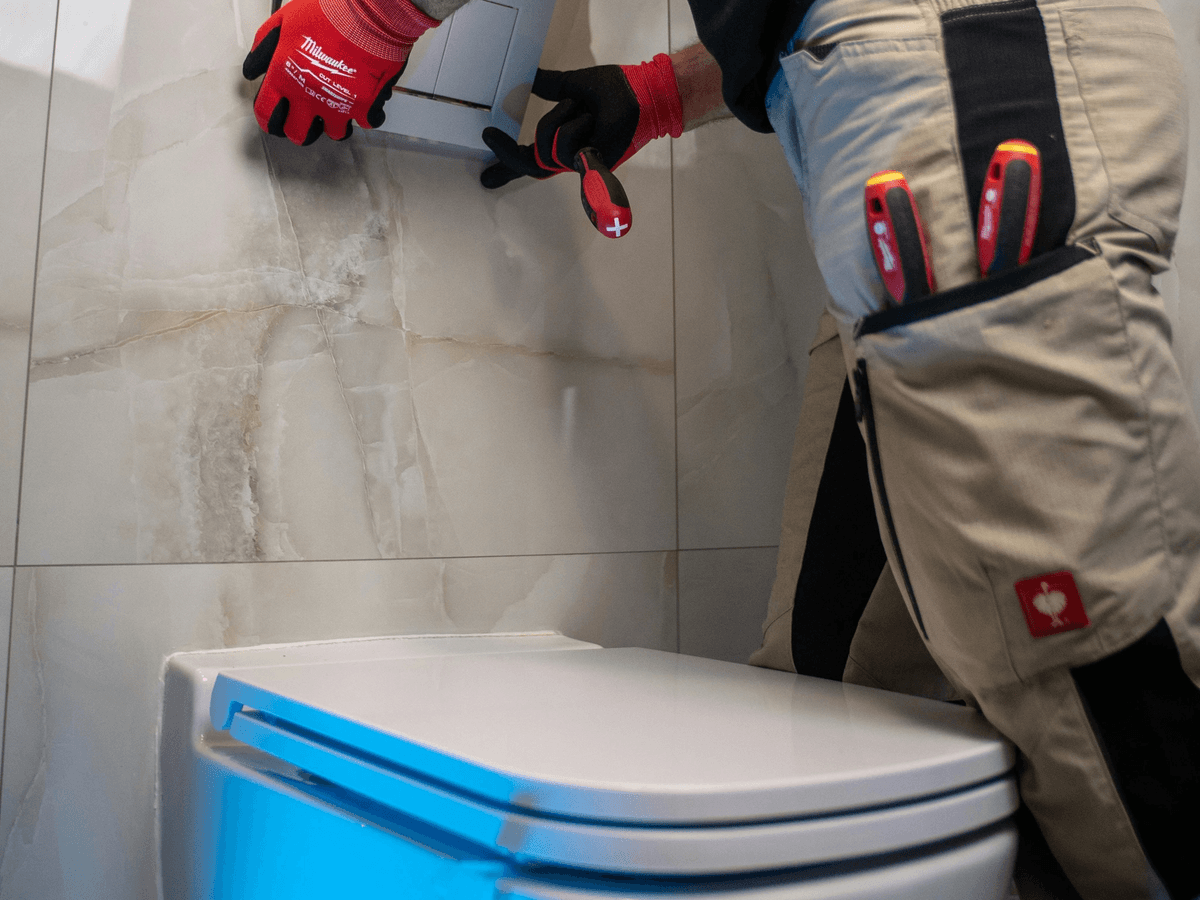
Getting a grip on the different types of toilets and their assembly basics is fundamental for effective Toilet Inspection. Whether you’re inspecting a one-piece toilet assembly or a two-piece model, understanding their construction helps in identifying potential flaws early on. Proper knowledge ensures that every component meets quality control standards, leading to durable and reliable products.
When it comes to assembly inspection, recognizing the nuances between one-piece toilet assembly and two-piece toilet assembly is crucial. Each type has unique features that require tailored inspection techniques, especially during visual inspection and coating inspection stages. Knowing these differences allows inspectors to catch subtle defects that could affect long-term performance or customer satisfaction.
The key components involved in toilet assembly inspection include the bowl, tank, flush mechanism, seals, and coatings. Ensuring these parts are properly assembled according to quality control standards prevents issues like leaks or corrosion down the line. Regularly conducting thorough final inspections guarantees that only products meeting all standards reach the market.
One-piece Toilet Assembly Explained
A one-piece toilet assembly combines the bowl and tank into a single unified unit, offering sleek design and easier cleaning. During Toilet Inspection of this model, focus on checking for cracks or manufacturing flaws in the seamless structure through visual inspection. Coating inspection is vital here too; any imperfections could lead to corrosion or leaks over time.
Because of its integrated design, a one-piece toilet assembly tends to have fewer joints where defects might occur—making it slightly easier to ensure quality control standards are met during assembly inspection. Inspectors should pay close attention to welds or seams that might be hidden but could compromise structural integrity if flawed. Final inspection must confirm that all parts align perfectly for optimal functionality.
Two-piece Toilet Assembly in Focus
The two-piece toilet consists of separate tank and bowl components joined together during installation—a common choice due to its affordability and ease of repair. During Toilet Inspection of this type, inspectors need to verify proper fitment between parts through detailed visual inspection; any misalignment can cause operational issues later on.
Assembly inspection for two-piece toilets involves checking seals at connection points as well as inspecting coatings for corrosion resistance—since exposed joints are more vulnerable here than in one-piece models. Ensuring the coating passes corrosion testing aligns with quality control standards designed to prolong product lifespan.
Final inspections should confirm tight fittings without gaps or leaks—critical factors impacting overall product durability—and document each step meticulously for compliance verification purposes.
Key Components of Toilet Assembly Inspection
Effective toilet assembly inspection covers several key components: structural elements like bowls and tanks, sealing mechanisms such as gaskets or wax rings, and surface coatings designed for corrosion resistance—all essential for meeting quality control standards.
Visual inspections help identify manufacturing defects early—cracks, chips, misalignments—that could impair function later on; coating inspections verify uniform coverage without flaws that might lead to corrosion issues down the line. During final inspections, testers check if all parts fit correctly and operate smoothly under simulated use conditions before approval.
Using advanced tools during assembly inspection enhances accuracy—whether ultrasonic testers for weld integrity or coating thickness gauges—to ensure each product adheres strictly to quality control standards before reaching consumers.
The Essential Stages of Toilet Inspection
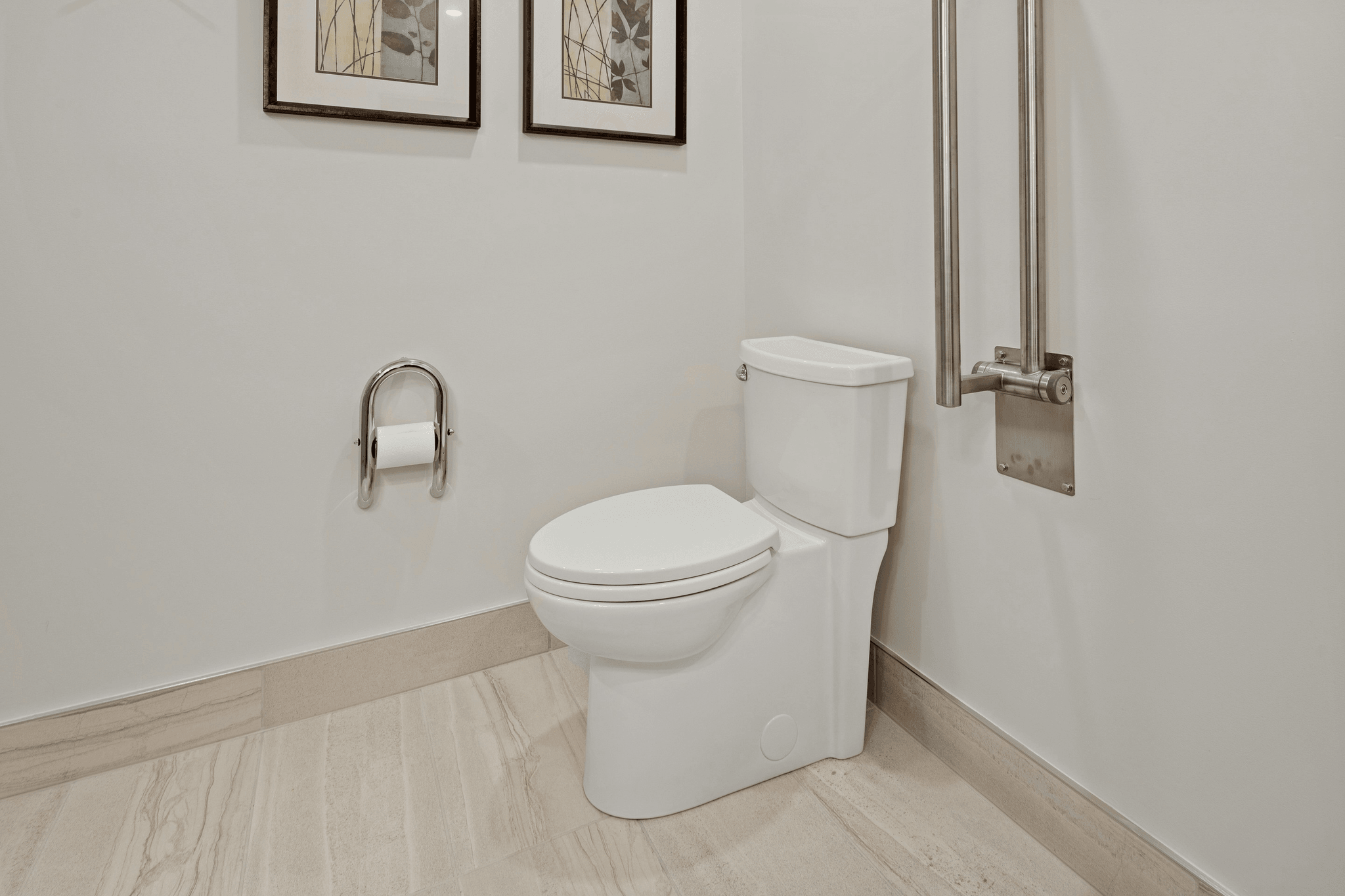
A thorough toilet inspection process involves multiple critical stages to ensure each product meets the highest quality control standards. Starting with a detailed visual inspection, inspectors scrutinize every aspect of the toilet, whether it’s a one-piece toilet assembly or a two-piece toilet assembly, to catch any surface defects or flaws. This step is vital because even minor imperfections can compromise durability and customer satisfaction, making it an essential part of the final inspection process.
Following the visual inspection, coating inspection plays a crucial role in preventing corrosion and extending the lifespan of the toilet. During this stage, inspectors examine the coating application on both one-piece and two-piece toilet assemblies to ensure uniform coverage and adhesion. Proper coating inspection helps maintain quality control standards by identifying potential issues before they escalate into costly repairs or recalls.
The last key stage is assembly inspection for structural integrity. This involves checking all components—such as seals, bolts, and joints—in both one-piece and two-piece toilets to confirm proper assembly and fit. An effective assembly inspection guarantees that every part functions correctly together, meeting strict quality control standards and ensuring that final inspections deliver toilets ready for market.
Conducting a Comprehensive Final Inspection
A thorough final inspection is the cornerstone of quality assurance in toilet manufacturing. This stage ensures every product meets strict quality control standards before reaching consumers. From one-piece toilet assembly to two-piece toilet assembly, each component undergoes meticulous assembly inspection to catch any flaws that could compromise durability or functionality.
During the final inspection process, visual inspection plays a vital role in identifying surface defects, cracks, or misalignments that might have been overlooked earlier. Coating inspection is equally important to prevent corrosion and ensure longevity, especially for products exposed to moisture regularly. Whether inspecting a one-piece toilet assembly or a two-piece toilet assembly, combining these inspections guarantees that only top-tier products leave the factory.
The final step involves verifying proper functionality and fits—testing flushing mechanisms, checking seat alignment, and ensuring all parts fit seamlessly together. This comprehensive check ensures your product adheres to all relevant quality control standards and performs flawlessly in real-world conditions. Documenting these inspection results accurately not only helps maintain consistency but also provides valuable data for continuous improvement.
Best Practices for Quality Control in Toilet Manufacturing
Achieving top-notch quality control standards in toilet manufacturing requires more than just checking boxes; it demands a strategic approach to inspection protocols. Consistent inspection routines ensure that every one-piece toilet assembly and two-piece toilet assembly meet the same high standards, reducing variability and defect risks. Regularly updating your assembly inspection procedures helps catch subtle issues early, preventing costly rework and ensuring that your final product passes all quality control standards with flying colors.
Maintaining uniformity across inspections is vital for reliable results, especially during visual inspection phases where flaws can be easily overlooked. When performing coating inspection, consistency ensures corrosion resistance is thoroughly evaluated, safeguarding the longevity of each toilet. Implementing standardized procedures for final inspection guarantees that every unit—whether part of a one-piece or two-piece toilet assembly—adheres to strict quality control standards before reaching customers.
Training your inspectors to recognize subtle issues during assembly inspection can significantly elevate your quality control game. Skilled inspectors are better equipped to identify minor defects in the components of both one-piece and two-piece toilets, which might otherwise slip past untrained eyes. Continuous education about common manufacturing flaws enhances their ability to conduct thorough visual inspections and coating inspections, ultimately elevating overall product quality.
Leveraging advanced tools during toilet inspection processes can streamline detection of defects and inconsistencies that manual checks might miss. Tools like digital calipers or ultrasonic testers improve the accuracy of assembly inspection, ensuring proper fits in both one-piece and two-piece models. Incorporating technology into your final inspection routines aligns with best practices for maintaining high-quality standards across all stages of production.
Troubleshooting Common Issues During Inspection
Even the most carefully planned Toilet Inspection can encounter unexpected hiccups. From manufacturing defects to coating failures, identifying and resolving these issues early ensures your products meet quality control standards and satisfy customers. Let’s explore common problems during inspection and how to troubleshoot them effectively.
Identifying Manufacturing Defects
Manufacturing defects often lurk in the shadows of toilet assembly, especially during the assembly inspection phase. Whether it’s a crack in a one-piece toilet assembly or a misaligned two-piece toilet, visual inspection is your first line of defense. Spotting these flaws early helps prevent defective units from reaching the final inspection stage, saving time and resources.
Inconsistent welds, material cracks, or incomplete assembly are signs that your quality control standards might be slipping. Regularly performing thorough visual inspections during the initial stages of toilet inspection allows you to catch these issues before they escalate. Remember, catching manufacturing defects at this stage keeps your reputation intact and ensures only top-quality products proceed to the next phase.
Addressing Fit and Finish Problems
Fit and finish problems are among the most common issues faced during assembly inspection for both one-piece and two-piece toilet assemblies. These issues can include poorly fitting components, uneven surfaces, or misaligned parts that compromise both aesthetics and functionality. Conducting detailed assembly inspections helps identify these problems early on so they don’t become costly fixes later.
When inspecting for fit and finish, pay close attention to gaps between parts, surface smoothness, and overall alignment—these are critical indicators of quality control standards being met. If you notice inconsistencies during visual inspection or coating inspection phases, it's essential to address them promptly—whether by reworking parts or adjusting assembly procedures—to maintain product integrity.
Correcting Coating Failures
Coating failures can jeopardize a toilet’s durability by exposing it to corrosion or damage over time—a big no-no in quality control standards for bathroom fixtures. During coating inspection, look for uneven coverage, peeling paint, or areas where corrosion might start forming due to inadequate application techniques.
To correct coating failures effectively, identify whether the issue stems from improper surface preparation prior to coating or application errors during production. Implementing stricter controls during coating processes ensures that every unit passes this critical stage of final inspection with flying colors—protecting your reputation as a manufacturer committed to excellence in Toilet Inspection.
Conclusion
A thorough approach to Toilet Inspection can dramatically boost your market success by ensuring every product meets stringent quality control standards. When you prioritize detailed assembly inspection—covering both one-piece toilet assembly and two-piece toilet assembly—you reduce the risk of defects reaching consumers. This commitment to rigorous visual inspection, coating inspection, and final inspection not only safeguards your brand reputation but also builds trust with your customers who expect reliable, long-lasting toilets.
Partnering with China Inspection Pro elevates your quality control standards by providing expert guidance throughout the entire process. Our comprehensive assembly inspection services help identify subtle issues in both one-piece and two-piece toilet assembly before they become costly problems. With our support, you can consistently meet or exceed industry benchmarks, ensuring your products stand out in a competitive market.
When you invest in meticulous toilet inspection practices, you're not just meeting standards—you’re setting new ones. Elevating your product quality beyond industry norms involves continuous improvement in visual inspection techniques, coating inspection processes, and final inspections. This proactive stance guarantees that each toilet leaving your facility is built to last and performs flawlessly, keeping customer satisfaction high and returns low.