
Introduction
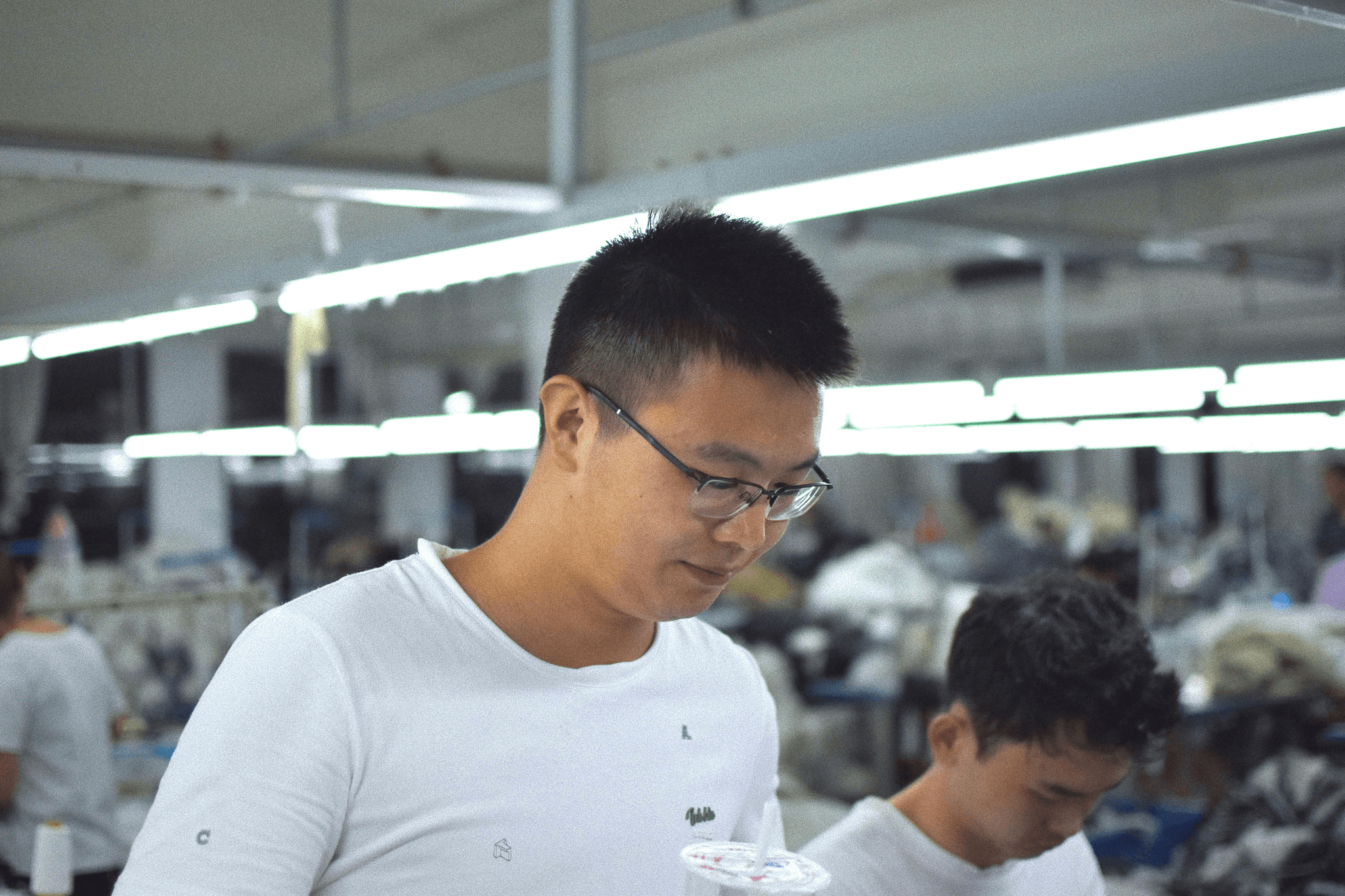
In the fast-paced world of fashion and textiles, maintaining high standards through a garment quality control checklist is not just beneficial—it's essential. Quality control in manufacturing acts as the backbone of any successful apparel line, ensuring that products meet customer expectations and industry standards. As competition intensifies, businesses that prioritize quality control and quality assurance not only enhance their reputation but also foster customer loyalty.
Importance of Garment Quality Control
Garment quality control is crucial in minimizing defects and ensuring consistency in production. By implementing a robust QC quality control system, manufacturers can detect issues early in the production process, saving time and resources while avoiding costly recalls or rework. Ultimately, effective garment quality control translates to higher customer satisfaction and brand integrity.
Key Elements of a Quality Control Checklist
A comprehensive garment quality control checklist includes various criteria to assess every aspect of production—from fabric inspection to final product assessment standards. Essential elements such as stitching accuracy, color matching, and sizing consistency help ensure that each item meets the desired specifications before it reaches the consumer's hands. By adhering to these key components, businesses can achieve a streamlined QC process that enhances overall product quality.
Role of Quality Inspection Companies
Quality inspection companies play a pivotal role in facilitating effective quality assurance inspections throughout the manufacturing process. These organizations specialize in evaluating compliance with established standards, offering expertise that can significantly reduce risks associated with subpar products entering the market. With their assistance, brands gain valuable insights into potential weaknesses within their supply chain while reinforcing their commitment to garment quality control.
Understanding Quality Control in Manufacturing
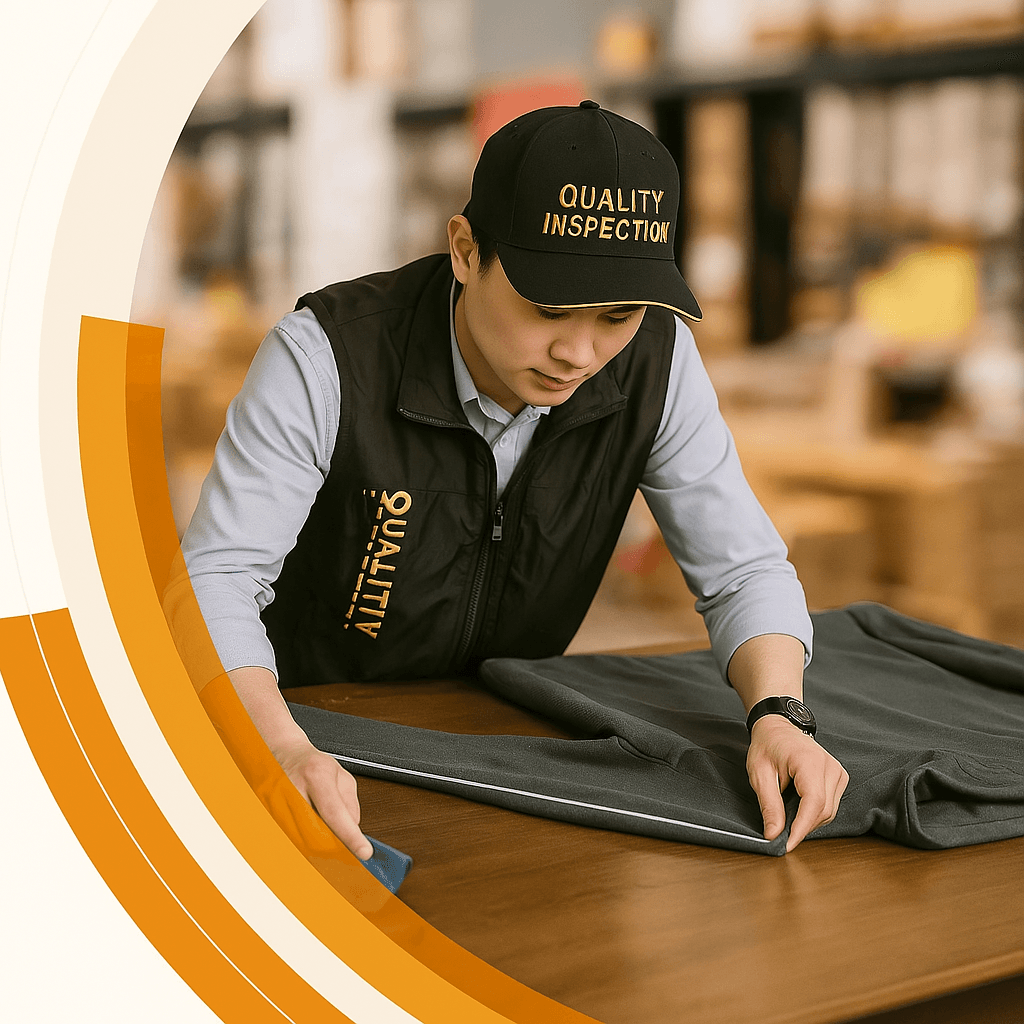
Quality control (QC) is a pivotal aspect of garment manufacturing that ensures products meet specified standards and customer expectations. It encompasses a systematic approach to identifying defects, assessing processes, and implementing improvements throughout production. By integrating a comprehensive garment quality control checklist, manufacturers can streamline their QC processes and enhance overall product quality.
Definition of Quality Control
Quality control refers to the processes and procedures implemented to ensure that products are produced consistently at a high standard. In the context of textiles, it involves meticulous inspection and testing at various stages of production to identify any deviations from desired specifications. This proactive approach not only mitigates risks associated with defective products but also reinforces the commitment to quality assurance in manufacturing.
Importance of QC Quality Control in Textiles
The significance of QC quality control in textiles cannot be overstated; it directly impacts customer satisfaction and brand loyalty. High-quality garments reduce returns and complaints, fostering trust between brands and consumers. Moreover, effective quality inspection practices can lead to cost savings by minimizing waste and rework, ultimately improving profitability for manufacturers.
Best Practices for Effective Quality Control
To achieve optimal results in quality control, manufacturers should adopt several best practices tailored specifically for the textile industry. First, establishing clear criteria within the garment quality control checklist is essential for consistent inspections across all production phases. Second, regular training sessions for staff involved in QC will ensure they remain aware of evolving industry standards and techniques in quality assurance inspection—keeping everyone on the same page when it comes to maintaining high-quality outputs.
Essential Components of a Garment Quality Control Checklist

Creating a robust garment quality control checklist is vital for ensuring the highest standards in textile manufacturing. This checklist acts as a roadmap, guiding manufacturers through various stages of quality inspection and ensuring that every aspect of production meets established criteria. By focusing on essential components, brands can enhance their QC quality control processes and ultimately deliver superior products to consumers.
Fabric Inspection Criteria
Fabric inspection is the first line of defense in garment quality control, setting the tone for the entire production process. Key criteria include checking for defects such as color inconsistencies, material strength, and texture variations. A thorough fabric inspection not only identifies potential issues early but also helps maintain consistency across batches, reinforcing the importance of quality assurance inspection in textiles.
Incorporating specific parameters into your garment quality control checklist can streamline this process further. For instance, measuring fabric weight and assessing shrinkage properties ensures that materials will perform as expected during wear and washing. By adhering to stringent fabric inspection criteria, manufacturers can significantly reduce returns and bolster their reputation for quality.
Stitch and Sewing Quality Checks
Once the fabric passes initial inspections, it’s time to focus on stitch and sewing quality checks—an essential step in maintaining high standards of QC quality control. This involves examining seam construction for strength and durability while also looking at stitch density to ensure uniformity across garments. Properly executed stitches not only enhance aesthetic appeal but also contribute to the longevity of the product.
A comprehensive garment quality control checklist should include specifics like thread tension evaluation and alignment checks between pattern pieces. Regular training sessions for sewing staff can help reinforce these standards while minimizing human error during production runs. Attention to detail in stitching is crucial; after all, even a small flaw can tarnish an otherwise perfect garment.
Final Product Assessment Standards
The final product assessment is where everything comes together—it’s your last chance to catch any lingering issues before garments hit store shelves or are shipped to customers. This stage typically includes checking overall fit, functionality (like zippers or buttons), and visual appeal against pre-established benchmarks outlined in your garment quality control checklist. Consistency here reinforces confidence among consumers regarding brand integrity.
During this assessment phase, it’s also beneficial to conduct wear tests under real-world conditions whenever possible; this provides valuable insights into how well garments hold up over time. Quality inspection companies often assist with these evaluations by providing unbiased feedback based on industry best practices—a crucial component when striving for excellence in manufacturing standards.
By diligently following these essential components within your garment quality control checklist—fabric inspections, stitch checks, and final assessments—you set your brand up for success while enhancing overall customer satisfaction.
Implementing Quality Assurance Inspection
Quality assurance inspection is a critical element in the textile industry, ensuring that each garment meets predefined quality standards before it reaches consumers. This proactive approach not only identifies potential issues early in the production process but also enhances overall customer satisfaction. By integrating quality assurance into their operations, manufacturers can significantly reduce returns and bolster brand loyalty.
What is Quality Assurance in Textiles?
Quality assurance in textiles refers to systematic processes aimed at ensuring that garments are produced according to specified standards of quality. It encompasses the entire production cycle, from raw material selection to final product evaluation, focusing on preventing defects rather than merely detecting them post-production. This proactive approach ensures that every aspect of the garment quality control checklist is adhered to throughout manufacturing.
Differences Between Quality Control and Quality Assurance
While often used interchangeably, quality control and quality assurance are distinct concepts within the realm of textile manufacturing. Quality control primarily focuses on identifying defects in finished products through inspections, while quality assurance emphasizes the processes that lead to those products being made correctly from the start. Understanding these differences helps manufacturers implement a comprehensive strategy for both qc quality control and ongoing improvements.
Tips for Conducting Effective Quality Assurance Inspections
To conduct effective quality assurance inspections, it's crucial to develop a thorough garment quality control checklist tailored to your specific needs and standards. Begin by training your inspection team thoroughly on both the technical aspects of textiles and the importance of adherence to established protocols. Regular audits and feedback loops will also ensure continuous improvement in your processes, helping you adapt swiftly to any changes or challenges within the industry.
The Role of Quality Inspection Companies

In the realm of garment production, quality inspection companies play a pivotal role in ensuring that products meet the necessary standards before they reach consumers. By utilizing a comprehensive garment quality control checklist, these companies help manufacturers identify and rectify potential issues early in the production process. This proactive approach not only enhances product quality but also safeguards brand reputation and customer satisfaction.
How China Inspection Pro Ensures Quality
China Inspection Pro employs a systematic approach to guarantee quality through meticulous quality control procedures. Their team conducts thorough inspections at various stages of production, adhering closely to the garment quality control checklist tailored for each client’s specific needs. With experienced inspectors trained in both QC quality control and quality assurance inspection, they ensure that every detail—from fabric integrity to stitching precision—is scrutinized.
By leveraging advanced technology and industry expertise, China Inspection Pro effectively bridges the gap between manufacturers and retailers. They provide real-time reporting on inspection findings, allowing for immediate corrective actions if needed. This transparency fosters trust and collaboration between all parties involved in the manufacturing process.
Services Offered by Top Quality Inspection Companies
Top-quality inspection companies offer a wide array of services designed to enhance overall product integrity through comprehensive quality control in manufacturing. These services typically include initial factory audits, inline inspections during production, and final random inspections before shipment—each step being crucial for maintaining high standards throughout the process.
Additionally, many companies provide specialized services such as fabric testing for durability or colorfastness, ensuring compliance with international standards. By incorporating these services into their offerings, these firms not only streamline operations but also empower brands to uphold their commitment to excellence through rigorous QC practices.
Case Studies: Success Stories in Quality Control
Numerous success stories illustrate how effective collaboration with quality inspection companies can lead to remarkable improvements in product outcomes. One notable case involved a well-known apparel brand that faced significant returns due to inconsistent stitching across its product line. By implementing a tailored garment quality control checklist with the assistance of a reputable inspection company, they were able to reduce defects by over 70% within just one season.
Another inspiring example is that of an emerging fashion label which struggled with fabric sourcing issues that led to delays and customer dissatisfaction. Partnering with a top-quality inspection company enabled them to establish robust supply chain protocols while conducting regular assessments through dedicated QC teams—ultimately resulting in enhanced efficiency and improved market presence.
Continuous Improvement in Quality Control Practices
In the dynamic world of garment manufacturing, continuous improvement in quality control practices is vital for maintaining high standards and ensuring customer satisfaction. A robust garment quality control checklist serves as a foundational tool to identify areas for enhancement, streamline processes, and mitigate risks. By implementing effective feedback loops, training programs, and adapting to industry changes, companies can elevate their QC quality control measures and stay ahead of the competition.
Importance of Feedback Loops
Feedback loops are essential for refining quality control in manufacturing processes. They allow teams to gather insights from various stages of production and use that information to improve future outputs. By regularly reviewing data collected during quality inspections, manufacturers can pinpoint recurring issues and adapt their garment quality control checklist accordingly to address these challenges proactively.
Moreover, establishing a culture that values feedback encourages open communication among team members involved in quality assurance inspection. This not only fosters collaboration but also empowers employees to take ownership of their roles in the QC process. Ultimately, effective feedback loops create a cycle of continuous improvement that enhances overall product quality.
Training and Educating Your Quality Control Team
Investing in the training and education of your quality control team is crucial for maintaining high standards within your organization. A well-informed team is better equipped to understand the nuances of the garment quality control checklist they utilize during inspections. Regular workshops or seminars on best practices in QC quality control can enhance their skills and keep them updated on industry trends.
Additionally, providing access to resources such as online courses or certifications related to textile inspection techniques can further strengthen your team's capabilities. Knowledgeable staff members are more likely to identify potential issues early on during production runs—leading to fewer defects and higher-quality end products. In turn, this commitment to training supports a culture of excellence within your organization.
Adapting to Changing Industry Standards
The textile industry is constantly evolving due to technological advancements, consumer preferences, and regulatory changes; thus, adapting your approach toward quality assurance inspection is paramount for success. Staying informed about emerging trends allows you to update your garment quality control checklist effectively while ensuring compliance with new regulations or standards set by relevant authorities or organizations.
Moreover, engaging with industry associations or attending trade shows can provide valuable insights into best practices adopted by other leading manufacturers worldwide. This exposure will enable you not only to benchmark against competitors but also inspire innovative approaches that enhance your overall QC processes. Embracing change ensures that your company remains competitive while consistently delivering high-quality products that resonate with consumers' expectations.
Conclusion
In the world of garment manufacturing, quality control is not just a checkbox on a list; it’s the backbone of brand integrity and customer satisfaction. A well-structured garment quality control checklist can make all the difference, ensuring that every piece meets established standards before it reaches consumers. By focusing on quality control and quality assurance, brands can build trust and loyalty among their clientele.
Building a Comprehensive Garment Quality Control Checklist
Creating a comprehensive garment quality control checklist is essential for maintaining high standards in production. This checklist should include criteria for fabric inspection, stitch quality, and final product assessment to ensure no detail is overlooked. Incorporating feedback from previous inspections can help refine this checklist over time, making it an invaluable tool for both manufacturers and quality inspection companies.
Furthermore, regularly updating your garment quality control checklist to reflect changes in industry standards or consumer preferences will keep your processes relevant and effective. Engaging your QC team in this process fosters ownership and enhances their understanding of what constitutes exceptional quality control in manufacturing. Ultimately, a robust checklist serves as a foundation for continuous improvement in product offerings.
The Impact of Quality Control on Brand Reputation
Quality control plays a pivotal role in shaping brand reputation within the competitive textile market. When consumers receive products that meet or exceed their expectations due to rigorous QC practices, they are more likely to become repeat customers and advocates for the brand. Conversely, lapses in quality can lead to negative reviews and damage long-term relationships with customers.
Moreover, investing time and resources into effective quality assurance inspections reflects positively on a brand's commitment to excellence. This dedication not only enhances consumer trust but also differentiates brands from competitors who may overlook these vital processes. In today’s market where information travels fast, maintaining high-quality standards is crucial for sustaining positive brand perception.
Future Trends in Quality Assurance in Manufacturing
As technology continues to evolve, so too does the landscape of quality assurance in manufacturing. Automation and AI-driven solutions are making waves by streamlining processes related to garment quality control checklists while enhancing accuracy during inspections. These advancements promise not only efficiency but also deeper insights into production trends that can inform future strategies.
Additionally, sustainability practices are becoming increasingly important within the realm of QC practices; consumers are now more conscious about ethical sourcing and environmentally friendly production methods than ever before. Quality inspection companies are adapting by integrating these aspects into their assessments to align with shifting consumer values. As we look ahead, embracing innovation while adhering to rigorous standards will be essential for success in textile manufacturing.