
Introduction
Demister Inspection is a crucial step in maintaining the safety, efficiency, and longevity of your equipment. Whether you're dealing with complex industrial processes or routine maintenance, a thorough Demister Inspection ensures that all components meet industry standards and function optimally. Paying attention to details like material identification and markings, alloy verification, and analyzing the mill test report can make all the difference between smooth operations and costly downtime.
Ensuring safety and efficiency starts with proper checks—this means not just a quick glance but a comprehensive visual and dimensional inspection. Proper Demister Inspection helps identify wear, corrosion, or damage early before they escalate into bigger issues. Incorporating pre-shipment inspection into your process guarantees that every Demister component conforms to client specifications and quality expectations, reducing surprises at delivery.
Partnering with professionals like China Inspection Pro elevates your inspection process by providing expert evaluations focused on material verification and detailed reports. Our team specializes in verifying alloy compositions through non-destructive testing methods while cross-referencing findings with mill test reports for complete assurance. With our support in pre-shipment inspection, you can rest easy knowing your Demisters are ready for safe operation without delays or compliance concerns.
Understanding Demister Inspection Fundamentals
Demister Inspection is a critical step in ensuring that your equipment performs optimally and safely. It involves a thorough assessment of the demister’s condition, material integrity, and compliance with industry standards. Regular inspections prevent costly failures, safeguard personnel, and ensure that the demister meets all necessary specifications for efficient operation.
Proper Demister Inspection requires attention to detail, especially when verifying material identification and markings. These markings help confirm that the right alloy or material has been used, which is vital for corrosion resistance and longevity. Additionally, reviewing the Mill test report provides valuable insights into the material’s composition and quality assurance measures taken during manufacturing.
One of the key challenges in Demister Inspection is ensuring accurate alloy verification through visual and dimensional inspection techniques. Visual checks can reveal corrosion or damage that might compromise performance, while dimensional inspection ensures that parts conform to specifications before pre-shipment Inspection. Combining these methods with non-destructive testing enhances reliability and reduces risks associated with faulty materials or incorrect assembly.
Visual and Dimensional Inspection Techniques
When it comes to Demister Inspection, visual and dimensional inspection are your first line of defense in ensuring equipment integrity. These techniques help identify potential issues early, saving you from costly repairs or safety hazards down the line. By meticulously checking for wear, corrosion, and damage, inspectors can verify that each demister meets industry standards and client specifications, all while cross-referencing the findings with the Mill test report for added assurance.
Identifying Material Identification and Markings
Material identification and markings are crucial during Demister Inspection because they confirm that the right alloys are used for specific applications. Proper markings help verify that the demister complies with industry standards and match the details outlined in the Mill test report. During visual inspection, look for stamped or etched markings on the material surface—these often include alloy type, heat number, or manufacturer details—ensuring accurate alloy verification before proceeding with further checks.
Checking for Wear, Corrosion, and Damage
Wear, corrosion, and damage are common pitfalls that can compromise a demister’s performance if not caught early during visual inspection. Inspectors need to scrutinize every inch of the equipment to spot signs of deterioration that could lead to failure during operation. This step is vital in Demister Inspection because damaged materials may not only fail prematurely but also pose safety risks; hence, cross-referencing these observations with data from the Mill test report helps confirm whether repairs or replacements are necessary before pre-shipment inspection.
Verifying Dimensions Against Specifications
Verifying dimensions against specifications is a critical part of dimensional inspection in Demister Inspection processes. Accurate measurements ensure that each component fits seamlessly into your system without causing operational hiccups later on. During this phase—often performed alongside visual checks—inspectors use precision tools to compare actual sizes against technical drawings or industry standards; any discrepancies should be documented thoroughly as part of your pre-shipment inspection process to guarantee compliance before delivery.
Material Verification and Alloy Assessment
Ensuring the right materials are used in your demisters is crucial for their longevity and optimal performance. During Demister Inspection, verifying material composition and markings helps prevent costly mistakes down the line. A thorough review of the mill test report, combined with visual inspection, confirms that the materials meet industry standards and are compatible with your process requirements.
Confirming Material Composition and Compatibility
Accurate material identification is a cornerstone of effective Demister Inspection. By cross-referencing material markings with the mill test report, inspectors can verify that the alloy composition matches specifications. This step ensures that your demister components will withstand operational stresses and corrosive environments without unexpected failures.
Best Practices for Alloy Verification
To achieve reliable alloy verification, it’s best to employ a combination of visual inspection techniques and non-destructive testing methods. Visual checks should focus on identifying markings, labels, or surface indications of material type, while advanced tests like ultrasonic or X-ray analysis confirm alloy integrity without damaging the component. Incorporating these practices into pre-shipment inspections guarantees you receive demisters with verified alloy properties aligned with your standards.
Using Non-Destructive Testing Methods
Non-destructive testing (NDT) plays a vital role in validating material identification during Demister Inspection without compromising component integrity. Techniques such as magnetic particle testing or eddy current analysis help detect hidden flaws or inconsistencies in alloys confirmed by mill test reports. Leveraging NDT during pre-shipment inspections ensures only high-quality materials leave the factory floor—protecting your operations from unexpected downtime or safety hazards.
Analyzing the Mill Test Report for Quality Assurance
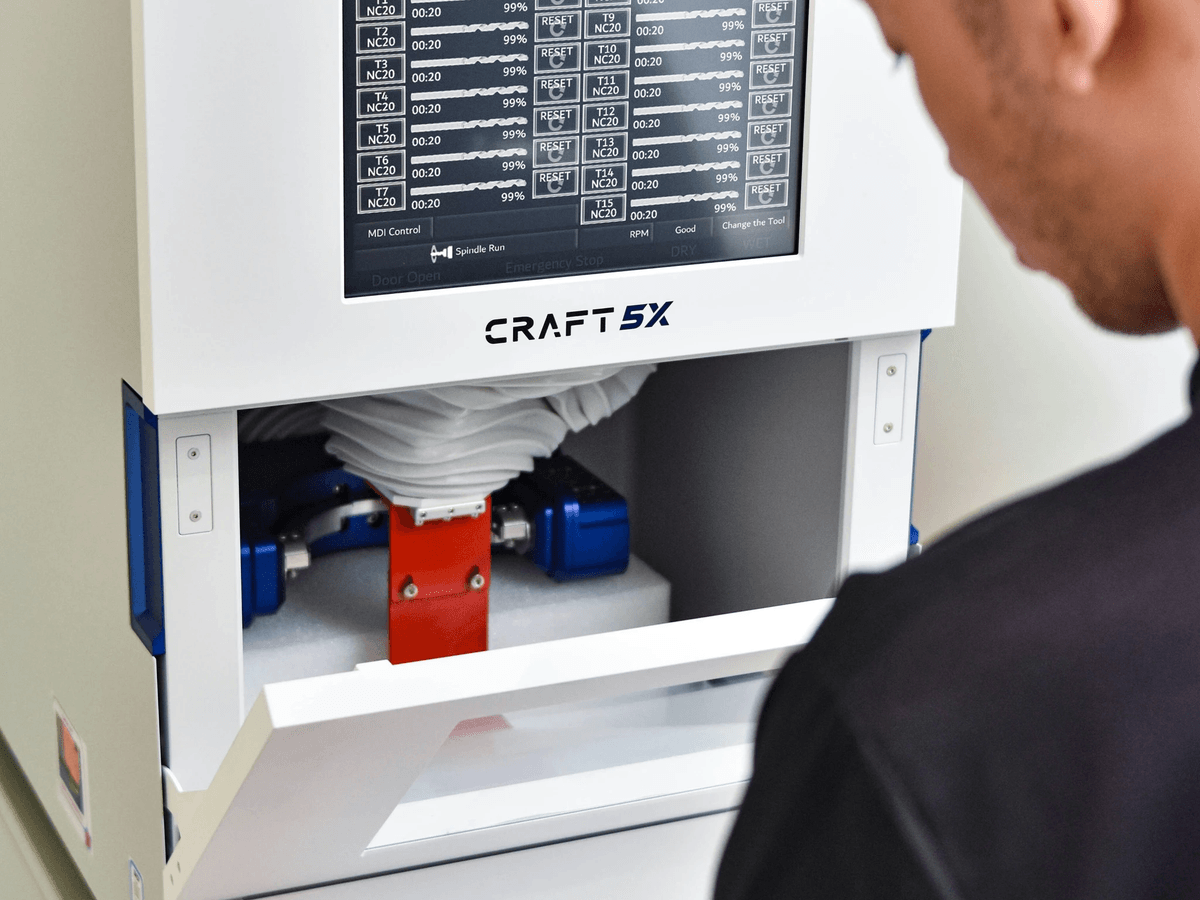
When it comes to Demister Inspection, the Mill test report (MTR) is your treasure map to quality, revealing crucial data about the materials used. Carefully interpreting this report helps ensure that the materials meet industry standards and customer specifications. It’s like a backstage pass that shows whether your demisters are built with the right alloy, proper certifications, and consistent quality.
Interpreting Essential Data from the Mill Test Report
The first step in effective Demister Inspection is understanding the essential data within the Mill test report. This document provides detailed information about material composition, mechanical properties, and heat treatment processes. By scrutinizing this data, you can verify if the material identification and markings match what was ordered and whether they comply with relevant standards. Proper interpretation of these details ensures that your demisters are made from alloys suitable for their application and withstand operational demands.
Ensuring Material Meets Industry and Customer Standards
Once you've decoded the Mill test report, it's vital to cross-check its contents against industry requirements and customer expectations during your Demister Inspection process. Confirm that alloy verification aligns with specified standards such as ASTM or ASME codes—this guarantees durability and safety in operation. Ensuring these materials meet both industry benchmarks and client needs minimizes risks of failure caused by subpar materials or incorrect alloy selection.
Cross-Referencing with Material Identification
To complete a thorough Demister Inspection, cross-referencing data from the mill test report with physical material identification and markings on the demister components is essential. This step helps verify that what’s documented matches what’s physically present—no surprises here! Combining visual and dimensional inspection with alloy verification ensures every piece complies before moving toward pre-shipment inspection, reducing chances of costly rework or shipment delays.
Pre-shipment Inspection for Demisters
Before dispatching your demisters, a thorough pre-shipment inspection is essential to ensure they meet all quality and safety standards. This stage acts as the final gatekeeper, catching any issues that could compromise performance or compliance. Conducting an effective Demister Inspection at this point guarantees your equipment aligns perfectly with client expectations and industry regulations.
Final Checkpoints Before Dispatch
The last step in the Demister Inspection process involves verifying that all critical aspects are thoroughly examined. Visual and dimensional inspection techniques are employed to confirm that the demisters match specified dimensions and show no signs of wear, corrosion, or damage. Material identification and markings are checked to ensure they correspond with the approved specifications, while alloy verification confirms the material composition matches what was originally certified in the mill test report.
Confirming Compliance with Client Specifications
Ensuring compliance with client specifications is paramount during pre-shipment inspection. Cross-referencing measurements, material identification, and markings against contractual requirements helps prevent costly returns or rework later on. Reviewing the mill test report provides additional assurance that the alloy verification aligns with industry standards and customer expectations—making sure every demister is up to par before it leaves your facility.
Documentation and Certification Requirements
Accurate documentation plays a crucial role in demonstrating quality assurance during pre-shipment inspection. The mill test report must be carefully examined for essential data confirming material composition and alloy verification results. Proper certification ensures seamless customs clearance and helps maintain transparency with clients by providing comprehensive records of visual inspections, dimensional checks, and material verification processes related to Demister Inspection.
The Role of China Inspection Pro in Demister Quality Control
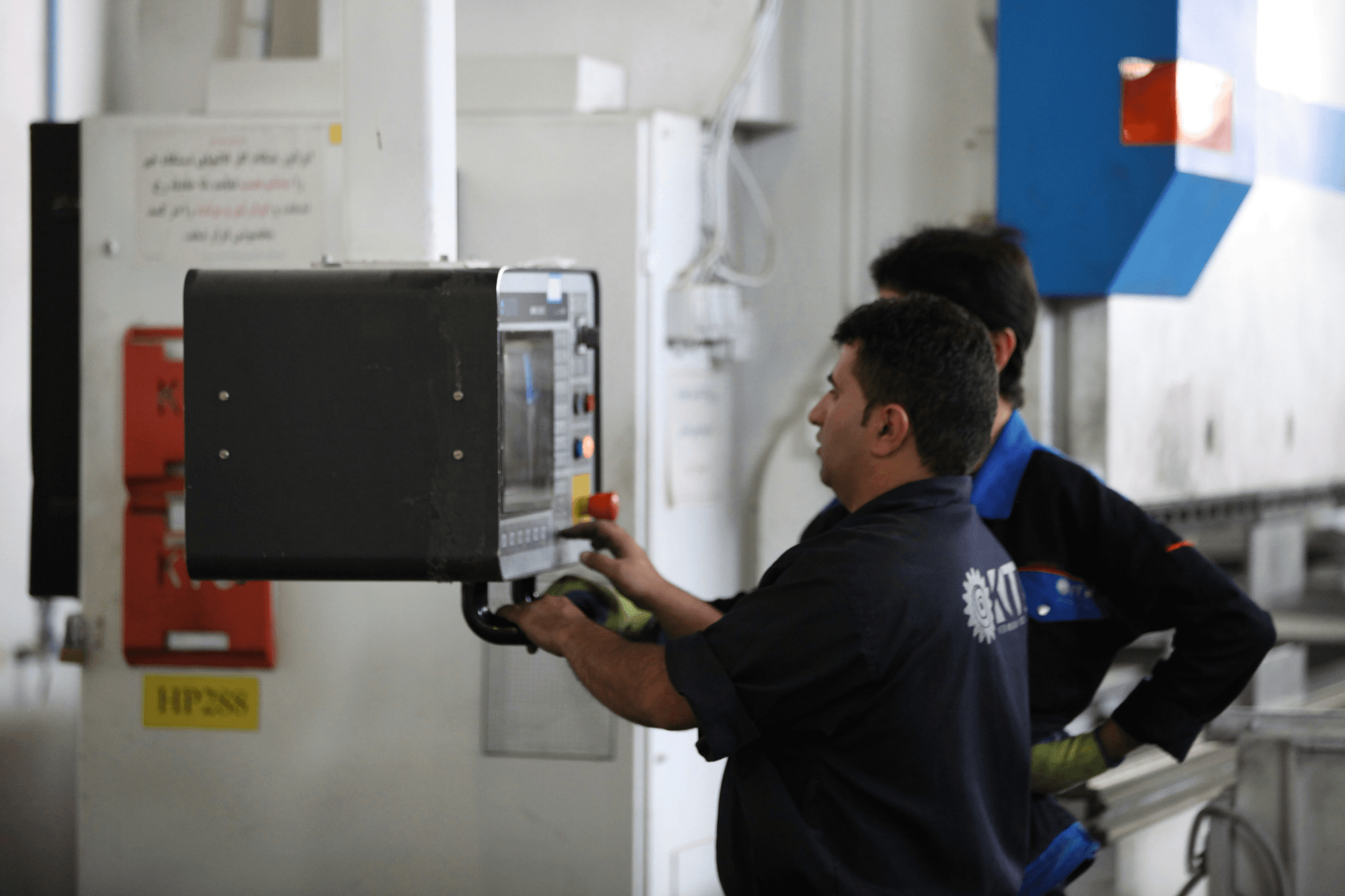
At China Inspection Pro, our team of seasoned professionals takes Demister Inspection seriously — it’s not just about ticking boxes, but ensuring every component meets the highest standards. We conduct a thorough visual and dimensional inspection, scrutinizing material identification and markings to verify that each demister aligns with your specifications. Our experts also review the mill test report meticulously, cross-referencing alloy verification results to confirm material compatibility and quality before moving forward.
When performing Demister Inspection, we prioritize accurate alloy verification and comprehensive visual checks to catch potential issues early. Our specialists use advanced non-destructive testing methods to assess material integrity without damaging the product, ensuring it passes all safety and performance criteria. This rigorous process guarantees that your demisters are free from corrosion or wear, ready for pre-shipment inspection with confidence.
Delivering clear and actionable inspection reports is core to our service. We compile detailed findings from every aspect of the Demister Inspection — including material identification and markings, dimensional accuracy, and results from alloy verification tests — into straightforward reports that help you make informed decisions. These reports serve as vital documents during pre-shipment inspections, streamlining your compliance process and reducing delays at customs or clients’ sites.
Supporting your shipment goals is what we do best. Our team ensures all demisters meet industry standards by thoroughly analyzing the mill test report data alongside physical inspections. This integrated approach guarantees that each unit passes pre-shipment inspection smoothly, with full documentation for quality assurance and compliance purposes.
Conclusion
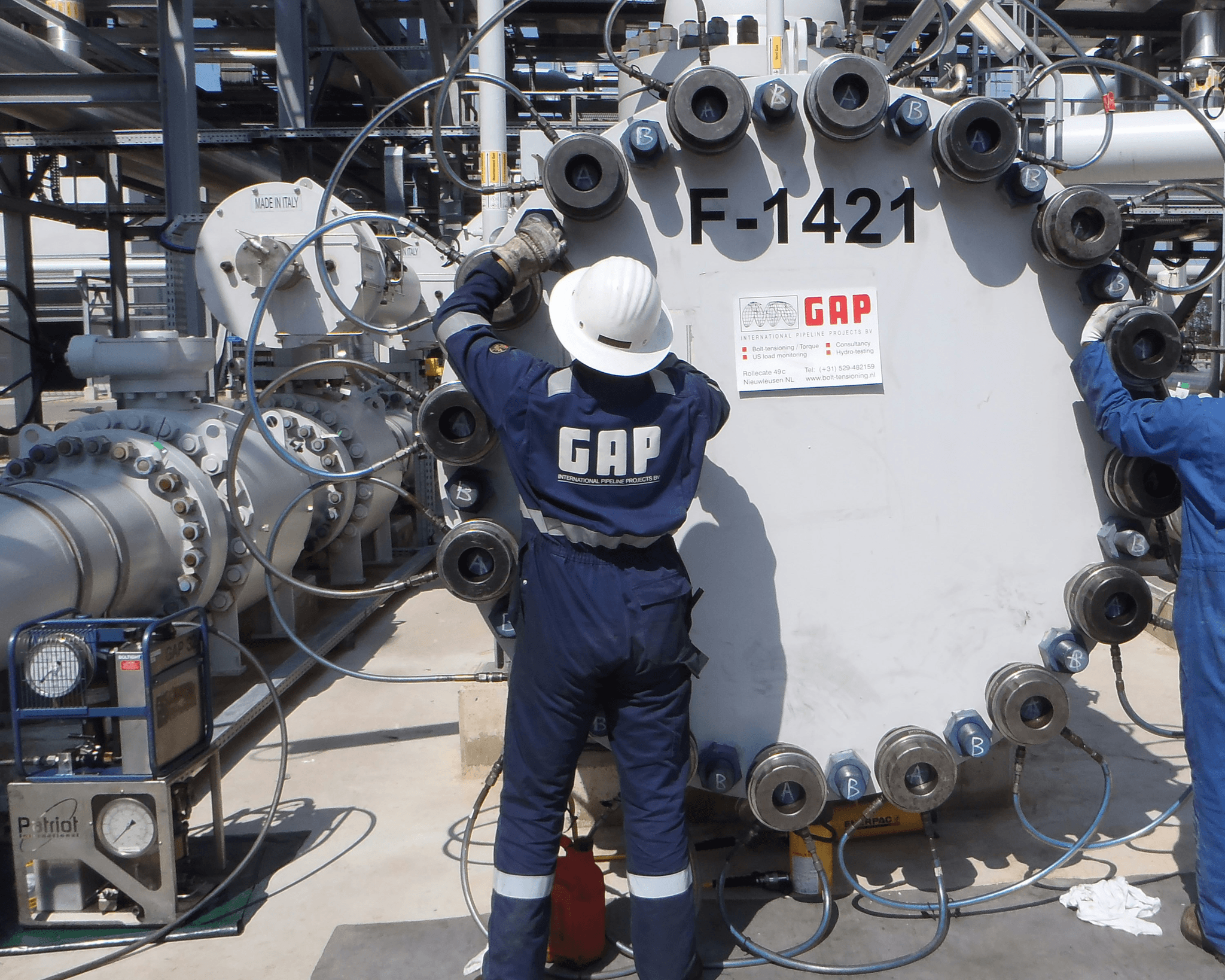
In the world of industrial operations, mastering Demister Inspection is crucial for ensuring equipment longevity and safety. Proper visual and dimensional inspections, combined with thorough material identification and markings verification, form the backbone of a reliable inspection process. When you pay close attention to these details, you can prevent costly failures and extend the service life of your demisters.
Reliable alloy verification plays a pivotal role in maintaining optimal performance, especially when cross-referenced with the mill test report. This document provides essential data that confirms whether your materials meet industry standards and client specifications. Incorporating diligent pre-shipment inspection practices ensures all components are up to standard before they leave the factory, reducing risks during installation and operation.
Partnering with China Inspection Pro streamlines your demister inspection process by providing expert evaluations that focus on every critical aspect—from visual checks to verifying material markings and analyzing mill test reports. Our team delivers clear, actionable reports that support compliance requirements and facilitate smooth shipments. With our support, you can confidently rely on your demisters’ quality, knowing each one has undergone rigorous pre-shipment inspection tailored to industry standards.