
Introduction
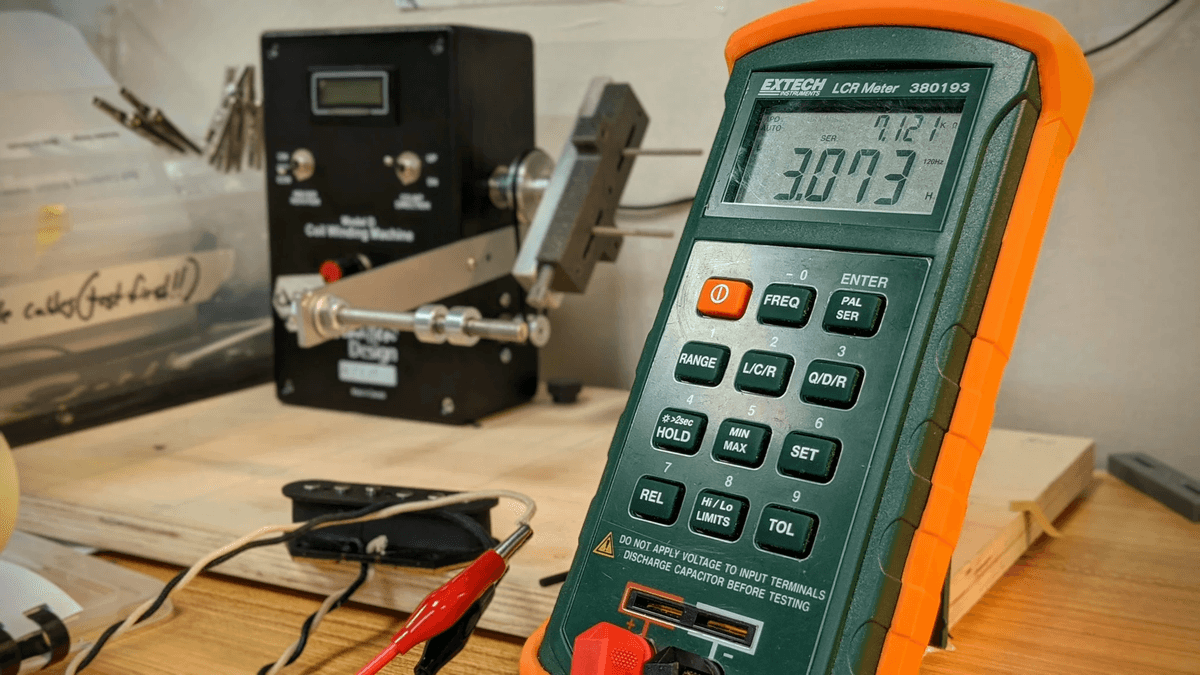
Electromagnetic Flow Meter Inspection is a critical process that ensures these sophisticated devices perform accurately and reliably in various industrial applications. From verifying material compliance through Mill test reports to conducting non-destructive examination, thorough inspections are the backbone of quality assurance. When industry leaders prioritize meticulous inspection procedures, they safeguard their operations against costly failures and maintain top-tier performance standards.
Understanding Electromagnetic Flow Meter Inspection involves a comprehensive approach that encompasses multiple testing stages. Key steps include pressure testing to check structural integrity, performance tests including calibration procedures for measurement accuracy, and insulation resistance tests to ensure electrical safety. Each phase plays a vital role in confirming that flow meters meet strict industry requirements before deployment.
Why Accurate Inspection Matters for Industry Leaders cannot be overstated; it directly impacts operational efficiency, safety, and regulatory compliance. By leveraging detailed insights from Mill test reports and applying advanced non-destructive examination techniques, companies can detect internal flaws early and prevent potential failures. Ultimately, rigorous inspection practices empower industry leaders to deliver dependable products while minimizing downtime and maintenance costs.
Establishing a Baseline with Mill Test Reports
Setting a solid foundation for Electromagnetic Flow Meter Inspection begins with a thorough review of mill test reports. These documents serve as the first checkpoint to verify that the materials used meet industry standards and compliance requirements. Skipping this step can lead to inaccuracies down the line, jeopardizing the reliability of the entire inspection process.
When examining mill test reports, attention to detail is key. They provide vital information about material composition, mechanical properties, and manufacturing conditions—crucial data for accurate Electromagnetic Flow Meter Inspection. Proper interpretation ensures that each component aligns with specifications, reducing the risk of future failures during non-destructive examination or pressure testing.
Traceability and documentation accuracy are also critical components in establishing a reliable baseline. Well-maintained records from mill test reports allow inspectors to track material origins and certifications seamlessly. This traceability not only supports compliance but also facilitates efficient performance tests including calibration procedures, ensuring consistent measurement accuracy over time.
Conducting Non-Destructive Examination for Precision
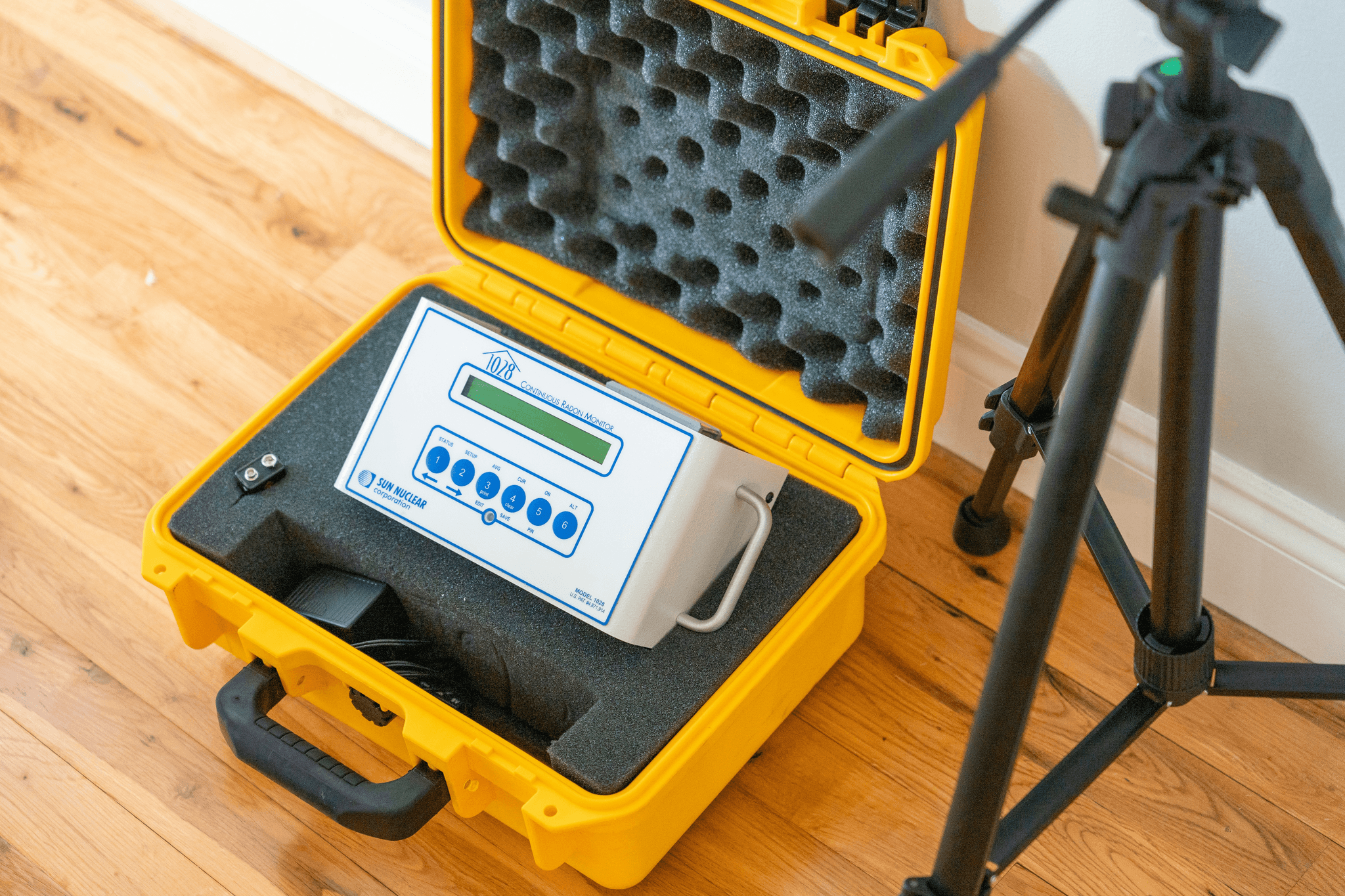
Electromagnetic Flow Meter Inspection requires meticulous attention to internal details without causing any damage, making non-destructive examination (NDE) the go-to method. This approach allows inspectors to identify hidden flaws or inconsistencies that could compromise performance, especially when combined with insights from mill test reports. By integrating NDE techniques into the inspection process, industry leaders can ensure their flow meters meet rigorous standards without sacrificing a single unit to destructive testing.
Techniques Used in Electromagnetic Flow Meter Inspection
When it comes to Electromagnetic Flow Meter Inspection, several non-destructive techniques stand out for their effectiveness and reliability. Ultrasonic testing and eddy current inspection are commonly employed to evaluate internal structures and detect flaws that might not be visible externally. These methods are complemented by radiographic testing, which provides detailed images of internal components, ensuring that every aspect aligns with the specifications outlined in the mill test reports. Incorporating these advanced techniques guarantees a comprehensive evaluation while preserving the integrity of each flow meter.
Detecting Internal Flaws Without Damage
The beauty of non-destructive examination lies in its ability to uncover internal flaws—such as cracks, corrosion, or inclusions—without damaging the electromagnetic flow meter itself. During inspection, technicians utilize specialized equipment to scan for anomalies that could lead to failures during pressure tests or performance evaluations. Detecting such issues early ensures that only units meeting strict quality standards proceed further in the manufacturing or deployment process, reducing costly downtime and safety risks down the line.
Best Practices from China Inspection Pro
China Inspection Pro sets a high standard by combining proven non-destructive examination techniques with rigorous documentation practices aligned with international standards. They emphasize cross-referencing findings from NDE with data from pressure tests and performance tests including calibration procedures to verify consistency across all parameters. Their approach also involves thorough review of mill test reports alongside NDE results, creating a robust verification system that ensures each electromagnetic flow meter is both reliable and compliant before reaching end-users.
Pressure Testing for Operational Integrity
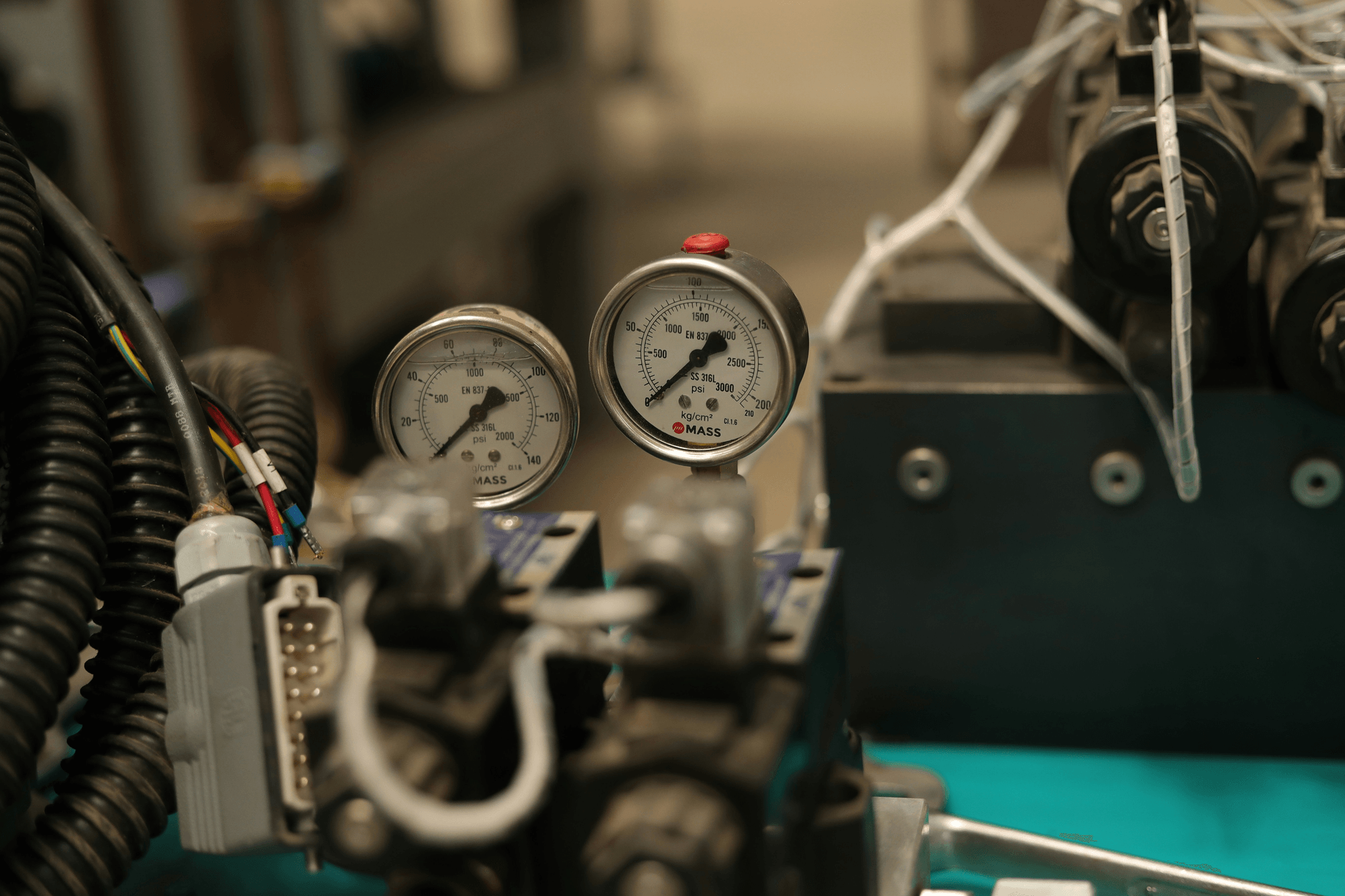
Pressure testing is a crucial step in Electromagnetic Flow Meter Inspection, ensuring that the device can withstand operational stresses without failure. During this phase, technicians simulate real-world conditions to verify the integrity of the flow meter’s structure and internal components. Properly conducted pressure tests help identify potential weaknesses early, preventing costly failures down the line and maintaining compliance with industry standards.
Methods for Conducting Pressure Tests
To perform an effective pressure test, inspectors typically use hydrostatic or pneumatic methods depending on the application and safety considerations. These methods involve pressurizing the flow meter with water or air to levels specified in the Mill test reports, which provide vital material specifications and compliance details. Incorporating Non-destructive examination techniques during these tests allows for detecting internal flaws without damaging the device, giving a comprehensive view of its operational readiness.
Identifying Leaks and Structural Weaknesses
During pressure testing, any leaks or structural weaknesses become glaringly obvious—often with just a visual inspection or through advanced leak detection technology. This step is critical in Electromagnetic Flow Meter Inspection because even minor leaks can compromise measurement accuracy and safety. Using data from previous performance tests including calibration procedures helps pinpoint whether issues stem from manufacturing defects or installation mishaps, enabling targeted repairs before deployment.
Compliance Standards and Safety Regulations
Adhering to industry-specific compliance standards during pressure testing ensures your electromagnetic flow meters meet safety regulations mandated by governing bodies worldwide. These standards often specify maximum allowable pressures, testing durations, and documentation requirements—details thoroughly checked against Mill test reports for traceability purposes. By aligning pressure test procedures with these regulations, industry leaders safeguard their operations while demonstrating commitment to quality assurance through detailed records of each inspection phase.
Performance Testing Including Calibration Procedures

When it comes to Electromagnetic Flow Meter Inspection, performance testing plays a pivotal role in ensuring these devices operate at peak accuracy. This process involves assessing key parameters like flow rate consistency, signal stability, and response time. Incorporating calibration procedures into performance tests helps verify that the flow meters meet industry standards and client specifications, reducing the risk of costly errors down the line.
Key Parameters to Assess Performance
During Electromagnetic Flow Meter Inspection, evaluating critical parameters such as linearity, repeatability, and zero stability is essential. These metrics determine whether the flow meter provides reliable readings under various operational conditions. Additionally, inspecting for signal noise and verifying compliance with Mill test reports ensures that each device aligns with material specifications and quality expectations.
Calibration Techniques to Maintain Accuracy
Calibration is the backbone of accurate Electromagnetic Flow Meter Inspection. Techniques such as using traceable standard flows or applying calibration rigs help adjust measurement outputs precisely. Regular calibration not only maintains accuracy but also ensures consistency across batches of meters—especially when performing non-destructive examination or pressure tests—ultimately safeguarding operational integrity.
Using Industry Standards to Benchmark Results
Benchmarking results against established industry standards like ISO or IEC guidelines offers an objective measure of a flow meter’s performance during inspection processes. These standards provide clear thresholds for parameters assessed in performance tests including calibration procedures, making it easier to identify deviations early on. Leveraging recognized benchmarks ensures your electromagnetic flow meters are reliable and compliant before deployment.
Insulation Resistance Test for Electrical Safety
Ensuring electrical safety in electromagnetic flow meters is crucial, and the insulation resistance test plays a vital role in this process. A thorough electromagnetic flow meter inspection includes verifying that insulation is intact to prevent electrical faults or failures during operation. Incorporating insulation resistance testing into your overall inspection plan helps detect potential issues early, saving you from costly downtime or safety hazards down the line.
Proper insulation not only safeguards personnel but also preserves the integrity of other components within the system. Relying on detailed mill test reports can provide initial insights into material quality, but an actual insulation resistance test confirms that these materials meet safety standards. When combined with non-destructive examination techniques and pressure tests, this comprehensive approach ensures your electromagnetic flow meter performs reliably over time.
Remember, a rigorous performance test including calibration procedures must be complemented by a meticulous insulation resistance test to guarantee safety and longevity. This layered inspection strategy aligns with industry standards and regulatory requirements, offering peace of mind for industry leaders committed to quality. Integrating these methods creates a robust inspection workflow that emphasizes electrical safety at every stage.
Implementing a Robust Inspection Workflow
Creating an effective inspection workflow for electromagnetic flow meters involves integrating multiple testing methods to ensure comprehensive quality assurance. Combining tests such as pressure test, performance test including calibration procedures, and non-destructive examination allows for a thorough evaluation of each unit’s integrity and operational readiness. This multi-layered approach not only detects internal flaws but also verifies that the flow meter meets all industry standards, making sure every component—from mill test reports to insulation resistance—is up to snuff before deployment.
Combining Tests for Comprehensive Evaluation
To guarantee the highest reliability in electromagnetic flow meter inspection, it's essential to combine various tests into a seamless process. Starting with mill test reports helps verify material specifications and compliance from the outset, setting a solid baseline. Following this, conducting non-destructive examination ensures internal flaws are detected without damaging the device, while pressure testing confirms structural integrity under operational conditions. Incorporating performance tests including calibration procedures further fine-tunes accuracy, ensuring each flow meter performs within industry benchmarks before it reaches the end user.
Documenting Findings with Precision
Accurate documentation is the backbone of any robust inspection workflow; it transforms raw data into actionable insights. During electromagnetic flow meter inspection, meticulous recording of results from each test—pressure test outcomes, non-destructive examination findings, performance calibration data, and insulation resistance measurements—is critical for traceability and quality control. Proper documentation not only supports regulatory compliance but also facilitates troubleshooting and future maintenance efforts. Leveraging detailed records ensures that every aspect of the electromagnetic flow meter inspection process is transparent and verifiable by industry standards or client audits.
Leveraging China Inspection Pro’s Expertise
Partnering with China Inspection Pro elevates your electromagnetic flow meter inspection process by bringing seasoned expertise into every phase—from analyzing mill test reports to executing advanced non-destructive examinations and pressure tests. Their team specializes in implementing comprehensive workflows that seamlessly integrate performance testing including calibration procedures alongside insulation resistance tests for electrical safety assurance. With their support, you gain confidence that your electromagnetic flow meters undergo rigorous inspections aligned with global standards—reducing risk while enhancing product reliability.
Conclusion
Achieving product excellence in electromagnetic flow meters hinges on rigorous inspection methods that leave no stone unturned. By thoroughly reviewing mill test reports, industry leaders can verify material compliance and traceability, setting a solid foundation for quality assurance. Incorporating non-destructive examination techniques ensures internal flaws are detected early without damaging the device, boosting confidence in its reliability.
A comprehensive approach also involves pressure testing to identify leaks and structural weaknesses that might compromise operational integrity. Coupled with performance tests including calibration procedures, this multi-layered inspection guarantees the flow meter performs accurately under real-world conditions. Additionally, insulation resistance tests play a vital role in ensuring electrical safety and longevity, especially for devices operating in challenging environments.
Implementing an inspection workflow that combines these methods—mill test reports review, non-destructive examination, pressure testing, performance evaluation including calibration, and insulation resistance testing—creates a robust quality assurance process. Documenting each step with precision not only maintains transparency but also facilitates troubleshooting and continuous improvement. Partnering with experienced professionals like China Inspection Pro can elevate your inspection standards further, ensuring every electromagnetic flow meter meets industry benchmarks for safety and performance.
In the end, rigorous electromagnetic flow meter inspection isn’t just about passing tests; it’s about delivering dependable products that stand the test of time and usage. The benefits are clear: reduced downtime, enhanced safety, and greater trust from clients who rely on your precision instruments daily. Embracing proven methods backed by expert partnerships transforms quality assurance from a necessity into a strategic advantage.