
Introduction
In an era where environmental awareness is paramount, understanding RoHS compliance essentials has become increasingly critical for businesses across the globe. The Restriction of Hazardous Substances (RoHS) directive aims to limit the use of specific hazardous materials in electrical and electronic products, ensuring a safer planet and healthier consumers. As we delve deeper into why RoHS compliance is important, it becomes clear that this regulation not only fosters sustainability but also shapes market dynamics.
Understanding RoHS Compliance Essentials
What is RoHS? At its core, RoHS stands for the Restriction of Hazardous Substances, a legislative framework established to protect both human health and the environment from harmful substances commonly found in electronics. This directive restricts the use of six hazardous materials: lead, mercury, cadmium, hexavalent chromium, polybrominated biphenyls (PBB), and polybrominated diphenyl ethers (PBDE). Businesses must navigate these regulations carefully to ensure their products are compliant; otherwise, they risk facing hefty penalties and losing market access.
Importance of RoHS Compliance for Businesses
Why is RoHS compliance important for businesses? First and foremost, adherence to these regulations enhances consumer safety by reducing exposure to toxic substances in everyday products. Additionally, compliance can serve as a competitive advantage; companies that prioritize environmental responsibility often attract eco-conscious consumers who prefer sustainable options over traditional alternatives. As markets increasingly demand greener practices, understanding which products are covered by RoHS becomes essential for maintaining relevance in today’s business landscape.
The Global Impact of RoHS Regulations
The global impact of RoHS regulations extends far beyond individual businesses; it influences international trade and manufacturing practices on a grand scale. With many countries adopting similar standards—like RoHS 2 and RoHS 3—the ripple effect encourages manufacturers worldwide to rethink their production processes while complying with stringent labeling requirements. Furthermore, as emerging industries continue to develop new product categories subject to these directives, staying informed about which products are exempt from RoHS will be crucial for navigating this evolving landscape.
What is RoHS?

RoHS, or the Restriction of Hazardous Substances, is a set of regulations aimed at limiting the use of specific hazardous materials found in electrical and electronic products. This directive plays a crucial role in promoting environmental sustainability and ensuring consumer safety by restricting substances that pose health risks. In an era where environmental concerns are paramount, understanding what RoHS is becomes essential for manufacturers and consumers alike.
Definition and Overview
At its core, RoHS compliance mandates that certain hazardous substances be restricted in electronic products, including lead, mercury, cadmium, hexavalent chromium, and several flame retardants. The main aim is to reduce pollution caused by electronic waste while safeguarding human health from toxic exposure during manufacturing and disposal processes. Essentially, RoHS serves as a guideline for manufacturers to develop safer products while adhering to global standards.
Historical Context of RoHS Initiatives
The journey toward RoHS compliance began in the early 2000s when the European Union recognized the need for standardized regulations regarding hazardous substances in electronics. The original directive came into effect on July 1, 2006, establishing a framework that has evolved over time through subsequent directives like RoHS 2 and RoHS 3. Understanding this historical context is vital because it illustrates how regulatory measures have adapted to emerging technologies and environmental challenges.
Global Adoption of RoHS Standards
Since its inception in Europe, the principles behind RoHS compliance have gained traction worldwide. Countries beyond Europe have adopted similar regulations to ensure that their markets align with global sustainability goals—this includes regions like North America and Asia-Pacific. Global adoption underscores why is RoHS compliance important; it not only facilitates international trade but also promotes uniformity in product safety standards across borders.
Why is RoHS Compliance Important?
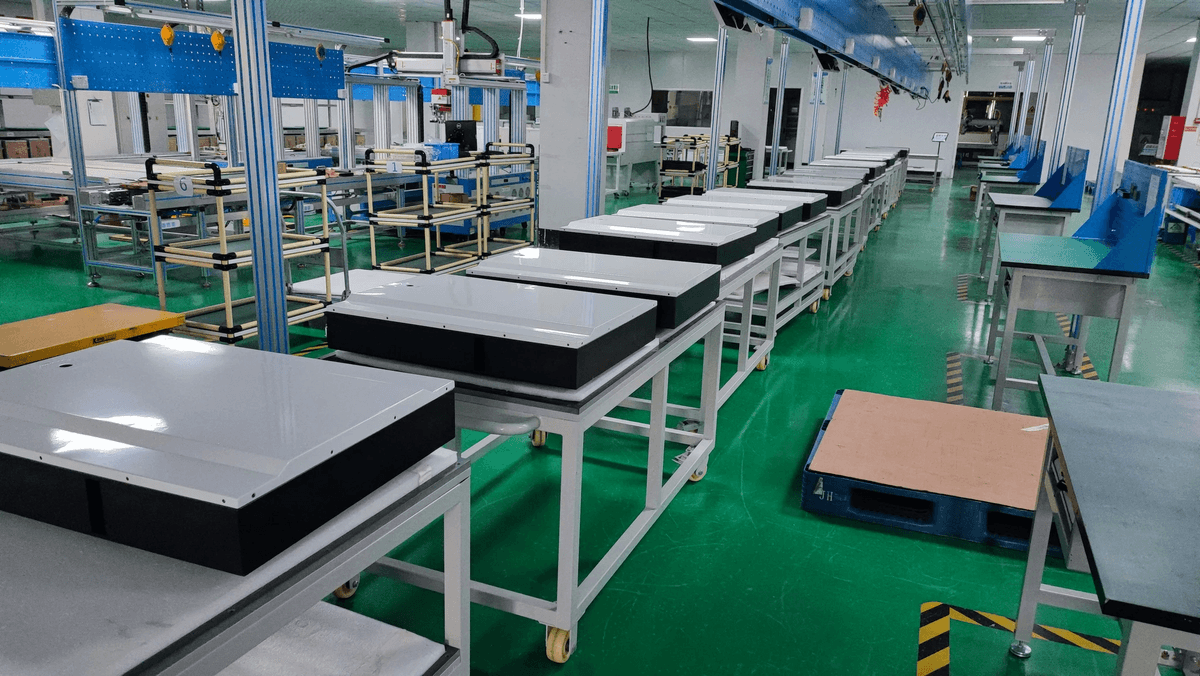
RoHS compliance is crucial for various reasons that extend beyond mere legal obligations. Understanding why is RoHS compliance important involves recognizing its impact on environmental sustainability, consumer safety, and market dynamics. As businesses navigate the complexities of regulations, they must grasp the significance of adhering to RoHS standards.
Environmental Protection and Sustainability
One of the primary motivations behind RoHS compliance is its role in environmental protection and sustainability. By restricting hazardous substances in electronic products, RoHS initiatives aim to reduce pollution and conserve natural resources. This commitment not only helps protect ecosystems but also promotes a circular economy where materials are reused rather than discarded.
Moreover, understanding what is RoHS? reveals that these regulations encourage manufacturers to seek greener alternatives in their production processes. Companies that prioritize sustainability can enhance their brand reputation while contributing to global efforts against climate change. Thus, embracing RoHS compliance aligns business practices with environmental stewardship.
Consumer Safety and Health Concerns
Another compelling reason why is RoHS compliance important revolves around consumer safety and health concerns. The restricted substances listed under RoHS—such as lead, mercury, and cadmium—are known for their adverse health effects when exposed to humans or the environment. By ensuring products are free from these hazardous materials, manufacturers can safeguard their customers' well-being.
As consumers become increasingly aware of product safety issues, they often favor brands committed to ethical practices like those mandated by RoHS directives: RoHS 2 and RoHS 3. This shift in consumer behavior highlights the importance of transparency regarding which products are covered by ROHS regulations and how they are labeled accordingly. Businesses that prioritize consumer safety can gain trust and loyalty from their customer base.
Market Access and Competitive Advantage
In today's global marketplace, understanding which products are covered by ROHS regulations can provide a significant competitive advantage for businesses seeking market access. Many countries have adopted similar standards inspired by EU directives; thus, non-compliance could result in barriers to entry or loss of market share in key regions. Companies that proactively comply with these regulations position themselves favorably against competitors who may lag behind.
Additionally, effective adherence to ROHS labeling requirements not only facilitates smoother logistics but also enhances brand credibility among environmentally conscious consumers. When businesses demonstrate a commitment to regulatory compliance through proper labeling practices, they signal reliability and responsibility in their operations—qualities highly valued by today's savvy shoppers.
Ultimately, recognizing why is ROHS compliance important allows businesses not just to avoid penalties but also to thrive within an evolving regulatory landscape focused on sustainability and health.
Which Products are Covered by RoHS?

Understanding which products are covered by RoHS is crucial for manufacturers and businesses aiming to comply with these regulations. RoHS, which stands for Restriction of Hazardous Substances, primarily targets electrical and electronic equipment but has implications that stretch across various industries. Knowing the scope of RoHS compliance not only ensures adherence to legal standards but also contributes to environmental sustainability.
Categories of RoHS-Compliant Products
RoHS compliance applies to a wide array of product categories, particularly those that involve electronics and electrical appliances. This includes everything from consumer gadgets like smartphones and laptops to larger appliances like refrigerators and washing machines. Additionally, certain categories such as lighting equipment, toys, and medical devices also fall under the purview of RoHS regulations, making it essential for businesses to identify if their products are included.
Electronics and Electrical Appliances
When we talk about Which products are covered by RoHS?, electronics and electrical appliances take center stage. These items often contain hazardous substances that can harm both human health and the environment if not managed correctly. Therefore, ensuring that these products meet RoHS standards is not just a regulatory requirement; it's also an ethical responsibility towards consumer safety—a key reason why is rohs compliance important.
Emerging Industries and New Product Categories
As technology evolves, so do the types of products that may require RoHS compliance. Emerging industries such as renewable energy technologies or smart home devices introduce new challenges in terms of hazardous substance management—this is where knowing What is RoHS? becomes vital for manufacturers venturing into these sectors. Moreover, understanding Which products are exempt from RoHS? can help businesses navigate potential pitfalls while adapting their offerings to meet market demands effectively.
Which Products are Exempt from RoHS?
While RoHS compliance is crucial for many products, certain categories are exempt from these regulations. Understanding which products are excluded can help businesses navigate the complexities of compliance and avoid unnecessary penalties. This section delves into the exemptions, focusing on medical devices, military applications, and temporary exemptions.
Exemptions for Medical Devices
Medical devices often fall under specific regulatory frameworks that can exempt them from RoHS requirements. The rationale behind this exemption is to ensure that life-saving technologies remain available without the constraints imposed by RoHS compliance. However, manufacturers must still be mindful of what is classified as a medical device and stay updated with any changes in regulations to ensure they meet both safety standards and market needs.
The exemption for medical devices highlights why is RoHS compliance important: it allows critical healthcare innovations to thrive while balancing environmental concerns with patient safety. As technologies evolve, some medical devices may eventually fall under new RoHS directives like RoHS 2 or RoHS 3, so keeping an eye on future trends in legislation is essential for manufacturers in this field.
Military Applications and Special Cases
Military applications often receive exemptions from RoHS due to the unique requirements of defense technology. Components used in military equipment must meet stringent performance standards that may not align with general consumer product regulations like those outlined in What is RoHS? These special cases necessitate a careful consideration of both operational effectiveness and regulatory compliance.
This exemption underscores the complexity of which products are covered by RoHS since military applications frequently involve materials that might otherwise be restricted under standard guidelines. Manufacturers operating in this sector should familiarize themselves with specific exemptions to ensure they maintain compliance while meeting mission-critical needs.
Understanding Temporary Exemptions
Temporary exemptions play an intriguing role in the landscape of RoHS compliance, allowing certain products a reprieve from restrictions for a defined period. These exemptions can be granted based on ongoing research or technological limitations that prevent immediate adherence to regulations like those specified in What are ROHS restricted substances? Companies should keep abreast of these temporary allowances as they can impact product development timelines significantly.
Understanding temporary exemptions also sheds light on why is ROHS compliance important: it provides businesses flexibility while encouraging innovation within regulated frameworks. As industries evolve and new challenges arise, such as emerging technologies or materials, companies must stay informed about any changes related to temporary exemptions to navigate their obligations effectively.
What are RoHS Restricted Substances?
Understanding what RoHS restricted substances are is crucial for businesses aiming to comply with regulations. These substances, which are harmful to both human health and the environment, must be managed carefully in the manufacturing process of electronic and electrical products. Compliance with these restrictions not only ensures safety but also aligns with the broader goals of sustainability, making it a key consideration for companies navigating the question of what is RoHS?.
List of Restricted Substances
RoHS restricts several hazardous substances, including lead, mercury, cadmium, hexavalent chromium, polybrominated biphenyls (PBB), and polybrominated diphenyl ethers (PBDE). Each of these materials poses significant risks; for instance, lead can cause neurological damage while cadmium is a known carcinogen. Knowing which products are covered by RoHS helps manufacturers identify if their components contain any of these restricted substances.
Implications of Non-Compliance
Failing to comply with RoHS regulations can result in severe implications for businesses. This includes hefty fines, product recalls, and reputational damage that can undermine consumer trust—essentially answering the question: why is RoHS compliance important? Moreover, non-compliance may restrict market access to regions where RoHS directives like RoHS 2 and RoHS 3 are enforced strictly.
Strategies for Substance Management
To effectively manage restricted substances under RoHS guidelines, companies should implement robust substance management strategies. This includes conducting thorough material assessments during product development to ensure compliance from the outset—addressing concerns related to which products are exempt from RoHS as well. Additionally, maintaining clear documentation and labeling requirements will not only streamline compliance processes but also enhance transparency with consumers about safety practices.
RoHS Directives: RoHS 2 and RoHS 3

The evolution of RoHS directives has been pivotal in shaping the landscape of electronic manufacturing and environmental responsibility. Understanding these directives is crucial for grasping why is RoHS compliance important, as they establish the framework that governs the use of hazardous substances in electrical and electronic equipment. Both RoHS 2 and RoHS 3 reflect a commitment to enhancing product safety while promoting sustainability across global markets.
Key Features of RoHS 2
RoHS 2, formally known as Directive 2011/65/EU, expanded upon the original directive by introducing several critical features aimed at improving compliance and enforcement. One significant aspect is its broader scope; it includes not only electrical and electronic equipment but also extends to components and spare parts, ensuring that all elements are covered under the regulations. Additionally, RoHS 2 emphasizes enhanced monitoring mechanisms, requiring manufacturers to provide detailed documentation proving adherence to standards surrounding which products are covered by RoHS.
Another noteworthy feature is the introduction of a CE marking requirement for compliance, making it clear that products meet both safety and environmental standards. This marking serves as a vital tool for businesses looking to understand what is RoHS? It helps consumers identify compliant products while providing manufacturers with competitive advantages in an increasingly eco-conscious market.
Introduction of RoHS 3
RoHS 3 was introduced through Directive (EU) 2015/863, further refining the regulations established by its predecessor. This directive added four new restricted substances—phthalates—to the existing list, demonstrating an ongoing commitment to consumer safety and environmental protection. The expansion highlights why is ROHS compliance important; it ensures that even emerging technologies adhere to stringent guidelines regarding which products are exempt from ROHS.
Moreover, RoHS 3 has introduced provisions for better enforcement across member states within the European Union, promoting a more uniform application of these standards globally. As industries evolve with new innovations, understanding what are ROHS restricted substances becomes essential for manufacturers aiming to stay compliant while accessing lucrative markets.
Future Trends in RoHS Legislation
Looking ahead, we can expect further developments in ROHS legislation as technology continues to advance at breakneck speed. The increasing focus on sustainability will likely lead to more stringent requirements regarding which products are covered by ROHS; industries may need to adapt quickly or risk falling behind their competitors who prioritize compliance. Additionally, we may see clearer guidelines surrounding ROHS labeling requirements as consumer awareness grows about product safety.
As regulatory bodies respond to environmental challenges posed by e-waste and hazardous materials like heavy metals or persistent organic pollutants (POPs), businesses will need robust strategies for managing their supply chains effectively—especially concerning what are ROHS restricted substances? The future trends indicate a shift toward not just meeting current regulations but anticipating potential changes well before they become mandatory.
RoHS Labeling Requirements
In the realm of RoHS compliance, labeling is not just a formality; it’s a vital component that communicates essential information about product safety and environmental impact. Proper product labeling ensures that consumers and regulatory bodies can easily identify whether a product meets RoHS standards. This transparency fosters trust in the marketplace and reinforces the importance of understanding what is RoHS? for both manufacturers and consumers alike.
Importance of Proper Product Labeling
Proper product labeling serves as a guarantee that items comply with necessary regulations, which is crucial for businesses looking to demonstrate their commitment to sustainability. It allows consumers to make informed choices, addressing why is RoHS compliance important from an environmental perspective. Moreover, accurate labels help companies avoid penalties associated with non-compliance, ultimately safeguarding their market presence.
Guidelines for Compliance Marking
To navigate the complexities of RoHS labeling requirements effectively, businesses must adhere to specific guidelines that dictate how products should be marked. These guidelines typically include displaying the CE mark alongside any relevant symbols indicating compliance with RoHS directives: RoHS 2 and RoHS 3. Companies should also ensure that their labels provide clear information about which products are covered by RoHS standards to prevent confusion among consumers.
Challenges in Ensuring Accurate Labels
One of the primary challenges in ensuring accurate labels lies in keeping up-to-date with evolving regulations surrounding which products are exempt from RoHS compliance. Manufacturers often struggle with identifying all applicable restricted substances in their supply chains, leading to potential mislabeling issues related to what are ROHS restricted substances? Additionally, discrepancies between different jurisdictions can complicate global trade efforts, making it imperative for businesses to stay informed about international standards while managing their own labeling processes.
Conclusion
In wrapping up our exploration of RoHS compliance, it’s clear that understanding “What is RoHS?” goes beyond mere definitions; it encapsulates a commitment to environmental stewardship and consumer safety. The significance of RoHS compliance cannot be overstated, as it plays a crucial role in shaping business practices and market dynamics globally. By adhering to these regulations, companies not only protect the environment but also enhance their market access and competitive edge.
Key Takeaways on RoHS Compliance
When considering why is RoHS compliance important, remember that it serves as a vital framework for reducing hazardous substances in electronic products. Companies must identify which products are covered by RoHS to ensure they meet regulatory requirements and avoid potential penalties. Additionally, awareness of which products are exempt from RoHS helps businesses navigate the complexities of compliance while maintaining focus on sustainability initiatives.
Future Outlook for RoHS Regulations
Looking ahead, the future of RoHS regulations appears promising yet challenging as new technologies emerge and industries evolve. The introduction of directives like RoHS 2 and RoHS 3 indicates a trend towards stricter controls and expanded coverage across various sectors. As companies adapt to these changes, they must stay informed about what are ROHS restricted substances to mitigate risks associated with non-compliance effectively.
How China Inspection Pro Can Assist You
Navigating the intricacies of ROHS labeling requirements can be daunting for many businesses; however, China Inspection Pro stands ready to assist you every step of the way. With expertise in identifying which products are covered by ROHS and understanding exemptions, we help streamline your compliance processes efficiently. Our tailored solutions ensure you remain ahead in this evolving landscape while emphasizing why is ROHS compliance important for your brand's reputation.