
Introduction
In the fast-paced world of shipping, a final inspection report can make all the difference between smooth sailing and a rocky return process. The importance of conducting a thorough final inspection before shipping cannot be overstated; it serves as the last line of defense against potential quality issues that could lead to dissatisfied customers and costly returns. With various types of inspections available, understanding their nuances is crucial for any business aiming to maintain high standards in product quality.
Importance of Final Inspection Before Shipping
Final inspections act as a safety net, ensuring that products meet specified standards before they embark on their journey to customers. By identifying defects or discrepancies at this stage, businesses can significantly reduce the risk of returns and enhance customer satisfaction. Moreover, a solid final inspection report fosters trust between suppliers and retailers, paving the way for long-lasting relationships built on quality assurance.
Understanding Different Types of Inspections
Navigating through different types of inspections can feel like traversing an obstacle course; however, it’s essential for effective quality control. From Quality Control Hardlines to Quality Control Electronics and even Quality Control Toys, each category has its own set of standards and practices tailored to specific product characteristics. Additionally, Other Inspection Services such as Supplier Audit Services play a vital role in evaluating overall supplier performance and compliance with industry regulations.
Role of Quality Control in Shipping
Quality control serves as the backbone of any successful shipping operation by ensuring that only top-notch products reach consumers' hands. By implementing rigorous inspection processes—whether through final inspections or specialized audits—businesses can mitigate risks associated with poor-quality goods making their way into the market. Ultimately, investing in robust quality control measures not only enhances brand reputation but also streamlines shipping timelines by reducing delays caused by product returns or rework.
The Purpose of a Final Inspection

This process serves multiple purposes that can significantly impact both the quality of the products and the overall satisfaction of customers. By understanding these purposes, businesses can leverage final inspection reports to enhance their operations and relationships with suppliers.
Ensuring Product Quality
At its core, the purpose of a final inspection is to ensure product quality. This step involves a thorough examination of items against predefined standards, often documented in a final inspection report. By conducting rigorous product inspections—whether it’s Quality Control Hardlines, Quality Control Electronics, or even Quality Control Toys—companies can identify defects early on, preventing faulty products from reaching consumers.
A comprehensive final inspection helps maintain high-quality standards that are essential for brand reputation. When businesses prioritize this step, they signal to customers that they care about what they deliver. Ultimately, ensuring product quality not only boosts customer trust but also enhances long-term profitability.
Reducing Risk of Returns
Another vital purpose of a final inspection is reducing the risk of returns—a headache for any business involved in shipping. When products are inspected thoroughly before shipment, discrepancies can be caught and rectified beforehand rather than after customers have received their orders. This proactive approach minimizes return rates and associated costs while improving customer satisfaction.
Moreover, lower return rates contribute positively to supplier relationships as well; suppliers appreciate working with companies that uphold strict quality control measures through effective inspections. The insights gained from these inspections can also influence future production runs and help avoid similar issues down the line. In essence, reducing returns through diligent inspections translates into smoother operations and happier clients.
Enhancing Supplier Relationships
Final inspections don’t just benefit companies; they also play an integral role in enhancing supplier relationships. By utilizing Supplier Audit Services alongside regular inspections, businesses can provide constructive feedback based on actual findings from their final inspection reports. This collaborative approach fosters transparency and encourages suppliers to meet or exceed expectations consistently.
Additionally, when suppliers see that their clients are committed to quality control—whether through Quality Control Softlines or other types—they are more likely to reciprocate with improved service levels and responsiveness. Stronger partnerships built on trust lead to better negotiation terms and overall efficiency in supply chain management as well. Ultimately, investing time in thorough inspections cultivates relationships that yield mutual benefits for all parties involved.
Understanding the Final Inspection Report

The final inspection report is a crucial document in the shipping process, serving as a comprehensive summary of product quality and compliance. This report not only encapsulates the findings from various inspections but also provides insights into potential issues that could affect shipping decisions. Understanding this document is essential for businesses aiming to maintain high standards and foster positive supplier relationships.
Key Components of the Report
A well-structured final inspection report typically includes several key components: a detailed description of the products inspected, an overview of inspection criteria, and specific findings related to quality control hardlines, electronics, toys, and softlines. Each section should clearly outline whether the products passed or failed based on established standards. Additionally, photographs and other visual evidence may be included to substantiate claims about product quality or defects identified during inspections.
Interpreting Inspection Results
Interpreting inspection results involves analyzing data presented in the final inspection report to make informed shipping decisions. It’s essential to look beyond pass/fail ratings; understanding nuances such as minor defects versus critical failures can significantly impact how businesses approach their supplier audit services and other inspection services. For instance, while some minor issues might be acceptable for certain product categories like quality control softlines, others may warrant immediate action if they pertain to safety concerns in electronics or toys.
Importance for Shipping Decisions
The importance of the final inspection report cannot be overstated when it comes to shipping decisions; it acts as a gatekeeper that determines whether products are ready for market release or need further attention before shipment. A favorable report can expedite shipping timelines by ensuring compliance with industry standards and reducing potential returns due to unsatisfactory product quality. Conversely, a negative outcome necessitates swift communication with suppliers about necessary corrections or adjustments—ultimately protecting your brand's reputation in a competitive marketplace.
Types of Product Inspections
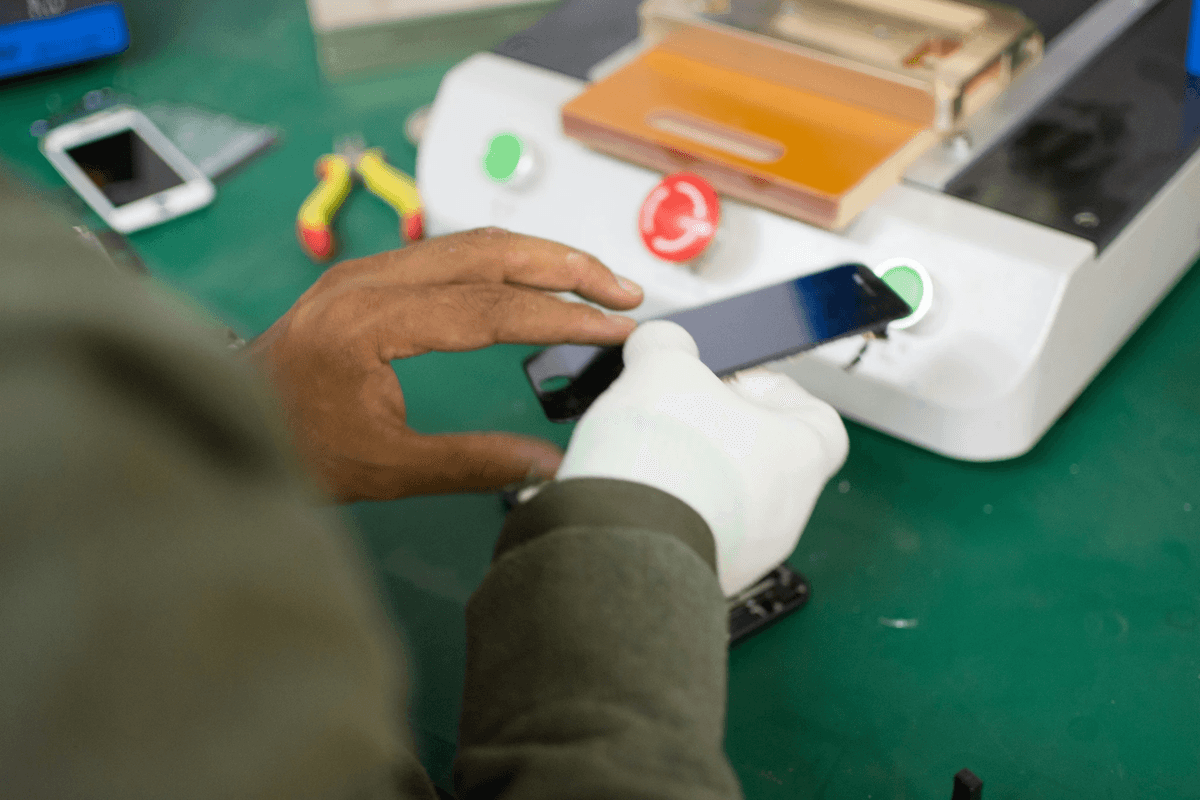
When it comes to ensuring product quality before shipping, understanding the different types of inspections is crucial. Each category—whether it's Quality Control Hardlines, Quality Control Electronics, or Quality Control Toys—has unique requirements and standards that must be met. A thorough final inspection report will highlight these specifics and help you make informed shipping decisions.
Quality Control Hardlines Overview
Quality Control Hardlines encompass a wide range of durable goods, from tools and home improvement items to sporting equipment. The inspection process for hardlines focuses on assessing the structural integrity and functionality of products to ensure they meet safety standards and consumer expectations. By implementing rigorous inspections, businesses can reduce the risk of returns and enhance customer satisfaction through reliable quality assurance reflected in the final inspection report.
The final inspection report for hardlines typically includes detailed assessments of materials used, durability tests, and compliance with safety regulations. This information is invaluable for companies looking to maintain strong supplier relationships while ensuring that their products are ready for market demands. With effective Supplier Audit Services in place, businesses can further validate that their suppliers meet necessary quality control benchmarks.
Quality Control Electronics Overview
Quality Control Electronics involves inspecting a variety of electronic goods such as gadgets, appliances, and components to ensure they function correctly before shipping. Given the complexity of electronic devices, inspections often include testing for performance reliability, safety compliance, and aesthetic defects. As technology evolves rapidly, having a solid understanding of these inspections is essential for minimizing potential issues that could arise after delivery.
The final inspection report in this category is particularly critical because it not only documents passed tests but also highlights any discrepancies found during the process. This serves as a guide for corrective actions if needed and informs shipping decisions based on product readiness. Utilizing Other Inspection Services can further bolster your quality control efforts by providing additional layers of scrutiny on electronics before they reach consumers.
Quality Control Toys Overview
When it comes to children’s toys, implementing stringent Quality Control measures is non-negotiable due to safety concerns associated with materials used in production. Inspections focus on evaluating various aspects such as choking hazards, toxic substances in materials, and overall durability against rough play conditions typical among kids. A thorough approach ensures that toys meet regulatory requirements while also delivering fun experiences safely.
The final inspection report here plays an essential role by documenting compliance with toy safety standards set by organizations like ASTM or EN71 regulations globally. It helps manufacturers avoid costly recalls by catching potential issues prior to shipment—a win-win situation for both suppliers and consumers alike! Additionally, leveraging Supplier Audit Services can help reinforce trust between manufacturers and suppliers by holding them accountable for maintaining high-quality standards throughout production cycles.
Supplier Audit Services Explained
Supplier audit services are crucial in ensuring that the suppliers you partner with maintain high standards of quality and reliability. These audits serve as a vital checkpoint, helping businesses confirm that their suppliers adhere to agreed-upon specifications and regulations. By conducting thorough supplier audits, companies can mitigate risks associated with product quality issues, ultimately leading to a more robust supply chain.
Significance of Supplier Audits
The significance of supplier audits cannot be overstated when it comes to maintaining product quality and compliance. Regular audits provide insights into a supplier's operational practices, revealing potential areas for improvement or concern before they escalate into significant problems. Moreover, these audits foster transparency and trust between businesses and their suppliers, enhancing overall collaboration in the supply chain.
In addition to ensuring compliance with industry standards, supplier audits play a critical role in evaluating risk management strategies. When companies assess their suppliers through these audits, they can identify weaknesses in processes that could lead to defective products or delays in shipping timelines. This proactive approach helps businesses avoid costly returns and enhances customer satisfaction by delivering high-quality products consistently.
Evaluating Supplier Performance
Evaluating supplier performance is an essential aspect of the auditing process that directly impacts your final inspection report outcomes. By analyzing metrics such as on-time delivery rates, defect rates, and responsiveness to issues, companies gain valuable insights into how well their suppliers are meeting expectations. This evaluation helps organizations make informed decisions about continuing partnerships or seeking alternative options if necessary.
Moreover, understanding supplier performance through regular evaluations allows businesses to hold suppliers accountable for their commitments concerning Quality Control Hardlines or Quality Control Electronics standards. If a supplier consistently fails to meet established criteria during inspections or fails to deliver compliant products like Quality Control Toys or Quality Control Softlines items on time, it may be time to rethink the partnership altogether. Ultimately, continuous performance evaluation ensures that only the best suppliers contribute positively to your business's success.
Role of China Inspection Pro in Audits
China Inspection Pro plays an integral role in enhancing the effectiveness of supplier audit services by providing expert guidance throughout the auditing process. With extensive experience in conducting thorough inspections across various industries—including electronics and textiles—China Inspection Pro ensures that your chosen suppliers meet all necessary quality control measures before shipments occur. Their expertise helps identify potential issues early on so you can address them proactively rather than reactively after problems arise.
Additionally, China Inspection Pro offers comprehensive reporting following each audit conducted—providing actionable insights based on findings related to product inspection results and overall supplier performance metrics. These detailed reports serve as invaluable resources when preparing your final inspection report since they highlight areas requiring attention while also showcasing strengths within your supply chain partners' operations.
In conclusion, leveraging China Inspection Pro's services not only supports effective auditing but also reinforces relationships between businesses and their suppliers—ultimately leading toward improved product quality across all categories from Quality Control Hardlines down through Quality Control Softlines offerings.
Other Inspection Services You Should Know

In the realm of product inspection, there are several other services that can enhance quality assurance and shipping effectiveness. Understanding these additional inspection services is crucial for businesses aiming to maintain high standards while navigating complex supply chains. This section highlights the significance of quality control softlines, the advantages of third-party inspections, and how inspections can influence shipping timelines.
Understanding Quality Control Softlines
Quality control softlines focus on textiles and apparel, ensuring that clothing and fabric products meet specific standards before they reach consumers. This type of inspection evaluates various aspects such as stitching quality, fabric durability, color fastness, and overall design integrity. By incorporating a thorough final inspection report into the process, companies can avoid potential issues that could lead to returns or customer dissatisfaction.
When assessing quality control softlines, inspectors often utilize a checklist tailored to the unique characteristics of each product category. This includes evaluating compliance with safety regulations and industry standards which are crucial for maintaining brand reputation. Ultimately, understanding quality control softlines helps businesses deliver products that not only look good but also stand up to consumer expectations.
The Benefits of Third-Party Inspections
Third-party inspections offer an unbiased assessment of product quality and supplier performance through independent evaluators who specialize in various sectors including hardlines, electronics, toys, and softlines. Engaging a third-party service ensures that your final inspection report reflects an impartial view of the products being shipped—crucial for maintaining transparency in supplier relationships. These services provide peace of mind by verifying compliance with both company standards and regulatory requirements.
Moreover, utilizing third-party inspections can significantly reduce risks associated with defective products entering the market. With their expertise in identifying potential flaws or discrepancies during product inspections, these professionals help mitigate financial losses from returns or recalls due to subpar items. In addition to safeguarding your brand's reputation, third-party inspections also foster trust between buyers and suppliers through consistent evaluation practices.
How Inspections Affect Shipping Timelines
The timing of inspections plays a critical role in determining when products are ready for shipment—delays during this phase can ripple throughout the entire supply chain process. A comprehensive final inspection report provides insights into any necessary corrective actions before goods leave the warehouse; addressing issues promptly can prevent bottlenecks down the line. By scheduling timely product inspections before shipping deadlines, businesses can streamline operations while ensuring high-quality output.
Furthermore, understanding how different types of inspections—such as those for hardlines or electronics—affect shipping timelines allows companies to plan more effectively for seasonal demands or promotional events. Coordination between production schedules and inspection timelines ensures that shipments arrive on time without compromising product integrity or safety standards. Ultimately, efficient inspection processes contribute not only to timely deliveries but also to enhanced customer satisfaction due to reliable service.
Conclusion
In conclusion, the final inspection process is pivotal to ensuring that products meet quality standards before they are shipped. By understanding the importance of a thorough final inspection report, businesses can minimize risks and enhance their overall shipping efficiency. The integration of various inspection services, such as Supplier Audit Services and other specialized inspections, ultimately leads to better product quality and customer satisfaction.
Steps to Prepare for a Final Inspection
Preparing for a final inspection requires careful planning and attention to detail. First, ensure that all relevant documentation, including previous inspection reports and product specifications, is readily available for review. Next, communicate with your suppliers about the specific criteria of the final inspection report to ensure everyone is on the same page regarding Quality Control Hardlines, Quality Control Electronics, or Quality Control Toys.
Additionally, it’s essential to conduct pre-inspection checks on your products before the official assessment takes place. This proactive approach can help identify potential issues early on and reduce surprises during the actual inspection. By following these steps diligently, you’ll set yourself up for a successful final inspection that meets quality expectations.
Leveraging Inspection Reports for Shipping
The insights gleaned from your final inspection report are invaluable when making shipping decisions. A well-documented report highlights areas where products excelled or fell short in terms of quality control softlines or other categories like electronics or toys. Use this information strategically; if certain items consistently pass inspections with flying colors while others do not, you may need to reconsider your sourcing strategies.
Moreover, leveraging these reports allows you to build trust with your customers by demonstrating a commitment to quality assurance throughout your supply chain. When customers see that you prioritize thorough inspections and transparent reporting processes, their confidence in your brand increases significantly—leading to repeat business and positive word-of-mouth referrals. In essence, every insight from an inspection report can directly influence shipping timelines and customer satisfaction levels.
Choosing Reliable Quality Control Services
Selecting reliable quality control services is crucial for maintaining high standards throughout your supply chain operations. Look for companies that specialize in various Product Inspection types such as Quality Control Hardlines or Quality Control Softlines; this ensures they have expertise tailored specifically to your industry needs. Additionally, consider service providers who offer comprehensive Supplier Audit Services—these audits give you deeper insights into supplier practices and performance metrics.
When evaluating different service providers, check their track record in delivering accurate final inspection reports consistently over time; transparency should be non-negotiable in any partnership involving inspections! Lastly, don’t hesitate to ask for references or case studies from past clients; these testimonials can provide valuable context about how well a company performs under pressure during critical inspections.