
Introduction
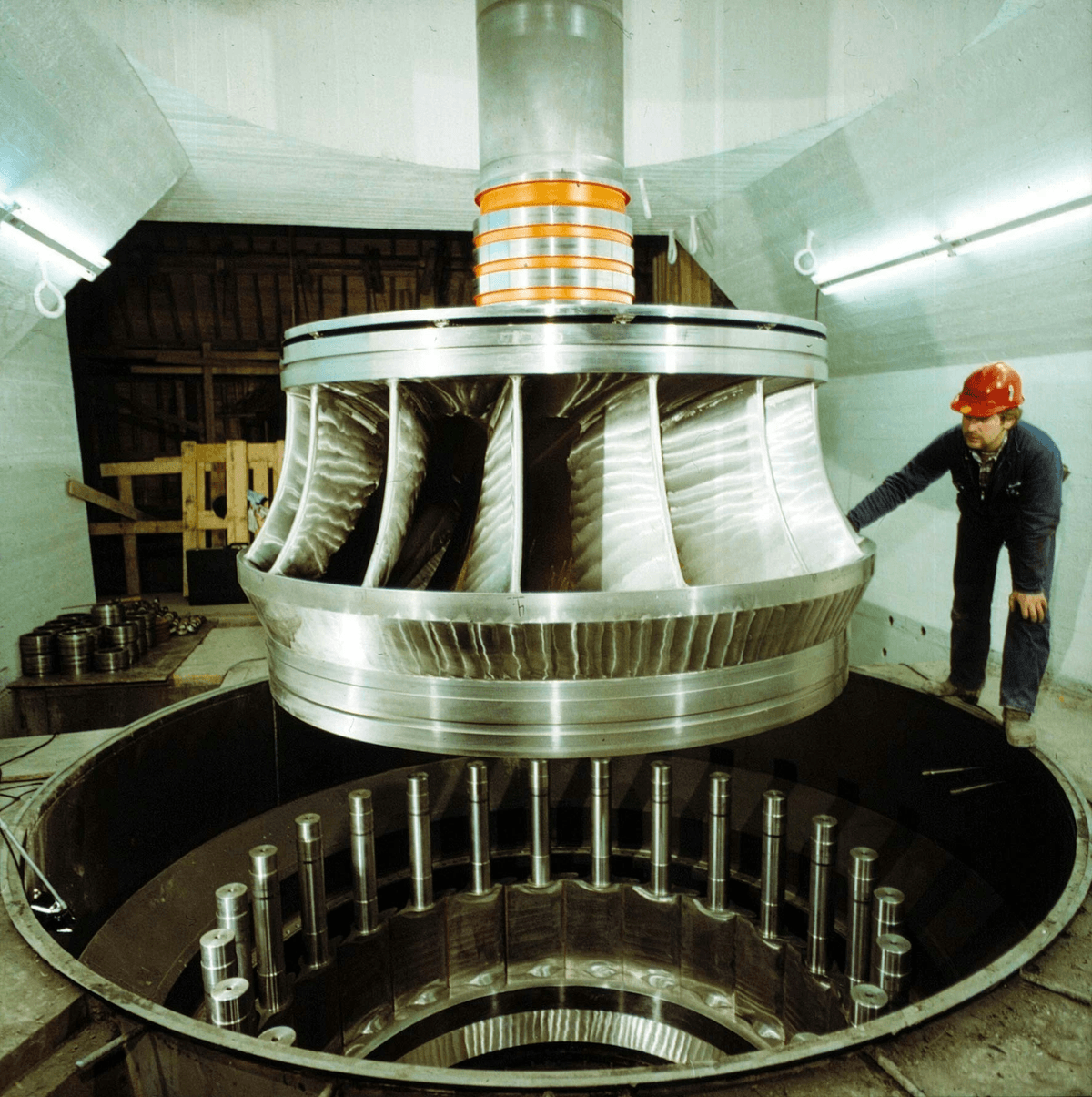
Regular Gas Turbine Inspection is the backbone of maintaining peak performance and ensuring safety in power generation and aviation sectors. Skipping these vital checks can lead to unexpected failures, costly repairs, and downtime that no one wants to face. By understanding the core inspection procedures—like hydrostatic test, rotor balance test, overspeed test, and performance test—you can keep your turbines running smoothly and efficiently.
Why Regular Gas Turbine Inspection Matters
Gas Turbine Inspection isn't just a routine chore; it's a critical step to prevent catastrophic failures that could result from unnoticed wear or damage. Performing regular inspections allows technicians to identify issues early before they escalate into major problems, saving both time and money. Incorporating tests such as the mechanical running test ensures the turbine's mechanical integrity remains intact, while non-destructive methods like ultrasonic testing help detect internal flaws without dismantling the unit.
Key Benefits of Proper Gas Turbine Maintenance
Proper maintenance through thorough Gas Turbine Inspection extends equipment lifespan significantly, reducing long-term operational costs. Conducting essential tests like the overspeed test guarantees turbine safety under extreme conditions, while performance tests verify efficiency levels are maintained at optimal standards. Additionally, routine inspections—including rotor balance tests—help minimize vibrations and prevent unplanned outages that could disrupt power supply or flight schedules.
Understanding the Core Inspection Procedures
The foundation of effective Gas Turbine Inspection lies in a comprehensive understanding of core procedures such as visual checks of external surfaces and structural components alongside detailed testing like hydrostatic pressure assessments for leak detection. Mechanical running tests simulate real operating conditions to assess mechanical stability, whereas advanced techniques like magnetic particle inspection uncover surface or subsurface flaws invisible to the naked eye. Combining these methods ensures that every aspect of turbine health is evaluated thoroughly, with actionable insights provided for maintenance planning.
Preparing for Gas Turbine Inspection
Getting ready for a thorough gas turbine inspection is like setting the stage for a blockbuster—every detail counts. From planning the schedule to assembling the right tools, meticulous preparation ensures that every aspect of the inspection, including critical tests like hydrostatic and rotor balance tests, goes off without a hitch. Remember, skipping steps here can lead to missed issues or costly downtime later, so take your time to get it right.
Planning and Scheduling with China Inspection Pro
Partnering with China Inspection Pro streamlines your gas turbine inspection process by providing expert scheduling and planning assistance. They help coordinate key activities such as mechanical running tests, performance tests, and overspeed tests to fit your operational window seamlessly. Proper planning ensures that each phase—be it visual inspections or non-destructive testing—is scheduled optimally, reducing surprises during critical hydrostatic testing or rotor balance assessments.
Gathering Necessary Tools and Documentation
Preparing your toolkit is crucial—think of it as packing for an adventure where missing gear could mean missing faults in the turbine. Essential items include specialized instruments for ultrasonic testing, magnetic particle inspections, and thermal imaging—all vital for accurate gas turbine inspection results. Don't forget to compile all relevant documentation: maintenance records, previous inspection reports, and calibration certificates; these documents are invaluable when conducting performance tests or verifying rotor balance conditions.
Safety Protocols and Worker Readiness
Safety isn't just a checkbox; it's the backbone of any successful gas turbine inspection involving high-stakes tasks like overspeed tests or hydrostatic checks. Workers should be trained on safety protocols specific to gas turbines—wearing PPE during visual inspections and understanding emergency shutdown procedures during mechanical running tests are non-negotiable. Ensuring everyone is prepared minimizes risks during critical phases such as conducting the rotor balance test or performing a hydrostatic test that could otherwise turn hazardous if overlooked.
Visual and Mechanical Inspection Steps
When it comes to Gas Turbine Inspection, a thorough visual and mechanical check is the backbone of reliable maintenance. This step involves scrutinizing every accessible surface and component for signs of wear, corrosion, or damage that could compromise turbine performance. Remember, a keen eye now can prevent costly failures later—think of it as giving your turbine a health check-up before it hits peak season.
External Surface and Structural Checks
The first line of defense in Gas Turbine Inspection is examining the external surfaces for cracks, corrosion, or deformation. Structural integrity is vital; any irregularities here could lead to vibration issues or catastrophic failure during operation. During this inspection, pay close attention to welds, fasteners, and casing integrity because these are critical points that influence the success of subsequent tests like the hydrostatic test or rotor balance test.
Blade and Rotor Condition Assessment
Next up in the mechanical running test: inspecting blades and rotors for erosion, cracks, or foreign object damage. These parts endure immense stress during operation; thus, their condition directly affects efficiency and safety. Conducting a detailed visual assessment helps identify early signs of fatigue or imbalance that could make an overspeed test risky if ignored—so always inspect blades thoroughly before performing any performance tests.
Inspection of Cooling and Lubrication Systems
Cooling channels and lubrication systems are often overlooked but are crucial in maintaining optimal turbine function during Gas Turbine Inspection. Blockages or leaks here can cause overheating or insufficient lubrication—leading to potential failure during a mechanical running test or even during an overspeed test scenario. Ensure all cooling passages are clear and lubricants are clean; this preparation guarantees accurate results when conducting performance tests later on.
Non-Destructive Testing Methods
When it comes to Gas Turbine Inspection, non-destructive testing (NDT) methods are the unsung heroes that help detect potential issues without harming the equipment. These techniques allow inspectors to peek beneath the surface and assess internal integrity, ensuring that components like rotors and blades are in prime condition before conducting critical tests such as the hydrostatic test or rotor balance test. Incorporating NDT into your maintenance routine enhances safety and prolongs the lifespan of turbines by catching problems early during performance tests or mechanical running tests.
Ultrasonic and Eddy Current Testing
Ultrasonic testing is a powerhouse in Gas Turbine Inspection, utilizing high-frequency sound waves to identify cracks or flaws within metal components like blades or rotors. Eddy current testing complements this by detecting surface and near-surface defects, especially useful for inspecting cooling channels or turbine blades during a mechanical running test. Both methods are invaluable when verifying the integrity of parts before performing more invasive procedures such as a hydrostatic test, ensuring that no hidden faults compromise turbine performance.
Thermal Imaging for Hotspot Detection
Thermal imaging provides a visual map of heat distribution across turbine components, making it an essential part of Gas Turbine Inspection—particularly during operational assessments like performance tests or overspeed tests. Hotspots can indicate issues such as cooling system failures or excessive friction that might lead to catastrophic failure if left unchecked. Using thermal imaging helps inspectors identify trouble spots early, allowing for targeted repairs before proceeding with critical procedures like rotor balance tests or hydrostatic testing.
Magnetic Particle Inspection
Magnetic particle inspection is a quick yet effective method for uncovering surface cracks in ferromagnetic materials commonly used in turbines. During a gas turbine inspection, this technique is especially useful after performing an eddy current test to confirm findings or before conducting a rotor balance test to ensure no hidden flaws could cause vibration issues later on. Incorporating magnetic particle inspection into your maintenance routine enhances safety checks prior to demanding operations such as overspeed tests and performance evaluations—making sure everything runs smoothly under pressure.
Critical Performance Tests
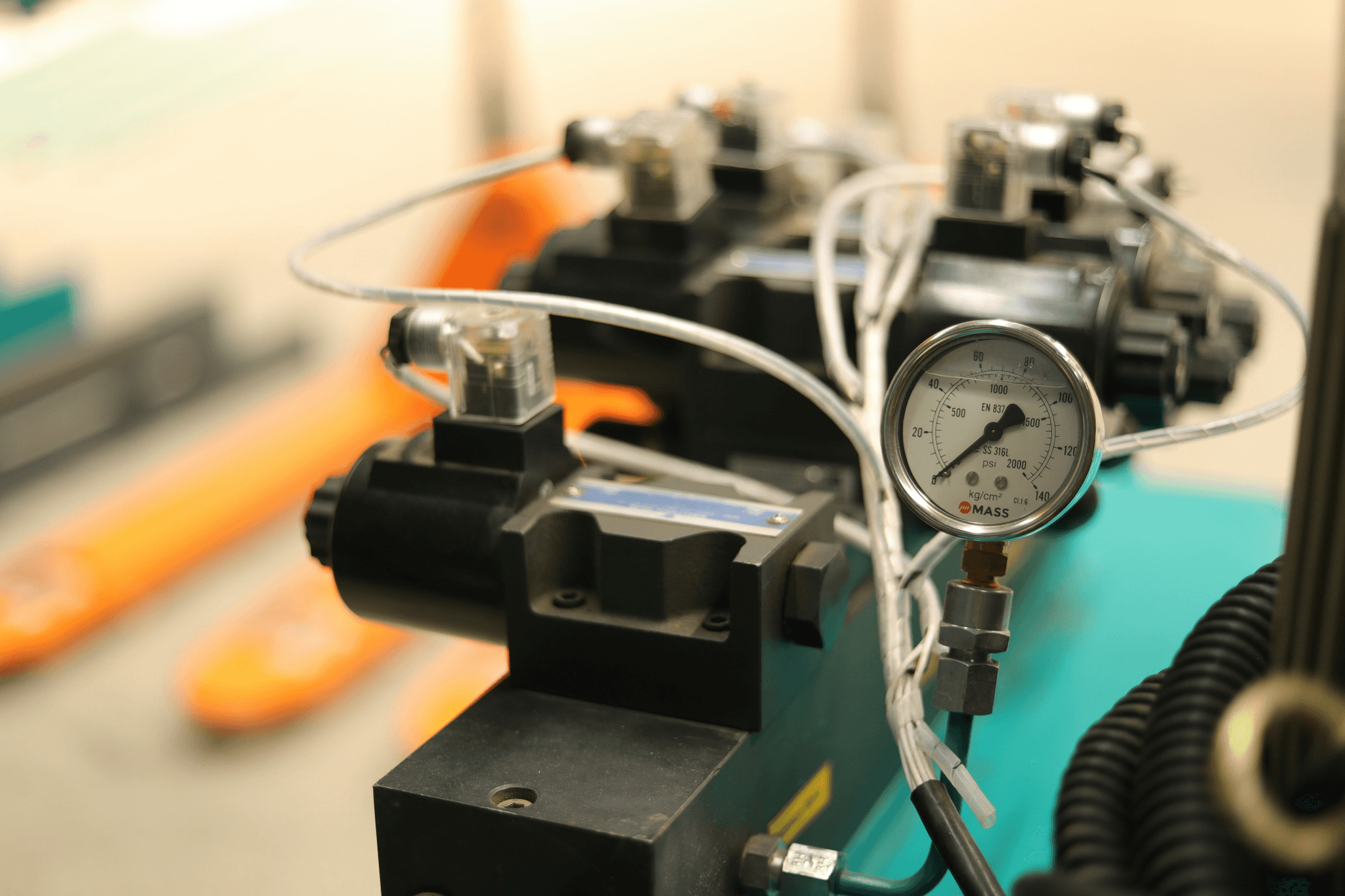
Performing critical performance tests is essential to ensure the gas turbine operates at peak efficiency and safety standards. These tests help identify potential issues that could lead to costly failures if left unchecked. A comprehensive gas turbine inspection includes a series of rigorous assessments, such as the hydrostatic test, rotor balance test, overspeed test, performance test, and mechanical running test.
Running Mechanical Test to Verify Mechanical Integrity
The mechanical running test is the foundation of any thorough gas turbine inspection process. During this phase, the turbine is operated under controlled conditions to verify its mechanical integrity and identify any abnormal vibrations or noises. This test ensures that all moving parts are functioning harmoniously before proceeding with more detailed inspections like the hydrostatic test or rotor balance check. Regularly performing a mechanical running test helps detect early signs of wear and tear that could compromise overall system reliability.
Performing the Performance Test for Efficiency Analysis
Once initial mechanical checks are complete, conducting a performance test provides insights into how efficiently the gas turbine operates under load conditions. This step involves measuring parameters such as power output, fuel consumption, and exhaust emissions to assess overall efficiency. A well-executed performance test during gas turbine inspection can reveal deviations from optimal operation, guiding maintenance teams to fine-tune settings or plan repairs proactively.
Conducting the Overspeed Test Safely
The overspeed test is one of the most critical safety checks in a gas turbine inspection routine because it verifies the rotor’s ability to withstand sudden speed increases without failure. Safety protocols must be meticulously followed during this procedure to prevent accidents or damage to components like blades or rotors. This controlled overspeed scenario ensures that safety mechanisms function correctly and confirms that all parts can handle operational extremes without risking catastrophic failure.
Conducting the Rotor Balance Test for Vibration Control
Rotor balance testing plays a vital role in maintaining smooth operation by detecting imbalances that could cause excessive vibrations during runtime. An unbalanced rotor not only hampers performance but also accelerates wear on bearings and blades—compromising long-term durability in your gas turbine inspection plan. Regular rotor balance tests help extend component lifespan while minimizing downtime caused by vibration-related issues.
Hydrostatic Test to Check for Leaks and Integrity
The hydrostatic test stands out as one of the most definitive steps in ensuring a gas turbine's structural integrity during an inspection process. By pressurizing key components with water or oil, technicians can spot leaks or weaknesses that might otherwise go unnoticed until failure occurs in service. Incorporating this hydrostatic test into your routine guarantees peace of mind knowing your equipment can withstand operational pressures safely.
Data Analysis and Final Reporting
Once the gas turbine inspection is complete, the real work begins—interpreting the results to ensure optimal performance and safety. The data collected from various tests, including hydrostatic tests and rotor balance tests, must be carefully analyzed to identify any signs of wear or potential failure points. This phase is crucial because it transforms raw inspection data into actionable insights that can prevent costly breakdowns down the line.
Interpreting inspection results involves comparing measured parameters against manufacturer specifications and industry standards. For example, deviations in rotor balance test results might indicate imbalance issues that could lead to vibrations or even catastrophic failure if left unaddressed. Similarly, a hydrostatic test revealing leaks or pressure drops signals underlying seal or joint problems needing immediate attention during gas turbine maintenance.
Identifying potential failures and risks is where seasoned judgment comes into play. By scrutinizing data from performance tests, inspectors can spot efficiency drops or abnormal temperature readings suggestive of cooling system faults—both critical factors in gas turbine operation. Conducting a thorough mechanical running test alongside other assessments helps confirm whether these issues are isolated or indicative of broader systemic concerns requiring urgent action.
Developing actionable recommendations with China Inspection Pro ensures that every finding translates into practical steps forward. Whether it’s scheduling repairs based on insights from a hydrostatic test or fine-tuning rotor balance through precise adjustments after a rotor balance test, clear guidance is essential for effective maintenance planning. Incorporating results from overspeed tests and performance evaluations allows clients to optimize their turbines’ longevity while minimizing downtime and operational costs.
Conclusion

Proper Gas Turbine Inspection is the cornerstone of maintaining optimal performance and extending the lifespan of your equipment. Regularly conducting thorough inspections, including hydrostatic tests and rotor balance tests, helps identify early signs of wear or potential failure points. Investing in comprehensive inspections ensures your turbines run smoothly, efficiently, and reliably for years to come.
Choosing expert inspection services for Gas Turbine Inspection guarantees that every critical aspect—from performance testing to mechanical running tests—is meticulously evaluated. Professionals equipped with advanced tools can accurately interpret results from hydrostatic tests or overspeed tests, preventing costly downtime. When you prioritize expert assessments, you're not just fixing problems; you're preventing them before they start.
Staying ahead with continuous Gas Turbine Monitoring is essential in today’s fast-paced energy landscape. Integrating regular performance tests and real-time data analysis allows for proactive maintenance strategies. This approach minimizes unexpected failures, reduces operational costs, and keeps your turbines operating at peak efficiency—making sure you’re always one step ahead in turbine management.