
Introduction
Motor Operated Valve Inspection is a critical process that ensures these vital components operate safely and efficiently in various industrial settings. A well-executed inspection not only prolongs the lifespan of valves but also prevents costly downtime caused by unexpected failures. Incorporating a comprehensive Quality Control Plan into your inspection routine is essential to maintaining high standards and achieving long-term success.
Understanding the importance of Third Party Inspection Visit Reports can make all the difference in verifying that your Motor Operated Valve Inspection meets industry benchmarks. These reports provide an unbiased assessment, highlighting areas for improvement and confirming compliance with regulatory requirements. Pre-shipment Inspection further solidifies this process by catching potential issues before delivery, ensuring every valve leaving the factory adheres to strict quality standards.
Navigating industry standards and regulations might seem daunting, but it’s crucial for safeguarding your investments and maintaining customer trust. Implementing a robust Quality Control Plan helps streamline adherence to these standards, making sure each Motor Operated Valve Inspection aligns with legal and safety requirements. Ultimately, integrating third-party insights and pre-shipment checks creates a resilient framework that guarantees reliable valve performance across all applications.
Planning Your Motor Operated Valve Inspection Strategy
A solid inspection strategy begins with a well-crafted Quality Control Plan tailored specifically for Motor Operated Valve Inspection. This plan should outline clear procedures, quality benchmarks, and responsibilities to ensure every valve meets industry standards. Incorporating detailed checkpoints helps prevent overlooked defects and streamlines the entire inspection process, making sure the final product is reliable and compliant.
Coordination with Third Party Inspection Visit Reports is vital to validate your internal assessments and add an extra layer of confidence. These reports provide unbiased insights into the quality of the valves, highlighting potential issues before shipment. Integrating third-party feedback into your Motor Operated Valve Inspection strategy ensures transparency and enhances overall quality assurance.
Mapping Out Pre-shipment Inspection Procedures forms the backbone of a successful quality control approach. This step involves defining specific tests, visual checks, and functional evaluations that must be completed before delivery. A comprehensive pre-shipment inspection plan guarantees that every motor operated valve leaving the factory aligns with your quality standards and customer expectations.
Visual and Mechanical Inspection Techniques
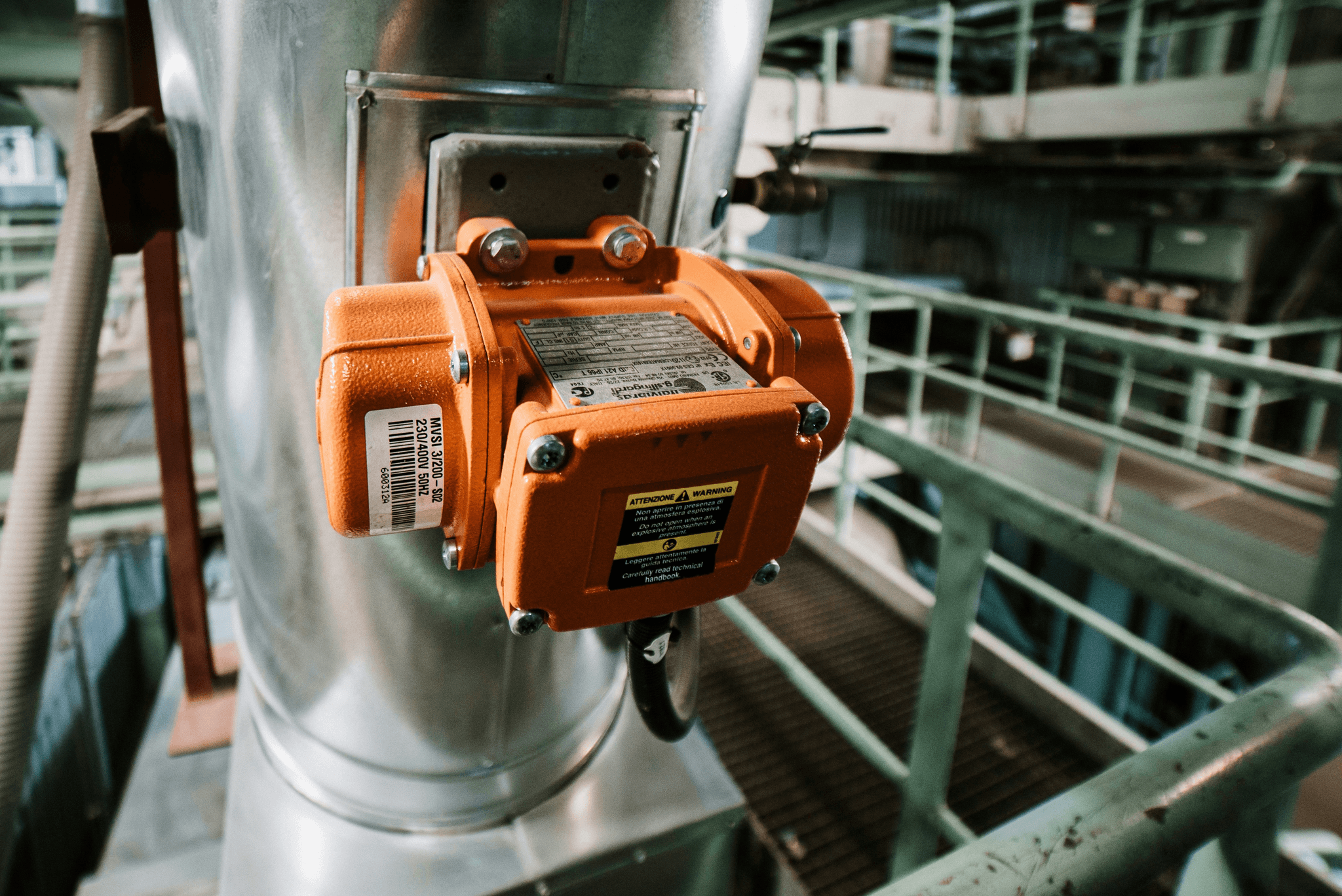
When it comes to Motor Operated Valve Inspection, a thorough visual and mechanical assessment is crucial for ensuring the reliability of your equipment. This step forms the backbone of your Quality Control Plan, helping identify potential defects early on before they escalate into costly failures. Incorporating insights from Third Party Inspection Visit Reports can further enhance this process, providing an unbiased perspective on the valve’s condition prior to shipment.
Examining Valve Body and actuator for Defects
The first stop in Motor Operated Valve Inspection involves a meticulous examination of the valve body and actuator for any visible signs of damage or manufacturing flaws. Cracks, corrosion, or deformities can compromise performance and should be flagged according to your Quality Control Plan. Reviewing Third Party Inspection Visit Reports during this stage helps verify that all visual checks align with industry standards before proceeding to more detailed testing.
Checking Electrical and Control Components
Electrical components form the nerve center of Motor Operated Valve Inspection, making their integrity vital for smooth operation. Inspect wiring connections, control panels, and sensors for signs of wear, corrosion, or incorrect installation—elements often highlighted in Third Party Inspection Visit Reports. Incorporating these findings into your Pre-shipment Inspection ensures that electrical systems meet safety standards and function correctly upon delivery.
Verifying Proper Mounting and Alignment
Proper mounting and alignment are essential for optimal valve performance; misalignments can lead to mechanical failure over time. During inspection, confirm that mounting brackets are secure and that the actuator aligns precisely with the valve body as specified in your Quality Control Plan. Cross-referencing these observations with Third Party Inspection Visit Reports provides added assurance that installation parameters adhere strictly to industry norms before shipment.
Performance Testing and Functional Checks

Performing rigorous performance testing is a cornerstone of effective Motor Operated Valve Inspection. This phase ensures that each valve not only meets the specified standards but also performs reliably under real-world conditions. Incorporating insights from Third Party Inspection Visit Reports can highlight potential issues before they escalate, making the Quality Control Plan more robust and comprehensive.
Conducting Open and Close Tests
Open and close tests are fundamental to verifying the basic functionality of a motor operated valve. During these tests, technicians observe the smoothness, speed, and completeness of valve movement, which directly impacts operational reliability. Documenting these results within your Quality Control Plan allows for better traceability and provides valuable data when reviewing Third Party Inspection Visit Reports for discrepancies or areas for improvement.
Assessing Torque and Speed Parameters
Evaluating torque and speed parameters is critical to ensure that the motor operates within acceptable limits, preventing overloading or sluggish performance. These measurements should be compared against manufacturer specifications and industry standards, as outlined in your Quality Control Plan. Incorporating findings from Third Party Inspection Visit Reports can help identify deviations early on, enabling corrective actions before shipment.
Simulating Emergency Shutoff Scenarios
Simulating emergency shutoff scenarios tests the valve's ability to respond swiftly during critical situations—a vital aspect of Motor Operated Valve Inspection. Such simulations reveal potential failure points that might not surface during routine checks, emphasizing the importance of thorough pre-shipment inspection procedures. Insights gained from these tests should be meticulously recorded in your Quality Control Plan and cross-referenced with Third Party Inspection Visit Reports to ensure all safety measures are met prior to delivery.
Documenting and Analyzing Inspection Data
Proper documentation of Motor Operated Valve Inspection findings is the backbone of maintaining high-quality standards. When you meticulously record every detail, from minor surface imperfections to electrical anomalies, you create a comprehensive database that can be referenced for future improvements. This thorough approach ensures your Quality Control Plan remains dynamic and responsive to real-world conditions, ultimately boosting reliability and customer satisfaction.
Utilizing data collected during Motor Operated Valve Inspection allows teams to identify recurring issues or patterns that may not be immediately obvious. By analyzing inspection reports—especially insights gained from Third Party Inspection Visit Reports—you can refine your Quality Control Plan to address specific vulnerabilities more effectively. Incorporating feedback from third-party inspectors also helps validate your inspection processes, making sure they align with industry standards and pre-shipment inspection requirements.
Reviewing Third Party Inspection Visit Reports is an essential step in elevating your overall quality assurance strategy. These reports often highlight gaps or inconsistencies in the Motor Operated Valve Inspection process that internal teams might overlook. By carefully analyzing these external insights, you can adjust your pre-shipment inspection procedures and strengthen your final checks before delivery, ensuring every valve meets rigorous standards.
Final Quality Assurance and Certification
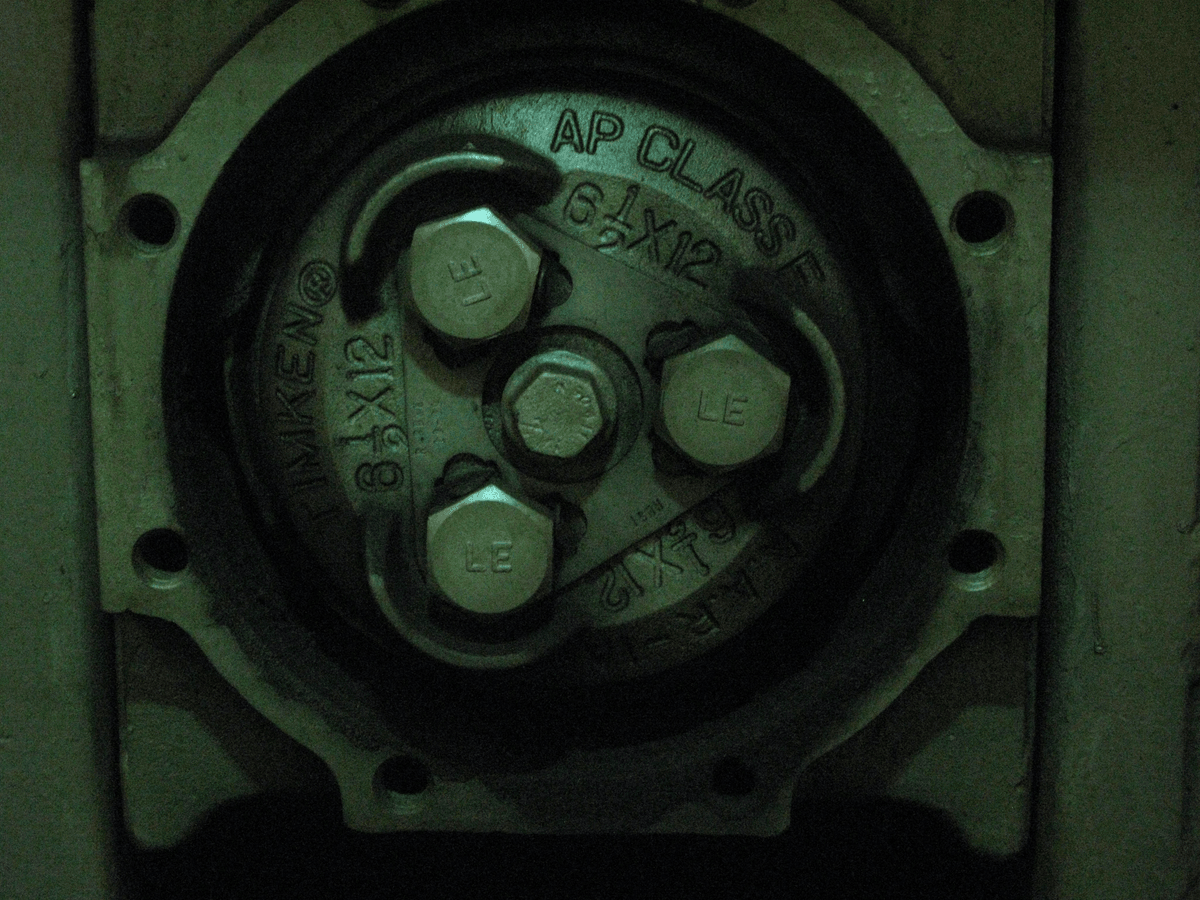
Achieving top-notch Motor Operated Valve Inspection results means crossing the T's on your Quality Control Plan and making sure every detail aligns with industry standards. This final stage is crucial for confirming that all inspection parameters have been met, and that your valves are ready to perform reliably in their operational environment. Relying on comprehensive Third Party Inspection Visit Reports helps verify compliance, ensuring that each valve has undergone rigorous testing before shipment.
Ensuring Compliance with Industry Standards
To wrap up the Motor Operated Valve Inspection process effectively, it's essential to ensure full compliance with relevant industry standards such as API, ISO, or ANSI. Your Quality Control Plan should serve as a roadmap to meet these standards consistently across all inspections. Incorporating insights from Third Party Inspection Visit Reports provides an added layer of confidence, highlighting any areas needing improvement before final certification.
Conducting Pre-shipment Inspection for Delivery Readiness
Pre-shipment Inspection acts as the final checkpoint in your Motor Operated Valve Inspection journey, confirming that every valve is fit for delivery. This step involves meticulous checks based on your established Quality Control Plan to verify mechanical integrity, electrical functionality, and proper documentation. Leveraging Third Party Inspection Visit Reports during this phase ensures unbiased evaluation and helps catch potential issues early, preventing costly returns or delays.
Collaborating with China Inspection Pro for Expert Verification
Partnering with China Inspection Pro elevates your Motor Operated Valve Inspection process by adding expert verification to your final quality assurance efforts. Their team reviews all inspection data and Third Party Inspection Visit Reports to validate compliance and performance readiness before shipment. This collaboration not only boosts confidence but also ensures that your valves meet international standards, reducing risks during installation and operation.
Conclusion
Mastering Motor Operated Valve Inspection for durability is the cornerstone of reliable industrial operations. A comprehensive understanding of the inspection process ensures that every valve functions seamlessly over its lifespan, reducing downtime and costly repairs. Integrating a detailed Quality Control Plan into your routine not only streamlines inspections but also fortifies long-term performance, making sure each component meets rigorous standards.
The role of a well-crafted Quality Control Plan in long-term success cannot be overstated. It acts as a roadmap guiding every step of Motor Operated Valve Inspection, from initial checks to final certification. When combined with diligent review of Third Party Inspection Visit Reports, companies can uncover hidden issues early and implement corrective actions before shipment, ensuring top-notch quality at every stage.
Third Party Inspection Visit Reports serve as an impartial benchmark that elevates industry standards across the board. They provide valuable insights into the condition and compliance of valves before they reach the end user, reinforcing confidence in your products. Leveraging these reports during Pre-shipment Inspection guarantees that each Motor Operated Valve meets or exceeds industry benchmarks, safeguarding your reputation and customer satisfaction.