
Introduction
Ensuring top-notch quality in coating applications is no small feat, but the Air Compressor Blotter Test offers a straightforward and reliable way to do just that. By adhering to ASTM D 4285 standards, inspectors can accurately evaluate coating performance and consistency, ensuring products meet industry benchmarks. When it comes to coating inspection, leveraging these proven testing methods is essential for maintaining reputation and customer satisfaction.
Ensuring Quality with the Air Compressor Blotter Test
The Air Compressor Blotter Test stands out as a practical tool for verifying coating durability and uniformity under pressure. This test provides visual evidence of how coatings react when exposed to compressed air, revealing potential defects or irregularities early in the process. Incorporating the Air Compressor Blotter Test into your coating inspection routine helps catch issues before they reach the market.
Why ASTM D 4285 Matters in Coating Inspection
ASTM D 4285 sets the benchmark for conducting the Air Compressor Blotter Test effectively and consistently across industries worldwide. Following this standard ensures that your coating inspection results are accurate, repeatable, and comparable over time. Without adherence to ASTM D 4285 guidelines, interpretations of blotter patterns can be unreliable, risking non-compliance or subpar product quality.
The Role of China Inspection Pro in Quality Assurance
China Inspection Pro specializes in providing expert testing services aligned with ASTM D 4285 standards, making your coating inspection process seamless and trustworthy. Their professional guidance ensures that every Air Compressor Blotter Test is performed correctly, with detailed reporting that supports informed decision-making. Partnering with China Inspection Pro elevates your quality assurance efforts by delivering precise results rooted in industry-standard practices.
Understanding the Fundamentals of ASTM D 4285

The Air Compressor Blotter Test is a vital component of coating inspection that helps assess the curing and quality of coatings. ASTM D 4285 provides standardized procedures for conducting this test, ensuring consistency and reliability across different projects and industries. By following ASTM D 4285, inspectors can accurately evaluate how coatings respond under specific conditions, making the Air Compressor Blotter Test an essential tool in quality assurance.
Understanding the core principles behind ASTM D 4285 allows professionals to interpret test results more effectively. This standard outlines precise methods for applying and evaluating the Air Compressor Blotter Test, which is crucial for coating inspection. When used correctly, this test helps detect defects like pinholes or blisters early in the process, saving time and resources while maintaining high-quality standards.
ASTM D 4285 guides coating inspection by establishing clear criteria for testing procedures, parameters to monitor, and result interpretation. The standard emphasizes repeatability and accuracy in conducting the Air Compressor Blotter Test, making it a trusted benchmark worldwide. Incorporating ASTM D 4285 into your coating inspection routine ensures your assessments are consistent with industry best practices.
Preparing for the Air Compressor Blotter Test
Getting ready for the Air Compressor Blotter Test is a crucial step in ensuring accurate coating inspection results. Proper preparation minimizes errors and guarantees that ASTM D 4285 standards are met with precision. Whether you're new to coating inspection or a seasoned pro, following a structured approach helps streamline the process and boosts confidence in your findings.
First, selecting the right equipment is essential. The tools used for the Air Compressor Blotter Test must meet ASTM D 4285 specifications to ensure consistency and reliability. High-quality blotters, calibrated air compressors, and precise pressure gauges are non-negotiables in this process. Investing in equipment that aligns with industry standards makes all the difference when conducting accurate coating inspection.
Next up is sample preparation and creating an optimal test environment. Coating samples should be prepared according to ASTM D 4285 guidelines—clean, dry, and free from contaminants—to prevent skewed results during the Air Compressor Blotter Test. The testing area should be free from drafts, dust, or vibrations that might affect blotter patterns or data integrity during coating inspection.
Finally, troubleshooting common setup issues can save you time and frustration. Problems like inconsistent blotter contact pressure or improper sample placement often lead to unreliable results under ASTM D 4285 protocols. Regularly calibrate your equipment, double-check environmental conditions, and ensure proper training for personnel involved in coating inspection to maintain test accuracy.
Conducting a Reliable Air Compressor Blotter Test
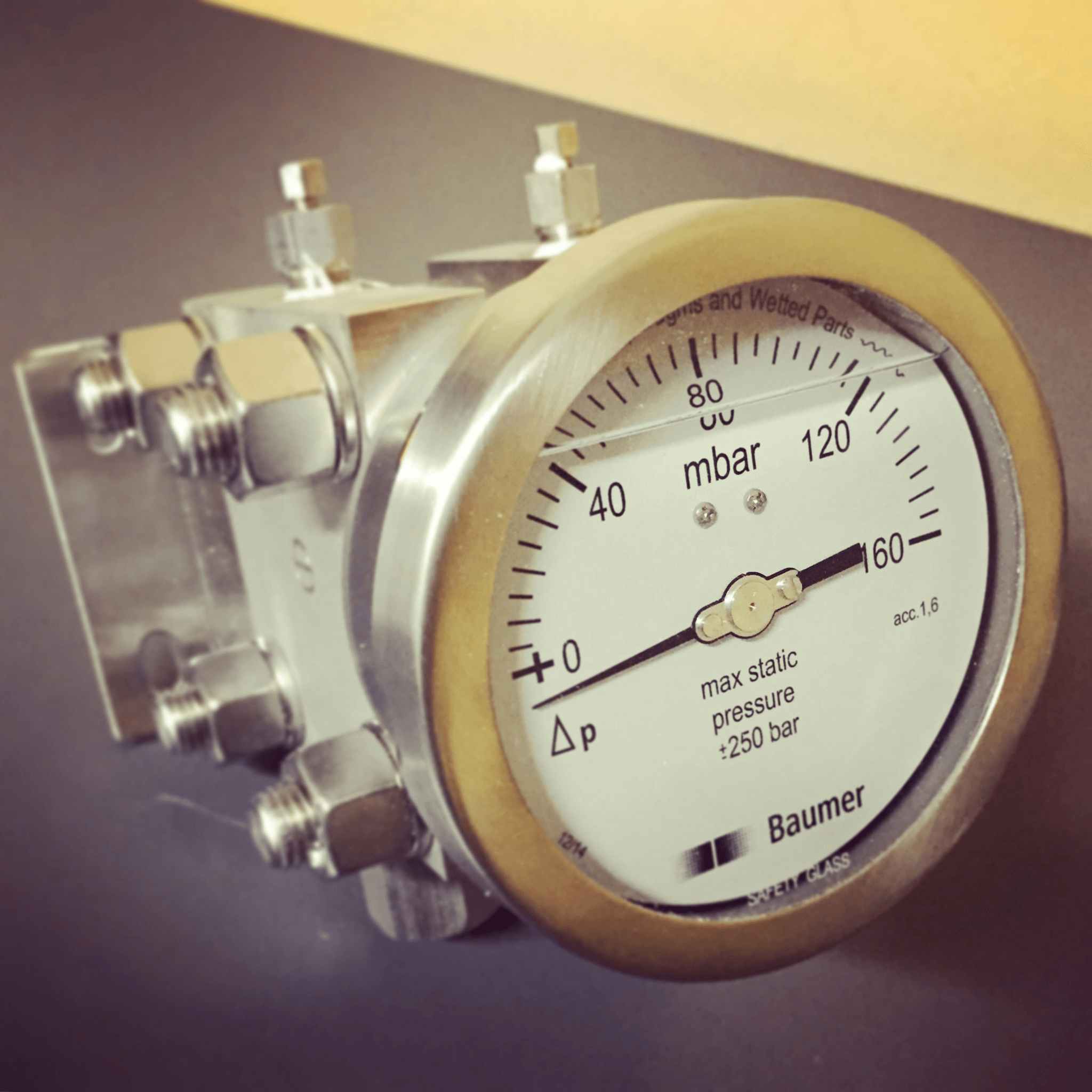
Performing an accurate Air Compressor Blotter Test is essential for effective Coating Inspection, ensuring that coatings meet industry standards and customer expectations. This process requires meticulous attention to detail, adherence to ASTM D 4285 guidelines, and proper handling of equipment. When done correctly, it provides valuable insights into coating performance and helps identify potential issues early on.
Step-by-Step Procedure as per ASTM D 4285
Begin by preparing your test environment—clean, dust-free, and at a consistent temperature to ensure reliable results. Next, select the appropriate coating sample and apply it evenly on a suitable substrate; then, place the sample in the testing chamber where the Air Compressor Blotter Test will be conducted. Follow ASTM D 4285 instructions carefully: operate the compressor at specified pressure levels, monitor blotter pattern development over time, and record observations at designated intervals for comprehensive Coating Inspection.
Once the blotter has been exposed for the prescribed duration, carefully remove it from the chamber without disturbing any patterns. Document all findings meticulously—note blotch size, shape, spread pattern—and compare them against ASTM D 4285 criteria to assess coating uniformity and adhesion qualities effectively.
Key Parameters to Monitor and Record
During an Air Compressor Blotter Test under ASTM D 4285 standards, several critical parameters must be monitored closely. These include compressor pressure levels—ensuring they match specified test conditions—and exposure time, which influences pattern development significantly. Record environmental factors such as temperature and humidity because they can impact coating behavior during testing.
Additionally, observe the blotter patterns themselves: look for irregularities like excessive spreading or uneven edges that may indicate coating deficiencies or irregularities in application thickness. Accurately documenting these parameters enables thorough Coating Inspection analysis and helps determine whether coatings meet quality specifications or require adjustments before final production.
Ensuring Test Repeatability and Accuracy
Consistency is king when conducting an Air Compressor Blotter Test; variability can lead to misleading results in Coating Inspection efforts. To achieve repeatability, always use calibrated equipment aligned with ASTM D 4285 standards—this includes compressors with stable pressure output and standardized blotting materials. Conduct multiple tests on identical samples under similar conditions to verify reliability.
Furthermore, maintaining strict control over environmental conditions such as temperature and humidity minimizes external influences that could skew results. Proper documentation of each step ensures traceability for audits or future comparisons—ultimately boosting confidence in your coating quality assessments through precise Air Compressor Blotter Tests aligned with ASTM D 4285 guidelines.
Interpreting Test Results for Coating Inspection
Interpreting the results of the Air Compressor Blotter Test is a crucial step in ensuring your coating meets industry standards, especially under ASTM D 4285 guidelines. When analyzing data from this test, look closely at the blotter patterns to identify consistency and uniformity, which are key indicators of coating quality. Proper interpretation helps determine whether the coating has passed or failed the ASTM D 4285 criteria, guiding your next steps in quality assurance.
Understanding blotter patterns is essential for effective Coating Inspection. The Air Compressor Blotter Test produces specific patterns that reflect how coatings respond to pressure and environmental factors. Recognizing these patterns allows inspectors to assess whether the coating’s properties align with ASTM D 4285 standards or if irregularities suggest potential issues needing correction.
Making informed decisions based on Air Compressor Blotter Test findings requires a keen eye and a solid grasp of ASTM D 4285 standards. If blotter data indicates irregularities such as excessive absorption or uneven spreading, it may signal problems like improper curing or formulation flaws. Accurate interpretation ensures that only coatings meeting all criteria move forward, maintaining product integrity and customer satisfaction.
Leveraging China Inspection Pro’s Expertise
Partnering with China Inspection Pro elevates your coating inspection process by providing unmatched expertise in the Air Compressor Blotter Test aligned with ASTM D 4285 standards. Their seasoned professionals understand the nuances of coating inspection, ensuring each test is conducted accurately and efficiently. With their guidance, you can confidently interpret results and maintain high-quality standards across your projects.
Professional Guidance in Testing Procedures
China Inspection Pro offers comprehensive support throughout every stage of the Air Compressor Blotter Test, ensuring adherence to ASTM D 4285 guidelines. Their experts assist in selecting appropriate equipment, preparing samples correctly, and setting up the test environment for optimal results. This professional guidance minimizes errors and guarantees that your coating inspection processes are both reliable and compliant with industry standards.
Detailed Reporting and Actionable Recommendations
After conducting the Air Compressor Blotter Test, China Inspection Pro provides detailed reports that clearly interpret blotter patterns and data related to coating quality. These reports highlight potential defects or irregularities, offering actionable insights to improve your coating processes. Such thorough documentation ensures you can make informed decisions swiftly, maintaining consistent quality through precise coating inspection practices.
Ensuring Compliance with Industry Standards
Compliance is key in coating inspection, especially when following ASTM D 4285 protocols for the Air Compressor Blotter Test. China Inspection Pro ensures your testing procedures meet all relevant industry standards, reducing risks associated with non-compliance during audits or client evaluations. Their expertise helps you stay ahead of regulatory demands while achieving superior product quality through reliable blotter tests.
Best Practices for Consistent Coating Quality
Maintaining top-notch coating quality requires more than just one-off tests; it’s about embedding the Air Compressor Blotter Test into your routine. Regular testing following ASTM D 4285 standards helps catch issues early and prevent costly rework down the line. By keeping detailed records of each Coating Inspection, you create a valuable data trail that supports continuous improvement and ensures your products meet industry benchmarks.
Implementing continuous improvement strategies in your coating process involves analyzing trends from repeated Air Compressor Blotter Tests. When you consistently monitor parameters as outlined by ASTM D 4285, you can identify subtle shifts in coating performance before they become major problems. This proactive approach not only boosts quality but also demonstrates to clients and regulators that your team is committed to excellence in Coating Inspection.
Staying ahead in the competitive market means aligning with evolving regulatory demands while embracing innovation. Regularly scheduled Air Compressor Blotter Tests, performed per ASTM D 4285, ensure compliance and help you adapt swiftly to new standards. Incorporating these best practices into your workflow guarantees that your coating quality remains reliable, consistent, and ready for whatever challenges lie ahead.
Conclusion
In the world of coating inspection, consistency and accuracy are king. The Air Compressor Blotter Test, guided by ASTM D 4285 standards, offers a reliable way to evaluate coating quality and ensure your products meet industry benchmarks. Leveraging this test not only sharpens your inspection process but also boosts confidence in your finished coatings, making ASTM D 4285 an indispensable tool for any quality-conscious manufacturer.
When it comes to achieving top-tier coating inspection results, trusting China Inspection Pro is a smart move. Their expertise in conducting the Air Compressor Blotter Test according to ASTM D 4285 ensures that every sample is scrutinized with precision and professionalism. With their detailed reporting and actionable insights, you can stay ahead of industry standards and regulatory requirements, securing your reputation for excellence.
Ultimately, consistent use of the Air Compressor Blotter Test under ASTM D 4285 guidelines empowers you to produce superior coatings that stand up to scrutiny. Reliable testing leads to fewer defects, better durability, and happier clients—all hallmarks of high-quality coating inspection. Partnering with China Inspection Pro guarantees that your coating processes are optimized for quality every step of the way.