
Introduction
When it comes to Steam Turbine Inspection, relying solely on in-house assessments can be like trusting a chef to critique their own cooking — not always the best idea. That's where third-party inspection steps in, offering an unbiased eye that ensures every component meets rigorous standards. Proper Steam Turbine Inspection is crucial for safeguarding investments and maintaining operational efficiency, especially when complex procedures like Welding Specification Procedures and Fabrication Inspection are involved.
Ensuring compliance with industry standards isn't just a box to check; it's the backbone of reliable turbine operation. Third-party inspectors meticulously review Procedure Qualification Records and verify that welding procedures align with strict specifications. This diligent process helps catch potential issues early, preventing costly failures down the line during critical tests such as Hydrostatic Tests or Mechanical Running Tests.
China Inspection Pro plays a pivotal role in quality assurance by providing expert oversight throughout every stage of Steam Turbine Inspection. Their team ensures that welding procedures are properly followed, fabrication inspections are thorough, and all testing phases—including Hydrostatic Tests and Overspeed Tests—are documented accurately. Partnering with seasoned inspectors like China Inspection Pro guarantees your turbine complies with international standards and operates safely for years to come.
Pre-Inspection Planning and Documentation
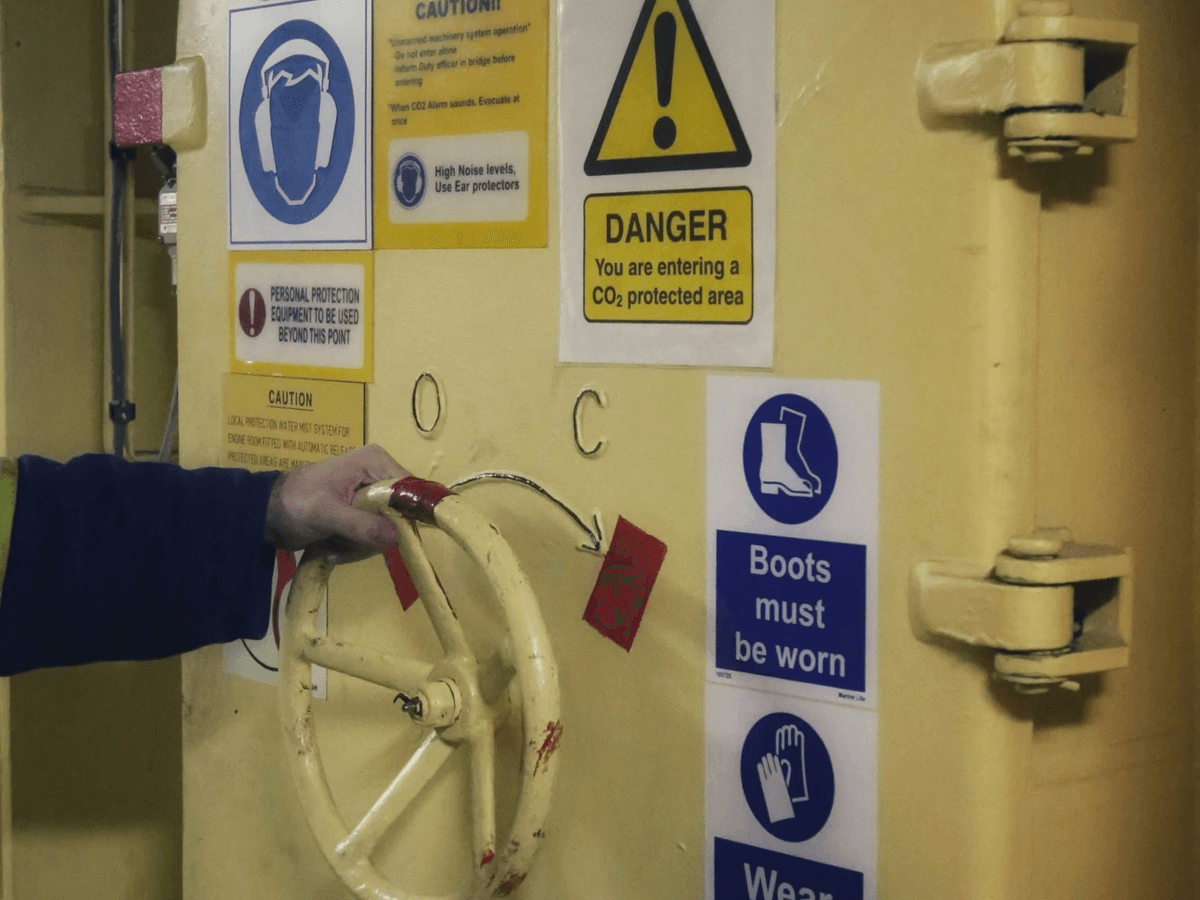
Preparing for a thorough Steam Turbine Inspection starts long before the first visual check. It involves meticulous review of all relevant documentation to ensure every aspect of fabrication and assembly aligns with industry standards. Proper planning helps identify potential issues early, streamlining the entire inspection process and avoiding costly surprises down the line.
A critical part of this phase is reviewing Fabrication Inspection reports. These reports contain detailed records of manufacturing processes, quality control measures, and compliance checks during turbine construction. By scrutinizing these documents, inspectors can verify that the fabrication meets specified standards, which is essential for successful Steam Turbine Inspection. Any discrepancies or deviations found early can be addressed proactively, saving time and resources later on.
Next up is establishing Welding Specification Procedures tailored specifically for the turbine project. Welding plays a vital role in ensuring structural integrity during operation, so setting clear procedures ensures weld quality remains consistent throughout production. Incorporating Welding Specification Procedures into your pre-inspection plan guarantees that welds are performed correctly, which is crucial for passing subsequent Hydrostatic Tests and Mechanical Running Tests.
Lastly, preparing Procedure Qualification Records (PQRs) forms the backbone of reliable welding practices in Steam Turbine Inspection. These records document the welding process parameters tested and verified to meet industry standards. By having well-documented PQRs, inspectors can confidently assess whether welding procedures are qualified to withstand operational stresses during Hydrostatic Tests or Mechanical Running Tests without fail.
Visual Inspection and Material Verification
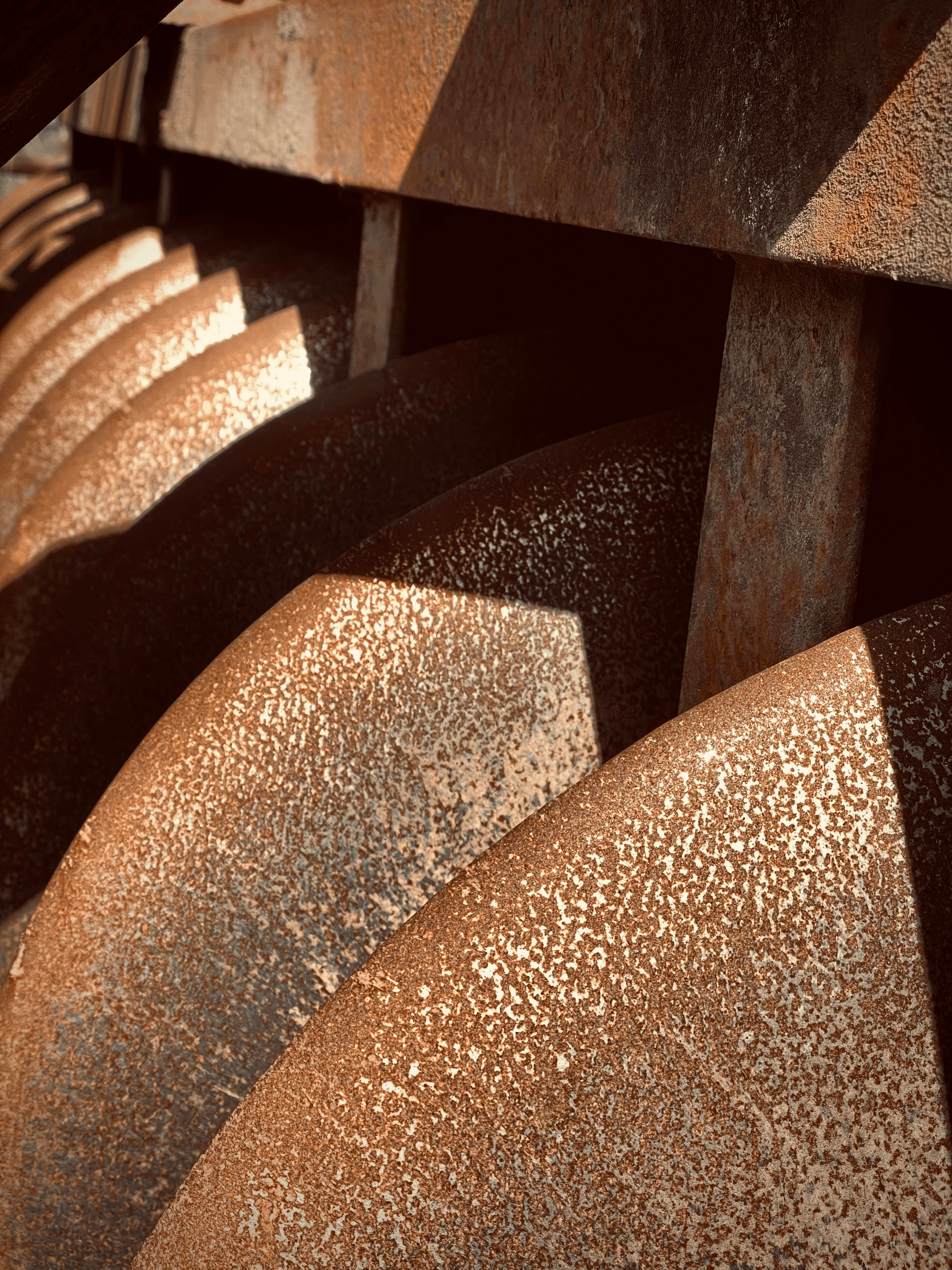
When it comes to Steam Turbine Inspection, a meticulous visual inspection is your first line of defense against potential issues. This step involves scrutinizing every visible component for signs of wear, corrosion, or deformation that could compromise performance or safety. Coupled with material verification, this process ensures that all parts meet the strict standards outlined in Welding Specification Procedures and fabrication standards.
During the inspection, verifying material certifications is crucial to confirm that each component aligns with the specified quality and grade requirements. These certifications act as proof that the materials used have undergone proper testing and meet industry norms. Ensuring compliance with Fabrication Inspection protocols helps identify any discrepancies early on, saving time and resources down the line.
Welding standards and procedures are also verified during this phase to guarantee that welds were performed according to approved Welding Specification Procedures. Proper adherence to these procedures ensures sound welds capable of withstanding operational stresses during Hydrostatic Tests and Mechanical Running Tests. Confirming these details helps prevent failures during critical pressure validation stages like Hydrostatic Tests or Overspeed Tests.
Hydrostatic Tests and Pressure Validation
Hydrostatic testing is a critical phase in the Steam Turbine Inspection process, serving as the ultimate proof that the turbine's pressure boundaries are sound and reliable. During this stage, it’s essential to follow industry norms meticulously to ensure safety and compliance. Proper execution of hydrostatic tests validates the integrity of welded joints, materials, and fabrication inspection results before moving on to more dynamic assessments.
Conducting Hydrostatic Tests per Industry Norms
When performing hydrostatic tests, adherence to established industry standards is non-negotiable. These norms specify pressure levels, test durations, and safety protocols that must be observed during Steam Turbine Inspection. Welding Specification Procedures are closely scrutinized here since weld quality directly impacts test outcomes; any deviation could lead to failures or costly rework. Ensuring these procedures are correctly implemented guarantees that every aspect of the pressure validation aligns with global best practices.
Documenting and Analyzing Test Results
Accurate documentation during hydrostatic testing provides a clear record for future reference and certification purposes. Every pressure increase, hold time, and leak detection result should be meticulously recorded in the Procedure Qualification Records associated with each component inspected. This thorough analysis helps identify potential weaknesses early—whether from fabrication inspection oversights or welding flaws—and allows engineers to make informed decisions about proceeding with mechanical running tests or addressing issues before they escalate.
Addressing Failures or Deviations
Failures during hydrostatic tests aren’t just setbacks; they’re opportunities for rigorous evaluation and improvement within the Steam Turbine Inspection process. When deviations occur—such as unexpected leaks or pressure drops—immediate investigation into welding specification procedures becomes necessary to pinpoint root causes. Corrective actions often involve revisiting fabrication inspection reports, re-welding according to approved standards, or adjusting procedures based on findings documented in Procedure Qualification Records—ensuring that subsequent tests pass muster without compromise.
Mechanical Running and Overspeed Tests
Once the fabrication inspection phase is complete, the focus shifts to ensuring the steam turbine operates flawlessly under real-world conditions. Mechanical running tests are performed to verify the turbine's operational integrity, aligning with strict welding specification procedures and safety standards. These tests are critical for confirming that all components, from blades to rotors, can withstand operational stresses before moving on to overspeed testing.
Executing a mechanical running test requires meticulous planning and adherence to established procedures, especially when considering safety protocols outlined in your welding specification procedures. During these tests, engineers monitor vibration levels, temperature fluctuations, and rotational stability—parameters vital for a successful steam turbine inspection. Proper documentation of these parameters ensures compliance with industry standards and provides a baseline for future performance assessments.
Overspeed tests are then carried out as a final safety check, pushing the turbine beyond its maximum operating speed to ensure it can handle emergency scenarios without failure. This crucial step validates that all aspects of the fabrication inspection have been addressed thoroughly in the procedure qualification records, minimizing risks during actual operation. Recording detailed test data during overspeed testing helps identify potential weaknesses early on and confirms that all components meet rigorous safety criteria.
Performing Mechanical Running Tests Safely
Performing mechanical running tests safely hinges on meticulous planning aligned with industry norms and adherence to approved welding specification procedures. Before initiating these tests, inspectors review fabrication inspection reports to verify assembly quality and material certifications, ensuring everything is up to standard. During operation, continuous monitoring of vibration levels and temperature readings safeguards against unforeseen failures while documenting every parameter for transparency in the steam turbine inspection process.
Executing Overspeed Tests for Safety Assurance
Overspeed testing is arguably one of the most nerve-wracking yet essential phases in steam turbine inspection because it pushes equipment beyond normal limits for validation purposes. This process involves executing carefully controlled overspeed scenarios based on procedure qualification records that outline maximum permissible speeds without risking damage or failure—an absolute must-have in your welding specification procedures documentation. The test results are scrutinized meticulously; any deviations from expected behavior prompt immediate analysis and corrective actions before approving final certification.
Recording Test Data for Future Reference
Accurate recording of test data during both mechanical running and overspeed tests forms an integral part of quality assurance in steam turbine inspection projects. These records include vibration spectra, temperature profiles, rotational speeds, and any anomalies observed during testing—each piece critical when analyzing overall performance against industry standards like hydrostatic tests or fabrication inspections conducted earlier in the process. Maintaining comprehensive documentation ensures traceability throughout the lifecycle of your turbine equipment while providing valuable insights should future repairs or inspections be necessary.
Post-Inspection Review and Certification
Once the initial wave of Steam Turbine Inspection activities wraps up, the real work begins: analyzing the inspection findings. This step involves a meticulous review of all documentation, including Welding Specification Procedures and Fabrication Inspection reports, to ensure every detail aligns with industry standards. Scrutinizing these records helps identify any deviations or potential issues that could impact turbine performance or safety.
After thoroughly examining the inspection outcomes, the team collaborates with China Inspection Pro to finalize comprehensive inspection reports. These reports compile results from Hydrostatic Tests, Mechanical Running Tests, and Overspeed Tests, providing a clear picture of the turbine’s condition. The goal is to produce an accurate document that reflects compliance with all relevant standards and highlights areas needing attention before certification.
Finally, based on this detailed review, inspectors decide whether to approve the turbine for operation or recommend revisions to meet strict quality benchmarks. If discrepancies are found during Hydrostatic Tests or Mechanical Running Tests, adjustments may be necessary in Welding Specification Procedures or fabrication techniques. This process ensures that every aspect of the Steam Turbine Inspection adheres to rigorous standards before granting formal certification or requesting further modifications.
Conclusion
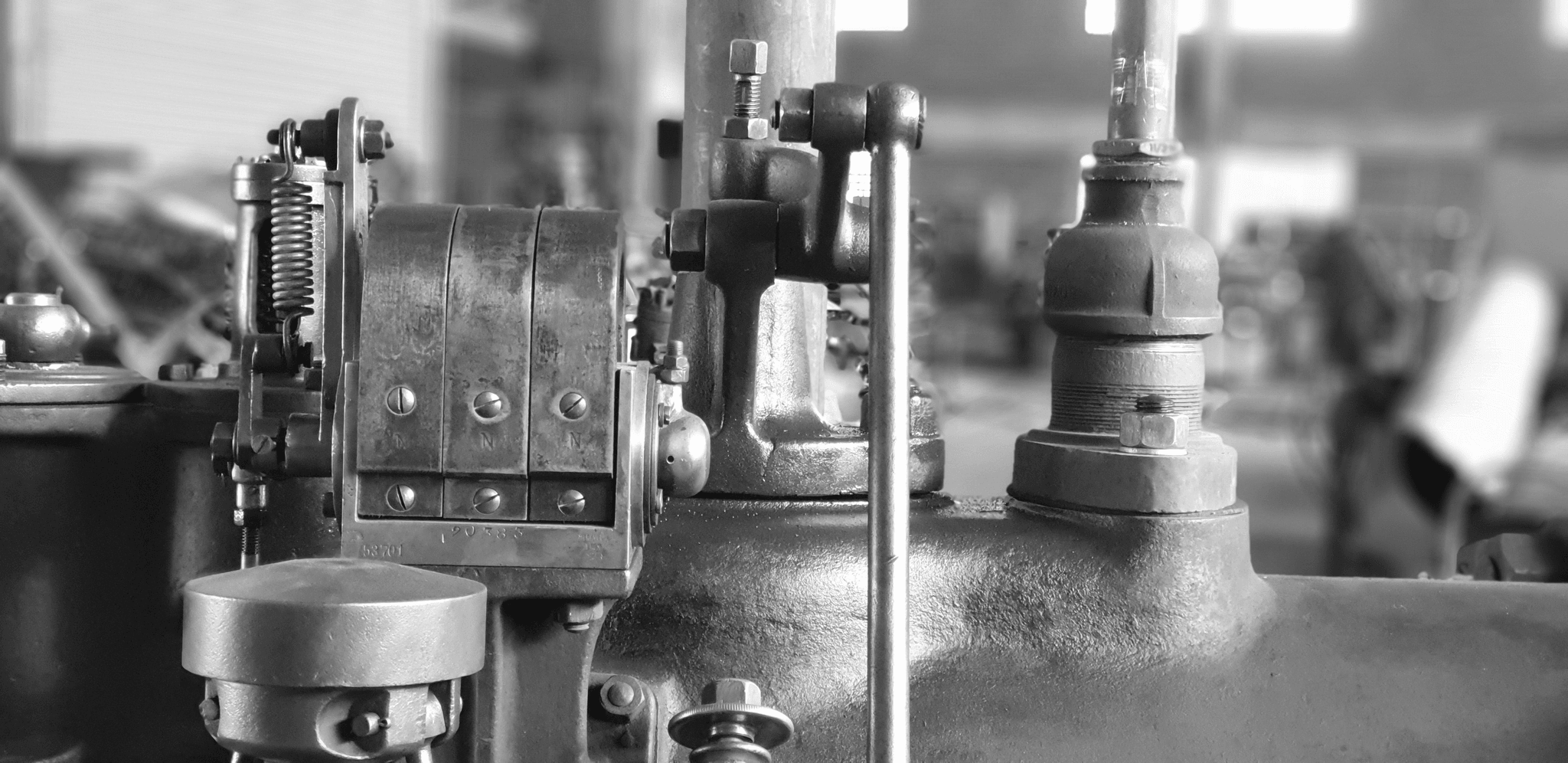
A thorough Steam Turbine Inspection is the backbone of ensuring safety, efficiency, and longevity in power generation. From reviewing Welding Specification Procedures to conducting Fabrication Inspection, every step plays a crucial role in maintaining quality standards. Proper documentation and rigorous testing—such as Hydrostatic Tests, Mechanical Running Tests, and Overspeed Tests—are essential for confirming that turbines meet all industry norms and safety requirements.
Key Takeaways for Successful Steam Turbine Inspection
Success in Steam Turbine Inspection hinges on meticulous planning and execution of each phase, especially the review of Procedure Qualification Records to validate welding procedures. A detailed Fabrication Inspection ensures that materials and assembly meet strict standards before moving forward with Hydrostatic Tests. Remember, thorough inspection during each stage minimizes risks, enhances reliability, and guarantees compliance with industry standards.
How Third Party Inspection Protects Investments
Engaging a reputable third-party provider like China Inspection Pro adds an extra layer of assurance by independently verifying that Welding Specification Procedures are followed precisely during fabrication. Their expertise during Hydrostatic Tests confirms pressure integrity while identifying potential issues early on—saving costly repairs down the line. Ultimately, third-party inspection acts as a safeguard against subpar workmanship or overlooked flaws that could jeopardize your investment.
Partnering with Experts to Ensure Excellence
Partnering with experienced inspectors ensures comprehensive coverage—from visual checks to advanced pressure validation methods like Hydrostatic Tests and Overspeed Tests—delivering peace of mind at every turn. Experts familiar with Procedure Qualification Records help streamline approval processes while ensuring all welding procedures align perfectly with project specifications. Together with knowledgeable partners, you can confidently achieve excellence in Steam Turbine Inspection and secure your project's success.